Please wait
00P2Y10000000530000000P7YP3YP7YP3Y

Table of Contents

-2

Audited Consolidated Financial Statements and Notes - Table of Contents

MANAGEMENT’S STATEMENT OF RESPONSIBILITY FOR FINANCIAL REPORTING

2

MANAGEMENT’S REPORT ON INTERNAL CONTROL OVER FINANCIAL REPORTING

3

REPORT OF INDEPENDENT REGISTERED PUBLIC ACCOUNTING FIRM (AUDIT FIRM ID: 85)

4

CONSOLIDATED STATEMENTS OF COMPREHENSIVE INCOME

6

CONSOLIDATED BALANCE SHEETS

7

CONSOLIDATED STATEMENTS OF CASH FLOWS

8

CONSOLIDATED STATEMENTS OF CHANGES IN EQUITY

9

NOTES TO THE CONSOLIDATED FINANCIAL STATEMENTS

10

1. REPORTING ENTITY AND DESCRIPTION OF THE BUSINESS

10

2. BASIS OF PREPARATION

10

3. SUMMARY OF MATERIAL ACCOUNTING POLICIES

10

4. SIGNIFICANT AND OTHER ACCOUNTING ESTIMATES AND JUDGMENTS

15

5. NEW IFRS STANDARDS

16

6. SEGMENTED INFORMATION

17

7. OTHER INCOME

20

8. OPERATING, SELLING AND GENERAL EXPENSE

20

9. FINANCING EXPENSES

20

10. INCOME TAXES

21

11. EARNING PER COMMON SHARE

23

12. CASH AND CASH EQUIVALENTS

23

13. SUPPLEMENTAL CASH FLOW INFORMATION

23

14. INVENTORIES

24

15. PROPERTY, PLANT AND EQUIPMENT

25

16. ASSET TRANSACTIONS

26

17. RIGHT-OF-USE ASSETS AND LEASES

28

18. EXPLORATION AND EVALUATION ASSETS

29

19. OTHER ASSETS

29

20. GOODWILL AND OTHER INTANGIBLE ASSETS

29

21. DEBT AND CREDIT FACILITIES

30

22. OTHER LONG TERM LIABILITIES

33

23. PENSIONS AND OTHER POST RETIREMENT BENEFITS

33

24. PROVISIONS

37

25. SHARE CAPITAL

38

26. SHARE BASED COMPENSATION

39

27. FINANCIAL INSTRUMENTS AND RISK MANAGEMENT

41

28. CAPITAL STRUCTURE FINANCIAL POLICIES

45

29. JOINT ARRANGEMENTS

47

30. SUBSIDIARIES

48

31. RELATED PARTY DISCLOSURES

49

32. COMMITMENTS, CONTINGENCIES AND GUARANTEES

49

ANNUAL REPORT 2024 SUNCOR ENERGY INC.    1

Table of Contents

Management’s Statement of Responsibility for Financial Reporting

The management of Suncor Energy Inc. is responsible for the presentation and preparation of the accompanying consolidated financial statements of Suncor Energy Inc. and all related financial information contained in the Annual Report, including Management’s Discussion and Analysis.

The consolidated financial statements have been prepared in accordance with International Financial Reporting Standards as issued by the International Accounting Standards Board. They include certain amounts that are based on estimates and judgments.

In management’s opinion, the consolidated financial statements have been properly prepared within reasonable limits of materiality and within the framework of the significant accounting policies adopted by management. If alternate accounting methods exist, management has chosen those policies it deems the most appropriate in the circumstances. In discharging its responsibilities for the integrity and reliability of the financial statements, management maintains and relies upon a system of internal controls designed to ensure that transactions are properly authorized and recorded, assets are safeguarded against unauthorized use or disposition and liabilities are recognized. These controls include quality standards in hiring and training of employees, formalized policies and procedures, a corporate code of conduct and associated compliance program designed to establish and monitor conflicts of interest, the integrity of accounting records and financial information, among others, and employee and management accountability for performance within appropriate and well-defined areas of responsibility.

The system of internal controls is further supported by the professional staff of an internal audit function who conduct periodic audits of the company’s financial reporting.

The Audit Committee of the Board of Directors, currently composed of four independent directors, reviews the effectiveness of the company’s financial reporting systems, management information systems, internal control systems and internal auditors. It recommends to the Board of Directors the external auditor to be appointed by the shareholders at each annual meeting and reviews the independence and effectiveness of their work. In addition, it reviews with management and the external auditor any significant financial reporting issues, the presentation and impact of significant risks and uncertainties, and key estimates and judgments of management that may be material for financial reporting purposes. The Audit Committee appoints the independent reserve consultants. The Audit Committee meets at least quarterly to review and approve interim financial statements prior to their release, as well as annually to review Suncor’s annual financial statements and Management’s Discussion and Analysis, Annual Information Form/Form 40-F, and annual reserves estimates, and recommend their approval to the Board of Directors. The internal auditors and the external auditor, KPMG LLP, have unrestricted access to the company, the Audit Committee and the Board of Directors.


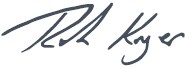
Graphic

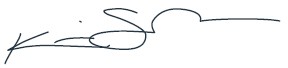
Graphic

Rich Kruger

Kris Smith

President and Chief Executive Officer

Chief Financial Officer

February 26, 2025

2    ANNUAL REPORT 2024 SUNCOR ENERGY INC.
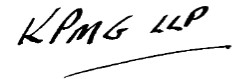
Table of Contents

The following report is provided by management in respect of the company’s internal control over financial reporting (as defined in Rule 13a-15(f) and 15d-15(f) under the U.S. Securities Exchange Act of 1934):

Management’s Report on Internal Control Over Financial Reporting

1.Management is responsible for establishing and maintaining adequate internal control over the company’s financial reporting.
2.Management has used the Committee of Sponsoring Organizations of the Treadway Commission (COSO) framework (2013) in Internal Control – Integrated Framework to evaluate the effectiveness of the company’s internal control over financial reporting.
3.Management has assessed the effectiveness of the company’s internal control over financial reporting as at December 31, 2024, and has concluded that such internal control over financial reporting was effective as of that date. In addition, based on this assessment, management determined that there were no material weaknesses in internal control over financial reporting as at December 31, 2024. Because of inherent limitations, systems of internal control over financial reporting may not prevent or detect misstatements and even those systems determined to be effective can provide only reasonable assurance with respect to financial statement preparation and presentation.
4.The effectiveness of the company’s internal control over financial reporting as at December 31, 2024, has been audited by KPMG LLP, independent public accountant, as stated in their report which appears herein.


Graphic

Graphic

Rich Kruger

Kris Smith

President and Chief Executive Officer

Chief Financial Officer

February 26, 2025

ANNUAL REPORT 2024 SUNCOR ENERGY INC.    3
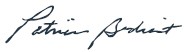
Table of Contents

Report of Independent Registered Public Accounting Firm

To the Shareholders and Board of Directors of Suncor Energy Inc.

Opinions on the Consolidated Financial Statements and Internal Control Over Financial Reporting

We have audited the accompanying consolidated balance sheets of Suncor Energy Inc. and subsidiaries (the Company) as of December 31, 2024 and 2023, the related consolidated statements of comprehensive income, changes in equity, and cash flows for the years then ended, and the related notes (collectively, the consolidated financial statements). We also have audited the Company’s internal control over financial reporting as of December 31, 2024, based on criteria established in Internal Control – Integrated Framework (2013) issued by the Committee of Sponsoring Organizations of the Treadway Commission.

In our opinion, the consolidated financial statements referred to above present fairly, in all material respects, the financial position of the Company as of December 31, 2024 and 2023, and the results of its financial performance and its cash flows for each of the years then ended, in conformity with International Financial Reporting Standards (IFRS) as issued by the International Accounting Standards Board (IASB). Also in our opinion, the Company maintained, in all material respects, effective internal control over financial reporting as of December 31, 2024 based on criteria established in Internal Control – Integrated Framework (2013) issued by the Committee of Sponsoring Organizations of the Treadway Commission.

Basis for Opinions

The Company’s management is responsible for these consolidated financial statements, for maintaining effective internal control over financial reporting, and for its assessment of the effectiveness of internal control over financial reporting, included in the accompanying Management’s Report on Internal Control Over Financial Reporting. Our responsibility is to express an opinion on the Company’s consolidated financial statements and an opinion on the Company’s internal control over financial reporting based on our audits. We are a public accounting firm registered with the Public Company Accounting Oversight Board (United States) (PCAOB) and are required to be independent with respect to the Company in accordance with the U.S. federal securities laws and the applicable rules and regulations of the Securities and Exchange Commission and the PCAOB.

We conducted our audits in accordance with the standards of the PCAOB. Those standards require that we plan and perform the audits to obtain reasonable assurance about whether the consolidated financial statements are free of material misstatement, whether due to error or fraud, and whether effective internal control over financial reporting was maintained in all material respects.

Our audits of the consolidated financial statements included performing procedures to assess the risks of material misstatement of the consolidated financial statements, whether due to error or fraud, and performing procedures that respond to those risks. Such procedures included examining, on a test basis, evidence regarding the amounts and disclosures in the consolidated financial statements. Our audits also included evaluating the accounting principles used and significant estimates made by management, as well as evaluating the overall presentation of the consolidated financial statements. Our audit of internal control over financial reporting included obtaining an understanding of internal control over financial reporting, assessing the risk that a material weakness exists, and testing and evaluating the design and operating effectiveness of internal control based on the assessed risk. Our audits also included performing such other procedures as we considered necessary in the circumstances. We believe that our audits provide a reasonable basis for our opinions.

Definition and Limitations of Internal Control Over Financial Reporting

A company’s internal control over financial reporting is a process designed to provide reasonable assurance regarding the reliability of financial reporting and the preparation of financial statements for external purposes in accordance with generally accepted accounting principles. A company’s internal control over financial reporting includes those policies and procedures that (1) pertain to the maintenance of records that, in reasonable detail, accurately and fairly reflect the transactions and dispositions of the assets of the company; (2) provide reasonable assurance that transactions are recorded as necessary to permit preparation of financial statements in accordance with generally accepted accounting principles, and that receipts and expenditures of the company are being made only in accordance with authorizations of management and directors of the company; and (3) provide reasonable assurance regarding prevention or timely detection of unauthorized acquisition, use, or disposition of the company’s assets that could have a material effect on the financial statements.

4    ANNUAL REPORT 2024 SUNCOR ENERGY INC.

Table of Contents

Because of its inherent limitations, internal control over financial reporting may not prevent or detect misstatements. Also, projections of any evaluation of effectiveness to future periods are subject to the risk that controls may become inadequate because of changes in conditions, or that the degree of compliance with the policies or procedures may deteriorate.

Critical Audit Matter

The critical audit matter communicated below is a matter arising from the current period audit of the consolidated financial statements that was communicated or required to be communicated to the audit committee and that: (1) relates to accounts or disclosures that are material to the consolidated financial statements and (2) involved our especially challenging, subjective, or complex judgments. The communication of a critical audit matter does not alter in any way our opinion on the consolidated financial statements, taken as a whole, and we are not, by communicating the critical audit matter below, providing a separate opinion on the critical audit matter or on the accounts or disclosures to which it relates.

Assessment of indicators of impairment related to Oil Sands and certain Exploration and Production property, plant and equipment.

As discussed in Note 3(h) to the consolidated financial statements, when circumstances indicate that a cash generating unit (“CGU”) may be impaired, the Company compares the carrying amount of the CGU to its recoverable amount. The Company analyzes indicators of impairment quarterly, such as significant decreases in proved and probable reserves. The determination of proved and probable oil reserves includes assumptions related to forecasted production volumes, commodity prices, capital expenditures and operating costs (collectively, “reserve assumptions”). The estimation of reserve assumptions requires the expertise of independent qualified reserves evaluators. The Company engages independent qualified reserves evaluators to evaluate the Company’s proved and probable oil reserves.

We identified the evaluation of the assessment of indicators of impairment related to the Oil Sands and certain Exploration and Production property, plant and equipment as a critical audit matter. A high degree of subjective auditor judgment was required to evaluate the reserve assumptions used by the Company in their assessment.

The following are the primary procedures we performed to address this critical audit matter. We evaluated the design and tested the operating effectiveness of certain internal controls related to the critical audit matter. This included controls related to the Company’s assessment of indicators of impairment, including controls related to the reserve assumptions. We evaluated the Company’s reserve assumptions by comparing the current year externally evaluated proved and probable oil reserves to historical results. We compared the Company’s current year actual production volumes, capital expenditures and operating costs to those respective assumptions used in the prior year externally evaluated proved oil reserves, and for certain reserve assumptions proved and probable oil reserves, to assess the Company’s ability to accurately forecast. We evaluated the Company’s future commodity price estimates by comparing to publicly available external price curves for the same benchmark pricing. We evaluated the competence, capabilities, and objectivity of the independent qualified reserves evaluators engaged by the Company, who evaluated the proved and probable oil reserves. We evaluated the methodology used by the independent qualified reserves evaluators to evaluate proved and probable oil reserves for compliance with regulatory standards.

Graphic

Chartered Professional Accountants

We have served as the Company’s auditor since 2019.

Calgary, Canada

February 26, 2025

ANNUAL REPORT 2024 SUNCOR ENERGY INC.    5

Table of Contents

Consolidated Statements of Comprehensive Income

For the years ended December 31 ($ millions)


Notes


2024


2023


Revenues and Other Income


Gross revenues


6


54 881


52 206

Less: royalties

6

(4 192)

(3 114)

Other income


7


445


1 654


51 134


50 746

Expenses

Purchases of crude oil and products


19 115


18 215

Operating, selling and general


8 and 26


13 059


13 383

Transportation and distribution


1 842


1 775

Depreciation, depletion, amortization and impairment


15 and 16


6 954


6 435

Exploration


92


74

Gain on disposal of assets


16


(25)


(992)

Financing expenses


9


1 910


1 267


42 947


40 157

Earnings before Income Taxes


8 187


10 589

Income Tax Expense (Recovery)


Current

10


2 465


1 734

Deferred

10 and 16


(294)


560


2 171


2 294

Net Earnings


6 016


8 295

Other Comprehensive Income

Items That May be Subsequently Reclassified to Earnings:

Foreign currency translation adjustment


153


74

Items That Will Not be Reclassified to Earnings:

Actuarial gain on employee retirement benefit plans, net of income taxes

590


128

Other Comprehensive Income


743


202

Total Comprehensive Income


6 759


8 497

Per Common Share (dollars)


11

Net earnings – basic


4.72


6.34

Net earnings – diluted


4.72


6.33

Cash dividends


2.22


2.11

The accompanying notes are an integral part of the consolidated financial statements.

6    ANNUAL REPORT 2024 SUNCOR ENERGY INC.

Table of Contents

Consolidated Balance Sheets


December 31

December 31

($ millions)

Notes

2024

2023

Assets

Current assets

Cash and cash equivalents


12


3 484


1 729

Accounts receivable


5 245


5 735

Inventories


14


5 041


5 365

Income taxes receivable


518


980

Total current assets


14 288


13 809

Property, plant and equipment, net


15 - 17


68 512


67 650

Exploration and evaluation


18


1 742


1 758

Other assets


19


1 559


1 710

Goodwill and other intangible assets


20


3 503


3 528

Deferred income taxes


10


180


84

Total assets


89 784


88 539

Liabilities and Shareholders’ Equity

Current liabilities

Short-term debt


21


-


494

Current portion of long-term debt


21


997


-

Current portion of long-term lease liabilities

21

599

348

Accounts payable and accrued liabilities


8 161


7 731

Current portion of provisions


24


958


983

Income taxes payable


32


41

Total current liabilities


10 747


9 597

Long-term debt


21


9 348


11 087

Long-term lease liabilities

21

3 745

3 478

Other long-term liabilities


22


1 502


1 488

Provisions


24


11 931


11 610

Deferred income taxes


10 and 16


7 997


8 000

Equity


44 514


43 279

Total liabilities and shareholders’ equity


89 784


88 539

The accompanying notes are an integral part of the consolidated financial statements.

Approved on behalf of the Board of Directors:

Graphic

Graphic

Rich Kruger

Patricia M. Bedient

Director

Director

February 26, 2025

ANNUAL REPORT 2024 SUNCOR ENERGY INC.    7

Table of Contents

Consolidated Statements of Cash Flows

For the years ended December 31 ($ millions)


Notes


2024


2023


Operating Activities

Net earnings


6 016


8 295

Adjustments for:

Depreciation, depletion, amortization and impairment


6 954


6 435

Deferred income tax (recovery) expense

10 and 16


(294)


560

Accretion

9


592


532

Unrealized foreign exchange loss (gain) on U.S. dollar denominated debt

9


714


(184)

Change in fair value of financial instruments and trading inventory


(122)


(5)

Bargain purchase gain and revaluations

7 and 16

-

(1 125)

Gain on disposal of assets

16


(25)


(992)

Loss on extinguishment of long-term debt


9 and 21


170

-

Share-based compensation

26


(57)


108

Settlement of decommissioning and restoration liabilities

24


(488)


(390)

Other


386


91

Decrease (increase) in non-cash working capital


13


2 114


(981)

Cash flow provided by operating activities


15 960


12 344

Investing Activities

Capital and exploration expenditures


(6 483)


(5 828)

Capital expenditures on assets held for sale


-


(108)

Acquisitions, net of cash acquired

16

-

(2 394)

Proceeds from disposal of assets

16


51


1 882

Other investments


(52)


(83)

Decrease in non-cash working capital


13


12


20

Cash flow used in investing activities


(6 472)


(6 511)

Financing Activities

Net decrease in short-term debt


(503)


(2 343)

Repayment of long-term debt

21


(1 566)


(5)

Issuance of long-term debt

21

-

1 500

Lease liability payments


(471)


(331)

Issuance of common shares under share option plans


385


187

Repurchase of common shares


25


(2 908)


(2 233)

Distributions relating to non-controlling interest

(16)

(16)

Dividends paid on common shares


(2 803)


(2 749)

Cash flow used in financing activities


(7 882)


(5 990)

Increase (Decrease) in Cash and Cash Equivalents


1 606


(157)

Effect of foreign exchange on cash and cash equivalents


149


(94)

Cash and cash equivalents at beginning of year


1 729


1 980

Cash and Cash Equivalents at End of Year


3 484


1 729

Supplementary Cash Flow Information

Interest paid


914


887

Income taxes paid


1 751


2 604

The accompanying notes are an integral part of the consolidated financial statements.

8    ANNUAL REPORT 2024 SUNCOR ENERGY INC.

Table of Contents

Consolidated Statements of Changes in Equity


Accumulated


Number of


Other

Common


Share

Contributed

Comprehensive

Retained

Shares


($ millions)

Notes

Capital

Surplus

Income

Earnings

Total

(thousands)


At December 31, 2022


22 257


571


974


15 565


39 367


1 337 471

Net earnings


-


-


-


8 295


8 295


-

Foreign currency translation adjustment


-


-


74


-


74


-

Actuarial gain on employee retirement benefit plans, net of income taxes of $42

23


-


-


-


128


128


-

Total comprehensive income


-


-


74


8 423


8 497


-

Issued under share option plans


199


(18)


-


-


181


4 611

Repurchase of common shares for cancellation


25


(871)


-


-


(1 362)


(2 233)


(51 982)

Change in liability for share purchase commitment


25


76


-


-


124


200


-

Share-based compensation

26


-


16


-


-


16


-

Dividends paid on common shares


-


-


-


(2 749)


(2 749)


-

At December 31, 2023


21 661


569


1 048


20 001


43 279


1 290 100

Net earnings

-


-

-

6 016

6 016

-

Foreign currency translation adjustment


-


-


153


-


153


-

Actuarial gain on employee retirement benefit plans, net of income taxes of $186

23

-

-

-

590

590

-

Total comprehensive income


-


-


153


6 606


6 759


-

Issued under share option plans


447

(62)


-


-


385


9 796

Repurchase of common shares for cancellation(1)


25


(943)

-

-

(2 013)


(2 956)


(55 564)

Change in liability for share purchase commitment


25


(44)

-

-

(119)


(163)


-

Share-based compensation

26


-


13


-


-


13


-

Dividends paid on common shares


-


-


-


(2 803)


(2 803)


-

At December 31, 2024


21 121


520


1 201


21 672


44 514


1 244 332

(1)Includes $48 million of taxes on share repurchases for the year ended December 31, 2024.

The accompanying notes are an integral part of the consolidated financial statements.

ANNUAL REPORT 2024 SUNCOR ENERGY INC.    9

Table of Contents

Notes to the Consolidated Financial Statements

1. Reporting Entity and Description of the Business

Suncor Energy is Canada’s leading integrated energy company. Suncor’s operations include oil sands development, production and upgrading; offshore oil production; petroleum refining in Canada and the U.S.; and the company’s Petro-Canada™ retail and wholesale distribution networks (including Canada’s Electric Highway™, a coast-to-coast network of fast-charging EV stations). Suncor is developing petroleum resources while advancing the transition to a lower-emissions future through investments in lower emissions intensity power, renewable feedstock fuels and projects targeting emissions intensity. Suncor also conducts energy trading activities focused primarily on the marketing and trading of crude oil, natural gas, byproducts, refined products and power. Suncor’s common shares (symbol: SU) are listed on the Toronto Stock Exchange (TSX) and New York Stock Exchange (NYSE).

The address of the company’s registered office is 150 – 6th Avenue S.W., Calgary, Alberta, Canada, T2P 3E3.

2. Basis of Preparation

(a) Statement of Compliance

These consolidated financial statements have been prepared in accordance with International Financial Reporting Standards (IFRS) as issued by the International Accounting Standards Board (IASB).

Suncor’s accounting policies are based on IFRS issued and outstanding for all periods presented in these consolidated financial statements. These consolidated financial statements were approved by the Board of Directors on February 26, 2025.

(b) Basis of Measurement

The consolidated financial statements are prepared on a historical cost basis except as detailed in the accounting policies disclosed in note 3. The accounting policies described in note 3 have been applied consistently to all periods presented in these consolidated financial statements.

(c) Functional Currency and Presentation Currency

These consolidated financial statements are presented in Canadian dollars, which is the company’s functional currency.

(d) Use of Estimates, Assumptions and Judgments

The timely preparation of financial statements requires that management make estimates and assumptions and use judgment. Accordingly, actual results may differ from estimated amounts as future confirming events occur. Significant estimates and judgments used in the preparation of the consolidated financial statements are described in note 4.

3. Summary of Material Accounting Policies

(a) Joint Arrangements

The classification of joint arrangements considers the contractual rights and obligations of each investor and whether the legal structure of the joint arrangement gives the entity direct rights to the assets and obligations for the liabilities.

(b) Foreign Currency Translation

Functional currencies of the company’s individual entities are the currency of the primary economic environment in which the entity operates. Transactions in foreign currencies are translated to the appropriate functional currency at foreign exchange rates that approximate those on the date of the transaction. Monetary assets and liabilities denominated in foreign currencies are translated to the appropriate functional currency at foreign exchange rates as at the balance sheet date. Foreign

10    ANNUAL REPORT 2024 SUNCOR ENERGY INC.

Table of Contents

exchange differences arising on translation are recognized in net earnings. Non-monetary assets that are measured in a foreign currency at historical cost are translated using the exchange rate at the date of the transaction.

In preparing the company’s consolidated financial statements, the financial statements of each entity are translated into Canadian dollars. The assets and liabilities of foreign operations are translated into Canadian dollars at exchange rates as at the balance sheet date. Revenues and expenses of foreign operations are translated into Canadian dollars using foreign exchange rates that approximate those on the date of the underlying transaction. Foreign exchange differences are recognized in other comprehensive income.

If the company or any of its entities disposes of its entire interest in a foreign operation, or loses control, joint control or significant influence over a foreign operation, the accumulated foreign currency translation gains or losses related to the foreign operation are recognized in net earnings.

(c) Revenues

Revenue from the sale of crude oil, natural gas, natural gas liquids, purchased products, refined petroleum products and power represent the company’s contractual arrangements with customers. Revenue is recorded when control passes to the customer, in accordance with specified contract terms. All operating revenue is earned at a point in time and is based on the consideration that the company expects to receive for the transfer of the goods to the customer. Revenues are usually collected in the month following delivery except retail gasoline, diesel and ancillary products, which are due upon delivery and, accordingly, the company does not adjust consideration for the effects of a financing component.

(d) Inventories

Inventories of crude oil and refined products, other than inventories held for trading purposes, are valued at the lower of cost, using the first-in, first-out method, and net realizable value. Cost of inventory consists of purchase costs, direct production costs, direct overhead and depreciation, depletion and amortization. Materials and supplies are valued at the lower of average cost and net realizable value.

Inventories held for trading purposes are carried at fair value less costs to sell and any changes in fair value are recognized in Other Income within the respective reporting segment to which the trading activity relates.

(e) Exploration and Evaluation Assets

The costs to acquire non-producing oil and gas properties or licences to explore, drill exploratory wells and the costs to evaluate the commercial potential of underlying resources, including related borrowing costs, are initially capitalized as Exploration and Evaluation assets. Exploration and Evaluation assets are not subject to depreciation.

Exploration and Evaluation assets are subject to technical, commercial and management review to confirm the continued intent to develop and extract the underlying resources. If an area or exploration well is no longer considered commercially viable, the related capitalized costs are expensed.

When management determines with reasonable certainty that an Exploration and Evaluation asset will be developed, as evidenced by the classification of proved or probable reserves and the appropriate internal and external approvals, the asset is first tested for impairment, after which any carrying value, net of impairment losses, is transferred to Property, Plant and Equipment.

Certain exploration costs, including geological, geophysical and seismic expenditures and delineation on oil sands properties, are charged to Exploration expense as incurred.

(f) Property, Plant and Equipment

The costs to acquire and to develop oil and gas properties, including completing geological and geophysical surveys and drilling development wells, and the costs to construct and install development infrastructure, such as well platforms, well pairs, subsea structures and an estimate of asset retirement costs, are capitalized as oil and gas properties within Property, Plant and Equipment.

ANNUAL REPORT 2024 SUNCOR ENERGY INC.    11

Table of Contents

The costs to construct, install and commission, or acquire, oil and gas production equipment, including oil sands upgraders, extraction plants, mine equipment, processing and power generation facilities, utility plants, refining, and marketing assets, are capitalized as plant and equipment within Property, Plant and Equipment.

Stripping activity required to access oil sands mining resources incurred in the initial development phase is capitalized as part of the construction cost of the mine. Stripping costs incurred in the production phase are charged to expense as they normally relate to production for the current period.

The costs of planned major inspection, overhaul and turnaround activities that maintain Property, Plant and Equipment and benefit future years of operations are capitalized. Recurring planned maintenance activities performed on shorter intervals are expensed as operating costs. Replacements outside of a major inspection, overhaul or turnaround are capitalized when it is probable that future economic benefits will be realized by the company and the associated carrying amount of the replaced component is derecognized.

Borrowing costs relating to assets that take over one year to construct are capitalized as part of the asset. Capitalization of borrowing costs ceases when the asset is in the location and condition necessary for its intended use, and is suspended when construction of an asset is ceased for extended periods.

(g) Depreciation, Depletion and Amortization

Once Exploration and Evaluation are transferred to oil and gas properties within Property, Plant and Equipment and commercial production commences, these costs are depleted on a unit-of-production basis over proved developed reserves, with the exception of costs associated with oil sands mines, which are depreciated on a straight-line basis over the life of the mine, and property acquisition costs, which are depleted over proved reserves.

Capital expenditures are not depreciated or depleted until assets are substantially complete and ready for their intended use.

Costs to develop oil and gas properties other than certain oil sands mining assets, including costs of dedicated infrastructure, such as well pads and wellhead equipment, are depleted on a unit-of-production basis over proved developed reserves. A portion of these costs may not be depleted if they relate to undeveloped reserves. Costs related to offshore facilities are depleted over proved and probable reserves. Costs to develop and construct oil sands mines are depreciated on a straight-line basis over the life of the mine.

Major components of Property, Plant and Equipment are depreciated on a straight line basis over their expected useful lives.

Oil sands upgraders, extraction plants and mine facilities

10 to 40 years

Oil sands mine equipment

5 to 15 years

Oil sands in situ processing facilities

30 to 40 years

Power generation and utility plants

20 to 40 years

Refineries and other processing plants

20 to 40 years

Marketing and other distribution assets

10 to 40 years

The costs of major inspection, overhaul and turnaround activities that are capitalized are depreciated on a straight line basis over the period to the next scheduled activity, which varies from two to five years.

Depreciation, depletion and amortization rates are reviewed annually or when events or conditions occur that impact capitalized costs, reserves or estimated service lives.

Right-of-use assets within Property, Plant and Equipment are depreciated on a straight-line basis over the shorter of the estimated useful life of the right-of-use asset or the lease term.

12    ANNUAL REPORT 2024 SUNCOR ENERGY INC.

Table of Contents

(h) Impairment of Assets

Non-Financial Assets

Property, Plant and Equipment and Exploration and Evaluation assets are reviewed quarterly to assess whether there is any indication of impairment. Goodwill is tested for impairment annually. Exploration and Evaluation assets are also tested for impairment immediately prior to being transferred to Property, Plant and Equipment.

If any indication of impairment exists, an estimate of the asset’s recoverable amount is calculated as the higher of the fair value less costs of disposal and value-in-use. In determining fair value less costs of disposal, recent market transactions are considered, if available. In the absence of such transactions, an appropriate valuation model is used. Value-in-use is assessed using the present value of the expected future cash flows of the relevant asset. If the asset does not generate cash inflows that are largely independent of those from other assets or groups of assets, the asset is tested as part of a cash generating unit (CGU), which is the smallest identifiable group of assets that generates cash inflows that are largely independent of the cash inflows from other assets or groups of assets. An impairment loss is the amount by which the carrying amount of the individual asset or CGU exceeds its recoverable amount.

Impairments may be reversed for all CGUs and individual assets, other than goodwill, if there has been a change in the estimates and judgments used to determine the asset’s recoverable amount since the last impairment loss was recognized. If such indication exists, the carrying amount of the CGU or asset is increased to its revised recoverable amount, which cannot exceed the carrying amount that would have been determined, net of depletion, depreciation and amortization, had no impairment been recognized.

Impairments and impairment reversals are recognized within Depreciation, Depletion, Amortization and Impairment.

Financial Assets

At each reporting date, the company assesses the expected credit losses associated with its financial assets measured at amortized cost. Expected credit losses are measured as the difference between the cash flows that are due to the company and the cash flows that the company expects to receive, discounted at the effective interest rate determined at initial recognition. For trade accounts receivables, the company applies the simplified approach permitted by IFRS 9 Financial Instruments, which requires lifetime expected credit losses to be recognized from initial recognition of the receivables. To measure expected credit losses, accounts receivables are grouped based on the number of days the receivables have been outstanding and the internal credit assessments of the customers. Credit risk for longer term receivables is assessed based on an external credit rating of the counterparty.

(i) Provisions

Provisions are recognized for decommissioning and restoration obligations associated with the company’s Exploration and Evaluation assets and Property, Plant and Equipment. Provisions for decommissioning and restoration obligations are measured at the present value of management’s best estimate of the future cash flows required to settle the present obligation, using the credit-adjusted risk-free interest rate. The value of the obligation is added to the carrying amount of the associated asset and amortized over the useful life of the asset. The provision is accreted over time through Financing Expense with actual expenditures charged against the accumulated obligation. Changes in the future cash flow estimates resulting from revisions to the estimated timing or amount of undiscounted cash flows are recognized as a change in the decommissioning and restoration provision and related asset.

(j) Income Taxes

The company follows the liability method of accounting for income taxes whereby deferred income taxes are recorded for the effect of differences between the accounting and income tax basis of an asset or liability. Deferred income tax assets and liabilities are measured using enacted or substantively enacted income tax rates as at the balance sheet date that are anticipated to apply to taxable income in the years in which temporary differences are expected to be recovered or settled. Changes to these balances are recognized in net earnings or in other comprehensive income in the period they occur. Investment tax credits are recorded as a reduction to the related expenditures.

ANNUAL REPORT 2024 SUNCOR ENERGY INC.    13

Table of Contents

The company recognizes the impact of a tax filing position when it is probable, based on the technical merits, that the position will be sustained upon audit. If it is determined a tax filing position is not considered probable, the company assesses the possible outcomes and their associated probabilities and records a tax provision based on the best estimate of the amount of tax payable.

(k) Pensions and Other Post Retirement Benefits

The company sponsors defined benefit pension plans, defined contribution pension plans and other post-retirement benefits.

The cost of pension benefits earned by employees in the defined contribution pension plan is expensed as incurred. The cost of defined benefit pension plans and other post-retirement benefits are actuarially determined using the projected unit credit method based on present pay levels and management’s best estimates of demographic and financial assumptions.

The net liability or asset recognized on the balance sheet is the present value of the defined benefit obligations less the fair value of plan assets. The value of plan assets is limited to the total of unrecognized past service cost and the present value of the economic benefits available in the form of refunds from the plan or reductions in future contributions to the plan (“effect of the asset ceiling”). Any surplus is immediately recognized in other comprehensive income. In addition, a minimum liability is recognized when the statutory minimum funding requirement for past service exceeds the economic benefits available in the form of refunds from the plan or reductions in future contributions to the plan.

Pension benefits earned during the current year are recorded in Operating, Selling and General expense. Interest costs on the net unfunded obligation are recorded in Financing Expense. Any actuarial gains or losses related to the plan assets and the defined benefit obligation, as well as the change in the asset ceiling and any minimum liability, are recognized immediately through other comprehensive income and transferred directly to retained earnings.

(l) Emissions Obligations and Rights

Emissions rights and credits that are purchased or generated from blending activities are measured at the lower of historical cost or net realizable value. Credits received by way of government grants are recorded at a nominal amount.

Emissions obligations are measured at the best estimate of the expenditure required to settle the obligation at the reporting date and are expensed in Purchases or Operating, Selling and General expense. To the extent there are excess credits, the liability is measured at the weighted average carrying cost of the credits held, when the company is in a net liability position, the net liability is generally recorded at market value, which is the best estimate of the expenditure required to settle the shortfall obligation.

Emission rights and obligations are presented net in other assets or liabilities and are derecognized upon settling the liability with the respective regulator.

(m) Leases

The company has elected not to recognize right-of-use assets and lease liabilities for leases with a term of twelve months or less. The lease payments are recognized as an expense when incurred over the lease term. The lease liability is initially measured at the present value of the future lease payments, discounted using the interest rate implicit in the lease or, if that rate cannot be readily determined, the company’s incremental borrowing rate. Lease payments include fixed payments, as well as variable payments that are based on an index or rate.

The lease liability is remeasured when there is a change in future lease payments arising from a change in lease term, index or rate, or the company’s estimate of the amount expected to be payable under a residual value guarantee, or if the company changes its assessment of whether it will exercise a purchase, extension or termination option. When the lease liability is remeasured in this way, a corresponding adjustment is made to the carrying amount of the right-of-use asset, or is recorded in profit or loss if the carrying amount of the right-of-use asset has been reduced to zero.

The company has lease contracts that include storage tanks, pipelines, railway cars, vessels, buildings, land, and mobile equipment. The company has accounted for each lease component and any non-lease components as a single lease component for crude oil storage tanks. Right-of-use assets are presented within Property, Plant & Equipment.

14    ANNUAL REPORT 2024 SUNCOR ENERGY INC.

Table of Contents

4. Significant and Other Accounting Estimates and Judgments

The preparation of financial statements in accordance with IFRS requires management to make estimates and judgments that affect reported assets, liabilities, revenues, expenses, gains, losses and disclosures of contingencies. These estimates and judgments are subject to change based on experience and new information.

Tariffs

In 2025, the government of the United States of America announced tariffs on certain goods effective March 4, 2025 and has indicated their intention to add further tariffs including a 10% tariff on Canadian energy imports. The Canadian government announced that it would respond with tariffs on certain goods imported from the U.S., in addition to other measures. The company will continue to assess the impacts of such tariffs and measures as the situation develops. The impact of potential tariffs on the company’s financial results cannot be quantified at this time.

Climate Change

Climate change, global energy demand, and the transition to a low-emissions economy were considered in preparing these consolidated financial statements, primarily in estimating commodity prices used in asset valuation and reserves analysis. These estimates may have significant impacts on the company’s assets and liabilities discussed below and on similar assets and liabilities that may be recognized in the future. As part of its ongoing business planning, Suncor estimates future costs associated with GHG emissions in its operations and in the evaluation of future projects. Changes in market and regulatory conditions and assumptions, as well as climate change, and the evolving worldwide demand for energy and global advancement of alternative sources of energy that are not sourced from fossil fuels, can materially impact the estimation of net reserves, asset valuation and reclamation timing and requirements. The timing and pace at which global energy markets transition from carbon-based sources to alternative energy is highly uncertain.

Oil and Gas Reserves

The company’s estimate of oil and gas reserves is considered in the measurement of depletion, depreciation, impairment, decommissioning and restoration obligations and business combinations. The estimation of reserves is an inherently complex process and involves professional judgment. All reserves have been evaluated at December 31, 2024, by independent qualified reserves evaluators. Oil and gas reserves estimates are based on a range of geological, technical and economic factors, including projected future rates of production, projected future commodity prices, engineering data, and the timing and amount of future expenditures, all of which are subject to uncertainty. Estimates reflect market and regulatory conditions existing at December 31, 2024, which could differ significantly from other points in time throughout the year, or future periods.

Exploration and Evaluation Costs

Certain exploration and evaluation costs are initially capitalized with the intent to establish commercially viable reserves. The company is required to make judgments about future events and circumstances and applies estimates to assess the economic viability of extracting the underlying resources. The costs are subject to technical, commercial and management review to confirm the continued intent to develop the project. The level of drilling success or changes to project economics, resource quantities, expected production techniques, production costs and required capital expenditures are important judgments when making this determination. Management uses judgment to determine when these costs are reclassified to Property, Plant and Equipment based on several factors, including the existence of reserves, appropriate approvals from regulatory bodies, joint arrangement partners and the company’s internal project approval process.

Determination of Cash Generating Units (CGUs)

A CGU is the lowest grouping of integrated assets that generates identifiable cash inflows that are largely independent of the cash inflows of other assets or groups of assets. The allocation of assets into CGUs requires significant judgment and interpretations with respect to the integration between assets, the existence of active markets, similar exposure to market risks, shared infrastructure and the way in which management monitors the operations.

ANNUAL REPORT 2024 SUNCOR ENERGY INC.    15

Table of Contents

Asset Impairment and Reversals

Management applies judgment in assessing the existence of impairment and impairment reversal indicators based on various internal and external factors, such as significant increases or decreases in forecasted production volumes, commodity prices, capital expenditures and operating costs.

The recoverable amount of CGUs and individual assets is determined based on the higher of fair value less costs of disposal or value-in-use calculations. The key estimates the company applies to determine the recoverable amount normally include estimated future commodity prices, discount rates, expected production volumes, future operating and development costs, income taxes and refining margins. In determining the recoverable amount, management may also be required to make judgments regarding the likelihood of occurrence of a future event. Changes to these estimates and judgments will affect the recoverable amounts of CGUs and individual assets and may then require a material adjustment to their related carrying value.

Decommissioning and Restoration Costs

The company recognizes liabilities for the future decommissioning and restoration of Exploration and Evaluation assets and Property, Plant and Equipment based on estimated future decommissioning and restoration costs. Management applies judgment in assessing the future regulatory requirements, the existence and extent as well as the expected method of reclamation of the company’s decommissioning and restoration obligations at the end of each reporting period. Management also uses judgment to determine whether the nature of the activities performed is related to decommissioning and restoration activities or normal operating activities.

Actual costs are uncertain, and estimates may vary as a result of changes to relevant laws and regulations related to the use of certain technologies, the emergence of new technology, operating experience, prices and closure plans. The estimated timing of future decommissioning and restoration may change due to certain factors, including reserves life. Changes to estimates related to future expected costs, discount rates, inflation assumptions and timing may have a material impact on the amounts presented.

Employee Future Benefits

The company provides benefits to employees, including pensions and other post-retirement benefits. The cost of defined benefit pension plans and other post-retirement benefits received by employees is estimated based on actuarial valuation methods that require professional judgment. Estimates typically used in determining these amounts include, as applicable, rates of employee turnover, future claim costs, discount rates, future salary and benefit levels, the return on plan assets, mortality rates and future medical costs. Changes to these estimates may have a material impact on the amounts presented.

Income Taxes

Management evaluates tax positions, annually or when circumstances require, which involves judgment and could be subject to differing interpretations of applicable tax legislation. The company recognizes a tax provision when a payment to tax authorities is considered probable. However, the results of audits and reassessments and changes in the interpretations of standards may result in changes to those positions and, potentially, a material increase or decrease in the company’s assets, liabilities and net earnings.

5. New IFRS Standards

(a) Adoption of New IFRS Standards

The standards, amendments and interpretations that are adopted up to the date of authorization of the company’s consolidated financial statements, and that may have an impact on the disclosures and financial position of the company, are disclosed below.

The company adopted the IASB ‘s Non-current Liabilities with Covenants (Amendments to IAS 1) on January 1, 2024. The amendments improved the information an entity provides when its right to defer settlement of a liability for at least twelve months is subject to compliance with covenants. There was no material impact to the consolidated financial statements as a result of the initial application.

16    ANNUAL REPORT 2024 SUNCOR ENERGY INC.

Table of Contents

The company adopted the IASB’s Lease Liability in a Sale and Leaseback (Amendments to IFRS 16) on January 1, 2024. The amendments add subsequent measurement requirements for sale and leaseback transactions. There was no impact to the consolidated financial statements as a result of the initial application.

(b) Recently Announced Accounting Pronouncements

The standards, amendments and interpretations that are issued, but not yet effective up to the date of authorization of the company’s consolidated financial statements, and that may have an impact on the disclosures and financial position of the company, are disclosed below. The company intends to adopt these standards, amendments and interpretations when they become effective.

In April 2024, the IASB issued IFRS 18 Presentation and Disclosure in Financial Statements which will replace IAS 1 Presentation of Financial Statements. The new standard will establish a revised structure for the consolidated statements of comprehensive income and improve comparability across entities and reporting periods. IFRS 18 is effective for annual periods beginning on or after January 1, 2027. The standard will be applied retrospectively, with certain transition provisions. The company is currently evaluating the impact of adopting IFRS 18 on the consolidated financial statements.

In May 2024, the IASB issued amendments to IFRS 9 Financial Instruments and IFRS 7 Financial Instruments: Disclosures to clarify the date of recognition and derecognition of some financial assets and liabilities, with a new exception for some financial liabilities settled using an electronic payment system. The amendments are effective January 1, 2026, with early adoption permitted. The company is currently evaluating the impact of these amendments on the consolidated financial statements.

6. Segmented Information

The company’s operating segments are reported based on the nature of their products and services and management responsibility as follows:

Oil Sands includes the company’s operations in Northern Alberta to explore, develop and produce bitumen, synthetic crude oil and related products from mining and in situ operations. This segment includes Oil Sands operations (Base Mine and In Situ) and Fort Hills and the company’s joint interest in Syncrude. In 2023, the company completed two separate acquisitions of additional working interests in the Fort Hills mining and extraction operation, increasing its ownership from 54.11% to 100% (see note 16).
Exploration and Production (E&P) includes offshore activity in East Coast Canada, with interests in the Terra Nova, White Rose, Hibernia and Hebron oilfields. International onshore assets include the company’s working interests in Libya. Suncor completed the divestments of its United Kingdom (U.K.) portfolio in 2023 (see note 16).
Refining and Marketing includes the refining of crude oil products, and the distribution, marketing and transportation of refined and petrochemical products, and other purchased products through the retail and wholesale networks located in Canada and the United States (U.S.). The segment also includes trading of crude oil, refined products, natural gas and power.

The company reports energy trading and risk management activities in each respective segment.

The company also reports activities not directly attributable to an operating segment under Corporate and Eliminations. This segment previously included renewable energy assets, which were sold in the first quarter of 2023 (see note 16). Corporate activities include Suncor’s debt and borrowing costs and expenses not allocated to the company’s businesses.

ANNUAL REPORT 2024 SUNCOR ENERGY INC.    17

Table of Contents


Exploration

Refining and

Corporate and


For the years ended December 31

Oil Sands

and Production

Marketing

Eliminations

Total


($ millions)


2024


2023


2024


2023


2024


2023


2024


2023


2024


2023


Revenues and Other Income


Gross revenues


20 818


18 569


2 798


2 689


31 266


30 959


(1)


(11)


54 881


52 206

Intersegment revenues


8 442


7 466


-


-


75


109


(8 517)


(7 575)


-


-

Less: Royalties


(3 645)


(2 623)


(547)


(491)


-


-


-


-


(4 192)


(3 114)

Operating revenues, net of royalties


25 615


23 412


2 251


2 198


31 341


31 068


(8 518)


(7 586)


50 689


49 092

Other income (loss)


176


1 469


16


10


255


224


(2)


(49)


445


1 654


25 791


24 881


2 267


2 208


31 596


31 292


(8 520)


(7 635)


51 134


50 746

Expenses


Purchases of crude oil and products


2 559


1 935


-


-


24 915


23 867


(8 359)


(7 587)


19 115


18 215

Operating, selling and general


9 428


9 329


524


475


2 466


2 558


641


1 021


13 059


13 383

Transportation and distribution


1 225


1 213


89


76


566


521


(38)


(35)


1 842


1 775

Depreciation, depletion, amortization and impairment


5 134


4 902


707


483


996


934


117


116


6 954


6 435

Exploration


86


60


6


14


-


-


-


-


92


74

Gain on disposal of assets


(15)


(39)


-


(600)


(8)


(28)


(2)


(325)


(25)


(992)

Financing expenses


767


670


74


69


65


57


1 004


471


1 910


1 267


19 184


18 070


1 400


517


29 000


27 909


(6 637)


(6 339)


42 947


40 157

Earnings (Loss) before Income Taxes


6 607


6 811


867


1 691


2 596


3 383


(1 883)


(1 296)


8 187


10 589

Income Tax Expense (Recovery)


Current


-


-


-


-


-


-


-


-


2 465


1 734

Deferred


-


-


-


-


-


-


-


-


(294)


560


-


-


-


-


-


-


-


-


2 171


2 294

Net Earnings


-


-


-


-


-


-


-


-


6 016


8 295

Capital and Exploration Expenditures(1)


4 340


4 096


907


668


1 190


1 002


46


62


6 483


5 828

(1)Excludes capital expenditures related to assets previously held for sale of $108 million for the year ended December 31, 2023.

18    ANNUAL REPORT 2024 SUNCOR ENERGY INC.

Table of Contents

Disaggregation of Revenue from Contracts with Customers and Intersegment Revenue

The company’s revenues are from the following major commodities and geographical regions:

For the years ended December 31

2024

2023

($ millions)

North America

International

Total

North America

International

Total

Oil Sands


Synthetic crude oil and diesel


19 336

-

19 336

18 817

-

18 817

Bitumen


9 924

-

9 924

7 218

-

7 218

29 260

-

29 260

26 035

-

26 035

Exploration and Production

Crude oil and natural gas liquids

2 127

671

2 798

1 689

994

2 683

Natural gas

-

-

-

-

6

6

2 127

671

2 798

1 689

1 000

2 689

Refining and Marketing

Gasoline

13 357

-

13 357

13 106

-

13 106

Distillate

15 181

-

15 181

15 283

-

15 283

Other

2 803

-

2 803

2 679

-

2 679

31 341

-

31 341

31 068

-

31 068

Corporate and Eliminations

(8 518)

-

(8 518)

(7 586)

-

(7 586)

Total Gross Revenue from Contracts with Customers


54 210

671

54 881

51 206

1 000

52 206

Geographical Information

Operating revenues, net of royalties and assets are attributed based on the geographic location of the assets.

Operating Revenues, net of Royalties

($ millions)


2024


2023


Canada(1)


42 639


41 938

United States


7 650


6 447

Other foreign(1)


400


707


50 689


49 092

(1)Prior period amounts of operating revenues, net of royalties, have been reclassified to conform to the current year presentation. For the year ended December 31, 2023, $10 million was reclassified from Other foreign to Canada. This reclassification had no effect on the operating revenues, net of royalties.

Non-Current Assets(2)


December 31


December 31


($ millions)

2024

2023

Canada


72 820


71 438

United States


2 344


2 624

Other foreign


152


584


75 316


74 646

(2)Excludes deferred income tax assets.

ANNUAL REPORT 2024 SUNCOR ENERGY INC.    19

Table of Contents

7. Other Income

Other income consists of the following:

($ millions)


2024


2023


Energy trading and risk management

236

307

Investment and interest income(1)(2)

107

41

Bargain purchase gain and revaluations(3)

-

1 125

Insurance proceeds and other(1)(4)


102


181


445


1 654

(1)Prior period amounts have been reclassified to align with current period presentation of Insurance proceeds and other. For 2023, $53 million was reclassified from Investment and interest income to Insurance proceeds and other. This reclassification had no effect on net earnings and was within the Oil Sands segment.

(2)2024 and 2023 includes $212 million and $158 million, respectively, of impairment on equity investments, both within the Corporate segment.

(3)2023 includes a $1.1 billion bargain purchase gain and revaluation (note 16), within the Oil Sands segment.

(4)2024 includes $84 million of insurance proceeds for the extreme weather damage at the company’s Commerce City refinery, within the Refining and Marketing segment. 2023 includes a provision reversal related to a third-party byproduct processor arrangement, within the Oil Sands segment.

8. Operating, Selling and General Expense

Operating, Selling and General expense consists of the following:


($ millions)

2024

2023

Employee and contract service costs


8 821


8 458

Materials and equipment


2 244


2 518

Commodities


1 578


1 739

Travel, marketing and other(1)


416


668


13 059


13 383

(1)The company recorded a $275 million restructuring charge in the second quarter of 2023 that has been reported under travel, marketing and other.

9. Financing Expenses

Financing expenses consist of the following:

($ millions)


2024


2023


Interest on debt

684

783

Interest on lease liabilities


256


198

Capitalized interest at 5.8% (2023 – 5.9%)


(317)


(255)

Interest expense


623


726

Interest on partnership liability

47

49

Interest on pension and other post-retirement benefits


24


11

Accretion


592


532

Foreign exchange loss (gain) on U.S. dollar denominated debt


714


(184)

Operational foreign exchange and other


(260)


133

Loss on extinguishment of long-term debt


170

-


1 910


1 267

20    ANNUAL REPORT 2024 SUNCOR ENERGY INC.

Table of Contents

10. Income Taxes

Income Tax Expense (Recovery)

($ millions)


2024


2023


Current:

Current year


2 581


1 782

Adjustments in respect of current income tax of prior years


(116)


(48)

Deferred:

Origination and reversal of temporary differences


(477)


542

Adjustments in respect of deferred income tax of prior years


128


96

Changes in tax rates and legislation


26


(60)

Movement in unrecognized deferred income tax assets


29


(18)

Total income tax expense


2 171


2 294

Reconciliation of Effective Tax Rate

The provision for income taxes reflects an effective tax rate that differs from the statutory tax rate. A reconciliation of the difference is as follows:

($ millions)


2024


2023


Earnings before income tax


8 187


10 589

Canadian statutory tax rate


23.85%

23.99%

Statutory tax


1 953


2 540

Add (deduct) the tax effect of:

Non-taxable component of capital (gains) losses


116


(10)

Share-based compensation and other permanent items


29


14

Assessments and adjustments


(123)


63

Impact of income tax rates and legislative changes


27


(74)

Non-taxable component of acquisitions and dispositions(1)

-

(461)

Foreign tax rate differential


146


234

Movement in unrecognized deferred income tax assets


29


(18)

Other


(6)


6

Total income tax expense


2 171


2 294

Effective tax rate


26.5%


21.7%

(1)The year ended December 31, 2023 includes a non-taxable gain on the U.K. disposition and a bargain purchase gain on the TotalEnergies Canada acquisition (note 16).

ANNUAL REPORT 2024 SUNCOR ENERGY INC.    21

Table of Contents

Deferred Income Tax Balances

The significant components of the company’s deferred income tax (assets) liabilities and deferred income tax expense (recovery) are comprised of the following:

Deferred Income Tax Expense (Recovery)

Deferred Income Tax Liability (Asset)


December 31

December 31


($ millions)


2024


2023


2024


2023


Property, plant and equipment


(53)


(423)


11 043


10 996

Decommissioning and restoration provision


(23)


(25)


(2 766)


(2 644)

Employee retirement benefit plans


(72)


(23)


(163)


(278)

Tax loss carry-forwards(1)


(104)


867


(114)


(11)

Other


(42)


164


(183)


(147)

Net deferred income tax (recovery) / expense and liability


(294)


560


7 817


7 916

(1)In the year ended December 31, 2023, the company used tax losses arising from the acquisition of TotalEnergies Canada (note 16).

Change in Deferred Income Tax Balances

($ millions)


2024


2023


Net deferred income tax liability, beginning of year


7 916


8 364

Recognized in deferred income tax (recovery) / expense


(294)


560

Recognized in other comprehensive income


186


42

Foreign exchange, acquisition, disposition and other


9


(1 050)

Net deferred income tax liability, end of year


7 817


7 916

Deferred Tax in Shareholders’ Equity

($ millions)


2024


2023


Deferred Tax in Other Comprehensive Income

Actuarial gain on employment retirement benefit plans


186


42

Total income tax expense reported in equity


186


42

Deferred income tax assets are recognized for tax loss carry-forwards to the extent that the realization of the related tax benefit is probable based on estimated future earnings. Suncor has not recognized a $119 million (2023 – $101 million) deferred income tax asset on $1.0 billion (2023 – $845 million) of capital losses related to unrealized foreign exchange on U.S. dollar denominated debt, which can only be utilized against future capital gains.

No deferred tax liability has been recognized at December 31, 2024, on unremitted net earnings of foreign subsidiaries, as the company is able to control the timing and amount of distributions and is not expected to incur any taxes associated with future distributions.

22    ANNUAL REPORT 2024 SUNCOR ENERGY INC.

Table of Contents

11. Earnings per Common Share

($ millions)


2024


2023


Net earnings


6 016


8 295

(millions of common shares)

Weighted average number of common shares


1 274


1 308

Dilutive securities:

Effect of share options


2


2

Weighted average number of diluted common shares


1 276


1 310

(dollars per common share)

Basic earnings per share


4.72


6.34

Diluted earnings per share


4.72


6.33

12. Cash and Cash Equivalents


December 31


December 31


($ millions)


2024


2023

Cash


3 141


1 717

Cash equivalents


343


12


3 484


1 729

13. Supplemental Cash Flow Information

The (increase) decrease in non-cash working capital is comprised of:

($ millions)


2024


2023


Accounts receivable


1 330


526

Inventories


423


(153)

Accounts payable and accrued liabilities


51


(415)

Current portion of provisions


(132)


339

Income taxes payable (net)


454


(1 258)


2 126


(961)

Relating to:

Operating activities


2 114


(981)

Investing activities


12


20


2 126


(961)

ANNUAL REPORT 2024 SUNCOR ENERGY INC.    23

Table of Contents

Reconciliation of movements of liabilities to cash flows arising from financing activities:

Current Portion

Current Portion

Short-Term

of Long-Term

Long-Term

of Long-Term

Long-Term

Partnership

Dividends

($ millions)


Debt


Lease Liabilities


Lease Liabilities


Debt


Debt


Liability


Payable

At December 31, 2022

2 807

317

2 695

-

9 800

413

-

Changes from financing cash flows:

Net issuance of commercial paper

(2 343)

-

-

-

1 500

-

-

Debt issuance costs

-

-

-

-

(8)

-

-

Repayment of long-term debt

-

-

-

-

(5)

-

-

Realized foreign exchange losses

38

-

-

-

5

-

-

Dividends paid on common shares

-

-

-

-

-

-

(2 749)

Lease liability payments

-

(331)

-

-

-

-

-

Distributions to non-controlling interest

-

-

-

-

-

(16)

-

Other

-

-

-

-

(3)

1

-

Non-cash changes:

Dividends declared on common shares

-

-

-

-

-

-

2 749

Unrealized foreign exchange gains

(8)

(3)

(14)

-

(202)

-

-

Lease derecognition

-

-

(682)

-

-

-

-

Reclassification of lease obligations

-

365

(365)

-

-

-

-

New lease liabilities

-

-

1 844

-

-

-

-

At December 31, 2023


494

348

3 478

-

11 087

398

-

Changes from financing cash flows:


Net issuance of commercial paper

(503)

-

-

-

-

-

-

Repayment of long-term debt

-

-

-

-

(1 566)

-

-

Loss on extinguishment of long-term debt

-

-

-

-

170

-

-

Realized foreign exchange losses

7

-

-

-

289

-

-

Dividends paid on common shares

-

-

-

-

-

-

(2 803)

Lease liability payments

-

(471)

-

-

-

-

-

Distributions to non-controlling interest

-

-

-

-

-

(16)

-

Other

-

-

-

-

2

-

-

Non-cash changes:

Dividends declared on common shares

-

-

-

-

-

-

2 803

Unrealized foreign exchange losses

2

4

49

-

363

-

-

Reclassification of long-term debt

-

-

-

997

(997)

-

-

Lease derecognition

-

-

(27)

-

-

-

-

Reclassification of lease obligations

-

718

(718)

-

-

-

-

New lease liabilities

-

-

963

-

-

-

-

At December 31, 2024


-

599

3 745

997

9 348

382

-

14. Inventories


December 31


December 31


($ millions)

2024

2023


Crude oil(1)


2 015


2 127

Refined products


1 984


2 244

Materials, supplies and merchandise


1 042


994


5 041


5 365

(1)Includes $336 million of inventories held for trading purposes (2023 – $113 million), which are measured at fair value less costs to sell based on Level 1 and Level 2 fair value inputs.

During 2024, purchased product inventories of $19.1 billion (2023 - $18.2 billion) were recorded as an expense.

24    ANNUAL REPORT 2024 SUNCOR ENERGY INC.

Table of Contents

15. Property, Plant and Equipment


Oil and Gas


Plant and


($ millions)

Properties

Equipment

Total

Cost


At December 31, 2022


38 775


88 434


127 209

Additions


591

5 477

6 068

Acquisition (note 16)(1)

1 793

6 076

7 869

Transfers


958

(958)

-

Changes in decommissioning and restoration


1 346

94

1 440

Disposals and derecognition


(8)

(1 850)

(1 858)

Foreign exchange adjustments

(128)

(87)

(215)

Divestitures (note 16)(1)

(2 226)

(12 705)

(14 931)

At December 31, 2023


41 101


84 481


125 582

Additions

864

6 612

7 476

Transfers

(10)

10

-

Changes in decommissioning and restoration


107

109

216

Disposals and derecognition


(10)

(363)

(373)

Foreign exchange adjustments


344

342

686

At December 31, 2024


42 396


91 191


133 587

Accumulated provision

At December 31, 2022


(21 715)


(42 840)


(64 555)

Depreciation, depletion, amortization and impairment


(1 686)

(4 352)

(6 038)

Transfers

(1 090)

1 090

-

Disposals and derecognition

4

1 611

1 615

Foreign exchange adjustments

132

23

155

Divestitures (note 16)(1)


1 044

9 847

10 891

At December 31, 2023


(23 311)


(34 621)


(57 932)

Depreciation, depletion, amortization and impairment


(2 015)

(4 875)

(6 890)

Disposals and derecognition


8

239

247

Foreign exchange adjustments


(318)

(182)

(500)

At December 31, 2024


(25 636)


(39 439)


(65 075)

Net property, plant and equipment

December 31, 2023


17 790

49 860

67 650

December 31, 2024


16 760

51 752

68 512

(1)In connection with both the 2023 Teck acquisition (note 16) and the 2023 TotalEnergies Canada acquisition (note 16), Suncor was deemed to have divested of its pre-existing interest in Fort Hills, presented as divestments, and re-acquired it at fair value. As such, acquisitions include 100% of the fair value of property, plant and equipment related to the TotalEnergies Canada acquisition, including the reevaluations of the existing working interest and the remaining capacity on a regional pipeline.

December 31, 2024

December 31, 2023


Accumulated


Net Book


Accumulated


Net Book


($ millions)

Cost

Provision

Value

Cost

Provision

Value

Oil Sands


94 509

(42 601)


51 908


89 230

(37 629)


51 601

Exploration and Production


18 424

(12 771)


5 653


17 364

(11 750)


5 614

Refining and Marketing


19 524

(9 136)


10 388


17 923

(8 038)


9 885

Corporate and Eliminations


1 130

(567)


563


1 065

(515)


550


133 587


(65 075)


68 512


125 582


(57 932)


67 650

At December 31, 2024, the balance of assets under construction and not subject to depreciation or depletion was $7.8 billion (December 31, 2023 – $7.9 billion).

ANNUAL REPORT 2024 SUNCOR ENERGY INC.    25

Table of Contents

16. Asset Transactions

No indicators of impairment or reversals of impairment were identified at December 31, 2024 or at December 31, 2023.

Asset Transactions in 2023

Oil Sands

Fort Hills:

On February 2, 2023, Suncor completed the acquisition of an additional 14.65% working interest in Fort Hills from Teck Resources Limited (Teck) for $712 million, bringing the company’s working interest in Fort Hills to 68.76%. The acquisition was accounted for as a business combination using the acquisition method. The fair values of accounts receivables and accounts payable approximate their carrying values due to the short-term maturity of the instruments. The fair value of materials and supplies inventory approximates book value due to short-term turnover rates. The fair values of property, plant and equipment and the decommissioning provision were determined using an expected future cash flow approach (Level 3 fair value inputs – note 27). Key assumptions used in the calculations were discount rates, forecasted production volumes, commodity prices (including foreign exchange rates), operating costs and capital costs (“forecasted cash flow assumptions”).

On November 20, 2023, Suncor completed the acquisition of TotalEnergies EP Canada Ltd. (TotalEnergies Canada), which held the remaining 31.23% working interest in Fort Hills, for a purchase price of $1.468 billion before working capital, closing adjustments and other closing costs, making Suncor the sole owner of Fort Hills. The effective date of the transaction was April 1, 2023. The determination of fair value of the purchase price was based on management’s best estimate as of the closing date.

($ millions)


Teck

TotalEnergies Canada


Cash


3

150

Accounts receivable

35

521

Inventory


37

180

Property, plant and equipment


1 149

2 361

Other assets

3

-

Deferred income tax


-

1 084

Total assets acquired


1 227

4 296

Accounts payable and other liabilities


(102)

(527)

Lease liabilities


(284)

(347)

Decommissioning provision


(83)

(392)

Deferred income taxes


(46)

-

Total liabilities assumed


(515)

(1 266)

Net assets acquired


712

3 030

The Total Energies Canada acquisition was accounted for as a step business combination using the acquisition method pursuant to IFRS 3. Under the acquisition method, assets and liabilities are recorded at their fair values on the date of acquisition. In addition, when an acquirer achieves control in stages, the previously held interest is re-measured to fair value at the acquisition date with a gain or loss recognized in net earnings.

The fair values of accounts receivables and accounts payable approximate their carrying values due to the short-term maturity of the instruments. The fair value of inventory was determined using market prices and rates from available pricing sources. The fair values of property, plant and equipment and the decommissioning provision were determined using an expected future cash flow approach (Level 3 fair value inputs – note 27). Key assumptions used in the calculations were discount rates, forecasted production volumes, commodity prices (including foreign exchange rates), operating costs and capital costs (“forecasted cash flow assumptions”). The deferred income tax asset recognized as a result of the acquisition of TotalEnergies Canada involves numerous assumptions made by management and the interpretation of the tax laws applicable to the circumstances surrounding the historical tax positions taken by, and acquisition of, TotalEnergies Canada.

26    ANNUAL REPORT 2024 SUNCOR ENERGY INC.

Table of Contents

The previously held interest in Fort Hills was re-measured to fair value at the acquisition date. The acquisition date fair value of the previously held interest was estimated to be $3.887 billion and the net carrying value of the Fort Hills assets was $3.904 billion. The company recognized a non-cash revaluation loss of its existing interest of $17 million in other income in the consolidated statements of comprehensive income.

($ millions)


Total consideration(1)

1 832

Net assets acquired

(3 030)

Bargain purchase gain

(1 198)

Revaluation loss on existing interest

17

Fair value of pre-existing relationship

56

Bargain purchase gain and revaluations (note 7)


(1 125)

(1)Total consideration includes working capital as at April 1, 2023.

Exploration and Production

Sale of United Kingdom Operations:

During the second quarter of 2023, the company completed the sale of its U.K. operations, including its interests in Buzzard and Rosebank located in the U.K. sector of the North Sea, for gross proceeds of $1.1 billion, before closing adjustments and other closing costs, resulting in an after-tax gain on sale of $607 million ($607 million before-tax), including $25 million in foreign exchange gains recognized as a result of the disposal.

Corporate

Sale of Wind and Solar Assets:

During the first quarter of 2023, the company completed the sale of its wind and solar assets (Forty Mile, Adelaide, Magrath and Chin Chute) for gross proceeds of $730 million, before closing adjustments and other closing costs, resulting in an after-tax gain on sale of approximately $260 million ($302 million before-tax).

ANNUAL REPORT 2024 SUNCOR ENERGY INC.    27

Table of Contents

17. Right-of-Use Assets and Leases

Right-of-use (ROU) assets within Property, Plant and Equipment:

December 31

December 31

($ millions)


2024

2023


Property, plant and equipment, net – excluding ROU assets


64 334

63 982

ROU assets

4 178

3 668


68 512

67 650

The following table presents the ROU assets by asset class:

Plant and

($ millions)

Equipment

Cost

At December 31, 2022

4 248

Additions and adjustments

423

Acquisition(1) (note 16)

1 425

Disposals(2)

(176)

Divestitures(1) (note 16)

(707)

Foreign exchange

(7)

At December 31, 2023

5 206

Additions and adjustments

963

Disposals(2)

(54)

Foreign exchange

28

At December 31, 2024

6 143

Accumulated provision

At December 31, 2022

(1 372)

Depreciation

(358)

Disposals(2)

94

Divestitures(1) (note 16)

96

Foreign exchange

2

At December 31, 2023

(1 538)

Depreciation

(444)

Disposals(2)

32

Foreign exchange

(15)

At December 31, 2024

(1 965)

Net ROU assets

At December 31, 2023

3 668

At December 31, 2024

4 178

(1)In connection with both the 2023 Teck acquisition (note 16) and the 2023 TotalEnergies Canada step acquisition (note 16), Suncor was deemed to have divested of its pre-existing interest in Fort Hills, presented as divestments, and re-acquired it at fair value. As such, acquisitions include 100% of the fair value of ROU assets related to the TotalEnergies Canada acquisition, including the reevaluations of the existing working interest and the remaining capacity on a regional pipeline.
(2)Disposals primarily relate to early lease terminations.

Other lease-related items recognized in the Consolidated Statements of Comprehensive Income:

There were no leases with residual value guarantees. For the year ended December 31, 2024, total cash outflow for leases, excluding short-term lease expense and variable lease expense, was $727 million (2023 – $529 million).

28    ANNUAL REPORT 2024 SUNCOR ENERGY INC.

Table of Contents

18. Exploration and Evaluation Assets

December 31


December 31

($ millions)


2024


2023


Beginning of year


1 758


1 995

Acquisitions and additions


-


3

Disposals and derecognition


(16)


(240)

End of year


1 742


1 758

In 2023, the company derecognized $240 million on its Meadow Creek development properties in the Oil Sands segment.

19. Other Assets


December 31


December 31


($ millions)

2024

2023


Investments


413


490

Prepaids

171

661

Pension (note 23)

617

207

Other


358


352


1 559


1 710

Prepaids represent long-term accounts receivable related to deposits paid on account that are unlikely to be settled within one year.

Other includes long-term accounts receivable related to Notices of Reassessments that have been received from the Canada Revenue Agency and are unlikely to be settled within one year.

20. Goodwill and Other Intangible Assets

Refining and 


Oil Sands


Marketing


Other


($ millions)

Goodwill

Goodwill

Intangibles

Total

At December 31, 2022


2 752


140


694


3 586

Additions

-

-

22

22

Amortization

-

-

(80)

(80)

At December 31, 2023


2 752


140


636


3 528

Additions

-

-

55

55

Amortization

-

-

(80)

(80)

At December 31, 2024


2 752


140


611


3 503

The company performed a goodwill impairment test at December 31, 2024 on its Oil Sands and Refining and Marketing segments. Recoverable amounts were based on fair value less costs of disposal calculated using the present value of the segment’s expected future cash flows.

Cash flow forecasts are based on past experience, historical trends, third-party evaluations of the company’s reserves and resources to estimate production profiles and volumes, and estimates of operating costs, maintenance and capital expenditures. These estimates are validated against the estimates approved through the company’s annual reserves evaluation process and determine the duration of the underlying cash flows used in the discounted cash flow test. Projected cash flows reflect current market assessments of key assumptions, including climate change, long-term forecasts of commodity prices, inflation rates, foreign exchange rates and discount rates (Level 3 fair value inputs note 27).

Future cash flow estimates are discounted using after-tax risk-adjusted discount rates. The after-tax discount rate applied to cash flow projections was an average of 7.8% (2023 – 7.8%). The company based its cash flow projections on a West Texas Intermediate price of US$72.42/bbl in 2025, US$72.83/bbl in 2026, US$73.22/bbl in 2027 and escalating at an average of 2%

ANNUAL REPORT 2024 SUNCOR ENERGY INC.    29

Table of Contents

thereafter, adjusted for applicable quality and location differentials. The forecast cash flow period ranged from 50 years to 55 years. As a result of this analysis, management did not identify any impairment of goodwill within the Oil Sands operating segment.

The company also performed a goodwill impairment test for the Refining and Marketing CGUs. The recoverable amounts are based on fair value less costs of disposal calculated using the present value of the CGUs’ expected future cash flows, based primarily on historical results adjusted for current production plans and business environment forecasts. As a result of this analysis, management did not identify any impairment of goodwill within the Refining and Marketing segment.

21. Debt and Credit Facilities

Debt and credit facilities are comprised of the following:

Short-Term Debt


December 31


December 31

($ millions)

2024

2023

Commercial paper(1)


-


494

(1)Commercial paper is supported by a revolving credit facility with a syndicate of lenders. The company is authorized to issue commercial paper to a maximum of $5.0 billion having a term not to exceed 365 days. The weighted average interest rate as at December 31, 2024 was nil (December 31, 2023 – 5.57%).

30    ANNUAL REPORT 2024 SUNCOR ENERGY INC.

Table of Contents

Long-Term Debt


December 31


December 31


($ millions)

2024

2023


Fixed-term debt(2)(3)

5.60% Series 9 Medium Term Notes, due 2025

999

1 000

5.40% Series 10 Medium Term Notes, due 2026

499

500

3.00% Series 5 Medium Term Notes, due 2026


96


115

7.875% Debentures, due 2026 (US$275)


401


369

8.20% Notes, due 2027 (US$43)


62


57

7.00% Debentures, due 2028 (US$250)


362


333

3.10% Series 6 Medium Term Notes, due 2029

65

79

5.00% Series 7 Medium Term Notes, due 2030

154

154

7.15% Notes, due 2032 (US$500)


720


659

5.35% Notes, due 2033 (US$91)


123


153

5.95% Notes, due 2034 (US$500)


719


659

5.95% Notes, due 2035 (US$178)


247


262

5.39% Series 4 Medium Term Notes, due 2037


279


279

6.50% Notes, due 2038 (US$476)


683


1 516

6.80% Notes, due 2038 (US$621)


905


1 204

6.85% Notes, due 2039 (US$750)


1 077


988

6.00% Notes, due 2042 (US$32)


46


42

4.34% Series 5 Medium Term Notes, due 2046

300

300

4.00% Notes, due 2047 (US$750)


1 076


987

3.95% Series 8 Medium Term Notes, due 2051

494

493

3.75% Notes, due 2051 (US$750)


1 076


980

Total unsecured long-term debt


10 383


11 129

Lease liabilities(4)

4 344

3 826

Deferred financing costs


(38)


(42)


14 689


14 913

Current portion of long-term debt and lease liabilities

Long-term debt

(997)

-

Lease liabilities

(599)

(348)


(1 596)


(348)

Total long-term lease liabilities

3 745

3 478

Total long-term debt


9 348


11 087

(2)The value of debt includes the unamortized balance of premiums or discounts.
(3)Certain securities are redeemable at the option of the company.
(4)Interest rates range from 1.2% to 13.4% and maturity dates range from 2025 to 2064.

In the fourth quarter of 2024, the company extended the maturity of its syndicated credit facilities from June 2026 to October 2027 and October 2028.

In the fourth quarter of 2024, the company executed a debt tender offer pursuant to which it repaid $1.1 billion CAD equivalent aggregate principal amount of debt above par plus accrued and unpaid interest of $24 million. As a result of the extinguishment, the company incurred charges of $168 million related to accelerated amortization of debt issuance fees. This resulted in a total loss on extinguishment of long-term debt of $144 million ($111 million after tax). The general terms of the notes that were extinguished are as follows:

3.00% Series 5 Medium Term Notes, due 2026, with a principal amount of $115 million (partial repayment of $20 million);

ANNUAL REPORT 2024 SUNCOR ENERGY INC.    31

Table of Contents

3.10% Series 6 Medium Term Notes, due 2029, with a principal amount of $79 million (partial repayment of $13 million);
5.35% Notes, due 2033, with a principal amount of US$118 million (partial repayment of US$28 million);
5.95% Notes, due 2035, with a principal amount of US$199 million (partial repayment of US$22 million);
6.50% Notes, due 2038, with a principal amount of US$954 million (partial repayment of US$479 million); and
6.80% Notes, due 2038, with a principal amount of US$881 million (partial repayment of US$260 million).

In the third quarter of 2024, the company completed two partial redemptions, resulting in a debt extinguishment loss of $26 million ($23 million after tax). The general terms of the notes that were extinguished are as follows:

6.50% Notes, due 2038, with a principal amount of US$1.15 billion (partial repayment of US$196 million); and
6.80% Notes, due 2038, with a principal amount of US$900.0 million (partial repayment of US$19 million).

In the fourth quarter of 2023, the company issued $1.5 billion in aggregate principal of senior unsecured notes, consisting of $1.0 billion of Series 9 Medium Term Notes, maturing on November 17, 2025, having a coupon of 5.60% and $500 million of Series 10 Medium Term Notes, maturing on November 17, 2026, having a coupon of 5.40%. Debt issuance costs were $8 million and were netted against the carrying amount of the debt and amortized using the effective interest method.

In the second quarter of 2023, the company extended the maturity of its syndicated credit facilities from June 2024 and June 2025 to June 2026, and reduced the size of its $3.0 billion tranche by $200 million, to $2.8 billion.

Scheduled Debt Repayments

Scheduled principal repayments for lease liabilities, short-term debt and long-term debt are as follows:

($ millions)


Repayment


2025


1 596

2026


1 535

2027


498

2028


708

2029


319

Thereafter


10 033


14 689

Credit Facilities

A summary of available and unutilized credit facilities is as follows:

($ millions)


2024


Fully revolving and expiring in 2028


2 810

Fully revolving and expiring in 2027


2 665

Can be terminated at any time at the option of the lenders


1 120

Total credit facilities


6 595

Credit facilities supporting standby letters of credit


(811)

Total unutilized credit facilities(1)


5 784

(1)Available credit facilities for liquidity purposes at December 31, 2024 increased to $5.475 billion, compared to $4.957 billion at December 31, 2023.

32    ANNUAL REPORT 2024 SUNCOR ENERGY INC.

Table of Contents

22. Other Long-Term Liabilities


December 31


December 31


($ millions)

2024

2023


Pensions and other post-retirement benefits (note 23)


508


598

Share-based compensation plans (note 26)


334


339

Partnership liability (note 27)(1)

382

398

Deferred revenue

8

13

Libya Exploration and Production Sharing Agreement (EPSA) signature bonus(2)

-

83

Emissions obligations


202


21

Unrealized losses on energy trading


25


10

Other


43


26


1 502


1 488

(1)The company paid $63 million in 2024 (2023 – $65 million) in distributions to the partners of the East Tank Farm Development, of which $47 million (2023 – $49 million) was allocated to interest expense and $16 million (2023 – $16 million) to the principal.
(2)At December 31, 2024, the carrying amount of the Libya EPSA’s signature bonus is classified as a current liability.

23. Pensions and Other Post-Retirement Benefits

The company’s defined benefit pension plans provide pension benefits at retirement based on years of service and final average earnings (if applicable). These obligations are met through funded registered retirement plans and through unregistered supplementary pensions that are funded through retirement compensation arrangements, and/or paid directly to recipients. The company’s contributions to the funded plans are deposited with independent trustees who act as custodians of the plans’ assets, as well as the disbursing agents of the benefits to recipients. Plan assets are managed by a pension committee on behalf of beneficiaries. The committee retains independent managers and advisors.

Asset-liability matching studies are performed by a third-party consultant to set the asset mix by quantifying the risk-and-return characteristics of possible asset mix strategies. Investment and contribution policies are integrated within this study, and areas of focus include asset mix as well as interest rate sensitivity.

Funding of the registered retirement plans complies with applicable regulations that require actuarial valuations of the pension funds at least once every three years in Canada, and every year in the United States and Germany. The most recent valuations for the registered Canadian plans were performed as at December 31, 2023. The company uses a measurement date of December 31 to value the plan assets and remeasure the accrued benefit obligation for accounting purposes. In 2023, the U.K. defined benefit plan was sold concurrently with the sale of the U.K. operations (see note 16).

The company’s other post-retirement benefits programs are unfunded and include certain health care and life insurance benefits provided to retired employees and eligible surviving dependents.

The company reports its share of Syncrude’s defined benefit and defined contribution pension plans and Syncrude’s other post-retirement benefits plan.

The company also provides a number of defined contribution plans, including a U.S. 401(k) savings plan, that provide for an annual contribution of 5% to 11.5% of each participating employee’s pensionable earnings.

ANNUAL REPORT 2024 SUNCOR ENERGY INC.    33

Table of Contents

Defined Benefit Obligations and Funded Status

Other


Post-Retirement


Pension Benefits

Benefits


($ millions)


2024


2023


2024


2023


Change in benefit obligation


Benefit obligation at beginning of year


6 607


6 155


559


519

Current service costs


183


165


13


12

Plan participants’ contributions


77


17


-


-

Benefits paid


(382)


(345)


(33)


(30)

Interest costs


307


305


25


26

Obligations disposed (note 16)

-

(122)

-

-

Foreign exchange


12


-


1


-

Settlements


4


9


-


-

Termination benefits

-

6

Actuarial remeasurement:

Experience loss (gain) arising on plan liabilities


17


6


(18)


3

Actuarial gain arising from changes in demographic assumptions


(10)


-


11


-

Actuarial gain arising from changes in financial assumptions


(57)


411


(4)


29

Benefit obligation at end of year


6 758


6 607


554


559

Change in plan assets

Fair value of plan assets at beginning of year


6 738


6 471


-


-

Employer contributions


(90)


(27)


-


-

Plan participants’ contributions


77


17


-


-

Benefits paid


(370)


(327)


-


-

Assets disposed (note 16)

-

(153)

-

-

Foreign exchange


11


1


-


-

Settlements


3


9


-


-

Administrative costs


(7)


(6)


-


-

Income on plan assets


308


320


-


-

Actuarial remeasurement:

Return on plan assets greater / (less) than discount rate


715


433


-


-

Fair value of plan assets at end of year


7 385


6 738


-


-

Change in Irrecoverable Surplus

Irrecoverable surplus at beginning of year

-

187

-

-

Interest on irrecoverable surplus

-

10

-

-

Change in irrecoverable surplus during the year

-

(197)

-

-

Irrecoverable surplus at end of year

-

-

-

-

Net surplus / (unfunded obligation) at end of year


627


131


(554)


(559)

34    ANNUAL REPORT 2024 SUNCOR ENERGY INC.

Table of Contents

The defined benefit asset (liability) is included as follows in the Consolidated Balance Sheet:

December 31

December 31

($ millions)


2024


2023


Amounts charged to

Other assets (note 19)


617


207

Accounts payable and accrued liabilities

(36)

(37)

Other long-term liabilities (note 22)


(508)


(598)


73


(428)

In 2023, the company entered into another contribution holiday for both the defined benefit plans and defined contribution plans, with the company anticipating to resume cash contributions in late 2026.

Of the total net surplus as at December 31, 2024, 98% relates to Canadian pension plans and other post-retirement benefits obligation (December 31, 2023 – 91%). The weighted average duration of the defined benefit obligation under the Canadian pension plans and other post-retirement plans is 13.8 years (2023 – 15.7 years).

Other


Post-Retirement


Pension Benefits

Benefits


($ millions)


2024


2023


2024


2023


Analysis of amount charged to earnings:


Current service costs


183


165


13


12

Interest (income) costs


(1)


(15)


25


26

Defined benefit plans expense


182


150


38


38

Defined contribution plans expense


8


56


-


-

Total benefit plans expense charged to earnings


190


206


38


38

Components of defined benefit costs recognized in Other Comprehensive Income:

Other


Post-Retirement


Pension Benefits

Benefits


($ millions)


2024


2023


2024


2023


Actuarial loss (gain) arising from changes in experience


17


6


(18)


3

Actuarial (gain) loss arising from changes in financial assumptions


(57)


411


11


29

Actuarial gain arising from changes in demographic assumptions


(10)


-


(4)


-

Benefit Obligation loss (gain)

(50)

417

(11)

32

Return on plan assets (greater) / less than discount rate (excluding amounts included in net interest expense)

(715)

(433)

-

-

OCI disposed through divestiture

-

11

-

-

Effect of the asset ceiling

-

(197)

-

-

Plan assets (gain) / loss

(715)

(619)

-

-

Actuarial (gain) loss recognized in other comprehensive income


(765)


(202)


(11)


32

Actuarial Assumptions

The cost of the defined benefit pension plans and other post-retirement benefits received by employees is actuarially determined using the projected unit credit method of valuation that includes employee service to date and present pay levels, as well as the projection of salaries and service to retirement.

ANNUAL REPORT 2024 SUNCOR ENERGY INC.    35

Table of Contents

The significant weighted average actuarial assumptions were as follows:

Other


Post-Retirement


Pension Benefits

Benefits


December 31


December 31


December 31


December 31


(%)

2024

2023

2024

2023


Discount rate


4.60


4.60


4.60


4.60

Rate of compensation increase


3.00


3.00


3.00


3.00

The discount rate assumption is based on the interest rate on high-quality bonds with maturity terms equivalent to the benefit obligations.

The defined benefit obligation reflects the best estimate of the mortality of plan participants both during and after their employment. The mortality assumption is based on a standard mortality table adjusted for actual experience over the past five years.

In order to measure the expected cost of other post-retirement benefits, it was assumed that the health care costs would increase annually by 5%.

Assumed discount rates and health care cost trend rates may have a significant effect on the amounts reported for pensions and other post-retirement benefits obligations for the company’s Canadian plans. A change in these assumptions would have the following effects:

Pension Benefits


($ millions)


Increase


Decrease


1% change in discount rate

Effect on the aggregate service and interest costs


(14)


17

Effect on the benefit obligations


(773)


971

Other


Post-Retirement


Benefits


($ millions)


Increase


Decrease


1% change in discount rate


Effect on the benefit obligations


(58)

70

1% change in health care cost


Effect on the aggregate service and interest costs


1

(1)

Effect on the benefit obligations


21

(19)

Plan Assets and Investment Objectives

The company’s long-term investment objective is to secure the defined pension benefits while managing the variability and level of its contributions. The portfolio is rebalanced periodically, as required, to the plans’ target asset allocation as prescribed in the Statement of Investment Policies and Procedures approved by the Board of Directors. Plan assets are restricted to those permitted by legislation, where applicable. Investments are made through pooled, mutual, segregated or exchange traded funds.

The company’s weighted average pension plan asset allocations, based on market values as at December 31, are as follows:

(%)


2024


2023


Equities


50


53

Fixed income


28


22

Real assets


20


25

Private debt and equity


2


-

Total


100


100

36    ANNUAL REPORT 2024 SUNCOR ENERGY INC.

Table of Contents

Equity securities do not include any direct investments in Suncor shares. The fair value of equity and fixed income securities is based on the trading price of the underlying fund. The fair value of real estate investments is based on independent third-party appraisals.

24. Provisions


Decommissioning


($ millions)

and Restoration(1)

Royalties

Other(2)

Total


At December 31, 2022


9 901


182


281


10 364

Liabilities incurred


212

134

327

673

Acquisitions (note 16)(3)

1 242

-

-

1 242

Change in discount rate


515

-

-

515

Changes in estimates


688

-

(123)

565

Liabilities settled


(390)

(26)

(113)

(529)

Accretion


532

-

-

532

Asset disposals

(17)

-

-

(17)

Divestments (note 16)(3)

(757)

-

-

(757)

Foreign exchange


5

-

-

5

At December 31, 2023


11 931


290


372


12 593

Less: current portion


(430)

(290)

(263)

(983)


11 501


-


109


11 610

At December 31, 2023


11 931


290


372


12 593

Liabilities incurred


339

78

88

505

Change in discount rate


871

-

-

871

Changes in estimates


(1 007)

1

32

(974)

Liabilities settled


(488)

(89)

(174)

(751)

Accretion


592

-

-

592

Foreign exchange


33

-

20

53

At December 31, 2024


12 271


280


338


12 889

Less: current portion


(436)

(280)

(242)

(958)


11 835


-


96


11 931

(1)Decommissioning and restoration provisions are associated with the retirement of Property, Plant and Equipment and Exploration and Evaluation assets. The total undiscounted and uninflated amount of estimated future cash flows required to settle the obligations at December 31, 2024 was approximately $21.5 billion (December 31, 2023 – $23.5 billion). A weighted average credit-adjusted risk-free interest rate of 4.80% was used to discount the provision recognized at December 31, 2024 (December 31, 2023 – 5.20%). The credit-adjusted risk-free interest rate used reflects the expected time frame of the provisions. Payments to settle the decommissioning and restoration provisions occur on an ongoing basis and will continue over the lives of the operating assets, which can exceed 50 years.
(2)During 2024, liabilities incurred include an $80 million provision related to an equity investment and liabilities settled include restructuring related payments. As at December 31, 2024, other provisions also includes other legal, insurance, and environmental provisions.
(3)In connection with the 2023 TotalEnergies Canada acquisition (note 16), Suncor was deemed to have divested of its pre-existing interest in Fort Hills, presented as divestments, and re-acquired it at fair value. As such, acquisitions include 100% of the fair value of the decommissioning and restoration provision related to the TotalEnergies Canada acquisition, including the reevaluations of the existing working interest and the remaining capacity on a regional pipeline.

Sensitivities

Changes to the discount rate would have the following impact on Decommissioning and Restoration liabilities:

As at December 31


2024


2023


1% Increase


(1 856)


(1 799)

1% Decrease


2 437


2 390

ANNUAL REPORT 2024 SUNCOR ENERGY INC.    37

Table of Contents

25. Share Capital

Authorized

Common Shares

The company is authorized to issue an unlimited number of common shares without nominal or par value.

Preferred Shares

The company is authorized to issue an unlimited number of senior and junior preferred shares in series, without nominal or par value.

Share Repurchase Programs

Maximum

Maximum

Number of


Commencement


Shares for


Shares for


Shares

(thousands of common shares)

Date

Expiry

Repurchase

Repurchase (%)

Repurchased

2022 Normal Course Issuer Bid


February 8, 2022

February 7, 2023

71 650

5

26 232

Amended 2022 Normal Course Issuer Bid

May 11, 2022

February 7, 2023

143 500

10

91 912

2023 Normal Course Issuer Bid

February 17, 2023

February 16, 2024

132 900

10

47 107

2024 Normal Course Issuer Bid

February 26, 2024

February 25, 2025

128 700

10

52 116

2025 Normal Course Issuer Bid(1)


March 3, 2025

March 2, 2026

123 800

10

-

(1)Subsequent to the fourth quarter of 2024, Suncor renewed its NCIB (the 2025 NCIB).

The following table summarizes the share repurchase activities during the year:

($ millions, except as noted)


2024


2023


Share repurchase activities (thousands of common shares)


Shares repurchased


55 564


51 982

Amounts charged to

Share capital


943


871

Retained earnings(1)


2 013


1 362

Share repurchase cost


2 956


2 233

Average repurchase cost per share


52.33


42.96

(1)Includes $48 million of taxes on share repurchases for the year ended December 31, 2024.

A share buyback tax was substantively enacted during the second quarter of 2024, with an effective date of January 1, 2024, and the company has applied this tax on its share repurchase activities.

Under an automatic repurchase plan agreement with an independent broker, the company has recorded the following liability for share repurchases that may take place during its internal blackout period:

December 31

December 31

($ millions)


2024


2023


Amounts charged to

Share capital


104


60

Retained earnings


209


90

Liability for share purchase commitment


313


150

Dividends Declared

During 2024, the company declared dividends of $2.22 (2023 - $2.11). On November 12, 2024, the company’s Board of Directors approved and increased a quarterly dividend of $0.57 per common share.

38    ANNUAL REPORT 2024 SUNCOR ENERGY INC.

Table of Contents

26. Share-Based Compensation

Share-Based Compensation Expense

Included in the Consolidated Statements of Comprehensive Income within Operating, Selling and General expense are the following share-based compensation amounts:

($ millions)


2024


2023


Equity-settled plans

13


16

Cash-settled plans


497


413

Total share-based compensation expense


510


429

Liability Recognized for Share-Based Compensation

Included in the Consolidated Balance Sheets within accounts payable and accrued liabilities and other long-term liabilities are the following fair value amounts for the company’s cash-settled plans:


December 31


December 31


($ millions)


2024


2023


Current liability


487


549

Long-term liability (note 22)


334


339

Total Liability


821


888

The intrinsic value of the vested awards at December 31, 2024 was $497 million (December 31, 2023 – $630 million).

Stock Option Plans

Suncor grants stock option awards as a form of retention and incentive compensation.

Stock options granted by the company provide the holder with the right to purchase common shares at the market price on the grant date, subject to fulfilling vesting terms. Options granted have a seven-year life, vest annually over a three-year period and are accounted for as equity-settled awards.

The weighted average fair value of options granted during the period and the weighted average assumptions used in their determination are noted below:


2024


2023


Annual dividend per share (dollars)


2.22


2.11

Risk-free interest rate


3.57%

3.66%

Expected life


4.4 years


4.5 years

Expected volatility


45%


45%

Weighted average fair value per option (dollars)

13.09

12.70

Suncor's average share price


51.23


42.91

The expected life is based on historical stock option exercise data and current expectations. The expected volatility considers the historical volatility in the price of Suncor’s common shares over a period similar to the life of the options, and is indicative of future trends.

ANNUAL REPORT 2024 SUNCOR ENERGY INC.    39

Table of Contents

The following table presents a summary of the activity related to Suncor’s stock option plans:

2024

2023


Weighted


Weighted


Average

Average


Number

Exercise Price

Number

Exercise Price


(thousands)

($)

(thousands)

($)


Outstanding, beginning of year


17 036

39.32


21 068

38.55

Granted


1 195

45.91


1 610

44.56

Exercised as options for common shares


(9 796)

39.33


(4 611)

37.11

Forfeited/expired


(300)

43.78


(1 031)

41.77

Outstanding, end of year


8 135


40.11


17 036


39.32

Exercisable, end of year


5 966


38.66


14 300


39.61

For the options outstanding at December 31, 2024, the exercise price ranges and weighted average remaining contractual lives are shown below:

Outstanding

Exercisable


Weighted


Average

Weighted

Weighted


Remaining

Average

Average


Number

Contractual Life

Exercise

Number

Exercise


Exercise Prices ($)

(thousands)

(years)

Price ($)

(thousands)

Price ($)


22.63-37.36


1 792

3

30.52

1 508

29.34

37.37-39.16

1 905

2

39.05

1 751

39.06

39.17-43.52


2 201

1

42.93

2 180

42.95

43.53-45.74


1 030

5

45.50

443

45.51

45.75-56.27


1 207

6

46.25

84

50.03

Total


8 135

3

40.11

5 966


38.66

Common shares authorized for issuance by the Board of Directors that remain available for the granting of future options:

(thousands)


2024


2023


26 430


27 322

Share Unit Plans

Suncor grants share units as a form of retention and incentive compensation. Share unit plans are accounted for as cash-settled awards.

(a) Performance Share Units (PSUs)

A PSU is a time-vested award entitling employees to receive varying degrees of cash (0%–200% of the company’s share price at time of vesting) contingent upon Suncor’s total shareholder return (stock price appreciation and dividend income) relative to a peer group of companies. PSUs vest approximately three years after the grant date.

(b) Restricted Share Units (RSUs)

A RSU is a time-vested award entitling employees to receive cash calculated based on an average of the company’s share price leading up to vesting. RSUs vest approximately three years after the grant date.

(c) Deferred Share Units (DSUs)

A DSU is redeemable for cash or a common share for a period of time after a unitholder ceases employment or Board membership. The DSU Plan is limited to executives and members of the Board of Directors. Members of the Board of Directors receive an annual grant of DSUs as part of their compensation and may elect to receive their fees in cash only or in

40    ANNUAL REPORT 2024 SUNCOR ENERGY INC.

Table of Contents

increments of 50% or 100% allocated to DSUs. Executives may elect to receive their annual incentive bonus in cash only or in increments of 25%, 50%, 75% or 100% allocated to DSUs.

The following table presents a summary of the activity related to Suncor’s share unit plans:

(thousands)


PSU


RSU


DSU


Outstanding, December 31, 2022


2 209


28 262


1 331

Granted


814

9 006

299

Redeemed for cash


(436)

(7 582)

(461)

Forfeited/expired


(273)

(3 156)

-

Outstanding, December 31, 2023


2 314


26 530


1 169

Granted


616

6 379

138

Redeemed for cash


(824)

(12 570)

(418)

Forfeited/expired


(210)

(870)

-

Outstanding, December 31, 2024


1 896


19 469


889

Stock Appreciation Rights (SARs)

A SAR entitles the holder to receive a cash payment equal to the difference between the stated exercise price and the market price of the company’s common shares on the date the SAR is exercised, and is accounted for as a cash-settled award.

SARs have a seven-year life and vest annually over a three-year period.

2024

2023


Weighted


Weighted


Average

Average


Number

Exercise Price

Number

Exercise Price


(thousands)

($)

(thousands)

($)


Outstanding, beginning of year


176


41.48


287


39.95

Granted


22

46.06


20

42.96

Exercised


(113)

41.67


(128)

38.17

Forfeited/expired


-


(3)

45.57

Outstanding, end of year


85


42.38


176


41.48

Exercisable, end of year


51

40.99


156

41.48

27. Financial Instruments and Risk Management

The company’s financial instruments consist of cash and cash equivalents, accounts receivable, derivative contracts, substantially all accounts payable and accrued liabilities, debt, and certain portions of other assets and other long-term liabilities.

Non-Derivative Financial Instruments

The fair values of cash and cash equivalents, accounts receivable, short-term debt, and accounts payable and accrued liabilities approximate their carrying values due to the short-term maturities of those instruments.

The company’s long-term debt and long-term financial liabilities are recorded at amortized cost using the effective interest method. At December 31, 2024, the carrying value of fixed-term debt accounted for under amortized cost was $10.3 billion (December 31, 2023 – $11.1 billion) and the fair value at December 31, 2024 was $10.1 billion (December 31, 2023 – $11.1 billion). The estimated fair value of long-term debt is based on pricing sourced from market data, which is considered a Level 2 fair value input.

Suncor entered into a partnership with Fort McKay First Nation (FMFN) and Mikisew Cree First Nation (MCFN) in 2018 where FMFN and MCFN acquired a combined 49% partnership interest in the East Tank Farm Development. The partnership liability

ANNUAL REPORT 2024 SUNCOR ENERGY INC.    41

Table of Contents

is recorded at amortized cost using the effective interest method. At December 31, 2024, the carrying value of the Partnership liability accounted for under amortized cost was $398 million (December 31, 2023 – $413 million).

Derivative Financial Instruments

(a) Non-Designated Derivative Financial Instruments

The company uses derivative financial instruments, such as physical and financial contracts, to manage certain exposures to fluctuations in interest rates, commodity prices and foreign currency exchange rates, as part of its overall risk management program, as well as for trading purposes.

The changes in the fair value of non-designated derivatives are as follows:

($ millions)

2024

2023


Fair value outstanding, beginning of year


(20)


(65)

Changes in fair value recognized in earnings during the year (note 7)


114

25

Cash settlements - (received) paid during the year


(12)

20

Fair value outstanding, end of year


82


(20)

(b) Fair Value Hierarchy

To estimate the fair value of derivatives, the company uses quoted market prices when available, or third-party models and valuation methodologies that utilize observable market data. In addition to market information, the company incorporates transaction-specific details that market participants would utilize in a fair value measurement, including the impact of non-performance risk. However, these fair value estimates may not necessarily be indicative of the amounts that could be realized or settled in a current market transaction. The company characterizes inputs used in determining fair value using a hierarchy that prioritizes inputs depending on the degree to which they are observable. The three levels of the fair value hierarchy are as follows:

Level 1 consists of instruments with a fair value determined by an unadjusted quoted price in an active market for identical assets or liabilities. An active market is characterized by readily and regularly available quoted prices where the prices are representative of actual and regularly occurring market transactions to assure liquidity.
Level 2 consists of instruments with a fair value that is determined by quoted prices in an inactive market, prices with observable inputs, or prices with insignificant non-observable inputs. The fair value of these positions is determined using observable inputs from exchanges, pricing services, third-party independent broker quotes, and published transportation tolls. The observable inputs may be adjusted using certain methods, which include extrapolation over the quoted price term and quotes for comparable assets and liabilities.
Level 3 consists of instruments with a fair value that is determined by prices with significant unobservable inputs. As at December 31, 2024, the company does not have any derivative instruments measured at fair value Level 3.

In forming estimates, the company utilizes the most observable inputs available for valuation purposes. If a fair value measurement reflects inputs of different levels within the hierarchy, the measurement is categorized based upon the lowest level of input that is significant to the fair value measurement.

42    ANNUAL REPORT 2024 SUNCOR ENERGY INC.

Table of Contents

The following table presents the company’s derivative financial instrument assets and liabilities measured at fair value for each hierarchy level as at December 31, 2024 and 2023.

($ millions)


Level 1


Level 2


Level 3


Total Fair Value


Accounts receivable


41

24

-

65

Accounts payable


(51)

(34)

-

(85)

Balance at December 31, 2023


(10)


(10)


-


(20)

Accounts receivable


70

83

-

153

Accounts payable


(43)

(28)

-

(71)

Balance at December 31, 2024


27


55


-


82

During the year ended December 31, 2024, there were no transfers between Level 1 and Level 2 fair value measurements.

Offsetting Financial Assets and Liabilities

The company enters into arrangements that allow for offsetting of derivative financial instruments and accounts receivable (payable), which are presented on a net basis on the balance sheet, as shown in the table below as at December 31, 2024 and 2023.

Financial Assets


Gross


Gross

Liabilities

Net Amounts


($ millions)

Assets

Offset

Presented


Fair value of derivative assets


7 098

(7 033)

65

Accounts receivable


9 971

(6 897)

3 074

Balance at December 31, 2023


17 069


(13 930)


3 139

Fair value of derivative assets


5 222

(5 069)

153

Accounts receivable


7 621

(4 632)

2 989

Balance at December 31, 2024


12 843


(9 701)


3 142

Financial Liabilities


Gross


Gross

Assets

Net Amounts


($ millions)

Liabilities

Offset

Presented


Fair value of derivative liabilities


(7 118)

7 033

(85)

Accounts payable


(8 966)

6 897

(2 069)

Balance at December 31, 2023


(16 084)


13 930


(2 154)

Fair value of derivative liabilities


(5 140)

5 069

(71)

Accounts payable


(7 210)

4 632

(2 578)

Balance at December 31, 2024


(12 350)


9 701


(2 649)

Risk Management

The company is exposed to a number of different risks arising from financial instruments. These risk factors include market risks, comprising commodity price risk, foreign currency risk and interest rate risk, as well as liquidity risk and credit risk.

The company maintains a formal governance process to manage its financial risks. The company’s Commodity Risk Management Committee (CRMC) is charged with the oversight of the company’s trading and credit risk management activities. These activities are intended to manage risk associated with open price exposure of specific volumes in transit or storage, enhance the company’s operations, and enhance profitability through informed market calls, market diversification, economies of scale, improved transportation access, and leverage of assets, both physical and contractual. The CRMC, acting under the authority of the company’s Board of Directors, meets regularly to monitor limits on risk exposures, review policy compliance and validate risk-related methodologies and procedures.

ANNUAL REPORT 2024 SUNCOR ENERGY INC.    43

Table of Contents

1) Market Risk

Market risk is the risk or uncertainty arising from market price movements and their impact on the future performance of the business. The market price movements that could adversely affect the value of the company’s financial assets, liabilities and expected future cash flows include commodity price risk, foreign currency exchange risk and interest rate risk.

(a) Commodity Price Risk

Suncor’s financial performance is closely linked to crude oil and refined product prices (including pricing differentials for various product types) and, to a lesser extent, natural gas and electricity prices. The company may reduce its exposure to commodity price risk through a number of strategies. These strategies include entering into derivative contracts to limit exposure to changes in crude oil and refined product prices during transportation and natural gas prices.

An increase or decrease of US$10/bbl of crude oil as at December 31, 2024, would increase or decrease pre-tax earnings for the company’s outstanding derivative financial instruments by approximately $316 million (2023 – $45 million increase or decrease).

(b) Foreign Currency Exchange Risk

The company is exposed to foreign currency exchange risk on revenues, capital expenditures or financial instruments that are denominated in a currency other than the company’s functional currency (Canadian dollars).

To manage the company’s exposure to foreign exchange rate volatility, the company may periodically enter into foreign exchange rate derivative contracts to fix the foreign exchange rate. As at December 31, 2024, the company had no outstanding foreign exchange derivative contracts.

As crude oil is priced in U.S. dollars, fluctuations in US$/Cdn$ exchange rates may have a significant impact on revenues. This exposure is partially offset through the issuance of U.S. dollar denominated debt. A $0.01 strengthening in the Cdn$ relative to the US$ exchange rate as at December 31, 2024, would increase pre-tax earnings related to the company’s U.S. dollar denominated long-term debt and commercial paper by approximately $105 million (2023 – $111 million).

(c) Interest Rate Risk

The company is exposed to interest rate risk as changes in interest rates may affect future cash flows and the fair values of its financial instruments. The primary exposure is related to its revolving-term debt of commercial paper and future debt issuances.

The company’s net earnings are sensitive to changes in interest rates on the floating rate portion of the company’s debt, which are offset by cash balances. To the extent interest expense is not capitalized, if interest rates applicable to floating rate instruments increased by 1%, it is estimated that the company’s pre-tax earnings would increase by approximately $35 million primarily due an increase in cash balances and the reduction in short-term debt (2023 – approximately $12 million increase). This assumes that the amount and mix of fixed and floating rate debt remains unchanged from December 31, 2024. The proportion of floating interest rate exposure at December 31, 2024 was nil of total debt outstanding (2023 – 3.2%).

2) Liquidity Risk

Liquidity risk is the risk that Suncor will not be able to meet its financial obligations when due. The company mitigates this risk by forecasting spending requirements as well as cash flow from operating activities, and maintaining sufficient cash, credit facilities, and debt shelf prospectuses to meet these requirements. Suncor’s cash and cash equivalents and total credit facilities at December 31, 2024 were $3.5 billion and $6.6 billion, respectively. Of Suncor’s $6.6 billion in total credit facilities, $5.8 billion were unutilized at December 31, 2024. In addition, Suncor has unused capacity under the Board of Directors authority of US$5.0 billion to issue debt. The ability of the company to raise additional capital utilizing these shelf prospectuses is dependent on market conditions. The company believes it has sufficient funding through the use of these facilities and access to capital markets to meet its future capital requirements.

Surplus cash is invested into a range of short-dated money market securities. Investments are only permitted in high credit quality government or corporate securities. Diversification of these investments is managed through counterparty credit limits.

44    ANNUAL REPORT 2024 SUNCOR ENERGY INC.

Table of Contents

The following table shows the timing of cash outflows related to trade and other payables and debt.

December 31, 2023


Trade and


Gross Derivative


Lease


($ millions)

Other Payables(1)

Liabilities(2)

Debt(3)

Liabilities


Within one year


7 646

6 586


1 132

561

2 to 3 years


53


532


3 184

991

4 to 5 years


1


-


1 425

846

Over 5 years


-


-


14 175

4 038


7 700


7 118


19 916

6 436

December 31, 2024


Trade and


Gross Derivative


Lease


($ millions)

Other Payables(1)

Liabilities(2)

Debt(3)


Liabilities


Within one year


8 090

4 084


1 587

852

2 to 3 years


-


1 056


2 037

1 404

4 to 5 years


-


-


1 330

943

Over 5 years


-


-


12 425

3 674


8 090


5 140


17 379

6 873

(1)Trade and other payables exclude net derivative liabilities of $71 million (2023 – $85 million).
(2)Gross derivative liabilities of $5.140 billion (2023 – $7.118 billion) are offset by gross derivative assets of $5.069 billion (2023 – $7.033 billion), resulting in a net amount of $71 million (2023 – $85 million).
(3)Debt includes short-term debt, long-term debt and interest payments on fixed-term debt.

3) Credit Risk

Credit risk is the risk that a customer or counterparty will fail to perform an obligation or fail to pay amounts due, causing a financial loss. The company’s credit policy is designed to ensure there is a standard credit practice throughout the company to measure and monitor credit risk. The policy outlines delegation of authority, the due diligence process required to approve a new customer or counterparty and the maximum amount of credit exposure per single entity. Before transactions begin with a new customer or counterparty, its creditworthiness is assessed, and a credit rating and a maximum credit limit are assigned. The assessment process is outlined in the credit policy and considers both quantitative and qualitative factors. The company constantly monitors the exposure to any single customer or counterparty along with the financial position of the customer or counterparty. If it is deemed that a customer or counterparty has become materially weaker, the company will work to reduce the credit exposure and lower the assigned credit limit. Regular reports are generated to monitor credit risk and the Credit Committee meets quarterly to ensure compliance with the credit policy and review the exposures.

A substantial portion of the company’s accounts receivable are with customers in the oil and gas industry and are subject to normal industry credit risk. At December 31, 2024, substantially all of the company’s trade receivables were current.

The company may be exposed to certain losses in the event that counterparties to derivative financial instruments are unable to meet the terms of the contracts. The company’s exposure is limited to those counterparties holding derivative contracts owing to the company at the reporting date. At December 31, 2024, the company’s net exposure was $153 million (December 31, 2023 – $65 million).

28. Capital Structure Financial Policies

The company’s primary capital management strategy is to maintain a conservative balance sheet, which supports a solid investment grade credit rating profile. This objective affords the company the financial flexibility and access to the capital it requires to execute on its growth objectives.

The company’s capital is primarily monitored by reviewing the ratios of net debt and lease liabilities to adjusted funds from operations(2) and total debt and lease liabilities to total debt and lease liabilities plus shareholders’ equity.

ANNUAL REPORT 2024 SUNCOR ENERGY INC.    45

Table of Contents

Net debt and lease liabilities to adjusted funds from operations(2) is calculated as short-term debt plus total long-term debt less cash and cash equivalents, divided by adjusted funds from operations for the year then ended.

Total debt and lease liabilities to total debt and lease liabilities plus shareholders’ equity is calculated as short-term debt plus total long-term debt divided by short-term debt plus total long-term debt plus shareholders’ equity. This financial covenant under the company’s various banking and debt agreements shall not be greater than 65%.

The company’s financial covenant is reviewed regularly, and controls are in place to maintain compliance with the covenant. The company complied with financial covenants for the years ended December 31, 2024 and 2023. The company’s financial measures, as set out in the following schedule, were unchanged from 2023. The company believes that achieving its capital target helps to provide the company with access to capital at a reasonable cost by maintaining solid investment grade credit ratings. Total debt and lease liabilities to total debt and lease liabilities plus shareholders’ equity was 24.8% at December 31, 2024 and decreased primarily due to lower debt levels. The company operates in a fluctuating business environment and ratios may periodically fall outside of management’s targets. The company addresses these fluctuations by capital expenditure reductions and sales of non-core assets to ensure net debt achieves management’s targets.


Capital


Measure

December 31

December 31


($ millions)

Target

2024

2023


Components of ratios


Short-term debt


-


494

Current portion of long-term debt


997


-

Long-term debt

9 348

11 087

Total debt(1)

10 345

11 581

Current portion of long-term lease liabilities


599


348

Long-term lease liabilities

3 745

3 478

Total debt and lease liabilities(1)


14 689


15 407

Less: Cash and cash equivalents


3 484


1 729

Net debt and lease liabilities(1)

11 205

13 678

Net debt(1)


6 861


9 852

Shareholders’ equity


44 514


43 279

Total capitalization (total debt and lease liabilities plus shareholders’ equity)


59 203


58 686

Adjusted funds from operations(2)


13 846


13 325

Net debt and lease liabilities to adjusted funds from operations


<3.0 times


0.8


1.0

Total debt and lease liabilities to total debt and lease liabilities plus shareholders’ equity

20% - 35%

24.8%

26.3%

(1)Total debt, total debt and lease liabilities, net debt and lease liabilities and net debt are non-GAAP financial measures. In 2024, the company revised the definition of net debt and total debt to exclude lease liabilities to better align with how management and industry monitor capital structure. This change had no impact on the company’s financial measures disclosed above.
(2)Adjusted funds from operations is calculated as cash flow from operating activities before changes in non-cash working capital, and is a non-GAAP financial measure.

46    ANNUAL REPORT 2024 SUNCOR ENERGY INC.

Table of Contents

29. Joint Arrangements

Joint Operations

The company’s material joint operations as at December 31 are set out below:


Country of


Incorporation and


Principal Place of

Ownership %

Ownership %


Material Joint Operations

Principal Activity

Business

2024

2023


Oil Sands


Operated by Suncor:


Syncrude

Oil sands development

Canada

58.74

58.74

Exploration and Production


Operated by Suncor:


Terra Nova


Oil and gas production


Canada


48.00


48.00

Non-operated:


Hibernia and the Hibernia South Extension Unit

Oil and gas production

Canada

19.48-20.00

19.48-20.00

Hebron

Oil and gas production

Canada

21.03

21.03

White Rose and the White Rose Extensions


Oil and gas production


Canada


38.625-40.00


38.625-40.00

Joint Ventures and Associates

The company does not have any joint ventures or associates that are considered individually material. Summarized aggregate financial information of the joint ventures and associates, which are all included in the company’s Refining and Marketing operations and Corporate segment, are shown below:

Joint ventures

Associates


($ millions)


2024


2023


2024


2023


Net earnings (loss)


55


27


6


(1)

Total comprehensive earnings (loss)


55


27


6


(1)

Carrying amount as at December 31


138


149


65

60

ANNUAL REPORT 2024 SUNCOR ENERGY INC.    47

Table of Contents

30. Subsidiaries

Material wholly owned subsidiaries, either directly or indirectly, by the company as at December 31, 2024 are shown below:

Material Subsidiaries

Principal Activity


Canadian Operations

Suncor Energy Oil Sands Limited Partnership

This partnership holds most of the company’s Oil Sands operations assets.

Suncor Energy Products Partnership

This partnership holds substantially all of the company’s Canadian refining and marketing assets.

Suncor Energy Marketing Inc.

This subsidiary markets production from the upstream Canadian businesses. It also administers Suncor’s energy trading activities and power business, markets certain third-party products, procures crude oil feedstock and natural gas for its downstream business, and procures and markets natural gas liquids (NGLs) and liquefied petroleum gas (LPG) for its downstream business.

Canadian Oil Sands Partnership #1(1)

This partnership holds the 58.74% ownership in the Syncrude joint operation.

Fort Hills Energy Limited Partnership

This partnership holds the company’s Fort Hills operations assets.

U.S. Operations

Suncor Energy (U.S.A.) Marketing Inc.

A subsidiary that procures, markets and trades crude oil, in addition to procuring crude oil feedstock for the company’s refining operations.

Suncor Energy (U.S.A.) Inc.

A subsidiary through which the company’s U.S. refining and marketing operations are conducted.

(1)On January 1, 2024, Suncor Energy Ventures Partnership contributed its ownership interests to Canadian Oil Sands Partnership #1 and Suncor Energy Ventures Corporation amalgamated with Suncor Energy Inc.

The table does not include wholly owned subsidiaries that are immediate holding companies of the operating subsidiaries. For certain foreign operations of the company, there are restrictions on the sale or transfer of production licences, which would require approval of the applicable foreign government.

48    ANNUAL REPORT 2024 SUNCOR ENERGY INC.

Table of Contents

31. Related Party Disclosures

Related Party Transactions

The company enters into transactions with related parties in the normal course of business, which includes purchases of feedstock, distribution of refined products, and the sale of refined products and byproducts. These transactions are with joint ventures and associated entities in the company’s Refining and Marketing operations, including pipeline, refined product and petrochemical companies. A summary of the significant related party transactions as at and for the years ended December 31, 2024 and 2023 are as follows:

($ millions)


2024


2023


Sales(1)


1 504


1 356

Purchases


130


139

Accounts receivable


41


108

Accounts payable and accrued liabilities


-


3

(1)Includes sales to Petroles Cadeko Inc. of $823 million (2023 - $585 million) and Parachem Chemicals Inc. of $4 million (2023 – $400 million).

Compensation of Key Management Personnel

Compensation of the company’s Board of Directors and members of the Executive Leadership Team for the years ended December 31 is as follows:

($ millions)


2024


2023


Salaries and other short-term benefits


12


10

Pension and other post-retirement benefits


2


3

Share based compensation(1)


63


46


77


59

(1)The increase in share based compensation in 2024 is due to the increase in the company’s share price.

32. Commitments, Contingencies and Guarantees

(a) Commitments

Future payments under the company’s commitments, including service arrangements for pipeline transportation agreements and for other property and equipment, are as follows:

Payment Due by Period


($ millions)

2025

2026

2027

2028

2029

Thereafter

Total


Commitments

Product transportation and storage


1 736

1 499

1 471

1 439

1 331

10 989


18 465

Energy services


116

146

88

37

22

23


432

Exploration work commitments


53

1

-

-

-

517


571

Other


302

197

133

42

43

176


893


2 207


1 843


1 692


1 518


1 396


11 705


20 361

In addition to the commitments in the above table, the company has other obligations for goods and services and raw materials entered into in the normal course of business, which may terminate on short notice. Such obligations include commodity purchase obligations which are transacted at market prices.

ANNUAL REPORT 2024 SUNCOR ENERGY INC.    49

Table of Contents

(b) Contingencies

Legal and Environmental Contingent Liabilities and Assets

The company is defendant and plaintiff in a number of legal actions that arise in the normal course of business. The company believes that any liabilities or assets that might arise pertaining to such matters would not have a material effect on its consolidated financial position.

The company may also have environmental contingent liabilities, beyond decommissioning and restoration liabilities (recognized in note 24), which are reviewed individually and are reflected in the company’s consolidated financial statements if material and more likely than not to be incurred. These contingent environmental liabilities primarily relate to the mitigation of contamination at sites where the company has had operations. For any unrecognized environmental contingencies, the company believes that any liabilities that might arise pertaining to such matters would not have a material effect on its consolidated financial position.

Costs attributable to these commitments and contingencies are expected to be incurred over an extended period of time and to be funded from the company’s cash flow from operating activities. Although the ultimate impact of these matters on net earnings cannot be determined at this time, the impact is not expected to be material.

(c) Guarantees

At December 31, 2024, the company has provided loan guarantees to certain retail licensees and wholesale marketers. Suncor’s maximum potential amount payable under these loan guarantees is $125 million.

The company has also agreed to indemnify holders of all notes and debentures and the company’s credit facility lenders (see note 21) for added costs relating to withholding taxes. Similar indemnity terms apply to certain facility and equipment leases. There is no limit to the maximum amount payable under these indemnification agreements. The company is unable to determine the maximum potential amount payable as government regulations and legislation are subject to change without notice. Under these agreements, the company has the option to redeem or terminate these contracts if additional costs are incurred.

The company also has guaranteed its working-interest share of certain joint operation undertakings related to transportation services agreements entered into with third parties. The guaranteed amount is limited to the company’s share in the joint arrangement. As at December 31, 2024, the probability is remote that these guarantee commitments will impact the company.

50    ANNUAL REPORT 2024 SUNCOR ENERGY INC.