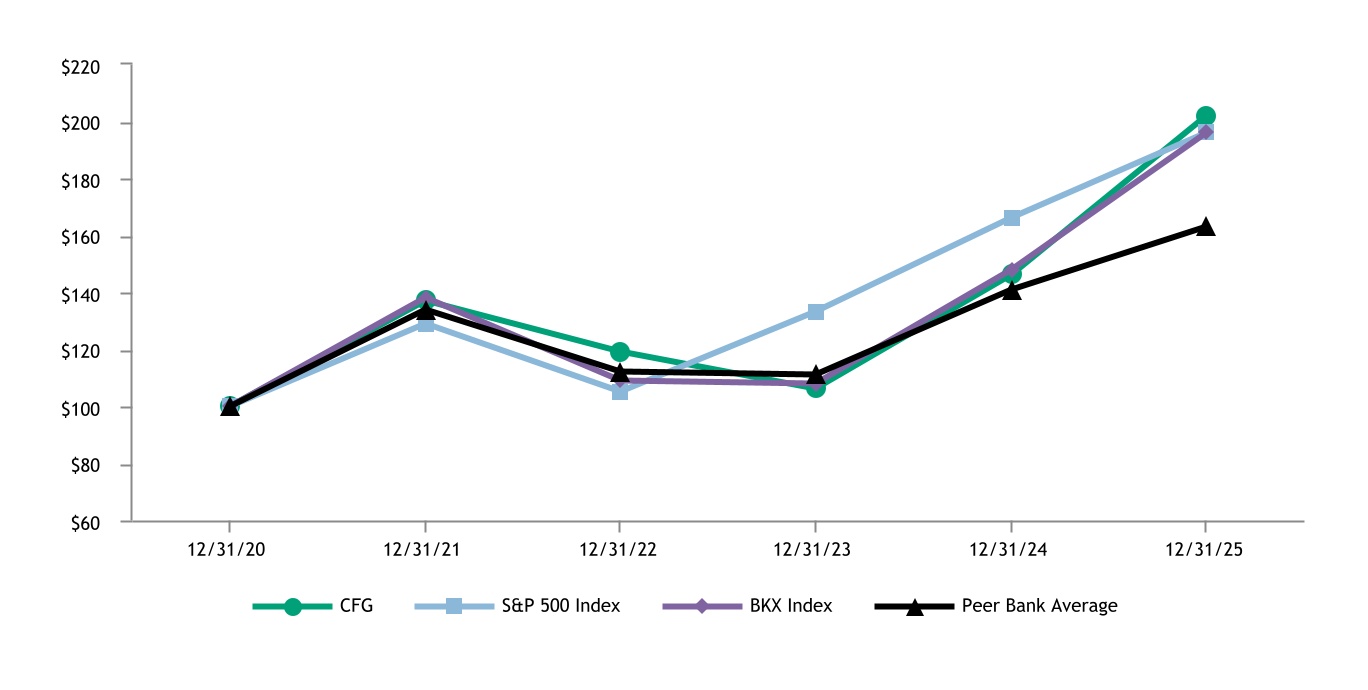
0000759944false2025FYCITIZENS FINANCIAL GROUP INC/RIP3Yhttp://fasb.org/us-gaap/2025#OtherAssetshttp://fasb.org/us-gaap/2025#OtherAssetshttp://fasb.org/us-gaap/2025#OtherLiabilitieshttp://fasb.org/us-gaap/2025#OtherLiabilitieshttp://fasb.org/us-gaap/2025#NoninterestIncomeOtherhttp://fasb.org/us-gaap/2025#NoninterestIncomeOtherhttp://fasb.org/us-gaap/2025#NoninterestIncomeOtherhttp://fasb.org/us-gaap/2025#NoninterestIncomehttp://fasb.org/us-gaap/2025#NoninterestIncomehttp://fasb.org/us-gaap/2025#NoninterestIncomehttp://fasb.org/us-gaap/2025#OtherNoninterestExpensehttp://fasb.org/us-gaap/2025#OtherNoninterestExpensehttp://fasb.org/us-gaap/2025#OtherNoninterestExpensehttp://fasb.org/us-gaap/2025#OtherNoninterestExpensehttp://fasb.org/us-gaap/2025#OtherNoninterestExpensehttp://fasb.org/us-gaap/2025#OtherNoninterestExpense0.0250.0250.025iso4217:USDxbrli:sharesiso4217:USDxbrli:sharescfg:segmentxbrli:purecfg:reportingUnit00007599442025-01-012025-12-310000759944us-gaap:CommonStockMember2025-01-012025-12-310000759944us-gaap:SeriesEPreferredStockMember2025-01-012025-12-310000759944us-gaap:SeriesHPreferredStockMember2025-01-012025-12-310000759944cfg:SeriesIPreferredStockMember2025-01-012025-12-3100007599442025-06-3000007599442026-02-0400007599442025-12-3100007599442024-12-310000759944us-gaap:AssetPledgedAsCollateralMember2025-12-310000759944us-gaap:AssetPledgedAsCollateralMember2024-12-3100007599442024-01-012024-12-3100007599442023-01-012023-12-310000759944us-gaap:PreferredStockMember2022-12-310000759944us-gaap:CommonStockMember2022-12-310000759944us-gaap:AdditionalPaidInCapitalMember2022-12-310000759944us-gaap:RetainedEarningsMember2022-12-310000759944us-gaap:TreasuryStockCommonMember2022-12-310000759944us-gaap:AccumulatedOtherComprehensiveIncomeMember2022-12-3100007599442022-12-310000759944us-gaap:RetainedEarningsMember2023-01-012023-12-310000759944us-gaap:CommonStockMember2023-01-012023-12-310000759944us-gaap:TreasuryStockCommonMember2023-01-012023-12-310000759944us-gaap:AdditionalPaidInCapitalMember2023-01-012023-12-310000759944srt:CumulativeEffectPeriodOfAdoptionAdjustmentMemberus-gaap:RetainedEarningsMember2022-12-310000759944srt:CumulativeEffectPeriodOfAdoptionAdjustmentMember2022-12-310000759944us-gaap:AccumulatedOtherComprehensiveIncomeMember2023-01-012023-12-310000759944us-gaap:PreferredStockMember2023-12-310000759944us-gaap:CommonStockMember2023-12-310000759944us-gaap:AdditionalPaidInCapitalMember2023-12-310000759944us-gaap:RetainedEarningsMember2023-12-310000759944us-gaap:TreasuryStockCommonMember2023-12-310000759944us-gaap:AccumulatedOtherComprehensiveIncomeMember2023-12-3100007599442023-12-310000759944us-gaap:RetainedEarningsMember2024-01-012024-12-310000759944us-gaap:PreferredStockMember2024-01-012024-12-310000759944us-gaap:CommonStockMember2024-01-012024-12-310000759944us-gaap:TreasuryStockCommonMember2024-01-012024-12-310000759944us-gaap:AdditionalPaidInCapitalMember2024-01-012024-12-310000759944us-gaap:AccumulatedOtherComprehensiveIncomeMember2024-01-012024-12-310000759944us-gaap:PreferredStockMember2024-12-310000759944us-gaap:CommonStockMember2024-12-310000759944us-gaap:AdditionalPaidInCapitalMember2024-12-310000759944us-gaap:RetainedEarningsMember2024-12-310000759944us-gaap:TreasuryStockCommonMember2024-12-310000759944us-gaap:AccumulatedOtherComprehensiveIncomeMember2024-12-310000759944us-gaap:RetainedEarningsMember2025-01-012025-12-310000759944us-gaap:PreferredStockMember2025-01-012025-12-310000759944us-gaap:CommonStockMember2025-01-012025-12-310000759944us-gaap:TreasuryStockCommonMember2025-01-012025-12-310000759944us-gaap:AdditionalPaidInCapitalMember2025-01-012025-12-310000759944us-gaap:AccumulatedOtherComprehensiveIncomeMember2025-01-012025-12-310000759944us-gaap:PreferredStockMember2025-12-310000759944us-gaap:CommonStockMember2025-12-310000759944us-gaap:AdditionalPaidInCapitalMember2025-12-310000759944us-gaap:RetainedEarningsMember2025-12-310000759944us-gaap:TreasuryStockCommonMember2025-12-310000759944us-gaap:AccumulatedOtherComprehensiveIncomeMember2025-12-310000759944us-gaap:USTreasuryAndGovernmentMember2025-12-310000759944us-gaap:USTreasuryAndGovernmentMember2024-12-310000759944us-gaap:USStatesAndPoliticalSubdivisionsMember2025-12-310000759944us-gaap:USStatesAndPoliticalSubdivisionsMember2024-12-310000759944us-gaap:MortgageBackedSecuritiesIssuedByUSGovernmentSponsoredEnterprisesMember2025-12-310000759944us-gaap:MortgageBackedSecuritiesIssuedByUSGovernmentSponsoredEnterprisesMember2024-12-310000759944us-gaap:MortgageBackedSecuritiesIssuedByPrivateEnterprisesMember2025-12-310000759944us-gaap:MortgageBackedSecuritiesIssuedByPrivateEnterprisesMember2024-12-310000759944us-gaap:MortgageBackedSecuritiesMember2025-12-310000759944us-gaap:MortgageBackedSecuritiesMember2024-12-310000759944us-gaap:CollateralizedDebtObligationsMember2025-12-310000759944us-gaap:CollateralizedDebtObligationsMember2024-12-310000759944us-gaap:DebtSecuritiesMember2025-12-310000759944us-gaap:DebtSecuritiesMember2024-12-310000759944us-gaap:AssetBackedSecuritiesMember2025-12-310000759944us-gaap:AssetBackedSecuritiesMember2024-12-310000759944us-gaap:SecuritiesSoldUnderAgreementsToRepurchaseMember2025-12-310000759944us-gaap:SecuritiesSoldUnderAgreementsToRepurchaseMember2024-12-310000759944us-gaap:CommercialPortfolioSegmentMemberus-gaap:CommercialLoanMember2025-12-310000759944us-gaap:CommercialPortfolioSegmentMemberus-gaap:CommercialLoanMember2024-12-310000759944us-gaap:CommercialPortfolioSegmentMemberus-gaap:CommercialRealEstateMember2025-12-310000759944us-gaap:CommercialPortfolioSegmentMemberus-gaap:CommercialRealEstateMember2024-12-310000759944us-gaap:CommercialPortfolioSegmentMember2025-12-310000759944us-gaap:CommercialPortfolioSegmentMember2024-12-310000759944us-gaap:ConsumerPortfolioSegmentMemberus-gaap:ResidentialMortgageMember2025-12-310000759944us-gaap:ConsumerPortfolioSegmentMemberus-gaap:ResidentialMortgageMember2024-12-310000759944us-gaap:ConsumerPortfolioSegmentMembercfg:HomeEquityLoanAndLineOfCreditMember2025-12-310000759944us-gaap:ConsumerPortfolioSegmentMembercfg:HomeEquityLoanAndLineOfCreditMember2024-12-310000759944us-gaap:ConsumerPortfolioSegmentMemberus-gaap:AutomobileLoanMember2025-12-310000759944us-gaap:ConsumerPortfolioSegmentMemberus-gaap:AutomobileLoanMember2024-12-310000759944us-gaap:ConsumerPortfolioSegmentMemberus-gaap:StudentLoanMember2025-12-310000759944us-gaap:ConsumerPortfolioSegmentMemberus-gaap:StudentLoanMember2024-12-310000759944us-gaap:ConsumerPortfolioSegmentMembercfg:ConsumerOtherRetailMember2025-12-310000759944us-gaap:ConsumerPortfolioSegmentMembercfg:ConsumerOtherRetailMember2024-12-310000759944us-gaap:ConsumerPortfolioSegmentMember2025-12-310000759944us-gaap:ConsumerPortfolioSegmentMember2024-12-310000759944us-gaap:ResidentialMortgageMemberus-gaap:ConsumerPortfolioSegmentMemberus-gaap:FederalHomeLoanBankAdvancesMember2025-12-310000759944us-gaap:ResidentialMortgageMemberus-gaap:ConsumerPortfolioSegmentMemberus-gaap:FederalHomeLoanBankAdvancesMember2024-12-310000759944cfg:ConsumerAndCommercialPortfolioSegmentMemberus-gaap:NotesPayableOtherPayablesMembercfg:AutoCommercialAndCommercialRealEstateLoansMember2025-12-310000759944cfg:ConsumerAndCommercialPortfolioSegmentMemberus-gaap:NotesPayableOtherPayablesMembercfg:AutoCommercialAndCommercialRealEstateLoansMember2024-12-310000759944srt:MinimumMember2025-01-012025-12-310000759944srt:MaximumMember2025-01-012025-12-310000759944us-gaap:ConsumerPortfolioSegmentMembercfg:HomeEquityLoanAndResidentialMortgagesMembercfg:CollateralDependentMember2025-12-310000759944us-gaap:ConsumerPortfolioSegmentMembercfg:HomeEquityLoanAndResidentialMortgagesMembercfg:CollateralDependentMember2024-12-310000759944us-gaap:CommercialPortfolioSegmentMemberus-gaap:CommercialLoanMembercfg:CollateralDependentMember2025-12-310000759944us-gaap:CommercialPortfolioSegmentMemberus-gaap:CommercialLoanMembercfg:CollateralDependentMember2024-12-310000759944us-gaap:CommercialPortfolioSegmentMember2025-01-012025-12-310000759944us-gaap:ConsumerPortfolioSegmentMember2025-01-012025-12-310000759944cfg:NonCoreSegmentMember2025-12-310000759944cfg:NonCoreSegmentMember2025-01-012025-12-310000759944us-gaap:CommercialPortfolioSegmentMember2023-12-310000759944us-gaap:ConsumerPortfolioSegmentMember2023-12-310000759944us-gaap:CommercialPortfolioSegmentMember2024-01-012024-12-310000759944us-gaap:ConsumerPortfolioSegmentMember2024-01-012024-12-310000759944us-gaap:CommercialPortfolioSegmentMember2022-12-310000759944us-gaap:ConsumerPortfolioSegmentMember2022-12-310000759944us-gaap:CommercialPortfolioSegmentMember2023-01-012023-12-310000759944us-gaap:ConsumerPortfolioSegmentMember2023-01-012023-12-310000759944us-gaap:CommercialPortfolioSegmentMemberus-gaap:CommercialLoanMemberus-gaap:PassMember2025-12-310000759944us-gaap:CommercialPortfolioSegmentMemberus-gaap:CommercialLoanMemberus-gaap:SpecialMentionMember2025-12-310000759944us-gaap:CommercialPortfolioSegmentMemberus-gaap:CommercialLoanMembercfg:SubstandardAccrualMember2025-12-310000759944us-gaap:CommercialPortfolioSegmentMemberus-gaap:CommercialLoanMembercfg:NonaccrualMember2025-12-310000759944us-gaap:CommercialPortfolioSegmentMemberus-gaap:CommercialRealEstateMemberus-gaap:PassMember2025-12-310000759944us-gaap:CommercialPortfolioSegmentMemberus-gaap:CommercialRealEstateMemberus-gaap:SpecialMentionMember2025-12-310000759944us-gaap:CommercialPortfolioSegmentMemberus-gaap:CommercialRealEstateMembercfg:SubstandardAccrualMember2025-12-310000759944us-gaap:CommercialPortfolioSegmentMemberus-gaap:CommercialRealEstateMembercfg:NonaccrualMember2025-12-310000759944us-gaap:CommercialPortfolioSegmentMemberus-gaap:PassMember2025-12-310000759944us-gaap:CommercialPortfolioSegmentMemberus-gaap:SpecialMentionMember2025-12-310000759944us-gaap:CommercialPortfolioSegmentMembercfg:SubstandardAccrualMember2025-12-310000759944us-gaap:CommercialPortfolioSegmentMembercfg:NonaccrualMember2025-12-310000759944us-gaap:CommercialPortfolioSegmentMemberus-gaap:CommercialLoanMemberus-gaap:PassMember2024-12-310000759944us-gaap:CommercialPortfolioSegmentMemberus-gaap:CommercialLoanMemberus-gaap:SpecialMentionMember2024-12-310000759944us-gaap:CommercialPortfolioSegmentMemberus-gaap:CommercialLoanMembercfg:SubstandardAccrualMember2024-12-310000759944us-gaap:CommercialPortfolioSegmentMemberus-gaap:CommercialLoanMembercfg:NonaccrualMember2024-12-310000759944us-gaap:CommercialPortfolioSegmentMemberus-gaap:CommercialRealEstateMemberus-gaap:PassMember2024-12-310000759944us-gaap:CommercialPortfolioSegmentMemberus-gaap:CommercialRealEstateMemberus-gaap:SpecialMentionMember2024-12-310000759944us-gaap:CommercialPortfolioSegmentMemberus-gaap:CommercialRealEstateMembercfg:SubstandardAccrualMember2024-12-310000759944us-gaap:CommercialPortfolioSegmentMemberus-gaap:CommercialRealEstateMembercfg:NonaccrualMember2024-12-310000759944us-gaap:CommercialPortfolioSegmentMemberus-gaap:PassMember2024-12-310000759944us-gaap:CommercialPortfolioSegmentMemberus-gaap:SpecialMentionMember2024-12-310000759944us-gaap:CommercialPortfolioSegmentMembercfg:SubstandardAccrualMember2024-12-310000759944us-gaap:CommercialPortfolioSegmentMembercfg:NonaccrualMember2024-12-310000759944cfg:FICOScoreGreaterThan800Memberus-gaap:ConsumerPortfolioSegmentMemberus-gaap:ResidentialMortgageMember2025-12-310000759944cfg:FICOScore740To799Memberus-gaap:ConsumerPortfolioSegmentMemberus-gaap:ResidentialMortgageMember2025-12-310000759944cfg:FICOScore680To739Memberus-gaap:ConsumerPortfolioSegmentMemberus-gaap:ResidentialMortgageMember2025-12-310000759944cfg:FICOScore620To679Memberus-gaap:ConsumerPortfolioSegmentMemberus-gaap:ResidentialMortgageMember2025-12-310000759944cfg:FICOScoreLessThan620Memberus-gaap:ConsumerPortfolioSegmentMemberus-gaap:ResidentialMortgageMember2025-12-310000759944cfg:FICOScoreNoFICOAvailableMemberus-gaap:ConsumerPortfolioSegmentMemberus-gaap:ResidentialMortgageMember2025-12-310000759944cfg:FICOScoreGreaterThan800Memberus-gaap:ConsumerPortfolioSegmentMembercfg:HomeEquityLoanAndLineOfCreditMember2025-12-310000759944cfg:FICOScore740To799Memberus-gaap:ConsumerPortfolioSegmentMembercfg:HomeEquityLoanAndLineOfCreditMember2025-12-310000759944cfg:FICOScore680To739Memberus-gaap:ConsumerPortfolioSegmentMembercfg:HomeEquityLoanAndLineOfCreditMember2025-12-310000759944cfg:FICOScore620To679Memberus-gaap:ConsumerPortfolioSegmentMembercfg:HomeEquityLoanAndLineOfCreditMember2025-12-310000759944cfg:FICOScoreLessThan620Memberus-gaap:ConsumerPortfolioSegmentMembercfg:HomeEquityLoanAndLineOfCreditMember2025-12-310000759944cfg:FICOScoreNoFICOAvailableMemberus-gaap:ConsumerPortfolioSegmentMembercfg:HomeEquityLoanAndLineOfCreditMember2025-12-310000759944cfg:FICOScoreGreaterThan800Memberus-gaap:ConsumerPortfolioSegmentMemberus-gaap:AutomobileLoanMember2025-12-310000759944cfg:FICOScore740To799Memberus-gaap:ConsumerPortfolioSegmentMemberus-gaap:AutomobileLoanMember2025-12-310000759944cfg:FICOScore680To739Memberus-gaap:ConsumerPortfolioSegmentMemberus-gaap:AutomobileLoanMember2025-12-310000759944cfg:FICOScore620To679Memberus-gaap:ConsumerPortfolioSegmentMemberus-gaap:AutomobileLoanMember2025-12-310000759944cfg:FICOScoreLessThan620Memberus-gaap:ConsumerPortfolioSegmentMemberus-gaap:AutomobileLoanMember2025-12-310000759944cfg:FICOScoreNoFICOAvailableMemberus-gaap:ConsumerPortfolioSegmentMemberus-gaap:AutomobileLoanMember2025-12-310000759944cfg:FICOScoreGreaterThan800Memberus-gaap:ConsumerPortfolioSegmentMemberus-gaap:StudentLoanMember2025-12-310000759944cfg:FICOScore740To799Memberus-gaap:ConsumerPortfolioSegmentMemberus-gaap:StudentLoanMember2025-12-310000759944cfg:FICOScore680To739Memberus-gaap:ConsumerPortfolioSegmentMemberus-gaap:StudentLoanMember2025-12-310000759944cfg:FICOScore620To679Memberus-gaap:ConsumerPortfolioSegmentMemberus-gaap:StudentLoanMember2025-12-310000759944cfg:FICOScoreLessThan620Memberus-gaap:ConsumerPortfolioSegmentMemberus-gaap:StudentLoanMember2025-12-310000759944cfg:FICOScoreNoFICOAvailableMemberus-gaap:ConsumerPortfolioSegmentMemberus-gaap:StudentLoanMember2025-12-310000759944cfg:FICOScoreGreaterThan800Memberus-gaap:ConsumerPortfolioSegmentMembercfg:ConsumerOtherRetailMember2025-12-310000759944cfg:FICOScore740To799Memberus-gaap:ConsumerPortfolioSegmentMembercfg:ConsumerOtherRetailMember2025-12-310000759944cfg:FICOScore680To739Memberus-gaap:ConsumerPortfolioSegmentMembercfg:ConsumerOtherRetailMember2025-12-310000759944cfg:FICOScore620To679Memberus-gaap:ConsumerPortfolioSegmentMembercfg:ConsumerOtherRetailMember2025-12-310000759944cfg:FICOScoreLessThan620Memberus-gaap:ConsumerPortfolioSegmentMembercfg:ConsumerOtherRetailMember2025-12-310000759944cfg:FICOScoreNoFICOAvailableMemberus-gaap:ConsumerPortfolioSegmentMembercfg:ConsumerOtherRetailMember2025-12-310000759944cfg:FICOScoreGreaterThan800Memberus-gaap:ConsumerPortfolioSegmentMember2025-12-310000759944cfg:FICOScore740To799Memberus-gaap:ConsumerPortfolioSegmentMember2025-12-310000759944cfg:FICOScore680To739Memberus-gaap:ConsumerPortfolioSegmentMember2025-12-310000759944cfg:FICOScore620To679Memberus-gaap:ConsumerPortfolioSegmentMember2025-12-310000759944cfg:FICOScoreLessThan620Memberus-gaap:ConsumerPortfolioSegmentMember2025-12-310000759944cfg:FICOScoreNoFICOAvailableMemberus-gaap:ConsumerPortfolioSegmentMember2025-12-310000759944cfg:FICOScoreGreaterThan800Memberus-gaap:ConsumerPortfolioSegmentMemberus-gaap:ResidentialMortgageMember2024-12-310000759944cfg:FICOScore740To799Memberus-gaap:ConsumerPortfolioSegmentMemberus-gaap:ResidentialMortgageMember2024-12-310000759944cfg:FICOScore680To739Memberus-gaap:ConsumerPortfolioSegmentMemberus-gaap:ResidentialMortgageMember2024-12-310000759944cfg:FICOScore620To679Memberus-gaap:ConsumerPortfolioSegmentMemberus-gaap:ResidentialMortgageMember2024-12-310000759944cfg:FICOScoreLessThan620Memberus-gaap:ConsumerPortfolioSegmentMemberus-gaap:ResidentialMortgageMember2024-12-310000759944cfg:FICOScoreNoFICOAvailableMemberus-gaap:ConsumerPortfolioSegmentMemberus-gaap:ResidentialMortgageMember2024-12-310000759944cfg:FICOScoreGreaterThan800Memberus-gaap:ConsumerPortfolioSegmentMembercfg:HomeEquityLoanAndLineOfCreditMember2024-12-310000759944cfg:FICOScore740To799Memberus-gaap:ConsumerPortfolioSegmentMembercfg:HomeEquityLoanAndLineOfCreditMember2024-12-310000759944cfg:FICOScore680To739Memberus-gaap:ConsumerPortfolioSegmentMembercfg:HomeEquityLoanAndLineOfCreditMember2024-12-310000759944cfg:FICOScore620To679Memberus-gaap:ConsumerPortfolioSegmentMembercfg:HomeEquityLoanAndLineOfCreditMember2024-12-310000759944cfg:FICOScoreLessThan620Memberus-gaap:ConsumerPortfolioSegmentMembercfg:HomeEquityLoanAndLineOfCreditMember2024-12-310000759944cfg:FICOScoreNoFICOAvailableMemberus-gaap:ConsumerPortfolioSegmentMembercfg:HomeEquityLoanAndLineOfCreditMember2024-12-310000759944cfg:FICOScoreGreaterThan800Memberus-gaap:ConsumerPortfolioSegmentMemberus-gaap:AutomobileLoanMember2024-12-310000759944cfg:FICOScore740To799Memberus-gaap:ConsumerPortfolioSegmentMemberus-gaap:AutomobileLoanMember2024-12-310000759944cfg:FICOScore680To739Memberus-gaap:ConsumerPortfolioSegmentMemberus-gaap:AutomobileLoanMember2024-12-310000759944cfg:FICOScore620To679Memberus-gaap:ConsumerPortfolioSegmentMemberus-gaap:AutomobileLoanMember2024-12-310000759944cfg:FICOScoreLessThan620Memberus-gaap:ConsumerPortfolioSegmentMemberus-gaap:AutomobileLoanMember2024-12-310000759944cfg:FICOScoreNoFICOAvailableMemberus-gaap:ConsumerPortfolioSegmentMemberus-gaap:AutomobileLoanMember2024-12-310000759944cfg:FICOScoreGreaterThan800Memberus-gaap:ConsumerPortfolioSegmentMemberus-gaap:StudentLoanMember2024-12-310000759944cfg:FICOScore740To799Memberus-gaap:ConsumerPortfolioSegmentMemberus-gaap:StudentLoanMember2024-12-310000759944cfg:FICOScore680To739Memberus-gaap:ConsumerPortfolioSegmentMemberus-gaap:StudentLoanMember2024-12-310000759944cfg:FICOScore620To679Memberus-gaap:ConsumerPortfolioSegmentMemberus-gaap:StudentLoanMember2024-12-310000759944cfg:FICOScoreLessThan620Memberus-gaap:ConsumerPortfolioSegmentMemberus-gaap:StudentLoanMember2024-12-310000759944cfg:FICOScoreNoFICOAvailableMemberus-gaap:ConsumerPortfolioSegmentMemberus-gaap:StudentLoanMember2024-12-310000759944cfg:FICOScoreGreaterThan800Memberus-gaap:ConsumerPortfolioSegmentMembercfg:ConsumerOtherRetailMember2024-12-310000759944cfg:FICOScore740To799Memberus-gaap:ConsumerPortfolioSegmentMembercfg:ConsumerOtherRetailMember2024-12-310000759944cfg:FICOScore680To739Memberus-gaap:ConsumerPortfolioSegmentMembercfg:ConsumerOtherRetailMember2024-12-310000759944cfg:FICOScore620To679Memberus-gaap:ConsumerPortfolioSegmentMembercfg:ConsumerOtherRetailMember2024-12-310000759944cfg:FICOScoreLessThan620Memberus-gaap:ConsumerPortfolioSegmentMembercfg:ConsumerOtherRetailMember2024-12-310000759944cfg:FICOScoreNoFICOAvailableMemberus-gaap:ConsumerPortfolioSegmentMembercfg:ConsumerOtherRetailMember2024-12-310000759944cfg:FICOScoreGreaterThan800Memberus-gaap:ConsumerPortfolioSegmentMember2024-12-310000759944cfg:FICOScore740To799Memberus-gaap:ConsumerPortfolioSegmentMember2024-12-310000759944cfg:FICOScore680To739Memberus-gaap:ConsumerPortfolioSegmentMember2024-12-310000759944cfg:FICOScore620To679Memberus-gaap:ConsumerPortfolioSegmentMember2024-12-310000759944cfg:FICOScoreLessThan620Memberus-gaap:ConsumerPortfolioSegmentMember2024-12-310000759944cfg:FICOScoreNoFICOAvailableMemberus-gaap:ConsumerPortfolioSegmentMember2024-12-310000759944us-gaap:CommercialPortfolioSegmentMemberus-gaap:CommercialLoanMember2025-01-012025-12-310000759944us-gaap:CommercialPortfolioSegmentMemberus-gaap:CommercialRealEstateMember2025-01-012025-12-310000759944us-gaap:ConsumerPortfolioSegmentMemberus-gaap:ResidentialMortgageMember2025-01-012025-12-310000759944us-gaap:ConsumerPortfolioSegmentMembercfg:HomeEquityLoanAndLineOfCreditMember2025-01-012025-12-310000759944us-gaap:ConsumerPortfolioSegmentMemberus-gaap:AutomobileLoanMember2025-01-012025-12-310000759944us-gaap:ConsumerPortfolioSegmentMemberus-gaap:StudentLoanMember2025-01-012025-12-310000759944us-gaap:ConsumerPortfolioSegmentMembercfg:ConsumerOtherRetailMember2025-01-012025-12-310000759944us-gaap:CommercialPortfolioSegmentMemberus-gaap:CommercialLoanMember2024-01-012024-12-310000759944us-gaap:CommercialPortfolioSegmentMemberus-gaap:CommercialRealEstateMember2024-01-012024-12-310000759944us-gaap:ConsumerPortfolioSegmentMemberus-gaap:ResidentialMortgageMember2024-01-012024-12-310000759944us-gaap:ConsumerPortfolioSegmentMembercfg:HomeEquityLoanAndLineOfCreditMember2024-01-012024-12-310000759944us-gaap:ConsumerPortfolioSegmentMemberus-gaap:AutomobileLoanMember2024-01-012024-12-310000759944us-gaap:ConsumerPortfolioSegmentMemberus-gaap:StudentLoanMember2024-01-012024-12-310000759944us-gaap:ConsumerPortfolioSegmentMembercfg:ConsumerOtherRetailMember2024-01-012024-12-310000759944us-gaap:CommercialPortfolioSegmentMemberus-gaap:CommercialLoanMemberus-gaap:FinancingReceivables1To29DaysPastDueMember2025-12-310000759944us-gaap:CommercialPortfolioSegmentMemberus-gaap:CommercialLoanMemberus-gaap:FinancingReceivables30To59DaysPastDueMember2025-12-310000759944us-gaap:CommercialPortfolioSegmentMemberus-gaap:CommercialLoanMemberus-gaap:FinancingReceivables60To89DaysPastDueMember2025-12-310000759944us-gaap:CommercialPortfolioSegmentMemberus-gaap:CommercialLoanMemberus-gaap:FinancingReceivablesEqualToGreaterThan90DaysPastDueMember2025-12-310000759944us-gaap:CommercialPortfolioSegmentMemberus-gaap:CommercialRealEstateMemberus-gaap:FinancingReceivables1To29DaysPastDueMember2025-12-310000759944us-gaap:CommercialPortfolioSegmentMemberus-gaap:CommercialRealEstateMemberus-gaap:FinancingReceivables30To59DaysPastDueMember2025-12-310000759944us-gaap:CommercialPortfolioSegmentMemberus-gaap:CommercialRealEstateMemberus-gaap:FinancingReceivables60To89DaysPastDueMember2025-12-310000759944us-gaap:CommercialPortfolioSegmentMemberus-gaap:CommercialRealEstateMemberus-gaap:FinancingReceivablesEqualToGreaterThan90DaysPastDueMember2025-12-310000759944us-gaap:CommercialPortfolioSegmentMemberus-gaap:FinancingReceivables1To29DaysPastDueMember2025-12-310000759944us-gaap:CommercialPortfolioSegmentMemberus-gaap:FinancingReceivables30To59DaysPastDueMember2025-12-310000759944us-gaap:CommercialPortfolioSegmentMemberus-gaap:FinancingReceivables60To89DaysPastDueMember2025-12-310000759944us-gaap:CommercialPortfolioSegmentMemberus-gaap:FinancingReceivablesEqualToGreaterThan90DaysPastDueMember2025-12-310000759944us-gaap:ConsumerPortfolioSegmentMemberus-gaap:ResidentialMortgageMemberus-gaap:FinancingReceivables1To29DaysPastDueMember2025-12-310000759944us-gaap:ConsumerPortfolioSegmentMemberus-gaap:ResidentialMortgageMemberus-gaap:FinancingReceivables30To59DaysPastDueMember2025-12-310000759944us-gaap:ConsumerPortfolioSegmentMemberus-gaap:ResidentialMortgageMemberus-gaap:FinancingReceivables60To89DaysPastDueMember2025-12-310000759944us-gaap:ConsumerPortfolioSegmentMemberus-gaap:ResidentialMortgageMemberus-gaap:FinancingReceivablesEqualToGreaterThan90DaysPastDueMember2025-12-310000759944us-gaap:ConsumerPortfolioSegmentMembercfg:HomeEquityLoanAndLineOfCreditMemberus-gaap:FinancingReceivables1To29DaysPastDueMember2025-12-310000759944us-gaap:ConsumerPortfolioSegmentMembercfg:HomeEquityLoanAndLineOfCreditMemberus-gaap:FinancingReceivables30To59DaysPastDueMember2025-12-310000759944us-gaap:ConsumerPortfolioSegmentMembercfg:HomeEquityLoanAndLineOfCreditMemberus-gaap:FinancingReceivables60To89DaysPastDueMember2025-12-310000759944us-gaap:ConsumerPortfolioSegmentMembercfg:HomeEquityLoanAndLineOfCreditMemberus-gaap:FinancingReceivablesEqualToGreaterThan90DaysPastDueMember2025-12-310000759944us-gaap:ConsumerPortfolioSegmentMemberus-gaap:AutomobileLoanMemberus-gaap:FinancingReceivables1To29DaysPastDueMember2025-12-310000759944us-gaap:ConsumerPortfolioSegmentMemberus-gaap:AutomobileLoanMemberus-gaap:FinancingReceivables30To59DaysPastDueMember2025-12-310000759944us-gaap:ConsumerPortfolioSegmentMemberus-gaap:AutomobileLoanMemberus-gaap:FinancingReceivables60To89DaysPastDueMember2025-12-310000759944us-gaap:ConsumerPortfolioSegmentMemberus-gaap:AutomobileLoanMemberus-gaap:FinancingReceivablesEqualToGreaterThan90DaysPastDueMember2025-12-310000759944us-gaap:ConsumerPortfolioSegmentMemberus-gaap:StudentLoanMemberus-gaap:FinancingReceivables1To29DaysPastDueMember2025-12-310000759944us-gaap:ConsumerPortfolioSegmentMemberus-gaap:StudentLoanMemberus-gaap:FinancingReceivables30To59DaysPastDueMember2025-12-310000759944us-gaap:ConsumerPortfolioSegmentMemberus-gaap:StudentLoanMemberus-gaap:FinancingReceivables60To89DaysPastDueMember2025-12-310000759944us-gaap:ConsumerPortfolioSegmentMemberus-gaap:StudentLoanMemberus-gaap:FinancingReceivablesEqualToGreaterThan90DaysPastDueMember2025-12-310000759944us-gaap:ConsumerPortfolioSegmentMembercfg:ConsumerOtherRetailMemberus-gaap:FinancingReceivables1To29DaysPastDueMember2025-12-310000759944us-gaap:ConsumerPortfolioSegmentMembercfg:ConsumerOtherRetailMemberus-gaap:FinancingReceivables30To59DaysPastDueMember2025-12-310000759944us-gaap:ConsumerPortfolioSegmentMembercfg:ConsumerOtherRetailMemberus-gaap:FinancingReceivables60To89DaysPastDueMember2025-12-310000759944us-gaap:ConsumerPortfolioSegmentMembercfg:ConsumerOtherRetailMemberus-gaap:FinancingReceivablesEqualToGreaterThan90DaysPastDueMember2025-12-310000759944us-gaap:ConsumerPortfolioSegmentMemberus-gaap:FinancingReceivables1To29DaysPastDueMember2025-12-310000759944us-gaap:ConsumerPortfolioSegmentMemberus-gaap:FinancingReceivables30To59DaysPastDueMember2025-12-310000759944us-gaap:ConsumerPortfolioSegmentMemberus-gaap:FinancingReceivables60To89DaysPastDueMember2025-12-310000759944us-gaap:ConsumerPortfolioSegmentMemberus-gaap:FinancingReceivablesEqualToGreaterThan90DaysPastDueMember2025-12-310000759944us-gaap:FinancingReceivables1To29DaysPastDueMember2025-12-310000759944us-gaap:FinancingReceivables30To59DaysPastDueMember2025-12-310000759944us-gaap:FinancingReceivables60To89DaysPastDueMember2025-12-310000759944us-gaap:FinancingReceivablesEqualToGreaterThan90DaysPastDueMember2025-12-310000759944us-gaap:FinancingReceivables1To29DaysPastDueMembercfg:FHAVAAndUSDALoansMember2025-12-310000759944us-gaap:FinancingReceivables30To59DaysPastDueMembercfg:FHAVAAndUSDALoansMember2025-12-310000759944us-gaap:FinancingReceivables60To89DaysPastDueMembercfg:FHAVAAndUSDALoansMember2025-12-310000759944us-gaap:FinancingReceivablesEqualToGreaterThan90DaysPastDueMembercfg:FHAVAAndUSDALoansMember2025-12-310000759944cfg:FHAVAAndUSDALoansMember2025-12-310000759944us-gaap:CommercialPortfolioSegmentMemberus-gaap:CommercialLoanMemberus-gaap:FinancingReceivables1To29DaysPastDueMember2024-12-310000759944us-gaap:CommercialPortfolioSegmentMemberus-gaap:CommercialLoanMemberus-gaap:FinancingReceivables30To59DaysPastDueMember2024-12-310000759944us-gaap:CommercialPortfolioSegmentMemberus-gaap:CommercialLoanMemberus-gaap:FinancingReceivables60To89DaysPastDueMember2024-12-310000759944us-gaap:CommercialPortfolioSegmentMemberus-gaap:CommercialLoanMemberus-gaap:FinancingReceivablesEqualToGreaterThan90DaysPastDueMember2024-12-310000759944us-gaap:CommercialPortfolioSegmentMemberus-gaap:CommercialRealEstateMemberus-gaap:FinancingReceivables1To29DaysPastDueMember2024-12-310000759944us-gaap:CommercialPortfolioSegmentMemberus-gaap:CommercialRealEstateMemberus-gaap:FinancingReceivables30To59DaysPastDueMember2024-12-310000759944us-gaap:CommercialPortfolioSegmentMemberus-gaap:CommercialRealEstateMemberus-gaap:FinancingReceivables60To89DaysPastDueMember2024-12-310000759944us-gaap:CommercialPortfolioSegmentMemberus-gaap:CommercialRealEstateMemberus-gaap:FinancingReceivablesEqualToGreaterThan90DaysPastDueMember2024-12-310000759944us-gaap:CommercialPortfolioSegmentMemberus-gaap:FinancingReceivables1To29DaysPastDueMember2024-12-310000759944us-gaap:CommercialPortfolioSegmentMemberus-gaap:FinancingReceivables30To59DaysPastDueMember2024-12-310000759944us-gaap:CommercialPortfolioSegmentMemberus-gaap:FinancingReceivables60To89DaysPastDueMember2024-12-310000759944us-gaap:CommercialPortfolioSegmentMemberus-gaap:FinancingReceivablesEqualToGreaterThan90DaysPastDueMember2024-12-310000759944us-gaap:ConsumerPortfolioSegmentMemberus-gaap:ResidentialMortgageMemberus-gaap:FinancingReceivables1To29DaysPastDueMember2024-12-310000759944us-gaap:ConsumerPortfolioSegmentMemberus-gaap:ResidentialMortgageMemberus-gaap:FinancingReceivables30To59DaysPastDueMember2024-12-310000759944us-gaap:ConsumerPortfolioSegmentMemberus-gaap:ResidentialMortgageMemberus-gaap:FinancingReceivables60To89DaysPastDueMember2024-12-310000759944us-gaap:ConsumerPortfolioSegmentMemberus-gaap:ResidentialMortgageMemberus-gaap:FinancingReceivablesEqualToGreaterThan90DaysPastDueMember2024-12-310000759944us-gaap:ConsumerPortfolioSegmentMembercfg:HomeEquityLoanAndLineOfCreditMemberus-gaap:FinancingReceivables1To29DaysPastDueMember2024-12-310000759944us-gaap:ConsumerPortfolioSegmentMembercfg:HomeEquityLoanAndLineOfCreditMemberus-gaap:FinancingReceivables30To59DaysPastDueMember2024-12-310000759944us-gaap:ConsumerPortfolioSegmentMembercfg:HomeEquityLoanAndLineOfCreditMemberus-gaap:FinancingReceivables60To89DaysPastDueMember2024-12-310000759944us-gaap:ConsumerPortfolioSegmentMembercfg:HomeEquityLoanAndLineOfCreditMemberus-gaap:FinancingReceivablesEqualToGreaterThan90DaysPastDueMember2024-12-310000759944us-gaap:ConsumerPortfolioSegmentMemberus-gaap:AutomobileLoanMemberus-gaap:FinancingReceivables1To29DaysPastDueMember2024-12-310000759944us-gaap:ConsumerPortfolioSegmentMemberus-gaap:AutomobileLoanMemberus-gaap:FinancingReceivables30To59DaysPastDueMember2024-12-310000759944us-gaap:ConsumerPortfolioSegmentMemberus-gaap:AutomobileLoanMemberus-gaap:FinancingReceivables60To89DaysPastDueMember2024-12-310000759944us-gaap:ConsumerPortfolioSegmentMemberus-gaap:AutomobileLoanMemberus-gaap:FinancingReceivablesEqualToGreaterThan90DaysPastDueMember2024-12-310000759944us-gaap:ConsumerPortfolioSegmentMemberus-gaap:StudentLoanMemberus-gaap:FinancingReceivables1To29DaysPastDueMember2024-12-310000759944us-gaap:ConsumerPortfolioSegmentMemberus-gaap:StudentLoanMemberus-gaap:FinancingReceivables30To59DaysPastDueMember2024-12-310000759944us-gaap:ConsumerPortfolioSegmentMemberus-gaap:StudentLoanMemberus-gaap:FinancingReceivables60To89DaysPastDueMember2024-12-310000759944us-gaap:ConsumerPortfolioSegmentMemberus-gaap:StudentLoanMemberus-gaap:FinancingReceivablesEqualToGreaterThan90DaysPastDueMember2024-12-310000759944us-gaap:ConsumerPortfolioSegmentMembercfg:ConsumerOtherRetailMemberus-gaap:FinancingReceivables1To29DaysPastDueMember2024-12-310000759944us-gaap:ConsumerPortfolioSegmentMembercfg:ConsumerOtherRetailMemberus-gaap:FinancingReceivables30To59DaysPastDueMember2024-12-310000759944us-gaap:ConsumerPortfolioSegmentMembercfg:ConsumerOtherRetailMemberus-gaap:FinancingReceivables60To89DaysPastDueMember2024-12-310000759944us-gaap:ConsumerPortfolioSegmentMembercfg:ConsumerOtherRetailMemberus-gaap:FinancingReceivablesEqualToGreaterThan90DaysPastDueMember2024-12-310000759944us-gaap:ConsumerPortfolioSegmentMemberus-gaap:FinancingReceivables1To29DaysPastDueMember2024-12-310000759944us-gaap:ConsumerPortfolioSegmentMemberus-gaap:FinancingReceivables30To59DaysPastDueMember2024-12-310000759944us-gaap:ConsumerPortfolioSegmentMemberus-gaap:FinancingReceivables60To89DaysPastDueMember2024-12-310000759944us-gaap:ConsumerPortfolioSegmentMemberus-gaap:FinancingReceivablesEqualToGreaterThan90DaysPastDueMember2024-12-310000759944us-gaap:FinancingReceivables1To29DaysPastDueMember2024-12-310000759944us-gaap:FinancingReceivables30To59DaysPastDueMember2024-12-310000759944us-gaap:FinancingReceivables60To89DaysPastDueMember2024-12-310000759944us-gaap:FinancingReceivablesEqualToGreaterThan90DaysPastDueMember2024-12-310000759944us-gaap:FinancingReceivables1To29DaysPastDueMembercfg:FHAVAAndUSDALoansMember2024-12-310000759944us-gaap:FinancingReceivables30To59DaysPastDueMembercfg:FHAVAAndUSDALoansMember2024-12-310000759944us-gaap:FinancingReceivables60To89DaysPastDueMembercfg:FHAVAAndUSDALoansMember2024-12-310000759944us-gaap:FinancingReceivablesEqualToGreaterThan90DaysPastDueMembercfg:FHAVAAndUSDALoansMember2024-12-310000759944cfg:FHAVAAndUSDALoansMember2024-12-310000759944us-gaap:CommercialPortfolioSegmentMemberus-gaap:CommercialLoanMemberus-gaap:ContractualInterestRateReductionMember2025-01-012025-12-310000759944us-gaap:CommercialPortfolioSegmentMemberus-gaap:CommercialLoanMemberus-gaap:ExtendedMaturityMember2025-01-012025-12-310000759944us-gaap:CommercialPortfolioSegmentMemberus-gaap:CommercialLoanMemberus-gaap:PaymentDeferralMember2025-01-012025-12-310000759944us-gaap:CommercialPortfolioSegmentMemberus-gaap:CommercialLoanMemberus-gaap:ExtendedMaturityAndInterestRateReductionMember2025-01-012025-12-310000759944us-gaap:CommercialPortfolioSegmentMemberus-gaap:CommercialLoanMembercfg:ExtendedMaturityAndPaymentDeferralMember2025-01-012025-12-310000759944us-gaap:CommercialPortfolioSegmentMemberus-gaap:CommercialLoanMembercfg:InterestRateReductionTermExtensionAndPaymentDelayMember2025-01-012025-12-310000759944us-gaap:CommercialPortfolioSegmentMemberus-gaap:CommercialRealEstateMemberus-gaap:ContractualInterestRateReductionMember2025-01-012025-12-310000759944us-gaap:CommercialPortfolioSegmentMemberus-gaap:CommercialRealEstateMemberus-gaap:ExtendedMaturityMember2025-01-012025-12-310000759944us-gaap:CommercialPortfolioSegmentMemberus-gaap:CommercialRealEstateMemberus-gaap:PaymentDeferralMember2025-01-012025-12-310000759944us-gaap:CommercialPortfolioSegmentMemberus-gaap:CommercialRealEstateMemberus-gaap:ExtendedMaturityAndInterestRateReductionMember2025-01-012025-12-310000759944us-gaap:CommercialPortfolioSegmentMemberus-gaap:CommercialRealEstateMembercfg:ExtendedMaturityAndPaymentDeferralMember2025-01-012025-12-310000759944us-gaap:CommercialPortfolioSegmentMemberus-gaap:CommercialRealEstateMembercfg:InterestRateReductionTermExtensionAndPaymentDelayMember2025-01-012025-12-310000759944us-gaap:CommercialPortfolioSegmentMemberus-gaap:ContractualInterestRateReductionMember2025-01-012025-12-310000759944us-gaap:CommercialPortfolioSegmentMemberus-gaap:ExtendedMaturityMember2025-01-012025-12-310000759944us-gaap:CommercialPortfolioSegmentMemberus-gaap:PaymentDeferralMember2025-01-012025-12-310000759944us-gaap:CommercialPortfolioSegmentMemberus-gaap:ExtendedMaturityAndInterestRateReductionMember2025-01-012025-12-310000759944us-gaap:CommercialPortfolioSegmentMembercfg:ExtendedMaturityAndPaymentDeferralMember2025-01-012025-12-310000759944us-gaap:CommercialPortfolioSegmentMembercfg:InterestRateReductionTermExtensionAndPaymentDelayMember2025-01-012025-12-310000759944us-gaap:ConsumerPortfolioSegmentMemberus-gaap:ResidentialMortgageMemberus-gaap:ContractualInterestRateReductionMember2025-01-012025-12-310000759944us-gaap:ConsumerPortfolioSegmentMemberus-gaap:ResidentialMortgageMemberus-gaap:ExtendedMaturityMember2025-01-012025-12-310000759944us-gaap:ConsumerPortfolioSegmentMemberus-gaap:ResidentialMortgageMemberus-gaap:PaymentDeferralMember2025-01-012025-12-310000759944us-gaap:ConsumerPortfolioSegmentMemberus-gaap:ResidentialMortgageMemberus-gaap:ExtendedMaturityAndInterestRateReductionMember2025-01-012025-12-310000759944us-gaap:ConsumerPortfolioSegmentMemberus-gaap:ResidentialMortgageMembercfg:ExtendedMaturityAndPaymentDeferralMember2025-01-012025-12-310000759944us-gaap:ConsumerPortfolioSegmentMemberus-gaap:ResidentialMortgageMembercfg:InterestRateReductionTermExtensionAndPaymentDelayMember2025-01-012025-12-310000759944us-gaap:ConsumerPortfolioSegmentMembercfg:HomeEquityLoanAndLineOfCreditMemberus-gaap:ContractualInterestRateReductionMember2025-01-012025-12-310000759944us-gaap:ConsumerPortfolioSegmentMembercfg:HomeEquityLoanAndLineOfCreditMemberus-gaap:ExtendedMaturityMember2025-01-012025-12-310000759944us-gaap:ConsumerPortfolioSegmentMembercfg:HomeEquityLoanAndLineOfCreditMemberus-gaap:PaymentDeferralMember2025-01-012025-12-310000759944us-gaap:ConsumerPortfolioSegmentMembercfg:HomeEquityLoanAndLineOfCreditMemberus-gaap:ExtendedMaturityAndInterestRateReductionMember2025-01-012025-12-310000759944us-gaap:ConsumerPortfolioSegmentMembercfg:HomeEquityLoanAndLineOfCreditMembercfg:ExtendedMaturityAndPaymentDeferralMember2025-01-012025-12-310000759944us-gaap:ConsumerPortfolioSegmentMembercfg:HomeEquityLoanAndLineOfCreditMembercfg:InterestRateReductionTermExtensionAndPaymentDelayMember2025-01-012025-12-310000759944us-gaap:ConsumerPortfolioSegmentMemberus-gaap:StudentLoanMemberus-gaap:ContractualInterestRateReductionMember2025-01-012025-12-310000759944us-gaap:ConsumerPortfolioSegmentMemberus-gaap:StudentLoanMemberus-gaap:ExtendedMaturityMember2025-01-012025-12-310000759944us-gaap:ConsumerPortfolioSegmentMemberus-gaap:StudentLoanMemberus-gaap:PaymentDeferralMember2025-01-012025-12-310000759944us-gaap:ConsumerPortfolioSegmentMemberus-gaap:StudentLoanMemberus-gaap:ExtendedMaturityAndInterestRateReductionMember2025-01-012025-12-310000759944us-gaap:ConsumerPortfolioSegmentMemberus-gaap:StudentLoanMembercfg:ExtendedMaturityAndPaymentDeferralMember2025-01-012025-12-310000759944us-gaap:ConsumerPortfolioSegmentMemberus-gaap:StudentLoanMembercfg:InterestRateReductionTermExtensionAndPaymentDelayMember2025-01-012025-12-310000759944us-gaap:ConsumerPortfolioSegmentMembercfg:ConsumerOtherRetailMemberus-gaap:ContractualInterestRateReductionMember2025-01-012025-12-310000759944us-gaap:ConsumerPortfolioSegmentMembercfg:ConsumerOtherRetailMemberus-gaap:ExtendedMaturityMember2025-01-012025-12-310000759944us-gaap:ConsumerPortfolioSegmentMembercfg:ConsumerOtherRetailMemberus-gaap:PaymentDeferralMember2025-01-012025-12-310000759944us-gaap:ConsumerPortfolioSegmentMembercfg:ConsumerOtherRetailMemberus-gaap:ExtendedMaturityAndInterestRateReductionMember2025-01-012025-12-310000759944us-gaap:ConsumerPortfolioSegmentMembercfg:ConsumerOtherRetailMembercfg:ExtendedMaturityAndPaymentDeferralMember2025-01-012025-12-310000759944us-gaap:ConsumerPortfolioSegmentMembercfg:ConsumerOtherRetailMembercfg:InterestRateReductionTermExtensionAndPaymentDelayMember2025-01-012025-12-310000759944us-gaap:ConsumerPortfolioSegmentMemberus-gaap:ContractualInterestRateReductionMember2025-01-012025-12-310000759944us-gaap:ConsumerPortfolioSegmentMemberus-gaap:ExtendedMaturityMember2025-01-012025-12-310000759944us-gaap:ConsumerPortfolioSegmentMemberus-gaap:PaymentDeferralMember2025-01-012025-12-310000759944us-gaap:ConsumerPortfolioSegmentMemberus-gaap:ExtendedMaturityAndInterestRateReductionMember2025-01-012025-12-310000759944us-gaap:ConsumerPortfolioSegmentMembercfg:ExtendedMaturityAndPaymentDeferralMember2025-01-012025-12-310000759944us-gaap:ConsumerPortfolioSegmentMembercfg:InterestRateReductionTermExtensionAndPaymentDelayMember2025-01-012025-12-310000759944us-gaap:ContractualInterestRateReductionMember2025-01-012025-12-310000759944us-gaap:ExtendedMaturityMember2025-01-012025-12-310000759944us-gaap:PaymentDeferralMember2025-01-012025-12-310000759944us-gaap:ExtendedMaturityAndInterestRateReductionMember2025-01-012025-12-310000759944cfg:ExtendedMaturityAndPaymentDeferralMember2025-01-012025-12-310000759944cfg:InterestRateReductionTermExtensionAndPaymentDelayMember2025-01-012025-12-310000759944us-gaap:CommercialPortfolioSegmentMemberus-gaap:CommercialLoanMemberus-gaap:ContractualInterestRateReductionMember2024-01-012024-12-310000759944us-gaap:CommercialPortfolioSegmentMemberus-gaap:CommercialLoanMemberus-gaap:ExtendedMaturityMember2024-01-012024-12-310000759944us-gaap:CommercialPortfolioSegmentMemberus-gaap:CommercialLoanMemberus-gaap:PaymentDeferralMember2024-01-012024-12-310000759944us-gaap:CommercialPortfolioSegmentMemberus-gaap:CommercialLoanMemberus-gaap:ExtendedMaturityAndInterestRateReductionMember2024-01-012024-12-310000759944us-gaap:CommercialPortfolioSegmentMemberus-gaap:CommercialLoanMembercfg:ExtendedMaturityAndPaymentDeferralMember2024-01-012024-12-310000759944us-gaap:CommercialPortfolioSegmentMemberus-gaap:CommercialLoanMembercfg:InterestRateReductionTermExtensionAndPaymentDelayMember2024-01-012024-12-310000759944us-gaap:CommercialPortfolioSegmentMemberus-gaap:CommercialRealEstateMemberus-gaap:ContractualInterestRateReductionMember2024-01-012024-12-310000759944us-gaap:CommercialPortfolioSegmentMemberus-gaap:CommercialRealEstateMemberus-gaap:ExtendedMaturityMember2024-01-012024-12-310000759944us-gaap:CommercialPortfolioSegmentMemberus-gaap:CommercialRealEstateMemberus-gaap:PaymentDeferralMember2024-01-012024-12-310000759944us-gaap:CommercialPortfolioSegmentMemberus-gaap:CommercialRealEstateMemberus-gaap:ExtendedMaturityAndInterestRateReductionMember2024-01-012024-12-310000759944us-gaap:CommercialPortfolioSegmentMemberus-gaap:CommercialRealEstateMembercfg:ExtendedMaturityAndPaymentDeferralMember2024-01-012024-12-310000759944us-gaap:CommercialPortfolioSegmentMemberus-gaap:CommercialRealEstateMembercfg:InterestRateReductionTermExtensionAndPaymentDelayMember2024-01-012024-12-310000759944us-gaap:CommercialPortfolioSegmentMemberus-gaap:ContractualInterestRateReductionMember2024-01-012024-12-310000759944us-gaap:CommercialPortfolioSegmentMemberus-gaap:ExtendedMaturityMember2024-01-012024-12-310000759944us-gaap:CommercialPortfolioSegmentMemberus-gaap:PaymentDeferralMember2024-01-012024-12-310000759944us-gaap:CommercialPortfolioSegmentMemberus-gaap:ExtendedMaturityAndInterestRateReductionMember2024-01-012024-12-310000759944us-gaap:CommercialPortfolioSegmentMembercfg:ExtendedMaturityAndPaymentDeferralMember2024-01-012024-12-310000759944us-gaap:CommercialPortfolioSegmentMembercfg:InterestRateReductionTermExtensionAndPaymentDelayMember2024-01-012024-12-310000759944us-gaap:ConsumerPortfolioSegmentMemberus-gaap:ResidentialMortgageMemberus-gaap:ContractualInterestRateReductionMember2024-01-012024-12-310000759944us-gaap:ConsumerPortfolioSegmentMemberus-gaap:ResidentialMortgageMemberus-gaap:ExtendedMaturityMember2024-01-012024-12-310000759944us-gaap:ConsumerPortfolioSegmentMemberus-gaap:ResidentialMortgageMemberus-gaap:PaymentDeferralMember2024-01-012024-12-310000759944us-gaap:ConsumerPortfolioSegmentMemberus-gaap:ResidentialMortgageMemberus-gaap:ExtendedMaturityAndInterestRateReductionMember2024-01-012024-12-310000759944us-gaap:ConsumerPortfolioSegmentMemberus-gaap:ResidentialMortgageMembercfg:ExtendedMaturityAndPaymentDeferralMember2024-01-012024-12-310000759944us-gaap:ConsumerPortfolioSegmentMemberus-gaap:ResidentialMortgageMembercfg:InterestRateReductionTermExtensionAndPaymentDelayMember2024-01-012024-12-310000759944us-gaap:ConsumerPortfolioSegmentMembercfg:HomeEquityLoanAndLineOfCreditMemberus-gaap:ContractualInterestRateReductionMember2024-01-012024-12-310000759944us-gaap:ConsumerPortfolioSegmentMembercfg:HomeEquityLoanAndLineOfCreditMemberus-gaap:ExtendedMaturityMember2024-01-012024-12-310000759944us-gaap:ConsumerPortfolioSegmentMembercfg:HomeEquityLoanAndLineOfCreditMemberus-gaap:PaymentDeferralMember2024-01-012024-12-310000759944us-gaap:ConsumerPortfolioSegmentMembercfg:HomeEquityLoanAndLineOfCreditMemberus-gaap:ExtendedMaturityAndInterestRateReductionMember2024-01-012024-12-310000759944us-gaap:ConsumerPortfolioSegmentMembercfg:HomeEquityLoanAndLineOfCreditMembercfg:ExtendedMaturityAndPaymentDeferralMember2024-01-012024-12-310000759944us-gaap:ConsumerPortfolioSegmentMembercfg:HomeEquityLoanAndLineOfCreditMembercfg:InterestRateReductionTermExtensionAndPaymentDelayMember2024-01-012024-12-310000759944us-gaap:ConsumerPortfolioSegmentMemberus-gaap:StudentLoanMemberus-gaap:ContractualInterestRateReductionMember2024-01-012024-12-310000759944us-gaap:ConsumerPortfolioSegmentMemberus-gaap:StudentLoanMemberus-gaap:ExtendedMaturityMember2024-01-012024-12-310000759944us-gaap:ConsumerPortfolioSegmentMemberus-gaap:StudentLoanMemberus-gaap:PaymentDeferralMember2024-01-012024-12-310000759944us-gaap:ConsumerPortfolioSegmentMemberus-gaap:StudentLoanMemberus-gaap:ExtendedMaturityAndInterestRateReductionMember2024-01-012024-12-310000759944us-gaap:ConsumerPortfolioSegmentMemberus-gaap:StudentLoanMembercfg:ExtendedMaturityAndPaymentDeferralMember2024-01-012024-12-310000759944us-gaap:ConsumerPortfolioSegmentMemberus-gaap:StudentLoanMembercfg:InterestRateReductionTermExtensionAndPaymentDelayMember2024-01-012024-12-310000759944us-gaap:ConsumerPortfolioSegmentMembercfg:ConsumerOtherRetailMemberus-gaap:ContractualInterestRateReductionMember2024-01-012024-12-310000759944us-gaap:ConsumerPortfolioSegmentMembercfg:ConsumerOtherRetailMemberus-gaap:ExtendedMaturityMember2024-01-012024-12-310000759944us-gaap:ConsumerPortfolioSegmentMembercfg:ConsumerOtherRetailMemberus-gaap:PaymentDeferralMember2024-01-012024-12-310000759944us-gaap:ConsumerPortfolioSegmentMembercfg:ConsumerOtherRetailMemberus-gaap:ExtendedMaturityAndInterestRateReductionMember2024-01-012024-12-310000759944us-gaap:ConsumerPortfolioSegmentMembercfg:ConsumerOtherRetailMembercfg:ExtendedMaturityAndPaymentDeferralMember2024-01-012024-12-310000759944us-gaap:ConsumerPortfolioSegmentMembercfg:ConsumerOtherRetailMembercfg:InterestRateReductionTermExtensionAndPaymentDelayMember2024-01-012024-12-310000759944us-gaap:ConsumerPortfolioSegmentMemberus-gaap:ContractualInterestRateReductionMember2024-01-012024-12-310000759944us-gaap:ConsumerPortfolioSegmentMemberus-gaap:ExtendedMaturityMember2024-01-012024-12-310000759944us-gaap:ConsumerPortfolioSegmentMemberus-gaap:PaymentDeferralMember2024-01-012024-12-310000759944us-gaap:ConsumerPortfolioSegmentMemberus-gaap:ExtendedMaturityAndInterestRateReductionMember2024-01-012024-12-310000759944us-gaap:ConsumerPortfolioSegmentMembercfg:ExtendedMaturityAndPaymentDeferralMember2024-01-012024-12-310000759944us-gaap:ConsumerPortfolioSegmentMembercfg:InterestRateReductionTermExtensionAndPaymentDelayMember2024-01-012024-12-310000759944us-gaap:ContractualInterestRateReductionMember2024-01-012024-12-310000759944us-gaap:ExtendedMaturityMember2024-01-012024-12-310000759944us-gaap:PaymentDeferralMember2024-01-012024-12-310000759944us-gaap:ExtendedMaturityAndInterestRateReductionMember2024-01-012024-12-310000759944cfg:ExtendedMaturityAndPaymentDeferralMember2024-01-012024-12-310000759944cfg:InterestRateReductionTermExtensionAndPaymentDelayMember2024-01-012024-12-310000759944us-gaap:CommercialPortfolioSegmentMemberus-gaap:CommercialLoanMemberus-gaap:ContractualInterestRateReductionMember2023-01-012023-12-310000759944us-gaap:CommercialPortfolioSegmentMemberus-gaap:CommercialLoanMemberus-gaap:ExtendedMaturityMember2023-01-012023-12-310000759944us-gaap:CommercialPortfolioSegmentMemberus-gaap:CommercialLoanMemberus-gaap:PaymentDeferralMember2023-01-012023-12-310000759944us-gaap:CommercialPortfolioSegmentMemberus-gaap:CommercialLoanMemberus-gaap:ExtendedMaturityAndInterestRateReductionMember2023-01-012023-12-310000759944us-gaap:CommercialPortfolioSegmentMemberus-gaap:CommercialLoanMembercfg:ExtendedMaturityAndPaymentDeferralMember2023-01-012023-12-310000759944us-gaap:CommercialPortfolioSegmentMemberus-gaap:CommercialLoanMember2023-01-012023-12-310000759944us-gaap:CommercialPortfolioSegmentMemberus-gaap:CommercialRealEstateMemberus-gaap:ContractualInterestRateReductionMember2023-01-012023-12-310000759944us-gaap:CommercialPortfolioSegmentMemberus-gaap:CommercialRealEstateMemberus-gaap:ExtendedMaturityMember2023-01-012023-12-310000759944us-gaap:CommercialPortfolioSegmentMemberus-gaap:CommercialRealEstateMemberus-gaap:PaymentDeferralMember2023-01-012023-12-310000759944us-gaap:CommercialPortfolioSegmentMemberus-gaap:CommercialRealEstateMemberus-gaap:ExtendedMaturityAndInterestRateReductionMember2023-01-012023-12-310000759944us-gaap:CommercialPortfolioSegmentMemberus-gaap:CommercialRealEstateMembercfg:ExtendedMaturityAndPaymentDeferralMember2023-01-012023-12-310000759944us-gaap:CommercialPortfolioSegmentMemberus-gaap:CommercialRealEstateMember2023-01-012023-12-310000759944us-gaap:CommercialPortfolioSegmentMemberus-gaap:ContractualInterestRateReductionMember2023-01-012023-12-310000759944us-gaap:CommercialPortfolioSegmentMemberus-gaap:ExtendedMaturityMember2023-01-012023-12-310000759944us-gaap:CommercialPortfolioSegmentMemberus-gaap:PaymentDeferralMember2023-01-012023-12-310000759944us-gaap:CommercialPortfolioSegmentMemberus-gaap:ExtendedMaturityAndInterestRateReductionMember2023-01-012023-12-310000759944us-gaap:CommercialPortfolioSegmentMembercfg:ExtendedMaturityAndPaymentDeferralMember2023-01-012023-12-310000759944us-gaap:ConsumerPortfolioSegmentMemberus-gaap:ResidentialMortgageMemberus-gaap:ContractualInterestRateReductionMember2023-01-012023-12-310000759944us-gaap:ConsumerPortfolioSegmentMemberus-gaap:ResidentialMortgageMemberus-gaap:ExtendedMaturityMember2023-01-012023-12-310000759944us-gaap:ConsumerPortfolioSegmentMemberus-gaap:ResidentialMortgageMemberus-gaap:PaymentDeferralMember2023-01-012023-12-310000759944us-gaap:ConsumerPortfolioSegmentMemberus-gaap:ResidentialMortgageMemberus-gaap:ExtendedMaturityAndInterestRateReductionMember2023-01-012023-12-310000759944us-gaap:ConsumerPortfolioSegmentMemberus-gaap:ResidentialMortgageMembercfg:ExtendedMaturityAndPaymentDeferralMember2023-01-012023-12-310000759944us-gaap:ConsumerPortfolioSegmentMemberus-gaap:ResidentialMortgageMember2023-01-012023-12-310000759944us-gaap:ConsumerPortfolioSegmentMembercfg:HomeEquityLoanAndLineOfCreditMemberus-gaap:ContractualInterestRateReductionMember2023-01-012023-12-310000759944us-gaap:ConsumerPortfolioSegmentMembercfg:HomeEquityLoanAndLineOfCreditMemberus-gaap:ExtendedMaturityMember2023-01-012023-12-310000759944us-gaap:ConsumerPortfolioSegmentMembercfg:HomeEquityLoanAndLineOfCreditMemberus-gaap:PaymentDeferralMember2023-01-012023-12-310000759944us-gaap:ConsumerPortfolioSegmentMembercfg:HomeEquityLoanAndLineOfCreditMemberus-gaap:ExtendedMaturityAndInterestRateReductionMember2023-01-012023-12-310000759944us-gaap:ConsumerPortfolioSegmentMembercfg:HomeEquityLoanAndLineOfCreditMembercfg:ExtendedMaturityAndPaymentDeferralMember2023-01-012023-12-310000759944us-gaap:ConsumerPortfolioSegmentMembercfg:HomeEquityLoanAndLineOfCreditMember2023-01-012023-12-310000759944us-gaap:ConsumerPortfolioSegmentMemberus-gaap:StudentLoanMemberus-gaap:ContractualInterestRateReductionMember2023-01-012023-12-310000759944us-gaap:ConsumerPortfolioSegmentMemberus-gaap:StudentLoanMemberus-gaap:ExtendedMaturityMember2023-01-012023-12-310000759944us-gaap:ConsumerPortfolioSegmentMemberus-gaap:StudentLoanMemberus-gaap:PaymentDeferralMember2023-01-012023-12-310000759944us-gaap:ConsumerPortfolioSegmentMemberus-gaap:StudentLoanMemberus-gaap:ExtendedMaturityAndInterestRateReductionMember2023-01-012023-12-310000759944us-gaap:ConsumerPortfolioSegmentMemberus-gaap:StudentLoanMembercfg:ExtendedMaturityAndPaymentDeferralMember2023-01-012023-12-310000759944us-gaap:ConsumerPortfolioSegmentMemberus-gaap:StudentLoanMember2023-01-012023-12-310000759944us-gaap:ConsumerPortfolioSegmentMembercfg:ConsumerOtherRetailMemberus-gaap:ContractualInterestRateReductionMember2023-01-012023-12-310000759944us-gaap:ConsumerPortfolioSegmentMembercfg:ConsumerOtherRetailMemberus-gaap:ExtendedMaturityMember2023-01-012023-12-310000759944us-gaap:ConsumerPortfolioSegmentMembercfg:ConsumerOtherRetailMemberus-gaap:PaymentDeferralMember2023-01-012023-12-310000759944us-gaap:ConsumerPortfolioSegmentMembercfg:ConsumerOtherRetailMemberus-gaap:ExtendedMaturityAndInterestRateReductionMember2023-01-012023-12-310000759944us-gaap:ConsumerPortfolioSegmentMembercfg:ConsumerOtherRetailMembercfg:ExtendedMaturityAndPaymentDeferralMember2023-01-012023-12-310000759944us-gaap:ConsumerPortfolioSegmentMembercfg:ConsumerOtherRetailMember2023-01-012023-12-310000759944us-gaap:ConsumerPortfolioSegmentMemberus-gaap:ContractualInterestRateReductionMember2023-01-012023-12-310000759944us-gaap:ConsumerPortfolioSegmentMemberus-gaap:ExtendedMaturityMember2023-01-012023-12-310000759944us-gaap:ConsumerPortfolioSegmentMemberus-gaap:PaymentDeferralMember2023-01-012023-12-310000759944us-gaap:ConsumerPortfolioSegmentMemberus-gaap:ExtendedMaturityAndInterestRateReductionMember2023-01-012023-12-310000759944us-gaap:ConsumerPortfolioSegmentMembercfg:ExtendedMaturityAndPaymentDeferralMember2023-01-012023-12-310000759944us-gaap:ContractualInterestRateReductionMember2023-01-012023-12-310000759944us-gaap:ExtendedMaturityMember2023-01-012023-12-310000759944us-gaap:PaymentDeferralMember2023-01-012023-12-310000759944us-gaap:ExtendedMaturityAndInterestRateReductionMember2023-01-012023-12-310000759944cfg:ExtendedMaturityAndPaymentDeferralMember2023-01-012023-12-310000759944us-gaap:CommercialPortfolioSegmentMemberus-gaap:CommercialLoanMemberus-gaap:PrincipalForgivenessMember2025-01-012025-12-310000759944us-gaap:CommercialPortfolioSegmentMemberus-gaap:CommercialRealEstateMemberus-gaap:PrincipalForgivenessMember2025-01-012025-12-310000759944us-gaap:ConsumerPortfolioSegmentMemberus-gaap:ResidentialMortgageMemberus-gaap:PrincipalForgivenessMember2025-01-012025-12-310000759944us-gaap:ConsumerPortfolioSegmentMembercfg:HomeEquityLoanAndLineOfCreditMemberus-gaap:PrincipalForgivenessMember2025-01-012025-12-310000759944us-gaap:ConsumerPortfolioSegmentMemberus-gaap:StudentLoanMemberus-gaap:PrincipalForgivenessMember2025-01-012025-12-310000759944us-gaap:ConsumerPortfolioSegmentMembercfg:ConsumerOtherRetailMemberus-gaap:PrincipalForgivenessMember2025-01-012025-12-310000759944us-gaap:CommercialPortfolioSegmentMemberus-gaap:CommercialLoanMemberus-gaap:PrincipalForgivenessMember2024-01-012024-12-310000759944us-gaap:CommercialPortfolioSegmentMemberus-gaap:CommercialRealEstateMemberus-gaap:PrincipalForgivenessMember2024-01-012024-12-310000759944us-gaap:ConsumerPortfolioSegmentMemberus-gaap:ResidentialMortgageMemberus-gaap:PrincipalForgivenessMember2024-01-012024-12-310000759944us-gaap:ConsumerPortfolioSegmentMembercfg:HomeEquityLoanAndLineOfCreditMemberus-gaap:PrincipalForgivenessMember2024-01-012024-12-310000759944us-gaap:ConsumerPortfolioSegmentMemberus-gaap:StudentLoanMemberus-gaap:PrincipalForgivenessMember2024-01-012024-12-310000759944us-gaap:ConsumerPortfolioSegmentMembercfg:ConsumerOtherRetailMemberus-gaap:PrincipalForgivenessMember2024-01-012024-12-310000759944us-gaap:CommercialPortfolioSegmentMemberus-gaap:CommercialLoanMemberus-gaap:PrincipalForgivenessMember2023-01-012023-12-310000759944us-gaap:CommercialPortfolioSegmentMemberus-gaap:CommercialRealEstateMemberus-gaap:PrincipalForgivenessMember2023-01-012023-12-310000759944us-gaap:ConsumerPortfolioSegmentMemberus-gaap:ResidentialMortgageMemberus-gaap:PrincipalForgivenessMember2023-01-012023-12-310000759944us-gaap:ConsumerPortfolioSegmentMembercfg:HomeEquityLoanAndLineOfCreditMemberus-gaap:PrincipalForgivenessMember2023-01-012023-12-310000759944us-gaap:ConsumerPortfolioSegmentMemberus-gaap:AutomobileLoanMember2023-01-012023-12-310000759944us-gaap:ConsumerPortfolioSegmentMemberus-gaap:AutomobileLoanMemberus-gaap:PrincipalForgivenessMember2023-01-012023-12-310000759944us-gaap:ConsumerPortfolioSegmentMemberus-gaap:StudentLoanMemberus-gaap:PrincipalForgivenessMember2023-01-012023-12-310000759944us-gaap:ConsumerPortfolioSegmentMembercfg:ConsumerOtherRetailMemberus-gaap:PrincipalForgivenessMember2023-01-012023-12-310000759944us-gaap:CommercialPortfolioSegmentMemberus-gaap:CommercialLoanMemberus-gaap:FinancialAssetNotPastDueMember2025-01-012025-12-310000759944us-gaap:CommercialPortfolioSegmentMemberus-gaap:CommercialLoanMemberus-gaap:FinancingReceivables30To59DaysPastDueMember2025-01-012025-12-310000759944us-gaap:CommercialPortfolioSegmentMemberus-gaap:CommercialLoanMemberus-gaap:FinancingReceivables60To89DaysPastDueMember2025-01-012025-12-310000759944us-gaap:CommercialPortfolioSegmentMemberus-gaap:CommercialLoanMemberus-gaap:FinancingReceivablesEqualToGreaterThan90DaysPastDueMember2025-01-012025-12-310000759944us-gaap:CommercialPortfolioSegmentMemberus-gaap:CommercialLoanMembercfg:FinancialAssetNonaccrualMember2025-01-012025-12-310000759944us-gaap:CommercialPortfolioSegmentMemberus-gaap:CommercialRealEstateMemberus-gaap:FinancialAssetNotPastDueMember2025-01-012025-12-310000759944us-gaap:CommercialPortfolioSegmentMemberus-gaap:CommercialRealEstateMemberus-gaap:FinancingReceivables30To59DaysPastDueMember2025-01-012025-12-310000759944us-gaap:CommercialPortfolioSegmentMemberus-gaap:CommercialRealEstateMemberus-gaap:FinancingReceivables60To89DaysPastDueMember2025-01-012025-12-310000759944us-gaap:CommercialPortfolioSegmentMemberus-gaap:CommercialRealEstateMemberus-gaap:FinancingReceivablesEqualToGreaterThan90DaysPastDueMember2025-01-012025-12-310000759944us-gaap:CommercialPortfolioSegmentMemberus-gaap:CommercialRealEstateMembercfg:FinancialAssetNonaccrualMember2025-01-012025-12-310000759944us-gaap:CommercialPortfolioSegmentMemberus-gaap:FinancialAssetNotPastDueMember2025-01-012025-12-310000759944us-gaap:CommercialPortfolioSegmentMemberus-gaap:FinancingReceivables30To59DaysPastDueMember2025-01-012025-12-310000759944us-gaap:CommercialPortfolioSegmentMemberus-gaap:FinancingReceivables60To89DaysPastDueMember2025-01-012025-12-310000759944us-gaap:CommercialPortfolioSegmentMemberus-gaap:FinancingReceivablesEqualToGreaterThan90DaysPastDueMember2025-01-012025-12-310000759944us-gaap:CommercialPortfolioSegmentMembercfg:FinancialAssetNonaccrualMember2025-01-012025-12-310000759944us-gaap:ConsumerPortfolioSegmentMemberus-gaap:ResidentialMortgageMemberus-gaap:FinancialAssetNotPastDueMember2025-01-012025-12-310000759944us-gaap:ConsumerPortfolioSegmentMemberus-gaap:ResidentialMortgageMemberus-gaap:FinancingReceivables30To59DaysPastDueMember2025-01-012025-12-310000759944us-gaap:ConsumerPortfolioSegmentMemberus-gaap:ResidentialMortgageMemberus-gaap:FinancingReceivables60To89DaysPastDueMember2025-01-012025-12-310000759944us-gaap:ConsumerPortfolioSegmentMemberus-gaap:ResidentialMortgageMemberus-gaap:FinancingReceivablesEqualToGreaterThan90DaysPastDueMember2025-01-012025-12-310000759944us-gaap:ConsumerPortfolioSegmentMemberus-gaap:ResidentialMortgageMembercfg:FinancialAssetNonaccrualMember2025-01-012025-12-310000759944us-gaap:ConsumerPortfolioSegmentMembercfg:HomeEquityLoanAndLineOfCreditMemberus-gaap:FinancialAssetNotPastDueMember2025-01-012025-12-310000759944us-gaap:ConsumerPortfolioSegmentMembercfg:HomeEquityLoanAndLineOfCreditMemberus-gaap:FinancingReceivables30To59DaysPastDueMember2025-01-012025-12-310000759944us-gaap:ConsumerPortfolioSegmentMembercfg:HomeEquityLoanAndLineOfCreditMemberus-gaap:FinancingReceivables60To89DaysPastDueMember2025-01-012025-12-310000759944us-gaap:ConsumerPortfolioSegmentMembercfg:HomeEquityLoanAndLineOfCreditMemberus-gaap:FinancingReceivablesEqualToGreaterThan90DaysPastDueMember2025-01-012025-12-310000759944us-gaap:ConsumerPortfolioSegmentMembercfg:HomeEquityLoanAndLineOfCreditMembercfg:FinancialAssetNonaccrualMember2025-01-012025-12-310000759944us-gaap:ConsumerPortfolioSegmentMemberus-gaap:StudentLoanMemberus-gaap:FinancialAssetNotPastDueMember2025-01-012025-12-310000759944us-gaap:ConsumerPortfolioSegmentMemberus-gaap:StudentLoanMemberus-gaap:FinancingReceivables30To59DaysPastDueMember2025-01-012025-12-310000759944us-gaap:ConsumerPortfolioSegmentMemberus-gaap:StudentLoanMemberus-gaap:FinancingReceivables60To89DaysPastDueMember2025-01-012025-12-310000759944us-gaap:ConsumerPortfolioSegmentMemberus-gaap:StudentLoanMemberus-gaap:FinancingReceivablesEqualToGreaterThan90DaysPastDueMember2025-01-012025-12-310000759944us-gaap:ConsumerPortfolioSegmentMemberus-gaap:StudentLoanMembercfg:FinancialAssetNonaccrualMember2025-01-012025-12-310000759944us-gaap:ConsumerPortfolioSegmentMembercfg:ConsumerOtherRetailMemberus-gaap:FinancialAssetNotPastDueMember2025-01-012025-12-310000759944us-gaap:ConsumerPortfolioSegmentMembercfg:ConsumerOtherRetailMemberus-gaap:FinancingReceivables30To59DaysPastDueMember2025-01-012025-12-310000759944us-gaap:ConsumerPortfolioSegmentMembercfg:ConsumerOtherRetailMemberus-gaap:FinancingReceivables60To89DaysPastDueMember2025-01-012025-12-310000759944us-gaap:ConsumerPortfolioSegmentMembercfg:ConsumerOtherRetailMemberus-gaap:FinancingReceivablesEqualToGreaterThan90DaysPastDueMember2025-01-012025-12-310000759944us-gaap:ConsumerPortfolioSegmentMembercfg:ConsumerOtherRetailMembercfg:FinancialAssetNonaccrualMember2025-01-012025-12-310000759944us-gaap:ConsumerPortfolioSegmentMemberus-gaap:FinancialAssetNotPastDueMember2025-01-012025-12-310000759944us-gaap:ConsumerPortfolioSegmentMemberus-gaap:FinancingReceivables30To59DaysPastDueMember2025-01-012025-12-310000759944us-gaap:ConsumerPortfolioSegmentMemberus-gaap:FinancingReceivables60To89DaysPastDueMember2025-01-012025-12-310000759944us-gaap:ConsumerPortfolioSegmentMemberus-gaap:FinancingReceivablesEqualToGreaterThan90DaysPastDueMember2025-01-012025-12-310000759944us-gaap:ConsumerPortfolioSegmentMembercfg:FinancialAssetNonaccrualMember2025-01-012025-12-310000759944us-gaap:FinancialAssetNotPastDueMember2025-01-012025-12-310000759944us-gaap:FinancingReceivables30To59DaysPastDueMember2025-01-012025-12-310000759944us-gaap:FinancingReceivables60To89DaysPastDueMember2025-01-012025-12-310000759944us-gaap:FinancingReceivablesEqualToGreaterThan90DaysPastDueMember2025-01-012025-12-310000759944cfg:FinancialAssetNonaccrualMember2025-01-012025-12-310000759944us-gaap:CommercialPortfolioSegmentMemberus-gaap:CommercialLoanMemberus-gaap:FinancialAssetNotPastDueMember2024-01-012024-12-310000759944us-gaap:CommercialPortfolioSegmentMemberus-gaap:CommercialLoanMemberus-gaap:FinancingReceivables30To59DaysPastDueMember2024-01-012024-12-310000759944us-gaap:CommercialPortfolioSegmentMemberus-gaap:CommercialLoanMemberus-gaap:FinancingReceivables60To89DaysPastDueMember2024-01-012024-12-310000759944us-gaap:CommercialPortfolioSegmentMemberus-gaap:CommercialLoanMemberus-gaap:FinancingReceivablesEqualToGreaterThan90DaysPastDueMember2024-01-012024-12-310000759944us-gaap:CommercialPortfolioSegmentMemberus-gaap:CommercialLoanMembercfg:FinancialAssetNonaccrualMember2024-01-012024-12-310000759944us-gaap:CommercialPortfolioSegmentMemberus-gaap:CommercialRealEstateMemberus-gaap:FinancialAssetNotPastDueMember2024-01-012024-12-310000759944us-gaap:CommercialPortfolioSegmentMemberus-gaap:CommercialRealEstateMemberus-gaap:FinancingReceivables30To59DaysPastDueMember2024-01-012024-12-310000759944us-gaap:CommercialPortfolioSegmentMemberus-gaap:CommercialRealEstateMemberus-gaap:FinancingReceivables60To89DaysPastDueMember2024-01-012024-12-310000759944us-gaap:CommercialPortfolioSegmentMemberus-gaap:CommercialRealEstateMemberus-gaap:FinancingReceivablesEqualToGreaterThan90DaysPastDueMember2024-01-012024-12-310000759944us-gaap:CommercialPortfolioSegmentMemberus-gaap:CommercialRealEstateMembercfg:FinancialAssetNonaccrualMember2024-01-012024-12-310000759944us-gaap:CommercialPortfolioSegmentMemberus-gaap:FinancialAssetNotPastDueMember2024-01-012024-12-310000759944us-gaap:CommercialPortfolioSegmentMemberus-gaap:FinancingReceivables30To59DaysPastDueMember2024-01-012024-12-310000759944us-gaap:CommercialPortfolioSegmentMemberus-gaap:FinancingReceivables60To89DaysPastDueMember2024-01-012024-12-310000759944us-gaap:CommercialPortfolioSegmentMemberus-gaap:FinancingReceivablesEqualToGreaterThan90DaysPastDueMember2024-01-012024-12-310000759944us-gaap:CommercialPortfolioSegmentMembercfg:FinancialAssetNonaccrualMember2024-01-012024-12-310000759944us-gaap:ConsumerPortfolioSegmentMemberus-gaap:ResidentialMortgageMemberus-gaap:FinancialAssetNotPastDueMember2024-01-012024-12-310000759944us-gaap:ConsumerPortfolioSegmentMemberus-gaap:ResidentialMortgageMemberus-gaap:FinancingReceivables30To59DaysPastDueMember2024-01-012024-12-310000759944us-gaap:ConsumerPortfolioSegmentMemberus-gaap:ResidentialMortgageMemberus-gaap:FinancingReceivables60To89DaysPastDueMember2024-01-012024-12-310000759944us-gaap:ConsumerPortfolioSegmentMemberus-gaap:ResidentialMortgageMemberus-gaap:FinancingReceivablesEqualToGreaterThan90DaysPastDueMember2024-01-012024-12-310000759944us-gaap:ConsumerPortfolioSegmentMemberus-gaap:ResidentialMortgageMembercfg:FinancialAssetNonaccrualMember2024-01-012024-12-310000759944us-gaap:ConsumerPortfolioSegmentMembercfg:HomeEquityLoanAndLineOfCreditMemberus-gaap:FinancialAssetNotPastDueMember2024-01-012024-12-310000759944us-gaap:ConsumerPortfolioSegmentMembercfg:HomeEquityLoanAndLineOfCreditMemberus-gaap:FinancingReceivables30To59DaysPastDueMember2024-01-012024-12-310000759944us-gaap:ConsumerPortfolioSegmentMembercfg:HomeEquityLoanAndLineOfCreditMemberus-gaap:FinancingReceivables60To89DaysPastDueMember2024-01-012024-12-310000759944us-gaap:ConsumerPortfolioSegmentMembercfg:HomeEquityLoanAndLineOfCreditMemberus-gaap:FinancingReceivablesEqualToGreaterThan90DaysPastDueMember2024-01-012024-12-310000759944us-gaap:ConsumerPortfolioSegmentMembercfg:HomeEquityLoanAndLineOfCreditMembercfg:FinancialAssetNonaccrualMember2024-01-012024-12-310000759944us-gaap:ConsumerPortfolioSegmentMemberus-gaap:StudentLoanMemberus-gaap:FinancialAssetNotPastDueMember2024-01-012024-12-310000759944us-gaap:ConsumerPortfolioSegmentMemberus-gaap:StudentLoanMemberus-gaap:FinancingReceivables30To59DaysPastDueMember2024-01-012024-12-310000759944us-gaap:ConsumerPortfolioSegmentMemberus-gaap:StudentLoanMemberus-gaap:FinancingReceivables60To89DaysPastDueMember2024-01-012024-12-310000759944us-gaap:ConsumerPortfolioSegmentMemberus-gaap:StudentLoanMemberus-gaap:FinancingReceivablesEqualToGreaterThan90DaysPastDueMember2024-01-012024-12-310000759944us-gaap:ConsumerPortfolioSegmentMemberus-gaap:StudentLoanMembercfg:FinancialAssetNonaccrualMember2024-01-012024-12-310000759944us-gaap:ConsumerPortfolioSegmentMembercfg:ConsumerOtherRetailMemberus-gaap:FinancialAssetNotPastDueMember2024-01-012024-12-310000759944us-gaap:ConsumerPortfolioSegmentMembercfg:ConsumerOtherRetailMemberus-gaap:FinancingReceivables30To59DaysPastDueMember2024-01-012024-12-310000759944us-gaap:ConsumerPortfolioSegmentMembercfg:ConsumerOtherRetailMemberus-gaap:FinancingReceivables60To89DaysPastDueMember2024-01-012024-12-310000759944us-gaap:ConsumerPortfolioSegmentMembercfg:ConsumerOtherRetailMemberus-gaap:FinancingReceivablesEqualToGreaterThan90DaysPastDueMember2024-01-012024-12-310000759944us-gaap:ConsumerPortfolioSegmentMembercfg:ConsumerOtherRetailMembercfg:FinancialAssetNonaccrualMember2024-01-012024-12-310000759944us-gaap:ConsumerPortfolioSegmentMemberus-gaap:FinancialAssetNotPastDueMember2024-01-012024-12-310000759944us-gaap:ConsumerPortfolioSegmentMemberus-gaap:FinancingReceivables30To59DaysPastDueMember2024-01-012024-12-310000759944us-gaap:ConsumerPortfolioSegmentMemberus-gaap:FinancingReceivables60To89DaysPastDueMember2024-01-012024-12-310000759944us-gaap:ConsumerPortfolioSegmentMemberus-gaap:FinancingReceivablesEqualToGreaterThan90DaysPastDueMember2024-01-012024-12-310000759944us-gaap:ConsumerPortfolioSegmentMembercfg:FinancialAssetNonaccrualMember2024-01-012024-12-310000759944us-gaap:FinancialAssetNotPastDueMember2024-01-012024-12-310000759944us-gaap:FinancingReceivables30To59DaysPastDueMember2024-01-012024-12-310000759944us-gaap:FinancingReceivables60To89DaysPastDueMember2024-01-012024-12-310000759944us-gaap:FinancingReceivablesEqualToGreaterThan90DaysPastDueMember2024-01-012024-12-310000759944cfg:FinancialAssetNonaccrualMember2024-01-012024-12-310000759944us-gaap:CommercialPortfolioSegmentMemberus-gaap:CommercialLoanMemberus-gaap:FinancialAssetNotPastDueMember2023-01-012023-12-310000759944us-gaap:CommercialPortfolioSegmentMemberus-gaap:CommercialLoanMemberus-gaap:FinancingReceivables30To59DaysPastDueMember2023-01-012023-12-310000759944us-gaap:CommercialPortfolioSegmentMemberus-gaap:CommercialLoanMemberus-gaap:FinancingReceivables60To89DaysPastDueMember2023-01-012023-12-310000759944us-gaap:CommercialPortfolioSegmentMemberus-gaap:CommercialLoanMemberus-gaap:FinancingReceivablesEqualToGreaterThan90DaysPastDueMember2023-01-012023-12-310000759944us-gaap:CommercialPortfolioSegmentMemberus-gaap:CommercialLoanMembercfg:FinancialAssetNonaccrualMember2023-01-012023-12-310000759944us-gaap:CommercialPortfolioSegmentMemberus-gaap:CommercialRealEstateMemberus-gaap:FinancialAssetNotPastDueMember2023-01-012023-12-310000759944us-gaap:CommercialPortfolioSegmentMemberus-gaap:CommercialRealEstateMemberus-gaap:FinancingReceivables30To59DaysPastDueMember2023-01-012023-12-310000759944us-gaap:CommercialPortfolioSegmentMemberus-gaap:CommercialRealEstateMemberus-gaap:FinancingReceivables60To89DaysPastDueMember2023-01-012023-12-310000759944us-gaap:CommercialPortfolioSegmentMemberus-gaap:CommercialRealEstateMemberus-gaap:FinancingReceivablesEqualToGreaterThan90DaysPastDueMember2023-01-012023-12-310000759944us-gaap:CommercialPortfolioSegmentMemberus-gaap:CommercialRealEstateMembercfg:FinancialAssetNonaccrualMember2023-01-012023-12-310000759944us-gaap:CommercialPortfolioSegmentMemberus-gaap:FinancialAssetNotPastDueMember2023-01-012023-12-310000759944us-gaap:CommercialPortfolioSegmentMemberus-gaap:FinancingReceivables30To59DaysPastDueMember2023-01-012023-12-310000759944us-gaap:CommercialPortfolioSegmentMemberus-gaap:FinancingReceivables60To89DaysPastDueMember2023-01-012023-12-310000759944us-gaap:CommercialPortfolioSegmentMemberus-gaap:FinancingReceivablesEqualToGreaterThan90DaysPastDueMember2023-01-012023-12-310000759944us-gaap:CommercialPortfolioSegmentMembercfg:FinancialAssetNonaccrualMember2023-01-012023-12-310000759944us-gaap:ConsumerPortfolioSegmentMemberus-gaap:ResidentialMortgageMemberus-gaap:FinancialAssetNotPastDueMember2023-01-012023-12-310000759944us-gaap:ConsumerPortfolioSegmentMemberus-gaap:ResidentialMortgageMemberus-gaap:FinancingReceivables30To59DaysPastDueMember2023-01-012023-12-310000759944us-gaap:ConsumerPortfolioSegmentMemberus-gaap:ResidentialMortgageMemberus-gaap:FinancingReceivables60To89DaysPastDueMember2023-01-012023-12-310000759944us-gaap:ConsumerPortfolioSegmentMemberus-gaap:ResidentialMortgageMemberus-gaap:FinancingReceivablesEqualToGreaterThan90DaysPastDueMember2023-01-012023-12-310000759944us-gaap:ConsumerPortfolioSegmentMemberus-gaap:ResidentialMortgageMembercfg:FinancialAssetNonaccrualMember2023-01-012023-12-310000759944us-gaap:ConsumerPortfolioSegmentMembercfg:HomeEquityLoanAndLineOfCreditMemberus-gaap:FinancialAssetNotPastDueMember2023-01-012023-12-310000759944us-gaap:ConsumerPortfolioSegmentMembercfg:HomeEquityLoanAndLineOfCreditMemberus-gaap:FinancingReceivables30To59DaysPastDueMember2023-01-012023-12-310000759944us-gaap:ConsumerPortfolioSegmentMembercfg:HomeEquityLoanAndLineOfCreditMemberus-gaap:FinancingReceivables60To89DaysPastDueMember2023-01-012023-12-310000759944us-gaap:ConsumerPortfolioSegmentMembercfg:HomeEquityLoanAndLineOfCreditMemberus-gaap:FinancingReceivablesEqualToGreaterThan90DaysPastDueMember2023-01-012023-12-310000759944us-gaap:ConsumerPortfolioSegmentMembercfg:HomeEquityLoanAndLineOfCreditMembercfg:FinancialAssetNonaccrualMember2023-01-012023-12-310000759944us-gaap:ConsumerPortfolioSegmentMemberus-gaap:StudentLoanMemberus-gaap:FinancialAssetNotPastDueMember2023-01-012023-12-310000759944us-gaap:ConsumerPortfolioSegmentMemberus-gaap:StudentLoanMemberus-gaap:FinancingReceivables30To59DaysPastDueMember2023-01-012023-12-310000759944us-gaap:ConsumerPortfolioSegmentMemberus-gaap:StudentLoanMemberus-gaap:FinancingReceivables60To89DaysPastDueMember2023-01-012023-12-310000759944us-gaap:ConsumerPortfolioSegmentMemberus-gaap:StudentLoanMemberus-gaap:FinancingReceivablesEqualToGreaterThan90DaysPastDueMember2023-01-012023-12-310000759944us-gaap:ConsumerPortfolioSegmentMemberus-gaap:StudentLoanMembercfg:FinancialAssetNonaccrualMember2023-01-012023-12-310000759944us-gaap:ConsumerPortfolioSegmentMembercfg:ConsumerOtherRetailMemberus-gaap:FinancialAssetNotPastDueMember2023-01-012023-12-310000759944us-gaap:ConsumerPortfolioSegmentMembercfg:ConsumerOtherRetailMemberus-gaap:FinancingReceivables30To59DaysPastDueMember2023-01-012023-12-310000759944us-gaap:ConsumerPortfolioSegmentMembercfg:ConsumerOtherRetailMemberus-gaap:FinancingReceivables60To89DaysPastDueMember2023-01-012023-12-310000759944us-gaap:ConsumerPortfolioSegmentMembercfg:ConsumerOtherRetailMemberus-gaap:FinancingReceivablesEqualToGreaterThan90DaysPastDueMember2023-01-012023-12-310000759944us-gaap:ConsumerPortfolioSegmentMembercfg:ConsumerOtherRetailMembercfg:FinancialAssetNonaccrualMember2023-01-012023-12-310000759944us-gaap:ConsumerPortfolioSegmentMemberus-gaap:FinancialAssetNotPastDueMember2023-01-012023-12-310000759944us-gaap:ConsumerPortfolioSegmentMemberus-gaap:FinancingReceivables30To59DaysPastDueMember2023-01-012023-12-310000759944us-gaap:ConsumerPortfolioSegmentMemberus-gaap:FinancingReceivables60To89DaysPastDueMember2023-01-012023-12-310000759944us-gaap:ConsumerPortfolioSegmentMemberus-gaap:FinancingReceivablesEqualToGreaterThan90DaysPastDueMember2023-01-012023-12-310000759944us-gaap:ConsumerPortfolioSegmentMembercfg:FinancialAssetNonaccrualMember2023-01-012023-12-310000759944us-gaap:FinancialAssetNotPastDueMember2023-01-012023-12-310000759944us-gaap:FinancingReceivables30To59DaysPastDueMember2023-01-012023-12-310000759944us-gaap:FinancingReceivables60To89DaysPastDueMember2023-01-012023-12-310000759944us-gaap:FinancingReceivablesEqualToGreaterThan90DaysPastDueMember2023-01-012023-12-310000759944cfg:FinancialAssetNonaccrualMember2023-01-012023-12-310000759944srt:MinimumMemberus-gaap:LandAndLandImprovementsMember2025-12-310000759944srt:MaximumMemberus-gaap:LandAndLandImprovementsMember2025-12-310000759944us-gaap:LandAndLandImprovementsMember2025-12-310000759944us-gaap:LandAndLandImprovementsMember2024-12-310000759944srt:MinimumMembercfg:BuildingsandLeaseholdImprovementsMember2025-12-310000759944srt:MaximumMembercfg:BuildingsandLeaseholdImprovementsMember2025-12-310000759944cfg:BuildingsandLeaseholdImprovementsMember2025-12-310000759944cfg:BuildingsandLeaseholdImprovementsMember2024-12-310000759944srt:MinimumMembercfg:FurnitureFixturesandEquipmentMember2025-12-310000759944srt:MaximumMembercfg:FurnitureFixturesandEquipmentMember2025-12-310000759944cfg:FurnitureFixturesandEquipmentMember2025-12-310000759944cfg:FurnitureFixturesandEquipmentMember2024-12-310000759944us-gaap:ConstructionInProgressMember2025-12-310000759944us-gaap:ConstructionInProgressMember2024-12-310000759944us-gaap:ResidentialMortgageMember2025-01-012025-12-310000759944us-gaap:ResidentialMortgageMember2024-01-012024-12-310000759944us-gaap:ResidentialMortgageMember2023-01-012023-12-310000759944cfg:MortgageBankingFeesMember2025-01-012025-12-310000759944cfg:MortgageBankingFeesMember2024-01-012024-12-310000759944cfg:MortgageBankingFeesMember2023-01-012023-12-310000759944us-gaap:ResidentialMortgageMember2025-12-310000759944us-gaap:ResidentialMortgageMember2024-12-310000759944us-gaap:ResidentialMortgageMember2023-12-310000759944us-gaap:FederalHomeLoanMortgageCorporationFhlmcInsuredLoansMember2025-12-310000759944us-gaap:FederalHomeLoanMortgageCorporationFhlmcInsuredLoansMember2024-12-310000759944srt:MinimumMember2024-01-012024-12-310000759944srt:MaximumMember2024-01-012024-12-310000759944cfg:StudentLoansServicedForOthersMember2025-12-310000759944cfg:StudentLoansServicedForOthersMember2024-12-310000759944cfg:CommercialAndIndustrialMember2025-12-310000759944cfg:CommercialAndIndustrialMember2024-12-310000759944srt:MinimumMember2025-12-310000759944srt:MaximumMember2025-12-310000759944cfg:ConsumerBankingMember2023-12-310000759944cfg:CommercialBankingMember2023-12-310000759944cfg:ConsumerBankingMember2024-01-012024-12-310000759944cfg:CommercialBankingMember2024-01-012024-12-310000759944cfg:ConsumerBankingMember2024-12-310000759944cfg:CommercialBankingMember2024-12-310000759944cfg:ConsumerBankingMember2025-01-012025-12-310000759944cfg:CommercialBankingMember2025-01-012025-12-310000759944cfg:ConsumerBankingMember2025-12-310000759944cfg:CommercialBankingMember2025-12-310000759944us-gaap:CoreDepositsMember2025-12-310000759944us-gaap:CoreDepositsMember2024-12-310000759944srt:MinimumMemberus-gaap:TechnologyBasedIntangibleAssetsMember2025-12-310000759944srt:MaximumMemberus-gaap:TechnologyBasedIntangibleAssetsMember2025-12-310000759944us-gaap:TechnologyBasedIntangibleAssetsMember2025-12-310000759944us-gaap:TechnologyBasedIntangibleAssetsMember2024-12-310000759944srt:MinimumMemberus-gaap:CustomerRelationshipsMember2025-12-310000759944srt:MaximumMemberus-gaap:CustomerRelationshipsMember2025-12-310000759944us-gaap:CustomerRelationshipsMember2025-12-310000759944us-gaap:CustomerRelationshipsMember2024-12-310000759944srt:MinimumMembercfg:NamingRightsMember2025-12-310000759944srt:MaximumMembercfg:NamingRightsMember2025-12-310000759944cfg:NamingRightsMember2025-12-310000759944cfg:NamingRightsMember2024-12-310000759944srt:MinimumMemberus-gaap:OtherIntangibleAssetsMember2025-12-310000759944srt:MaximumMemberus-gaap:OtherIntangibleAssetsMember2025-12-310000759944us-gaap:OtherIntangibleAssetsMember2025-12-310000759944us-gaap:OtherIntangibleAssetsMember2024-12-310000759944us-gaap:VariableInterestEntityPrimaryBeneficiaryMember2025-12-310000759944us-gaap:VariableInterestEntityPrimaryBeneficiaryMember2024-12-310000759944us-gaap:VariableInterestEntityNotPrimaryBeneficiaryMember2025-12-310000759944us-gaap:VariableInterestEntityNotPrimaryBeneficiaryMember2024-12-310000759944us-gaap:VariableInterestEntityNotPrimaryBeneficiaryMemberus-gaap:CommitmentsToExtendCreditMembercfg:SpecialPurposeEntitiesMember2025-12-310000759944us-gaap:VariableInterestEntityNotPrimaryBeneficiaryMemberus-gaap:CommitmentsToExtendCreditMembercfg:SpecialPurposeEntitiesMember2024-12-310000759944cfg:LowIncomeHousingTaxCreditPartnershipsMemberus-gaap:VariableInterestEntityNotPrimaryBeneficiaryMember2025-12-310000759944cfg:LowIncomeHousingTaxCreditPartnershipsMemberus-gaap:VariableInterestEntityNotPrimaryBeneficiaryMember2024-12-310000759944cfg:RenewableEnergyInvestmentsMemberus-gaap:VariableInterestEntityNotPrimaryBeneficiaryMember2025-12-310000759944cfg:RenewableEnergyInvestmentsMemberus-gaap:VariableInterestEntityNotPrimaryBeneficiaryMember2024-12-310000759944cfg:RenewableEnergyEntitiesMembercfg:RenewableEnergyWindInvestmentsMember2025-12-310000759944us-gaap:MortgageBackedSecuritiesMemberus-gaap:VariableInterestEntityNotPrimaryBeneficiaryMember2025-01-012025-12-310000759944us-gaap:MortgageBackedSecuritiesMemberus-gaap:VariableInterestEntityNotPrimaryBeneficiaryMember2024-01-012024-12-310000759944us-gaap:MortgageBackedSecuritiesMemberus-gaap:VariableInterestEntityNotPrimaryBeneficiaryMember2025-12-310000759944us-gaap:MortgageBackedSecuritiesMemberus-gaap:VariableInterestEntityNotPrimaryBeneficiaryMember2024-12-310000759944cfg:OtherInvestmentsVIEMemberus-gaap:VariableInterestEntityNotPrimaryBeneficiaryMember2025-12-310000759944cfg:OtherInvestmentsVIEMemberus-gaap:VariableInterestEntityNotPrimaryBeneficiaryMember2024-12-310000759944cfg:IncomeTaxExpenseTaxCreditMemberus-gaap:VariableInterestEntityNotPrimaryBeneficiaryMember2025-01-012025-12-310000759944cfg:IncomeTaxExpenseTaxCreditMemberus-gaap:VariableInterestEntityNotPrimaryBeneficiaryMember2024-01-012024-12-310000759944cfg:IncomeTaxExpenseTaxCreditMemberus-gaap:VariableInterestEntityNotPrimaryBeneficiaryMember2023-01-012023-12-310000759944cfg:IncomeTaxExpenseOtherTaxBenefitsMemberus-gaap:VariableInterestEntityNotPrimaryBeneficiaryMember2025-01-012025-12-310000759944cfg:IncomeTaxExpenseOtherTaxBenefitsMemberus-gaap:VariableInterestEntityNotPrimaryBeneficiaryMember2024-01-012024-12-310000759944cfg:IncomeTaxExpenseOtherTaxBenefitsMemberus-gaap:VariableInterestEntityNotPrimaryBeneficiaryMember2023-01-012023-12-310000759944cfg:IncomeTaxExpenseAmortizationMemberus-gaap:VariableInterestEntityNotPrimaryBeneficiaryMember2025-01-012025-12-310000759944cfg:IncomeTaxExpenseAmortizationMemberus-gaap:VariableInterestEntityNotPrimaryBeneficiaryMember2024-01-012024-12-310000759944cfg:IncomeTaxExpenseAmortizationMemberus-gaap:VariableInterestEntityNotPrimaryBeneficiaryMember2023-01-012023-12-310000759944cfg:IncomeTaxExpenseNetBenefitMemberus-gaap:VariableInterestEntityNotPrimaryBeneficiaryMember2025-01-012025-12-310000759944cfg:IncomeTaxExpenseNetBenefitMemberus-gaap:VariableInterestEntityNotPrimaryBeneficiaryMember2024-01-012024-12-310000759944cfg:IncomeTaxExpenseNetBenefitMemberus-gaap:VariableInterestEntityNotPrimaryBeneficiaryMember2023-01-012023-12-310000759944cfg:NoninterestIncomeOtherIncomeMemberus-gaap:VariableInterestEntityNotPrimaryBeneficiaryMember2025-01-012025-12-310000759944cfg:NoninterestIncomeOtherIncomeMemberus-gaap:VariableInterestEntityNotPrimaryBeneficiaryMember2024-01-012024-12-310000759944cfg:NoninterestIncomeOtherIncomeMemberus-gaap:VariableInterestEntityNotPrimaryBeneficiaryMember2023-01-012023-12-310000759944cfg:NoninterestIncomeAllocatedIncomeLossOnInvestmentsMemberus-gaap:VariableInterestEntityNotPrimaryBeneficiaryMember2025-01-012025-12-310000759944cfg:NoninterestIncomeAllocatedIncomeLossOnInvestmentsMemberus-gaap:VariableInterestEntityNotPrimaryBeneficiaryMember2024-01-012024-12-310000759944cfg:NoninterestIncomeAllocatedIncomeLossOnInvestmentsMemberus-gaap:VariableInterestEntityNotPrimaryBeneficiaryMember2023-01-012023-12-310000759944cfg:NoninterestIncomeNetBenefitMemberus-gaap:VariableInterestEntityNotPrimaryBeneficiaryMember2025-01-012025-12-310000759944cfg:NoninterestIncomeNetBenefitMemberus-gaap:VariableInterestEntityNotPrimaryBeneficiaryMember2024-01-012024-12-310000759944cfg:NoninterestIncomeNetBenefitMemberus-gaap:VariableInterestEntityNotPrimaryBeneficiaryMember2023-01-012023-12-310000759944cfg:NetIncomeLossAttributableToParentNetBenefitMemberus-gaap:VariableInterestEntityNotPrimaryBeneficiaryMember2025-01-012025-12-310000759944cfg:NetIncomeLossAttributableToParentNetBenefitMemberus-gaap:VariableInterestEntityNotPrimaryBeneficiaryMember2024-01-012024-12-310000759944cfg:NetIncomeLossAttributableToParentNetBenefitMemberus-gaap:VariableInterestEntityNotPrimaryBeneficiaryMember2023-01-012023-12-310000759944cfg:OtherShorttermDebtMember2025-12-310000759944cfg:OtherShorttermDebtMember2024-12-310000759944srt:ParentCompanyMembercfg:A4.350FixedRateSubordinatedDebtDue2025Memberus-gaap:SubordinatedDebtMember2025-12-310000759944srt:ParentCompanyMembercfg:A4.350FixedRateSubordinatedDebtDue2025Memberus-gaap:SubordinatedDebtMember2024-12-310000759944srt:ParentCompanyMembercfg:A4.300FixedRateSubordinatedDebtDue2025Memberus-gaap:SubordinatedDebtMember2025-12-310000759944srt:ParentCompanyMembercfg:A4.300FixedRateSubordinatedDebtDue2025Memberus-gaap:SubordinatedDebtMember2024-12-310000759944srt:ParentCompanyMembercfg:A2.850SeniorUnsecuredNotesDue2026Memberus-gaap:SeniorNotesMember2025-12-310000759944srt:ParentCompanyMembercfg:A2.850SeniorUnsecuredNotesDue2026Memberus-gaap:SeniorNotesMember2024-12-310000759944srt:ParentCompanyMembercfg:A5.841SeniorUnsecuredNotesDueJanuary2030Memberus-gaap:SeniorNotesMember2025-12-310000759944srt:ParentCompanyMembercfg:A5.841SeniorUnsecuredNotesDueJanuary2030Memberus-gaap:SeniorNotesMember2024-12-310000759944srt:ParentCompanyMembercfg:A2.500SeniorUnsecuredNotesDueFebruary2030Memberus-gaap:SeniorNotesMember2025-12-310000759944srt:ParentCompanyMembercfg:A2.500SeniorUnsecuredNotesDueFebruary2030Memberus-gaap:SeniorNotesMember2024-12-310000759944srt:ParentCompanyMembercfg:A3.250SeniorUnsecuredNotesDueApril2030Memberus-gaap:SeniorNotesMember2025-12-310000759944srt:ParentCompanyMembercfg:A3.250SeniorUnsecuredNotesDueApril2030Memberus-gaap:SeniorNotesMember2024-12-310000759944srt:ParentCompanyMembercfg:A3750FixedRateSubordinatedDebtDueFebruary2031Memberus-gaap:SubordinatedDebtMember2025-12-310000759944srt:ParentCompanyMembercfg:A3750FixedRateSubordinatedDebtDueFebruary2031Memberus-gaap:SubordinatedDebtMember2024-12-310000759944srt:ParentCompanyMembercfg:A4300FixedRateSubordinatedDebtDueFebruary2031Memberus-gaap:SubordinatedDebtMember2025-12-310000759944srt:ParentCompanyMembercfg:A4300FixedRateSubordinatedDebtDueFebruary2031Memberus-gaap:SubordinatedDebtMember2024-12-310000759944srt:ParentCompanyMembercfg:A4350FixedRateSubordinatedDebtDueFebruary2031Memberus-gaap:SubordinatedDebtMember2025-12-310000759944srt:ParentCompanyMembercfg:A4350FixedRateSubordinatedDebtDueFebruary2031Memberus-gaap:SubordinatedDebtMember2024-12-310000759944srt:ParentCompanyMembercfg:A5.253FixedRateSubordinatedDebtDueMarch2031Memberus-gaap:SubordinatedDebtMember2025-12-310000759944srt:ParentCompanyMembercfg:A5.253FixedRateSubordinatedDebtDueMarch2031Memberus-gaap:SubordinatedDebtMember2024-12-310000759944srt:ParentCompanyMembercfg:A5.718FixedFloatingRateSeniorUnsecuredNotesDueJuly2032Memberus-gaap:SubordinatedDebtMember2025-12-310000759944srt:ParentCompanyMembercfg:A5.718FixedFloatingRateSeniorUnsecuredNotesDueJuly2032Memberus-gaap:SubordinatedDebtMember2024-12-310000759944srt:ParentCompanyMembercfg:A2.638SubordinatedDebtDueSeptember2032Memberus-gaap:SubordinatedDebtMember2025-12-310000759944srt:ParentCompanyMembercfg:A2.638SubordinatedDebtDueSeptember2032Memberus-gaap:SubordinatedDebtMember2024-12-310000759944srt:ParentCompanyMembercfg:A6.645FixedFloatingRateSeniorUnsecuredNotesDueApril2035Memberus-gaap:SubordinatedDebtMember2025-12-310000759944srt:ParentCompanyMembercfg:A6.645FixedFloatingRateSeniorUnsecuredNotesDueApril2035Memberus-gaap:SubordinatedDebtMember2024-12-310000759944srt:ParentCompanyMembercfg:SubordinatedDebt5641FixedRateDueMay2037Memberus-gaap:SubordinatedDebtMember2025-12-310000759944srt:ParentCompanyMembercfg:SubordinatedDebt5641FixedRateDueMay2037Memberus-gaap:SubordinatedDebtMember2024-12-310000759944srt:SubsidiariesMembercfg:A2.250SeniorUnsecuredNotesDueApril2025Memberus-gaap:SeniorNotesMember2025-12-310000759944srt:SubsidiariesMembercfg:A2.250SeniorUnsecuredNotesDueApril2025Memberus-gaap:SeniorNotesMember2024-12-310000759944srt:SubsidiariesMembercfg:SeniorUnsecuredNotes5284FixedFloatingRateDueJanuary2026Memberus-gaap:SeniorNotesMember2025-12-310000759944srt:SubsidiariesMembercfg:SeniorUnsecuredNotes5284FixedFloatingRateDueJanuary2026Memberus-gaap:SeniorNotesMember2024-12-310000759944srt:SubsidiariesMembercfg:A3.750SeniorUnsecuredNotesDue2026Memberus-gaap:SeniorNotesMember2025-12-310000759944srt:SubsidiariesMembercfg:A3.750SeniorUnsecuredNotesDue2026Memberus-gaap:SeniorNotesMember2024-12-310000759944srt:SubsidiariesMembercfg:SeniorUnsecuredNotes4575FixedFloatingRateDueAugust2028Memberus-gaap:SeniorNotesMember2025-12-310000759944srt:SubsidiariesMembercfg:SeniorUnsecuredNotes4575FixedFloatingRateDueAugust2028Memberus-gaap:SeniorNotesMember2024-12-310000759944us-gaap:FederalHomeLoanBankAdvancesMembersrt:SubsidiariesMember2025-12-310000759944us-gaap:FederalHomeLoanBankAdvancesMembersrt:SubsidiariesMember2024-12-310000759944us-gaap:SecuredDebtMembersrt:SubsidiariesMember2025-12-310000759944us-gaap:SecuredDebtMembersrt:SubsidiariesMember2024-12-310000759944cfg:OtherLongtermDebtMembersrt:SubsidiariesMember2025-12-310000759944cfg:OtherLongtermDebtMembersrt:SubsidiariesMember2024-12-310000759944us-gaap:SecuredDebtMembercfg:FederalHomeLoanBankAdvancesandLettersofCreditMember2025-12-310000759944us-gaap:SecuredDebtMembercfg:FederalHomeLoanBankAdvancesandLettersofCreditMember2024-12-310000759944us-gaap:FederalHomeLoanBankAdvancesMember2025-12-310000759944us-gaap:FederalHomeLoanBankAdvancesMember2024-12-310000759944srt:ParentCompanyMember2025-12-310000759944srt:SubsidiariesMember2025-12-310000759944us-gaap:InterestRateSwapMemberus-gaap:DesignatedAsHedgingInstrumentMember2025-12-310000759944us-gaap:InterestRateSwapMemberus-gaap:DesignatedAsHedgingInstrumentMember2024-12-310000759944us-gaap:InterestRateSwapMemberus-gaap:NondesignatedMember2025-12-310000759944us-gaap:InterestRateSwapMemberus-gaap:NondesignatedMember2024-12-310000759944us-gaap:ForeignExchangeContractMemberus-gaap:NondesignatedMember2025-12-310000759944us-gaap:ForeignExchangeContractMemberus-gaap:NondesignatedMember2024-12-310000759944us-gaap:CommodityContractMemberus-gaap:NondesignatedMember2025-12-310000759944us-gaap:CommodityContractMemberus-gaap:NondesignatedMember2024-12-310000759944cfg:TBAContractMemberus-gaap:NondesignatedMember2025-12-310000759944cfg:TBAContractMemberus-gaap:NondesignatedMember2024-12-310000759944us-gaap:OtherContractMemberus-gaap:NondesignatedMember2025-12-310000759944us-gaap:OtherContractMemberus-gaap:NondesignatedMember2024-12-310000759944us-gaap:NondesignatedMember2025-12-310000759944us-gaap:NondesignatedMember2024-12-310000759944cfg:PrepayableFixedRateAfsSecuritiesPortfolioMember2025-12-310000759944cfg:PrepayableFixedRateAfsSecuritiesPortfolioMember2024-12-310000759944cfg:NonprepayableFixedRateAfsSecuritiesPortfolioMember2025-12-310000759944cfg:NonprepayableFixedRateAfsSecuritiesPortfolioMember2024-12-310000759944us-gaap:InterestRateSwapMembercfg:InterestAndDividendIncomeSecuritiesMember2025-01-012025-12-310000759944us-gaap:InterestRateSwapMemberus-gaap:InterestExpenseMember2025-01-012025-12-310000759944us-gaap:InterestRateSwapMembercfg:InterestAndDividendIncomeSecuritiesMember2024-01-012024-12-310000759944us-gaap:InterestRateSwapMemberus-gaap:InterestExpenseMember2024-01-012024-12-310000759944us-gaap:InterestRateSwapMembercfg:InterestAndDividendIncomeSecuritiesMember2023-01-012023-12-310000759944us-gaap:InterestRateSwapMemberus-gaap:InterestExpenseMember2023-01-012023-12-310000759944us-gaap:DebtSecuritiesMember2025-12-310000759944us-gaap:DebtSecuritiesMember2024-12-310000759944us-gaap:LongTermDebtMember2025-12-310000759944us-gaap:LongTermDebtMember2024-12-310000759944cfg:ClosedPortfoliosMemberus-gaap:DebtSecuritiesMember2025-12-310000759944cfg:ClosedPortfoliosMemberus-gaap:DebtSecuritiesMember2024-12-310000759944us-gaap:InterestRateSwapMemberus-gaap:CashFlowHedgingMember2025-12-310000759944us-gaap:InterestIncomeMember2025-01-012025-12-310000759944us-gaap:InterestIncomeMember2024-01-012024-12-310000759944us-gaap:InterestIncomeMember2023-01-012023-12-310000759944cfg:NoninterestIncomeMember2025-01-012025-12-310000759944cfg:NoninterestIncomeMember2024-01-012024-12-310000759944cfg:NoninterestIncomeMember2023-01-012023-12-310000759944us-gaap:InterestExpenseMember2025-01-012025-12-310000759944us-gaap:InterestExpenseMember2024-01-012024-12-310000759944us-gaap:InterestExpenseMember2023-01-012023-12-310000759944cfg:InterestRateContractCustomerMemberus-gaap:FairValueHedgingMember2025-01-012025-12-310000759944cfg:InterestRateContractCustomerMemberus-gaap:FairValueHedgingMember2024-01-012024-12-310000759944cfg:InterestRateContractCustomerMemberus-gaap:FairValueHedgingMember2023-01-012023-12-310000759944us-gaap:InterestRateContractMemberus-gaap:FairValueHedgingMember2025-01-012025-12-310000759944us-gaap:InterestRateContractMemberus-gaap:FairValueHedgingMember2024-01-012024-12-310000759944us-gaap:InterestRateContractMemberus-gaap:FairValueHedgingMember2023-01-012023-12-310000759944cfg:ForeignExchangeContractCustomerMemberus-gaap:FairValueHedgingMember2025-01-012025-12-310000759944cfg:ForeignExchangeContractCustomerMemberus-gaap:FairValueHedgingMember2024-01-012024-12-310000759944cfg:ForeignExchangeContractCustomerMemberus-gaap:FairValueHedgingMember2023-01-012023-12-310000759944us-gaap:ForeignExchangeContractMemberus-gaap:FairValueHedgingMember2025-01-012025-12-310000759944us-gaap:ForeignExchangeContractMemberus-gaap:FairValueHedgingMember2024-01-012024-12-310000759944us-gaap:ForeignExchangeContractMemberus-gaap:FairValueHedgingMember2023-01-012023-12-310000759944cfg:CustomerCommodityContractMemberus-gaap:FairValueHedgingMember2025-01-012025-12-310000759944cfg:CustomerCommodityContractMemberus-gaap:FairValueHedgingMember2024-01-012024-12-310000759944cfg:CustomerCommodityContractMemberus-gaap:FairValueHedgingMember2023-01-012023-12-310000759944us-gaap:CommodityContractMemberus-gaap:FairValueHedgingMember2025-01-012025-12-310000759944us-gaap:CommodityContractMemberus-gaap:FairValueHedgingMember2024-01-012024-12-310000759944us-gaap:CommodityContractMemberus-gaap:FairValueHedgingMember2023-01-012023-12-310000759944us-gaap:CommitmentsToExtendCreditMemberus-gaap:FairValueHedgingMember2025-01-012025-12-310000759944us-gaap:CommitmentsToExtendCreditMemberus-gaap:FairValueHedgingMember2024-01-012024-12-310000759944us-gaap:CommitmentsToExtendCreditMemberus-gaap:FairValueHedgingMember2023-01-012023-12-310000759944us-gaap:ForwardContractsMemberus-gaap:FairValueHedgingMember2025-01-012025-12-310000759944us-gaap:ForwardContractsMemberus-gaap:FairValueHedgingMember2024-01-012024-12-310000759944us-gaap:ForwardContractsMemberus-gaap:FairValueHedgingMember2023-01-012023-12-310000759944cfg:InterestRateContractMortgageServicingRightsMemberus-gaap:FairValueHedgingMember2025-01-012025-12-310000759944cfg:InterestRateContractMortgageServicingRightsMemberus-gaap:FairValueHedgingMember2024-01-012024-12-310000759944cfg:InterestRateContractMortgageServicingRightsMemberus-gaap:FairValueHedgingMember2023-01-012023-12-310000759944us-gaap:PriceRiskDerivativeMemberus-gaap:FairValueHedgingMember2025-01-012025-12-310000759944us-gaap:PriceRiskDerivativeMemberus-gaap:FairValueHedgingMember2024-01-012024-12-310000759944us-gaap:PriceRiskDerivativeMemberus-gaap:FairValueHedgingMember2023-01-012023-12-310000759944us-gaap:PensionPlansDefinedBenefitMember2024-12-310000759944us-gaap:PensionPlansDefinedBenefitMember2023-12-310000759944us-gaap:SupplementalEmployeeRetirementPlanDefinedBenefitMember2024-12-310000759944us-gaap:SupplementalEmployeeRetirementPlanDefinedBenefitMember2023-12-310000759944us-gaap:PensionPlansDefinedBenefitMember2025-01-012025-12-310000759944us-gaap:PensionPlansDefinedBenefitMember2024-01-012024-12-310000759944us-gaap:SupplementalEmployeeRetirementPlanDefinedBenefitMember2025-01-012025-12-310000759944us-gaap:SupplementalEmployeeRetirementPlanDefinedBenefitMember2024-01-012024-12-310000759944us-gaap:PensionPlansDefinedBenefitMember2025-12-310000759944us-gaap:SupplementalEmployeeRetirementPlanDefinedBenefitMember2025-12-310000759944us-gaap:PensionPlansDefinedBenefitMember2023-01-012023-12-310000759944us-gaap:SupplementalEmployeeRetirementPlanDefinedBenefitMember2023-01-012023-12-3100007599442015-01-012015-01-010000759944us-gaap:AccumulatedGainLossNetCashFlowHedgeParentMember2025-01-012025-12-310000759944us-gaap:AccumulatedNetUnrealizedInvestmentGainLossMember2025-01-012025-12-310000759944us-gaap:AccumulatedDefinedBenefitPlansAdjustmentNetUnamortizedGainLossMember2025-01-012025-12-310000759944us-gaap:AccumulatedDefinedBenefitPlansAdjustmentNetPriorServiceCostCreditMember2025-01-012025-12-310000759944us-gaap:AccumulatedDefinedBenefitPlansAdjustmentMember2025-01-012025-12-310000759944us-gaap:AccumulatedGainLossNetCashFlowHedgeParentMember2024-01-012024-12-310000759944us-gaap:AccumulatedNetUnrealizedInvestmentGainLossMember2024-01-012024-12-310000759944us-gaap:AccumulatedDefinedBenefitPlansAdjustmentNetUnamortizedGainLossMember2024-01-012024-12-310000759944us-gaap:AccumulatedDefinedBenefitPlansAdjustmentNetPriorServiceCostCreditMember2024-01-012024-12-310000759944us-gaap:AccumulatedDefinedBenefitPlansAdjustmentMember2024-01-012024-12-310000759944us-gaap:AccumulatedGainLossNetCashFlowHedgeParentMember2023-01-012023-12-310000759944us-gaap:AccumulatedNetUnrealizedInvestmentGainLossMember2023-01-012023-12-310000759944us-gaap:AccumulatedDefinedBenefitPlansAdjustmentNetUnamortizedGainLossMember2023-01-012023-12-310000759944us-gaap:AccumulatedDefinedBenefitPlansAdjustmentNetPriorServiceCostCreditMember2023-01-012023-12-310000759944us-gaap:AccumulatedDefinedBenefitPlansAdjustmentMember2023-01-012023-12-310000759944us-gaap:AccumulatedGainLossNetCashFlowHedgeParentMember2022-12-310000759944us-gaap:AccumulatedNetUnrealizedInvestmentGainLossMember2022-12-310000759944us-gaap:AccumulatedDefinedBenefitPlansAdjustmentMember2022-12-310000759944us-gaap:AccumulatedGainLossNetCashFlowHedgeParentMember2023-12-310000759944us-gaap:AccumulatedNetUnrealizedInvestmentGainLossMember2023-12-310000759944us-gaap:AccumulatedDefinedBenefitPlansAdjustmentMember2023-12-310000759944us-gaap:AccumulatedGainLossNetCashFlowHedgeParentMember2024-12-310000759944us-gaap:AccumulatedNetUnrealizedInvestmentGainLossMember2024-12-310000759944us-gaap:AccumulatedDefinedBenefitPlansAdjustmentMember2024-12-310000759944us-gaap:AccumulatedGainLossNetCashFlowHedgeParentMember2025-12-310000759944us-gaap:AccumulatedNetUnrealizedInvestmentGainLossMember2025-12-310000759944us-gaap:AccumulatedDefinedBenefitPlansAdjustmentMember2025-12-310000759944us-gaap:SeriesBPreferredStockMember2025-12-310000759944us-gaap:SeriesBPreferredStockMember2024-12-310000759944us-gaap:SeriesCPreferredStockMember2025-12-310000759944us-gaap:SeriesCPreferredStockMember2024-12-310000759944us-gaap:SeriesEPreferredStockMember2025-12-310000759944us-gaap:SeriesEPreferredStockMember2024-12-310000759944us-gaap:SeriesFPreferredStockMember2025-12-310000759944us-gaap:SeriesFPreferredStockMember2024-12-310000759944us-gaap:SeriesGPreferredStockMember2025-12-310000759944us-gaap:SeriesGPreferredStockMember2024-12-310000759944us-gaap:SeriesHPreferredStockMember2025-12-310000759944us-gaap:SeriesHPreferredStockMember2024-12-310000759944cfg:SeriesIPreferredStockMember2025-12-310000759944cfg:SeriesIPreferredStockMember2024-12-310000759944cfg:SeriesIPreferredStockMember2025-07-310000759944cfg:SeriesIPreferredStockMember2025-07-312025-07-310000759944us-gaap:SeriesFPreferredStockMember2025-01-012025-12-310000759944us-gaap:SeriesBPreferredStockMember2025-01-012025-12-310000759944us-gaap:SecuredOvernightFinancingRateSofrMemberus-gaap:SeriesBPreferredStockMember2025-01-012025-12-310000759944us-gaap:SeriesCPreferredStockMember2025-01-012025-12-310000759944us-gaap:SecuredOvernightFinancingRateSofrMemberus-gaap:SeriesCPreferredStockMember2025-01-012025-12-310000759944us-gaap:SeriesGPreferredStockMember2025-01-012025-12-310000759944us-gaap:UsTreasuryUstInterestRateMemberus-gaap:SeriesGPreferredStockMember2025-01-012025-12-310000759944us-gaap:SeriesHPreferredStockMember2024-05-232024-05-230000759944cfg:PreferredStockSeriesIAMember2025-07-312025-07-310000759944us-gaap:SeriesBPreferredStockMember2024-01-012024-12-310000759944us-gaap:SeriesBPreferredStockMember2023-01-012023-12-310000759944us-gaap:SeriesCPreferredStockMember2024-01-012024-12-310000759944us-gaap:SeriesCPreferredStockMember2023-01-012023-12-310000759944us-gaap:SeriesDPreferredStockMember2025-01-012025-12-310000759944us-gaap:SeriesDPreferredStockMember2024-01-012024-12-310000759944us-gaap:SeriesDPreferredStockMember2023-01-012023-12-310000759944us-gaap:SeriesEPreferredStockMember2024-01-012024-12-310000759944us-gaap:SeriesEPreferredStockMember2023-01-012023-12-310000759944us-gaap:SeriesFPreferredStockMember2024-01-012024-12-310000759944us-gaap:SeriesFPreferredStockMember2023-01-012023-12-310000759944us-gaap:SeriesGPreferredStockMember2024-01-012024-12-310000759944us-gaap:SeriesGPreferredStockMember2023-01-012023-12-310000759944us-gaap:SeriesHPreferredStockMember2024-01-012024-12-310000759944us-gaap:SeriesHPreferredStockMember2023-01-012023-12-310000759944cfg:SeriesIPreferredStockMember2024-01-012024-12-310000759944cfg:SeriesIPreferredStockMember2023-01-012023-12-310000759944cfg:OmnibusIncentivePlanMembercfg:RestrictedStockUnitsTimeBasedVestingMember2025-01-012025-12-310000759944cfg:OmnibusIncentivePlanMembercfg:RestrictedStockUnitsPerformanceBasedVestingMember2025-01-012025-12-310000759944us-gaap:RestrictedStockUnitsRSUMember2024-12-310000759944us-gaap:RestrictedStockUnitsRSUMember2023-12-310000759944us-gaap:RestrictedStockUnitsRSUMember2022-12-310000759944us-gaap:RestrictedStockUnitsRSUMember2025-01-012025-12-310000759944us-gaap:RestrictedStockUnitsRSUMember2024-01-012024-12-310000759944us-gaap:RestrictedStockUnitsRSUMember2023-01-012023-12-310000759944us-gaap:RestrictedStockUnitsRSUMember2025-12-310000759944cfg:OmnibusIncentivePlanAndDirectorsPlanMember2025-12-310000759944cfg:A2014EmployeeStockPurchasePlanMember2025-12-310000759944us-gaap:CommitmentsToExtendCreditMember2025-12-310000759944us-gaap:CommitmentsToExtendCreditMember2024-12-310000759944us-gaap:LetterOfCreditMember2025-12-310000759944us-gaap:LetterOfCreditMember2024-12-310000759944us-gaap:ObligationToRepurchaseReceivablesSoldMember2025-12-310000759944us-gaap:ObligationToRepurchaseReceivablesSoldMember2024-12-310000759944us-gaap:LoanParticipationsAndAssignmentsMember2025-12-310000759944us-gaap:LoanParticipationsAndAssignmentsMember2024-12-310000759944cfg:OtherCommitmentsMember2025-12-310000759944cfg:OtherCommitmentsMember2024-12-310000759944us-gaap:FinancialStandbyLetterOfCreditMember2025-01-012025-12-310000759944cfg:CommercialLetterofCreditMember2025-01-012025-12-310000759944cfg:ResidentialLoansHeldforsaleMemberus-gaap:FairValueInputsLevel2Member2025-12-310000759944cfg:ResidentialLoansHeldforsaleMemberus-gaap:FairValueInputsLevel2Member2024-12-310000759944cfg:CommercialandCommercialRealEstateLoansHeldforsaleMemberus-gaap:FairValueInputsLevel2Member2025-12-310000759944cfg:CommercialandCommercialRealEstateLoansHeldforsaleMemberus-gaap:FairValueInputsLevel2Member2024-12-310000759944us-gaap:MortgageBackedSecuritiesMemberus-gaap:FairValueInputsLevel1Member2025-12-310000759944us-gaap:MortgageBackedSecuritiesMemberus-gaap:FairValueInputsLevel2Member2025-12-310000759944us-gaap:MortgageBackedSecuritiesMemberus-gaap:FairValueInputsLevel3Member2025-12-310000759944us-gaap:CollateralizedDebtObligationsMemberus-gaap:FairValueInputsLevel1Member2025-12-310000759944us-gaap:CollateralizedDebtObligationsMemberus-gaap:FairValueInputsLevel2Member2025-12-310000759944us-gaap:CollateralizedDebtObligationsMemberus-gaap:FairValueInputsLevel3Member2025-12-310000759944us-gaap:USStatesAndPoliticalSubdivisionsMemberus-gaap:FairValueInputsLevel1Member2025-12-310000759944us-gaap:USStatesAndPoliticalSubdivisionsMemberus-gaap:FairValueInputsLevel2Member2025-12-310000759944us-gaap:USStatesAndPoliticalSubdivisionsMemberus-gaap:FairValueInputsLevel3Member2025-12-310000759944us-gaap:USTreasurySecuritiesMember2025-12-310000759944us-gaap:USTreasurySecuritiesMemberus-gaap:FairValueInputsLevel1Member2025-12-310000759944us-gaap:USTreasurySecuritiesMemberus-gaap:FairValueInputsLevel2Member2025-12-310000759944us-gaap:USTreasurySecuritiesMemberus-gaap:FairValueInputsLevel3Member2025-12-310000759944us-gaap:FairValueInputsLevel1Member2025-12-310000759944us-gaap:FairValueInputsLevel2Member2025-12-310000759944us-gaap:FairValueInputsLevel3Member2025-12-310000759944cfg:ResidentialLoansHeldforsaleMember2025-12-310000759944cfg:ResidentialLoansHeldforsaleMemberus-gaap:FairValueInputsLevel1Member2025-12-310000759944cfg:ResidentialLoansHeldforsaleMemberus-gaap:FairValueInputsLevel3Member2025-12-310000759944cfg:CommercialRealEstateLoansHeldforsaleMember2025-12-310000759944cfg:CommercialRealEstateLoansHeldforsaleMemberus-gaap:FairValueInputsLevel1Member2025-12-310000759944cfg:CommercialRealEstateLoansHeldforsaleMemberus-gaap:FairValueInputsLevel2Member2025-12-310000759944cfg:CommercialRealEstateLoansHeldforsaleMemberus-gaap:FairValueInputsLevel3Member2025-12-310000759944us-gaap:ResidentialMortgageMemberus-gaap:FairValueInputsLevel1Member2025-12-310000759944us-gaap:ResidentialMortgageMemberus-gaap:FairValueInputsLevel2Member2025-12-310000759944us-gaap:ResidentialMortgageMemberus-gaap:FairValueInputsLevel3Member2025-12-310000759944us-gaap:InterestRateSwapMember2025-12-310000759944us-gaap:InterestRateSwapMemberus-gaap:FairValueInputsLevel1Member2025-12-310000759944us-gaap:InterestRateSwapMemberus-gaap:FairValueInputsLevel2Member2025-12-310000759944us-gaap:InterestRateSwapMemberus-gaap:FairValueInputsLevel3Member2025-12-310000759944us-gaap:ForeignExchangeContractMember2025-12-310000759944us-gaap:ForeignExchangeContractMemberus-gaap:FairValueInputsLevel1Member2025-12-310000759944us-gaap:ForeignExchangeContractMemberus-gaap:FairValueInputsLevel2Member2025-12-310000759944us-gaap:ForeignExchangeContractMemberus-gaap:FairValueInputsLevel3Member2025-12-310000759944us-gaap:CommodityContractMember2025-12-310000759944us-gaap:CommodityContractMemberus-gaap:FairValueInputsLevel1Member2025-12-310000759944us-gaap:CommodityContractMemberus-gaap:FairValueInputsLevel2Member2025-12-310000759944us-gaap:CommodityContractMemberus-gaap:FairValueInputsLevel3Member2025-12-310000759944cfg:TBAContractMember2025-12-310000759944cfg:TBAContractMemberus-gaap:FairValueInputsLevel1Member2025-12-310000759944cfg:TBAContractMemberus-gaap:FairValueInputsLevel2Member2025-12-310000759944cfg:TBAContractMemberus-gaap:FairValueInputsLevel3Member2025-12-310000759944us-gaap:OtherContractMember2025-12-310000759944us-gaap:OtherContractMemberus-gaap:FairValueInputsLevel1Member2025-12-310000759944us-gaap:OtherContractMemberus-gaap:FairValueInputsLevel2Member2025-12-310000759944us-gaap:OtherContractMemberus-gaap:FairValueInputsLevel3Member2025-12-310000759944us-gaap:FairValueMeasuredAtNetAssetValuePerShareMember2025-12-310000759944us-gaap:MortgageBackedSecuritiesMemberus-gaap:FairValueInputsLevel1Member2024-12-310000759944us-gaap:MortgageBackedSecuritiesMemberus-gaap:FairValueInputsLevel2Member2024-12-310000759944us-gaap:MortgageBackedSecuritiesMemberus-gaap:FairValueInputsLevel3Member2024-12-310000759944us-gaap:CollateralizedDebtObligationsMemberus-gaap:FairValueInputsLevel1Member2024-12-310000759944us-gaap:CollateralizedDebtObligationsMemberus-gaap:FairValueInputsLevel2Member2024-12-310000759944us-gaap:CollateralizedDebtObligationsMemberus-gaap:FairValueInputsLevel3Member2024-12-310000759944us-gaap:USStatesAndPoliticalSubdivisionsMemberus-gaap:FairValueInputsLevel1Member2024-12-310000759944us-gaap:USStatesAndPoliticalSubdivisionsMemberus-gaap:FairValueInputsLevel2Member2024-12-310000759944us-gaap:USStatesAndPoliticalSubdivisionsMemberus-gaap:FairValueInputsLevel3Member2024-12-310000759944us-gaap:USTreasurySecuritiesMember2024-12-310000759944us-gaap:USTreasurySecuritiesMemberus-gaap:FairValueInputsLevel1Member2024-12-310000759944us-gaap:USTreasurySecuritiesMemberus-gaap:FairValueInputsLevel2Member2024-12-310000759944us-gaap:USTreasurySecuritiesMemberus-gaap:FairValueInputsLevel3Member2024-12-310000759944us-gaap:FairValueInputsLevel1Member2024-12-310000759944us-gaap:FairValueInputsLevel2Member2024-12-310000759944us-gaap:FairValueInputsLevel3Member2024-12-310000759944cfg:ResidentialLoansHeldforsaleMember2024-12-310000759944cfg:ResidentialLoansHeldforsaleMemberus-gaap:FairValueInputsLevel1Member2024-12-310000759944cfg:ResidentialLoansHeldforsaleMemberus-gaap:FairValueInputsLevel3Member2024-12-310000759944cfg:CommercialRealEstateLoansHeldforsaleMember2024-12-310000759944cfg:CommercialRealEstateLoansHeldforsaleMemberus-gaap:FairValueInputsLevel1Member2024-12-310000759944cfg:CommercialRealEstateLoansHeldforsaleMemberus-gaap:FairValueInputsLevel2Member2024-12-310000759944cfg:CommercialRealEstateLoansHeldforsaleMemberus-gaap:FairValueInputsLevel3Member2024-12-310000759944us-gaap:ResidentialMortgageMemberus-gaap:FairValueInputsLevel1Member2024-12-310000759944us-gaap:ResidentialMortgageMemberus-gaap:FairValueInputsLevel2Member2024-12-310000759944us-gaap:ResidentialMortgageMemberus-gaap:FairValueInputsLevel3Member2024-12-310000759944us-gaap:InterestRateSwapMember2024-12-310000759944us-gaap:InterestRateSwapMemberus-gaap:FairValueInputsLevel1Member2024-12-310000759944us-gaap:InterestRateSwapMemberus-gaap:FairValueInputsLevel2Member2024-12-310000759944us-gaap:InterestRateSwapMemberus-gaap:FairValueInputsLevel3Member2024-12-310000759944us-gaap:ForeignExchangeContractMember2024-12-310000759944us-gaap:ForeignExchangeContractMemberus-gaap:FairValueInputsLevel1Member2024-12-310000759944us-gaap:ForeignExchangeContractMemberus-gaap:FairValueInputsLevel2Member2024-12-310000759944us-gaap:ForeignExchangeContractMemberus-gaap:FairValueInputsLevel3Member2024-12-310000759944us-gaap:CommodityContractMember2024-12-310000759944us-gaap:CommodityContractMemberus-gaap:FairValueInputsLevel1Member2024-12-310000759944us-gaap:CommodityContractMemberus-gaap:FairValueInputsLevel2Member2024-12-310000759944us-gaap:CommodityContractMemberus-gaap:FairValueInputsLevel3Member2024-12-310000759944cfg:TBAContractMember2024-12-310000759944cfg:TBAContractMemberus-gaap:FairValueInputsLevel1Member2024-12-310000759944cfg:TBAContractMemberus-gaap:FairValueInputsLevel2Member2024-12-310000759944cfg:TBAContractMemberus-gaap:FairValueInputsLevel3Member2024-12-310000759944us-gaap:OtherContractMember2024-12-310000759944us-gaap:OtherContractMemberus-gaap:FairValueInputsLevel1Member2024-12-310000759944us-gaap:OtherContractMemberus-gaap:FairValueInputsLevel2Member2024-12-310000759944us-gaap:OtherContractMemberus-gaap:FairValueInputsLevel3Member2024-12-310000759944us-gaap:FairValueMeasuredAtNetAssetValuePerShareMember2024-12-310000759944us-gaap:ResidentialMortgageMember2024-12-310000759944us-gaap:OtherContractMember2024-12-310000759944us-gaap:ResidentialMortgageMember2023-12-310000759944us-gaap:OtherContractMember2023-12-310000759944us-gaap:ResidentialMortgageMember2025-01-012025-12-310000759944us-gaap:OtherContractMember2025-01-012025-12-310000759944us-gaap:ResidentialMortgageMember2024-01-012024-12-310000759944us-gaap:OtherContractMember2024-01-012024-12-310000759944us-gaap:ResidentialMortgageMember2025-12-310000759944us-gaap:OtherContractMember2025-12-310000759944cfg:MortgageServicingRightsMemberus-gaap:MeasurementInputConstantPrepaymentRateMemberus-gaap:FairValueInputsLevel3Memberus-gaap:ValuationTechniqueDiscountedCashFlowMembersrt:MinimumMember2025-12-310000759944cfg:MortgageServicingRightsMemberus-gaap:MeasurementInputConstantPrepaymentRateMemberus-gaap:FairValueInputsLevel3Memberus-gaap:ValuationTechniqueDiscountedCashFlowMembersrt:MaximumMember2025-12-310000759944cfg:MortgageServicingRightsMemberus-gaap:MeasurementInputConstantPrepaymentRateMemberus-gaap:FairValueInputsLevel3Memberus-gaap:ValuationTechniqueDiscountedCashFlowMembersrt:WeightedAverageMember2025-12-310000759944cfg:MortgageServicingRightsMemberus-gaap:MeasurementInputConstantPrepaymentRateMemberus-gaap:FairValueInputsLevel3Memberus-gaap:ValuationTechniqueDiscountedCashFlowMembersrt:MinimumMember2024-12-310000759944cfg:MortgageServicingRightsMemberus-gaap:MeasurementInputConstantPrepaymentRateMemberus-gaap:FairValueInputsLevel3Memberus-gaap:ValuationTechniqueDiscountedCashFlowMembersrt:MaximumMember2024-12-310000759944cfg:MortgageServicingRightsMemberus-gaap:MeasurementInputConstantPrepaymentRateMemberus-gaap:FairValueInputsLevel3Memberus-gaap:ValuationTechniqueDiscountedCashFlowMembersrt:WeightedAverageMember2024-12-310000759944cfg:MortgageServicingRightsMembercfg:MeasurementInputOptionAdjustedSpreadMemberus-gaap:FairValueInputsLevel3Memberus-gaap:ValuationTechniqueDiscountedCashFlowMembersrt:MinimumMember2025-12-310000759944cfg:MortgageServicingRightsMembercfg:MeasurementInputOptionAdjustedSpreadMemberus-gaap:FairValueInputsLevel3Memberus-gaap:ValuationTechniqueDiscountedCashFlowMembersrt:MaximumMember2025-12-310000759944cfg:MortgageServicingRightsMembercfg:MeasurementInputOptionAdjustedSpreadMemberus-gaap:FairValueInputsLevel3Memberus-gaap:ValuationTechniqueDiscountedCashFlowMembersrt:WeightedAverageMember2025-12-310000759944cfg:MortgageServicingRightsMembercfg:MeasurementInputOptionAdjustedSpreadMemberus-gaap:FairValueInputsLevel3Memberus-gaap:ValuationTechniqueDiscountedCashFlowMembersrt:MinimumMember2024-12-310000759944cfg:MortgageServicingRightsMembercfg:MeasurementInputOptionAdjustedSpreadMemberus-gaap:FairValueInputsLevel3Memberus-gaap:ValuationTechniqueDiscountedCashFlowMembersrt:MaximumMember2024-12-310000759944cfg:MortgageServicingRightsMembercfg:MeasurementInputOptionAdjustedSpreadMemberus-gaap:FairValueInputsLevel3Memberus-gaap:ValuationTechniqueDiscountedCashFlowMembersrt:WeightedAverageMember2024-12-310000759944us-gaap:OtherContractMembercfg:MeasurementInputPullThroughRateMemberus-gaap:FairValueInputsLevel3Membercfg:ValuationTechniqueInternalModelMembersrt:MinimumMember2025-12-310000759944us-gaap:OtherContractMembercfg:MeasurementInputPullThroughRateMemberus-gaap:FairValueInputsLevel3Membercfg:ValuationTechniqueInternalModelMembersrt:MaximumMember2025-12-310000759944us-gaap:OtherContractMembercfg:MeasurementInputPullThroughRateMemberus-gaap:FairValueInputsLevel3Membercfg:ValuationTechniqueInternalModelMembersrt:WeightedAverageMember2025-12-310000759944us-gaap:OtherContractMembercfg:MeasurementInputPullThroughRateMemberus-gaap:FairValueInputsLevel3Membercfg:ValuationTechniqueInternalModelMembersrt:MinimumMember2024-12-310000759944us-gaap:OtherContractMembercfg:MeasurementInputPullThroughRateMemberus-gaap:FairValueInputsLevel3Membercfg:ValuationTechniqueInternalModelMembersrt:MaximumMember2024-12-310000759944us-gaap:OtherContractMembercfg:MeasurementInputPullThroughRateMemberus-gaap:FairValueInputsLevel3Membercfg:ValuationTechniqueInternalModelMembersrt:WeightedAverageMember2024-12-310000759944us-gaap:OtherContractMembercfg:MeasurementInputMSRValueMemberus-gaap:FairValueInputsLevel3Membercfg:ValuationTechniqueInternalModelMembersrt:MinimumMember2025-12-310000759944us-gaap:OtherContractMembercfg:MeasurementInputMSRValueMemberus-gaap:FairValueInputsLevel3Membercfg:ValuationTechniqueInternalModelMembersrt:MaximumMember2025-12-310000759944us-gaap:OtherContractMembercfg:MeasurementInputMSRValueMemberus-gaap:FairValueInputsLevel3Membercfg:ValuationTechniqueInternalModelMembersrt:WeightedAverageMember2025-12-310000759944us-gaap:OtherContractMembercfg:MeasurementInputMSRValueMemberus-gaap:FairValueInputsLevel3Membercfg:ValuationTechniqueInternalModelMembersrt:MinimumMember2024-12-310000759944us-gaap:OtherContractMembercfg:MeasurementInputMSRValueMemberus-gaap:FairValueInputsLevel3Membercfg:ValuationTechniqueInternalModelMembersrt:MaximumMember2024-12-310000759944us-gaap:OtherContractMembercfg:MeasurementInputMSRValueMemberus-gaap:FairValueInputsLevel3Membercfg:ValuationTechniqueInternalModelMembersrt:WeightedAverageMember2024-12-310000759944cfg:LoansCollateralDependentImpairedMemberus-gaap:FairValueMeasurementsNonrecurringMember2025-01-012025-12-310000759944cfg:LoansCollateralDependentImpairedMemberus-gaap:FairValueMeasurementsNonrecurringMember2024-01-012024-12-310000759944cfg:LoansCollateralDependentImpairedMemberus-gaap:FairValueMeasurementsNonrecurringMember2023-01-012023-12-310000759944us-gaap:FairValueMeasurementsNonrecurringMember2025-12-310000759944us-gaap:FairValueMeasurementsNonrecurringMemberus-gaap:FairValueInputsLevel1Member2025-12-310000759944us-gaap:FairValueMeasurementsNonrecurringMemberus-gaap:FairValueInputsLevel2Member2025-12-310000759944us-gaap:FairValueMeasurementsNonrecurringMemberus-gaap:FairValueInputsLevel3Member2025-12-310000759944us-gaap:FairValueMeasurementsNonrecurringMember2024-12-310000759944us-gaap:FairValueMeasurementsNonrecurringMemberus-gaap:FairValueInputsLevel1Member2024-12-310000759944us-gaap:FairValueMeasurementsNonrecurringMemberus-gaap:FairValueInputsLevel2Member2024-12-310000759944us-gaap:FairValueMeasurementsNonrecurringMemberus-gaap:FairValueInputsLevel3Member2024-12-310000759944us-gaap:OperatingSegmentsMembercfg:ServiceChargesandFeesMembercfg:ConsumerBankingMember2025-01-012025-12-310000759944us-gaap:OperatingSegmentsMembercfg:ServiceChargesandFeesMembercfg:CommercialBankingMember2025-01-012025-12-310000759944us-gaap:OperatingSegmentsMembercfg:ServiceChargesandFeesMembercfg:OtherSegmentMember2025-01-012025-12-310000759944cfg:ServiceChargesandFeesMember2025-01-012025-12-310000759944us-gaap:OperatingSegmentsMembercfg:CapitalMarketsFeesMembercfg:ConsumerBankingMember2025-01-012025-12-310000759944us-gaap:OperatingSegmentsMembercfg:CapitalMarketsFeesMembercfg:CommercialBankingMember2025-01-012025-12-310000759944us-gaap:OperatingSegmentsMembercfg:CapitalMarketsFeesMembercfg:OtherSegmentMember2025-01-012025-12-310000759944cfg:CapitalMarketsFeesMember2025-01-012025-12-310000759944us-gaap:OperatingSegmentsMembercfg:WealthFeesMembercfg:ConsumerBankingMember2025-01-012025-12-310000759944us-gaap:OperatingSegmentsMembercfg:WealthFeesMembercfg:CommercialBankingMember2025-01-012025-12-310000759944us-gaap:OperatingSegmentsMembercfg:WealthFeesMembercfg:OtherSegmentMember2025-01-012025-12-310000759944cfg:WealthFeesMember2025-01-012025-12-310000759944us-gaap:OperatingSegmentsMembercfg:CardFeesMembercfg:ConsumerBankingMember2025-01-012025-12-310000759944us-gaap:OperatingSegmentsMembercfg:CardFeesMembercfg:CommercialBankingMember2025-01-012025-12-310000759944us-gaap:OperatingSegmentsMembercfg:CardFeesMembercfg:OtherSegmentMember2025-01-012025-12-310000759944cfg:CardFeesMember2025-01-012025-12-310000759944us-gaap:OperatingSegmentsMembercfg:OtherBankingFeesMembercfg:ConsumerBankingMember2025-01-012025-12-310000759944us-gaap:OperatingSegmentsMembercfg:OtherBankingFeesMembercfg:CommercialBankingMember2025-01-012025-12-310000759944us-gaap:OperatingSegmentsMembercfg:OtherBankingFeesMembercfg:OtherSegmentMember2025-01-012025-12-310000759944cfg:OtherBankingFeesMember2025-01-012025-12-310000759944us-gaap:OperatingSegmentsMembercfg:ConsumerBankingMember2025-01-012025-12-310000759944us-gaap:OperatingSegmentsMembercfg:CommercialBankingMember2025-01-012025-12-310000759944us-gaap:OperatingSegmentsMembercfg:OtherSegmentMember2025-01-012025-12-310000759944us-gaap:OperatingSegmentsMember2025-01-012025-12-310000759944us-gaap:OperatingSegmentsMembercfg:ServiceChargesandFeesMembercfg:ConsumerBankingMember2024-01-012024-12-310000759944us-gaap:OperatingSegmentsMembercfg:ServiceChargesandFeesMembercfg:CommercialBankingMember2024-01-012024-12-310000759944us-gaap:OperatingSegmentsMembercfg:ServiceChargesandFeesMembercfg:OtherSegmentMember2024-01-012024-12-310000759944cfg:ServiceChargesandFeesMember2024-01-012024-12-310000759944us-gaap:OperatingSegmentsMembercfg:CapitalMarketsFeesMembercfg:ConsumerBankingMember2024-01-012024-12-310000759944us-gaap:OperatingSegmentsMembercfg:CapitalMarketsFeesMembercfg:CommercialBankingMember2024-01-012024-12-310000759944us-gaap:OperatingSegmentsMembercfg:CapitalMarketsFeesMembercfg:OtherSegmentMember2024-01-012024-12-310000759944cfg:CapitalMarketsFeesMember2024-01-012024-12-310000759944us-gaap:OperatingSegmentsMembercfg:WealthFeesMembercfg:ConsumerBankingMember2024-01-012024-12-310000759944us-gaap:OperatingSegmentsMembercfg:WealthFeesMembercfg:CommercialBankingMember2024-01-012024-12-310000759944us-gaap:OperatingSegmentsMembercfg:WealthFeesMembercfg:OtherSegmentMember2024-01-012024-12-310000759944cfg:WealthFeesMember2024-01-012024-12-310000759944us-gaap:OperatingSegmentsMembercfg:CardFeesMembercfg:ConsumerBankingMember2024-01-012024-12-310000759944us-gaap:OperatingSegmentsMembercfg:CardFeesMembercfg:CommercialBankingMember2024-01-012024-12-310000759944us-gaap:OperatingSegmentsMembercfg:CardFeesMembercfg:OtherSegmentMember2024-01-012024-12-310000759944cfg:CardFeesMember2024-01-012024-12-310000759944us-gaap:OperatingSegmentsMembercfg:OtherBankingFeesMembercfg:ConsumerBankingMember2024-01-012024-12-310000759944us-gaap:OperatingSegmentsMembercfg:OtherBankingFeesMembercfg:CommercialBankingMember2024-01-012024-12-310000759944us-gaap:OperatingSegmentsMembercfg:OtherBankingFeesMembercfg:OtherSegmentMember2024-01-012024-12-310000759944cfg:OtherBankingFeesMember2024-01-012024-12-310000759944us-gaap:OperatingSegmentsMembercfg:ConsumerBankingMember2024-01-012024-12-310000759944us-gaap:OperatingSegmentsMembercfg:CommercialBankingMember2024-01-012024-12-310000759944us-gaap:OperatingSegmentsMembercfg:OtherSegmentMember2024-01-012024-12-310000759944us-gaap:OperatingSegmentsMember2024-01-012024-12-310000759944us-gaap:OperatingSegmentsMembercfg:ServiceChargesandFeesMembercfg:ConsumerBankingMember2023-01-012023-12-310000759944us-gaap:OperatingSegmentsMembercfg:ServiceChargesandFeesMembercfg:CommercialBankingMember2023-01-012023-12-310000759944us-gaap:OperatingSegmentsMembercfg:ServiceChargesandFeesMembercfg:OtherSegmentMember2023-01-012023-12-310000759944cfg:ServiceChargesandFeesMember2023-01-012023-12-310000759944us-gaap:OperatingSegmentsMembercfg:CapitalMarketsFeesMembercfg:ConsumerBankingMember2023-01-012023-12-310000759944us-gaap:OperatingSegmentsMembercfg:CapitalMarketsFeesMembercfg:CommercialBankingMember2023-01-012023-12-310000759944us-gaap:OperatingSegmentsMembercfg:CapitalMarketsFeesMembercfg:OtherSegmentMember2023-01-012023-12-310000759944cfg:CapitalMarketsFeesMember2023-01-012023-12-310000759944us-gaap:OperatingSegmentsMembercfg:WealthFeesMembercfg:ConsumerBankingMember2023-01-012023-12-310000759944us-gaap:OperatingSegmentsMembercfg:WealthFeesMembercfg:CommercialBankingMember2023-01-012023-12-310000759944us-gaap:OperatingSegmentsMembercfg:WealthFeesMembercfg:OtherSegmentMember2023-01-012023-12-310000759944cfg:WealthFeesMember2023-01-012023-12-310000759944us-gaap:OperatingSegmentsMembercfg:CardFeesMembercfg:ConsumerBankingMember2023-01-012023-12-310000759944us-gaap:OperatingSegmentsMembercfg:CardFeesMembercfg:CommercialBankingMember2023-01-012023-12-310000759944us-gaap:OperatingSegmentsMembercfg:CardFeesMembercfg:OtherSegmentMember2023-01-012023-12-310000759944cfg:CardFeesMember2023-01-012023-12-310000759944us-gaap:OperatingSegmentsMembercfg:OtherBankingFeesMembercfg:ConsumerBankingMember2023-01-012023-12-310000759944us-gaap:OperatingSegmentsMembercfg:OtherBankingFeesMembercfg:CommercialBankingMember2023-01-012023-12-310000759944us-gaap:OperatingSegmentsMembercfg:OtherBankingFeesMembercfg:OtherSegmentMember2023-01-012023-12-310000759944cfg:OtherBankingFeesMember2023-01-012023-12-310000759944us-gaap:OperatingSegmentsMembercfg:ConsumerBankingMember2023-01-012023-12-310000759944us-gaap:OperatingSegmentsMembercfg:CommercialBankingMember2023-01-012023-12-310000759944us-gaap:OperatingSegmentsMembercfg:OtherSegmentMember2023-01-012023-12-310000759944us-gaap:OperatingSegmentsMember2023-01-012023-12-310000759944stpr:CA2025-01-012025-12-310000759944stpr:CA2024-01-012024-12-310000759944stpr:CA2023-01-012023-12-310000759944stpr:MA2025-01-012025-12-310000759944stpr:MA2024-01-012024-12-310000759944stpr:MA2023-01-012023-12-310000759944stpr:NJ2025-01-012025-12-310000759944stpr:NJ2024-01-012024-12-310000759944stpr:NJ2023-01-012023-12-310000759944stpr:NY2025-01-012025-12-310000759944stpr:NY2024-01-012024-12-310000759944stpr:NY2023-01-012023-12-310000759944cfg:NewYorkCityMember2025-01-012025-12-310000759944cfg:NewYorkCityMember2024-01-012024-12-310000759944cfg:NewYorkCityMember2023-01-012023-12-310000759944stpr:RI2025-01-012025-12-310000759944stpr:RI2024-01-012024-12-310000759944stpr:RI2023-01-012023-12-310000759944us-gaap:StateAndLocalTaxJurisdictionOtherMember2025-01-012025-12-310000759944us-gaap:StateAndLocalTaxJurisdictionOtherMember2024-01-012024-12-310000759944us-gaap:StateAndLocalTaxJurisdictionOtherMember2023-01-012023-12-310000759944us-gaap:CapitalLossCarryforwardMember2025-12-310000759944us-gaap:GeneralBusinessMember2025-12-310000759944cfg:CitizensBankNationalAssociationCBNAMember2024-12-310000759944cfg:CitizensBankNationalAssociationCBNAMember2025-12-310000759944us-gaap:CorporateNonSegmentMember2025-01-012025-12-310000759944us-gaap:CorporateNonSegmentMember2024-01-012024-12-310000759944us-gaap:CorporateNonSegmentMember2023-01-012023-12-310000759944srt:ParentCompanyMember2024-12-310000759944srt:ParentCompanyMembercfg:BankSubsidiariesMember2025-12-310000759944srt:ParentCompanyMembercfg:BankSubsidiariesMember2024-12-310000759944srt:ParentCompanyMembercfg:NonbankSubsidiariesMember2025-12-310000759944srt:ParentCompanyMembercfg:NonbankSubsidiariesMember2024-12-310000759944srt:ParentCompanyMembercfg:UnaffiliatedCompaniesMember2025-12-310000759944srt:ParentCompanyMembercfg:UnaffiliatedCompaniesMember2024-12-310000759944srt:ParentCompanyMember2025-01-012025-12-310000759944srt:ParentCompanyMember2024-01-012024-12-310000759944srt:ParentCompanyMember2023-01-012023-12-310000759944srt:ParentCompanyMembercfg:NonbankSubsidiariesMember2025-01-012025-12-310000759944srt:ParentCompanyMembercfg:NonbankSubsidiariesMember2024-01-012024-12-310000759944srt:ParentCompanyMembercfg:NonbankSubsidiariesMember2023-01-012023-12-310000759944srt:ParentCompanyMembercfg:BankSubsidiariesandAssociatedBanksMember2025-01-012025-12-310000759944srt:ParentCompanyMembercfg:BankSubsidiariesandAssociatedBanksMember2024-01-012024-12-310000759944srt:ParentCompanyMembercfg:BankSubsidiariesandAssociatedBanksMember2023-01-012023-12-310000759944srt:ParentCompanyMember2023-12-310000759944srt:ParentCompanyMember2022-12-3100007599442025-10-012025-12-31
UNITED STATES
SECURITIES AND EXCHANGE COMMISSION
Washington, D.C. 20549
FORM 10-K
☒ ANNUAL REPORT PURSUANT TO SECTION 13 OR 15(d) OF THE SECURITIES EXCHANGE ACT OF 1934
For the Fiscal Year Ended December 31, 2025
or
☐TRANSITION REPORT PURSUANT TO SECTION 13 OR 15(d) OF THE SECURITIES EXCHANGE ACT OF 1934
For the transition period from _____ to _____
Commission File Number 001-36636
(Exact name of registrant as specified in its charter)
Delaware
05-0412693
(State or other jurisdiction of
incorporation or organization)
(I.R.S. Employer Identification Number)
One Citizens Plaza, Providence, RI02903
(Address of principal executive offices, including zip code)
(203) 900-6715
(Registrant’s telephone number, including area code)
Securities registered pursuant to Section 12(b) of the Act:
Title of each class
Trading symbol(s)
Name of each exchange on which registered
Common stock, $0.01 par value per share
CFG
New York Stock Exchange
Depositary Shares, each representing a 1/40th interest in a share of 5.000% Fixed-Rate Non-Cumulative Perpetual Preferred Stock, Series E
CFG PrE
New York Stock Exchange
Depositary Shares, each representing a 1/40th interest in a share of 7.375% Fixed-Rate Non-Cumulative Perpetual Preferred Stock, Series H
CFG PrH
New York Stock Exchange
Depositary Shares, each representing a 1/40th interest in a share of 6.500% Fixed-Rate Reset Non-Cumulative Perpetual Preferred Stock, Series I
CFG PrI
New York Stock Exchange
Securities registered pursuant to Section 12(g) of the Act: None
Indicate by check mark if the registrant is a well-known seasoned issuer, as defined in Rule 405 of the Securities Act. ☑Yes☐ No
Indicate by check mark if the registrant is not required to file reports pursuant to Section 13 or Section 15(d) of the Act. ☐ Yes ☑No
Indicate by check mark whether the registrant (1) has filed all reports required to be filed by Section 13 or 15(d) of the Securities Exchange Act of 1934 during the preceding 12 months (or for such shorter period that the registrant was required to file such reports), and (2) has been subject to such filing requirements for the past 90 days. ☑Yes☐ No
Indicate by check mark whether the registrant has submitted electronically every Interactive Data File required to be submitted pursuant to Rule 405 of Regulation S-T (§232.405 of this chapter) during the preceding 12 months (or for such shorter period that the registrant was required to submit such files). ☑Yes☐ No
Indicate by check mark whether the registrant is a large accelerated filer, an accelerated filer, a non-accelerated filer, a smaller reporting company, or an emerging growth company. See the definitions of “large accelerated filer,” “accelerated filer,” “smaller reporting company” and “emerging growth company” in Rule 12b-2 of the Exchange Act:
Large accelerated filer
☑
Accelerated filer
☐
Non-accelerated filer
☐
Smaller reporting company
☐
Emerging growth company
☐
If an emerging growth company, indicate by check mark if the registrant has elected not to use the extended transition period for complying with any new or revised financial accounting standards provided pursuant to Section 13(a) of the Exchange Act. ☐
Indicate by check mark whether the registrant has filed a report on and attestation to its management’s assessment of the effectiveness of its internal control over financial reporting under Section 404(b) of the Sarbanes-Oxley Act (15 U.S.C. 7262(b)) by the registered public accounting firm that prepared or issued its audit report. ☑
If securities are registered pursuant to Section 12(b) of the Act, indicate by check mark whether the financial statements of the registrant included in the filing reflect the correction of an error to previously issued financial statements. ☐
Indicate by check mark whether any of those error corrections are restatements that required a recovery analysis of incentive-based compensation received by any of the registrant’s executive officers during the relevant recovery period pursuant to §240.10D-1(b). ☐
Indicate by check mark whether the registrant is a shell company (as defined in Rule 12b-2 of the Act). ☐ Yes ☑ No
The aggregate market value of voting stock held by non-affiliates of the registrant was $19,237,809,260 (based on the June 30, 2025 closing price of Citizens Financial Group, Inc. common shares of $44.75 as reported on the New York Stock Exchange). There were 424,983,657 shares of the registrant’s common stock ($0.01 par value) outstanding on February 4, 2026.
DOCUMENTS INCORPORATED BY REFERENCE
Portions of Citizens Financial Group, Inc.’s Proxy Statement to be filed with the United States Securities and Exchange Commission in connection with Citizens Financial Group, Inc.’s 2026 Annual Meeting of Shareholders (the “Proxy Statement”) are incorporated by reference into Part III hereof.
The following is a list of common acronyms and terms used regularly in our financial reporting:
ACL
Allowance for Credit Losses: Allowance for Loan and Lease Losses plus Allowance for Unfunded Lending Commitments
AFS
Available for Sale
ALLL
Allowance for Loan and Lease Losses
ALM
Asset and Liability Management
AOCI
Accumulated Other Comprehensive Income (Loss)
ASC
Accounting Standards Codification
ASU
Accounting Standards Update
ATM
Automated Teller Machine
Bank Holding Company Act
The Bank Holding Company Act of 1956
BHC
Bank Holding Company
Board or Board of Directors
The Board of Directors of Citizens Financial Group, Inc.
bps
Basis Points
Capital Plan Rule
Federal Reserve Regulation Y Capital Plan Rule
CBNA
Citizens Bank, National Association
CCAR
Comprehensive Capital Analysis and Review
CCB
Capital Conservation Buffer
CECL
Current Expected Credit Losses
CET1
Common Equity Tier 1
CEO
Chief Executive Officer
CET1 capital ratio
Common Equity Tier 1 capital divided by total risk-weighted assets as defined under the U.S. Basel III Standardized approach
CFPB
Consumer Financial Protection Bureau
CFTC
Commodity Futures Trading Commission
Citizens, CFG, the Company, we, us, or our
Citizens Financial Group, Inc. and its Consolidated Subsidiaries
CLTV
Combined Loan-to-Value
CME
Chicago Mercantile Exchange
CODM
Chief Operating Decision Maker
CRA
Community Reinvestment Act
CRE
Commercial Real Estate
DIF
Deposit Insurance Fund
EAD
Exposure at Default
Efficiency Ratio
Noninterest expense divided by total revenue, inclusive of net interest income and noninterest income
EPS
Earnings Per Share
ESPP
Employee Stock Purchase Plan
EVE
Economic Value of Equity
Exchange Act
The Securities Exchange Act of 1934, as amended
Fannie Mae (FNMA)
Federal National Mortgage Association
FASB
Financial Accounting Standards Board
FDIA
Federal Deposit Insurance Act
FDIC
Federal Deposit Insurance Corporation
FDM
Financially Distressed Modification
Citizens Financial Group, Inc. | 2
Federal Banking Regulators
Board of Governors of the Federal Reserve System, Federal Deposit Insurance Corporation, and Office of the Comptroller of the Currency
FHA
Federal Housing Administration
FHC
Financial Holding Company
FHLB
Federal Home Loan Bank
FICO
Fair Isaac Corporation (credit rating)
FINRA
Financial Industry Regulation Authority
FRB or Federal Reserve
Board of Governors of the Federal Reserve System and, as applicable, Federal Reserve Bank(s)
Freddie Mac (FHLMC)
Federal Home Loan Mortgage Corporation
FTE
Fully Taxable Equivalent
FTP
Funds Transfer Pricing
GAAP
Accounting Principles Generally Accepted in the United States of America
GDP
Gross Domestic Product
GLBA
Gramm Leach Bliley Act of 1999
Ginnie Mae (GNMA)
Government National Mortgage Association
GSE
Government Sponsored Enterprise
HTM
Held To Maturity
IDI
Insured Depository Institution
Investors
Investors Bancorp, Inc. and its subsidiaries
LHFS
Loans Held for Sale
LGD
Loss Given Default
LIHTC
Low Income Housing Tax Credit
LTV
Loan to Value
M&A
Merger and Acquisition
MD&A
Management’s Discussion and Analysis of Financial Condition and Results of Operations
Mid-Atlantic
District of Columbia, Delaware, Maryland, New Jersey, New York, Pennsylvania, Virginia, and West Virginia
Midwest
Illinois, Indiana, Michigan, and Ohio
MSR
Mortgage Servicing Right
New England
Connecticut, Maine, Massachusetts, New Hampshire, Rhode Island, and Vermont
NM
Not meaningful
OCC
Office of the Comptroller of the Currency
OCI
Other Comprehensive Income (Loss)
OFAC
U.S. Treasury Department Office of Foreign Assets Control
OTC
Over the Counter
Parent Company
Citizens Financial Group, Inc. (the Parent Company of Citizens Bank, National Association and other subsidiaries)
PCD
Purchased Credit Deteriorated
PD
Probability of Default
peers or peer regional banks
Comerica, Fifth Third, Huntington, KeyCorp, M&T, PNC, Regions, Truist, and U.S. Bancorp
ROTCE
Return on Average Tangible Common Equity
RPA
Risk Participation Agreement
RWA
Risk-Weighted Assets
SBA
United States Small Business Administration
SCB
Stress Capital Buffer
SEC
United States Securities and Exchange Commission
Citizens Financial Group, Inc. | 3
SOFR
Secured Overnight Financing Rate
SPE
Special Purpose Entity
SVaR
Stressed Value at Risk
TBA
To-Be-Announced Mortgage Security
Tier 1 capital ratio
Tier 1 capital, which includes Common Equity Tier 1 capital plus non-cumulative perpetual preferred equity that qualifies as additional Tier 1 capital, divided by total risk-weighted assets as defined under the U.S. Basel III Standardized approach
Tier 1 leverage ratio
Tier 1 capital, which includes Common Equity Tier 1 capital plus non-cumulative perpetual preferred equity that qualifies as additional Tier 1 capital, divided by quarterly adjusted average assets as defined under the U.S. Basel III Standardized approach
TOP
Tapping Our Potential
Total capital ratio
Total capital, which includes Common Equity Tier 1 capital, Tier 1 capital, and allowance for credit losses and qualifying subordinated debt that qualify as Tier 2 capital, divided by total risk-weighted assets as defined under the U.S. Basel III Standardized approach
USDA
United States Department of Agriculture
VA
United States Department of Veterans Affairs
VaR
Value at Risk
VIE
Variable Interest Entity
Citizens Financial Group, Inc. | 4
FORWARD-LOOKING STATEMENTS
This document contains forward-looking statements within the meaning of the Private Securities Litigation Reform Act of 1995. Any statement that does not describe historical or current facts is a forward-looking statement. These statements often include the words “believes,” “expects,” “anticipates,” “estimates,” “intends,” “plans,” “goals,” “targets,” “initiatives,” “potentially,” “probably,” “projects,” “outlook,” “guidance” or similar expressions or future conditional verbs such as “may,” “will,” “likely,” “should,” “would,” and “could.”
Forward-looking statements are based upon the current beliefs and expectations of management, and on information currently available to management. Our statements speak as of the date hereof, and we do not assume any obligation to update these statements or to update the reasons why actual results could differ from those contained in such statements in light of new information or future events. We caution you, therefore, against relying on any of these forward-looking statements. They are neither statements of historical fact nor guarantees or assurances of future performance. While there is no assurance that any list of risks and uncertainties or risk factors is complete, important factors that could cause actual results to differ materially from those in the forward-looking statements include the following, without limitation:
•Negative economic, business, and political conditions, including as a result of the interest rate environment, supply chain disruptions, tariffs, inflationary pressures, and labor shortages that adversely affect the general economy, housing prices, the job market, consumer confidence, and spending habits;
•The general state of the economy and employment, as well as general business and economic conditions, and changes in the competitive environment;
•Our capital and liquidity requirements under regulatory standards and our ability to generate capital and liquidity on favorable terms;
•The effect of changes in our credit ratings on our cost of funding, access to capital markets, ability to market our securities, and overall liquidity position;
•The effect of changes in the level of commercial and consumer deposits on our funding costs and net interest margin;
•Our ability to achieve our financial performance goals and execute on our strategic business initiatives, including the continued expansion of Private Bank and Private Wealth, and our aim to position us as a more innovative, modern, and customer-centric bank;
•The effects of geopolitical instability, including the wars in Ukraine and the Middle East, on economic and market conditions, inflationary pressures and the interest rate environment, commodity price and foreign exchange rate volatility, and heightened cybersecurity risks;
•Our ability to comply with heightened supervisory requirements and expectations as well as new or amended regulations;
•Liabilities and business restrictions resulting from litigation and regulatory investigations;
•The effect of changes in interest rates on our net interest income, net interest margin, mortgage originations, mortgage servicing rights, and mortgages held for sale;
•Changes in interest rates and market liquidity, as well as the magnitude of such changes, which may reduce interest margins, impact funding sources, and affect the ability to originate and distribute financial products in the primary and secondary markets;
•Financial services reform and other current, pending, or future legislation or regulation that could have a negative effect on our revenue and businesses;
•Environmental risks, such as physical or transition risks associated with climate change, and social and governance risks that could adversely affect our reputation, operations, business, and customers;
•A failure in, or breach of, our compliance with laws, as well as operational or security systems or infrastructure, or those of our third-party vendors or other service providers, including as a result of cyberattacks; and
Citizens Financial Group, Inc. | 5
•Management’s ability to identify and manage these and other risks.
In addition to the above factors, we also caution that the actual amounts and timing of any future common stock dividends or share repurchases will be subject to various factors, including our capital position, financial performance, balance sheet growth, market conditions, and regulatory considerations, as well as any other factors that our Board of Directors deems relevant in making such a determination. Therefore, there can be no assurance that we will repurchase shares from, or pay any dividends to, holders of our common stock, or as to the amount of any such repurchases or dividends.
More information about factors that could cause actual results to differ materially from those described in the forward-looking statements can be found under Item 1A “Risk Factors.”
PART I
ITEM 1. BUSINESS
Citizens Financial Group, Inc. is headquartered in Providence, Rhode Island. We offer a broad range of retail and commercial banking products and services to individuals, small businesses, middle-market companies, large corporations, and institutions. Our products and services are offered through more than 1,000 branches in 14 states and the District of Columbia and 75retail and commercial non-branch offices, though certain lines of business serve national markets.
At December 31, 2025, we had total assets of $226.4 billion, total deposits of $183.3 billion, and total stockholders’ equity of $26.3 billion. In addition, we had total client assets of $61.9 billion, including assets under management of $35.9 billion, representing assets for which continuous and regular supervisory or management services are provided, and transactional assets of $26.0 billion, representing assets for which execution, custody, recordkeeping, reporting, and other services are provided.
We are a BHC incorporated under Delaware state law in 1984, and our primary federal regulator is the FRB. CBNA is our banking subsidiary, whose primary federal regulator is the OCC.
Business Segments
We manage our business through two primary business segments: Consumer Banking and Commercial Banking. Our activities outside these segments are classified as Other and primarily includes treasury and community development operations, along with other unallocated assets, liabilities, capital, revenues, provision (benefit) for credit losses, and expenses, including income tax expense (benefit). For additional information regarding our business segments see the “Business Segments” section of Item 7 and Note 24 in Item 8.
Consumer Banking Segment
Consumer Banking serves consumer customers and small businesses, with products and services that include deposits, mortgage and home equity lending, credit cards, small business loans, and wealth management solutions largely across our 14-state traditional banking footprint. We also offer education and point-of-sale finance loans in addition to select digital deposit products nationwide. Citizens Private Bank and Private Wealth integrate banking services and wealth management solutions to serve high- and ultra-high-net-worth individuals and families, as well as investors, entrepreneurs, and businesses.
Consumer Banking operates a multi-channel distribution network with a workforce of approximately 5,100 branch colleagues, 1,000 branches, including 117 in-store locations, and 3,100 ATMs. Our network includes approximately 1,500 specialists covering lending, savings, and wealth management needs as well as a broad range of small business products and services. We serve customers on a national basis through telephone service centers and our online and mobile platforms where we offer customers the convenience of depositing funds, paying bills, and transferring money between accounts and from person to person, as well as a host of other everyday transactions.
Commercial Banking Segment
Commercial Banking primarily serves companies and institutions and strives to be a trusted advisor to our clients and preferred provider for their banking needs. We offer a broad complement of financial products and solutions, including lending and leasing, deposit and treasury management services, foreign exchange, interest rate and commodity risk management solutions, as well as loan syndication, corporate finance, merger and acquisition, and debt and equity capital markets capabilities.
Citizens Financial Group, Inc. | 6
Commercial Banking is organized around client segments and their banking needs. Middle Market & Midcorporate - Commercial & Industrial, Commercial Real Estate, Capital Markets and Advisory, and Treasury & Wholesale Payments work together to understand client needs and provide comprehensive solutions to meet those needs. We acquire new clients through a coordinated approach to the market, leveraging deep industry knowledge in specialized banking groups and a geographic coverage model.
Middle Market & Midcorporate - Commercial & Industrial serves commercial and industrial clients based in the United States. To better meet the unique needs of these client segments we offer a more dedicated and tailored approach and cover a group of targeted industry sectors.
Commercial Real Estate provides customized debt capital solutions for middle-market operators, institutional developers, investors, and real estate investment trusts. Commercial Real Estate provides financing for projects primarily in the multifamily, office, industrial, retail, healthcare, and hospitality sectors.
Capital Markets and Advisory serves clients through key product groups including Corporate Finance, Capital Markets, and Global Markets. Corporate Finance primarily provides advisory services to middle-market and mid-corporate clients, including mergers and acquisitions and capital structure advice. The team works closely with industry-sector specialists within capital markets to advise our clients. Corporate Finance also provides acquisition and follow-on financing for new and recapitalized portfolio companies of key sponsors, with services meeting the unique and time-sensitive needs of private equity firms, management companies, and funds, and underwriting and portfolio management expertise for leveraged transactions and relationships. Capital Markets originates, structures, and underwrites credit and equity facilities targeting middle-market, mid-corporate, and private equity sponsors. They focus on offering value-added ideas to optimize their capital structures, including advising on and facilitating mergers and acquisitions, valuations, tender offers, financial restructurings, bond and equity underwriting, asset sales, divestitures, and other corporate reorganizations and business combinations. Capital Markets also provides sales and trading across loan, fixed income, and equity products, as well as other brokerage services including equity research. Global Markets provides foreign exchange, interest rate, and commodities risk management services.
Treasury & Wholesale Payments supports Commercial Banking and certain small business clients with treasury management and payment solutions, including domestic and international products and services related to receivables, payables, information reporting, and liquidity management, as well as commercial credit cards and trade finance.
Business Strategy
Our vision is to be a top-performing regional bank distinguished by our customer centricity, mindset of continuous improvement, and excellent capabilities. Our strategy is grounded in a “three-legged stool” model consisting of a transformed Consumer Bank, best-positioned Commercial Bank, and premier Private Bank. To achieve our vision, we are executing against five strategic objectives:
Grow high-quality deposits and deepen customer relationships: We remain focused on growing high‑quality deposits and strengthening primary banking relationships by delivering a customer‑centric experience grounded in advice, tailored solutions, and our expanded capabilities. We aim to deepen engagement across key customer segments by offering a comprehensive suite of products designed to anticipate and exceed evolving customer needs, through frictionless digital and omni‑channel experiences that make banking easier, more seamless, and more personalized. Through disciplined execution and risk management, and continuous improvement in how we serve customers, we seek to build deeper trust and relationships and drive sustainable, relationship‑driven deposit growth.
Drive scale in growth markets, key industries, and high-opportunity businesses: We continue to strengthen our competitive position by expanding in growth markets, deepening our presence in priority industry verticals, and investing in businesses with attractive and sustainable long‑term potential. Through disciplined resource allocation, targeted talent investments, and a focus on relationship‑led growth, we aim to broaden our reach and build scale where we are best positioned to win. By aligning our capabilities with the evolving needs of middle‑market and mid‑corporate clients, and by expanding in high‑opportunity sectors, we seek to deliver differentiated insights, enhance cross‑bank connectivity, and capture a greater share of high‑quality, relationship‑based opportunities.
Citizens Financial Group, Inc. | 7
Deliver high-quality solutions and advice: Providing customers and clients with tailored solutions and trusted advice remains central to our strategy. We are enhancing our product suites, investing in digital and data capabilities, and equipping our teams to deliver seamless, omni‑channel experiences. As customer expectations evolve, we continue to modernize our platforms, strengthen treasury and payment capabilities, and advance advisory‑led engagement across Consumer, Commercial, and Private Bank and Private Wealth. By combining expertise, technology, and a customer‑first mindset, we aim to deliver timely, insight‑driven guidance that deepens relationships and distinguishes our value proposition.
Continue to optimize balance sheet and business mix: We manage our balance sheet with discipline and a clear focus on generating attractive, risk‑adjusted returns. Our strategy emphasizes thoughtful capital allocation, proactive portfolio management, and deliberate shifts toward relationship‑oriented, higher‑quality businesses. We remain committed to strengthening the durability of our earnings by increasing the mix of attractive deposits, expanding recurring fee‑income streams, and reducing exposure to lower‑return activities. Through ongoing optimization and rigorous risk management, we aim to maintain a strong financial foundation that supports long‑term resilience and sustained growth.
Invest in our people and communities: We invest in our colleagues and communities by fostering strong leadership, building future‑ready skills, and creating an inclusive, healthy workplace. Through targeted development, modern learning tools, and a compelling employee value proposition, we support colleague engagement, agility, and long‑term growth. We also remain committed to promoting well‑being, inclusion, and community impact through programs that strengthen resilience and expand opportunity. By empowering our people and contributing meaningfully to the communities we serve, we reinforce our purpose, strengthen our brand, and build the foundation for enduring performance.
Competition
The financial services industry is highly competitive. Our retail branch footprint is predominantly in the New England, Mid-Atlantic, and Midwest regions, and our Private Bank footprint includes offices in California, Florida, New York, and Massachusetts. Certain lines of our business also serve national markets. We face competition within these markets from community banks, super-regional and national financial institutions, credit unions, savings and loan associations, mortgage banking firms, consumer finance companies, securities brokerage firms, insurance companies, money market funds, hedge funds, and private equity firms. Some of our larger competitors may offer a broader array of products, pricing, and structure alternatives to their customers, while some smaller competitors may have more liberal lending policies and processes. In addition, some of our competitors are not subject to the same regulatory requirements as we are and, therefore, may have lower costs they can pass on to customers. Competition among providers of financial products and services continues to increase, with consumers and businesses having the opportunity to select from a growing variety of traditional and nontraditional alternatives, such as Private Credit/Direct lenders. The ability of non-banking financial institutions, including FinTech companies, to provide services previously limited to commercial banks has also intensified competition.
In Consumer Banking, the industry has become increasingly dependent on and oriented toward technology-driven delivery systems, permitting transactions to be conducted through online and mobile channels. In addition, technology has lowered barriers to entry and made it possible for non-bank institutions to attract funds and provide lending and other financial products and services. The emergence of digital-only banking models has increased and we expect this trend to continue. These models are typically able to offer higher rates on deposit products than traditional retail banking institutions given their lower cost structure. The primary factors driving competition for loans and deposits are interest rates, fees charged, tailored value propositions to different customer segments, customer service levels, convenience, including branch locations and hours of operation, and the range of products and services offered.
In Commercial Banking, we face competition in all our client segments from a variety of industry participants including traditional banking institutions, particularly large regional banks, as well as commercial finance companies, leasing companies, other non-bank lenders, and institutional investors, including collateralized loan obligation managers, hedge funds, and private equity firms. Some larger competitors, including certain national banks that compete in our markets, may offer a broader array of products and be positioned to hold more exposure on their balance sheet due to their asset size. We compete on a number of factors including providing innovative corporate finance solutions, quality of customer service and execution, range of products offered, price, and reputation.
Citizens Financial Group, Inc. | 8
Human Capital Management
We believe long-term success depends on our ability to attract, develop, and retain a high-performing workforce. Our goal is to create an environment where colleagues can thrive personally and professionally and can maximize their potential, and our human capital management strategy is anchored in a skills-based foundation that drives workforce agility and future readiness. Our Board of Directors and its Compensation and Human Resources Committee are responsible for overseeing our human capital management strategy, with senior management providing regular updates to facilitate that oversight. As of December 31, 2025, Citizens had 17,398 full-time equivalent employees, primarily across New England and the Mid-Atlantic.
Attracting and Developing Talent
Attracting talent with the skills and experience necessary to achieve our strategic objectives remains imperative. We leverage various channels to identify talent with strengths and values aligned with our priorities and culture. We continue to believe that fostering a workforce with diverse backgrounds and experiences is fundamental to driving innovation. Our Hiring Blueprint, introduced in 2025, establishes a process through which the skills, behaviors, and achievements of candidates are evaluated using a consistent framework that provides recruiters and managers with guidance on effectively evaluating candidates. We continue to evolve our hiring processes and explore ways that technology and automation can further improve candidate experience.
Our development and learning initiatives are aimed at building capabilities to ensure colleagues excel in their current roles and are valuable contributors in the future. We remain on a multi-year journey to build bold leaders and nurture a culture of learning and innovation, consistently enhancing the resources available to our colleagues in pursuit of these objectives. We recognize that the success of our long-term strategy relies on the strength of our leaders and we remain dedicated to advancing their capabilities. We launched a new leadership development program for frontline managers across the enterprise and are implementing a new leadership framework to further build a culture of inclusive, high-impact leadership.
Continuous learning and a growth mindset are essential for colleagues to thrive as part of our organization and to feel a sense of accomplishment and purpose. With the launch of Talent Matters in 2024, colleagues now have access to a talent marketplace that creates personalized experiences to support skill-building and career advancement. In 2025, we launched a new learning operating model that creates a more streamlined learner experience and expands learning solutions across the enterprise. By leveraging artificial intelligence and advanced learning platforms we are accelerating personalized learning and building capacity for skill development. This approach supports our recently expanded educational assistance and robust academy programs, creating learning pathways for critical and emerging skills.
Engaging and Rewarding Colleagues
Listening to our colleagues’ voices and experiences is important to us and is instrumental in helping us support colleagues and to evolve company culture to best support our business strategy. Colleague feedback is used to refine our focus, address any gaps, and strengthen efforts to improve organizational effectiveness and colleague experience. Our approach to colleague listening is multifaceted, featuring numerous channels and frequent touchpoints, including our annual organizational health survey (“OHS”), an interim pulse survey, and five life-cycle surveys that measure colleague sentiment at key stages. Our latest overall OHS results place us in the top quartile of financial services.
We foster a culture where all stakeholders feel respected, valued, and heard. Our dedication to building an inclusive workplace centers on welcoming a wide range of skills, backgrounds, viewpoints, and perspectives. Various resources are used by management to understand what drives a sense of inclusion, including responses to our OHS and input from our seven business resource groups, which assist in identifying and supporting initiatives that are most relevant to customers, colleagues, and the community. While our diversity efforts encompass a broad range of perspectives, we recognize that certain stakeholders maintain an interest in colleague demographic data, which is available in our Sustainability & Impact Report and on our website.
Citizens Financial Group, Inc. | 9
We provide comprehensive compensation and benefit programs. We strive to compensate our colleagues fairly based on market data, experience, and performance, and we compare our compensation to other companies in our peer group as well as others in the financial services industry. We are dedicated to ensuring fair and equitable compensation for all employees. To support this commitment, we engage an independent third-party expert annually to conduct a pay equity assessment, which considers factors such as role, performance, and experience that appropriately account for pay differences. Our benefit plans and programs are designed to equip colleagues and their families with resources to navigate various life events and to support various dimensions of well-being including physical, mental, and financial. Our benefits offering is reviewed annually and has expanded in various areas in recent years, including most notably an expansion of resources related to mental well-being. Our Credo calls for us to perform our best every day to help our customers, colleagues, and communities reach their potential. We encourage colleague volunteerism in our communities, which we support by providing colleagues with paid time off for volunteer events and a community service sabbatical program.
Sustainability
Our integrated, enterprise-wide Sustainability & Impact strategy helps us build a better future for all those we serve. Led by robust corporate governance, this strategy helps guide the decisions we make. It means serving our customers and clients, engaging shareholders, monitoring our environmental impact, and empowering our colleagues and communities to thrive. Our four focus areas include robust corporate governance, the workforce of the future, fostering strong communities, and positive climate impact, which speak to what we believe are the strengths of our company and how we are driving growth and having a positive impact on our business, society, and the planet.
For more details regarding our sustainability efforts, go to our website.
Regulation and Supervision
Our operations are subject to regulation, supervision, and examination under federal and state laws and regulations. These laws and regulations cover all aspects of our business, including lending practices, deposit insurance, customer privacy and cybersecurity, capital adequacy and planning, liquidity, safety and soundness, consumer protection and disclosure, permissible activities and investments, and certain transactions with affiliates. These laws and regulations are intended primarily for the protection of customers, depositors, the DIF, and the banking system as a whole and not for the protection of shareholders or other investors. The discussion below outlines the material elements of selected laws and regulations applicable to us and our subsidiaries, but does not summarize all possible or proposed changes in laws or regulations. Changes in applicable law or regulation, and in their interpretation and application by regulatory agencies and other governmental authorities, cannot be predicted, but may have a material effect on our business, financial condition, or results of operations.
We are subject to examinations by federal banking regulators, as well as the SEC, FINRA, CFTC, and various state insurance and securities regulators. In some cases, regulatory agencies may take supervisory actions that may not be publicly disclosed, and such actions may restrict or limit our activities or activities of our subsidiaries. As part of our regular examination process, regulators may advise us to operate under various restrictions as a prudential matter. We periodically receive requests for information from regulatory authorities at the federal and state level, including from banking, securities, and insurance regulators, state attorneys general, federal agencies or law enforcement authorities, and other regulatory authorities concerning our business practices. Such requests are considered incidental to the normal conduct of business. For a further discussion of how regulatory actions may impact our business, see Item 1A “Risk Factors.” For additional information regarding regulatory matters, see Note 23 in Item 8.
Overview
We are a BHC under the Bank Holding Company Act and have elected to be treated as a FHC under amendments to this Act as effected by GLBA. As such, we are subject to the supervision, examination, and reporting requirements of the Bank Holding Company Act and the regulations of the FRB, including through the Federal Reserve Bank of Boston. Under the system of “functional regulation” established under the Bank Holding Company Act, the FRB serves as the primary regulator of our consolidated organization. The OCC serves as the primary regulator for CBNA, and the SEC and FINRA serve as the primary regulators of our broker-dealer subsidiaries.
Citizens Financial Group, Inc. | 10
The federal banking regulators have authority to approve or disapprove mergers, acquisitions, consolidations, the establishment of branches, and similar corporate actions. These banking regulators also have the power to prevent the continuance or development of unsafe or unsound banking practices or other violations of law. Federal law governs the activities in which CBNA engages, including the investments it makes and the aggregate amount of available credit that it may grant to one borrower. Various consumer and compliance laws and regulations also affect its operations. The actions the FRB takes to implement monetary policy also affect us.
In addition, CBNA is subject to regulation, supervision, and examination by the CFPB with respect to consumer protection laws and regulations. The CFPB regulates the offering and provision of consumer financial products by depository institutions, such as CBNA, with more than $10 billion in total assets. The CFPB may promulgate rules under a variety of consumer financial protection statutes, including the Truth in Lending Act, the Equal Credit Opportunity Act, the Electronic Funds Transfer Act, and the Real Estate Settlement Procedures Act.
Enhanced Prudential Standards and Regulatory Tailoring Rules
As a BHC with over $100 billion in total consolidated assets, we are currently subject to enhanced prudential standards and associated capital and liquidity rules (“Tailoring Rules”). The Tailoring Rules assign each BHC, including its bank subsidiaries, to one of four categories based on its size and certain risk-based indicators. CFG and CBNA are each subject to Category IV standards, the least restrictive of the requirements under the Tailoring Rules.
Bank and Financial Holding Company Regulation
As a FHC, we may engage in a broader range of activities than a BHC that is not also a FHC. These activities include securities underwriting and dealing, insurance underwriting and brokerage, merchant banking, and other activities that are determined by the FRB, in coordination with the U.S. Department of the Treasury, to be “financial in nature or incidental thereto” or that the FRB determines unilaterally to be “complementary” to financial activities. In addition, a FHC may commence new permissible financial activities or acquire non-bank financial companies engaged in such activities, in either case, with after-the-fact notice to the FRB.
To maintain FHC status, a BHC and all of its depository institution subsidiaries must remain “well capitalized” and “well managed,” as described below under “Federal Deposit Insurance Act.” If a BHC fails to meet these regulatory standards, the FRB could place limitations on its ability to conduct the broader financial activities permissible for FHCs or impose limitations or conditions on the conduct or activities of the BHC or its affiliates. If the deficiencies persisted, the FRB could order the BHC to divest any subsidiary bank or to cease engaging in any activities permissible for FHCs that are not permissible for BHCs, or the BHC could elect to conform its non-banking activities to those permissible for a BHC that is not also a FHC. In addition, the CRA requires U.S. banks to help serve the needs of their communities. If a depository institution subsidiary of a BHC were to receive a CRA rating of less than “satisfactory”, the BHC would be prohibited from engaging in certain activities or acquisitions (see “Community Reinvestment Act” below).
Federal and state laws impose notice and approval requirements for mergers and acquisitions of other depository institutions or BHCs. As noted above, FRB approval is generally not required for BHCs to acquire a company engaged in activities that are financial in nature or incidental to activities that are financial in nature, as determined by the FRB. Prior regulatory approval is required, however, before a BHC may acquire or control more than 5% of any class of voting shares or substantially all of the assets of a BHC, including a FHC, or a bank. In considering applications for approval of acquisitions, the banking regulators may take several factors into account, including the competitive effects of the transaction in the relevant geographic markets; the financial and managerial resources and future prospects of companies involved in the transaction; the effect of the transaction on the financial stability of the U.S. banking or financial system; the companies’ compliance with anti-money laundering laws and regulations; the convenience and needs of the communities to be served; and the performance record of the IDIs involved in the transaction under the CRA.
Capital and Stress Testing Requirements
We are required to comply with the U.S. Basel III rules, which establish risk-based and leverage capital requirements. The risk-based requirements are based on a banking organization’s RWA, which is inclusive of the organization’s on- and off-balance sheet exposures. We calculate RWA using the standardized approach and have made the AOCI opt-out election, permitting us to exclude components of AOCI from regulatory capital. The leverage requirements are based on a banking organization’s average consolidated on-balance sheet assets.
Citizens Financial Group, Inc. | 11
Under the U.S. Basel III rules, the minimum capital ratios are:
•CET1 capital ratio of 4.5%;
•Tier 1 capital ratio of 6.0%;
•Total capital ratio of 8.0%; and
•Tier 1 leverage ratio of 4.0%.
For BHCs with $100 billion or more in assets, such as us, the FRB’s capital rules impose an institution-specific SCB on top of each of the three minimum risk-based capital ratios listed above. Banking institutions that fail to meet the effective minimum ratios including the SCB will be subject to constraints on capital distributions, including dividends and share repurchases, and certain discretionary executive compensation. The severity of the constraints depends on the amount of the shortfall and the institution’s “eligible retained income”, defined as the greater of four quarter trailing net income net of distributions and tax effects not reflected in net income, or the average four quarter trailing net income.
As a Category IV firm under the Tailoring Rules, we are subject to biennial supervisory stress testing and are exempt from company-run stress testing and related disclosure requirements. The FRB supervises Category IV firms on an ongoing basis, including evaluating the capital adequacy and capital planning processes of firms during off-cycle years. We are required to develop, maintain, and submit an annual capital plan for review and approval by our Board of Directors, or one of its committees, as well as FR Y-14 reporting requirements.
In July 2023, the federal banking regulators issued a proposal to implement the final components of the Basel III capital framework. The proposal, commonly referred to as Basel III “Endgame,” would significantly revise the capital requirements applicable to large banking organizations with total assets of $100 billion or more, including the Company and CBNA as Category IV firms. Under the proposal, the Company and CBNA would (i) be subject to the same capital treatment regarding the inclusion of AOCI, deductions, and rules for minority interest as Category I and II firms, (ii) be required to utilize two new standardized approaches for credit, operational, market, and credit valuation adjustment risk, (iii) be required to calculate counterparty credit exposure related to derivative transactions using the standardized approach for counterparty credit risk, and (iv) become subject to the supplementary leverage ratio and the countercyclical capital buffer. The federal banking regulators have not finalized this proposal and indicated that their aim is to unveil a re-proposal of the rule in early 2026. However, the timing and scope of any final rule are uncertain at this point in time. We will continue to monitor developments related to this proposal.
In April 2025, the FRB issued a proposal designed to reduce the volatility of year-over-year changes in regulatory capital requirements stemming from its annual stress test results, including averaging the results of the prior two annual supervisory stress tests to inform a firm’s SCB requirement. Category IV firms, like us, that choose, or are otherwise required, to participate in consecutive supervisory stress tests would also be subject to results averaging. The proposal would also extend the annual effective date of the SCB requirement from October 1 to January 1 of the following year, providing firms with additional time to comply with their updated SCB requirement. The FRB’s proposed changes are not designed to materially affect overall bank capital requirements, but rather to decrease regulatory reporting burden.
In October 2025, the FRB issued a proposal to enhance the transparency and public accountability of its supervisory stress testing framework. The FRB is seeking comment on (i) the supervisory stress test models and related revisions intended to enhance the transparency of its stress test framework, and (ii) an enhanced disclosure process that would include public comment on material model changes and the annual stress test scenarios.
We are also subject to the FRB's risk-based capital requirements for market risk. See the “Market Risk” section of Item 7 for additional details.
For more details regarding our regulatory capital and SCB, and the AOCI impact of the Basel III Endgame proposal on our regulatory capital, see the “Capital” section of Item 7.
Citizens Financial Group, Inc. | 12
Liquidity Requirements
The liquidity coverage ratio (“LCR”) is designed to ensure that a covered bank or BHC maintains an adequate level of unencumbered high-quality liquid assets to cover expected net cash outflows over a 30-day time horizon under an acute liquidity stress scenario. The net stable funding ratio (“NSFR”) is designed to promote more medium- and long-term funding of the assets and activities of banking organizations over a one-year time horizon. Under the Tailoring Rules, Category IV firms with less than $50 billion in weighted short-term wholesale funding, such as us, are not subject to any LCR or NSFR requirement.
We are subject to certain liquidity requirements under the Tailoring Rules including liquidity buffer, stress testing, risk management, and reporting requirements. In addition, as a Category IV firm, we are required to calculate collateral positions monthly, establish a set of liquidity risk limits, and monitor certain elements of intraday liquidity risk exposures.
Resolution Planning
The FDIC requires IDIs with $100 billion or more in average total assets that are not affiliates of U.S. global systemically important banking organizations, including CBNA, to submit full resolution plans triennially, with interim supplemental submissions due annually in the intervening years. The FDIC adopted its IDI resolution planning rule in July 2024 to focus on the operational information most relevant for the FDIC to conduct an effective resolution. This rule prioritized executing a large bank resolution through a weekend sale or, if necessary, operating the bank for a short period of time while rapidly marketing the institution or its assets. Institutions must provide credible and detailed information that supports the FDIC’s ability to conduct a low‑cost resolution, ensures timely access to insured deposits, maximizes value from the sale or disposition of assets, and mitigates risks to U.S. financial stability. CBNA submitted its most recent resolution plan to the FDIC on June 25, 2025, and is expected to file an interim submission on or before July 1, 2026.
Long-Term Debt Requirements
In August 2023, the federal banking regulators issued a proposal that would require large bank holding companies and IDIs with total assets of $100 billion or more, such as CFG and CBNA, to maintain a minimum amount of long-term debt. The joint agency proposal aims to increase the resolvability and resiliency of large banking organizations by mandating a long-term debt requirement to provide the regulatory agencies additional resources to resolve failed banking organizations, foster depositor confidence, and decrease costs to the DIF in the event of a large banking organization failure. Under the proposal, large bank holding companies and IDIs would be (i) required to maintain a minimum amount of eligible long-term debt, (ii) prohibited from engaging in certain activities that could complicate their resolution, and (iii) discouraged from holding long-term debt issued by other banks to reduce interconnectedness. The proposal provides for a phase-in of the long-term debt requirement over a three-year transition period. The federal banking regulators have not finalized this proposal and the timing and scope of any final rule are uncertain at this point in time. We will continue to monitor developments related to this proposal.
Standards for Safety and Soundness
The FDIA requires the federal banking regulators to prescribe operational and managerial standards for all IDIs, including CBNA. Regulations and interagency guidelines adopted by these agencies set forth the safety and soundness standards used to identify and address problems at IDIs before capital becomes impaired. If an agency determines that a bank fails to satisfy any standard, it may require the bank to submit an acceptable plan to achieve compliance, consistent with deadlines for the submission and review of such safety and soundness compliance plans. If, after being notified to submit a compliance plan, an institution fails to submit an acceptable compliance plan or fails in any material respect to implement an acceptable compliance plan, the agency must issue an order directing action to correct the deficiency and may issue an order directing other types of actions that an undercapitalized institution is subject to under the FDIA as discussed in “Federal Deposit Insurance Act” below. If an institution fails to comply with such an order, the agency may seek to enforce such order in judicial proceedings and to impose civil money penalties.
Citizens Financial Group, Inc. | 13
Federal Deposit Insurance Act
The FDIA requires, among other things, that federal banking regulators take “prompt corrective action” with respect to IDIs that do not meet minimum capital requirements, as described above in “Capital and Stress Testing Requirements.” The FDIA sets forth the following five capital categories: “well-capitalized,” “adequately capitalized,” “undercapitalized,” “significantly undercapitalized” and “critically undercapitalized.” An IDI’s capital category is determined based on how its capital levels compare with various relevant capital measures and certain other factors that are established by regulation. The federal banking regulators must take certain mandatory supervisory actions, and are authorized to take other discretionary actions, with respect to institutions that are undercapitalized, significantly undercapitalized, or critically undercapitalized, with the actions becoming more restrictive and punitive the lower the institution’s capital category. Under existing rules, an IDI that is not an advanced approaches institution, such as CBNA, is deemed to be “well capitalized” if it has a CET1 ratio of at least 6.5%, a Tier 1 capital ratio of at least 8%, a Total capital ratio of at least 10%, and a Tier 1 leverage ratio of at least 5%.
The FRB’s regulations which are applicable to BHCs, such as the Parent Company, separately define “well capitalized” as having a Tier 1 capital ratio of at least 6% and a Total capital ratio of at least 10%. As described above under “Bank and Financial Holding Company Regulation”, a FHC that is not well capitalized and well managed, or whose bank subsidiaries are not well capitalized and well managed, under applicable prompt corrective action standards may be restricted in certain of its activities and ultimately may lose FHC status. As of December 31, 2025, both the Parent Company and CBNA were well-capitalized.
The FDIA prohibits insured banks from accepting brokered deposits or offering interest rates on any deposits significantly higher than the prevailing rate in the bank’s normal market area or nationally, depending upon where the deposits are solicited, unless it is “well-capitalized,” or it is “adequately capitalized” and receives a waiver from the FDIC. A bank that is “adequately capitalized” and accepts brokered deposits under a waiver from the FDIC may not pay an interest rate on any deposit in excess of 75 basis points over certain prevailing market rates. The FDIA imposes no such restrictions on a bank that is “well-capitalized.”
Deposit Insurance
The DIF provides insurance coverage for certain deposits, up to a standard maximum deposit insurance amount of $250,000 per depositor based on ownership right and capacity category codes and is funded through assessments on IDIs based on the risk each institution poses to the DIF. CBNA accepts customer deposits insured by the DIF and must pay insurance premiums as a result, which the FDIC may increase based on various factors, including its assessment of CBNA’s risk profile. The FDIC also requires large depository institutions, including CBNA, to maintain enhanced deposit account recordkeeping and related information technology system capabilities to facilitate prompt calculation of insured deposits if such an institution was taken into FDIC receivership.
The FDIC, as required under the FDIA, established a restoration plan in September 2020 to restore the DIF reserve ratio, 1.36% as of June 30, 2025, to meet or exceed the statutory minimum of 1.35% within eight years. This initial plan did not include an increase in the deposit insurance assessment rate, but the FDIC subsequently determined that the DIF reserve ratio was at risk of not reaching the statutory minimum by the statutory deadline of September 30, 2028, absent an increase in assessment rates. Therefore, in October 2022, the FDIC adopted a final rule to increase initial base deposit insurance assessment rates by 2 basis points, beginning with the first quarterly assessment period of 2023. As of June 30, 2025, the DIF reserve ratio exceeded the statutory minimum, therefore the FDIC will no longer operate under a restoration plan.
In November 2023, the FDIC adopted a final rule to impose a special assessment on IDIs to recover the loss to the DIF arising from the protection of uninsured depositors in connection with the systemic risk determination announced in March 2023, following the closures of Silicon Valley Bank and Signature Bank, as required by the FDIA. The special assessment was based on an IDI’s estimated uninsured deposits, adjusted to exclude the first $5 billion, as reported for the quarter ended December 31, 2022, and was assessed at an annual rate of approximately 13.4 basis points over eight quarterly periods beginning with the first quarter of 2024.
The FDIC’s current estimate of the loss attributable to this systemic risk determination is $16.7 billion. As of September 30, 2025, the FDIC projects that the special assessment collected through the initial eight-quarter collection period will recover the entire loss estimate amount and no extension of the collection period will be necessary. The FDIC reserves the right to impose a one-time final shortfall special assessment after it terminates all receiverships. CBNA’s special assessment was approximately $230 million, which remains subject to change if the eventual loss to the DIF differs from the FDIC’s current estimate.
Citizens Financial Group, Inc. | 14
Dividends
Various federal statutory provisions and regulations, as well as regulatory expectations, limit the amount of dividends that we and our subsidiaries may pay. Our payment of dividends to stockholders is subject to oversight by the FRB. In particular, the FRB reviews the dividend policies and share repurchases of a large BHC based on capital plans submitted as part of the CCAR process and the results of stress tests, as discussed under “Capital and Stress Testing Requirements” above. In addition to other limitations, our ability to make any capital distributions, including dividends and share repurchases, is subject to the prior approval of the FRB if we are required to resubmit our capital plan.
Dividends payable by CBNA, as a national bank subsidiary, are limited to the lesser of the amount calculated under a “recent earnings” test and an “undivided profits” test. Under the recent earnings test, a dividend may not be paid if the total of all dividends declared during any calendar year exceeds the sum of current year net income and retained net income of the two preceding years, less any required transfers to surplus, unless the national bank obtains the approval of the OCC. Under the undivided profits test, a dividend may not be paid in excess of the entity’s “undivided profits” (generally accumulated net profits that have not been paid out as dividends or transferred to surplus). Federal banking regulatory agencies have issued policy statements that provide that FDIC-insured depository institutions and their holding companies should generally pay dividends only out of current operating earnings.
Support of Subsidiary Bank
The Parent Company is required to serve as a source of financial and managerial strength to CBNA and, under appropriate conditions, to commit resources to support CBNA. This support may be required by the FRB at times when the Parent Company may not have the financial resources to do so, or when doing so may not serve our interests or those of our shareholders or creditors. In addition, any capital loans by a BHC to a subsidiary bank are subordinate in right of payment to deposits and certain other indebtedness of such subsidiary bank. In the event of a BHC’s bankruptcy, any commitment by the BHC to a federal bank regulatory agency to maintain the capital of a subsidiary bank will be assumed by the bankruptcy trustee and entitled to a priority of payment.
Transactions with Affiliates and Insiders
Federal banking laws and regulations impose certain quantitative limits and qualitative standards upon certain transactions between a member bank, including CBNA, and its affiliates, including a parent BHC. Covered transactions with any single affiliate are limited to 10% of the member bank’s capital stock and surplus and covered transactions with all affiliates are limited to 20% of the member bank’s capital stock and surplus. Covered transactions include, among other things, extensions of credit to an affiliate, investments in the securities of an affiliate, purchases of assets from an affiliate, and certain other transactions that expose the member bank to the credit risks of its affiliates. Transactions between a member bank and its affiliates, including all covered transactions, are also required to be on terms substantially the same, or at least as favorable to the member bank, as those prevailing at the time for comparable transactions with nonaffiliates.
We are also subject to quantitative restrictions on extensions of credit to executive officers, directors, principal stockholders, and their related interests. These extensions of credit may not exceed certain quantitative limits, must be made on substantially the same terms as those currently prevailing in the market for comparable transactions with third parties, and must not involve more than the normal risk of repayment or present other unfavorable features. Certain extensions of credit also require the approval of our Board.
Volcker Rule
Under the Volcker Rule, banks and their affiliates are prohibited from engaging in proprietary trading and investing in, sponsoring, and having certain relationships with private funds such as certain hedge funds or private equity funds. Under this rule, we are viewed as having “moderate” trading assets and liabilities, which subjects us to a simplified compliance program requirement that is appropriate for our activities, size, scope, and complexity. This rule does not have a material impact on Citizens.
Regulation of Derivatives
The regulatory framework with respect to OTC derivatives requires the registration of certain market participants as swap dealers and security-based swap dealers, as well as central clearing and trade execution of certain swaps and security-based swaps on regulated exchanges or execution facilities.
Citizens Financial Group, Inc. | 15
CBNA is a CFTC-registered swap dealer and is subject to the CFTC’s regulatory regime, including business conduct standards, recordkeeping, and transaction and financial reporting requirements. CBNA is also subject to regulation by the National Futures Association, a self-regulatory organization.
In addition, CBNA is subject to the OCC’s rules that mandate the exchange of initial margin and variation margin for swaps and security-based swaps between CBNA and specified counterparties that are not centrally cleared through a regulated clearing house. The amount of margin required varies based on the relative risk of the associated swap.
Consumer Financial Protection Regulations
The retail activities of banks are subject to a variety of statutes and regulations designed to protect consumers and promote lending to various sectors of the economy and population. These laws include, but are not limited to, the Equal Credit Opportunity Act, the Fair Debt Collection Practices Act, the Fair Credit Reporting Act, the Truth in Lending Act, the Home Mortgage Disclosure Act, the Service Members Civil Relief Act, the Expedited Funds Availability Act, the Right to Financial Privacy Act, the Truth in Savings Act, the Electronic Funds Transfer Act, and their respective federal regulations and state law counterparts.
In addition to these federal laws and regulations, the guidance and interpretations of the various federal agencies charged with the responsibility of implementing such regulations also influence loan and deposit operations.
The CFPB has rulemaking, supervisory, examination, and enforcement authority over various consumer financial protection laws, including those referenced above, fair lending laws, and certain other statutes. The CFPB also has examination and primary enforcement authority with respect to depository institutions with $10 billion or more in assets, such as CBNA, including the authority to prevent unfair, deceptive, or abusive acts or practices in connection with the offering of consumer financial products.
The Federal Reserve has adopted rules applicable to banks with $10 billion or more in assets, such as CBNA, that establish standards for debit card interchange fees and prohibit network exclusivity and routing restrictions. These rules establish a maximum permissible interchange fee that banks may charge for many types of debit card transactions. In October 2023, the Federal Reserve proposed amendments to these rules that would reduce this maximum permissible interchange fee and establish automatic updates to the fee every other year based on a survey of debit card issuers. We will continue to monitor the proposed changes to these rules.
States are permitted to adopt stricter consumer protection laws and standards than those adopted at the federal level, and in certain circumstances allows state attorneys general to enforce compliance with both the state and federal laws and regulations on banks like us.
Protection of Customer Personal Information and Cybersecurity
The privacy provisions of GLBA generally prohibit financial institutions, including us, from disclosing nonpublic personal financial information of consumer customers to third parties for certain purposes unless customers have the opportunity to opt out of the disclosure. The Fair Credit Reporting Act restricts information sharing among affiliates for marketing purposes. Both the Fair Credit Reporting Act and Regulation V, which are issued by the FRB, govern the use and provision of information to consumer reporting agencies.
In October 2024, the CFPB adopted a rule regarding personal financial data rights (“PFDR rule”) that applies to financial institutions that offer consumer deposit accounts, such as CBNA. Covered financial institutions are required to provide consumers electronic access to 24 months of transaction data and certain account information and are prohibited from imposing any fees or charges for maintaining or providing access to such data. The PFDR rule also imposes data accuracy, retention, and other obligations. For banks with total assets between $10 billion and $250 billion, compliance with the rule is required by April 1, 2027. In August 2025, in response to legal challenges, the CFPB issued an Advance Notice of Proposed Rulemaking seeking comments and data to inform its consideration of certain issues related to the implementation of the PFDR rule. We will continue to monitor the outcome of the CFPB’s PFDR rule.
Citizens Financial Group, Inc. | 16
The federal banking regulators regularly issue guidance regarding cybersecurity intended to enhance cyber risk management standards among financial institutions. Financial institutions are expected to design multiple layers of security controls to establish lines of defense and to ensure that their risk management processes also address the risk posed by compromised customer credentials, including security measures to reliably authenticate customers when accessing internet-based services of the financial institution. Further, a financial institution’s management is expected to maintain sufficient business continuity planning processes to ensure the rapid recovery, resumption, and maintenance of the institution’s operations after a cyberattack involving destructive malware or other compromise of customer data and/or systems. A financial institution is also expected to develop appropriate processes to enable recovery of data and business operations and address rebuilding network capabilities and restoring data if the institution or its critical service providers fall victim to this type of cyberattack or compromise. If we fail to observe the regulatory guidance, we could be subject to various regulatory sanctions, including financial penalties. For further discussion of risks related to cybersecurity, see Item 1A “Risk Factors.”
A financial institution is also required to notify its primary banking regulator within 36 hours of computer-security incidents that have materially disrupted or degraded, or is reasonably likely to materially disrupt or degrade its:
•ability to carry out banking operations, activities, or processes, or deliver banking products and services to a material portion of its customer base;
•business lines, including associated operations, services, functions, and support, that upon failure would result in a material loss of revenue, profit, or franchise value; or
•operations, including associated services, functions, and support, the failure or discontinuance of which would pose a threat to the financial stability of the United States.
In addition, the SEC requires registrants to disclose material cybersecurity incidents on Form 8-K, which must describe the material aspects of the nature, scope, and timing of the incident, as well as the impact of the incident on the registrant. In Form 10-K filings, registrants are required to describe their processes for assessing, identifying, and managing material risks from cybersecurity threats and whether such risks have materially affected the registrant. Registrants must also describe Board oversight of risks from cybersecurity threats and management’s role and expertise in assessing and managing material risks from such threats. See Item 1C “Cybersecurity” for more information.
State regulators have also been active in implementing privacy and cybersecurity standards and regulations. Several states have adopted laws and regulations requiring certain financial institutions to implement cybersecurity programs and provide details with respect to these programs. In addition, many states have implemented or modified their data breach notification and data privacy requirements. We expect this trend of state-level activity to continue and are continually monitoring developments in the states in which we operate.
Climate-Related Laws and Regulations
In March 2024, the SEC adopted a final rule to require registrants to disclose certain climate-related matters in their registration statements and annual reports including risks, activities to mitigate or adapt to such risks, governance, financial effects of severe weather events, and audited measurements of certain greenhouse gas emissions. The SEC subsequently issued an order staying its rule in April 2024 while federal courts considered various legal challenges brought by states, businesses, and business groups, which were consolidated in the U.S. Court of Appeals for the Eighth Circuit. In March 2025, the SEC voted to end its defense of the rule and withdrew from the lawsuit. Litigation is expected to continue with the court ultimately deciding whether the rule will remain in effect as adopted. The rule remains stayed until the litigation is resolved.
Several states in which we operate have also enacted or proposed statutes or regulations addressing climate-related issues. For example, California has enacted laws that impose climate-related disclosure requirements on certain companies doing business in California, while some states have enacted, or proposed to enact, divergent or sometimes conflicting statutes, including those that prohibit financial institutions from denying or canceling products or services on the basis of social credit scores and certain other factors. We will continue to monitor developments on these laws and regulations.
Citizens Financial Group, Inc. | 17
Community Reinvestment Act
The CRA requires CBNA’s primary federal bank regulatory agency, the OCC, to evaluate the bank’s record in meeting the credit needs of the communities it serves, including low- and moderate-income neighborhoods and individuals. Institutions are assigned one of four ratings: “Outstanding,” “Satisfactory,” “Needs to Improve,” or “Substantial Noncompliance.” A bank’s CRA record is considered by regulatory agencies in evaluating mergers, acquisitions, and applications to open a branch or facility. In addition, the CRA record of a subsidiary bank of a FHC is considered if a FHC wishes to commence certain new financial activities or to acquire a company engaged in such activities, which requires a rating of at least “satisfactory.” CBNA received an “Outstanding” rating on its most recent CRA evaluation.
In October 2023, the federal banking regulators issued a joint final rule to modernize their regulations implementing the CRA. The final rule took effect on April 1, 2024, with most of its requirements effective January 1, 2026, and certain reporting requirements effective January 1, 2027. However, a court issued a preliminary injunction enjoining the federal banking regulators from enforcing the revised regulations pending resolution of a lawsuit challenging the regulations. In July 2025, the federal banking regulators issued a joint Notice of Proposed Rulemaking (“NPR”) to rescind the CRA joint final rule and replace it with the prior CRA regulations adopted by the agencies in 1995, with certain technical amendments. The NPR is intended to restore certainty in the CRA regulatory framework for stakeholders and limit regulatory burden on financial institutions.
Compensation
Our compensation practices are subject to oversight by the federal banking regulators, with their jointly issued guidance designed to ensure that incentive compensation arrangements take into account risk and are consistent with safe and sound practices. The guidance sets forth the following three key principles with respect to incentive compensation arrangements:
•The arrangements should provide employees with incentives that appropriately balance risk and financial results in a manner that does not encourage employees to expose their organizations to imprudent risk;
•The arrangements should be compatible with effective controls and risk management; and
•The arrangements should be supported by strong corporate governance.
We will continue to monitor regulations related to incentive compensation arrangements that have not been finalized.
Anti-Money Laundering
The Bank Secrecy Act (“BSA”) and the Patriot Act contain anti-money laundering (“AML”) and financial transparency provisions intended to detect and prevent the use of the U.S. financial system for money laundering and terrorist financing activities. The BSA, as amended by the Patriot Act, requires depository institutions and their holding companies to maintain an AML program, verify the identity of customers and certain beneficial owners for legal entity customers, monitor for and report suspicious transactions, report on cash transactions exceeding specified thresholds, and respond to requests for information by regulatory authorities and law enforcement agencies. We are also required to provide our employees with AML training, designate an AML compliance officer, and undergo an annual, independent audit to assess the effectiveness of our AML program. We have implemented policies, procedures, and internal controls that are designed to comply with these AML requirements. Financial services regulators are focusing their examinations on AML compliance, and we continue to monitor and augment, where necessary, our AML compliance programs. The federal banking agencies are required, when reviewing bank and BHC acquisition or merger applications, to take into account the effectiveness of the AML activities of the applicants.
Citizens Financial Group, Inc. | 18
The Anti-Money Laundering Act of 2020 (“AMLA”), enacted in 2021 as part of the National Defense Authorization Act, requires the U.S. Department of the Treasury to issue National Anti-Money Laundering and Countering the Financing of Terrorism Priorities and conduct studies and issue regulations that may, over the next few years, significantly alter some of the due diligence, recordkeeping, and reporting requirements that the BSA and the Patriot Act impose on financial institutions. The AMLA also increases penalties for violations of the BSA and significantly expands a whistleblower award program both of which could increase the prospect of regulatory enforcement. In 2021, the Financial Crimes Enforcement Network (FinCEN), a bureau of the U.S. Department of the Treasury, issued the priorities for AML and countering the financing of terrorism policy, as required under the AMLA. These priorities include corruption, cybercrime, terrorist financing, fraud, transnational crime, drug trafficking, human trafficking, and proliferation financing.
Office of Foreign Assets Control Regulation
The U.S. has imposed economic sanctions that affect transactions with designated foreign countries, nationals, and others, that are administered by OFAC. OFAC-administered sanctions targeting countries take many different forms and generally contain one or more of the following elements:
•Restrictions on trade with or investment in a sanctioned country, including prohibitions against direct or indirect imports from and exports to a sanctioned country and prohibitions on U.S. persons engaging in financial transactions relating to, making investments in, or providing investment-related advice or assistance to, a sanctioned country; and
•Blocking assets in which the government or specially designated nationals of the sanctioned country have an interest, by prohibiting transfers of property subject to U.S. jurisdiction, including property in the possession or control of U.S. persons. Blocked assets (e.g., property and bank deposits) cannot be paid out, withdrawn, set off, or transferred in any manner without a license from OFAC.
Lists including the names of individuals and organizations suspected of aiding, harboring, or engaging in terrorist acts, including the Specially Designated Nationals and Blocked Persons list, is published and routinely updated by OFAC. We are responsible for, among other things, blocking accounts of, and transactions with, such targets and countries, prohibiting unlicensed trade and financial transactions with them, and reporting blocked transactions after they occur. If we identify a name on any transaction, account, or wire transfer that is on an OFAC list we must freeze the associated account, file a suspicious activity report, and notify the appropriate authorities. Failure to comply with these sanctions could have serious legal and reputational consequences.
Regulation of Broker-Dealers
Our subsidiaries, Citizens Securities, Inc. and Citizens JMP Securities, LLC, are registered broker-dealers with the SEC and subject to regulation and examination by the SEC and FINRA. These regulations cover a broad range of matters, including capital requirements; sales and trading practices; use of client funds and securities; the conduct of directors, officers, and employees; recordkeeping and recording; supervisory procedures to prevent improper trading on material nonpublic information; qualification and licensing of sales personnel; and limitations on the extension of credit in securities transactions. In addition to federal registration, state securities commissions require the registration of certain broker-dealers.
Heightened Risk Governance Standards
CBNA is subject to OCC guidelines that impose heightened risk governance standards on large national banks with average total consolidated assets of $50 billion or more. The guidelines set forth minimum standards for the design and implementation of a bank’s risk governance framework and its associated oversight by a bank’s board of directors. The guidelines are intended to protect the safety and soundness of covered banks and improve the ability of bank examiners to assess compliance with the OCC’s expectations. Under the guidelines, a bank may use the risk governance framework of its parent company if it meets the minimum standards and the risk profiles of the parent company and the covered bank are substantially the same, along with certain other conditions. CBNA has elected to use the Parent Company’s risk governance framework. A bank’s board of directors is required to have two members who are independent of bank and parent company management, ensure that the risk governance framework meets the appropriate standards, provide active oversight and a credible challenge to management’s recommendations and decisions, and ensure that decisions made by the parent company do not jeopardize the safety and soundness of the bank. In December 2025, the OCC issued a Notice of Proposed Rulemaking that, if enacted, would increase the average total consolidated assets threshold for applying the guidelines from $50 billion to $700 billion.
Citizens Financial Group, Inc. | 19
Intellectual Property
Trademarks, service marks, and logos are important to the success of our business in the highly competitive banking industry in which we operate. We own and license a variety of trademarks, service marks, and logos and are developing resources to enhance our stand-alone brands.
Website Access to Citizens’ Filings with the SEC and Corporate Governance Information
Our annual reports on Form 10-K, quarterly reports on Form 10-Q, and current reports on Form 8-K are available on our website, free of charge, at investor.citizensbank.com, along with amendments to such reports that are filed or furnished to the SEC pursuant to the Exchange Act of 1934. These documents are made available on our website as soon as reasonably practicable after they are electronically filed with or furnished to the SEC. The SEC also maintains a website (www.sec.gov) that contains reports, proxy and information statements, and other information regarding issuers that file electronically with the SEC. Information about our Board and its committees and corporate governance, including our Code of Business Conduct and Ethics, is available on our website at investor.citizensbank.com/about-us/investor-relations/corporate-governance. Except as specifically incorporated by reference into this Annual Report on Form 10-K, information on the aforementioned websites is not part of this report.
ITEM 1A. RISK FACTORS
We are subject to a number of risks potentially impacting our business, financial condition, results of operations, and cash flows. As a financial services organization, certain elements of risk are inherent in what we do and the decisions we make. Therefore, we encounter risk as part of the normal course of our business and design risk management processes to help manage these risks. See the “Risk Management” section in Item 7 for a discussion of our risk management framework and the primary risks we face.
You should carefully consider the following risk factors that may affect our business, financial condition, results of operations, or cash flows. However, the risk factors described below are not the only ones we face and should not be considered a complete list of risks that we may encounter. Additional risks not presently known to us or that we believe to be immaterial may also adversely affect our business. See the “Forward-Looking Statements” section above for other factors that could affect us.
Risks Related to Our Business
We may not be able to successfully execute our business strategy.
Our future success and the value of our stock depends, in part, on our ability to effectively implement our business strategy and achieve our financial performance goals across our Consumer and Commercial businesses, including our Private Bank. Risks and uncertainties associated with each element of our strategy exist, many of which are not within our control. If we are not able to successfully execute our business strategy, we may not achieve our financial performance goals and any shortfall may be material. See the “Business Strategy” section in Item 1 for further information.
Supervisory requirements and expectations on us as a financial holding company and a bank holding company and any regulator-imposed limits on our activities could adversely affect our ability to implement our strategic plan, expand our business, continue to improve our financial performance, and make capital distributions to our stockholders.
Our operations are subject to regulation, supervision, and examination by the federal banking regulators, as well as the CFPB. As part of the supervisory and examination process, if we are unsuccessful in meeting the regulatory requirements and supervisory expectations that apply to us, regulatory agencies may from time to time take supervisory actions against us, including actions that may not be publicly disclosed. Such actions may include restrictions on our activities or the activities of our subsidiaries, informal (nonpublic) or formal (public) supervisory actions, or public enforcement actions, including the payment of civil money penalties, which could increase our costs and limit our ability to implement our strategic plans and expand our business and, as a result, could have a material adverse effect on our business, financial condition, or results of operations. See the “Regulation and Supervision” section in Item 1 for further information.
Citizens Financial Group, Inc. | 20
Inflationary pressures could have an adverse effect on our business, financial position, and results of operations.
Volatility and uncertainty related to inflation and its associated effects may enhance or contribute to certain risks that we face by negatively impacting our funding costs and expenses, including increasing funding costs and expenses related to talent acquisition and retention. Inflation may also negatively impact consumer demand and client purchasing power for our products and services, as well as the ability of our borrowers to repay their obligations. These inflationary pressures would likely have an adverse impact on our business, financial position, and results of operations.
Our ability to meet our obligations, and the cost of funds to do so, depend on our ability to access identified sources of liquidity at a reasonable cost.
Liquidity risk is the risk arising from the inability to meet our obligations when they come due. We must maintain adequate funding to meet current and future obligations, including customer loan requests, deposit maturities and withdrawals, debt service, leases, and other cash commitments, under both normal operating conditions and periods of company-specific and/or market stress.
We rely on customer deposits to be our primary stable and low-cost source of funding. Our other funding sources are dependent on our ability to securitize loans in secondary markets, raise funds in the debt and equity capital markets, pledge loans and/or securities for borrowing from the FHLB, pledge securities as collateral for borrowing under repurchase agreements, and sell AFS securities.
Our ability to meet our obligations and support our operations could be materially affected by a variety of conditions, including market-wide illiquidity or disruption, a general loss of market or customer confidence in the financial services industry or in the Company specifically, or reductions in one or more of our credit ratings. These conditions could limit our ability to retain deposits, securitize or sell assets, access debt and equity capital markets, or otherwise borrow money at a reasonable cost. If these conditions, among others, are severe enough they could also create unanticipated material outflows of cash due to, among other factors, draws on unfunded commitments or deposit attrition, which could have a significant adverse impact on our liquidity. In addition, changes to the FHLB’s or the FRB’s underwriting guidelines for wholesale borrowings or lending policies may limit or restrict our ability to borrow and could have a significant adverse impact on our liquidity as a result.
Changes in interest rates may have an adverse effect on our liquidity and profitability.
Changes in interest rates can have a material impact on the value of our securities portfolio, the primary objective of which is to provide a readily available source of liquidity. An increase in rates could lower the collateral value of these securities, reducing the amount we could borrow and leading to losses in the event of their sale.
Since our earning assets are primarily in the form of loans and debt securities, changes in interest rates can have a material impact on our net interest income, net interest margin, fee income, and credit costs. Our asset yields and funding costs may not rise or fall in parallel in response to changes in interest rates, causing our net interest income to increase or decrease and our net interest margin to expand or contract. If our funding costs rise faster than our asset yields, or if our asset yields fall faster than our funding costs, our net interest income could decrease and our net interest margin could contract.
An increase in interest rates could weaken demand for loans by customers, reducing our net interest income due to lower loan balances and origination-related fee income due to lower production volume. An increase in rates could also have an adverse impact on our credit costs, as borrowers may have difficulty in making higher interest payments, as well as on our AFS securities portfolio, which could trigger the recognition of losses in the event the securities need to be sold.
Similarly, a decrease in interest rates could reduce our net interest income, net interest margin, and fee income. A prolonged period of low interest rates may result in us holding lower yielding loans and securities should rates rise rapidly after such a period.
Changes in the spread between short-term and long-term interest rates (i.e., the yield curve) can also have a material impact on our net interest income and net interest margin. The yield curve, typically upward sloping with short-term rates lower than long-term rates, could cause our net interest income and net interest margin to decline if it were to flatten or invert, as the cost of our short-term funding is likely to increase relative to the yield we can earn on our long-term assets.
Citizens Financial Group, Inc. | 21
Interest rates and the yield curve are highly sensitive to many factors that are beyond our control, including general economic conditions and the policies of various governmental and regulatory agencies, most notably the Federal Open Market Committee. Although we have policies and procedures designed to manage our interest rate risk as discussed in the “Risk Management” section in Item 7, there can be no assurance that these policies and procedures will be effective in preventing material adverse effects on our profitability.
We could fail to attract, retain, or motivate highly-skilled and qualified personnel, including our senior management, other key employees, or members of our Board, which could impair our ability to successfully execute our strategic plan and otherwise adversely affect our business.
Our ability to implement our strategic plan and our future success depends on our ability to attract, retain, and motivate highly-skilled and qualified personnel, including senior management, other key employees, and directors. The marketplace for skilled personnel continues to be competitive, which means the cost of hiring, incentivizing, and retaining skilled personnel may continue to rise. The failure to attract and retain highly-skilled and qualified personnel could place us at a significant competitive disadvantage and impair our ability to implement our strategic plan successfully and achieve our performance targets, which could have a material adverse effect on our business, financial condition, and results of operations.
Limitations on the manner in which regulated financial institutions, such as us, can compensate their officers and employees may make it more difficult for such institutions to compete for talent with financial institutions and other companies not subject to these or similar limitations. If we are unable to compete effectively, our business, financial condition, and results of operations could be adversely affected, perhaps materially.
A reduction in our credit ratings could have a material adverse effect on our business, financial condition, and results of operations.
Credit ratings affect the cost and associated terms upon which we are able to obtain funding. Rating agencies regularly evaluate us, with their ratings based on a number of factors, including our financial strength and conditions affecting the financial services industry generally. Any downgrade in our ratings would likely increase our borrowing costs and could limit our access to capital markets, which would adversely affect our business. For example, a ratings downgrade could adversely affect our ability to sell or market our securities, including long-term debt, engage in certain longer-term derivative transactions, and retain customers, who may require a minimum credit rating in order to place funds with us. In addition, under the terms of our derivatives contracts, we may be required to post additional collateral or terminate such contracts if we don’t maintain a minimum credit rating. Any of these impacts of a ratings downgrade could increase our cost of funding, reduce our liquidity, and have adverse effects on our business, financial condition, and results of operations. For more information regarding our credit ratings, see the “Liquidity Risk” section in Item 7.
Our financial performance may be adversely affected by deterioration in borrower credit quality.
Risks arising from actual or perceived changes in credit quality and uncertainty over the recoverability of amounts due from borrowers is inherent in our businesses. If the economic environment were to deteriorate, our borrowers may have difficulty in repaying their loans which could result in higher credit losses and increased loan loss provision expense. Further, our credit risk and credit losses may increase to the extent our loans are concentrated by loan type, industry segment, collateral type, borrower type, or location of the collateral or borrower.
A significant portion of our earning assets are in the form of loans to borrowers across the U.S., primarily for residential, commercial and industrial, commercial real estate, education, and other retail purposes. A deterioration in economic conditions or changes in consumer or business behavior that negatively impact home or commercial property values could, in event of the borrower’s default, result in materially higher credit losses. Similarly, elevated unemployment levels and higher interest rates can adversely affect our customers’ ability to repay their loans, which can negatively impact our credit performance.
The credit quality of our borrowers may deteriorate for a number of reasons that are outside our control, including prevailing economic and market conditions and collateral valuations. The trends and risks affecting borrower credit quality have caused, and in the future may cause, us to experience credit losses, impairment charges, increased repurchase demands, higher recovery costs, and an inability to engage in routine funding transactions, which could have a material adverse effect on our business, financial condition, and results of operations.
Citizens Financial Group, Inc. | 22
Our framework for managing risks may not be effective in mitigating risk and loss.
Our risk management framework is made up of various processes and strategies to manage our risk exposure and may not be effective under all conditions and circumstances. If our risk management framework proves ineffective, we could suffer unexpected losses and could be materially adversely affected.
One of the main types of risks inherent in our business is credit risk. An important feature of our credit risk management system is to employ an internal credit risk control system through which we identify, measure, monitor, and mitigate the existing and emerging credit risk of our customers. This process involves a detailed analysis of the customer or credit risk, taking into account both quantitative and qualitative factors, and is inherently subject to human error. In exercising their judgment, our employees may not always be able to assign an accurate credit rating to a customer or credit risk, which may result in our exposure to higher credit risks than indicated by our risk rating system.
In addition, we have undertaken certain actions to enhance our credit policies and guidelines to address potential risks associated with particular industries or types of customers. However, we may not be able to effectively implement these initiatives, or consistently follow and refine our credit risk management system, which may result in an increase in the level of nonaccrual loans and a higher risk exposure for us, which could have a material adverse effect on us.
Changes in our accounting policies or standards could materially affect how we report our financial results and condition.
The FASB and SEC periodically change financial accounting and reporting standards that govern accounting for our financial results and preparation of our consolidated financial statements. These changes can be hard to predict and can materially impact how we record and report our financial condition and results of operations. In some cases, we could be required to apply a new or revised standard retroactively, which would result in the recasting of our prior period financial statements.
Our financial and accounting estimates and risk management framework rely on analytical forecasting and models.
The processes we use to estimate loan losses, measure the fair value of financial instruments, and estimate the effects of changing interest rates and other market measures on our financial condition and results of operations are reliant upon the use of analytical and forecasting models. Some of our tools and metrics for managing risk are based on observed historical market behavior, and we rely on quantitative models to measure risks and to estimate certain financial values. Models may be used in processes such as determining the pricing of various products, grading loans and extending credit, measuring interest rate and other market risks, predicting losses, assessing capital adequacy, and calculating regulatory capital levels, as well as estimating the value of financial instruments and balance sheet items, including goodwill. Poorly designed or implemented models could adversely affect our business decisions if the information is inadequate. In addition, our models may fail to predict future risk exposures if the information used is inaccurate, obsolete, or not sufficiently comparable to actual events as they occur. We seek to incorporate appropriate historical data in our models, but the range of market values and behaviors reflected in any period of historical data is not always predictive of future developments in any particular period and the period of data we incorporate into our models may turn out to be inappropriate for the future period being modeled. In these instances, our ability to manage risk would be limited and our risk exposure and losses could be significantly greater than our models indicated, which could harm our reputation and adversely affect our revenues and profits. Finally, information provided to our regulators based on poorly designed or implemented models could be inaccurate or insufficient, which could adversely affect some of the decisions that our regulators make, including those related to capital distributions to our stockholders, and subject us to supervisory criticism and costs related to remediation.
Citizens Financial Group, Inc. | 23
The preparation of our financial statements requires us to make subjective determinations and use estimates that may vary from actual results and materially impact our financial condition and results of operations.
The preparation of consolidated financial statements in conformity with GAAP requires management to make significant estimates that affect the financial statements. Our accounting policies and methods are fundamental to how we record and report our financial condition and results of operations and, at times, require management to exercise judgment in their application so as to report our financial condition and results of operations in the most appropriate manner. Certain accounting policies are critical because they require management to make difficult, subjective, or complex judgments about matters that are inherently uncertain and the likelihood that materially different estimates would result under different conditions or through the utilization of different assumptions. Our critical accounting estimates include the ACL, fair value measurements, and the evaluation and measurement of goodwill for impairment. If our estimates are inaccurate or need to be adjusted periodically, our financial condition and results of operations could be materially impacted. For more information regarding our use of estimates in the preparation of our consolidated financial statements, see Note 1 in Item 8 and the “Critical Accounting Estimates” section in Item 7.
Operational risks are inherent in our businesses.
Our operations depend on our ability to process a very large number of transactions efficiently and accurately while complying with applicable laws and regulations. Operational risk and losses can result from internal and external fraud; improper conduct or errors by employees or third parties; failure to document transactions properly or to obtain proper authorization; failure to comply with applicable legal and regulatory requirements and business conduct rules; equipment failures, including those caused by natural disasters or by electrical, telecommunications, or other essential utility outages; business continuity and data security system failures, including those caused by computer viruses, cyber-attacks against us or our vendors, coding errors, or unforeseen problems encountered while implementing new computer systems or upgrades to existing systems; or the inadequacy or failure of systems and controls, including those of our suppliers or counterparties. Although we implement risk controls and loss mitigation actions and devote substantial resources to developing efficient procedures, identifying and rectifying weaknesses in existing procedures and training staff, it is not possible to be certain that such actions have been or will be effective in controlling each of the operational risks we face. Any weakness in these systems or controls, or any breaches or alleged breaches of such laws or regulations, could result in increased regulatory supervision, enforcement actions, and other disciplinary action, especially in light of heightened regulatory expectations around information security, and have an adverse impact on our business, applicable authorizations and licenses, reputation, and results of operations.
The financial services industry, including the banking sector, continues to make technological enhancements to meet customer preferences, as well as meet legal and regulatory requirements, and we may not be able to compete effectively as a result of these changes.
Technology within the financial services industry continues to evolve and new, unexpected technological changes, including those related to artificial intelligence, could have a transformative effect on the way banks offer products and services. We believe our success depends, to a great extent, on our ability to utilize technology to offer products and services that address the needs of our customers and to create efficiencies in our operations. However, we may not be able to, among other things, keep up with the rapid pace of technological changes, effectively implement new technology-driven products and services, or be successful in marketing these products and services to our customers. As a result, our ability to compete effectively to attract or retain business may be impaired, and our business, financial condition, or results of operations may be adversely affected.
Citizens Financial Group, Inc. | 24
In addition, changes in the legal and regulatory framework under which we operate require us to update our information systems to ensure compliance. Our need to review and evaluate the impact of ongoing rule proposals, final rules, and implementation guidance from regulators further complicates the development and implementation of new information systems for our business. Regulatory guidance continues to be focused on the need for financial institutions to perform appropriate due diligence and ongoing monitoring of third-party vendor relationships, thus increasing the scope of management involvement and decreasing the efficiency otherwise resulting from our relationships with third-party technology providers. Given the significant number of ongoing regulatory reform initiatives, it is possible that we may incur higher than expected information technology costs in order to comply with current and impending regulations. Also, see “Supervisory requirements and expectations on us as a financial holding company and a bank holding company and any regulator-imposed limits on our activities could adversely affect our ability to implement our strategic plan, expand our business, continue to improve our financial performance, and make capital distributions to our stockholders.”
We are subject to a variety of cybersecurity risks that, if realized, could adversely affect how we conduct our business.
Evolving technologies, including the introduction of Generative Artificial Intelligence and Large Language Models, and the increased sophistication and activities of organized crime, hackers, terrorists, nation-states, activists, and other external parties present a significant information security risk to large financial institutions such as us. Third parties with whom we or our customers do business also present operational and information security risks to us, including security breaches or failures of their own systems. Risks related to cyberattacks on our vendors and other third parties, including supply chain attacks affecting our software and information technology service providers, are on the rise as such attacks become more frequent and severe. Employee error, failure to follow security procedures, or malfeasance also present these risks. Our operations rely on the secure processing, transmission, and storage of confidential information in our computer systems and networks as well as in the third-party computer systems and networks used to provide products and services on our behalf. Although we believe that we have appropriate information security procedures and controls based on our adherence to applicable laws and regulations and industry standards, our technologies, systems, and networks may be the target of cyberattacks or information security breaches that could result in the unauthorized release, gathering, monitoring, misuse, theft, sale, or loss or destruction of the confidential and/or proprietary information of CFG, and our customers, vendors, counterparties, or employees. We and our third-party vendors are under continuous threat of loss or network degradation due to cyberattacks, such as computer viruses, malicious or destructive code, phishing attacks, ransomware, and Distributed Denial of Service attacks (collectively, “fraudulent schemes”). Also, our customers are routinely the target of fraudulent schemes as we continue to expand customer capabilities to utilize the Internet and other remote channels to transact business. Two of the most significant cyberattack risks that we face as a result of these fraudulent schemes are potential loss of funds resulting from customers falling victim to cybercriminal communications directed to them or unauthorized access to sensitive customer data. Cybercriminals can use fraudulent schemes directly targeting our customers or our own systems to compromise and directly extract funds from a customer’s account or access sensitive customer data. Certain technology protections such as Customer Profiling and Step-Up Authentications have been implemented, but there can be no assurance that these protections will be effective.
As cyber threats continue to evolve, we may be required to expend significant additional resources to continue to modify or enhance our layers of defense, to investigate and remediate any information security vulnerabilities internally, to assess and mitigate issues associated with customers that have fallen victim to fraudulent schemes, and perform additional due diligence with respect to our third-party vendors. System enhancements and updates may also create risks associated with implementing new systems and integrating them with existing ones. Due to the complexity and interconnectedness of information technology systems, the process of enhancing our layers of defense can itself create a risk of system disruptions and security issues. In addition, addressing certain information security vulnerabilities, such as hardware-based vulnerabilities, may affect the performance of our information technology systems. The ability of our hardware and software providers to deliver patches and updates to mitigate vulnerabilities in a timely manner can introduce additional risks, particularly when a vulnerability is being actively exploited by threat actors. Cyberattacks against the patches themselves have also proven to be a significant risk that companies will have to address going forward.
Citizens Financial Group, Inc. | 25
Despite our efforts to prevent a cyberattack, a successful one could persist for an extended period of time before being detected, and, following detection, could take considerable time for us to obtain full and reliable information about the cybersecurity incident and the extent, amount, and type of information compromised. During the course of an investigation, we may not necessarily know the full effects of the incident or how to remediate it, and actions and decisions that are taken or made in an effort to mitigate risk may further increase the costs and other negative consequences of the incident. Moreover, existing regulations may require us to disclose information about a cybersecurity event before it has been resolved or fully investigated.
The techniques used by cyber criminals change frequently, may not be recognized until launched, and can be initiated from a variety of sources, including terrorist organizations and hostile foreign governments. These actors may attempt to fraudulently induce employees, customers, or other third-party users of our systems to disclose sensitive information in order to gain access to data or our systems. In the event that a cyberattack is successful, our business, financial condition, or results of operations may be adversely affected.
We rely heavily on communications and information systems to conduct our business.
Any failure, interruption, or breach in the security of our communication and information system due to, among other things, cyberattacks or our failure to adequately maintain and manage our systems or implement system changes and upgrades, could result in failures or disruptions in our customer relationship management, general ledger, deposit, loan, and other systems. Although our policies and procedures are designed to prevent or limit the effect of the possible failure, interruption, or security breach of our information systems, there can be no assurance that these policies and procedures will be successful and that any such failure, interruption, or security breach will not occur or, if they do occur, that they will be adequately addressed. The occurrence of any failure, interruption, or security breach of our information systems could require us to devote substantial resources to recovery and response efforts, damage our reputation, result in a loss of customer business, subject us to additional regulatory scrutiny, or expose us to civil litigation and possible financial liability. Although we maintain insurance coverage for information security events, we may incur losses as a result of such events that are not insured against or not fully covered by our insurance.
We rely on third parties for the performance of a significant portion of our information technology.
Third parties perform a significant portion of our information technology functions and the provision of information technology and business process services including, but not limited to, the operation of our data communications networks, hosted services, and a wide range of other support services. The success of our business depends in part on the continuing ability of third parties to perform these functions and services in a timely and satisfactory manner, which performance could be disrupted or otherwise adversely affected due to failures or other information security events originating at the third parties or at the third parties’ suppliers or vendors (so-called “fourth party risk”). We may not be able to effectively monitor or mitigate third or fourth-party risk, in particular as it relates to the use of common suppliers or vendors by the third parties that perform functions and services for us. If we experience a disruption in the provision of any functions or services performed by third parties, we may have difficulty in finding alternate providers on terms favorable to us and in reasonable time frames. If these services are not performed in a satisfactory manner, we would not be able to adequately serve our customers. In either situation, our business could incur significant costs and be adversely affected.
We are exposed to reputational risk and the risk of damage to our brands and the brands of our affiliates.
Our success and results depend on our reputation and the strength of our brands. We are vulnerable to adverse market perception as we operate in an industry where integrity, customer trust, and confidence are paramount. We are exposed to the risk that litigation, employee misconduct, operational failures, the outcome of regulatory or other investigations or actions, press speculation and negative publicity, and perception of our sustainability and governance practices and disclosures, among other factors, could damage our brands or reputation. Our brands and reputation could also be harmed if we sell products or services that do not perform as expected or customers’ expectations for the product are not satisfied.
Citizens Financial Group, Inc. | 26
Unpredictable catastrophic events could have an adverse effect on our business, financial position, and results of operations.
The occurrence of catastrophic events, including pandemics, terrorists attacks, extreme weather events, such as hurricanes, tropical storms, or tornadoes, and other large-scale catastrophes could adversely affect our business, financial condition, or results of operations. Such events could affect the stability of our deposit base, impair the ability of our borrowers to repay outstanding loans, impair the value of collateral securing loans, and cause significant property damage or operational disruptions, resulting in loss of revenue or causing us to incur additional expenses.
Furthermore, although we maintain both business continuity and disaster recovery plans, if a catastrophic event rendered our production and recovery data unusable, there can be no assurance that these plans and related capabilities will adequately protect us from such an event, and our business, financial condition, or results of operations could be adversely affected.
The effects of geopolitical instability may adversely affect us and create significant risks and uncertainties for our business, with the ultimate impact dependent on future developments, which are highly uncertain and unpredictable.
Ongoing geopolitical instability, such as the wars in Ukraine and the Middle East, has negatively impacted, and could in the future negatively impact, the global and U.S. economies, including by causing supply chain disruptions, rising prices for oil and other commodities, volatility in capital markets and foreign currency exchange rates, rising interest rates, and heightened cybersecurity risks. The extent to which such geopolitical instability adversely affects our business, financial condition, and results of operations, as well as our liquidity and capital profile, will depend on future developments, which are highly uncertain and unpredictable, including the extent and duration of the wars and the associated immeasurable humanitarian toll inflicted as a result. If geopolitical instability adversely affects us, it may also have the effect of heightening other risks related to our business.
Any deterioration in national economic and political conditions could have a material adverse effect on our business, financial condition, and results of operations.
Our business is affected by national economic and political conditions, as well as perceptions of those conditions and future economic prospects, with changes in such conditions neither predictable or controllable. Adverse economic and political conditions, such as global trade policies, inflationary pressures, and government shutdowns could have a material adverse effect on our business, financial condition, and results of operations.
U.S. global trade policies, including the imposition of tariffs and uncertainty surrounding the resolution of trade disputes, or renewal of trade agreements, with various countries, may cause inflation to rise and ultimately affect interest rates. In addition, the risk of government shutdowns could cause volatility in the financial markets by adversely impacting consumer and investor confidence. Unfavorable changes related to these national economic and political conditions may also result in increased delinquencies and defaults among borrowers in light of economic uncertainty, which could require us to charge off a higher percentage of loans and increase the provision for credit losses, ultimately reducing our net income.
Climate change manifesting as physical or transition risks could adversely affect our operations, businesses, and customers.
There is global concern over the risks of climate change and related environmental sustainability matters. The physical risks of climate change include discrete events, such as flooding and wildfires, and longer-term shifts in climate patterns, such as extreme heat, sea level rise, and more frequent and prolonged droughts. Such events could disrupt our operations or those of our clients, customers, or service providers, including through direct damage to assets and indirect impacts from supply chain disruption and market volatility.
Citizens Financial Group, Inc. | 27
We are also exposed to risks associated with the transition to a lower-carbon economy in response to concerns around climate change. Such risks may result from changes in policies, laws and regulations, technologies, or market preferences that are intended to address climate change. These changes could adversely impact our or our customers’ business, results of operations, financial condition, and reputation. This could occur as a result of our or our customers’ involvement in, or decision not to participate in, certain industries or projects associated with exacerbating climate change, as well as any decisions we make to continue to conduct or change our activities in response to considerations related to climate change. For example, a number of states in which we operate have enacted or proposed statutes and regulations addressing climate change and sustainability issues, while certain other states have enacted, or have proposed to enact, divergent or sometimes conflicting statutes, regulations, or policies. Uncertainties and changes in legislation, regulations, and/or global standards related to climate risk management and practices may result in higher regulatory, compliance, credit, and/or reputational risks and costs.
Risks Related to Our Industry
We operate in an industry that is highly competitive, which could result in losing business or margin declines and have a material adverse effect on our business, financial condition, and results of operations.
We operate in a highly competitive industry, which could become even more competitive as a result of legislative, regulatory, and technological changes, as well as continued consolidation. We face aggressive competition from other domestic and foreign lending institutions and from numerous other providers of financial services, including non-banking financial institutions that are not subject to the same regulatory restrictions as banks and BHCs, securities firms and insurance companies, and competitors that may have greater financial resources.
With respect to non-banking financial institutions, technology and other changes have lowered barriers to entry and made it possible for non-banks to offer products and services traditionally provided by banks. For example, consumers can maintain funds that would have historically been held as bank deposits in brokerage accounts or mutual funds and can also complete transactions such as paying bills and/or transferring funds directly without the assistance of banks. In addition, the emergence, adoption, and evolution of new technologies that do not require intermediation, including distributed ledgers such as digital assets and blockchain, as well as advances in automation, artificial intelligence, and robotics, could significantly affect the competition for financial services. The process of eliminating banks as intermediaries, known as “disintermediation,” could result in the loss of fee income, as well as the loss of customer deposits and the related income generated from those deposits. Some of our non-bank competitors are not subject to the same regulations that we are and, therefore, may have greater flexibility in competing for business. As a result of these and other sources of competition, we could lose business to competitors or be forced to price products and services on less advantageous terms to retain or attract clients, either of which would adversely affect our profitability.
The conditions of other financial institutions or of the financial services industry could adversely affect our operations and financial condition.
Financial services institutions are typically interconnected as a result of trading, investment, liquidity, clearing, counterparty, and other relationships. Within the financial services industry, the default by any one institution could lead to defaults by other institutions. Concerns about, or a default by, one institution could lead to significant market and customer perception of the risk of similar problems at other institutions. This perception of risk could, in and of itself, lead to adverse impacts on liquidity, as the financial soundness of financial institutions is closely related as a result of the aforementioned relationships. Even the perceived lack of creditworthiness of, or questions about, a counterparty may lead to market-wide liquidity problems and losses or defaults by various institutions. This systemic risk may adversely affect financial intermediaries, such as clearing agencies, banks, and exchanges with which we interact on a daily basis, or key funding providers such as the FHLBs, any of which could have a material adverse effect on our access to liquidity or otherwise have a material adverse effect on our business, financial condition, and results of operations.
Citizens Financial Group, Inc. | 28
Risks Related to Regulations Governing Our Industry
As a financial holding company and a bank holding company, we are subject to regulation that could have a material adverse effect on our business and results of operations.
As a FHC and a BHC, we are subject to regulation, supervision, and examination by the FRB. In addition, CBNA is subject to regulation, supervision, and examination by the OCC. Our regulators supervise us through examinations and other means that allow them to gauge management’s ability to identify, assess, and control risk in all areas of operations in a safe and sound manner and to ensure compliance with laws and regulations. In the course of their supervision and examinations, our regulators may require improvements in various areas. We may be required to devote substantial resources to meet supervisory expectations or remediate supervisory findings. In addition, the failure to meet supervisory expectations can result in practical limitations on the ability of a bank, BHC, or FHC to engage in new activities, pursue growth opportunities, engage in acquisitions, return capital to shareholders through repurchases or dividends, or continue to conduct existing activities. If we are unable to implement and maintain any required actions in a timely and effective manner, we could become subject to informal (nonpublic) or formal (public) supervisory actions and public enforcement orders that could lead to significant restrictions on our existing business or on our ability to engage in any new business. Such forms of supervisory action could include, without limitation, written agreements, cease and desist orders, and consent orders and may, among other things, result in restrictions on our ability to pay dividends, requirements to increase capital, restrictions on our activities, the imposition of civil monetary penalties, and enforcement of such actions through injunctions or restraining orders. We could also be required to dispose of certain assets and liabilities within a prescribed period. The terms of any such supervisory or enforcement action could have a material adverse effect on our business, financial condition, and results of operations.
We are a BHC that has elected to become a FHC pursuant to the Bank Holding Company Act. FHCs are allowed to engage in certain financial activities in which a BHC is not otherwise permitted to engage. However, to maintain FHC status, a BHC and all of its depository institution subsidiaries must be “well capitalized” and “well managed.” If a BHC ceases to meet these capital and management requirements, there are many penalties it would be faced with, including the imposition of limitations or conditions on the conduct of its activities by the FRB, as well as the inability to undertake any of the broader financial activities permissible for FHCs or to acquire a company engaged in such financial activities without prior approval of the FRB. If a company does not return to compliance within 180 days, which period may be extended, the FRB may require divestiture of the company’s depository institutions. If we fail to meet FHC requirements and remediate deficiencies in a timely manner, there could be a material adverse effect on our business, financial condition, and results of operations.
Our regulators may impose restrictions or limitations on our operations.
From time to time, bank regulatory agencies take supervisory actions that restrict or limit a financial institution’s activities and lead it to raise capital or subject it to other requirements. In addition, as part of our examination process, our regulators may advise us to conduct significant remediation activities or operate under various restrictions as a prudential matter. Any such actions or restrictions, if and in whatever manner imposed, could adversely affect our costs and revenues. Moreover, efforts to comply with any such nonpublic supervisory actions or restrictions may require material investments in additional resources and systems, as well as a significant commitment of managerial time and attention. As a result, such supervisory actions or restrictions, if and in whatever manner imposed, could have a material adverse effect on our business and results of operations.
Citizens Financial Group, Inc. | 29
The regulatory environment in which we operate continues to be subject to evolving regulatory requirements that could have a material adverse effect on our business and earnings.
We are regulated by multiple banking, consumer protection, securities, and other regulatory authorities at the federal and state levels. This regulatory oversight is primarily established to protect depositors, the DIF, consumers of financial products, and the financial system as a whole, not for the protection of shareholders or other investors. Changes to statutes, regulations, rules, or policies, including their interpretation, implementation, or enforcement, could affect us in substantial and unpredictable ways, including by, for example, subjecting us to additional costs, limiting the types of financial services and other products we may offer, limiting our ability to pursue acquisitions, and increasing the ability of third parties, including non-banks, to offer competing financial services and products. Certain regulators and law enforcement authorities have required admissions of wrongdoing and, in some cases, criminal pleas as part of the resolutions of matters brought by them against financial institutions. Any such resolution of a matter involving us could lead to increased exposure to civil litigation, could adversely affect our reputation, could result in penalties or limitations on our ability to do business or engage in certain activities, and could have other negative effects. In addition, a single event or issue may give rise to numerous and overlapping investigations and proceedings, including by multiple federal and state regulators and other governmental authorities.
We are also subject to laws and regulations relating to the privacy of the information of our customers, employees, counterparties, and others, and any failure to comply with these laws and regulations could expose us to liability and/or reputational damage. As new privacy-related laws and regulations are implemented, the time and resources needed for us to comply with those laws and regulations, as well as our potential liability for non-compliance and our reporting obligations in the case of data breaches, may significantly increase.
Uncertainty exists with respect to the enactment of new laws and regulations, or changes in the interpretation or enforcement of existing laws and regulations, including potential deregulation in some areas. In addition, litigation challenging actions or regulations by federal or state authorities could, depending on the outcome, significantly affect the regulatory and supervisory framework affecting our operations. For more information on regulations to which we are subject, see the “Regulation and Supervision” section in Item 1.
We are subject to capital adequacy and liquidity standards, and if we fail to meet these standards our financial condition and operations would be adversely affected.
We are subject to several capital adequacy and liquidity standards. To the extent that we are unable to meet these standards, our ability to make distributions of capital will be limited and we may be subject to additional supervisory actions and limitations on our activities. See “Regulation and Supervision” in Item 1 for further discussion of the regulations to which we are subject.
The Parent Company could be required to act as a “source of strength” to CBNA, which would have a material adverse effect on our business, financial condition, and results of operations.
FRB policy historically required BHCs to act as a source of financial and managerial strength to their subsidiary banks. This support may be required by the FRB at times when we might otherwise determine not to provide it or when doing so is not otherwise in the interests of CFG or our stockholders or creditors, and may include one or more of the following:
•The Parent Company may be compelled to contribute capital to CBNA, including by engaging in a public offering to raise such capital. Furthermore, any extensions of credit from the Parent Company to CBNA that are included in CBNA’s capital would be subordinate in right of payment to depositors and certain other indebtedness of CBNA;
•In the event of a BHC’s bankruptcy, any commitment that the BHC had been required to make by a federal bank regulatory agency to maintain the capital of a subsidiary bank will be assumed by the bankruptcy trustee and entitled to priority of payment; and
•In the event of impairment of the capital stock of CBNA, the Parent Company, as CBNA’s stockholder, could be assessed for the deficiency and required to pay that amount to CBNA.
Citizens Financial Group, Inc. | 30
The Parent Company depends on CBNA for substantially all of its revenue, and restrictions on dividends and other distributions by CBNA could affect its liquidity and ability to fulfill its obligations.
As a BHC, the Parent Company is a separate and distinct legal entity from CBNA, our banking subsidiary. The Parent Company typically receives substantially all of its revenue from dividends from CBNA and are the principal source of funds utilized to pay dividends on our equity and interest and principal on our debt. Various federal and/or state laws and regulations, as well as regulatory expectations, limit the amount of dividends that CBNA may pay to the Parent Company. Also, our right to participate in a distribution of assets upon a subsidiary’s liquidation or reorganization is subject to the prior claims of the subsidiary’s creditors. In the event CBNA is unable to pay dividends to the Parent Company, it may not be able to make debt service payments, pay obligations, or pay dividends on its common stock. The inability to receive dividends from CBNA could have a material adverse effect on our business, financial condition, and results of operations. See the “Regulation and Supervision” section in Item 1 for further discussion of dividends payable by CBNA as a national bank subsidiary.
From time-to-time, we may become or are subject to regulatory actions that may have a material impact on our business.
We may become or are involved, from time to time, in reviews, investigations, and proceedings (both formal and informal) by governmental and self-regulatory agencies regarding our business. These regulatory actions involve accounting, compliance, and operational matters, among others, some of which may result in adverse judgments, settlements, fines, penalties, injunctions, or other relief that may require changes to our business or otherwise materially impact our business.
In regulatory actions, such as those referred to above, it is inherently difficult to determine whether any loss is probable or whether it is possible to reasonably estimate the amount of any loss. We cannot predict with certainty if, how, or when such proceedings will be resolved or what the eventual fine, penalty, or other relief, conditions, or restrictions, if any, may be, particularly for actions that are in their early stages of investigation. We may be required to make significant restitution payments to CBNA customers arising from certain compliance issues and also may be required to pay civil money penalties in connection with certain of these issues. This uncertainty makes it difficult to estimate probable losses which, in turn, can lead to substantial disparities between the reserves we may establish for such proceedings and the eventual settlements, fines, or penalties. Adverse regulatory actions could have a material adverse effect on our business, financial condition, and results of operations.
We are and may be subject to litigation that may have a material impact on our business.
Our operations are diverse and complex and we operate in legal and regulatory environments that expose us to potentially significant litigation risk. In the normal course of business, we have been named, from time to time, as a defendant in various legal actions, including arbitrations, class actions, and other litigation. These actions arise in connection with our activities as a financial services institution, including with respect to alleged unfair or deceptive business practices, mis-selling of certain products, violations of contract or intellectual property rights, and other compliance or operational failures. Certain of the actual or threatened legal actions include claims for substantial compensatory and/or punitive damages or claims for indeterminate amounts of damages. In some cases, the entities that would otherwise be the primary defendants in such cases are bankrupt or in financial distress. Moreover, a number of recent judicial decisions have upheld the right of borrowers to sue lending institutions on the basis of various evolving legal theories, collectively termed “lender liability.” Generally, lender liability is founded on the premise that a lender has either violated a duty, whether implied or contractual, of good faith and fair dealing owed to the borrower or has assumed a degree of control over the borrower resulting in the creation of a fiduciary duty owed to the borrower or its other creditors or stockholders. This could increase the amount of private litigation to which we are subject. For more information regarding ongoing significant legal proceedings in which we may be involved, see Note 17 in Item 8.
Citizens Financial Group, Inc. | 31
Compliance with anti-money laundering and anti-terrorism financing rules involves significant cost and effort.
We are subject to rules and regulations regarding money laundering and the financing of terrorism. Monitoring compliance with anti-money laundering and anti-terrorism financing rules can put a significant financial burden on banks and other financial institutions and poses significant technical challenges. Although we believe our current policies and procedures are sufficient to comply with applicable rules and regulations, we cannot guarantee that our anti-money laundering and anti-terrorism financing policies and procedures completely prevent situations of money laundering or terrorism financing. Any such failure events may have severe consequences, including sanctions, fines, and reputational consequences, which could have a material adverse effect on our business, financial condition, or results of operations.
Risks Related to our Common Stock
Our stock price may be volatile, and you could lose all or part of your investment as a result.
You should consider an investment in our common stock to be risky, and you should invest in our common stock only if you can withstand a significant loss and wide fluctuation in the market value of your investment. The market price of our common stock could be subject to wide fluctuations in response to, among other things, the factors described in this “Risk Factors” section, and other factors, some of which are beyond our control. These factors include, but are not limited to, the following:
•quarterly variations in our results of operations or the quarterly financial results of companies perceived to be similar to us;
•changes in expectations as to our future financial performance, including financial estimates by securities analysts and investors;
•our announcements or our competitors’ announcements regarding new products or services, enhancements, significant contracts, acquisitions, or strategic investments;
•fluctuations in the market valuations of companies perceived by investors to be comparable to us;
•failures of financial institutions perceived to be similar to us;
•future sales of our common stock;
•additions or departures of members of our senior management or other key personnel;
•changes in industry conditions or perceptions; and
•changes in applicable laws, rules, or regulations and other dynamics.
Furthermore, stock markets experience price and volume fluctuations that affect the market price of equity securities of many companies. These fluctuations can be unrelated or disproportionate to the operating performance of these companies. Broad market fluctuations, as well as general economic, systemic, political, and market conditions, such as recessions, loss of investor confidence, interest rate changes, or international currency fluctuations, may negatively affect the market price of our common stock.
If any of the foregoing occurs, it could cause our stock price to fall and may expose us to securities class action litigation that, even if unsuccessful, could be costly to defend and a distraction to management.
We may not repurchase shares or pay cash dividends on our common stock.
Holders of our common stock are only entitled to receive dividends declared by our Board out of funds legally available for such payments. Although we have historically declared cash dividends on our common stock, we are not required to do so and may reduce or eliminate our common stock dividend in the future, which could adversely affect the market price of our common stock. Also, as a BHC, our ability to repurchase shares and declare and pay dividends is dependent on certain federal regulatory considerations, including the rules of the FRB regarding capital adequacy and dividends. We are also generally required to receive the FRB’s approval for any dividends, share repurchases, or redemption of capital securities if we are required to resubmit our capital plan. Further, if we are unable to satisfy the capital requirements applicable to us for any reason, we may be limited in our ability to repurchase shares and declare and pay dividends on our capital stock. See the “Regulation and Supervision” section in Item 1 for further discussion of the regulations to which we are subject.
Citizens Financial Group, Inc. | 32
“Anti-takeover” provisions and the regulations to which we are subject may make it more difficult for a third party to acquire control of us, even if the change in control would be beneficial to stockholders.
We are a BHC incorporated in the state of Delaware. Anti-takeover provisions in Delaware law and our restated certificate of incorporation and amended and restated bylaws, as well as regulatory approvals that would be required under federal law, could make it more difficult for a third party to take control of us and may prevent stockholders from receiving a premium for their shares of our common stock. These provisions could adversely affect the market price of our common stock and could reduce the amount that stockholders might get if we are sold.
Furthermore, banking laws impose notice, approval, and ongoing regulatory requirements on any stockholder or other party that seeks to acquire direct or indirect “control” of an FDIC-insured depository institution. These laws include the Bank Holding Company Act and the Change in Bank Control Act.
ITEM 1B. UNRESOLVED STAFF COMMENTS
None.
ITEM 1C. CYBERSECURITY
Risk Management and Strategy
The Company’s Cybersecurity Program (“CSP”) drives an end-to-end, continuous process that protects our customers, colleagues, assets, premises, systems, and information (electronic and non-electronic), and is designed to ensure compliance with current and emerging federal and state laws and regulations. The CSP is designed to ensure the effective implementation of the Corporate Security and Resilience Operating Model across all business lines of the Company and is under the supervision of the Chief Security Officer (“CSO”).
Operational Risk Management coordinates the development, maintenance, and day-to-day oversight of the Company’s Enterprise Risk Management Governance Framework (“the Framework”), which defines an integrated enterprise-wide approach to risk management. This centrally managed program is designed to ensure that all business lines play a role in the successful implementation of the CSP. The CSP aligns with the Framework, enabling the CSO to provide risk oversight to and drive accountability from the business lines.
The CSP is designed to assess and mitigate threats and risks to the Company. New and emerging threats are assessed through an intelligence lifecycle, which includes threat modeling. In addition, risk assessment processes drive risk identification and measurement related to security. Once risks are identified and measured, the Framework is leveraged to track and mitigate them. Control testing is utilized to demonstrate that risks are managed effectively, identify gaps in expected control operation, and develop appropriate remediation plans, in order to manage risk to the Company within tolerable limits.
As part of the Company’s Third Party Risk Management Program and in support of the CSP, reviews for cybersecurity, business continuity, fraud, and other policy-related topics are performed for the onboarding of new vendors and ongoing monitoring of existing vendors. Ratings assigned to a vendor determine review frequency and scope. Results are reported to key stakeholders and identified issues are tracked and monitored.
The Company regularly reviews the nature of its business activities and modifies the CSP as appropriate. Many of the elements of the CSP are related to cyber defense and are in place to reduce our risk to a wide range of potential cyber threats that may target our assets and information daily. The effectiveness of the CSP is assessed and measured periodically by various lines of defense within the Company and is conducted primarily through risk assessments, assurance testing, and an independent audit. External organizations are also routinely engaged to assess our CSP and test our perimeter defenses. The effectiveness of the CSP is reported periodically to the appropriate governance committees.
Citizens Financial Group, Inc. | 33
Governance
Under the guidance of our CSO, we maintain a comprehensive CSP designed to protect our employees, customers, assets, premises, systems, and information against unauthorized access, misuse, alteration, or destruction that could result in substantial harm or inconvenience to our customers, and loss or reputational damage. The CSP incorporates all of our security policies and covers the core elements of access control, infrastructure security, cybersecurity event and incident management, data protection, third-party vendor cyber risk oversight, and training and awareness. Independent assessment and benchmarking of the CSP are regularly completed, and the CSP is reviewed and assessed by federal regulators. While we look to numerous frameworks to ensure the CSP is maintained in line with regulatory expectations and industry best practices, the National Institute of Standards and Technology cybersecurity framework is the primary standard against which we benchmark ourselves.
Both the Risk and Audit Committees of our Board have oversight of the management of our cybersecurity risk. The Audit Committee is responsible for overseeing the CSP under its risk oversight responsibilities as it relates to financial controls. The Risk Committee is responsible for oversight of the management of cybersecurity risk consistent with the Framework.
The CSP is presented by the CSO to the Risk Committee annually for approval in conjunction with an annual cybersecurity briefing. This briefing provides an overall assessment of the effectiveness of the CSP and an outlook for the upcoming year. In addition to the annual cybersecurity briefing, the CSO provides updates on cybersecurity to the Risk Committee at each of its meetings. The Audit Committee and Board also receive regular cybersecurity updates as part of the reporting provided by the Technology/Cyber Oversight Committee, a management committee chaired by the CEO which provides executive oversight, guidance, and transparency to key transformative initiatives designed to enhance our technology stability, cyber defenses, and risk management capabilities. Further, to ensure the Board maintains the appropriate knowledge for providing effective oversight, it is provided with relevant cybersecurity training on an annual basis, with any additional training provided as requested.
ITEM 2. PROPERTIES
We lease five operations centers in Boston, Medford, and Westwood, Massachusetts; Pittsburgh, Pennsylvania; and Glen Allen, Virginia. We own two principal operations centers in Johnston and East Providence, Rhode Island. At December 31, 2025, our subsidiaries owned and operated a total of 59 facilities and leased an additional 1,032 facilities. We believe our current facilities are adequate to meet our needs. See Note 5 and Note 7 in Item 8 for more information regarding our premises and equipment, and leases, respectively.
ITEM 3. LEGAL PROCEEDINGS
Information required by this item is presented in Note 17 in Item 8 and is incorporated herein by reference.
ITEM 4. MINE SAFETY DISCLOSURES
Not applicable.
Citizens Financial Group, Inc. | 34
PART II
ITEM 5. MARKET FOR REGISTRANT’S COMMON EQUITY, RELATED STOCKHOLDER MATTERS AND ISSUER PURCHASES OF EQUITY SECURITIES
Our common stock is traded on the New York Stock Exchange under the symbol “CFG.” As of February 4, 2026, our common stock was owned by 6,410 holders of record (including Cede & Co.) and approximately 723,000 beneficial shareholders whose shares were held in “street name” through a broker or bank. Information relating to compensation plans under which our equity securities are authorized for issuance is presented in Item 12.
The following graph shows the cumulative total shareholder return on our common stock during the five-year period ended December 31, 2025 compared to (i) the Standard & Poor’s 500® index; (ii) the KBW Nasdaq Bank Index (“BKX”), composed of 24 banking stocks representing large U.S. national money centers, regional banks and thrift institutions; and (iii) a group of other regional banks that constitute our peers. The graph assumes an initial investment of $100 at the closing price on December 31, 2020 and that all dividends were reinvested. The points on the graph represent the cumulative total return on the last trading day of the fiscal year indicated.
This graph shall not be deemed soliciting material or be filed with the SEC for purposes of Section 18 of the Exchange Act, or otherwise subject to the liabilities under that Section, and shall not be deemed to be incorporated by reference into any filing of Citizens Financial Group, Inc. under the Securities Act of 1933, as amended, or the Exchange Act.
December 31,
2020
2021
2022
2023
2024
2025
CFG
$100
$137
$119
$106
$146
$202
S&P 500 Index
100
129
105
133
166
196
KBW BKX Index
100
138
109
108
148
196
Peer Regional Bank Average
100
134
112
111
141
163
Citizens Financial Group, Inc. | 35
Issuer Purchase of Equity Securities
Details of the repurchases of the Company’s common stock during the three months ended December 31, 2025 are included below:
Period
Total Number of Shares Repurchased(1)
Average Price Paid Per Share
Total Number of Shares Purchased as Part of Publicly Announced Plans or Programs(2)
Maximum Dollar Amount of Shares That May Yet Be Purchased as Part of Publicly Announced Plans or Programs(2)
October 1, 2025 - October 31, 2025
1,980,441
$53.36
1,980,429
$1,319,316,968
November 1, 2025 - November 30, 2025
—
$—
—
$1,319,316,968
December 1, 2025 - December 31, 2025
361,987
$53.36
361,987
$1,300,000,000
(1) Includes shares repurchased to satisfy applicable tax withholding obligations in connection with an employee share-based compensation plan and the forfeiture of unvested restricted stock awards.
(2) On June 13, 2025, the Company announced that its Board of Directors increased the capacity under its common share repurchase program to $1.5 billion, an increase of $1.2 billion above the $300 million of capacity remaining under the prior June 2024 authorization.
Common stock share repurchases may be executed in the open market or in privately negotiated transactions, including under Rule 10b5-1 plans and accelerated share repurchase and other structured transactions. The timing and exact amount of future share repurchases will be subject to various factors, including the Company’s capital position, financial performance, balance sheet growth, market conditions, and regulatory considerations.
ITEM 6. RESERVED
Not applicable.
Citizens Financial Group, Inc. | 36
ITEM 7. MANAGEMENT’S DISCUSSION AND ANALYSIS OF FINANCIAL CONDITION AND RESULTS OF OPERATIONS
Citizens Financial Group, Inc. is one of the nation’s oldest and largest financial institutions, with $226.4 billion in assets as of December 31, 2025. Headquartered in Providence, Rhode Island, we offer a broad range of retail, private banking, wealth management, and commercial banking products and services to individuals, small businesses, middle-market companies, large corporations, and institutions. We help our customers reach their potential by listening to them and by understanding their needs in order to offer tailored advice, ideas, and solutions. In Consumer Banking, we provide an integrated experience that includes mobile and online banking, a full-service customer contact center, and the convenience of approximately 3,100 ATMs and approximately 1,000 branches in 14 states and the District of Columbia. Consumer Banking products and services include a full range of banking, lending, savings, wealth management, and small business offerings. Consumer Banking includes Citizens Private Bank and Private Wealth, which integrates banking services and wealth management solutions to serve high- and ultra-high-net-worth individuals and families, as well as investors, entrepreneurs, and businesses. In Commercial Banking, we offer a broad complement of financial products and solutions, including lending and leasing, deposit and treasury management services, foreign exchange, interest rate and commodity risk management solutions, as well as loan syndication, corporate finance, merger and acquisition, and debt and equity capital markets capabilities.
The following MD&A is intended to assist readers in their analysis of the accompanying Consolidated Financial Statements and supplemental financial information. It should be read in conjunction with the Consolidated Financial Statements and Notes to Consolidated Financial Statements in Item 8, as well as other information contained in this document.
EXECUTIVE SUMMARY
This summary highlights select financial information of the Company as well as information regarding certain significant events and transactions occurring during the year ended December 31, 2025. This summary should be read in conjunction with this entire document for a more complete understanding of trends, events, commitments, uncertainties, liquidity, capital resources, and critical accounting policies and estimates. Each of these items, taken individually or collectively, could have an impact on the Company’s financial condition, results of operations, and cash flows. For additional information regarding our financial performance and condition, see “Consolidated Statement of Operations Analysis – 2025 compared with 2024” and “Consolidated Balance Sheet Analysis.”
Key Financial Highlights
•Net income of $1.8 billion increased $322 million, with earnings per diluted common share up $0.83 to $3.86 compared to 2024.
•Net interest income of $5.9 billion increased $220 million and net interest margin of 2.97% increased 13 basis points compared to 2024. The increase in net interest income is driven by higher net interest margin which reflects lower funding costs, including the reduction of higher-cost funding given the auto loan portfolio runoff and education loan sale, lower terminated swap impacts, and fixed-rate asset repricing benefits, partially offset by lower asset yields.
•Noninterest income of $2.4 billion increased $218 million compared to 2024, reflecting growth across a number of fee categories, primarily wealth and capital markets fees.
•Noninterest expense of $5.3 billion increased $77 million compared to 2024, driven by salaries and employee benefits reflecting hiring related to the Private Bank and Private Wealth build-out, strong capital markets fee performance, and increased medical benefit costs, partially offset by a decline in other operating expense primarily driven by lower FDIC deposit insurance costs.
•Provision expense of $608 million decreased $79 million compared to 2024, reflecting improving loan mix and reduced CRE.
•The efficiency ratio of 64.40% compared to 67.03%in 2024.
•ROTCE of 11.20% compared to 9.81% in 2024.
Citizens Financial Group, Inc. | 38
•Tangible book value per common share of $38.07 increased 18% from 2024, driven by a decrease in common shares outstanding of eleven million and a net increase in tangible common equity of $2.1 billion. The increase in tangible common equity is primarily attributable to increases in AOCI of $1.6 billion and retained earnings of $933 million, including net income of $1.8 billion for the year ended December 31, 2025.
See “Non-GAAP Financial Measures” for more information regarding the ROTCE and tangible book value per common share non-GAAP financial measures presented herein.
Sale of Education Loans
During the first quarter of 2025, we entered into an agreement to sell $1.9 billion of education loans and subsequently reclassified these loans to LHFS. Upon reclassification to LHFS, a charge-off of $25 million was recognized, which was covered by existing reserves. This transaction settled ratably each quarter throughout 2025.
Share Repurchases
On June 13, 2025, we announced that our Board of Directors increased the capacity of our common share repurchase program to $1.5 billion, an increase of $1.2 billion above the $300 million of capacity remaining under the prior June 2024 authorization. During 2025, the Parent Company repurchased $600 million of its outstanding common stock, with remaining capacity of $1.3 billion as of December 31, 2025. See Note 15 and Item 5 for additional information on share repurchase activity.
Preferred Stock
On July 31, 2025, we issued $400 million, or 400,000 shares, of 6.500% fixed-rate reset non-cumulative perpetual Series I Preferred Stock, par value of $25 per share with a liquidation preference of $1,000 per share. Holders of Series I Preferred Stock will be entitled to receive dividend payments only when, as, and if declared by our Board of Directors. Dividends are payable quarterly in arrears on January 6, April 6, July 6, and October 6 of each year.
The net proceeds from the issuance of the Series I Preferred Stock were used to redeem all of the outstanding shares of our 5.650% fixed-rate reset non-cumulative perpetual Series F Preferred Stock on October 6, 2025.
For more information regarding our Series I Preferred Stock issuance and Series F Preferred Stock redemption, see Note 15.
Common Stock Dividend
On October 15, 2025, we announced that our Board of Directors declared a quarterly common stock dividend of $0.46 per share, a $0.04, or 9.5%, increase compared to the prior quarter. The dividend was paid on November 12, 2025 to shareholders of record at the close of business on October 29, 2025.
Other Developments
On July 4, 2025, H.R. 1, entitled the One Big Beautiful Bill Act, was signed into law. This bill includes a broad range of tax reform provisions affecting individuals and businesses, including extending and modifying certain key Tax Cuts & Jobs Act provisions, extending certain Inflation Reduction Act energy incentives while accelerating the phase-out of others, and implementing various other tax cuts and spending measures. We have completed our evaluation of the bill and do not expect it to have a material impact on our Consolidated Financial Statements.
See “Regulation and Supervision” in Item 1 for 2025 developments related to regulations to which we are subject.
Citizens Financial Group, Inc. | 39
CONSOLIDATED STATEMENT OF OPERATIONS ANALYSIS – 2025 compared with 2024
Net Interest Income
Net interest income is our largest source of revenue and is the difference between the interest earned on interest-earning assets (generally loans and investment securities) and the interest expense incurred in connection with interest-bearing liabilities (generally deposits and borrowed funds). The level of net interest income is primarily a function of the difference between the effective yield on our average interest-earning assets and the effective cost of our interest-bearing liabilities. Factors that influence our net interest income include, but are not limited to, the pricing and mix of interest-earning assets and interest-bearing liabilities which, in turn, are impacted by external factors such as economic conditions, competition for loans and deposits, the monetary policy of the FRB, and market interest rates. For further discussion, refer to the “Market Risk” section of this report.
Citizens Financial Group, Inc. | 40
The following table presents the major components of our net interest income. Average balance represents amortized cost, excluding the unamortized basis adjustments related to the transfer of certain HTM securities from AFS. The yield/rate is based on annualized interest income or expense for the periods presented and includes the impact of hedging activities associated with the respective asset and liability categories.
Table 1: Major Components of Net Interest Income
Year Ended December 31,
2025
2024
Change
(dollars in millions)
Average
Balance
Income/
Expense
Yield/
Rate
Average
Balance
Income/
Expense
Yield/
Rate
Average
Balance
Yield/ Rate (bps)
Assets
Interest-bearing cash and due from banks and deposits in banks
$8,624
$367
4.20
%
$9,566
$503
5.17
%
($942)
(97) bps
Taxable investment securities
46,449
1,713
3.69
44,627
1,658
3.71
1,822
(2)
Non-taxable investment securities
1
—
2.60
1
—
2.60
—
—
Total investment securities
46,450
1,713
3.69
44,628
1,658
3.71
1,822
(2)
Commercial and industrial
45,763
2,250
4.85
44,174
2,333
5.20
1,589
(35)
Commercial real estate
26,079
1,509
5.71
28,430
1,795
6.21
(2,351)
(50)
Total commercial
71,842
3,759
5.16
72,604
4,128
5.60
(762)
(44)
Residential mortgages
33,800
1,334
3.95
31,916
1,184
3.71
1,884
24
Home equity
17,695
1,246
7.04
15,603
1,231
7.89
2,092
(85)
Automobile
3,432
153
4.44
6,404
274
4.27
(2,972)
17
Education
9,075
533
5.87
11,340
613
5.41
(2,265)
46
Other retail
4,233
453
10.71
4,837
518
10.72
(604)
(1)
Total retail
68,235
3,719
5.45
70,100
3,820
5.45
(1,865)
—
Total loans and leases
140,077
7,478
5.30
142,704
7,948
5.52
(2,627)
(22)
Loans held for sale
1,897
105
5.55
1,174
77
6.51
723
(96)
Interest-earning assets
197,048
9,663
4.88
198,072
10,186
5.10
(1,024)
(22)
Noninterest-earning assets
21,549
20,952
597
Total assets
$218,597
$219,024
($427)
Liabilities and Stockholders’ Equity
Checking with interest
$34,397
$502
1.46
%
$32,943
$491
1.49
%
$1,454
(3)
Savings
25,189
337
1.34
27,100
476
1.76
(1,911)
(42)
Money market
56,475
1,521
2.69
53,053
1,705
3.21
3,422
(52)
Time
21,875
834
3.81
24,967
1,153
4.62
(3,092)
(81)
Total interest-bearing deposits
137,936
3,194
2.32
138,063
3,825
2.77
(127)
(45)
Short-term borrowed funds
601
22
3.62
252
15
5.73
349
(211)
Long-term borrowed funds
11,656
594
5.09
13,831
713
5.15
(2,175)
(6)
Total borrowed funds
12,257
616
5.02
14,083
728
5.16
(1,826)
(14)
Total interest-bearing liabilities
150,193
3,810
2.54
152,146
4,553
2.99
(1,953)
(45)
Noninterest-bearing demand deposits
37,746
36,457
1,289
Other noninterest-bearing liabilities
5,557
6,466
(909)
Total liabilities
193,496
195,069
(1,573)
Stockholders’ equity
25,101
23,955
1,146
Total liabilities and stockholders’ equity
$218,597
$219,024
($427)
Interest rate spread
2.34
%
2.11
%
23
Net interest income and net interest margin
$5,853
2.97
%
$5,633
2.84
%
13
Net interest income and net interest margin, FTE(1)
$5,869
2.98
%
$5,650
2.85
%
13
Memo: Total deposits (interest-bearing and noninterest-bearing demand)
$175,682
$3,194
1.82
%
$174,520
$3,825
2.19
%
$1,162
(37) bps
(1) Net interest income and net interest margin on an FTE basis are non-GAAP financial measures. See “Non-GAAP Financial Measures” for more information.
Net interest income increased $220 million, or 4%, and net interest margin increased 13 basis points compared to 2024. The increase in net interest income is driven by higher net interest margin which reflects lower funding costs, including the reduction of higher-cost funding given the auto loan portfolio runoff and education loan sale, lower terminated swap impacts, and fixed-rate asset repricing benefits, partially offset by lower asset yields.
Average interest-earning assets decreased $1.0 billion compared to 2024, driven by a decline in total loans and leases and cash held in interest-bearing deposits, partially offset by an increase in investment securities and loans held for sale.
Citizens Financial Group, Inc. | 41
Average deposits increased $1.2 billion compared to 2024, driven primarily by growth in the Private Bank, partially offset by a reduction in higher-cost brokered deposits.
Average total borrowed funds decreased $1.8 billion compared to 2024, driven by a decline in auto collateralized borrowings, given runoff of the auto loan portfolio, and FHLB advances.
The following table presents changes in net interest income attributable to volume and rate changes for each major interest-earning asset and interest-bearing liability category:
Table 2: Changes in Net Interest Income Due to Average Volume and Average Rate
Year Ended December 31,
2025 Versus 2024
(dollars in millions)
Average Volume(1)
Average Rate(1)
Net Change
Interest Income
Interest-bearing cash and due from banks and deposits in banks
($49)
($87)
($136)
Taxable investment securities
68
(13)
55
Total investment securities
68
(13)
55
Commercial and industrial
84
(167)
(83)
Commercial real estate
(146)
(140)
(286)
Total commercial
(62)
(307)
(369)
Residential mortgages
69
81
150
Home equity
165
(150)
15
Automobile
(127)
6
(121)
Education
(122)
42
(80)
Other retail
(65)
—
(65)
Total retail
(80)
(21)
(101)
Total loans and leases
(142)
(328)
(470)
Loans held for sale
46
(18)
28
Total interest income
($77)
($446)
($523)
Interest Expense
Checking with interest
$22
($11)
$11
Savings
(34)
(105)
(139)
Money market
111
(295)
(184)
Time
(143)
(176)
(319)
Total interest-bearing deposits
(44)
(587)
(631)
Short-term borrowed funds
20
(13)
7
Long-term borrowed funds
(119)
—
(119)
Total borrowed funds
(99)
(13)
(112)
Total interest expense
(143)
(600)
(743)
Net interest income
$66
$154
$220
(1) Volume and rate changes are allocated on a consistent basis using the respective percentage changes in average balances and average rates.
Citizens Financial Group, Inc. | 42
Noninterest Income
The following table presents the components of noninterest income:
Table 3: Noninterest Income
Year Ended December 31,
(dollars in millions)
2025
2024
Change
Percent
Service charges and fees
$444
$420
$24
6
%
Capital markets fees
511
467
44
9
Wealth fees
360
294
66
22
Card fees
346
368
(22)
(6)
Mortgage banking fees
233
209
24
11
Foreign exchange and derivative products
156
146
10
7
Letter of credit and loan fees
186
175
11
6
Securities gains, net
22
18
4
22
Other income(1)
136
79
57
72
Noninterest income
$2,394
$2,176
$218
10
%
(1) Includes bank-owned life insurance income and other income for all periods presented.
The primary drivers for the change in noninterest income for the year ended December 31, 2025, compared to 2024, are described below:
•Wealth fees increased reflecting growth in assets under management, primarily driven by net inflows as well as market appreciation;
•Capital markets fees increased driven by higher loan syndication and equity underwriting fees, partially offset by lower M&A fees;
•Mortgage banking fees increased driven by higher MSR valuation results, net of hedging; and
•Service charges and fees increased driven primarily by higher overdraft and cash management fees.
Noninterest Expense
The following table presents the components of noninterest expense:
Table 4: Noninterest Expense
Year Ended December 31,
(dollars in millions)
2025
2024
Change
Percent
Salaries and employee benefits
$2,798
$2,657
$141
5
%
Equipment and software
783
769
14
2
Outside services
633
639
(6)
(1)
Occupancy
435
447
(12)
(3)
Other operating expense
662
722
(60)
(8)
Noninterest expense
$5,311
$5,234
$77
1
%
The primary drivers for the change in noninterest expense for the year ended December 31, 2025, compared to 2024, are described below:
•Salaries and employee benefits increased reflecting hiring related to the Private Bank and Private Wealth build-out, strong capital markets fee performance, and increased medical benefit costs; and
•Other operating expense declined driven primarily by lower FDIC deposit insurance costs, partially offset by higher operating costs.
For more information regarding CBNA’s special assessment, see “Regulation and Supervision - Deposit Insurance” in Item 1.
Citizens Financial Group, Inc. | 43
Provision for Credit Losses
The provision for credit losses is the result of a detailed analysis performed to estimate our ACL. The total provision for credit losses includes the provision for loan and lease losses and the provision for unfunded commitments. Refer to “Risk Management – Credit Risk” for more information.
Provision expense of $608 million compared with a provision of $687 million for 2024, reflecting improving loan mix and reduced CRE.
Income Tax Expense
Income tax expense of $497 million increased $118 million, and our effective income tax rate of 21.3% increased from 20.1% compared to 2024. These increases were driven by a reduced benefit from tax-advantaged investments on higher pre-tax income.
CONSOLIDATED STATEMENT OF OPERATIONS ANALYSIS – 2024 compared with 2023
For a description of our results of operations for 2024, see the “Results of Operations – 2024 compared with 2023” section of Item 7 in our 2024 Form 10-K.
Citizens Financial Group, Inc. | 44
CONSOLIDATED BALANCE SHEET ANALYSIS
Securities
The following table presents the major components of securities at amortized cost and fair value:
Table 5: Amortized Cost and Fair Value of Securities
December 31,
2025
2024
(dollars in millions)
Amortized
Cost(1)
Fair Value
Amortized
Cost(1)
Fair Value
U.S. Treasury and other
$3,163
$3,123
$3,631
$3,525
State and political subdivisions
1
1
1
1
Mortgage-backed securities:
Federal agencies and U.S. government sponsored entities
33,379
32,220
30,897
28,795
Other/non-agency
268
264
273
260
Total mortgage-backed securities
33,647
32,484
31,170
29,055
Collateralized loan obligations
89
89
184
184
Total debt securities available for sale
$36,900
$35,697
$34,986
$32,765
Mortgage-backed securities:
Federal agencies and U.S. government sponsored entities
$7,595
$6,812
$8,187
$7,136
Total mortgage-backed securities
7,595
6,812
8,187
7,136
Asset-backed securities
338
338
412
404
Total debt securities held to maturity
$7,933
$7,150
$8,599
$7,540
Total debt securities available for sale and held to maturity
$44,833
$42,847
$43,585
$40,305
Equity securities, at cost(2)
$807
$807
$710
$710
Equity securities, at fair value(2)
317
317
220
220
(1) Excludes portfolio level basis adjustments of $17 million and $(75) million, respectively, for securities designated in active fair value hedge relationships under the portfolio layer method at December 31, 2025 and 2024.
(2) Included in Other assets in the Consolidated Balance Sheets.
The primary objective of our securities portfolio is to provide a readily available source of liquidity. The portfolio primarily includes high-quality and highly liquid investments that reflect our ongoing commitment to maintain strong contingent liquidity levels and pledging capacity.
As of December 31, 2025, U.S. Treasuries and mortgage-backed securities issued by GNMA and GSEs represented 98% of the fair value of our debt securities portfolio, with approximately $39.1 billion of unencumbered high-quality liquid securities serving as potential collateral for borrowings from the FHLB, FRB discount window, and the Fixed Income Clearing Corporation bilateral repurchase agreement market.
For further discussion of the use of our securities as liquidity collateral and liquidity requirements, see the “Liquidity Risk” and “Regulation and Supervision – Liquidity Requirements” sections in this document.
We manage our securities portfolio duration and convexity risk through asset selection and securities structure, and maintain duration levels within our risk appetite in the context of our broader interest rate risk framework and limits. As of December 31, 2025, the portfolio’s average effective duration, including hedging actions to reduce duration, was 3.8 years compared with 3.7 years as of December 31, 2024.
Citizens Financial Group, Inc. | 45
The following table presents the amortized cost and weighted-average yield of our securities portfolio by contractual maturity:
Table 6: Amortized Cost and Weighted-Average Yield of AFS and HTM Securities by Contractual Maturity
As of December 31, 2025
Distribution of Maturities(1)
1 Year or Less
After 1 Year Through 5 Years
After 5 Years Through 10 Years
After 10 Years
Total
(dollars in millions)
Amount
Yield(2)
Amount
Yield(2)
Amount
Yield(2)
Amount
Yield(2)
Amount
Yield(2)
Amortized cost:
U.S. Treasury and other
$—
—
%
$2,359
2.76
%
$804
4.14
%
$—
—
%
$3,163
3.11
%
State and political subdivisions
—
—
—
—
—
—
1
2.60
1
2.60
Mortgage-backed securities:
Federal agencies and U.S. government sponsored entities
110
2.98
2,305
3.21
1,018
2.80
29,946
4.21
33,379
4.10
Other/non-agency
—
—
—
—
—
—
268
2.67
268
2.67
Collateralized loan obligations
—
—
—
—
89
5.44
—
—
89
5.44
Total debt securities available for sale
110
2.98
4,664
2.99
1,911
3.49
30,215
4.20
36,900
4.01
Mortgage-backed securities:
Federal agencies and U.S. government sponsored entities
—
—
—
—
—
—
7,595
2.29
7,595
2.29
Asset-backed securities
—
—
338
5.67
—
—
—
—
338
5.67
Total debt securities held to maturity
—
—
338
5.67
—
—
7,595
2.29
7,933
2.43
Total debt securities
$110
2.98
%
$5,002
3.17
%
$1,911
3.49
%
$37,810
3.82
%
$44,833
3.73
%
(1) Actual maturities may differ from contractual maturities because issuers may have the right to call or prepay obligations with or without incurring penalties.
(2) The weighted-average yield is computed based on a constant effective interest rate over the contractual life of each security and considers the contractual
coupon, amortization of premiums, and accretion of discounts. Yields exclude the impact of related hedging derivatives.
Loans and Leases
The following table presents loans and leases, excluding LHFS:
Table 7: Composition of Loans and Leases, Excluding LHFS
December 31,
(dollars in millions)
2025
2024
Change
Percent
Commercial and industrial
$49,232
$42,551
$6,681
16
%
Commercial real estate
24,580
27,225
(2,645)
(10)
Total commercial
73,812
69,776
4,036
6
Residential mortgages
35,024
32,726
2,298
7
Home equity
19,069
16,495
2,574
16
Automobile
2,310
4,744
(2,434)
(51)
Education
8,416
10,812
(2,396)
(22)
Other retail
4,061
4,650
(589)
(13)
Total retail
68,880
69,427
(547)
(1)
Total loans and leases
$142,692
$139,203
$3,489
3
%
The increase in total loans and leases as of December 31, 2025 compared to December 31, 2024 reflects a $4.0 billion increase in commercial driven by net new money originations in corporate banking and higher line of credit utilization, partially offset by CRE paydowns. Retail reflects a $547 million decrease driven by an agreement entered into during the first quarter to sell $1.9 billion of education loans, as well as runoff of the auto loan portfolio, largely offset by growth in home equity and mortgage, including the Private Bank.
Citizens Financial Group, Inc. | 46
The following table presents the maturity of our loans and leases portfolio by fixed and variable rate:
Table 8: Fixed and Variable Rate Loans and Leases by Maturity
December 31, 2025
(dollars in millions)
1 Year or Less(1)
After 1 Year Through 5 Years(1)
After 5 Years Through 15 Years(1)
After 15 Years(1)
Total Loans and Leases
Fixed rate:
Commercial and industrial
$1,106
$2,256
$464
$14
$3,840
Commercial real estate
1,706
3,591
2,742
27
8,066
Total commercial fixed rate
2,812
5,847
3,206
41
11,906
Variable rate:
Commercial and industrial
10,627
32,109
2,557
99
45,392
Commercial real estate
9,141
6,555
805
13
16,514
Total commercial variable rate(2)
19,768
38,664
3,362
112
61,906
Total commercial
22,580
44,511
6,568
153
73,812
Fixed rate:
Residential mortgages
551
2,331
7,224
8,460
18,566
Home equity
164
107
103
6
380
Automobile
1,096
1,214
—
—
2,310
Education
524
2,445
4,817
—
7,786
Other retail
684
629
94
56
1,463
Total retail fixed rate
3,019
6,726
12,238
8,522
30,505
Variable rate:
Residential mortgages
207
858
4,102
11,291
16,458
Home equity
584
3,193
14,372
540
18,689
Automobile
—
—
—
—
—
Education
73
268
279
10
630
Other retail
2,558
40
—
—
2,598
Total retail variable rate
3,422
4,359
18,753
11,841
38,375
Total retail
6,441
11,085
30,991
20,363
68,880
Total loans and leases
$29,021
$55,596
$37,559
$20,516
$142,692
(1) Maturity is based on scheduled principal repayment date.
(2) Includes floating-rate commercial loans hedged to fixed rate to manage our exposure to the variability in interest cash flows. See “Market Risk” for additional information regarding our use of interest rate derivatives to hedge our loan portfolio.
Deposits
The following table presents the composition of deposits:
Table 9: Composition of Deposits
(dollars in millions)
December 31, 2025
% of Total Deposits
December 31, 2024
% of Total Deposits
Noninterest-bearing demand
$40,417
22
%
$36,920
21
%
Checking with interest
37,428
20
33,246
19
Savings
24,353
13
25,976
15
Money market
60,062
33
55,321
32
Time
21,053
12
23,313
13
Total deposits
$183,313
100
%
$174,776
100
%
Total deposits as of December 31, 2025 increased compared to December 31, 2024, reflecting growth in the Private Bank and commercial, partially offset by a reduction in higher-cost Treasury brokered deposits.
Citizens Financial Group, Inc. | 47
The following table presents an analysis of estimated insured/secured deposits as a percentage of total deposits:
Table 10: Uninsured and Insured/Secured Deposits
December 31,
(dollars in millions)
2025
2024
Estimated uninsured deposits(1)
$86,877
$76,764
Less: Uninsured affiliate deposits eliminated in consolidation
(2) Represents uninsured deposits of states and political subdivisions that are secured or collateralized as required under state law.
Insured/secured deposit balances continue to be broadly stable as of December 31, 2025. The decrease in the insured/secured deposits percentage during 2025 reflects growth in the private bank business, primarily corporate operating accounts which are generally more stable, and a decrease in insured Treasury brokered deposits as we continued to optimize our deposit mix.
The following table presents time deposits in excess of the FDIC insurance limit by remaining maturity:
Table 11: Time Deposits in Excess of the FDIC Insurance Limit by Remaining Maturity
(dollars in millions)
December 31, 2025
Three months or less
$1,859
After three months through six months
795
After six months through twelve months
508
After twelve months
20
Total time deposits(1)
$3,182
(1) Includes time deposits per account in excess of $250,000.
Borrowed Funds
Total borrowed funds of $11.3 billion as of December 31, 2025 decreased $1.1 billion compared to December 31, 2024, driven by a decline in secured borrowings collateralized by loans and senior debt, partially offset by an increase in FHLB advances. For more information regarding our borrowed funds, see “Liquidity Risk” and Note 11.
BUSINESS SEGMENTS
We have two reportable business segments: Consumer Banking and Commercial Banking. The business segments are determined based on the products and services provided, or the type of customer served. Each business segment has a segment head that reports directly to the Chief Executive Officer, who has final authority over resource allocation decisions and performance assessment. The business segments reflect this management structure and the manner in which financial information is currently evaluated by the Chief Executive Officer.
See Note 1 for information regarding segment changes made during the fourth quarter of 2025 and Note 24 for more information regarding our business segments.
Citizens Financial Group, Inc. | 48
The following table presents certain financial data of our reportable business segments. Total business segment financial results differ from total consolidated financial results. These differences are reflected in Other non-segment operations, consisting primarily of treasury and community development, and include assets, liabilities, capital, revenues, provision (benefit) for credit losses, expenses, and income tax expense (benefit) not attributed to the Company’s reportable business segments.
Table 12: Selected Financial Data for Business Segments
Consumer Banking
Commercial Banking
Year Ended December 31,
Year Ended December 31,
(dollars in millions)
2025
2024
2025
2024
Net interest income
$4,972
$4,564
$1,778
$1,950
Noninterest income
1,252
1,131
995
908
Total revenue
6,224
5,695
2,773
2,858
Noninterest expense
3,880
3,677
1,334
1,241
Profit (loss) before credit losses
2,344
2,018
1,439
1,617
Net charge-offs
328
331
309
353
Income (loss) before income tax expense (benefit)
2,016
1,687
1,130
1,264
Income tax expense (benefit)
510
434
265
291
Net income (loss)
$1,506
$1,253
$865
$973
Average Balances:
Total assets
$79,925
$75,064
$66,137
$68,478
Total loans and leases(1)
73,443
68,681
62,941
65,481
Deposits
128,275
121,745
43,657
44,472
Interest-earning assets
74,035
69,272
63,677
65,982
(1) Includes LHFS.
Consumer Banking
Net interest income increased $408 million compared to 2024, driven by higher net interest margin and growth in average interest-earning assets.
Noninterest income increased $121 million compared to 2024, driven by wealth fees, mortgage banking fees, and service charges and fees, reflecting growth in assets under management, primarily driven by net inflows as well as market appreciation, higher MSR valuation results, net of hedging, and higher overdraft and cash management fees.
Noninterest expense increased $203 million compared to 2024, driven primarily by salaries and benefits reflecting hiring related to the Private Bank and Private Wealth build-out, as well as an increase in medical benefit costs, and outside services given investments across the enterprise.
Net charge-offs were stable compared to 2024.
Commercial Banking
Net interest income decreased $172 million compared to 2024, driven by lower net interest margin and a decline in average interest-earning assets.
Noninterest income increased $87 million compared to 2024, driven by capital markets fees reflecting higher loan syndication and equity underwriting fees, partially offset by lower M&A fees.
Noninterest expense increased$93 million compared to 2024, driven primarily by salaries and benefits given strong capital markets fee performance and increased medical benefit costs, and outside services given investments across the enterprise.
Net charge-offs decreased $44 million compared to 2024, driven by CRE, partially offset by an increase in commercial and industrial.
Citizens Financial Group, Inc. | 49
RISK MANAGEMENT
We are committed to maintaining a strong, integrated, and proactive approach to the management of all risks to which we are exposed in pursuit of our business objectives. A key aspect of our Board’s responsibility as the main decision-making body is setting our risk appetite to ensure that the level of risk that we are willing to accept in the attainment of our strategic business and financial objectives is clearly understood.
To enable our Board to carry out its objectives, it has delegated authority for risk management activities, as well as governance and oversight of those activities, to a number of Board and executive management level risk committees. The Executive Risk Committee, chaired by the Chief Risk Officer, is responsible for oversight of risk across the enterprise and actively considers our inherent material risks, analyzes our overall risk profile, and seeks confirmation that the risks are being appropriately identified, assessed, and mitigated. Reporting to the Executive Risk Committee are the following committees covering specific areas of risk: Compliance and Operational Risk, Model Risk, Credit Policy, Asset Liability, Business Initiatives Review, and Conduct and Ethics.
Risk Framework
Our risk management framework is embedded in our business through a “Three Lines of Defense” model that defines responsibilities for risk management activities.
First Line of Defense
The business lines, including their associated support functions, are the first line of defense and are responsible for identifying, assessing, managing, and controlling the risks associated with the products and services they provide. The business lines are responsible for performing regular risk assessments to identify and assess the material risks that arise in their area of responsibility, complying with relevant risk policies, testing and certifying the adequacy and effectiveness of operational and financial reporting controls on a regular basis, establishing and documenting operating procedures, and establishing a governance structure for identifying and managing risk.
Second Line of Defense
The second line of defense includes independent monitoring and control functions responsible for the development and implementation of risk and control frameworks, along with related policies. This centralized risk function is independent from the business and is responsible for overseeing and challenging our business lines on the effective management of their risks including, but not limited to, credit, market, operational, regulatory, reputational, interest rate, liquidity, legal, and strategic risks.
Third Line of Defense
Our Internal Audit function is the third line of defense and provides independent assurance of the effectiveness of our internal controls and governance practices so that risk is managed appropriately for the size, complexity, and risk profile of the organization. Internal Audit has complete and unrestricted access to all of our records, physical properties and personnel. Internal Audit issues a report following each internal review and provides an audit opinion to the Board’s Audit Committee on a quarterly basis.
Credit Review reports to the Chief Risk Officer and provides the Board, senior management, and other stakeholders with independent assurance on the quality of credit portfolios and adherence to agreed Credit Risk Appetite and Credit Policies and processes. In line with its procedures and regulatory expectations, the Credit Review function undertakes a program of portfolio testing, assessing and reporting through four Risk Pillars of Asset Quality, Rating and Data Integrity, Risk Management, and Credit Risk Appetite.
Risk Appetite
Risk appetite is a strategic business and risk management tool that we define as the maximum limit of acceptable risk beyond which we could be unable to achieve our strategic objectives and capital adequacy obligations.
Citizens Financial Group, Inc. | 50
Our principal non-market risks include credit, operational, regulatory, reputational, liquidity, and strategic risks. We are also subject to certain market risks which include potential losses arising from changes in interest rates, foreign exchange rates, equity prices, commodity prices, and/or other relevant market rates or prices. Market risk in our business arises from trading activities that serve customer needs, including interest rate hedging, foreign exchange risk, and non-trading activities within capital markets. We have established enterprise-wide policies and methodologies to identify, measure, monitor, and report on market risk, actively managing both trading and non-trading market risks. See “Market Risk” for further information. Our risk appetite is reviewed and approved annually by the Board Risk Committee.
Credit Risk
Credit risk represents the potential for loss arising from the failure of a customer, counterparty, or issuer to perform in accordance with the contractual terms of an obligation. While the majority of our credit risk is associated with lending activities, we do engage with other financial counterparties for a variety of purposes including investing, asset and liability management, and trading activities. Given the financial impact of credit risk on our earnings and balance sheet, the assessment, approval, and management of credit risk represents a significant part of our overall risk-management responsibility.
Our independent Credit Risk Function is responsible for reviewing and approving the credit risk appetite across all lines of business and credit products, approving larger and higher-risk credit transactions, monitoring portfolio performance, identifying problem credit exposures, and ensuring remedial management. Credit Risk actively monitors and manages concentrations of loan limits, loan types, industries, and geographies to ensure that our risk appetite is well balanced to achieve our goals.
Management and oversight of credit risk is the responsibility of each respective business line and the second line of defense. Our second line of defense, the independent Credit Risk Function, is led by the Chief Credit Officer who oversees all credit risk and reports to the Chief Risk Officer. The Chief Credit Officer, acting in a manner consistent with Board policies, has responsibility for, among other things, the governance process around policies, procedures, risk acceptance criteria, credit risk appetite, limits and authority delegation. The Chief Credit Officer and team also have responsibility for credit approvals for larger and higher-risk transactions and oversight of line of business credit risk activities. Reporting to the Chief Credit Officer are the heads of the second line of defense credit functions specializing in: Consumer Banking, Commercial Banking, Private Banking, Citizens Restructuring Management, Portfolio and Corporate Reporting, ACL Analytics, Current Expected Credit Loss, and Credit Policy and Administration. Each team under these leaders is composed of experienced credit professionals.
The primary mechanisms that govern our risk management include, but are not limited to, credit assessments, models, scorecards, credit limits, exposure management, concentration limits, balance sheet diversification, portfolio management, collateral requirements and individual credit policies tailored for Consumer and Commercial lending. Our policies outline the minimum acceptable lending standards and their alignment with our desired risk appetite. Material changes in our business model and strategies that identify a need to change our risk appetite or highlight a risk not previously contemplated are identified by the individual committees and presented to the Credit Policy Committee, Executive Risk Committee and the Board Risk Committee for approval, as appropriate.
We employ a comprehensive and integrated risk control program to proactively identify, measure, monitor, and mitigate existing and emerging credit risks across the credit life cycle including origination, account/portfolio management, and loss mitigation and recovery.
Consumer
We utilize several distinct business processes and channels to originate consumer credit, including traditional branch lending and mobile and online banking. Each distinct underwriting and origination activity includes unique credit risk characteristics, with loan pricing commensurate with the differing risk profiles. Consumer credit approvals are typically based on the financial strength and payment history of the borrower, type of exposure, and transaction structure, among other factors.
Citizens Financial Group, Inc. | 51
Lending authority is granted to each first line approver by the second line of defense credit risk function to ensure proper oversight of the underwriting teams. We periodically evaluate the performance of each first line approver and annually reauthorize their delegated authority. Only senior members of the second line of defense credit risk function are authorized to approve significant exceptions to credit policies, which are not uncommon when compensating factors are present. Established exception limits, when reached or exceeded, trigger a comprehensive analysis.
For Consumer Banking, our teams use models to evaluate consumer loans across their life cycle. Credit scoring models are used to forecast the probability of default of an applicant prior to origination. When approving customers for a new loan or extension of an existing credit line, credit scores are used in conjunction with other credit risk variables such as affordability, length of term, collateral value, collateral type, and lien subordination.
Our consumer banking portfolio is comprised of five retail categories of loans: residential mortgages, home equity, education, automobile, and other retail.
Residential Mortgages and Home Equity
Residential mortgages are loans to consumers to purchase or refinance 1-4 family residential properties and are generally structured with repayment terms ranging from 15 to 30 years. We originate both fixed- and adjustable-rate (traditional and interest-only) residential mortgages, with the properties securing such mortgages primarily located within our geographic footprint. We do not originate residential mortgages that allow negative amortization or multiple payment options. Residential mortgage applications are underwritten using consistent credit policies and processes, with a focus on higher-quality borrowers.
Residential mortgages are originated based on an appraisal completed during the credit underwriting process, with borrower performance tracked monthly by segmenting the mortgage portfolio into pools based on product type. The portfolio is also segmented based upon delinquency, nonperforming status, modification and bankruptcy status, FICO scores, LTV, and geographic concentrations as part of our overall risk management analysis and monitoring.
Home equity loans primarily include lines of credit secured by a first- or second-lien on the borrower’s residence, which enable the customer to borrow against the equity in their home or refinance existing mortgage debt. The product is a variable-rate, interest-only line of credit that allows the borrower to draw against the available line with no required principal payments during an initial 10-year revolving period. At the end of the revolving period, the home equity line of credit converts into a 15-year amortizing structure.
Home equity applications are underwritten using full income and credit standards with underwriting criteria based on minimum credit scores, debt-to-income ratios, and combined LTV ratios utilizing current collateral valuations. The underwriting for variable-rate lines of credit also incorporates a stress analysis for rising interest rates. We actively manage lines of credit and adjust their lending limit when we believe it is necessary based on a borrower’s FICO score and any associated credit deterioration.
Borrower performance of the home equity portfolio is tracked on a monthly basis for internal reporting and risk management purposes by segmenting the portfolio into pools, which are typically based on origination vintage tranches. For home equity loans where we hold a subordinated lien position the performance of any related mortgage loans is also tracked regardless of whether we hold a lien on such loans. A third-party service provider is utilized to obtain updated loan information, including lien and collateral data that is aggregated from both public and private sources.
LTV information on our outstanding residential mortgages and home equity portfolios is updated quarterly based on a combination of automated valuation model updates and relevant home price indices. LTV is the ratio of the loan’s outstanding principal balance to the current property value estimate. For home equity and second mortgages, CLTV is the ratio of the first mortgage original principal balance and the second lien outstanding principal balance combined to the current property value estimate.
Property values for both residential mortgages and home equity loans are refreshed quarterly after an account is established to allow for proactive identification of changing levels of credit risk and to facilitate our portfolio management, including workout and loss mitigation functions. Our approach to managing credit risk is highly analytical and, where appropriate, is automated to ensure consistency and efficiency.
Citizens Financial Group, Inc. | 52
Education
The education portfolio is primarily comprised of two products, in-school loans and education refinance loans. An in-school loan is generally financed over a 5, 10, or 15-year term and provides for fixed or variable rate financing to students while enrolled in school, with the option to pay while in school or to defer payment until after graduation. An education refinance loan provides a refinancing option on an existing education loan for students and parents, with 5 to 20-year terms and fixed or variable rates.
The performance of the education portfolio is measured monthly, including updated FICO, or equivalent, scores. We analyze the portfolio by product channel and type, and regularly evaluate default and delinquency experience for internal reporting and risk management purposes.
Automobile
The automobile portfolio consists of loans originated primarily through independent franchised dealers, including some located in select states outside of our primary geographic footprint. This portfolio is in runoff as we discontinued the origination of automobile loans in 2023.
The performance of the automobile loan portfolio is measured monthly, including updated collateral values and FICO, or equivalent, scores. We analyze the portfolio by product channel and type and regularly evaluate default and delinquency experience for internal reporting and risk management purposes.
Other Retail
Other retail loans primarily consist of unsecured consumer lending products, including credit cards and point-of-sale loans originated through partnerships with third-party companies. These loans are underwritten in accordance with our established credit policies and guidelines. Certain point-of-sale loans originated with third-party companies include credit loss protection agreements provided by those companies, which mitigate our risk of loss. Given the variable nature of the credit card portfolio, we actively monitor interest rate impacts and portfolio performance to ensure alignment with our risk tolerance.
The following table presents certain asset quality metrics for our retail loan portfolio:
Table 13: Retail Asset Quality Metrics
December 31,
2025
2024
Average refreshed FICO for total portfolio
777
775
CLTV ratio for secured real estate(1)
50
%
50
%
(1) The real estate secured portfolio CLTV is calculated as the mortgage and second lien loan balance divided by the most recently available value of the property.
Commercial
Our commercial banking portfolio consists of traditional commercial and industrial loans, commercial leases, and commercial real estate loans.
For Commercial Banking, risk management includes defined credit products and policies and is separated into commercial and industrial loans, CRE, and leases. Separate verticals are established within commercial and industrial loans and leases for certain specialty products. Substantially all activity that falls under a defined industry or product is managed through a specialty vertical and a stand-alone team of industry, product, and credit risk specialists. CRE also operates as a specialty vertical.
Commercial transactions are subject to individual analysis and approval before origination and, with few exceptions, are subject to a formal annual review requirement. The underwriting process includes the establishment and approval of credit grades that establish the probability of default and loss given default. Material transactions require both a business line approver and an independent credit approver with the requisite level of delegated authority as determined by the size of the credit relationship as well as the probability of default. Checks and balances in the credit process and the independence of the credit approver function are designed to appropriately assess and sanction the level of credit risk being accepted, actively monitor the portfolio to facilitate the early recognition of credit problems, and provide for effective problem asset management and resolution. Authority to grant credit is delegated through the independent Credit Risk Function and is closely monitored and updated annually, at a minimum.
Citizens Financial Group, Inc. | 53
The primary factors considered in commercial credit approvals are the financial strength of the borrower, assessment of the borrower’s management capabilities, cash flows from operations, industry sector trends, type and sufficiency of collateral, type of exposure, geography, transaction structure including loan covenants, and the general economic outlook. While these are the primary factors considered, there are a number of other factors that may be considered in the decision process. In addition to the credit analysis conducted during the approval process before origination and during an annual review, our Credit Review group performs testing to provide an independent review and assessment of the quality of the portfolio and new originations. This group conducts portfolio reviews on a risk-based cycle to evaluate individual loans and validate risk ratings, as well as tests the consistency of the credit processes and the effectiveness of credit risk management.
Credit exposure to individual borrowers is managed by policy guidelines based on the perceived risk of each borrower, or related group of borrowers, with concentration risk managed through limits on industry sectors, asset classes, and loan quality factors.
We utilize internal risk ratings to monitor credit quality for commercial loans and leases, with ratings assigned at loan origination considering both quantitative and qualitative factors that directly correlate to loan quality and likelihood of repayment. These ratings are reevaluated utilizing a risk-based approach annually, at a minimum, or when management becomes aware of information affecting a borrower’s ability to fulfill their obligations.
Substantially all loans with an internal risk rating of Substandard Accrual or Nonaccrual, or loans categorized as Classified, are managed by Citizens Restructuring Management, a specialized group of credit professionals that handle the day-to-day management of loan workouts, commercial recoveries, and problem loan sales to reduce losses and maximize recoveries. Their responsibilities include developing and implementing action plans, assessing risk ratings, and determining the adequacy of the ACL, accrual status, and ultimate collectability of the Classified loan portfolio.
Criticized balances include loans with an internal risk rating of Special Mention, Substandard Accrual, or Nonaccrual. Total commercial criticized balances of $6.3 billion compared to $7.1 billion at December 31, 2024. For more information on internal risk ratings and the distribution of commercial loans and leases by vintage date and internal risk rating, see Note 4. In addition, see discussion of criticized balances below for our commercial and industrial and CRE portfolios.
Commercial and Industrial
The commercial and industrial portfolio includes both loans and leases made to commercial customers for use in normal business operations to finance working capital needs, equipment purchases, capital call facilities, or other projects/acquisitions. The loans and leases are generally underwritten individually to assess the quality of multiple sources of repayment including cash flow for debt service, collateral, and any guarantees from the business owner. Although real estate exists as collateral for these loans, the operation, sale, rental, or refinancing of the real estate is not considered the primary repayment source.
The risks inherent in the commercial and industrial portfolio are managed through origination policies, a defined loan concentration policy with established limits, ongoing loan- and portfolio-level reviews, recourse requirements, and continuous portfolio risk management activities. Our origination policies for the commercial and industrial portfolio include policies specific to loan product type, such as LTV and debt service coverage ratios, as applicable.
Commercial and industrial criticized balances of $2.6 billion at December 31, 2025 remained stable compared to December 31, 2024.
Citizens Financial Group, Inc. | 54
The following table presents our commercial and industrial loan portfolio by industry sector:
Table 14: Commercial and Industrial Loans by Industry Sector
December 31,
2025
2024
(dollars in millions)
Balance
% of
Total Loans and Leases
Balance
% of
Total Loans and Leases
Industry sector
Finance and insurance
Capital call facilities
$8,579
6
%
$6,070
4
%
Secured private credit finance
3,963
3
2,908
2
Other finance and insurance
4,633
3
3,538
3
Other manufacturing
3,604
3
3,491
3
Technology
3,203
2
2,818
2
Accommodation and food services
2,044
1
2,599
2
Health, pharma, and social assistance
2,368
2
2,322
2
Professional, scientific, and technical services
2,407
2
2,313
2
Energy and related
1,816
1
2,085
1
Other services
2,419
2
2,061
1
Wholesale trade
2,604
2
2,010
1
Retail trade
1,744
1
2,000
1
Arts, entertainment, and recreation
1,683
1
1,509
1
Administrative and waste management
1,486
1
1,352
1
Automotive
1,245
1
1,026
1
Rental and leasing
1,257
1
923
1
Consumer products manufacturing
717
1
710
1
Other
3,460
2
2,816
2
Total commercial and industrial
$49,232
35
%
$42,551
31
%
Commercial Real Estate
The CRE portfolio consists of both commercial property and construction loans that support a wide range of property development and investment activities including, but not limited to, multifamily, office spaces, industrial facilities, and retail shopping centers. These loans are typically repaid through cash flows generated from the operation, sale, or refinancing of the property. Risk on these loans is mitigated by requiring collateral values that exceed the loan amount and underwriting the loan with projected cash flow in excess of the debt service requirement.
Our CRE construction portfolio primarily consists of multifamily, warehouse, office, and data center property types. Loans in this portfolio are generally for construction projects that have been pre-sold or pre-leased, have secured permanent financing, or are made to real estate companies with significant equity invested in the project. Portfolio Management, CRE Loan Operations, and Collateral Risk Services are responsible for this portfolio and actively monitor the construction phase and manage the loan disbursements according to the predetermined construction schedule. Construction loans, which are generally short term in nature, are utilized to fund the development or renovation of real estate, with repayment often tied to the successful completion and stabilization of the property.
Risks inherent in this portfolio are managed by focusing on the financial strength and experience of the developer, market conditions, and other specific attributes associated with each project. We limit our loan amounts based on appraised values, minimum equity investments by our borrowers, and adequate cash flows to support the debt.
Citizens Financial Group, Inc. | 55
Both macro- and loan-level stress-test scenarios based on existing and forecasted market conditions are part of the ongoing portfolio management process for the CRE portfolio. Ongoing portfolio-level reviews are performed that generate action plans based on occupancy levels or leasing revenues associated with the projects being reviewed. This highly individualized process requires working closely with all of our borrowers, as well as an in-depth knowledge of CRE project lending and the current market environment.
Property-type concentrations and both geographic and property-type performance metrics are actively monitored for all CRE loan types, with a focus on loans identified as higher risk based on our risk rating methodology. The portfolio is diversified by property type and loan size, representing a significant portion of the credit risk management strategies employed for this portfolio. Subsequent to origination, the Credit Review group provides an independent review and assessment of the quality of the underwriting and risk from new loan originations.
Appraisal values are obtained in conjunction with all originations and renewals, and on an as-needed basis, to comply with regulatory requirements and to ensure appropriate decisions regarding the ongoing management of the portfolio with respect to changing market conditions. Appraisals are obtained from approved vendors and are reviewed by an internal appraisal review group, which is composed of certified appraisers to ensure the quality of the valuation used in the underwriting process.
Commercial real estate criticized balances of $3.7 billion at December 31, 2025 decreased from $4.5 billion at December 31, 2024, attributable to office, multifamily, and industrial loan upgrades driven by improved leasing and operating performance, credit-enhanced extensions, sales, and refinancing activity, along with net charge-offs in the general office portfolio. Approximately 96% of commercial real estate loans remain current on payments as of December 31, 2025.
Citizens Financial Group, Inc. | 56
The following table presents our commercial real estate loan portfolio by property type and state:
Table 15: Commercial Real Estate by Property Type and State
December 31,
2025
2024
(dollars in millions)
Balance
% of
Total Loans and Leases
Balance
% of
Total Loans and Leases
Property type
Multifamily
$9,196
6
%
$9,791
7
%
Office
Credit tenant lease and life sciences(1)
2,043
1
2,135
2
Other general office
2,416
2
2,930
2
Industrial
2,369
2
3,575
3
Retail
2,714
2
2,940
2
Co-op
1,771
1
1,802
1
Data center
736
1
1,024
1
Hospitality
331
—
418
—
Other
3,004
2
2,610
2
Total commercial real estate
$24,580
17
%
$27,225
20
%
State
New York
$6,238
4
%
$6,643
5
%
New Jersey
2,899
2
3,370
2
Pennsylvania
2,166
2
2,594
2
California
2,775
2
2,398
2
Massachusetts
1,638
1
1,682
1
Texas
1,244
1
1,571
1
Florida
960
1
1,123
1
Other Southeast(2)
2,265
1
2,789
2
Other
4,395
3
5,055
4
Total commercial real estate
$24,580
17
%
$27,225
20
%
(1) Credit tenant lease includes loans to nationally recognized tenants with high credit ratings and life sciences includes loans to provide lab and office space for tenants involved in the study and development of scientific discoveries.
(2) Includes Georgia, Maryland, North Carolina, South Carolina and Virginia.
Citizens Financial Group, Inc. | 57
Loan Asset Quality
Delinquency
We utilize credit scores provided by FICO and payment and delinquency status, among other data points, to monitor credit quality for retail loans. FICO credit scores represent current and historical national industry-wide consumer level credit performance data, which management believes are the strongest indicator of potential credit losses over the contractual life of the loan and a good predictor of a borrower’s future payment performance. A loan’s past due status is determined based on its contractual repayment terms or, if modified, based on its restructured terms.
The following table presents an aging analysis of accruing and nonaccrual loans for our retail loan portfolio:
Table 16: Retail Loan Portfolio Analysis
December 31, 2025
December 31, 2024
Days Past Due and Accruing
Days Past Due and Accruing
Current
30-59
60-89
90+
Nonaccrual
Current
30-59
60-89
90+
Nonaccrual
Residential mortgages
98.64
%
0.27
%
0.13
%
0.40
%
0.56
%
97.81
%
0.77
%
0.28
%
0.55
%
0.59
%
Home equity
97.67
0.50
0.15
0.01
1.67
97.59
0.53
0.16
—
1.72
Automobile
95.37
2.55
0.87
—
1.21
96.18
2.11
0.70
—
1.01
Education
99.12
0.43
0.19
0.02
0.24
98.83
0.42
0.21
0.02
0.52
Other retail
97.44
0.86
0.57
—
1.13
96.86
0.99
0.67
0.02
1.46
Total retail
98.26
%
0.46
%
0.19
%
0.21
%
0.88
%
97.75
%
0.76
%
0.30
%
0.26
%
0.93
%
Loans that are 90 days or more past due and accruing are not placed on nonaccrual status and continue to accrue interest if they are (i) adequately secured by collateral, in the process of collection, and reasonably expected to be restored to current status, (ii) managed in homogeneous portfolios with specified charge-off timeframes adhering to regulatory guidelines, or (iii) insured or guaranteed by a U.S. government agency.
For more information on the aging of accruing and nonaccrual retail loans and the distribution of retail loans by vintage date and FICO score, see Note 4.
Citizens Financial Group, Inc. | 58
Nonaccrual Loans and Leases
Nonaccrual loans and leases are those on which the accrual of interest is suspended and excludes LHFS, loans insured or guaranteed by a U.S. government agency, and loans accounted for at fair value. For more information on nonaccrual loans and leases, see Note 4.
The following table presents nonaccrual loans and leases:
Table 17: Nonaccrual Loans and Leases
December 31,
(dollars in millions)
2025
2024
Change
Percent
Commercial and industrial
$277
$241
$36
15
%
Commercial real estate
618
776
(158)
(20)
Total commercial
895
1,017
(122)
(12)
Residential mortgages
196
192
4
2
Home equity
319
283
36
13
Automobile
28
48
(20)
(42)
Education
20
56
(36)
(64)
Other retail
46
68
(22)
(32)
Total retail
609
647
(38)
(6)
Nonaccrual loans and leases
$1,504
$1,664
($160)
(10
%)
Nonaccrual loans and leases to total loans and leases
1.05
%
1.20
%
(15
bps)
Allowance for loan and lease losses to nonaccrual loans and leases
129
124
5
%
Allowance for credit losses to nonaccrual loans and leases
145
136
9
%
The decline in nonaccrual loans and leases as of December 31, 2025 compared to December 31, 2024 reflects a decrease in commercial primarily driven by the general office segment of CRE, and a decrease in retail driven by the sale of education loans and continued runoff of the auto portfolio. See “ Executive Summary” for more information regarding the sale of education loans.
Other real estate owned represents property acquired through foreclosure or other proceedings and totaled $19 million and $11 million as of December 31, 2025 and 2024, respectively.
Allowance for Credit Losses
The ACL is comprised of the ALLL and the allowance for unfunded lending commitments. As described in Note 4, the ACL is maintained at a level the Company believes to be appropriate to absorb expected lifetime credit losses over the contractual life of a loan or lease and on unfunded lending commitments, inclusive of recoveries. We consider extensive historical loss experience, including the impact of loss mitigation and restructuring programs that we offer to borrowers experiencing financial difficulty, as well as projected loss severity as a result of loan default.
Management evaluates the appropriateness of the ACL on a quarterly basis. The evaluation of both quantitative and qualitative information is performed by assessing groups of assets that share similar risk characteristics as well as certain individual loans and leases that do not share similar risk characteristics with the collective group. Loans are generally grouped by product type and are assessed for credit losses using econometric models.
The quantitative ACL utilizes economic forecasts primarily based on econometric models that use known or estimated data as of the balance sheet date and forecasted data over the reasonable and supportable period. Known and estimated data include current PD, LGD, and EAD for commercial loans, timing and amount of expected draws for unfunded lending commitments, and FICO, LTV, and term for retail loans. The mix and level of loan balances, delinquency levels, assigned risk ratings, previous loss experience, current business conditions, amount and timing of expected future cash flows, and factors specific to commercial credits such as competition, business, and management performance are also considered. Forward-looking economic assumptions include real GDP, unemployment rate, interest rate curve, and changes in collateral values. Historical information, such as financial statements for commercial customers or consumer credit ratings, may not be as relevant in estimating future expected credit losses as forecasted inputs to the models during volatile economic time periods.
Citizens Financial Group, Inc. | 59
Qualitative factors are also considered by management in determining the adequacy of the ACL, with qualitative adjustments utilized to capture characteristics in the loans and leases portfolio that impact expected credit losses but are not fully reflected within our expected credit loss models. These factors include, but are not limited to: model imprecision, uncertainty in economic scenario assumptions, and emerging risks related to either changes in the economic environment that are affecting specific portfolios, or changes in portfolio concentrations over time that may affect model performance, credit underwriting policy exceptions, and results of internal audit and quality control reviews. The consideration of these qualitative items results in adjustments to amounts included in our ACL for each loan portfolio. The qualitative component of the ACL as of December 31, 2025 did not change significantly from December 31, 2024.
Loans and leases that do not share similar risk characteristics are individually assessed for expected credit losses. Nonaccrual commercial and industrial and commercial real estate loans with an outstanding balance of $5 million or greater are assessed on an individual basis. Generally, measurement of the ACL on an individual loan or lease is based on the present value of its future cash flows or the fair value of its underlying collateral, if the loan or lease is collateral dependent.
The Company estimates expected credit losses associated with off-balance sheet financial instruments such as standby letters of credit, financial guarantees, and unfunded loan commitments that are not unconditionally cancellable. Off-balance sheet financial instruments are subject to individual reviews and are analyzed and segregated by risk according to the Company’s internal risk rating scale. These risk classifications, in conjunction with historical loss experience, current and future economic conditions, timing and amount of expected draws, and performance trends within specific portfolio segments, are considered to estimate the allowance for unfunded lending commitments. The Company does not recognize a reserve for future draws from credit lines that are unconditionally cancellable (e.g., credit cards).
For additional information regarding the ACL, see “Critical Accounting Estimates – Allowance for Credit Losses” and Note 4.
The following table presents the ACL and associated coverage ratio for our loan and lease portfolios:
Table 18: Allocation of the ACL and Related Coverage Ratios by Portfolio
December 31,
2025
2024
(dollars in millions)
Loans and Leases
Allowance
Coverage Ratio
% of Total Loans and Leases(1)
Loans and Leases
Allowance
Coverage Ratio
% of Total Loans and Leases(1)
Allowance for Loan and Lease Losses
Commercial and industrial
$49,232
$508
1.03
%
35
%
$42,551
$480
1.13
%
31
%
Commercial real estate
24,580
550
2.24
17
27,225
660
2.42
19
Total commercial
73,812
1,058
1.43
52
69,776
1,140
1.63
50
Residential mortgages
35,024
225
0.64
25
32,726
194
0.59
24
Home equity
19,069
126
0.66
13
16,495
112
0.68
12
Automobile
2,310
10
0.42
2
4,744
24
0.51
3
Education
8,416
261
3.10
6
10,812
292
2.70
8
Other retail
4,061
263
6.48
3
4,650
299
6.44
3
Total retail
68,880
885
1.28
48
69,427
921
1.33
50
Total loans and leases
$142,692
$1,943
1.36
%
100
%
$139,203
$2,061
1.48
%
100
%
Allowance for Unfunded Lending Commitments
Commercial(2)
$194
1.70
%
$155
1.86
%
Retail(3)
46
1.35
43
1.39
Total allowance for unfunded lending commitments
240
198
Allowance for credit losses
$142,692
$2,183
1.53
%
$139,203
$2,259
1.62
%
(1) Represents the percentage of each loan category to total loans and leases.
(2) Coverage ratio includes total commercial allowance for unfunded lending commitments and total commercial allowance for loan and lease losses in the numerator and total commercial loans and leases in the denominator.
(3) Coverage ratio includes total retail allowance for unfunded lending commitments and total retail allowance for loan losses in the numerator and total retail loans in the denominator.
Citizens Financial Group, Inc. | 60
The ACL as of December 31, 2025 compared to December 31, 2024 decreased $76 million, driven by a $33 million decrease in retail, given the benefit of auto loan portfolio runoff and improving loan mix, and a $43 million decrease in commercial.
The following table presents the net charge-off ratio for our loan and lease portfolios:
Table 19: Ratio of Net Charge-Offs to Average Loans and Leases
Year Ended December 31,
2025
2024
(dollars in millions)
Net Charge-Offs
Average Balance
Ratio
Net Charge-Offs
Average Balance
Ratio
Commercial and industrial
$133
$45,763
0.29
%
$76
$44,174
0.17
%
Commercial real estate
200
26,079
0.77
300
28,430
1.05
Total commercial
333
71,842
0.46
376
72,604
0.52
Residential mortgages
5
33,800
0.01
—
31,916
—
Home equity
(5)
17,695
(0.03)
(7)
15,603
(0.04)
Automobile
18
3,432
0.54
41
6,404
0.65
Education
109
9,075
1.20
105
11,340
0.93
Other retail
224
4,233
5.29
231
4,837
4.75
Total retail
351
68,235
0.51
370
70,100
0.53
Total loans and leases
$684
$140,077
0.49
%
$746
$142,704
0.52
%
For the year ended December 31, 2025, net charge-offs decreased $62 million and the net charge-off ratio decreased 3 basis points compared to 2024. The year-ended period December 31, 2025 includes a $25 million charge-off resulting from the sale of education loans. See “ Executive Summary” for more information regarding the sale of education loans.
Market Risk
Market risk refers to potential losses arising from changes in interest rates, foreign exchange rates, equity prices, commodity prices, and/or other relevant market rates or prices. Modest market risk arises from trading activities that serve customer needs, including the hedging of interest rate and foreign exchange risks. As described below, the market risk arising from our non-trading banking activities, such as the origination of loans and deposit gathering, is more significant. We have established enterprise-wide policies and methodologies to identify, measure, monitor, and report market risk. We actively manage market risk for both non-trading and trading activities.
Non-Trading Risk
Our non-trading banking activities expose us to market risk. This market risk is composed of interest rate risk, as we have no commodity risk and de minimis direct currency and equity risk. We also have market risk related to capital markets loan originations, as well as the valuation of our MSRs.
Interest Rate Risk
Interest rate risk emerges from the balance sheet after the aggregation of our assets, liabilities, and equity. We refer to this non-trading risk embedded in the balance sheet as “structural interest rate risk” or “interest rate risk in the banking book.”
A major source of structural interest rate risk is a difference in the repricing of assets relative to liabilities and equity. There are differences in the timing and drivers of rate changes reflecting the maturity and/or repricing of assets and liabilities. There may also be differences in the drivers of rate changes, as loans may be tied to a specific index rate such as SOFR or Prime, while deposits may not be as correlated with such rates and more dependent upon competitive demand. Due to these basis differences, net interest income is sensitive to changes in spreads between certain indices or repricing rates.
A primary source of our structural interest rate risk relates to faster repricing of floating-rate loans relative to core deposit funding. This source of asset sensitivity is more biased toward the short end of the yield curve. The secondary source of our interest rate risk is driven by longer term rates comprising the rollover or reinvestment risk on fixed-rate loans, as well as prepayment risk on mortgage-related loans and securities funded by non-rate sensitive deposits and equity.
Citizens Financial Group, Inc. | 61
Another important source of structural interest rate risk relates to the potential exercise of explicit or embedded options. For example, most consumer loans can be prepaid without penalty and most consumer deposits can be withdrawn without penalty. The exercise of such options by customers can exacerbate the timing differences discussed above.
The primary goal of interest rate risk management is to control exposure to interest rate risk within policy limits approved by our Board. These limits and guidelines reflect our tolerance for interest rate risk over both short- and long-term horizons. To ensure that exposure to interest rate risk is managed within our risk appetite, we measure the exposure and hedge it, as necessary. The Treasury Asset and Liability Management team is responsible for measuring, monitoring, and reporting on our structural interest rate risk position. These exposures are reported on a monthly basis to the Asset Liability Committee and at Board meetings.
We measure structural interest rate risk through a variety of metrics intended to quantify both short- and long-term exposures. The primary method we use to quantify interest rate risk is simulation analysis in which we model net interest income from assets, liabilities, and hedge derivative positions under various interest rate scenarios over a three-year horizon. Exposure to interest rate risk is reflected in the variation of forecasted net interest income across these scenarios.
Key assumptions in this simulation analysis relate to the behavior of interest rates and spreads, changes in product balances, and the behavior of our loan and deposit customers in different rate environments. Repricing characteristics and balance fluctuations of deposits with indeterminate (i.e., non-contractual) maturities, as well as the pace of mortgage prepayments are the most significant behavioral assumptions. We utilize product level models that consider specific product characteristics and composition of the deposit portfolio, along with current and forward-looking market dynamics, to project deposit rates. Similarly, we employ dynamic prepayment and mortgage rate models to project prepayment behaviors specific to each of our product offerings. These models are developed based on internal performance data over prior interest rate cycles and calibrated to our experience and outlook for rates across a diverse set of market environments. We assess our models and assumptions periodically by running sensitivity analyses to determine the impact of changes to inputs or assumptions on our risk results, which are reported to the Asset Liability Committee.
Since we cannot predict the future path of interest rates, we use simulation analysis to project net interest income under various interest rate scenarios including a “most likely” (implied forward) scenario, as well as a variety of extreme and unlikely scenarios. These scenarios may assume gradual ramping of the overall level of interest rates, immediate shocks to the level of rates, and various yield curve twists in which movements in short- or long-term rates predominate. Generally, projected net interest income in any interest rate scenario is compared to net interest income in a base case where market-forward rates are realized.
Citizens Financial Group, Inc. | 62
The table below presents the sensitivity of net interest income to various parallel yield curve shifts from the market implied forward yield curve. Our policies involve measuring exposures as a percentage change in net interest income over the next year due to either instantaneous or gradual parallel changes in rates relative to the market implied forward yield curve. As the following table illustrates, our balance sheet is slightly asset sensitive; net interest income would benefit from an increase in interest rates, while exposure to a decline in interest rates is within limits established and monitored by senior management. While an instantaneous and severe shift in interest rates is included in this analysis, we believe that any actual shift in interest rates would be more gradual and, therefore, have a more modest impact.
Table 20: Sensitivity of Net Interest Income
Estimated % Change in Net Interest Income over 12 Months
December 31,
Basis points
2025
2024
Gradual Change in Interest Rates
+200
2.0
%
2.2
%
+100
1.0
1.0
-100
(1.1)
(0.9)
-200
(2.4)
(1.8)
Instantaneous Change in Interest Rates
+200
1.8
%
1.8
%
+100
1.1
1.1
-100
(1.9)
(1.3)
-200
(4.8)
(3.3)
We continue to manage asset sensitivity within the scope of our policy, changing market conditions, and changes in our balance sheet. The Company’s base case net interest income assumes the forward-rate path implied by the period-end yield curve is realized. The rate risk exposure is then measured based on assumed changes from that base case rate path.
Our risk position is slightly asset sensitive to a gradual change in rates as of December 31, 2025, consistent with our position as of December 31, 2024. Our interest rate sensitivity incorporates the impact of changes in our balance sheet mix, including securities, loans, deposits, borrowed funds, and hedge activity. Receive-fixed swaps that offset our naturally asset-sensitive balance sheet represent the primary hedging tool utilized to manage overall asset sensitivity. Pay-fixed swaps against our securities portfolio are also utilized to protect capital by reducing AOCI volatility.
We use a valuation measure of exposure to structural interest rate risk, EVE, as a supplement to net interest income simulations. EVE complements net interest income simulation analysis as it estimates risk exposure over a long-term horizon. EVE measures the extent to which the economic value of assets, liabilities, and off-balance sheet instruments may change in response to fluctuations in interest rates. This analysis is highly dependent upon assumptions applied to assets and liabilities with non-contractual maturities. We employ sophisticated models for prepayments and deposit pricing and attrition, which provide a granular view of cash flows based on the unique characteristics of the underlying products and customer segments. The change in value is expressed as a percentage of regulatory capital.
We use interest rate derivative contracts as part of our ALM strategy to manage exposure to the variability in the interest cash flows on our floating-rate assets and wholesale funding, the variability in the fair value of AFS securities, and to hedge market risk on fixed-rate capital markets debt issuances.
Citizens Financial Group, Inc. | 63
The following table presents interest rate derivative contracts that we have entered into as of December 31, 2025 and 2024:
Table 21: Interest Rate Hedges Used to Manage Non-Trading Interest Rate Exposure
December 31, 2025
December 31, 2024
Weighted Average
Weighted Average
(dollars in millions)
Notional Amount
Maturity (Years)
Fixed Rate
Reset Rate
Notional Amount
Maturity (Years)
Fixed Rate
Reset Rate
Fair value hedges:
Asset conversion swaps:
AFS securities:
Pay fixed/receive SOFR
$6,608
3.8
3.8
%
3.9
%
$7,827
4.7
3.8
%
4.5
%
Liability conversion swaps:
Long-term borrowed funds:
Receive fixed/pay SOFR
—
—
—
—
500
0.9
2.6
4.8
Total fair value hedges
$6,608
$8,327
Cash flow hedges:
Asset conversion swaps:
Loans:
Swaps
Receive fixed/pay SOFR
$30,750
1.0
3.4
3.9
$26,250
1.7
3.1
4.5
Receive fixed/pay SOFR - forward-starting
17,000
3.3
3.6
3.3
20,000
3.5
3.7
4.0
Basis swaps
Receive SOFR/pay 1-month term SOFR
12,000
0.8
—
3.9/3.7
11,500
1.6
—
4.5/4.3
Receive SOFR/pay 1-month term SOFR - forward-starting
1,000
1.0
—
3.9/3.7
3,000
2.4
—
4.0/4.0
Total cash flow hedges
$60,750
$60,750
Total hedges
$67,358
$69,077
Included in AOCI are net losses from terminated swaps of $273 million that will reduce net interest income by $230 million in 2026 and $43 million thereafter.
Capital Markets
A key component of our capital markets activities is the underwriting and distribution of corporate credit facilities to finance M&A transactions or other corporate purposes for our clients. We have a rigorous risk management process around these activities, including a limit structure capping our underwriting risk, potential loss, and sub-limits for specific asset classes. Further, the ability to approve underwriting exposure is delegated only to senior level individuals in the credit risk management and capital markets organizations with each transaction, at a minimum, requiring approval of one business approver and one credit approver. Such approvals are frequently handled in the context of a committee meeting forum known as the Loan Underwriting Approval Committee.
Mortgage Servicing Rights
We have market risk associated with the value of residential MSRs, which are impacted by various types of inherent risks, including duration, basis, convexity, volatility, and yield curve.
As part of our overall risk management strategy we enter into various freestanding derivatives, such as interest rate swaps, interest rate swaptions, interest rate futures, and forward contracts to purchase mortgage-backed securities to economically hedge the changes in fair value of our MSRs. For more information regarding the fair value of our MSRs and associated derivatives see Note 6 and Note 12.
As with our traded market risk-based activities, earnings at risk excludes the impact of MSRs. MSRs are captured under our single price risk management framework that is used for calculating a management VaR consistent with the definition used by banking regulators.
Citizens Financial Group, Inc. | 64
Trading Risk
We are exposed to market risk primarily through client facilitation activities from certain derivative and foreign exchange products as well as underwriting and market making activities. Market risk exposure arises from fluctuations in interest rates, basis spreads, volatility, foreign exchange rates, equity prices, and credit spreads across various financial instruments.
Client facilitation activities consist primarily of interest rate derivatives, financially settled commodity derivatives, and foreign exchange contracts where we enter into offsetting trades with a separate counterparty or exchange to manage our market risk exposure. In addition, we operate trading desks covering secondary loans, corporate bonds, and equity securities, with the objective of meeting secondary liquidity needs of our clients. We do not engage in any trading activities to benefit from short-term price differences.
Market Risk Governance
The process of setting our market risk limit is established in accordance with the formal enterprise risk appetite process and policy, which reflects the strategic and enterprise level articulation of opportunities for creating franchise value set to the boundaries of how much market risk to assume. Dealing authorities represent the key control tool in the management of market risk that allows the cascading of the risk appetite throughout the enterprise. A dealing authority sets the operational scope and tolerances within which a business and/or trading desk is permitted to operate, which is reviewed annually at a minimum. Dealing authorities are structured to accommodate client facing trades and hedges needed to manage the risk profile, with responsibility for remaining within established tolerances residing with the business. Key risk indicators, including VaR, open foreign currency positions, and single name risk are monitored daily and reported against tolerances consistent with our risk appetite and business strategy to the appropriate business line management and risk counterparts.
Market Risk Measurement
We use VaR as a statistical measure for estimating the potential exposure of our traded market risk in normal market conditions, with our VaR framework identical for both risk management and regulatory reporting purposes. Risk management VaR is based on a one-day holding period to a 99% confidence level and regulatory VaR is based on a ten-day holding period to the same confidence level. In addition to VaR, non-statistical measurements for measuring risk such as sensitivity analysis, market value, and stress testing are employed.
Our market risk platform and associated market risk and valuation models capture correlation effects across all our “covered positions” and allow for aggregation of market risk across products, risk types, business lines, and legal entities. We measure, monitor, and report market risk for management and regulatory capital purposes.
VaR Overview
The market risk measurement model is based on historical simulation. The VaR measure estimates the extent of any fair value losses on trading positions that may occur due to broad market movements (General VaR) such as changes in the level of interest rates, foreign exchange rates, equity prices, and commodity prices. It is calculated on the basis that current positions remain relatively unaltered over the course of a given holding period with the assumption that markets are sufficiently liquid to allow the business to close its positions, if required, within this holding period. Based on the composition of our “covered positions,” we also use a standardized add-on approach for the loan trading and high yield bond desks’ Specific Risk capital, which estimates the extent of any losses that may occur from factors other than broad market movements. The General VaR approach is expressed in terms of a confidence level over the past 500 trading days. The internal VaR measure, used as the basis of the main VaR trading limits, is a 99% confidence level with a one-day holding period, indicating that a loss greater than the VaR is expected to occur, on average, on only one day in 100 trading days (i.e., 1% of the time). Theoretically, there should be a loss event greater than VaR two to three times per year. The regulatory measure of VaR is a 99% confidence level with a ten-day holding period. The historical market data applied to calculate the VaR is updated on a two-business day lag. Refer to “Market Risk Regulatory Capital” below for details of our ten-day VaR metrics for the quarters ended December 31, 2025 and 2024.
Citizens Financial Group, Inc. | 65
Market Risk Regulatory Capital
The U.S. banking regulators’ “Market Risk Rule” covers the calculation of market risk capital. Under this rule, all of our client facing trades and associated hedges maintain a low net risk and qualify as “covered positions.” The internal management VaR measure is calculated based on the same population of trades that is utilized for regulatory VaR.
Table 22: Results of Modeled and Non-Modeled Measures for Regulatory Capital Calculations
(dollars in millions)
For the Three Months Ended December 31, 2025
For the Three Months Ended December 31, 2024
Market Risk Category
Period End
Average
High
Low
Period End
Average
High
Low
Interest Rate
$1
$1
$1
$1
$2
$1
$3
$1
Foreign Exchange Currency Rate
—
—
4
—
—
—
—
—
Credit Spread
1
1
1
—
2
2
2
1
Commodity
—
—
—
—
—
—
—
—
General VaR
1
2
4
1
3
2
3
1
Specific Risk VaR
—
—
—
—
—
—
—
—
Total VaR
$1
$2
$4
$1
$3
$2
$3
$1
Stressed General VaR
$9
$5
$9
$4
$7
$7
$12
$4
Stressed Specific Risk VaR
—
—
—
—
—
—
—
—
Total Stressed VaR
$9
$5
$9
$4
$7
$7
$12
$4
Market Risk Regulatory Capital
$21
$28
Specific Risk Not Modeled Add-on
27
25
de Minimis Exposure Add-on
2
—
Total Market Risk Regulatory Capital
$50
$53
Market Risk-Weighted Assets
$621
$665
Stressed VaR
SVaR is an extension of VaR and utilizes a longer historical look-back horizon, fixed from January 3, 2005, to identify headline risks from more volatile periods and to provide a counterbalance to VaR, which may be low during periods of low volatility. The holding period for profit and loss determination is ten days. In addition to its utilization for risk management purposes, SVaR is a component of market risk regulatory capital. We calculate SVaR daily under its own dynamic window regime whereby values of the ten-day, 99% VaR are calculated over all 260-day periods that can be obtained from the complete historical data set. Refer to “Market Risk Regulatory Capital” above for SVaR metrics.
Sensitivity Analysis
Sensitivity analysis is the measure of exposure to a single risk factor, such as a one basis point change in rates or credit spread. We conduct and monitor sensitivity on interest rates, basis spreads, foreign exchange exposures, option prices, and credit spreads. Since VaR is based on previous moves in market risk factors over recent periods, it may not be an accurate predictor of future market moves. Sensitivity analysis complements VaR as it provides an indication of risk relative to each factor irrespective of historical market moves and is an effective tool in evaluating the appropriateness of hedging strategies and concentrations.
Stress Testing
Conducting a stress test of a portfolio consists of running risk models with the inclusion of key variables that simulate various historical or hypothetical scenarios. For historical stress tests, profit and loss results are simulated for select time periods corresponding to the most volatile underlying returns, while hypothetical stress tests aim to consider concentration risk, illiquidity under stressed market conditions, and risk arising from our trading activities that may not be fully captured by our other risk-measurement methodologies. Hypothetical scenarios also assume that market moves occur simultaneously and no repositioning or hedging activity takes place to mitigate losses as market events unfold. Stress tests of our trading positions are generated daily.
Citizens Financial Group, Inc. | 66
VaR Model Review and Validation
Our market risk measurement models are independently reviewed and subject to ongoing performance analysis by the model owners. This independent review and validation focuses on model methodology, market data, and performance and is the responsibility of Citizens’ Model Risk Management and Validation team. This team challenges the assumptions used and quantitative techniques employed, including the theoretical justification supporting them, and performs an assessment of the soundness of the required data over time. The quantitative impact of the major underlying modeling assumptions is estimated (e.g., through developing alternative models), if possible. The market risk models may be periodically enhanced due to changes in market price levels and price action regime behavior. The Market Risk Management and Validation team conducts internal validation before a new or changed model element is implemented and before a change is made to market data mapping.
VaR Backtesting
Backtesting is one form of validation of the VaR model and is run daily. The Market Risk Rule requires a comparison of our internal VaR measure to the actual, aggregated net trading revenue (excluding fees, commissions, reserves, intra-day trading, and net interest income) for each day over the preceding year (the most recent 250 business days). Any observed loss in excess of the combined portfolio’s VaR number is taken as an exception. The number of exceptions determines the multiplication factor used to derive the VaR and SVaR-based capital requirement for regulatory reporting purposes, when applicable. The multiplication factor, which increases from a minimum of three to a maximum of four, depending on the number of exceptions, did not change during 2025 based on the Company’s three observed exceptions during the year. Further, we perform sub-portfolio backtesting as required under the Market Risk Rule, using models approved by our banking regulators for interest rate, credit spread, commodity, and foreign exchange positions.
Liquidity Risk
We consider the effective and prudent management of liquidity, defined as our ability to meet our obligations when they come due, fundamental to our safety and soundness. As a financial institution, we must maintain operating liquidity to meet expected daily and forecasted cash flow requirements, as well as contingent liquidity to meet unexpected and stress-scenario funding requirements. Reflecting the importance of meeting all unexpected and stress-scenario funding requirements, we identify and manage contingent liquidity, consisting of cash balances at the FRB, unencumbered high-quality liquid securities, and unused FHLB borrowing capacity. Separately, we also identify and manage asset liquidity as a subset of contingent liquidity, consisting of cash balances at the FRB and unencumbered high-quality liquid securities. We maintain additional secured borrowing capacity at the FRB discount window, but do not view this as a primary means of funding, but rather a potential source in a stressed environment or during a market disruption. We manage liquidity at the consolidated enterprise level and at each material legal entity.
Liquidity risk is the risk arising from the inability to meet our obligations when they come due. We must maintain adequate funding to meet current and future obligations, including customer loan requests, deposit maturities and withdrawals, debt service, leases, and other cash commitments, under both normal operating conditions and periods of company-specific and/or market stress.
Liquidity risk is measured and managed by the Funding and Liquidity unit within our Treasury group in accordance with policy guidelines promulgated by our Board and the Asset Liability Committee. The Funding and Liquidity unit is responsible for maintaining a liquidity management framework that effectively manages liquidity risk. Processes within this framework include, but are not limited to, regular and comprehensive reporting, including current levels versus threshold limits for a broad set of liquidity metrics and early warning indicators, explanatory commentary relating to emerging risk trends and, as appropriate, recommended remedial strategies, liquidity stress testing, contingency funding plans, and collateral management.
Our Funding and Liquidity unit’s primary goals are to deliver and maintain prudent levels of operating liquidity to support expected and projected funding requirements; contingent liquidity to support unexpected funding requirements resulting from idiosyncratic, systemic, and combination stress events; and regulatory liquidity requirements in a timely manner from stable and cost-efficient funding sources. We seek to accomplish these goals by funding loans with stable deposits, by prudently controlling dependence on wholesale funding, particularly short-term unsecured funding, and by maintaining ample available liquidity, including a contingent liquidity buffer of unencumbered high-quality loans and securities.
Citizens Financial Group, Inc. | 67
The Funding and Liquidity unit monitors a variety of liquidity and funding metrics and early warning indicators, including specific risk thresholds limits. These monitoring tools are broadly classified as follows:
•Current liquidity sources and capacities, including cash balances at the FRB, free and liquid securities, and secured borrowing capacity at the FHLB and FRB discount window;
•Liquidity stress sources, including idiosyncratic, systemic, and combined stresses, in addition to evolving regulatory requirements; and
•Current and prospective exposures, including secured and unsecured wholesale funding, and spot and cumulative cash-flow gaps across a variety of horizons.
Further, certain of these metrics are monitored individually for CBNA and for our consolidated enterprise on a daily basis, including cash position, unencumbered securities, asset liquidity, and available FHLB borrowing capacity. In order to identify emerging trends and risks and inform funding decisions, specific metrics are also forecasted over a one-year horizon.
We rely on customer deposits to be our primary stable and low-cost source of funding. Our other funding sources are dependent on our ability to securitize loans in secondary markets, raise funds in the debt and equity capital markets, pledge loans and/or securities for borrowing from the FHLB, pledge securities as collateral for borrowing under repurchase agreements, and sell AFS securities. In addition, we maintain a contingency funding plan designed to ensure that liquidity sources are sufficient to meet ongoing obligations and commitments, particularly in a stressed environment or during a market disruption. The plan identifies members of the liquidity contingency team and provides a framework for management to follow, including notification and escalation of potential liquidity stress events.
As of December 31, 2025:
•Organically generated deposits continue to be our primary source of funding, resulting in a consolidated period-end loan-to-deposit ratio, excluding LHFS, of 77.8%;
•Our total available liquidity, comprised of contingent liquidity and available discount window capacity, was approximately $86.3 billion;
◦Contingent liquidity was $72.3 billion, consisting of unencumbered high-quality liquid securities of $39.1 billion, unused FHLB capacity of $22.1 billion, and cash balances at the FRB of $11.1 billion; and
◦Available discount window capacity was $14.0 billion, defined as available total borrowing capacity from the FRB based on identified collateral, which is primarily secured by non-mortgage commercial and retail loans.
For a summary of our sources and uses of cash by type of activity for the years ended December 31, 2025, 2024, and 2023, see the Consolidated Statements of Cash Flows in Item 8.
Parent Company Liquidity
Our Parent Company’s primary sources of cash are dividends and interest received from CBNA resulting from investing in bank equity and subordinated debt as well as externally issued preferred stock, senior debt, and subordinated debt. Uses of cash include the routine cash flow requirements as a bank holding company, including periodic share repurchases and payments of dividends, interest, and expenses; the needs of subsidiaries, including CBNA for additional equity and, as required, its need for debt financing; and the support for extraordinary funding requirements when necessary. To the extent the Parent Company relies on wholesale borrowings, uses also include payments of related principal and interest.
During the year ended December 31, 2025, the Parent Company completed the following transactions:
•Issued $750 million of 5.253% fixed-to-floating rate senior notes due 2031;
•Issued 400,000 shares of 6.500% fixed-rate reset non-cumulative perpetual Series I Preferred Stock at an aggregate offering price of $400 million; and
•Redeemed all outstanding shares of the 5.650% fixed-rate reset non-cumulative perpetual Series F Preferred Stock on October 6, 2025.
Citizens Financial Group, Inc. | 68
Our Parent Company’s cash and cash equivalents represent a source of liquidity that can be used to meet various needs and totaled $2.3 billion and $2.7 billion as of December 31, 2025 and 2024, respectively.
During the years ended December 31, 2025and 2024, the Parent Company declared dividends on common stock of $755 million and $769 million, respectively, and declared dividends on preferred stock of $138 million and $137 million, respectively.
During the years ended December 31, 2025and 2024, the Parent Company repurchased $600 million and $1.1 billion, respectively, of its outstanding common stock.
CBNA Liquidity
As CBNA’s primary business involves taking deposits and making loans, a key role of liquidity management is to ensure that customers have timely access to funds. Liquidity management also involves maintaining sufficient liquidity to repay wholesale borrowings, pay operating expenses, and support extraordinary funding requirements when necessary. In the ordinary course of business, the liquidity of CBNA is managed by matching sources and uses of cash. The primary sources of bank liquidity include deposits from our consumer and commercial customers; payments of principal and interest on loans and debt securities; and wholesale borrowings, as needed. The primary uses of bank liquidity include withdrawals and maturities of deposits; payment of interest on deposits; funding of loans and related commitments; and funding of securities purchases. To the extent that CBNA relies on wholesale borrowings, uses also include payments of related principal and interest.
During the year ended December 31, 2025, CBNA completed the following transactions:
•Redeemed $350 million of 5.284% fixed-to-floating rate senior notes due January 2026; and
•Redeemed $500 million of 3.750% senior notes due February 2026.
Credit ratings assigned by agencies such as Moody’s, Standard and Poor’s, and Fitch impact our access to unsecured wholesale market funds and to large uninsured customer deposits and are presented in the table below. We currently have a “stable” outlook at Standard & Poor’s, a “stable” outlook at Moody’s, and a “positive” outlook at Fitch. Changes in our public credit ratings could affect both the cost and availability of our wholesale funding.
Table 23: Credit Ratings
December 31, 2025
Moody’s
Standard and Poor’s
Fitch
Citizens Financial Group, Inc.:
Long-term issuer
Baa1
BBB+
BBB+
Short-term issuer
NR
A-2
F1
Subordinated debt
Baa1
BBB
BBB
Preferred Stock
Baa3
BB+
BB
Citizens Bank, National Association:
Long-term issuer
A3
A-
BBB+
Short-term issuer
(P) P-2
A-2
F1
Long-term deposits
A1
NR
A-
Short-term deposits
P-1
NR
F1
NR = Not Rated
Regulatory liquidity requirements represent another key driver of systemic liquidity conditions and management practices, with the FRB and OCC regularly evaluating our liquidity as part of the overall supervisory process. For further discussion, see the “Liquidity Requirements” section under “Regulation and Supervision” in Item 1.
Contractual Obligations
In the ordinary course of business, we enter into contractual obligations that may require future cash payments, including customer deposit maturities and withdrawals, debt service, lease obligations and other cash commitments. For more information regarding these obligations, see Notes 7, 10 and 11.
Citizens Financial Group, Inc. | 69
Off-Balance Sheet Arrangements
We engage in a variety of activities that are not reflected in our Consolidated Balance Sheets that are generally referred to as “off-balance sheet arrangements.” For more information on these types of activities, see Note 17.
Operational Risk
Operational risk is the risk of loss due to human error, third-party performance failures, or inadequate or failed internal systems and controls and includes certain risks such as fraud, legal, and natural disasters. To mitigate these risks, we maintain a comprehensive system of internal controls designed to identify, assess, and monitor potential threats to our operations. Our risk management framework includes regular audits, employee training, cybersecurity measures, and business continuity planning. We continuously evaluate and enhance these controls to adapt to evolving risks and regulatory requirements, ensuring the integrity, reliability, and efficiency of our operations.
For more information regarding our cybersecurity risk management practices and governance, see Item 1C in this report.
Compliance Risk
Financial institutions are subject to many laws, rules, and regulations at both the federal and state levels. These broad-based laws, rules, and regulations include, but are not limited to, expectations relating to anti-money laundering, lending limits, client privacy, fair lending, prohibitions against unfair, deceptive, or abusive acts or practices, protections for military members as they enter active duty, and community reinvestment. Adherence to the increasing volume and complexity of regulatory changes can increase our overall compliance risk. As such, we utilize various resources to help ensure expectations are met, including a team of compliance experts dedicated to ensuring our conformance with all applicable laws, rules, and regulations. Our colleagues receive training for several broad-based laws and regulations including, but not limited to, anti-money laundering and customer privacy. Colleagues engaged in lending activities also receive training for laws and regulations related to flood disaster protection, equal credit opportunity, fair lending, and/or other courses related to the extension of credit. We hold ourselves to a high standard for adherence to compliance management and seek to continuously enhance our performance.
CAPITAL
As a BHC and FHC, we are subject to regulation and supervision by the FRB. Our banking subsidiary, CBNA, is a national banking association primarily regulated by the OCC. Our regulation and supervision continues to evolve as the legal and regulatory frameworks governing our operations continue to change. See the “Regulation and Supervision” section in Item 1 for more information.
Capital Adequacy Process
Our assessment of capital adequacy begins with our Board-approved risk appetite and risk management framework. This framework provides for the identification, measurement, and management of material risks. Capital requirements are determined for actual and forecasted risk portfolios using applicable regulatory capital methodologies. The assessment also considers the possible impacts of approved and proposed changes to regulatory capital requirements. Key analytical frameworks, including scenario analysis and stress testing, supplement our base line forecast to help inform a range of potential outcomes. A governance framework supports our capital planning process, including capital management policies and procedures that document capital adequacy metrics and limits, as well as our Capital Contingency Plan and the active engagement of both the Board and senior management in oversight and decision-making.
Forward-looking assessments of capital adequacy provide for the development of a single capital plan, which is periodically submitted to the FRB, that covers both us and our banking subsidiary. We prepare this plan in accordance with the Capital Plan Rule and we participate annually in the FRB’s horizontal capital review as part of their normal supervisory process, which includes an assessment of specific capital planning areas.
Citizens Financial Group, Inc. | 70
The FRB regularly supervises and evaluates our capital adequacy and capital planning processes, including the submission of an annual capital plan approved by our Board of Directors or one of its committees. Under the FRB’s capital requirements, we must maintain capital ratios above the sum of the regulatory minimum and SCB requirement to avoid restrictions on capital distributions and discretionary bonus payments. The FRB utilizes the supervisory stress test to determine our SCB, which is re-calibrated with each biennial supervisory stress test and updated annually to reflect our planned common stock dividends. As an institution subject to Category IV standards, we are subject to biennial supervisory stress testing in even-numbered years. Our SCB associated with the 2024 supervisory stress test was 4.5%, effective through September 30, 2025. In August 2025, the FRB provided us with our updated SCB requirement, which remains at 4.5% and was initially effective from October 1, 2025 to September 30, 2026. However, in February 2026, the SCB effective date was moved from October 1, 2026 to October 1, 2027 because the FRB extended the notification deadlines while its enhanced transparency proposal and related stress test model changes remain under public comment and will not be finalized before the 2026 supervisory stress test, resulting in our SCB remaining in place until October 1, 2028, pending other regulatory actions.
Regulations relating to capital planning, regulatory reporting, stress testing, and capital buffer requirements applicable to firms like us are presently subject to rulemaking and potential further guidance and interpretation by the applicable federal regulators. We will continue to evaluate the impact of these and any other regulatory changes, including their potential resultant changes in our regulatory and compliance costs.
Regulatory Capital Ratios and Capital Composition
Under the current U.S. Basel III capital framework, we, and our banking subsidiary, CBNA, must meet the following specific minimum requirements: CET1 capital ratio of 4.5%, Tier 1 capital ratio of 6.0%, Total capital ratio of 8.0%, and Tier 1 leverage ratio of 4.0%. As a BHC, our SCB of 4.5% is imposed on top of the three minimum risk-based capital ratios listed above and a CCB of 2.5% is imposed on top of the three minimum risk-based capital ratios listed above for CBNA.
For additional discussion of the U.S. Basel III capital framework and its related application, see the “Regulation and Supervision” section in Item 1. The table below presents the regulatory capital ratios for CFG and CBNA under the U.S. Basel III Standardized rules:
Table 24: Regulatory Capital Ratios Under the U.S. Basel III Standardized Rules
December 31,
2025
2024
(dollars in millions)
Amount
Ratio
Amount
Ratio
Required Minimum Capital Ratio(1)
CET1 capital
CFG
$18,240
10.6
%
$17,900
10.8
%
9.0
%
CBNA
20,946
12.3
20,250
12.3
7.0
Tier 1 capital
CFG
20,351
11.9
20,013
12.1
10.5
CBNA
20,946
12.3
20,250
12.3
8.5
Total capital
CFG
23,654
13.8
23,232
14.0
12.5
CBNA
24,135
14.1
23,362
14.2
10.5
Tier 1 leverage
CFG
20,351
9.5
20,013
9.4
4.0
CBNA
20,946
9.8
20,250
9.6
4.0
Risk-weighted assets
CFG
171,493
165,699
CBNA
170,656
164,986
Quarterly adjusted average assets(2)
CFG
215,321
212,555
CBNA
214,310
211,849
(1) Represents minimum requirement under the current capital framework plus the SCB of 4.5% and CCB of 2.5% for CFG and CBNA, respectively. The SCB and CCB are not applicable to the Tier 1 leverage ratio.
(2) Represents total average assets less certain amounts deducted from Tier 1 capital.
Citizens Financial Group, Inc. | 71
At December 31, 2025, CFG’s CET1, Tier 1, and Total capital ratios decreased compared to December 31, 2024. Dividends, common share repurchases, a $5.8 billion increase in RWA, and the full phase-in of the modified CECL transition amount was partially offset by net income. Higher commercial and industrial loans was the key driver for the increase in RWA.
At December 31, 2025, CBNA’s CET1 and Tier 1 capital ratios were stable and its Total capital ratio decreased slightly compared to December 31, 2024. Dividend payments to the Parent Company, a $5.7 billion increase in RWA, and the full phase-in of the modified CECL transition amount was partially offset by net income. Higher commercial and industrial loans was the key driver for the increase in RWA.
At December 31, 2025, CFG’s and CBNA’s Tier 1 leverage ratio increased compared to December 31, 2024, reflecting an increase in quarterly adjusted average assets and their respective changes in Tier 1 capital described above.
The following table presents the components of our regulatory capital under the U.S. Basel III capital framework:
Table 25: Capital Composition Under the U.S. Basel III Capital Framework
December 31,
(dollars in millions)
2025
2024
Total common stockholders’ equity
$24,206
$22,141
Adjustments:
Modified CECL transitional amount
—
96
Net unrealized (gains)/losses recorded in AOCI, net of tax:
Debt securities
1,603
2,369
Derivatives
118
925
Unamortized net periodic benefit costs
249
301
Deductions:
Goodwill, net of deferred tax liability
(7,763)
(7,768)
Other intangible assets, net of deferred tax liability
(104)
(128)
Deferred tax assets that arise from tax loss and credit carryforwards
(69)
(36)
Total CET1 capital
18,240
17,900
Qualifying preferred stock
2,111
2,113
Total Tier 1 capital
20,351
20,013
Qualifying subordinated debt(1)
1,239
1,232
Allowance for credit losses
2,183
2,259
Exclusions from Tier 2 capital:
Modified adjusted allowance for credit losses transitional amount
—
(125)
Allowance on PCD assets
(119)
(147)
Adjusted allowance for credit losses
2,064
1,987
Total capital
$23,654
$23,232
(1) As of December 31, 2024, the amount of non-qualifying subordinated debt excluded from regulatory capital was $469 million. See Note 11 for more details on our outstanding subordinated debt.
Capital Transactions
We completed the following capital transactions during 2025:
•Repurchased $600 million of our outstanding common stock;
•Issued 400,000 shares of 6.500% fixed-rate reset non-cumulative perpetual Series I Preferred Stock at an aggregate offering price of $400 million;
•Redeemed all outstanding shares of the 5.650% fixed-rate reset non-cumulative perpetual Series F Preferred Stock on October 6, 2025;
•Declared quarterly common stock dividends of $0.42 per share in the first three quarters and $0.46 in the fourth quarter, aggregating to $755 million; and
•Declared preferred stock dividends aggregating to $138 million.
For additional detail regarding our common and preferred stock dividends see Note 15.
Citizens Financial Group, Inc. | 72
On June 13, 2025, we announced that our Board of Directors increased the capacity of our common share repurchase program to $1.5 billion, an increase of $1.2 billion above the $300 million of capacity remaining under the prior June 2024 authorization. All future capital distributions are subject to consideration and approval by our Board of Directors prior to execution. The timing and amount of future dividends and share repurchases will depend on various factors, including our capital position, financial performance, balance sheet growth, market conditions, and regulatory considerations.
AOCI Impact on Regulatory Capital
Under the current applicable regulatory capital rules we have made the AOCI opt-out election, which enables us to exclude components of AOCI from regulatory capital. As noted in the “Capital and Stress Testing Requirements” section of “Regulation and Supervision” in Item 1, the regulatory agencies are considering the inclusion of AOCI components in regulatory capital for Category IV firms like us, notably the AOCI relative to securities and pension.
In light of this potential change, the Company considers capital ratios including the AOCI impact from securities and pension when evaluating capital utilization and adequacy, in addition to capital ratios defined by the regulatory agencies. These capital ratios are intended to complement our regulatory capital ratios and are viewed by management as useful measures reflective of the level of capital available to withstand unexpected market conditions. See “Non-GAAP Financial Measures” for more information.
The following table presents our regulatory capital ratios including the AOCI impact from securities and pension:
Table 26: AOCI Impact on Regulatory Capital
December 31, 2025
CFG
CBNA
(dollars in millions)
CET1
Tier 1
Total
CET1
Tier 1
Total
Regulatory capital, including AOCI impact:
Regulatory capital
$18,240
$20,351
$23,654
$20,946
$20,946
$24,135
Unrealized gains (losses) on securities and pension
(1,852)
(1,852)
(1,852)
(1,831)
(1,831)
(1,831)
Deferred tax assets - securities and pension AOCI
(37)
(37)
(37)
(39)
(39)
(39)
Regulatory capital, including AOCI impact (non-GAAP)
$16,351
$18,462
$21,765
$19,076
$19,076
$22,265
Risk-weighted assets, including AOCI impact:
Risk-weighted assets
$171,493
$171,493
$171,493
$170,656
$170,656
$170,656
Unrealized gains (losses) on securities and pension
(515)
(515)
(515)
(494)
(494)
(494)
Deferred tax assets - securities and pension AOCI
1,491
1,491
1,491
1,469
1,469
1,469
Risk-weighted assets, including AOCI impact (non-GAAP)
$172,469
$172,469
$172,469
$171,631
$171,631
$171,631
Ratio:
Regulatory capital ratio
10.6
%
11.9
%
13.8
%
12.3
%
12.3
%
14.1
%
Regulatory capital ratio, including AOCI impact (non-GAAP)
9.5
%
10.7
%
12.6
%
11.1
%
11.1
%
13.0
%
CRITICAL ACCOUNTING ESTIMATES
Our Consolidated Financial Statements included in this Report are prepared in accordance with GAAP, requiring us to establish accounting policies and make estimates and assumptions that affect reported amounts.
An accounting estimate requires assumptions and judgments about uncertain matters that could have a material effect on our Consolidated Financial Statements. Estimates are made using facts and circumstances known at a point in time. Changes in those facts and circumstances could produce results substantially different from those estimates. Our most significant accounting policies and estimates and their related application are discussed below. See Note 1 for further discussion of our significant accounting policies.
Allowance for Credit Losses
The ACL of $2.2 billion at December 31, 2025 decreased $76 million compared to December 31, 2024 given improving loan mix, reflecting the reduction of the auto and education portfolio, reduced CRE, and lower loss-content originations.
Citizens Financial Group, Inc. | 73
As of December 31, 2025, our ACL economic forecast over a two-year reasonable and supportable period reflects the economy going into a shallow two-quarter contraction inclusive of uncertainties related to the implementation of tariffs and protectionist trade policies, inflationary pressures, and geopolitical tensions. This forecast is generally applied to the retail and commercial and industrial portfolios and projects peak unemployment of approximately 5.3% and a start-to-trough real GDP decline of approximately 0.5%, compared to peak unemployment of approximately 5.1% and a start-to-trough real GDP decline of approximately 0.4% at December 31, 2024. More severe economic scenarios are applied within the CRE portfolio, such as general office, with peak unemployment of approximately 9.4% and a start-to-trough real GDP decline of approximately 4.4%, compared to peak unemployment of approximately 9.3% and a start-to-trough real GDP decline of approximately 4.4% at December 31, 2024.
Our determination of the ACL is sensitive to changes in forecasted macroeconomic conditions during the reasonable and supportable forecast period. To illustrate the sensitivity, we applied a more pessimistic scenario than that described above which reflects deeper real GDP contraction across our two-year reasonable and supportable forecast period with peak unemployment of approximately 6.7% and start-to-trough real GDP decline of approximately 2.0%. Excluding consideration of qualitative adjustments, this scenario would result in a quantitative lifetime loss estimate of approximately 1.4x our modeled period-end ACL, or an increase of approximately $700 million. This analysis relates only to the modeled credit loss estimate and not to the overall period-end ACL, which includes qualitative adjustments.
Because several quantitative and qualitative factors are considered in determining the ACL, this sensitivity analysis does not necessarily reflect the nature and extent of future changes in the ACL or even what the ACL would be under these economic circumstances. The sensitivity analysis is intended to provide insights into the impact of adverse changes in the macroeconomic environment and the corresponding impact to modeled loss estimates. The hypothetical determination does not incorporate the impact of management judgment or other qualitative factors that could be applied in the actual estimation of the ACL and does not imply any expectation of future deterioration in our loss rates.
It remains difficult to estimate how changes in economic forecasts might affect our ACL because such forecasts consider a wide variety of variables and inputs, and changes in the variables and inputs may not occur at the same time or in the same direction, and such changes may have differing impacts by product type. The variables and inputs may be idiosyncratically affected by risks to the economy, including changing monetary and fiscal policies, impacts from the recent stress on the banking industry, and inflationary trends. Changes in one or multiple of the key macroeconomic variables may have a material impact on our estimation of expected credit losses.
For additional information regarding the ACL, see Note 4.
Goodwill
The acquisition method of accounting requires that assets acquired and liabilities assumed in business combinations are recorded at fair value. Business combinations typically result in goodwill, which is subject to ongoing periodic impairment tests based on the fair values of the reporting units to which the goodwill has been attributed. At December 31, 2025, goodwill totaled $8.2 billion and is assigned to our reporting units as follows: $5.5 billion to Commercial Banking and $2.7 billion to Consumer Banking.
The process of evaluating the fair value of a reporting unit is subjective, involving management assumptions, estimates and forecasts, and the use of external or internal valuations. Valuation techniques include discounted cash flow and market approach analysis. In the fourth quarter of 2025, the quantitative impairment test estimated the fair value of the reporting units using an equal weighting of an income approach (i.e., discounted cash flows method) and market-based approach (i.e., the guideline public company method). The guideline public company method utilizes comparable public company information and key valuation multiples, and considers a market control premium associated with cost synergies and other cash flow benefits that arise from obtaining control over a reporting unit, and guideline transactions, when applicable.
Citizens Financial Group, Inc. | 74
Under the income approach, cash flow projections are based on multi-year financial forecasts developed for each reporting unit that consider key business drivers such as new business initiatives, customer retention standards, market share changes, anticipated loan and deposit growth, fees and expenses, forward interest rates, historical performance, credit performance, and industry and economic trends, among other considerations. The projection of net interest income and noninterest expense are the most significant inputs to the financial projections of the Commercial Banking and Consumer Banking reporting units. Discount rates are estimated based on the Capital Asset Pricing Model, which considers the risk-free interest rate, market risk premium, beta, and unsystematic risk adjustments specific to a particular reporting unit. The discount rates are also calibrated based on risks related to the projected cash flows of each reporting unit.
We performed a quantitative goodwill impairment assessment in the fourth quarter of 2025 as part of our annual impairment assessment. Based on this quantitative assessment, we concluded that the estimated fair value of the Consumer Banking and Commercial Banking reporting units exceeded their carrying value; therefore, goodwill is not impaired.
For additional information regarding Goodwill, see Note 8.
Fair Value
Certain of the Company’s assets and liabilities are carried at fair value on the Consolidated Balance Sheets, with changes in fair value recorded in earnings or AOCI, including, but not limited to, AFS debt securities, derivatives, MSRs, and commercial and residential mortgage LHFS.
We assess the fair value of assets and liabilities by applying various valuation methodologies which may involve a significant degree of judgment, particularly when active markets do not exist for the items being valued. Quoted market prices are used to estimate the fair value of certain assets such as trading assets, investment securities, and residential mortgage LHFS. Assumptions are used to estimate the fair value of items for which an observable active market does not exist and include discount rates, rates of return on assets, repayment rates, MSR prepayment rates, cash flows, default rates, costs of servicing, and liquidation values. The use of different assumptions could produce significantly different fair value estimates, which could have a material impact on our results of operations, financial condition, or fair value disclosures.
We also assess whether there are any declines in fair value below the carrying value of assets that require recognition of a loss in the Consolidated Statements of Operations, including certain investments, other LHFS, goodwill, and core deposit and other intangible assets.
For additional information regarding our fair value measurements, see Note 18.
Citizens Financial Group, Inc. | 75
ACCOUNTING AND REPORTING DEVELOPMENTS
Accounting standards issued but not adopted as of December 31, 2025
Pronouncement
Summary of Guidance
Effects on Financial Statements
Disaggregation of Income Statement Expenses
Issued November 2024
•Requires tabular disclosure of certain expense types, including employee compensation, depreciation, intangible asset amortization, and selling expenses
•Requires a qualitative description of the amounts remaining in relevant expense captions that are not separately disaggregated quantitatively
•Allows for adoption on either a prospective or retrospective basis
•Required effective date: Annual financial statements for the year ending December 31, 2027, and interim reporting periods thereafter. Early adoption is permitted.
•We are currently evaluating the impact of this ASU on our required expense disclosures in the Consolidated Financial Statements
Targeted Improvements to the Accounting for Internal-Use Software
Issued September 2025
•Eliminates all references to software project development stages and, as a result, requires entities to start capitalizing software costs when both of the following occur: 1) Management has authorized and committed to funding the software project, and 2) It is probable the project will be completed and the software will be used to perform the function intended
•Requires software costs to be expensed as incurred prior to meeting the capitalization requirements noted above
•Allows for adoption on a prospective, modified transition, or retrospective basis
•Required effective date: January 1, 2028. Early adoption is permitted.
•We are currently evaluating the impact of this ASU on our Consolidated Financial Statements
Purchased Loans
Issued November 2025
•Expands the scope of acquired financial assets subject to the gross-up approach under ASC 326 to include purchased seasoned loans, which must meet certain criteria outlined in the ASU
•Purchased seasoned loans do not include credit cards, debt securities, and certain trade receivables
•Provides for an irrevocable accounting policy election to measure the ACL on purchased seasoned loans using the amortized cost basis, rather than unpaid principal balance, if a method other than a discounted cash flow method is utilized to estimate expected credit losses
•Requires adoption on a prospective basis
•Required effective date: January 1, 2027. Early adoption is permitted.
•Adoption of this ASU will impact our Consolidated Financial Statements on a prospective basis only when loans are acquired
Hedge Accounting Improvements
Issued November 2025
•Expands the hedged risks permitted to be aggregated in a group of individual forecasted transactions in a cash flow hedge by changing the requirement to designate a group of individual forecasted transactions from having a shared risk exposure to having a similar risk exposure
•Requires assessment of hedged risk similarity both at hedge inception and on an ongoing basis
•Requires dedesignation of the hedge relationship if one or more hedged risks related to the group of individual forecasted transactions are no longer similar
•The amendments in this ASU should be applied on a prospective basis for all hedging relationships. An entity may elect to apply the amendments to relationships that exist as of the date of adoption.
•Required effective date: January 1, 2027, with early adoption permitted. We are currently evaluating the ASU, including early adoption.
•Adoption of this ASU is not expected to have a material impact on our Consolidated Financial Statements
Citizens Financial Group, Inc. | 76
NON-GAAP FINANCIAL MEASURES
This document contains non-GAAP financial measures that we believe provide useful information to investors to understand our results of operations or financial condition. We caution investors not to place undue reliance on such non-GAAP financial measures, but to consider them with the most directly comparable GAAP financial measures. Non-GAAP financial measures have limitations as analytical tools and should not be considered in isolation or as a substitute for our results reported under GAAP.
The following tables present the computation of non-GAAP financial measures used in the MD&A, as well as the reconciliation to the comparable GAAP financial measure, as applicable:
Table 27: Reconciliation of Tangible Book Value per Common Share (non-GAAP)
December 31,
(dollars in millions, except per share data)
2025
2024
Book value per common share(1)
$56.39
$50.26
Tangible book value per common share:
Common stockholders' equity
$24,206
$22,141
Less: Goodwill
8,187
8,187
Less: Other intangible assets
115
146
Add: Deferred tax liabilities related to goodwill and other intangible assets
437
438
Tangible common equity (non-GAAP)(2)
$16,341
$14,246
Common shares outstanding at period end
429,242,174
440,543,381
Tangible book value per common share (non-GAAP)(3)
$38.07
$32.34
(1) Represents the most directly comparable GAAP financial measure to tangible book value per common share and is calculated based on common stockholders’ equity divided by common shares outstanding at period end.
(2) Tangible common equity is a non-GAAP financial measure that excludes the impact of intangible assets, net of deferred taxes.
(3) Tangible book value per common share is a non-GAAP financial measure and is calculated based on tangible common equity divided by common shares outstanding at period end. We believe this non-GAAP financial measure serves as a useful tool to help evaluate the strength and discipline of a company’s capital management strategies and as a conservative measure of total company value.
Table 28: Reconciliation of Return on Average Tangible Common Equity (non-GAAP)
Year Ended December 31,
(dollars in millions)
2025
2024
Return on average common equity(1)
7.36
%
6.27
%
Net income available to common stockholders
$1,688
$1,372
Return on average tangible common equity:
Average common equity
$22,954
$21,881
Less: Average goodwill
8,187
8,187
Less: Average other intangibles
131
143
Add: Average deferred tax liabilities related to goodwill and other intangible assets
439
433
Average tangible common equity (non-GAAP)(2)
$15,075
$13,984
Return on average tangible common equity (non-GAAP)(3)
11.20
%
9.81
%
(1) Represents the most directly comparable GAAP financial measure to return on average tangible common equity and is calculated based on net income available to common stockholders divided by average common equity.
(2) Average tangible common equity is a non-GAAP financial measure that excludes the impact of intangible assets, net of deferred taxes.
(3) Return on average tangible common equity is a non-GAAP financial measure and is calculated based on net income available to common stockholders divided by average tangible common equity. We believe this non-GAAP financial measure serves as a useful tool to compare the profitability of financial institutions and assess the efficiency of their capital utilization without the impact of intangible assets, net of deferred taxes.
Citizens Financial Group, Inc. | 77
Table 29: Reconciliation of Net Interest Income and Net Interest Margin on an FTE Basis (non-GAAP)
Year Ended December 31,
(dollars in millions)
2025
2024
Net interest income
$5,853
$5,633
Average interest-earning assets
197,048
198,072
Net interest margin(1)
2.97
%
2.84
%
Net interest income
$5,853
$5,633
FTE adjustment
16
17
Net interest income on an FTE basis (non-GAAP)(2)
$5,869
$5,650
Net interest margin on an FTE basis (non-GAAP)(2)(3)
2.98
%
2.85
%
(1) Represents the most directly comparable GAAP financial measure to net interest margin on an FTE basis and is calculated based on net interest income divided by average interest-earnings assets.
(2) FTE basis financial measures and ratios are adjusted for the tax-exempt status of income from certain assets held by the Company using the federal statutory tax rate of 21% and are considered non-GAAP financial measures. We believe this allows management to better assess the comparability of revenue from both taxable and tax-exempt sources.
(3) Calculated based on net interest income on an FTE basis divided by average interest-earnings assets.
ITEM 7A. QUANTITATIVE AND QUALITATIVE DISCLOSURES ABOUT MARKET RISK
Quantitative and qualitative disclosures about market risk are presented in the “Market Risk” section of Part II, Item 7 and is incorporated herein by reference.
Citizens Financial Group, Inc. | 78
ITEM 8. FINANCIAL STATEMENTS AND SUPPLEMENTARY DATA
REPORT OF MANAGEMENT ON INTERNAL CONTROL OVER FINANCIAL REPORTING
Management is responsible for establishing and maintaining an adequate system of internal control over financial reporting as defined in Rule 13a-15(f) of the Securities Exchange Act of 1934. The Company’s system of internal control over financial reporting is designed, under the supervision of the Chief Executive Officer and the Chief Financial Officer, to provide reasonable assurance regarding the reliability of financial reporting and the preparation of financial statements for external purposes in accordance with accounting principles generally accepted in the United States of America.
Because of its inherent limitations, internal control over financial reporting may not prevent or detect all misstatements. Also, projections of any evaluation of effectiveness to future periods are subject to the risk that controls may become inadequate because of changes in conditions or that the degree of compliance with the policies or procedures may deteriorate.
Management assessed the effectiveness of the Company’s system of internal control over financial reporting as of December 31, 2025 based on the framework set forth by the Committee of Sponsoring Organizations of the Treadway Commission in Internal Control – Integrated Framework (2013). Based on that assessment, management concluded that, as of December 31, 2025, the Company’s internal control over financial reporting is effective.
The Company’s internal control over financial reporting as of December 31, 2025 has been audited by Deloitte & Touche LLP, an independent registered public accounting firm, as stated in their accompanying report appearing on page 84, which expresses an unqualified opinion on the effectiveness of the Company’s internal control over financial reporting.
Citizens Financial Group, Inc. | 80
REPORT OF INDEPENDENT REGISTERED PUBLIC ACCOUNTING FIRM
To the Shareholders and the Board of Directors of
Citizens Financial Group, Inc.
Providence, Rhode Island
Opinion on the Consolidated Financial Statements
We have audited the accompanying consolidated balance sheets of Citizens Financial Group, Inc. and its subsidiaries (the "Company") as of December 31, 2025 and 2024, the related consolidated statements of operations, comprehensive income, changes in stockholders' equity, and cash flows, for each of the three years in the period ended December 31, 2025, and the related notes (collectively referred to as the "consolidated financial statements"). In our opinion, the consolidated financial statements present fairly, in all material respects, the financial position of the Company as of December 31, 2025 and 2024, and the results of its operations and its cash flows for each of the three years in the period ended December 31, 2025, in conformity with accounting principles generally accepted in the United States of America.
We have also audited, in accordance with the standards of the Public Company Accounting Oversight Board (United States) (PCAOB), the Company's internal control over financial reporting as of December 31, 2025, based on criteria established in Internal Control – Integrated Framework (2013) issued by the Committee of Sponsoring Organizations of the Treadway Commission and our report dated February 12, 2026, expressed an unqualified opinion on the Company's internal control over financial reporting.
Basis for Opinion
These consolidated financial statements are the responsibility of the Company's management. Our responsibility is to express an opinion on the Company's consolidated financial statements based on our audits. We are a public accounting firm registered with the PCAOB and are required to be independent with respect to the Company in accordance with the U.S. federal securities laws and the applicable rules and regulations of the Securities and Exchange Commission and the PCAOB.
We conducted our audits in accordance with the standards of the PCAOB. Those standards require that we plan and perform the audit to obtain reasonable assurance about whether the consolidated financial statements are free of material misstatement, whether due to error or fraud. Our audits included performing procedures to assess the risks of material misstatement of the consolidated financial statements, whether due to error or fraud, and performing procedures that respond to those risks. Such procedures included examining, on a test basis, evidence regarding the amounts and disclosures in the consolidated financial statements. Our audits also included evaluating the accounting principles used and significant estimates made by management, as well as evaluating the overall presentation of the consolidated financial statements. We believe that our audits provide a reasonable basis for our opinion.
Critical Audit Matter
The critical audit matter communicated below is a matter arising from the current-period audit of the financial statements that was communicated or required to be communicated to the audit committee and that (1) relates to accounts or disclosures that are material to the financial statements and (2) involved our especially challenging, subjective, or complex judgments. The communication of critical audit matters does not alter in any way our opinion on the financial statements, taken as a whole, and we are not, by communicating the critical audit matter below, providing a separate opinion on the critical audit matter or on the accounts or disclosures to which it relates.
Citizens Financial Group, Inc. | 81
Allowance for Credit Losses - Refer to Note 4 to the consolidated financial statements
Critical Audit Matter Description
The Company’s estimate of expected credit losses in its loan and lease portfolios is recorded in the Allowance for Credit Losses (“ACL”) and considers extensive historical loss experience, including the impact of loss mitigation and restructuring programs that the Company offers to borrowers experiencing financial difficulty, as well as projected loss severity as a result of loan default. The ACL is maintained at a level the Company believes to be appropriate to absorb expected lifetime credit losses over the contractual life of a loan or lease and on unfunded lending commitments. The determination of the ACL is based on the periodic evaluation of loan and lease portfolios and unfunded lending commitments that are not unconditionally cancellable. A number of relevant underlying factors, including key assumptions and the evaluation of quantitative and qualitative information, are considered.
Key assumptions used in the ACL measurement process include the use of a two-year reasonable and supportable economic forecast period followed by a one-year reversion period to historical credit loss information. The evaluation of quantitative and qualitative information is performed by assessing groups of assets that share similar risk characteristics and certain individual loans and leases that do not share similar risk characteristics with the collective group. Loans are generally grouped by product type and are assessed for credit losses using econometric models.
The quantitative ACL utilizes economic forecasts primarily based on econometric models that use known or estimated data as of the balance sheet date and forecasted data over the reasonable and supportable period. Known and estimated data include current PD, LGD, and EAD for commercial loans, timing and amount of expected draws for unfunded lending commitments, and FICO, LTV, and term for retail loans. The mix and level of loan balances, delinquency levels, assigned risk ratings, previous loss experience, current business conditions, amount and timing of expected future cash flows, and factors specific to commercial credits such as competition, business, and management performance are also considered. Forward-looking economic assumptions include real GDP, unemployment rate, interest rate curve, and changes in collateral values. This data is accumulated to estimate expected credit losses over the contractual life of the loans and leases, adjusted for expected prepayments. Historical information, such as financial statements for commercial customers or consumer credit ratings, may not be as relevant in estimating future expected credit losses as forecasted inputs to the models during volatile economic time periods.
The ACL may also be affected by a variety of qualitative factors that the Company considers that are not measured in the statistical procedures including uncertainty related to economic forecasts, loan growth, backtesting results, regional geographic concentrations, credit underwriting policy exceptions, regulatory and audit findings, and peer comparisons.
Given the size of the loan and lease portfolios and unfunded commitments and the subjective nature of estimating the ACL, including the estimated impact of the factors noted above and related economic forecasting uncertainty, auditing the ACL involved a high degree of auditor judgment and an increased extent of effort.
How the Critical Audit Matter Was Addressed in the Audit
Our audit procedures related to the ACL for the loan and lease portfolios and unfunded commitments included the following, among others:
•We tested the design and effectiveness of controls over the (i) selection of the economic forecasts, (ii) development, execution, and monitoring of the econometric models, (iii) estimation of management’s adjustments to the economic forecast assumptions and used to model reserves for industry sectors facing challenges in the current macroeconomic environment, (iv) determination of the qualitative allowance, (v) transfer of data, and (vi) overall calculation and disclosure of the ACL.
•With the assistance of credit specialists, we (i) evaluated the reasonableness of the econometric models and related assumptions, (ii) assessed the reasonableness of design, theory, and logic of the econometric models for estimating expected credit losses, (iii) tested the accuracy of the data input into the econometric models, and (iv) tested the arithmetic accuracy of the models’ calculations of the expected credit losses.
Citizens Financial Group, Inc. | 82
•We evaluated the appropriateness and relevance of management’s (i) judgments used to determine economic forecasts, (ii) selection of economic forecasts, and (iii) consideration of economic forecasting uncertainty and adjustments to the economic forecasts for industry sectors facing challenges in the current macroeconomic environment.
•We (i) evaluated the appropriateness and relevance of the qualitative factors, (ii) tested the accuracy and evaluated the relevance of the historical loss data used in determining the qualitative allowance, (iii) evaluated the reasonableness of the Company’s assessment and determination of the qualitative factors and related impact on the estimation of the qualitative allowance and (iv) tested the arithmetic accuracy of the calculation of the qualitative allowance.
•We tested the arithmetic accuracy of the calculation of the overall ACL and assessed the reasonableness of the related disclosures.
/s/ Deloitte & Touche LLP
Boston, Massachusetts
February 12, 2026
We have served as the Company's auditor since 2000.
Citizens Financial Group, Inc. | 83
REPORT OF INDEPENDENT REGISTERED PUBLIC ACCOUNTING FIRM
To the Shareholders and the Board of Directors of
Citizens Financial Group, Inc.
Providence, Rhode Island
Opinion on Internal Control over Financial Reporting
We have audited the internal control over financial reporting of Citizens Financial Group, Inc. and its subsidiaries (the “Company”) as of December 31, 2025, based on criteria established in Internal Control – Integrated Framework(2013) issued by the Committee of Sponsoring Organizations of the Treadway Commission (COSO). In our opinion, the Company maintained, in all material respects, effective internal control over financial reporting as of December 31, 2025, based on criteria established in Internal Control – Integrated Framework (2013) issued by COSO.
We have also audited, in accordance with the standards of the Public Company Accounting Oversight Board (United States) (PCAOB), the consolidated financial statements as of and for the year ended December 31, 2025, of the Company and our report dated February 12, 2026, expressed an unqualified opinion on those consolidated financial statements.
Basis for Opinion
The Company’s management is responsible for maintaining effective internal control over financial reporting and for its assessment of the effectiveness of internal control over financial reporting, included in the accompanying Report of Management on Internal Control over Financial Reporting. Our responsibility is to express an opinion on the Company’s internal control over financial reporting based on our audit. We are a public accounting firm registered with the PCAOB and are required to be independent with respect to the Company in accordance with the U.S. federal securities laws and the applicable rules and regulations of the Securities and Exchange Commission and the PCAOB.
We conducted our audit in accordance with the standards of the PCAOB. Those standards require that we plan and perform the audit to obtain reasonable assurance about whether effective internal control over financial reporting was maintained in all material respects. Our audit included obtaining an understanding of internal control over financial reporting, assessing the risk that a material weakness exists, testing and evaluating the design and operating effectiveness of internal control based on the assessed risk, and performing such other procedures as we considered necessary in the circumstances. We believe that our audit provides a reasonable basis for our opinion.
Definition and Limitations of Internal Control over Financial Reporting
A company’s internal control over financial reporting is a process designed to provide reasonable assurance regarding the reliability of financial reporting and the preparation of consolidated financial statements for external purposes in accordance with generally accepted accounting principles. A company’s internal control over financial reporting includes those policies and procedures that (1) pertain to the maintenance of records that, in reasonable detail, accurately and fairly reflect the transactions and dispositions of the assets of the company; (2) provide reasonable assurance that transactions are recorded as necessary to permit preparation of consolidated financial statements in accordance with generally accepted accounting principles, and that receipts and expenditures of the company are being made only in accordance with authorizations of management and directors of the company; and (3) provide reasonable assurance regarding prevention or timely detection of unauthorized acquisition, use, or disposition of the company’s assets that could have a material effect on the consolidated financial statements.
Because of its inherent limitations, internal control over financial reporting may not prevent or detect misstatements. Also, projections of any evaluation of effectiveness to future periods are subject to the risk that controls may become inadequate because of changes in conditions, or that the degree of compliance with the policies or procedures may deteriorate.
/s/ Deloitte & Touche LLP
Boston, Massachusetts
February 12, 2026
Citizens Financial Group, Inc. | 84
CONSOLIDATED BALANCE SHEETS
December 31,
(dollars in millions, except par value)
2025
2024
ASSETS:
Cash and due from banks
$1,464
$1,409
Interest-bearing cash and due from banks
11,263
9,192
Interest-bearing deposits in banks(1)
961
635
Debt securities available for sale, at fair value (including $108 and $152 pledged to creditors, respectively)(2)
35,697
32,765
Debt securities held to maturity (fair value of $7,150 and $7,540, respectively, and including $67 and $83 pledged to creditors, respectively)(2)
7,933
8,599
Loans held for sale (includes $1,065 and $825, respectively, measured at fair value)
1,198
858
Loans and leases
142,692
139,203
Less: Allowance for loan and lease losses
(1,943)
(2,061)
Net loans and leases(1)
140,749
137,142
Premises and equipment, net
915
875
Bank-owned life insurance
3,441
3,364
Goodwill
8,187
8,187
Other intangible assets(3)
115
146
Other assets(1)(4)
14,428
14,349
TOTAL ASSETS
$226,351
$217,521
LIABILITIES AND STOCKHOLDERS’ EQUITY:
LIABILITIES:
Deposits:
Noninterest-bearing
$40,417
$36,920
Interest-bearing
142,896
137,856
Total deposits
183,313
174,776
Short-term borrowed funds
58
—
Long-term borrowed funds(1)
11,224
12,401
Other liabilities(1)(4)
5,439
6,090
TOTAL LIABILITIES
200,034
193,267
Commitments and Contingencies (refer to Note 17)
STOCKHOLDERS’ EQUITY:
Preferred Stock:
$25.00 par value,100,000,000 shares authorized; 2,150,000 shares issued and outstanding at December 31, 2025 and 2024
2,111
2,113
Common stock:
$0.01 par value, 1,000,000,000 shares authorized; 652,238,745 shares issued and 429,242,174 shares outstanding at December 31, 2025 and 650,068,324 shares issued and 440,543,381 shares outstanding at December 31, 2024
7
7
Additional paid-in capital
22,476
22,364
Retained earnings
11,345
10,412
Treasury stock, at cost, 222,996,571 and 209,524,943 shares at December 31, 2025 and 2024, respectively
(7,652)
(7,047)
Accumulated other comprehensive income (loss)
(1,970)
(3,595)
TOTAL STOCKHOLDERS’ EQUITY
26,317
24,254
TOTAL LIABILITIES AND STOCKHOLDERS’ EQUITY
$226,351
$217,521
(1)Includes amounts in consolidated VIEs. See Note 9 for additional information.
(2)Includes only collateral pledged by the Company where counterparties have the right to sell or pledge the collateral.
(3)Excludes MSRs, which are reported in Other assets.
(4) See Note 1 for information regarding updates to the Consolidated Balance Sheets during 2025.
The accompanying Notes to Consolidated Financial Statements are an integral part of these statements.
Citizens Financial Group, Inc. | 85
CONSOLIDATED STATEMENTS OF OPERATIONS
Year Ended December 31,
(dollars in millions, except per share data)
2025
2024
2023
INTEREST INCOME:
Interest and fees on loans and leases
$7,478
$7,948
$8,489
Interest and fees on loans held for sale
105
77
102
Investment securities
1,713
1,658
1,162
Interest-bearing deposits in banks
367
503
451
Total interest income
9,663
10,186
10,204
INTEREST EXPENSE:
Deposits
3,194
3,825
3,145
Short-term borrowed funds
22
15
43
Long-term borrowed funds
594
713
775
Total interest expense
3,810
4,553
3,963
Net interest income
5,853
5,633
6,241
Provision (benefit) for credit losses
608
687
687
Net interest income after provision (benefit) for credit losses
5,245
4,946
5,554
NONINTEREST INCOME:
Service charges and fees
444
420
410
Capital markets fees
511
467
319
Wealth fees
360
294
259
Card fees
346
368
296
Mortgage banking fees
233
209
242
Foreign exchange and derivative products
156
146
183
Letter of credit and loan fees
186
175
168
Securities gains, net
22
18
28
Other income
136
79
78
Total noninterest income
2,394
2,176
1,983
NONINTEREST EXPENSE:
Salaries and employee benefits
2,798
2,657
2,599
Equipment and software
783
769
756
Outside services
633
639
687
Occupancy
435
447
492
Other operating expense
662
722
973
Total noninterest expense
5,311
5,234
5,507
Income before income tax expense
2,328
1,888
2,030
Income tax expense
497
379
422
NET INCOME
$1,831
$1,509
$1,608
Net income available to common stockholders
$1,688
$1,372
$1,491
Weighted-average common shares outstanding:
Basic
433,173,162
450,678,038
475,089,384
Diluted
436,890,731
453,510,245
476,693,148
Per common share information:
Basic earnings
$3.90
$3.05
$3.14
Diluted earnings
3.86
3.03
3.13
The accompanying Notes to Consolidated Financial Statements are an integral part of these statements.
Citizens Financial Group, Inc. | 86
CONSOLIDATED STATEMENTS OF COMPREHENSIVE INCOME
Year Ended December 31,
(dollars in millions)
2025
2024
2023
Net income
$1,831
$1,509
$1,608
Other comprehensive income (loss), net of tax:
Cash flow hedges:
Net unrealized gains (losses) arising during the period
250
(531)
(106)
Reclassification of net (gains) losses to earnings
557
693
435
Investment securities:
Net unrealized gains (losses) on AFS securities arising during the period
703
(90)
350
Reclassification of net (gains) losses to earnings
63
59
83
Defined benefit plans:
Net actuarial gain (loss) arising during the period
45
19
28
Amortization of actuarial (gain) loss to earnings
7
13
12
Total other comprehensive income (loss), net of tax
1,625
163
802
Total comprehensive income (loss)
$3,456
$1,672
$2,410
The accompanying Notes to Consolidated Financial Statements are an integral part of these statements.
Citizens Financial Group, Inc. | 87
CONSOLIDATED STATEMENTS OF CHANGES IN STOCKHOLDERS’ EQUITY
Preferred Stock
Common Stock
Additional Paid-in Capital
Retained Earnings
Treasury Stock, at Cost
Accumulated Other Comprehensive Income (Loss)
Total
(dollars and shares in millions)
Shares
Amount
Shares
Amount
Balance at January 1, 2023
2
$2,014
492
$6
$22,142
$9,159
($5,071)
($4,560)
$23,690
Dividends declared - common stock
—
—
—
—
—
(808)
—
—
(808)
Dividends declared - preferred stock
—
—
—
—
—
(117)
—
—
(117)
Treasury stock purchased
—
—
(29)
—
—
—
(906)
—
(906)
Share repurchase excise tax
—
—
—
—
—
—
(9)
—
(9)
Share-based compensation plans
—
—
2
—
81
—
—
—
81
Employee stock purchase plan
—
—
1
—
27
—
—
—
27
Cumulative effect of change in accounting principle
—
—
—
—
—
(26)
—
—
(26)
Total comprehensive income (loss):
Net income
—
—
—
—
—
1,608
—
—
1,608
Other comprehensive income (loss)
—
—
—
—
—
—
—
802
802
Total comprehensive income (loss)
—
—
—
—
—
1,608
—
802
2,410
Balance at December 31, 2023
2
$2,014
466
$6
$22,250
$9,816
($5,986)
($3,758)
$24,342
Dividends declared - common stock
—
—
—
—
—
(769)
—
—
(769)
Dividends declared - preferred stock
—
—
—
—
—
(137)
—
—
(137)
Preferred stock issued
—
392
—
—
—
—
—
—
392
Preferred stock redemption
—
(293)
—
—
—
(7)
—
—
(300)
Treasury stock purchased
—
—
(28)
—
—
—
(1,050)
—
(1,050)
Share repurchase excise tax
—
—
—
—
—
—
(11)
—
(11)
Share-based compensation plans
—
—
2
1
89
—
—
—
90
Employee stock purchase plan
—
—
1
—
25
—
—
—
25
Total comprehensive income (loss):
Net income
—
—
—
—
—
1,509
—
—
1,509
Other comprehensive income (loss)
—
—
—
—
—
—
—
163
163
Total comprehensive income (loss)
—
—
—
—
—
1,509
—
163
1,672
Balance at December 31, 2024
2
$2,113
441
$7
$22,364
$10,412
($7,047)
($3,595)
$24,254
Dividends declared - common stock
—
—
—
—
—
(755)
—
—
(755)
Dividends declared - preferred stock
—
—
—
—
—
(138)
—
—
(138)
Preferred stock issued
—
393
—
—
—
—
—
—
393
Preferred stock redemption
—
(395)
—
—
—
(5)
—
—
(400)
Treasury stock purchased
—
—
(14)
—
—
—
(600)
—
(600)
Share repurchase excise tax
—
—
—
—
—
—
(5)
—
(5)
Share-based compensation plans
—
—
2
—
84
—
—
—
84
Employee stock purchase plan
—
—
—
—
28
—
—
—
28
Total comprehensive income (loss):
Net income
—
—
—
—
—
1,831
—
—
1,831
Other comprehensive income (loss)
—
—
—
—
—
—
—
1,625
1,625
Total comprehensive income (loss)
—
—
—
—
—
1,831
—
1,625
3,456
Balance at December 31, 2025
2
$2,111
429
$7
$22,476
$11,345
($7,652)
($1,970)
$26,317
The accompanying Notes to Consolidated Financial Statements are an integral part of these statements.
Citizens Financial Group, Inc. | 88
CONSOLIDATED STATEMENTS OF CASH FLOWS
Year Ended December 31,
(dollars in millions)
2025
2024
2023
OPERATING ACTIVITIES
Net income
$1,831
$1,509
$1,608
Adjustments to reconcile net income to net change due to operating activities:
Provision (benefit) for credit losses
608
687
687
Net change in Loans held for sale
(414)
(24)
98
Depreciation, amortization, and accretion
478
498
478
Deferred income tax expense (benefit)
(82)
(177)
(242)
Share-based compensation
120
97
87
Net gain on sale of assets
(24)
(18)
(28)
Net (increase) decrease in Other assets
89
(261)
612
Net increase (decrease) in Other liabilities
(395)
(310)
(339)
Net change due to operating activities
2,211
2,001
2,961
INVESTING ACTIVITIES
Investment securities:
Purchases of debt securities available for sale
(9,463)
(9,755)
(10,087)
Proceeds from maturities and paydowns of debt securities available for sale
4,018
3,304
2,001
Proceeds from sales of debt securities available for sale
3,797
3,619
2,941
Proceeds from maturities and paydowns of debt securities held to maturity
750
662
761
Net (increase) decrease in Interest-bearing deposits in banks
(326)
(230)
(102)
Purchases of loans
(680)
(655)
—
Sales of loans
1,891
207
2,793
Net (increase) decrease in Loans and leases
(5,433)
6,050
7,174
Capital expenditures, net
(174)
(122)
(172)
Other
(347)
(93)
(61)
Net change due to investing activities
(5,967)
2,987
5,248
FINANCING ACTIVITIES
Net increase (decrease) in Deposits
8,537
(2,566)
(3,382)
Net increase (decrease) in Short-term borrowed funds
58
(505)
502
Proceeds from issuance of long-term borrowed funds
8,534
13,185
25,983
Repayments of long-term borrowed funds
(9,744)
(14,286)
(28,418)
Treasury stock purchased
(600)
(1,050)
(906)
Net proceeds from issuance of preferred stock
393
392
—
Redemption of preferred stock
(400)
(300)
—
Dividends paid to common stockholders
(755)
(769)
(808)
Dividends paid to preferred stockholders
(133)
(134)
(120)
Other
(8)
18
21
Net change due to financing activities
5,882
(6,015)
(7,128)
Net change in cash and cash equivalents(1)
2,126
(1,027)
1,081
Cash and cash equivalents at beginning of period(1)
10,601
11,628
10,547
Cash and cash equivalents at end of period(1)
$12,727
$10,601
$11,628
Supplemental disclosures:(2)
Interest paid
$4,040
$4,375
$3,640
Non-cash items:
Transfer of loans from loans held for investment to LHFS
$1,944
$299
$2,617
Loans securitized and transferred to AFS securities
112
329
103
(1)Cash and cash equivalents include Cash and due from banks and Interest-bearing cash and due from banks as reflected on the Consolidated Balance Sheets.
(2)See Note 21 for information regarding income taxes paid.
The accompanying Notes to Consolidated Financial Statements are an integral part of these statements.
Citizens Financial Group, Inc. | 89
NOTES TO CONSOLIDATED FINANCIAL STATEMENTS
NOTE 1 - SIGNIFICANT ACCOUNTING POLICIES
Nature of Operations
The Company is a regional bank holding company organized under Delaware law and headquartered in Providence, Rhode Island. The Company provides a broad range of retail and commercial banking products and services and wealth management solutions to individuals, small businesses, middle-market companies, large corporations, and institutions. The Company’s retail branch footprint is predominantly in the New England, Mid-Atlantic, and Midwest regions, and its Private Bank footprint includes offices in California, Florida, New York, and Massachusetts. Certain lines of our business also serve national markets.
Basis of Presentation
The Consolidated Financial Statements include the accounts of the Parent Company and its consolidated subsidiaries, including VIEs in which the Company is a primary beneficiary, and are prepared in accordance with GAAP. Investments in VIEs in which the Company does not have the ability to exercise significant influence are not consolidated. All intercompany transactions and balances have been eliminated in consolidation.
During the fourth quarter of 2025, the Company’s Non-Core operating segment no longer met the criteria to be considered a reportable segment and, therefore, it is now reported as part of the Company’s Other non-segment operations. As a result of this change the Company now has two reportable segments: Consumer Banking and Commercial Banking. In addition, certain activities within Other non-segment operations were transferred to the Consumer and Commercial Banking segments due to organizational changes. Prior period results were recast to conform to the new segment presentation. See Note 24 for additional information.
During the fourth quarter of 2025, the Company also modified the presentation of its year-end Consolidated Balance Sheet to include Derivative assets and Derivative liabilities in Other assets and Other liabilities, respectively. Prior period results have been revised to conform to the new presentation.
Use of Estimates
The preparation of financial statements in conformity with GAAP requires management to make estimates and assumptions that affect the amounts reported in the financial statements and accompanying notes. Actual results could differ from those estimates. Material estimates that are particularly susceptible to significant change include the determination of the ACL, fair value measurements, and the evaluation and measurement of goodwill impairment.
Cash and Cash Equivalents
For the purpose of reporting cash flows, cash and cash equivalents have original maturities of three months or less and include Cash and due from banks and Interest-bearing cash and due from banks. The Company had no material restrictions on the use or availability of its cash as of December 31, 2025 or 2024.
Citizens Financial Group, Inc. | 90
Significant Accounting Policies
The following table identifies the Company’s significant accounting policies and the Note and Page where a detailed description of each policy can be found:
•Requires a tabular income tax rate reconciliation that includes specific categories and other significant categories, disaggregated by nature, that exceed 5% of income tax expense at the statutory tax rate
•Requires disclosure of income taxes paid, net of refunds received, disaggregated by federal, state, and foreign taxes, and further disaggregated by individual jurisdictions that exceed 5% of total income taxes paid, net of refunds received
•Requires disclosure of pre-tax income disaggregated between domestic and foreign, and income tax expense disaggregated by federal, state, and foreign
•The Company adopted the new ASU on January 1, 2025 on a retrospective basis, effective for annual financial statements for the year ended December 31, 2025
•Required disclosures for income taxes are included in Note 21
NOTE 2 - SECURITIES
Investments include debt, equity, and other securities. The Company classifies debt securities as AFS, HTM, or trading based on management’s intent to hold to maturity at the time of purchase. Management reserves the right to change the initial classification of a security based on its intent to hold to maturity or as permitted by periodic changes in accounting guidance. Equity securities are recorded at fair value or at cost if there is not a readily determinable fair value.
Debt securities that will be held for indefinite periods of time and may be sold in response to changes in liquidity, interest rates, or prepayment risk, among other factors, are classified as AFS and reported at fair value, with unrealized gains and losses, net of taxes, reported in AOCI. Gains and losses on the sale of AFS securities are recognized in Noninterest income in the Consolidated Statements of Operations and are computed using the specific identification method.
Citizens Financial Group, Inc. | 91
Debt securities that the Company has the ability and intent to hold to maturity are classified as HTM and reported at amortized cost. Transfers of debt securities to the HTM classification are recognized at fair value at the date of transfer.
Interest income for AFS and HTM debt securities is recorded on the accrual basis, including the amortization of premiums and the accretion of discounts, utilizing the effective interest method over the estimated lives of the individual securities. The Company uses actual prepayment experience and future prepayment estimates to determine the constant effective yield necessary to apply the effective interest method of income recognition. Future prepayment estimates are based on the underlying collateral characteristics of each security and are derived from market sources. Judgment is involved to determine prepayment expectations, as well as to change those expectations in response to changes in interest rates and macroeconomic conditions.
Securities classified as trading are held principally for sale in the near-term and carried at fair value, with changes in fair value recognized in earnings. Realized and unrealized gains and losses on such securities are reported in Noninterest income in the Consolidated Statements of Operations.
Equity securities primarily consist of FHLB and FRB stock carried at cost and money market mutual fund investments held by the Company’s broker-dealers carried at fair value, with changes in fair value recognized in Noninterest income. Equity securities are recorded in Other assets in the Consolidated Balance Sheets, with those carried at cost reviewed annually for impairment, at a minimum. Valuation adjustments, to the extent necessary, are reported in Noninterest income in the Consolidated Statements of Operations.
The following table presents the major components of securities at amortized cost and fair value:
December 31, 2025
December 31, 2024
(dollars in millions)
Amortized Cost(1)
Gross Unrealized Gains
Gross Unrealized Losses
Fair Value
Amortized Cost(1)
Gross Unrealized Gains
Gross Unrealized Losses
Fair Value
U.S. Treasury and other
$3,163
$10
($50)
$3,123
$3,631
$3
($109)
$3,525
State and political subdivisions
1
—
—
1
1
—
—
1
Mortgage-backed securities:
Federal agencies and U.S. government sponsored entities
33,379
215
(1,374)
32,220
30,897
33
(2,135)
28,795
Other/non-agency
268
—
(4)
264
273
—
(13)
260
Total mortgage-backed securities
33,647
215
(1,378)
32,484
31,170
33
(2,148)
29,055
Collateralized loan obligations
89
—
—
89
184
—
—
184
Total debt securities available for sale, at fair value
$36,900
$225
($1,428)
$35,697
$34,986
$36
($2,257)
$32,765
Mortgage-backed securities:
Federal agencies and U.S. government sponsored entities
$7,595
$2
($785)
$6,812
$8,187
$—
($1,051)
$7,136
Total mortgage-backed securities
7,595
2
(785)
6,812
8,187
—
(1,051)
7,136
Asset-backed securities
338
—
—
338
412
1
(9)
404
Total debt securities held to maturity
$7,933
$2
($785)
$7,150
$8,599
$1
($1,060)
$7,540
Equity securities, at cost(2)
$807
$—
$—
$807
$710
$—
$—
$710
Equity securities, at fair value(2)
317
—
—
317
220
—
—
220
(1) Excludes portfolio level basis adjustments of $17 million and $(75) million, respectively, for securities designated in active fair value hedge relationships under the portfolio layer method at December 31, 2025 and 2024.
(2) Included in Other assets in the Consolidated Balance Sheets.
Accrued interest receivable on debt securities totaled $139 million and $125 million as of December 31, 2025 and 2024, respectively, and is included in Other assets in the Consolidated Balance Sheets.
Citizens Financial Group, Inc. | 92
The following table presents the amortized cost and fair value of debt securities by contractual maturity as of December 31, 2025. Expected maturities may differ from contractual maturities because issuers may have the right to call or prepay obligations with or without incurring penalties.
Distribution of Maturities
(dollars in millions)
1 Year or Less
After 1 Year through 5 Years
After 5 Years through 10 Years
After 10 Years
Total
Amortized cost:
U.S. Treasury and other
$—
$2,359
$804
$—
$3,163
State and political subdivisions
—
—
—
1
1
Mortgage-backed securities:
Federal agencies and U.S. government sponsored entities
110
2,305
1,018
29,946
33,379
Other/non-agency
—
—
—
268
268
Collateralized loan obligations
—
—
89
—
89
Total debt securities available for sale
110
4,664
1,911
30,215
36,900
Mortgage-backed securities:
Federal agencies and U.S. government sponsored entities
—
—
—
7,595
7,595
Asset-backed securities
—
338
—
—
338
Total debt securities held to maturity
—
338
—
7,595
7,933
Total amortized cost of debt securities
$110
$5,002
$1,911
$37,810
$44,833
Fair value:
U.S. Treasury and other
$—
$2,311
$812
$—
$3,123
State and political subdivisions
—
—
—
1
1
Mortgage-backed securities:
Federal agencies and U.S. government sponsored entities
109
2,275
972
28,864
32,220
Other/non-agency
—
—
—
264
264
Collateralized loan obligations
—
—
89
—
89
Total debt securities available for sale
109
4,586
1,873
29,129
35,697
Mortgage-backed securities:
Federal agencies and U.S. government sponsored entities
—
—
—
6,812
6,812
Asset-backed securities
—
338
—
—
338
Total debt securities held to maturity
—
338
—
6,812
7,150
Total fair value of debt securities
$109
$4,924
$1,873
$35,941
$42,847
Taxable interest income from investment securities as presented in the Consolidated Statements of Operations was $1.7 billion for each of the years ended December 31, 2025 and 2024, and $1.2 billion for the year ended December 31, 2023.
The following table presents realized gains and losses on the sale of securities:
Year Ended December 31,
(dollars in millions)
2025
2024
2023
Gains
$33
$32
$36
Losses
(11)
(14)
(8)
Securities gains, net
$22
$18
$28
At December 31, 2025 and 2024, debt securities with a carrying value of $3.4 billion and $4.0 billion, respectively, were pledged to secure public deposits, trust funds, FHLB borrowing capacity, repurchase agreements, and derivative contracts, and for other purposes as required or permitted by law.
Citizens Financial Group, Inc. | 93
Impairment
Upon purchase, and at each subsequent measurement date, the Company is required to evaluate HTM securities for risk of loss over their life and establish an associated reserve, if necessary. Recognition of a reserve for expected credit losses is not required if the Company does not expect to realize a loss (commonly referred to as “zero expected credit losses”). The Company evaluated its existing HTM portfolio as of December 31, 2025 and concluded that 96% of HTM securities met the zero expected credit loss criteria and, therefore, no ACL was recognized. Lifetime expected credit losses on the remainder of the HTM portfolio were determined to be insignificant based on the modeling of the Company’s credit loss position in the securities. The Company monitors the credit exposure through the use of credit quality indicators. For these securities, the Company uses external credit ratings or an internally derived credit rating when an external rating is not available. All securities were determined to be investment grade at December 31, 2025.
AFS debt securities are reviewed for impairment at the individual security level on a quarterly basis, or more frequently if a potential loss triggering event occurs. The initial indicator of impairment for an AFS debt security is a decline in fair value below its amortized cost basis, at which point an impairment loss would be recognized if management has the intent to sell the security or if it is more likely than not it will be required to sell the security before recovery of its amortized cost basis.
Estimating the recovery of the amortized cost basis of a debt security is based on an assessment of the present value of the cash flows expected to be collected, discounted at the security’s original effective yield. If the present value of the cash flows is less than the amortized cost basis, then impairment equal to the shortfall in cash flows has occurred, and the Company must evaluate whether the impairment is attributable to credit-related factors. If credit-related factors exist, a credit-related impairment has occurred regardless of the Company’s intent to hold the security until it recovers.
The credit-related portion of impairment is recognized as provision expense through the establishment of an allowance for AFS securities, to the extent the allowance does not reduce the carrying value of the AFS security below its current fair value. The remaining non-credit related portion of impairment is recognized in OCI. Improvement in credit losses in subsequent periods results in a reversal of the allowance for AFS securities and a corresponding decrease to provision expense, to the extent the allowance does not become negative. Accrued interest receivable on AFS debt securities is excluded from the balances used to calculate the allowance for AFS securities and is immediately reversed against interest income when it is deemed uncollectible.
The following tables present AFS debt securities with fair values below their respective carrying values, disclosed by the length of time the individual securities have been in a continuous unrealized loss position:
December 31, 2025
Less than 12 Months
12 Months or Longer
Total
(dollars in millions)
Fair Value
Gross Unrealized Losses
Fair Value
Gross Unrealized Losses
Fair Value
Gross Unrealized Losses
U.S. Treasury and other
$—
$—
$1,990
($50)
$1,990
($50)
Mortgage-backed securities:
Federal agencies and U.S. government sponsored entities
3,415
(164)
13,098
(1,210)
16,513
(1,374)
Other/non-agency
—
—
263
(4)
263
(4)
Total mortgage-backed securities
3,415
(164)
13,361
(1,214)
16,776
(1,378)
Total
$3,415
($164)
$15,351
($1,264)
$18,766
($1,428)
December 31, 2024
Less than 12 Months
12 Months or Longer
Total
(dollars in millions)
Fair Value
Gross Unrealized Losses
Fair Value
Gross Unrealized Losses
Fair Value
Gross Unrealized Losses
U.S. Treasury and other
$—
$—
$2,544
($109)
$2,544
($109)
Mortgage-backed securities:
Federal agencies and U.S. government sponsored entities
9,560
(265)
14,304
(1,870)
23,864
(2,135)
Other/non-agency
—
—
260
(13)
260
(13)
Total mortgage-backed securities
9,560
(265)
14,564
(1,883)
24,124
(2,148)
Total
$9,560
($265)
$17,108
($1,992)
$26,668
($2,257)
Citizens Financial Group, Inc. | 94
The Company does not currently have the intent to sell these AFS debt securities, and it is not more likely than not that the Company will be required to sell them prior to recovery of their amortized cost bases. The Company determined that credit losses are not expected to be incurred on the AFS debt securities identified with unrealized losses as of December 31, 2025. The unrealized losses on these AFS debt securities reflect non-credit-related factors driven by changes in interest rates. Therefore, the Company determined that these AFS debt securities are not impaired.
NOTE 3 - LOANS AND LEASES
Loans are classified as held for investment when management has the intent and ability to hold the loan for the foreseeable future, or until maturity or payoff. Loans held for investment are reported at the amount of their outstanding principal, net of charge-offs, unearned income, deferred loan origination fees and costs, and unamortized premiums or discounts on purchased loans. Deferred loan origination fees and costs and premiums and discounts on purchased loans are amortized as an adjustment of yield over the life of the loan using the effective interest method. Unamortized amounts are recorded as interest income or gain (loss) on sale, respectively, when a loan is prepaid or sold. Credit card receivables include billed and uncollected interest and fees.
Interest income on loans is determined using the effective interest method, which calculates periodic interest income at a constant effective yield on the net investment in the loan, providing a constant rate of return over the loan term. Loans accounted for using the fair value option are measured at fair value with corresponding changes reported in Mortgage banking fees and Capital markets fees, respectively, in the Consolidated Statements of Operations for residential mortgage LHFS and commercial LHFS.
Commitment fees for loans that are likely to be drawn down, along with other credit-related fees, are deferred and recognized as an adjustment to the effective interest rate over the loan term. Commitment fees are recognized over the commitment period on a straight-line basis if it is unlikely that a loan will be drawn down and are reported in Letter of credit and loan fees in the Consolidated Statements of Operations.
Loans and leases are disclosed in portfolio segments and classes. The Company’s loan and lease portfolio segments are commercial and retail with the following classes: commercial and industrial, commercial real estate, residential mortgages, home equity, automobile, education, and other retail.
The following table presents loans and leases, excluding LHFS:
December 31,
(dollars in millions)
2025
2024
Commercial and industrial
$49,232
$42,551
Commercial real estate
24,580
27,225
Total commercial
73,812
69,776
Residential mortgages
35,024
32,726
Home equity
19,069
16,495
Automobile
2,310
4,744
Education
8,416
10,812
Other retail
4,061
4,650
Total retail
68,880
69,427
Total loans and leases
$142,692
$139,203
Accrued interest receivable on loans and leases held for investment totaled $825 million and $816 million as of December 31, 2025 and 2024, respectively, and is included in Other assets in the Consolidated Balance Sheets.
Loans pledged as collateral for FHLB borrowing capacity, primarily residential mortgages and home equity products, totaled $40.8 billion and $37.5 billion at December 31, 2025 and 2024, respectively. Loans pledged as collateral to support the contingent ability to borrow at the FRB discount window, if necessary, were primarily comprised of education, commercial and industrial, and commercial real estate loans, and totaled $19.0 billion and $22.9 billion at December 31, 2025 and 2024, respectively.
Citizens Financial Group, Inc. | 95
Loans are classified as held for sale when management does not have the intent and ability to hold the loan for the foreseeable future. LHFS for which the fair value option is not elected are carried at the lower of amortized cost or fair value less costs to sell, with any write-downs or subsequent recoveries recognized in Other income in the Consolidated Statements of Operations. The Company has elected to account for residential mortgage LHFS and certain commercial LHFS at fair value. See Note 18 for additional information.
The following table presents the composition of LHFS:
December 31, 2025
December 31, 2024
(dollars in millions)
Residential Mortgages(1)
Commercial(2)
Total
Residential Mortgages(1)
Commercial(2)
Total
Loans held for sale at fair value
$895
$170
$1,065
$633
$192
$825
Other loans held for sale
—
133
133
—
33
33
Total loans held for sale
$895
$303
$1,198
$633
$225
$858
(1) Residential mortgage LHFS at fair value are originated for sale.
(2) Commercial LHFS at fair value consist of loans managed by the Company’s commercial secondary loan desk. Other commercial LHFS primarily consist of loans associated with the Company’s syndication business.
The Company leases equipment for commercial use with a primary focus on middle-market and mid-corporate clients for large capital equipment acquisitions including railcars, trucks and trailers, and other equipment. The determination of whether an arrangement is a lease and the related lease classification are made at lease inception. Lease terms predominantly range from three to ten years and may include options to purchase the leased property prior to the end of the lease term. The Company does not have lease agreements that contain both lease and non-lease components.
A lessee is evaluated from a credit perspective using the same underwriting standards and procedures for a loan borrower. A lessee is expected to make rental payments based on its cash flows and the viability of its operations. Leases are not typically evaluated as collateral-based transactions and, therefore, the lessee’s overall financial strength is the most important credit evaluation factor.
The components of the net investment in direct financing and sales-type leases, before ALLL, are presented below:
December 31,
(dollars in millions)
2025
2024
Total future minimum lease rentals
$1,005
$916
Estimated residual value of leased equipment (non-guaranteed)
225
231
Initial direct costs
4
4
Unearned income
(154)
(124)
Total leases
$1,080
$1,027
Interest income on direct financing and sales-type leases for the years ended December 31, 2025, 2024, and 2023 was $45 million, $41 million, and $46 million, respectively, and is reported within Interest and fees on loans and leases in the Consolidated Statements of Operations.
A maturity analysis of direct financing and sales-type lease receivables at December 31, 2025 is presented below:
Year
(dollars in millions)
2026
$237
2027
231
2028
180
2029
120
2030
107
Thereafter
130
Total undiscounted future minimum lease rentals
$1,005
Citizens Financial Group, Inc. | 96
NOTE 4 - CREDIT QUALITY AND THE ALLOWANCE FOR CREDIT LOSSES
Allowance for Credit Losses
The Company’s estimate of expected credit losses in its loan and lease portfolios is recorded in the ACL and considers extensive historical loss experience, including the impact of loss mitigation and restructuring programs that the Company offers to borrowers experiencing financial difficulty, as well as projected loss severity as a result of loan default. The ACL is maintained at a level the Company believes to be appropriate to absorb expected lifetime credit losses over the contractual life of a loan or lease and on unfunded lending commitments. The determination of the ACL is based on the periodic evaluation of loan and lease portfolios and unfunded lending commitments that are not unconditionally cancellable. A number of relevant underlying factors, including key assumptions and the evaluation of quantitative and qualitative information, are considered.
Key assumptions used in the ACL measurement process include the use of a two-year reasonable and supportable economic forecast period followed by a one-year reversion period to historical credit loss information. The evaluation of quantitative and qualitative information is performed by assessing groups of assets that share similar risk characteristics and certain individual loans and leases that do not share similar risk characteristics with the collective group. Loans are generally grouped by product type and are assessed for credit losses using econometric models.
The quantitative ACL utilizes economic forecasts primarily based on econometric models that use known or estimated data as of the balance sheet date and forecasted data over the reasonable and supportable period. Known and estimated data include current PD, LGD, and EAD for commercial loans, timing and amount of expected draws for unfunded lending commitments, and FICO, LTV, and term for retail loans. The mix and level of loan balances, delinquency levels, assigned risk ratings, previous loss experience, current business conditions, amount and timing of expected future cash flows, and factors specific to commercial credits such as competition, business, and management performance are also considered. Forward-looking economic assumptions include real GDP, unemployment rate, interest rate curve, and changes in collateral values. This data is accumulated to estimate expected credit losses over the contractual life of the loans and leases, adjusted for expected prepayments. Historical information, such as financial statements for commercial customers or consumer credit ratings, may not be as relevant in estimating future expected credit losses as forecasted inputs to the models during volatile economic time periods.
The ACL may also be affected by a variety of qualitative factors that the Company considers that are not measured in the statistical procedures including uncertainty related to economic forecasts, loan growth, backtesting results, regional geographic concentrations, credit underwriting policy exceptions, regulatory and audit findings, and peer comparisons.
The measurement process results in specific or pooled allowances for loans, leases, and unfunded lending commitments, and qualitative allowances that are determined and applied across the portfolio.
An econometric model to calculate expected credit losses is not required for certain loan portfolios, with less data-intensive and non-modeled approaches utilized for these portfolios. These approaches are considered more efficient and practical for portfolios that have outstanding balances that are not material (e.g., runoff or closed portfolios, and products that are not significant to the Company’s overall credit risk exposure).
Loans and leases that do not share similar risk characteristics are individually assessed for expected credit losses. Nonaccrual commercial and industrial and commercial real estate loans with an outstanding balance of $5 million or greater are assessed on an individual basis. Generally, measurement of the ACL on an individual loan or lease is based on the present value of its future cash flows or the fair value of its underlying collateral, if the loan or lease is collateral dependent.
A loan is considered to be collateral dependent when repayment of the loan is expected to be provided substantially through the operation or sale of the underlying collateral, rather than by cash flows from the borrower’s operations, income, or other resources. This generally occurs when cash flows to repay the loan from all other available sources, including guarantors, are expected to be no more than nominal. Loans that are deemed to be collateral dependent are written down to fair value, less costs to sell, as of the evaluation date and are reassessed each subsequent period, which may result in an increase or decrease to the ACL based on the corresponding change in the fair value of the collateral during the period. Any decrease to the ACL would be limited to the amount previously written off for a given loan or lease.
Citizens Financial Group, Inc. | 97
Collateral values for residential mortgage and home equity loans are based on appraisals, updated every 90 days at a minimum, less estimated costs to sell. At December 31, 2025 and 2024, the Company had collateral-dependent residential mortgage and home equity loans totaling $437 million and $372 million, respectively. The amortized cost basis of mortgage loans collateralized by residential real estate for which formal foreclosure proceedings were in-process was $307 million and $295 million as of December 31, 2025 and 2024, respectively.
Commercial loans are secured by various types of collateral, including real estate, inventory, equipment, accounts receivable, securities, and cash, among others. Collateral values are generally based on appraisals for commercial real estate loans, which are updated on a case-by-case basis based on management judgment. At December 31, 2025 and 2024, the Company had collateral-dependent commercial loans totaling $251 million and $607 million, respectively.
Expected recoveries are considered in management’s estimate of the ACL and may result in a reduction to the ACL balance. A negative ACL for a collateral-dependent loan exists if the fair value of the collateral increases in a subsequent reporting period and cannot exceed the total amount previously charged off. Accrued interest receivable on loans and leases is excluded from asset balances used to calculate the ACL.
The Company estimates expected credit losses associated with off-balance sheet financial instruments such as standby letters of credit, financial guarantees, and unfunded loan commitments that are not unconditionally cancellable. Off-balance sheet financial instruments are subject to individual reviews and are analyzed and segregated by risk according to the Company’s internal risk rating scale. These risk classifications, in conjunction with historical loss experience, current and future economic conditions, timing and amount of expected draws, and performance trends within specific portfolio segments, are considered to estimate the allowance for unfunded lending commitments. The Company does not recognize a reserve for future draws from credit lines that are unconditionally cancellable (e.g., credit cards).
The ALLL and the allowance for unfunded lending commitments are reported in the Allowance for loan and lease losses and Other liabilities, respectively, in the Consolidated Balance Sheets. The provision for credit losses related to loan and lease portfolios and unfunded lending commitments is reported in Provision (benefit) for credit losses in the Consolidated Statements of Operations.
Loan Charge-Offs
Commercial loans are charged off when available information indicates that a loan, or portion thereof, is determined to be uncollectible. The determination of whether to recognize a charge-off involves many factors, including the past due status of the loan, prioritization of the Company’s claim in bankruptcy, workout/restructuring expectations for the loan, and valuation of the borrower’s equity or loan collateral.
Retail loans are generally charged off or written down to the net realizable value of the underlying collateral, with an offset to the ALLL, upon reaching specified stages of delinquency in accordance with standards established by the Federal Financial Institutions Examination Council. Residential real estate, credit card, and unsecured open-end loans are generally charged off in the month when the account becomes 180 days past due. Auto, education, and unsecured closed-end loans are generally charged off in the month when the account becomes 120 days past due. Certain retail loans will be charged off or written down to their net realizable value earlier in the following circumstances:
•FDMs that are determined to be collateral dependent;
•Auto loans are written down to fair value less costs to sell upon repossession of the collateral; and
•Loans to borrowers who have experienced an event (e.g., bankruptcy) that suggests a loss is either known or highly certain.
◦Residential real estate and auto loans are written down to fair value less costs to sell within 60 days of receiving notification of the bankruptcy filing, unless repayment is likely to occur, or when the loan subsequently becomes 60 days past due;
◦Credit card loans are fully charged off within 60 days of receiving notification of the bankruptcy filing or other event; and
◦Education loans are generally charged off when the loan becomes 60 days past due after receiving notification of a bankruptcy.
Citizens Financial Group, Inc. | 98
The following table presents a summary of changes in the ACL for the year ended December 31, 2025:
Year Ended December 31, 2025
(dollars in millions)
Commercial
Retail
Total
Allowance for loan and lease losses, beginning of period
$1,140
$921
$2,061
Charge-offs
(351)
(466)
(817)
Recoveries
18
115
133
Net charge-offs
(333)
(351)
(684)
Provision expense (benefit) for loans and leases
251
315
566
Allowance for loan and lease losses, end of period
1,058
885
1,943
Allowance for unfunded lending commitments, beginning of period
155
43
198
Provision expense (benefit) for unfunded lending commitments
39
3
42
Allowance for unfunded lending commitments, end of period
194
46
240
Total allowance for credit losses, end of period
$1,252
$931
$2,183
During the year ended December 31, 2025, net charge-offs of $684 million and a provision for expected credit losses of $608 million resulted in a decrease of $76 million to the ACL.
During the first quarter of 2025, the Company entered into an agreement to sell $1.9 billion of education loans and subsequently reclassified these loans to LHFS. Upon reclassification to LHFS, a charge-off of $25 million was recognized. This transaction settled ratably each quarter throughout 2025.
As of December 31, 2025, the Company’s ACL economic forecast over a two-year reasonable and supportable period reflects the economy going into a shallow two-quarter contraction inclusive of uncertainties related to the implementation of tariffs and protectionist trade policies, inflationary pressures, and geopolitical tensions. This forecast is generally applied to the retail and commercial and industrial portfolios and projects peak unemployment of approximately 5.3% and a start-to-trough real GDP decline of approximately 0.5%, compared to peak unemployment of approximately 5.1% and a start-to-trough real GDP decline of approximately 0.4% at December 31, 2024. More severe economic scenarios are applied within the CRE portfolio, such as general office, with peak unemployment of approximately 9.4% and a start-to-trough real GDP decline of approximately 4.4%, compared to peak unemployment of approximately 9.3% and a start-to-trough real GDP decline of approximately 4.4% at December 31, 2024.
Citizens Financial Group, Inc. | 99
The following tables present a summary of changes in the ACL for the years ended December 31, 2024 and 2023:
Year Ended December 31, 2024
(dollars in millions)
Commercial
Retail
Total
Allowance for loan and lease losses, beginning of period
$1,250
$848
$2,098
Charge-offs
(419)
(504)
(923)
Recoveries
43
134
177
Net charge-offs
(376)
(370)
(746)
Provision expense (benefit) for loans and leases
266
443
709
Allowance for loan and lease losses, end of period
1,140
921
2,061
Allowance for unfunded lending commitments, beginning of period
175
45
220
Provision expense (benefit) for unfunded lending commitments
(20)
(2)
(22)
Allowance for unfunded lending commitments, end of period
155
43
198
Total allowance for credit losses, end of period
$1,295
$964
$2,259
Year Ended December 31, 2023
(dollars in millions)
Commercial
Retail
Total
Allowance for loan and lease losses, beginning of period
$1,060
$923
$1,983
Charge-offs
(285)
(472)
(757)
Recoveries
18
130
148
Net charge-offs
(267)
(342)
(609)
Provision expense (benefit) for loans and leases
457
267
724
Allowance for loan and lease losses, end of period
1,250
848
2,098
Allowance for unfunded lending commitments, beginning of period
207
50
257
Provision expense (benefit) for unfunded lending commitments
(32)
(5)
(37)
Allowance for unfunded lending commitments, end of period
175
45
220
Total allowance for credit losses, end of period
$1,425
$893
$2,318
Credit Quality Indicators
The Company presents loan and lease portfolio segments and classes by credit quality indicator and vintage year, with the vintage date defined as the date of the most recent credit decision for the purpose of this disclosure. Renewals are categorized as new credit decisions and reflect the renewal date as the vintage date, except for renewals of loans modified for borrowers experiencing financial difficulty, or FDMs, which are presented in the original vintage.
The Company utilizes internal risk ratings to monitor credit quality for commercial loans and leases, with ratings assigned at loan origination considering both quantitative and qualitative factors. These ratings are reevaluated utilizing a risk-based approach annually, at a minimum, or when management becomes aware of information affecting a borrower’s ability to fulfill their obligations. The following internal risk ratings are utilized to develop the ACL:
•Pass - includes obligations where the probability of default is considered low and repayment in full is expected in accordance with the contractual loan terms;
•Special Mention - includes obligations that have potential weakness that, if left uncorrected, may result in deterioration of the Company’s credit position at some future date;
•Substandard Accrual - includes obligations that have well-defined weaknesses that could hinder normal repayment or collection of the debt, but are currently performing; and
•Nonaccrual - includes obligations where management has determined that full payment of principal and interest is in doubt. For more information on nonaccrual loans and leases see “Nonaccrual and Past Due Assets” below.
Citizens Financial Group, Inc. | 100
For commercial and industrial loans, the performance of the borrower is monitored in a disciplined and regular manner based on the level of credit risk inherent in the loan. An internal risk rating is assigned reflecting the borrower’s PD and LGD to evaluate the level of credit risk. This two-dimensional credit risk rating methodology provides granularity in the risk monitoring process. These ratings are generally reviewed at least annually. The combination of the PD and LGD assigned ratings, which reflect credit quality characteristics as of the reporting date and are used as inputs into the loss forecasting process, capture both the expectation of default and loss severity in the event of default. Each loan is periodically reviewed by management based on the amount of the lending arrangement and risk rating assessment, with priority given to those loans which are perceived to be of higher risk, or loans for which credit quality is weakening (e.g., payment delinquency). Loans are proactively managed by utilizing various procedures that are customized to the risk of a given loan, including ongoing outreach to the borrower, assessment of the borrower’s financial condition, and appraisal of the collateral.
Credit risk associated with CRE loans is managed similar to commercial and industrial loans by evaluating PD and LGD. Risks associated with CRE activities are typically correlated to the loan structure, collateral location, project progress, and business environment. As a result, these attributes are monitored and utilized in assessing credit risk. Periodic reviews are also performed to assess market/geographic risk and business unit/industry risk, which may result in increased scrutiny on loans that are perceived to be of higher risk or had adverse changes in risk ratings, and on areas that concern management. These reviews are designed to assess risk and facilitate actions to mitigate such risks.
Credit risk associated with leases is managed similar to commercial and industrial loans by evaluating PD and LGD. Reviews are generally performed annually based upon the dollar amount of the lease and the level of credit risk, and may be more frequent if circumstances warrant. The review process includes analysis of the following factors: equipment value/residual value, exposure levels, jurisdiction risk, industry risk, guarantor requirements, and regulatory compliance as applicable.
Commercial loans with renewal terms in the original contract are recognized as current year originations upon renewal unless the loan automatically renewed without a new credit decision. The Company generally reserves the right to not renew the loan or lease until current underwriting is completed and approved.
The following table presents the amortized cost basis of commercial loans and leases by vintage date and internal risk rating as of December 31, 2025:
Term Loans and Leases by Origination Year
Revolving Loans
(dollars in millions)
2025
2024
2023
2022
2021
Prior to 2021
Within the Revolving Period
Converted to Term
Total
Commercial and industrial
Pass
$8,889
$3,985
$1,196
$2,415
$1,174
$1,966
$26,951
$77
$46,653
Special Mention
13
5
42
141
174
124
359
4
862
Substandard Accrual
13
16
104
132
145
258
752
20
1,440
Nonaccrual
—
4
15
57
17
72
107
5
277
Total commercial and industrial
8,915
4,010
1,357
2,745
1,510
2,420
28,169
106
49,232
Commercial real estate
Pass
4,769
1,827
722
3,712
3,680
4,805
1,346
4
20,865
Special Mention
—
2
7
729
294
166
73
—
1,271
Substandard Accrual
—
—
34
577
167
915
27
106
1,826
Nonaccrual
—
—
3
127
41
442
1
4
618
Total commercial real estate
4,769
1,829
766
5,145
4,182
6,328
1,447
114
24,580
Total commercial
Pass
13,658
5,812
1,918
6,127
4,854
6,771
28,297
81
67,518
Special Mention
13
7
49
870
468
290
432
4
2,133
Substandard Accrual
13
16
138
709
312
1,173
779
126
3,266
Nonaccrual
—
4
18
184
58
514
108
9
895
Total commercial
$13,684
$5,839
$2,123
$7,890
$5,692
$8,748
$29,616
$220
$73,812
Citizens Financial Group, Inc. | 101
The following table presents the amortized cost basis of commercial loans and leases by vintage date and internal risk rating as of December 31, 2024:
Term Loans and Leases by Origination Year
Revolving Loans
(dollars in millions)
2024
2023
2022
2021
2020
Prior to 2020
Within the Revolving Period
Converted to Term
Total
Commercial and industrial
Pass
$5,945
$2,525
$4,194
$2,923
$895
$2,066
$21,323
$66
$39,937
Special Mention
2
79
98
236
48
48
211
—
722
Substandard Accrual
9
64
207
269
139
253
697
13
1,651
Nonaccrual
—
11
68
62
5
55
34
6
241
Total commercial and industrial
5,956
2,679
4,567
3,490
1,087
2,422
22,265
85
42,551
Commercial real estate
Pass
2,720
1,305
5,748
5,412
1,919
4,199
1,434
4
22,741
Special Mention
1
—
911
362
175
257
80
6
1,792
Substandard Accrual
3
22
359
253
275
875
9
120
1,916
Nonaccrual
—
67
89
58
90
470
2
—
776
Total commercial real estate
2,724
1,394
7,107
6,085
2,459
5,801
1,525
130
27,225
Total commercial
Pass
8,665
3,830
9,942
8,335
2,814
6,265
22,757
70
62,678
Special Mention
3
79
1,009
598
223
305
291
6
2,514
Substandard Accrual
12
86
566
522
414
1,128
706
133
3,567
Nonaccrual
—
78
157
120
95
525
36
6
1,017
Total commercial
$8,680
$4,073
$11,674
$9,575
$3,546
$8,223
$23,790
$215
$69,776
For retail loans, the Company utilizes FICO credit scores and the loan’s payment and delinquency status to monitor credit quality. Management believes FICO scores are the strongest indicator of credit losses over the contractual life of the loan and assist management in predicting the borrower’s future payment performance. Scores are based on current and historical national industry-wide consumer level credit performance data.
Citizens Financial Group, Inc. | 102
The following table presents the amortized cost basis of retail loans by vintage date and current FICO score as of December 31, 2025:
Term Loans by Origination Year
Revolving Loans
(dollars in millions)
2025
2024
2023
2022
2021
Prior to 2021
Within the Revolving Period
Converted to Term
Total
Residential mortgages
800+
$2,075
$1,664
$1,290
$3,276
$4,919
$6,099
$—
$—
$19,323
740-799
2,377
960
656
1,375
2,004
2,759
—
—
10,131
680-739
621
324
239
483
646
1,136
—
—
3,449
620-679
74
74
80
141
169
491
—
—
1,029
<620
6
18
135
130
184
605
—
—
1,078
No FICO available(1)
—
—
—
3
1
10
—
—
14
Total residential mortgages
5,153
3,040
2,400
5,408
7,923
11,100
—
—
35,024
Home equity
800+
—
2
3
5
6
66
6,686
193
6,961
740-799
—
4
3
4
3
49
6,148
217
6,428
680-739
—
3
3
4
3
36
3,453
193
3,695
620-679
—
—
2
2
2
16
900
162
1,084
<620
—
—
4
2
2
14
554
321
897
No FICO available(1)
—
1
—
—
—
2
1
—
4
Total home equity
—
10
15
17
16
183
17,742
1,086
19,069
Automobile
800+
—
—
47
224
316
63
—
—
650
740-799
—
—
58
233
266
61
—
—
618
680-739
—
—
53
180
175
41
—
—
449
620-679
—
—
30
107
98
25
—
—
260
<620
—
—
39
133
127
34
—
—
333
No FICO available(1)
—
—
—
—
—
—
—
—
—
Total automobile
—
—
227
877
982
224
—
—
2,310
Education
800+
287
271
311
517
1,002
1,817
—
—
4,205
740-799
393
268
268
385
459
886
—
—
2,659
680-739
160
125
120
161
160
335
—
—
1,061
620-679
23
40
42
48
46
119
—
—
318
<620
5
13
17
25
23
61
—
—
144
No FICO available(1)
2
—
—
—
—
27
—
—
29
Total education
870
717
758
1,136
1,690
3,245
—
—
8,416
Other retail
800+
127
60
31
31
9
9
508
—
775
740-799
132
82
43
33
9
19
793
—
1,111
680-739
93
62
36
30
8
20
733
1
983
620-679
54
30
20
22
6
11
271
—
414
<620
16
21
17
29
8
10
190
—
291
No FICO available(1)
4
—
—
—
—
2
481
—
487
Total other retail
426
255
147
145
40
71
2,976
1
4,061
Total retail
800+
2,489
1,997
1,682
4,053
6,252
8,054
7,194
193
31,914
740-799
2,902
1,314
1,028
2,030
2,741
3,774
6,941
217
20,947
680-739
874
514
451
858
992
1,568
4,186
194
9,637
620-679
151
144
174
320
321
662
1,171
162
3,105
<620
27
52
212
319
344
724
744
321
2,743
No FICO available(1)
6
1
—
3
1
41
482
—
534
Total retail
$6,449
$4,022
$3,547
$7,583
$10,651
$14,823
$20,718
$1,087
$68,880
(1) Represents loans for which an updated FICO score was unavailable (e.g., due to recent profile changes).
Citizens Financial Group, Inc. | 103
The following table presents the amortized cost basis of retail loans by vintage date and current FICO score as of December 31, 2024:
Term Loans by Origination Year
Revolving Loans
(dollars in millions)
2024
2023
2022
2021
2020
Prior to 2020
Within the Revolving Period
Converted to Term
Total
Residential mortgages
800+
$1,230
$1,302
$3,299
$5,109
$2,919
$3,869
$—
$—
$17,728
740-799
1,757
873
1,568
2,213
1,338
1,923
—
—
9,672
680-739
425
281
552
697
385
938
—
—
3,278
620-679
31
61
126
151
101
494
—
—
964
<620
15
37
76
147
89
703
—
—
1,067
No FICO available(1)
1
—
—
1
1
14
—
—
17
Total residential mortgages
3,459
2,554
5,621
8,318
4,833
7,941
—
—
32,726
Home equity
800+
1
—
3
4
1
76
5,634
200
5,919
740-799
—
—
1
2
1
65
5,275
224
5,568
680-739
—
—
1
—
1
76
2,995
183
3,256
620-679
—
1
4
3
2
60
752
141
963
<620
—
2
6
3
1
59
459
259
789
No FICO available(1)
—
—
—
—
—
—
—
—
—
Total home equity
1
3
15
12
6
336
15,115
1,007
16,495
Automobile
800+
—
65
380
665
183
58
—
—
1,351
740-799
—
92
430
581
176
61
—
—
1,340
680-739
—
91
338
385
115
45
—
—
974
620-679
—
51
189
194
56
29
—
—
519
<620
—
47
197
216
62
38
—
—
560
No FICO available(1)
—
—
—
—
—
—
—
—
—
Total automobile
—
346
1,534
2,041
592
231
—
—
4,744
Education
800+
227
373
657
1,517
1,256
1,475
—
—
5,505
740-799
290
359
571
804
637
811
—
—
3,472
680-739
110
150
229
261
211
337
—
—
1,298
620-679
27
48
55
58
51
111
—
—
350
<620
5
12
21
28
25
60
—
—
151
No FICO available(1)
5
—
—
—
—
31
—
—
36
Total education
664
942
1,533
2,668
2,180
2,825
—
—
10,812
Other retail
800+
186
65
36
15
11
10
512
—
835
740-799
259
96
46
18
13
11
895
1
1,339
680-739
201
87
39
15
11
7
845
1
1,206
620-679
97
47
27
10
6
3
335
1
526
<620
32
31
34
15
7
3
234
1
357
No FICO available(1)
5
—
—
—
—
—
382
—
387
Total other retail
780
326
182
73
48
34
3,203
4
4,650
Total retail
800+
1,644
1,805
4,375
7,310
4,370
5,488
6,146
200
31,338
740-799
2,306
1,420
2,616
3,618
2,165
2,871
6,170
225
21,391
680-739
736
609
1,159
1,358
723
1,403
3,840
184
10,012
620-679
155
208
401
416
216
697
1,087
142
3,322
<620
52
129
334
409
184
863
693
260
2,924
No FICO available(1)
11
—
—
1
1
45
382
—
440
Total retail
$4,904
$4,171
$8,885
$13,112
$7,659
$11,367
$18,318
$1,011
$69,427
(1) Represents loans for which an updated FICO score was unavailable (e.g., due to recent profile changes).
Citizens Financial Group, Inc. | 104
The following tables present gross charge-offs by vintage date for the Company’s loan and lease portfolios:
Year Ended December 31, 2025
Term Loans and Leases by Origination Year
Revolving Loans
(dollars in millions)
2025
2024
2023
2022
2021
Prior to 2021
Within the Revolving Period
Converted to Term
Total
Commercial and industrial
$—
$—
$2
$57
$31
$5
$51
$—
$146
Commercial real estate
—
—
3
21
27
147
7
—
205
Total commercial
—
—
5
78
58
152
58
—
351
Residential mortgages
—
—
—
—
—
7
—
—
7
Home equity
—
—
—
1
—
4
12
—
17
Automobile
—
—
5
25
20
9
—
—
59
Education
—
4
9
19
27
74
—
—
133
Other retail
44
30
18
11
5
8
134
—
250
Total retail
44
34
32
56
52
102
146
—
466
Total loans and leases
$44
$34
$37
$134
$110
$254
$204
$—
$817
Year Ended December 31, 2024
Term Loans and Leases by Origination Year
Revolving Loans
(dollars in millions)
2024
2023
2022
2021
2020
Prior to 2020
Within the Revolving Period
Converted to Term
Total
Commercial and industrial
$—
$—
$15
$31
$1
$22
$38
$—
$107
Commercial real estate
—
—
1
23
145
143
—
—
312
Total commercial
—
—
16
54
146
165
38
—
419
Residential mortgages
—
—
—
—
—
4
—
—
4
Home equity
—
—
—
—
—
5
11
2
18
Automobile
—
6
34
34
10
10
—
—
94
Education
1
5
12
24
25
59
—
—
126
Other retail
42
24
10
6
3
10
167
—
262
Total retail
43
35
56
64
38
88
178
2
504
Total loans and leases
$43
$35
$72
$118
$184
$253
$216
$2
$923
Nonaccrual and Past Due Assets
Nonaccrual loans and leases are those on which the accrual of interest is suspended. Loans, other than certain retail loans guaranteed or insured by U.S. government agencies, are placed on nonaccrual status when full payment of principal and interest is in doubt, unless the loan is both well-secured and in the process of collection.
Commercial and industrial loans and commercial real estate loans are generally placed on nonaccrual status when contractually past due 90 days or more, or earlier when collateral values are less than the value of the loan and, based on management’s assessment, the borrower is unable to continue repayment of the loan. Some of these loans may remain on accrual status when contractually past due 90 days or more if management considers the loan collectible.
Residential mortgages are generally placed on nonaccrual status when past due 120 days, or sooner if determined to be collateral dependent, unless repayment of the loan is fully or partially guaranteed or insured by the FHA, VA, or USDA. Residential mortgages where the Company holds a second lien position are placed on nonaccrual status if the first lien position is 90 days or more past due. Credit card balances are placed on nonaccrual status when past due 90 days or more and are restored to accrual status if they subsequently become less than 90 days past due. All other retail loans are generally placed on nonaccrual status when past due 90 days or more, or earlier if management believes that the probability of collection is insufficient to warrant further accrual. Loans less than 90 days past due may be placed on nonaccrual status due to the death of the borrower, fraud, or bankruptcy.
Citizens Financial Group, Inc. | 105
When a loan is placed on nonaccrual status the accrued interest receivable is reversed against interest income and the amortization of any net deferred fees is suspended. Interest collected on nonaccrual loans and leases for which the ultimate collectability of principal is uncertain is generally applied to reduce the carrying value of the asset first. Otherwise, interest income may be recognized to the extent of the cash received if the loan is deemed fully collectible.
A loan or lease may be returned to accrual status if:
•no principal and interest payments are due and unpaid, and repayment of the remaining contractual principal and interest is expected;
•the loan or lease has otherwise become well-secured and in the process of collection; or
•the borrower has made regularly scheduled payments in full for the prior six months and it is reasonably assured that the loan or lease will be brought current within a reasonable period.
Upon return to accrual status, interest payments received and applied to the carrying value of a loan or lease while on nonaccrual status are accreted into interest income over the remaining life of the loan or lease using the effective interest method.
The following tables present an aging analysis of accruing and nonaccrual loans and leases:
December 31, 2025
Days Past Due and Accruing
(dollars in millions)
Current
30-59
60-89
90+
Nonaccrual
Total
Nonaccrual with no related ACL
Commercial and industrial
$48,873
$63
$14
$5
$277
$49,232
$34
Commercial real estate
23,700
184
58
20
618
24,580
85
Total commercial
72,573
247
72
25
895
73,812
119
Residential mortgages
34,547
93
47
141
196
35,024
155
Home equity
18,626
95
28
1
319
19,069
215
Automobile
2,203
59
20
—
28
2,310
4
Education
8,342
36
16
2
20
8,416
2
Other retail
3,957
35
23
—
46
4,061
1
Total retail
67,675
318
134
144
609
68,880
377
Total
$140,248
$565
$206
$169
$1,504
$142,692
$496
Guaranteed residential mortgages(1)
$743
$53
$27
$141
$—
$964
$—
December 31, 2024
Days Past Due and Accruing
(dollars in millions)
Current
30-59
60-89
90+
Nonaccrual
Total
Nonaccrual with no related ACL
Commercial and industrial
$42,247
$35
$20
$8
$241
$42,551
$31
Commercial real estate
26,212
204
27
6
776
27,225
32
Total commercial
68,459
239
47
14
1,017
69,776
63
Residential mortgages
32,011
251
93
179
192
32,726
142
Home equity
16,097
88
27
—
283
16,495
182
Automobile
4,563
100
33
—
48
4,744
6
Education
10,686
45
23
2
56
10,812
4
Other retail
4,504
46
31
1
68
4,650
1
Total retail
67,861
530
207
182
647
69,427
335
Total
$136,320
$769
$254
$196
$1,664
$139,203
$398
Guaranteed residential mortgages(1)
$696
$119
$55
$172
$—
$1,042
$—
(1) Guaranteed residential mortgages represent loans fully or partially guaranteed or insured by the FHA, VA, and USDA, and are included in the amounts presented for Residential mortgages.
Citizens Financial Group, Inc. | 106
Loan Modifications to Borrowers Experiencing Financial Difficulty
The Company modifies the contractual terms of loans to borrowers experiencing financial difficulty as a way to mitigate loss, proactively work with borrowers in financial difficulty, or to comply with the terms of certain bankruptcy filings. A borrower is considered to be experiencing financial difficulty when there is significant doubt about their ability to make required loan payments or to obtain a loan from another source at the current market interest rate for a similar loan. Significant doubt may also exist when a borrower has declared, or is in the process of declaring, bankruptcy.
Loan modifications to borrowers experiencing financial difficulty, or FDMs, are evaluated to determine whether the modification should be accounted for as a new loan or a continuation of the existing loan. The existing loan is derecognized and the restructured loan is accounted for as a new loan if the effective yield on the restructured loan is at least equal to the effective yield for comparable loans with similar collection risk and the modification to the original loan is more than minor. Any unamortized fees and costs from the original loan are recognized in interest income when the new loan is granted. If a loan restructuring does not meet these conditions, the existing loan’s amortized cost basis is carried forward and the modified loan is accounted for as a continuation of the existing loan. FDMs are generally accounted for as a continuation of the existing loan given the terms are typically not at market rates.
Loan modifications, characterized as FDMs, offered by the Company to retail and commercial borrowers experiencing financial difficulty as a result of its loss mitigation activities may result in a payment delay, interest rate reduction, term extension, principal forgiveness, or combination thereof. Payment delays consist of modifications that result in a delay of contractual amounts due greater than three months over a rolling 12-month period. Term extensions consist of modifications that result in an extension of the contractual maturity date greater than three months or a significant deferral of principal payments relative to the total outstanding principal balance of the loan.
Commercial loan modifications are offered on a case-by-case basis and generally include a payment delay, term extension, and/or interest rate reduction. The Company does not typically offer principal forgiveness for commercial loans. Retail loan modifications are offered through structured loan modification programs, which are summarized below:
•Forbearance programs provide borrowers experiencing some form of hardship a period of time during which their contractual payment obligations are suspended, resulting in a payment delay and/or term extension;
•Other repayment plans are offered due to hardship and include an interest rate reduction and/or term extension designed to enable the borrower to return the loan to current status in an expeditious manner;
•Settlement agreements may be executed with borrowers experiencing a long-term hardship or who are delinquent, resulting in principal forgiveness. Upon fulfillment of the terms of the settlement agreement, the unpaid principal amount is forgiven resulting in a charge-off of the outstanding principal balance; and
•Certain reorganization bankruptcy judgments may result in any one of the four modification types or some combination thereof.
Loan modifications are considered to be collateral dependent when repayment of the loan is expected to be provided substantially through the operation or sale of the underlying collateral, or when the borrower is experiencing financial difficulty, and the Company elected to measure the loan at the fair value of the collateral, less costs to sell if sale or foreclosure of the property is expected. In addition, certain loans discharged in bankruptcy and not reaffirmed by the borrower are placed on nonaccrual status and considered collateral dependent at the time of discharge, unless there is a co-borrower responsible for repayment that is likely to occur.
Retail and commercial loans whose contractual terms have been modified in a FDM and are current at the time of the modification may remain on accrual status if there is demonstrated performance prior to the modification and payment in full is expected under the modified terms. Cash receipts on nonaccrual impaired loans, including nonaccrual loans involved in FDMs, are generally applied to reduce the unpaid principal balance. Certain FDMs that are current in payment status are classified as nonaccrual in accordance with regulatory guidance. Nonaccrual FDMs that meet the guidelines above for accrual status can be returned to accruing if supported by a well-documented evaluation of the borrowers’ financial condition and the borrower has been current for at least six months.
Citizens Financial Group, Inc. | 107
The following tables present the period-end amortized cost of loans to borrowers experiencing financial difficulty that were modified during the years ended December 31, 2025, 2024, and 2023, disaggregated by class of financing receivable and modification type. The modification type reflects the cumulative effect of all FDMs received during the indicated period.
Year Ended December 31, 2025
(dollars in millions)
Interest Rate Reduction
Term Extension
Payment Delay
Interest Rate Reduction and Term Extension
Term Extension and Payment Delay
Interest Rate Reduction, Term Extension, and Payment Delay
Total
Total as a % of Loan Class(1)
Commercial and industrial
$16
$314
$2
$5
$1
$4
$342
0.69
%
Commercial real estate
31
932
95
43
161
25
1,287
5.24
Total commercial
47
1,246
97
48
162
29
1,629
2.21
Residential mortgages
3
67
17
15
3
3
108
0.31
Home equity
8
3
13
9
—
—
33
0.17
Education
11
—
—
—
—
—
11
0.13
Other retail
18
—
—
—
—
—
18
0.44
Total retail
40
70
30
24
3
3
170
0.25
Total
$87
$1,316
$127
$72
$165
$32
$1,799
1.26
%
Year Ended December 31, 2024
(dollars in millions)
Interest Rate Reduction
Term Extension
Payment Delay
Interest Rate Reduction and Term Extension
Term Extension and Payment Delay
Interest Rate Reduction, Term Extension, and Payment Delay
Total
Total as a % of Loan Class(1)
Commercial and industrial
$—
$235
$99
$1
$21
$1
$357
0.84
%
Commercial real estate
—
650
113
130
134
—
1,027
3.77
Total commercial
—
885
212
131
155
1
1,384
1.98
Residential mortgages
6
74
12
16
5
1
114
0.35
Home equity
6
3
1
13
—
—
23
0.14
Education
11
3
34
—
10
—
58
0.54
Other retail
16
—
—
—
—
—
16
0.34
Total retail
39
80
47
29
15
1
211
0.30
Total
$39
$965
$259
$160
$170
$2
$1,595
1.15
%
Year Ended December 31, 2023
(dollars in millions)
Interest Rate Reduction
Term Extension
Payment Delay
Interest Rate Reduction and Term Extension
Term Extension and Payment Delay
Total
Total as a % of Loan Class(1)
Commercial and industrial
$1
$252
$69
$1
$2
$325
0.74
%
Commercial real estate
—
522
—
70
1
593
2.01
Total commercial
1
774
69
71
3
918
1.23
Residential mortgages
8
77
3
20
1
109
0.35
Home equity
2
5
—
8
—
15
0.10
Education
9
—
31
—
—
40
0.34
Other retail
11
—
—
—
—
11
0.22
Total retail
30
82
34
28
1
175
0.24
Total
$31
$856
$103
$99
$4
$1,093
0.75
%
(1) Represents the total amortized cost as of period-end divided by the period-end amortized cost of the corresponding loan class. Accrued interest receivable is excluded from amortized cost and is immaterial.
Citizens Financial Group, Inc. | 108
The following tables present the financial effect of loans to borrowers experiencing financial difficulty that were modified during the years ended December 31, 2025, 2024, and 2023, disaggregated by class of financing receivable.
Year Ended December 31, 2025
(dollars in millions)
Weighted-Average Interest Rate Reduction(1)
Weighted-Average Term Extension (in Months)(1)
Weighted-Average Payment Deferral(1)
Amount of Principal Forgiven(2)
Commercial and industrial
1.65
%
18
$—
$—
Commercial real estate
1.00
14
3
—
Residential mortgages
1.04
111
—
—
Home equity
3.19
144
—
—
Education
4.83
—
—
—
Other retail
19.90
—
—
16
Year Ended December 31, 2024
(dollars in millions)
Weighted-Average Interest Rate Reduction(1)
Weighted-Average Term Extension (in Months)(1)
Weighted-Average Payment Deferral(1)
Amount of Principal Forgiven(2)
Commercial and industrial
3.78
%
15
$4
$—
Commercial real estate
2.83
17
1
—
Residential mortgages
1.83
94
—
—
Home equity
4.01
71
—
—
Education
4.41
12
—
—
Other retail
20.18
—
—
6
Year Ended December 31, 2023
(dollars in millions)
Weighted-Average Interest Rate Reduction(1)
Weighted-Average Term Extension (in Months)(1)
Weighted-Average Payment Deferral(1)
Amount of Principal Forgiven(2)
Commercial and industrial
2.02
%
15
$1
$—
Commercial real estate
0.59
11
—
—
Residential mortgages
1.58
50
—
—
Home equity
2.64
120
—
—
Automobile
3.60
18
—
—
Education
4.76
—
—
—
Other retail
18.68
—
—
5
(1) Weighted based on period-end amortized cost.
(2) Amounts are recorded as charge-offs.
The following tables present an aging analysis of the period-end amortized cost of loans to borrowers experiencing financial difficulty that were modified during the years ended December 31, 2025, 2024, and 2023, disaggregated by class of financing receivable. A loan in a forbearance or repayment plan is reported as past due according to its contractual terms until contractually modified. Subsequent to modification, it is reported as past due based on its restructured terms.
December 31, 2025
Days Past Due and Accruing
(dollars in millions)
Current
30-59
60-89
90+
Nonaccrual
Total
Commercial and industrial
$309
$—
$2
$—
$31
$342
Commercial real estate
953
11
5
2
316
1,287
Total commercial
1,262
11
7
2
347
1,629
Residential mortgages
43
12
6
26
21
108
Home equity
6
—
—
—
27
33
Education
9
—
—
—
2
11
Other retail
14
2
1
—
1
18
Total retail
72
14
7
26
51
170
Total
$1,334
$25
$14
$28
$398
$1,799
Citizens Financial Group, Inc. | 109
December 31, 2024
Days Past Due and Accruing
(dollars in millions)
Current
30-59
60-89
90+
Nonaccrual
Total
Commercial and industrial
$290
$3
$—
$—
$64
$357
Commercial real estate
546
92
—
4
385
1,027
Total commercial
836
95
—
4
449
1,384
Residential mortgages
49
13
7
22
23
114
Home equity
10
—
—
—
13
23
Education
26
—
—
—
32
58
Other retail
12
2
1
—
1
16
Total retail
97
15
8
22
69
211
Total
$933
$110
$8
$26
$518
$1,595
December 31, 2023
Days Past Due and Accruing
(dollars in millions)
Current
30-59
60-89
90+
Nonaccrual
Total
Commercial and industrial
$211
$—
$—
$—
$114
$325
Commercial real estate
402
7
—
26
158
593
Total commercial
613
7
—
26
272
918
Residential mortgages
61
11
7
17
13
109
Home equity
5
—
—
—
10
15
Education
37
1
—
—
2
40
Other retail
8
1
1
—
1
11
Total retail
111
13
8
17
26
175
Total
$724
$20
$8
$43
$298
$1,093
The following tables present the period-end amortized cost of loans to borrowers experiencing financial difficulty that defaulted during the period presented and were modified within the previous 12 months preceding the default, disaggregated by class of financing receivable and modification type. The modification type reflects the cumulative effect of all FDMs at the time of default. A loan is considered to be in default if, subsequent to modification, it becomes 90 or more days past due or is placed on nonaccrual status.
Year Ended December 31, 2025
(dollars in millions)
Interest Rate Reduction
Term Extension
Payment Delay
Interest Rate Reduction and Term Extension
Term Extension and Payment Delay
Total
Commercial and industrial
$—
$47
$—
$—
$—
$47
Commercial real estate
—
59
2
—
14
75
Total commercial
—
106
2
—
14
122
Residential mortgages
2
32
9
10
1
54
Home equity
2
—
1
2
—
5
Education
2
—
—
—
—
2
Other retail
1
—
—
—
—
1
Total retail
7
32
10
12
1
62
Total
$7
$138
$12
$12
$15
$184
Citizens Financial Group, Inc. | 110
Year Ended December 31, 2024
(dollars in millions)
Interest Rate Reduction
Term Extension
Payment Delay
Interest Rate Reduction and Term Extension
Total
Commercial and industrial
$1
$18
$—
$—
$19
Commercial real estate
—
134
20
—
154
Total commercial
1
152
20
—
173
Residential mortgages
—
26
3
3
32
Home equity
—
1
—
1
2
Education
4
—
11
—
15
Other retail
1
—
—
—
1
Total retail
5
27
14
4
50
Total
$6
$179
$34
$4
$223
Year Ended December 31, 2023
(dollars in millions)
Interest Rate Reduction
Term Extension
Payment Delay
Interest Rate Reduction and Term Extension
Total
Commercial and industrial
$—
$—
$43
$—
$43
Commercial real estate
—
102
—
—
102
Total commercial
—
102
43
—
145
Residential mortgages
1
9
—
5
15
Home equity
—
1
—
2
3
Education
—
—
1
—
1
Other retail
—
—
—
—
—
Total retail
1
10
1
7
19
Total
$1
$112
$44
$7
$164
Unfunded commitments related to loans modified during the year ended December 31, 2025 were $465 million at December 31, 2025. Unfunded commitments related to loans modified during the year ended December 31, 2024 were $206 million at December 31, 2024.
NOTE 5 - PREMISES, EQUIPMENT AND SOFTWARE
Premises and Equipment
Premises and equipment are stated at cost, less accumulated depreciation and amortization, computed using the straight-line method over the estimated useful lives of the assets. Leasehold improvements are amortized over the life of the lease, including renewal options if exercise of those options is reasonably assured, or their estimated useful life, whichever is shorter.
The cost of major additions and improvements to premises and equipment is capitalized. Repairs and maintenance and other costs that do not improve the property, extend the useful life, or otherwise do not meet capitalization criteria are charged to expense as incurred. The Company evaluates premises and equipment for impairment when events or circumstances indicate that the carrying value of such assets may not be recoverable.
A summary of the carrying value of premises and equipment is presented below:
December 31,
(dollars in millions)
Useful Lives (years)
2025
2024
Land and land improvements
10 - 75
$143
$144
Buildings and leasehold improvements
5 - 60
901
887
Furniture, fixtures and equipment
4 - 20
581
601
Construction in progress
110
53
Total premises and equipment, gross
1,736
1,685
Accumulated depreciation and amortization
(821)
(810)
Total premises and equipment, net
$915
$875
Citizens Financial Group, Inc. | 111
Depreciation charged to noninterest expense totaled $130 million, $132 million, and $115 million for the years ended December 31, 2025, 2024, and 2023, respectively, and is presented in the Consolidated Statements of Operations in either Occupancy or Equipment and software, as applicable.
Software
Costs related to computer software developed or obtained for internal use are capitalized if the projects improve functionality and provide long-term future operational benefits. Capitalized costs are amortized using the straight-line method over the asset’s expected useful life, which is based on the basic pattern of consumption and economic benefits provided by the asset. The amortization of software commences when the asset, or identifiable component of the asset, is substantially complete and ready for its intended use. All other costs incurred in connection with an internal-use software project are expensed as incurred. Capitalized software is included in Other assets in the Consolidated Balance Sheets.
The Company had capitalized software assets of $2.7 billion and $2.5 billion,and related accumulated amortization of $1.8 billion and $1.7 billion as of December 31, 2025 and 2024, respectively. Amortization expense was $271 million, $268 million, and $254 million for the years ended December 31, 2025, 2024, and 2023, respectively.
The estimated future amortization expense for capitalized software assets is presented below:
Year
(dollars in millions)
2026
$232
2027
176
2028
119
2029
63
2030
20
Thereafter
—
Total(1)
$610
(1) Excludes $275 million of in-process software at December 31, 2025.
NOTE 6 - MORTGAGE BANKING AND OTHER SERVICED LOANS
Mortgage Banking
The Company sells residential mortgages in the secondary market and does not retain a beneficial interest in these sales but may retain the servicing rights for the loans sold. The Company may exercise its option to repurchase eligible government guaranteed residential mortgages or may be obligated to subsequently repurchase a loan if the purchaser discovers a representation or warranty violation, such as noncompliance with eligibility or servicing requirements or customer fraud that should have been identified in a loan file review.
Mortgage LHFS are accounted for at fair value, with changes in fair value and realized gains and losses on the sale of mortgage loans reported in Mortgage banking fees in the Consolidated Statements of Operations.
The following table summarizes activity related to residential mortgage loans sold with servicing rights retained:
Year Ended December 31,
(dollars in millions)
2025
2024
2023
Cash proceeds from residential mortgage loans sold with servicing retained
$9,400
$7,306
$9,124
Gain on sales(1)
77
63
72
Contractually specified servicing, late, and other ancillary fees(1)
279
309
309
(1) Reported in Mortgage banking fees in the Consolidated Statements of Operations.
The Company recognizes MSRs when purchased or when servicing is contractually separated from the underlying mortgage loans sold with servicing rights retained. MSRs are reported in Other assets in the Consolidated Balance Sheets and are measured using the fair value method, with changes in fair value recorded in Mortgage banking fees in the Consolidated Statements of Operations. The unpaid principal balance of residential mortgage loans related to our MSRs was $94.9 billion and $95.6 billion at December 31, 2025 and 2024, respectively. The Company manages the risk associated with changes in the value of the MSRs with an active economic hedging strategy, which includes the purchase of freestanding derivatives.
Citizens Financial Group, Inc. | 112
The following table summarizes changes in MSRs recorded using the fair value method:
As of and for the Year Ended December 31,
(dollars in millions)
2025
2024
Fair value as of beginning of the period
$1,491
$1,552
Amounts capitalized
159
106
Sales(1)
(72)
(99)
Changes in unpaid principal balance(2)
(168)
(176)
Changes in fair value(3)
45
108
Fair value at end of the period
$1,455
$1,491
(1) For the years ended December 31, 2025 and 2024, represents the sale of the excess servicing yield on MSRs related to certain FNMA and FHLMC mortgages with a total unpaid principal balance of $10.5 billion and $17.8 billion, respectively, at the time of sale.
(2) Represents changes in value of the MSRs due to i) the passage of time including the impact from both regularly scheduled loan principal payments and partial paydowns, and ii) loans that paid off during the period.
(3) Represents changes in fair value primarily driven by market conditions. These changes are recorded in Mortgage banking fees in the Consolidated Statements of Operations.
The fair value of MSRs is estimated by using the present value of estimated future net servicing cash flows, taking into consideration actual and expected mortgage loan prepayment rates, discount rates, contractual servicing fee income, servicing costs, default rates, ancillary income, and other economic factors determined based on current market interest rates. The valuation does not attempt to forecast or predict the future direction of interest rates.
The sensitivity analysis below presents the impact of an immediate 10% and 20% adverse change in key economic assumptions to the current fair value of MSRs. These sensitivities are hypothetical, with the effect of a variation in a particular assumption on the fair value of the MSRs calculated independently without changing any other assumption. Changes in one factor may result in changes in another (e.g., changes in interest rates that drive changes in prepayment rates could result in changes in discount rates) and may amplify or counteract the sensitivities. The primary risk inherent in the Company’s MSRs is an increase in prepayments of the underlying mortgage loans serviced, which is largely dependent upon movements in market interest rates.
December 31,
(dollars in millions)
2025
2024
Fair value
$1,455
$1,491
Weighted average life (years)
8.0
8.7
Weighted average constant prepayment rate
7.0%
6.7%
Decline in fair value from 10% adverse change
$38
$35
Decline in fair value from 20% adverse change
$73
$67
Weighted average option adjusted spread
588 bps
632 bps
Decline in fair value from 10% adverse change
$40
$42
Decline in fair value from 20% adverse change
$80
$84
The Company has mortgage banking derivatives that include commitments to originate mortgages held for sale, certain loan sale agreements, and other financial instruments that meet the definition of a derivative. Refer to Note 12 for additional information.
Other Serviced Loans
The Company engages in other servicing relationships from time to time. The following table presents the unpaid principal balance of other serviced loans:
December 31,
(dollars in millions)
2025
2024
Education
$341
$420
Commercial and industrial(1)
84
92
(1) Represents the government guaranteed portion of SBA loans sold to outside investors.
Citizens Financial Group, Inc. | 113
NOTE 7 - LEASES
Citizens as Lessee
The Company determines if an arrangement is a lease at inception and records a right-of-use asset and a corresponding lease liability. A right-of-use asset represents the value of the Company’s contractual right to use an underlying leased asset and a lease liability represents the Company’s contractual obligation to make payments on the same asset. Operating and finance lease right-of-use assets and liabilities are recognized at the commencement date based on the present value of the lease payments over the non-cancelable lease term. In instances where the lease does not specify an implicit rate, the Company utilizes an incremental borrowing rate based on information available at the lease commencement date to determine the present value of the lease payments. The Company evaluates right-of-use assets for impairment when events or changes in circumstances indicate that the carrying value of the asset may not be recoverable.
The Company leases both equipment and real estate, including office and branch space, in the normal course of business. Lease terms predominantly range from one year to fifteen years and may include options to extend the lease, terminate the lease, or purchase the underlying asset at the end of the lease. Certain lease agreements include rental payments based on an index or are adjusted periodically for inflation. Lease components are accounted for as a single lease component when lease agreements contain lease and non-lease components and for certain real estate leases.
Leases with an initial term of 12 months or less are not recorded in the Company’s Consolidated Balance Sheets and are recognized in Occupancy expense in the Company’s Consolidated Statements of Operations on a straight-line basis over the lease term. The Company may also enter into subleases with third parties for certain leased real estate properties that are no longer occupied.
The components of operating lease cost are presented below:
Year Ended December 31,
(dollars in millions)
2025
2024
2023
Operating lease cost
$224
$220
$221
Short-term lease cost
3
3
2
Variable lease cost
5
5
5
Sublease income
(5)
(5)
(1)
Total
$227
$223
$227
Operating lease cost is recognized on a straight-line basis over the lease term and is recorded in Occupancy and Equipment and software in the Consolidated Statements of Operations.
Supplemental information related to the Company’s operating lease arrangements is presented in the tables below:
December 31,
(dollars in millions)
2025
2024
Affected Line Item in Consolidated Balance Sheets
Operating lease right-of-use assets
$958
$869
Other assets
Operating lease liabilities
1,042
956
Other liabilities
Weighted average remaining lease term (years)
7
7
—
Weighted average discount rate
3.89
%
3.51
%
—
Year Ended December 31,
(dollars in millions)
2025
2024
2023
Cash paid for amounts included in measurement of liabilities:
Operating cash flows from operating leases
$231
$233
$232
Supplemental non-cash information on lease liabilities arising from obtaining right-of-use assets:
Right-of-use assets in exchange for new operating lease liabilities
144
84
64
Citizens Financial Group, Inc. | 114
Lease liabilities maturing under noncancellable operating leases are presented below as of December 31, 2025:
Year
(dollars in millions)
2026
$203
2027
210
2028
179
2029
147
2030
117
Thereafter
358
Total lease payments
1,214
Less: Interest
172
Present value of lease liabilities
$1,042
Citizens as Lessor
Operating lease assets where Citizens was the lessor totaled $125 million and $165 million as of December 31, 2025 and 2024, respectively. Operating lease rental income associated with these assets was $16 million, $21 million, and $22 million for the years ended December 31, 2025, 2024, and 2023, respectively, and is recognized in Other income in the Consolidated Statements of Operations on a straight-line basis over the lease term.
Depreciation expense associated with operating lease assets is recorded on a straight-line basis over their estimated useful life and is included in Other operating expense in the Consolidated Statements of Operations. Depreciation expense related to operating lease assets totaled $12 million for the year ended December 31, 2025, and $16 million for each of the years ended December 31, 2024 and 2023.
Operating lease assets are reviewed for impairment on a periodic basis, with an impairment loss recognized in Other operating expense if the carrying amount of the leased asset exceeds its fair value and is not recoverable. The carrying amount of a leased asset is not recoverable if its carrying value exceeds the sum of the undiscounted cash flows expected to result from the lease payments and the estimated residual value of the asset.
Minimum future lease payments to be received from operating leases over the next five years and thereafter totaled $23 million as of December 31, 2025.
For information on direct finance and sales-type leases where Citizens is the lessor, see Note 3.
NOTE 8 - GOODWILL AND INTANGIBLE ASSETS
Goodwill is the purchase premium associated with the acquisition of a business and is assigned to the Company’s reporting units at the acquisition date. A reporting unit is a business operating segment or a component of a business operating segment. The Company has identified and assigned goodwill to two reporting units, Consumer Banking and Commercial Banking, based upon reviews of the structure of the Company’s executive team and supporting functions, resource allocations, and financial reporting processes. Goodwill no longer retains its association with a particular acquisition once assigned to a reporting unit, and all of the activities within a reporting unit, whether acquired or organically grown, are available to support the value of the goodwill.
Goodwill is subject to an annual impairment test and not amortized. Goodwill is reviewed for impairment annually as of October 1st and in interim periods when events or changes indicate the carrying value of one or more reporting units may not be recoverable. The Company has the option to perform a qualitative assessment of goodwill to determine whether it is more likely than not that the fair value of each reporting unit is less than the carrying value. If it is more likely than not that the fair value exceeds the carrying value, then no further testing is necessary; otherwise, a quantitative assessment of goodwill must be performed.
Citizens Financial Group, Inc. | 115
The Company may elect to bypass the qualitative assessment and perform a quantitative assessment, which is used to identify potential impairment and involves comparing each reporting unit’s fair value to its carrying value, including goodwill. If the fair value of a reporting unit exceeds its carrying value inclusive of goodwill, applicable goodwill is deemed not to be impaired. If the carrying value of the reporting unit inclusive of goodwill exceeds fair value, an impairment loss is recognized for the excess, establishing a new basis in the goodwill, and cannot exceed the amount of goodwill assigned to the reporting unit. Subsequent reversal of goodwill impairment losses is not permitted.
The fair value of the Company’s reporting units is determined using a combination of income and market-based approaches. The Company relies on several assumptions to estimate the fair value of its reporting units under the income-based approach including discount rate, projected loan losses, income tax, and capital retention rates.
The Company performed a quantitative goodwill impairment assessment during the year ended December 31, 2025 as part of its annual impairment assessment. Based on this quantitative assessment, the Company concluded that the estimated fair value of the Consumer Banking and Commercial Banking reporting units exceeded their carrying value; therefore, the Company determined that there was no impairment to the carrying value of its goodwill as of December 31, 2025.
Changes in the carrying value of goodwill for the years ended December 31, 2025 and 2024 are presented below:
(dollars in millions)
Consumer Banking
Commercial Banking
Total
Balance at December 31, 2023
$2,678
$5,510
$8,188
Divestitures
—
(1)
(1)
Balance at December 31, 2024
$2,678
$5,509
$8,187
Business acquisitions
—
—
—
Balance at December 31, 2025
$2,678
$5,509
$8,187
Accumulated impairment losses related to the Consumer Banking and Commercial Banking reporting units totaled $5.9 billion and $50 million, respectively, at December 31, 2025 and 2024. No impairment was recorded for the years ended December 31, 2025, 2024, or 2023.
Other Intangibles
Other intangible assets are recognized separately from goodwill if the asset arises as a result of contractual rights or if the asset is capable of being separated and sold, transferred, or exchanged. These assets are amortized on a straight-line basis with the exception of core deposits, which are amortized using an accelerated methodology, and are subject to an annual impairment evaluation. Amortization expense is recorded in Other operating expense in the Consolidated Statements of Operations.
A summary of the carrying value of intangible assets is presented below:
December 31, 2025
December 31, 2024
(dollars in millions)
Amortizable Lives (years)
Gross
Accumulated Amortization
Net
Gross
Accumulated Amortization
Net
Core deposits
10
$144
$85
$59
$144
$66
$78
Acquired technology
3 - 7
24
23
1
23
22
1
Acquired relationships
2 - 15
52
37
15
52
31
21
Naming Rights
5 - 10
33
21
12
33
16
17
Other
2 - 10
45
17
28
42
13
29
Total
$298
$183
$115
$294
$148
$146
As of December 31, 2025, all of the Company’s intangible assets are subject to amortization. Amortization expense recognized on intangible assets was $33 million, $35 million, and $42 million for the years ended December 31, 2025, 2024, and 2023, respectively. The Company’s projection of amortization expense is based on balances as of December 31, 2025. Future amortization expense may vary from these projections.
Citizens Financial Group, Inc. | 116
Estimated intangible asset amortization expense for the next five years is as follows:
Year
(dollars in millions)
2026
$30
2027
26
2028
18
2029
9
2030
7
NOTE 9 - VARIABLE INTEREST ENTITIES
The Company, in the normal course of business, engages in a variety of activities with entities that are considered VIEs, as defined by GAAP, with its variable interest arising from contractual, ownership, or other monetary interests in the entity. A VIE typically does not have sufficient equity at risk to finance its activities without additional subordinated financial support from other parties. The Company is the primary beneficiary of a VIE, and must consolidate it, if its variable interest provides it with the power to direct the activities that significantly impact the VIE and it has the right to receive benefits, or the obligation to absorb losses, that could potentially be significant to the VIE. Both qualitative and quantitative factors are considered regarding the nature, size, and form of involvement with the VIE to determine whether or not a variable interest held is significant to the VIE. The Company assesses whether or not it is the primary beneficiary of a VIE on an ongoing basis.
The Company routinely sells residential mortgage loans and may, from time to time, sell other types of loans through securitization transactions. In these transactions the loans are transferred into a securitization trust, also referred to as a SPE, to legally isolate the loans from creditors. The SPE then issues beneficial interests collateralized by the transferred assets, with the Company generally retaining a portion of such interests in the form of asset-backed securities. If consolidation of the SPE is not required and certain sale accounting criteria are met, the sold loans are derecognized from the balance sheet. To achieve sale accounting, control of the loans, or other financial assets, must be surrendered upon transfer to the SPE. Retained interests, if any, are recognized as Debt securities in the Consolidated Balance Sheets.
Transfers of financial assets in which the Company has not surrendered control over the transferred assets are accounted for as a secured borrowing with a pledge of collateral. Control is generally considered surrendered when 1) the transferred assets are legally isolated from the Company and its creditors, even in bankruptcy, 2) the transferee has the right to pledge or exchange the transferred assets it received, with no condition that constrains the transferee from taking advantage of this right or that provides more than a trivial benefit to the Company, and 3) the Company does not maintain effective control over the transferred financial assets. Judgment is required to assess whether the Company maintains effective control over transferred financial assets.
Consolidated VIEs
The Company has consolidated VIEs related to secured borrowings collateralized by auto loans. The following table summarizes the carrying amount of assets and liabilities for the Company’s consolidated VIEs:
December 31,
(dollars in millions)
2025
2024
Assets:
Interest-bearing deposits in banks
$157
$209
Net loans and leases
1,929
3,843
Other assets
11
21
Total assets
$2,097
$4,073
Liabilities:
Long-term borrowed funds
$1,598
$3,375
Other liabilities
4
8
Total liabilities
$1,602
$3,383
Citizens Financial Group, Inc. | 117
Secured Borrowings
The Company utilizes a portion of its auto loan portfolio to support certain secured borrowing arrangements, which provides a source of funding for the Company and involves the transfer of auto loans to bankruptcy remote SPEs. These SPEs then issue asset-backed notes to third parties collateralized by the transferred loans. The Company holds certain residual interests in the loans and, therefore, has a right to receive benefits or the obligation to absorb losses that could potentially be significant to the SPEs. In addition, the Company retains servicing for the transferred loans and, therefore, holds the power to direct significant activities that impact the economic performance of the SPEs. As a result, the Company concluded that it is the primary beneficiary of these SPEs and, accordingly, consolidates these VIEs.
The assets of a particular VIE are the primary source of funds to settle its obligations. Creditors of these VIEs do not have recourse to the general credit of the Company. The performance of the loans transferred is the most significant driver impacting the economic performance of the VIEs.
Unconsolidated VIEs
The Company is involved with various VIEs that are not consolidated including lending to SPEs, investments in asset-backed securities, and investments in entities that sponsor affordable housing and renewable energy projects. The Company’s maximum exposure to loss resulting from its involvement with these entities is limited to the balance sheet carrying amount of its investments, unfunded commitments, and the outstanding principal balance of loans to SPEs.
The following table provides a summary of the assets and liabilities included in the Consolidated Balance Sheets related to unconsolidated VIEs that the Company holds an interest in, but is not the primary beneficiary of:
December 31,
(dollars in millions)
2025
2024
Lending to SPEs included in Loans and leases
$5,631
$4,215
Tax-advantaged investments included in Other assets(1)
2,967
2,902
Unfunded commitments for tax-advantaged investments included in Other liabilities
1,066
1,109
Asset-backed investments included in Debt securities
338
412
(1) Includes LIHTC and renewable energy investments.
Lending to Special Purpose Entities
The Company provides lending facilities to third-party sponsored SPEs within it Capital Markets business. The SPEs are primarily funded through these lending facilities or a syndication in which the Company participates. The principal risk of these lending facilities is the credit risk related to the underlying assets in the SPE, in which the Company generally holds a priority position.
The sponsor for each respective SPE has the power to direct how proceeds from the Company are utilized and maintains responsibility for any associated servicing commitments. Therefore, the Company is not the primary beneficiary of these SPEs and, accordingly, does not consolidate these VIEs. As of December 31, 2025 and 2024, the lending facilities had undrawn commitments to extend credit of $4.0 billion and $2.8 billion, respectively. For more information on commitments to extend credit see Note 17.
Tax-Advantaged Investments
The Company applies the proportional amortization method to account for its tax-advantaged investments including LIHTC and renewable energy. Under the proportional amortization method, the Company applies a practical expedient for its LIHTC investments and amortizes the initial cost of qualifying investments in proportion to the income tax credits received in the current period as compared to the total income tax credits expected to be received over the life of the investment. For renewable energy investments, the Company amortizes the initial cost of qualifying investments in proportion to the income tax credits and other income tax benefits received in the current period as compared to the total income tax credits and other income tax benefits expected to be received over the life of the investment. The net amortization, along with the income tax credits and other income tax benefits received, are included as a component of income tax expense (benefit).
Citizens Financial Group, Inc. | 118
Low Income Housing Tax Credit Partnerships
The Company makes certain equity investments in various limited partnerships that sponsor affordable housing projects utilizing federal tax incentives pursuant to Section 42 of the Internal Revenue Code. The objective of these investments is to generate a satisfactory return on capital, encourage investment in projects that serve affordable housing product offerings, and further the goals of the CRA. The principal activities of the limited partnerships include the identification, development, and operation of multifamily housing properties leased to qualifying residential tenants. Funding for these investments is generally provided through a combination of debt and equity.
LIHTC partnerships in which the Company invests are managed by unrelated general partners that have the power to direct the activities which most significantly affect the performance of the partnerships. Therefore, the Company is not the primary beneficiary of these partnerships and, accordingly, does not consolidate these VIEs. The Company’s investments in LIHTC partnerships totaled $2.8 billion and $2.6 billion, respectively, as of December 31, 2025 and 2024. Unfunded commitments related to these investments, included in Other liabilities in the Consolidated Balance Sheets, totaled $1.1 billionas of December 31, 2025 and 2024.
Renewable Energy Entities
The Company’s investments in certain renewable energy entities provide benefits from government incentives and other tax attributes (e.g., tax depreciation). The Company does not have the power to direct the activities which most significantly affect the performance of these entities as a tax equity investor. Therefore, the Company is not the primary beneficiary of these entities and, accordingly, does not consolidate these VIEs. The Company’s investments in renewable energy entities totaled $201 million and $269 million, respectively, as of December 31, 2025 and 2024.
Contingent commitments related to the Company’s renewable energy investments were $6 million at December 31, 2025, and are expected to be paid in varying amounts through 2028. These payments are contingent upon the level of electricity production attained by the renewable energy entity relative to its targeted threshold, changes in the production tax credit rates set by the Internal Revenue Service, and the achievement of commercial operation for a certain renewable energy project under its power purchase agreement.
Asset-backed securities
The Company’s investments in asset-backed securities are collateralized by education and residential mortgage loans sold to third-party sponsored VIEs. The Company acts as the primary servicer for the sold education loans and receives a servicing fee, with a third-party servicer responsible for all loans that become significantly delinquent. With respect to sold residential mortgage loans, the Company initially purchases these loans from third parties as part of its mortgage banking activities and then subsequently sells them to FNMA or FHLMC in exchange for mortgage-backed securities issued by securitization SPEs that they sponsor. The securitizations are structured without recourse to the Company except for standard representations and warranties and with no restrictions on the retained interests. The Company does not retain servicing for the sold residential mortgage loans.
The Company’s investments in the asset-backed securities, as well as the primary servicing fee on the sold education loans, are considered variable interests in the VIEs since some of the losses of the VIEs could be absorbed by the Company’s interest in the asset-backed securities or the primary servicing fee. However, the Company does not control the servicing activities on significantly delinquent loans, nor does it retain any servicing activities related to the residential mortgage loans. Since these activities significantly impact the economic performance of the VIEs, the Company has concluded that it is not the primary beneficiary of the VIEs and, accordingly, does not consolidate the VIEs.
Retained interests from the sale and securitization of originated residential mortgage loans totaled $112 million and $329 million, respectively during the years ended December 31, 2025 and 2024. The mortgage-backed securities received from the issuers, FNMA and FHLMC, include a substantive guarantee and are classified as Debt securities available for sale in the Consolidated Balance Sheets. The carrying amount of these mortgage-backed securities totaled $780 million and $708 million, respectively,as of December 31, 2025 and 2024.
Citizens Financial Group, Inc. | 119
Other Investments
The Company makes certain equity investments in various tax credit limited partnerships or limited liability companies in order to achieve a satisfactory return on capital and to assist the Company in achieving goals associated with the CRA. The Company does not have the power to direct the activities which most significantly affect the performance of these entities as an equity investor. Therefore, the Company is not the primary beneficiary of these entities and, accordingly, does not consolidate these VIEs.
The carrying amount of these investments, included in Other assets in the Consolidated Balance Sheets, totaled $17 million and $23 million, respectively, as of December 31, 2025 and 2024. Unfunded commitments related to these investments, included in Other liabilities in the Consolidated Balance Sheets, totaled $2 millionand $4 million, respectively, as of December 31, 2025 and 2024.
The following table summarizes the impact to the Consolidated Statements of Operations relative to the Company’s tax credit programs for which it has elected to apply the proportional amortization method of accounting:
Year Ended December 31,
(dollars in millions)
2025
2024
2023
Tax credits recognized
$410
$379
$334
Other tax benefits recognized
98
93
71
Amortization
(406)
(363)
(320)
Net benefit (expense) included in Income tax expense
102
109
85
Other income
6
4
5
Allocated income (loss) on investments
(12)
(12)
(10)
Net benefit (expense) included in Noninterest income
(6)
(8)
(5)
Net benefit (expense) included in the Consolidated Statements of Operations(1)
$96
$101
$80
(1) Includes the impact of tax-advantaged investments when the election to apply the proportional amortization method was in effect during the periods presented.
The Company did not recognize impairment losses resulting from the forfeiture or ineligibility of income tax credits or other circumstances during the years ended December 31, 2025, 2024, and 2023.
NOTE 10 - DEPOSITS
The following table presents the major components of deposits:
December 31,
(dollars in millions)
2025
2024
Noninterest-bearing demand
$40,417
$36,920
Checking with interest
37,428
33,246
Savings
24,353
25,976
Money market
60,062
55,321
Time
21,053
23,313
Total deposits
$183,313
$174,776
The following table presents the maturity distribution of time deposits by year as of December 31, 2025:
Year
(dollars in millions)
2026
$20,746
2027
204
2028
49
2029
36
2030
15
2031 and thereafter
3
Total
$21,053
Citizens Financial Group, Inc. | 120
The following table presents the remaining maturities of time deposits with a denomination of $250,000 or more as of December 31, 2025:
(dollars in millions)
Three months or less
$3,433
After three months through six months
2,008
After six months through twelve months
1,174
After twelve months
45
Total time deposits
$6,660
NOTE 11 - BORROWED FUNDS
Short-term borrowed funds
Borrowings with original maturities of one year or less are classified as short-term and were comprised of the following:
December 31,
(dollars in millions)
2025
2024
Other short-term borrowed funds(1)
$58
$—
Total short-term borrowed funds
$58
$—
(1) Consists primarily of short positions held by the Company’s commercial broker dealer. See Note 12 for additional information regarding forward purchase contracts entered into to economically hedge these short positions.
Citizens Financial Group, Inc. | 121
Long-term borrowed funds
The following table presents a summary of the carrying amount of the Company’s long-term borrowed funds:
December 31,
(dollars in millions)
2025
2024
Parent Company:
4.350% fixed-rate subordinated debt, due August 2025
$—
$133
4.300% fixed-rate subordinated debt, due December 2025
—
336
2.850% fixed-rate senior unsecured notes, due July 2026
500
499
5.841% fixed/floating-rate senior unsecured notes, due January 2030
1,246
1,245
2.500% fixed-rate senior unsecured notes, due February 2030
299
299
3.250% fixed-rate senior unsecured notes, due April 2030
747
747
3.750% fixed-rate reset subordinated debt, due February 2031
69
69
4.300% fixed-rate reset subordinated debt, due February 2031
135
135
4.350% fixed-rate reset subordinated debt, due February 2031
60
60
5.253% fixed/floating-rate senior unsecured notes, due March 2031
747
—
5.718% fixed/floating-rate senior unsecured notes, due July 2032
1,244
1,243
2.638% fixed-rate subordinated debt, due September 2032
577
570
6.645% fixed/floating-rate senior unsecured notes, due April 2035
746
745
5.641% fixed-rate reset subordinated debt, due May 2037
398
398
CBNA’s Global Note Program:
2.250% senior unsecured notes, due April 2025
—
750
5.284% fixed/floating-rate senior unsecured notes, due January 2026(1)
—
350
3.750% senior unsecured notes, due February 2026(2)
—
492
4.575% fixed/floating-rate senior unsecured notes, due August 2028
799
798
Additional Borrowings by CBNA and Other Subsidiaries:
Federal Home Loan Bank advances, 3.918% weighted average rate, due through 2045(3)
2,013
53
Secured borrowings, 5.539% weighted average rate, due through 2031(3)(4)
1,625
3,461
Other
19
18
Total long-term borrowed funds
$11,224
$12,401
(1) Notes were redeemed in January 2025.
(2) Notes were redeemed in November 2025.
(3) Rate disclosed reflects the weighted average rate as of December 31, 2025.
(4) Collateralized by loans. See Note 9 for additional information.
At December 31, 2025, the Company’s long-term borrowed funds include principal balances of $11.3 billion and unamortized debt issuance costs and discounts of $71 million. At December 31, 2024, the Company’s long-term borrowed funds include principal balances of $12.5 billion, unamortized debt issuance costs and discounts of $85 million, and hedging basis adjustments of ($8) million. See Note 12 for further information about the Company’s hedging of certain long-term borrowed funds.
Advances, lines of credit, and letters of credit from the FHLB are collateralized primarily by residential mortgages and home equity products sufficient to satisfy the collateral maintenance level established by the FHLB. The utilized FHLB borrowing capacity, primarily for advances and letters of credit, was $7.1 billion and $4.6 billion at December 31, 2025 and 2024, respectively. The Company’s available FHLB borrowing capacity was $22.1 billion and $21.1 billion at December 31, 2025 and 2024, respectively. The Company can also borrow from the FRB discount window to meet short-term liquidity requirements. Collateral, including certain loans, is pledged to support this borrowing capacity. At December 31, 2025, the Company’s unused secured borrowing capacity was approximately $75.2 billion, which includes unencumbered securities, FHLB borrowing capacity, and FRB discount window capacity.
Citizens Financial Group, Inc. | 122
The following table presents a summary of maturities for the Company’s long-term borrowed funds at December 31, 2025:
(dollars in millions)
Parent Company
CBNA and Other Subsidiaries
Consolidated
Year
2026
$500
$—
$500
2027
—
2,030
2,030
2028
—
1,982
1,982
2029
—
6
6
2030
2,292
298
2,590
2031 and thereafter
3,976
140
4,116
Total
$6,768
$4,456
$11,224
NOTE 12 - DERIVATIVES
In the normal course of business, the Company enters into derivative transactions to meet the financing and hedging needs of its customers and reduce its own exposure to fluctuations in interest rates and foreign currency exchange rates. These transactions include interest rate swap contracts, interest rate options, foreign exchange contracts, residential loan commitment rate locks, interest rate future contracts, swaptions, certain commodities, forward commitments to sell TBAs, forward purchase and sale contracts, and purchase options. The Company does not use derivatives for speculative purposes.
The Company’s derivative assets and liabilities are reported at fair value and are included in Other assets and Other liabilities, respectively, in the Consolidated Balance Sheets. Certain derivatives are cleared through central clearing houses and represent contracts executed bilaterally with counterparties in the OTC market that are novated to central clearing houses that become our counterparty. OTC-cleared derivative instruments are typically settled in cash each day based on their value from the previous day. Information regarding the valuation methodology and inputs used to estimate the fair value of the Company’s derivative instruments is described in Note 18.
Derivative assets and liabilities are netted by counterparty in the Consolidated Balance Sheets if a “right of setoff” is established in a master netting agreement between the Company and the counterparty. This netted derivative asset or liability position is also netted against the fair value of any cash collateral that is pledged or received in accordance with a master netting agreement.
The following table presents derivative assets and liabilities included in the Consolidated Balance Sheets:
December 31, 2025
December 31, 2024
(dollars in millions)
Notional Amount
Derivative Assets
Derivative Liabilities
Notional Amount
Derivative Assets
Derivative Liabilities
Derivatives designated as hedging instruments:
Interest rate contracts
$67,358
$366
$25
$69,077
$402
$5
Derivatives not designated as hedging instruments:
Interest rate contracts
180,977
187
446
171,193
160
905
Foreign exchange contracts
40,401
510
373
34,749
472
411
Commodities contracts
10,974
458
405
1,136
429
379
TBA contracts
3,043
2
6
2,714
10
8
Other contracts
968
9
3
615
3
2
Total derivatives not designated as hedging instruments
236,363
1,166
1,233
210,407
1,074
1,705
Total gross derivatives
303,721
1,532
1,258
279,484
1,476
1,710
Less: Gross amounts offset in the Consolidated Balance Sheets(1)
(342)
(342)
(391)
(391)
Less: Cash collateral applied(1)
(494)
(137)
(677)
(99)
Total net derivatives included in the Consolidated Balance Sheets
$696
$779
$408
$1,220
(1) Amounts represent the impact of enforceable master netting agreements that allow the Company to net settle positive and negative positions, as well as collateral paid and received.
Citizens Financial Group, Inc. | 123
The Company’s derivative transactions are internally divided into three sub-groups: institutional, customer facilitation, and residential loan. Certain derivative transactions within these sub-groups are designated as fair value or cash flow hedges, as described below:
Derivatives Designated As Hedging Instruments
The Company’s institutional derivatives qualify for hedge accounting treatment. The net interest accruals on interest rate swaps designated in a fair value or cash flow hedge relationship are treated as an adjustment to interest income or interest expense of the item being hedged. All hedging relationships are formally documented at inception, as well as risk management objectives and strategies for undertaking various accounting hedges. In addition, the effectiveness of hedge relationships is monitored during the duration of the hedge period. The methods utilized to assess hedge effectiveness vary based on the hedge relationship, with each relationship monitored to ensure that management’s initial intent continues to be satisfied. Hedge accounting treatment is discontinued when the derivative is terminated or when it is determined that a derivative is not expected to be, or has ceased to be, an effective hedge. Changes in the fair value of a derivative are reflected in earnings after termination of the hedge relationship.
Fair Value Hedges
In a fair value hedge, changes in the fair value of both the derivative instrument and the hedged asset or liability attributable to the risk being hedged are recognized in the same income statement line item in the Consolidated Statements of Operations when the changes in fair value occur. At December 31, 2025 and 2024, the Company has designated $3.8 billion and $4.7 billion, respectively, of interest rate swaps as fair value hedges of its fixed-rate prepayable AFS securities using the portfolio layer method. This approach allows the Company to designate as the hedged item a stated amount of the assets that are not expected to be affected by prepayments, defaults, and other factors affecting the timing and amount of cash flows. At December 31, 2025 and 2024, the Company has also designated $2.8 billion and $3.1 billion, respectively, of interest rate swaps as fair value hedges to manage interest rate risk within its nonprepayable fixed-rate AFS securities portfolio.
The following table presents the effect of fair value hedges on the Consolidated Statements of Operations and the respective line items affected for each hedged item:
Location and Amount of Gains (Losses) Recognized
Interest Income
Interest Expense
(dollars in millions)
Investment Securities
Long-Term Borrowed Funds
Year Ended December 31, 2025
Gains (losses) on fair value hedges recognized on:
Hedged items
$161
($8)
Derivatives
(163)
8
Amounts related to interest settlements on derivatives
45
(9)
Total net interest income recognized on fair value hedges
$43
($9)
Year Ended December 31, 2024
Gains (losses) on fair value hedges recognized on:
Hedged items
($142)
($8)
Derivatives
147
8
Amounts related to interest settlements on derivatives
107
(14)
Total net interest income recognized on fair value hedges
$112
($14)
Year Ended December 31, 2023
Gains (losses) on fair value hedges recognized on:
Hedged items
$50
($10)
Derivatives
(48)
10
Amounts related to interest settlements on derivatives
10
(16)
Total net interest income recognized on fair value hedges
$12
($16)
Citizens Financial Group, Inc. | 124
The following table reflects amounts recorded in the Consolidated Balance Sheets related to cumulative basis adjustments for fair value hedges:
December 31, 2025
December 31, 2024
(dollars in millions)
Debt securities available for sale(1)
Long-term borrowed funds
Debt securities available for sale(1)
Long-term borrowed funds
Carrying amount of hedged assets(2)
$8,009
$—
$9,557
$—
Carrying amount of hedged liabilities
—
—
—
491
Cumulative amount of fair value hedging adjustments included in the carrying amount of the hedged items
48
—
(97)
(8)
(1) Includes the amortized cost basis of closed portfolios used to designate hedging relationships under the portfolio layer method. The hedged item is a layer of the closed portfolio which is expected to be remaining at the end of the hedging relationship. As of December 31, 2025 and 2024, the amortized cost basis of the closed portfolios used in these hedging relationships was $5.1 billion and $6.4 billion, respectively, including associated cumulative basis adjustments of $17 million and $(75) million, respectively. The amount of the designated hedging instruments was $3.8 billion and $4.7 billion at December 31, 2025 and 2024, respectively.
(2) Carrying amount represents amortized cost.
Cash Flow Hedges
In a cash flow hedge the entire change in the fair value of the interest rate swap included in the assessment of hedge effectiveness is initially recorded in OCI and is subsequently reclassified from AOCI into earnings in the period during which the hedged item affects earnings.
The Company enters into interest rate swap agreements designed primarily to hedge a portion of its floating-rate assets and liabilities. All of these swaps are deemed highly effective cash flow hedges. From time to time, the Company may also enter into certain interest rate option agreements that utilize interest rate floors and/or caps. Option premiums paid and received are excluded from the assessment of hedge effectiveness and are amortized over the life of the instruments.
During the first quarter of 2025, the Company entered into a cash flow hedge with a notional amount of $1.5 billion to manage the variability in cash flows related to the sale of education loans, which settled ratably each quarter throughout 2025. The Company terminated this cash flow hedge throughout the year in conjunction with the quarterly settlement of the education loan sale, with the hedge fully terminated in the fourth quarter of 2025.
The following table presents the pre-tax net gains (losses) recorded in the Consolidated Statements of Operations and in the Consolidated Statements of Comprehensive Income related to derivative instruments designated as cash flow hedges:
Year Ended December 31,
(dollars in millions)
2025
2024
2023
Pre-tax net gains (losses) recognized in OCI
$341
($725)
($145)
Pre-tax net gains (losses) reclassified from AOCI into interest income
(751)
(945)
(596)
Pre-tax net gains (losses) reclassified from AOCI into noninterest income
(9)
—
—
Pre-tax net gains (losses) reclassified from AOCI into interest expense
(1)
(1)
—
Using the December 31, 2025 interest rate curve, the Company estimates that $230 million in pre-tax net losses related to cash flow hedge strategies will be reclassified from AOCI to earnings over the next 12 months. These losses could differ from amounts recognized due to changes in interest rates, hedge de-designations, or the addition of other hedges after December 31, 2025.
Derivatives Not Designated as Hedging Instruments
The Company offers derivatives to customers in connection with their risk management needs consisting primarily of interest rate, foreign exchange, and commodity contracts. Market risk exposure from customer transactions is primarily managed by entering into a variety of hedging transactions with third-party dealers. Gains and losses on customer-related derivatives are reported in Foreign exchange and derivatives products in the Consolidated Statements of Operations.
Citizens Financial Group, Inc. | 125
During the second quarter of 2025, the Company entered into at-the-market equity offering programs to facilitate capital market activities for customers. These programs involve the concurrent short sale of an equity security and the execution of a forward purchase contract for the same equity security. The forward purchase contract economically hedges the Company’s short sale position and will be closed against such position when a program concludes. Changes in fair value related to the forward purchase contracts are reported in Capital markets fees in the Consolidated Statements of Operations.
Residential mortgage loans that will be sold in the secondary market and the related loan commitments, which are considered derivatives, are accounted for at fair value. Forward contracts to sell mortgage-backed securities are utilized to hedge the fair value of the loans and related commitments. Gains and losses on the loans and related commitments, and the derivatives used to economically hedge them, are reported in Mortgage banking fees in the Consolidated Statements of Operations.
Residential MSRs are accounted for at fair value. Derivatives utilized to hedge the fair value of residential MSRs include interest rate futures, swaps, options, and forward contracts to purchase mortgage-backed securities. Gains and losses on residential MSRs and the related derivatives are reported in Mortgage banking fees in the Consolidated Statements of Operations.
The following table presents the effect of economic hedges on noninterest income:
Amounts Recognized in Noninterest Income for the Year Ended December 31,
Affected Line Item in the Consolidated Statements of Operations
(dollars in millions)
2025
2024
2023
Economic hedge type:
Customer interest rate contracts
$168
($773)
($505)
Foreign exchange and derivative products
Derivatives hedging interest rate risk
(134)
805
551
Foreign exchange and derivative products
Customer foreign exchange contracts
322
(223)
94
Foreign exchange and derivative products
Derivatives hedging foreign exchange risk
(386)
334
14
Foreign exchange and derivative products
Customer commodity contracts
(243)
23
(900)
Foreign exchange and derivative products
Derivatives hedging commodity price risk
260
(7)
941
Foreign exchange and derivative products
Residential loan commitments
19
(16)
(34)
Mortgage banking fees
Derivatives hedging residential loan commitments and mortgage loans held for sale, at fair value
(37)
19
25
Mortgage banking fees
Derivative contracts used to hedge residential MSRs
7
(91)
(33)
Mortgage banking fees
Derivative contracts used to hedge equity price risk
13
—
—
Capital markets fees
Total
($11)
$71
$153
NOTE 13 - EMPLOYEE BENEFIT PLANS
Pension and Other Postretirement Plans
The Company maintains a non-contributory pension plan (the “Citizens Qualified Plan”) that was closed to new hires and re-hires effective January 1, 2009, and frozen to all participants effective December 31, 2012. Benefits under the Citizens Qualified Plan are based on employees’ years of service and highest 5-year average of eligible compensation. The Citizens Qualified Plan is funded on a current basis, in compliance with the requirements of the Employee Retirement Income Security Act of 1974.
In connection with the Company’s acquisition of Investors in 2022 it withdrew from a multi-employer plan, effective June 30, 2022, and transferred the plan assets into a newly established defined benefit pension plan sponsored by the Company (the “Investors Qualified Plan”). The Investors Qualified Plan was closed to new hires and re-hires effective December 1, 2015, and future benefit accruals were frozen to all participants effective December 31, 2016.
The Citizens Qualified Plan and the Investors Qualified Plan are collectively referred to as the Company’s “Qualified Plans.”
The Company also provides an unfunded, non-qualified supplemental retirement plan which was closed and frozen effective December 31, 2012, as well as postretirement benefit plans. As part of the Investors acquisition in 2022, the Company also obtained other frozen, non-qualified supplemental retirement and postretirement benefit plans. These plans are collectively referred to as the Company’s “Non-Qualified Plans.”
Citizens Financial Group, Inc. | 126
The Company’s Qualified Plans and Non-Qualified Plans are collectively referred to as the Company’s “Pension Plans.” Pension Plan investments include equity-oriented and fixed income-oriented investments including, but not limited to, government obligations, corporate bonds, and common and collective equity and fixed income funds.
The following table presents changes in the fair value of the Company’s Pension Plan assets, projected benefit obligation, funded status, and accumulated benefit obligation:
Year Ended December 31,
Qualified Plans
Non-Qualified Plans
(dollars in millions)
2025
2024
2025
2024
Fair value of plan assets as of January 1
$1,300
$1,281
$—
$—
Return on plan assets
178
86
—
—
Employer contributions
—
—
10
20
Settlements
(18)
—
—
(11)
Benefits and administrative expenses paid
(64)
(67)
(10)
(9)
Fair value of plan assets as of December 31
1,396
1,300
—
—
Projected benefit obligation
808
828
82
84
Pension asset (obligation)
$588
$472
($82)
($84)
Accumulated benefit obligation
$808
$828
$82
$84
Actuarial losses related to the Pension Plans recognized in AOCI at December 31, 2025 and 2024 were $329 million and $403 million, respectively.
In 2026, the Company does not plan to contribute to the Qualified Plans and expects to contribute $10 million to the Non-Qualified Plans.
The following table presents the components of net periodic benefit cost (income) and other changes in plan assets and benefit obligations recognized in OCI for the Company’s Pension Plans:
Year Ended December 31,
Qualified Plans
Non-Qualified Plans
Total
(dollars in millions)
2025
2024
2023
2025
2024
2023
2025
2024
2023
Service cost
$4
$3
$4
$—
$—
$—
$4
$3
$4
Interest cost
45
45
46
5
5
5
50
50
51
Expected return on plan assets
(98)
(97)
(92)
—
—
—
(98)
(97)
(92)
Amortization of actuarial loss
12
13
15
1
1
2
13
14
17
Settlement
(3)
—
—
—
3
—
(3)
3
—
Net periodic benefit cost (income)(1)
(40)
(36)
(27)
6
9
7
(34)
(27)
(20)
Net actuarial loss (gain)
(66)
(23)
(44)
3
(3)
1
(63)
(26)
(43)
Amortization of actuarial loss
(12)
(13)
(15)
(1)
(1)
(2)
(13)
(14)
(17)
Settlement
3
—
—
—
(3)
—
3
(3)
—
Total recognized in OCI
(75)
(36)
(59)
2
(7)
(1)
(73)
(43)
(60)
Total recognized in net periodic benefit cost (income) and OCI
($115)
($72)
($86)
$8
$2
$6
($107)
($70)
($80)
(1) In the Consolidated Statements of Operations, service cost is presented in Salaries and employee benefits and all other components of net periodic benefit cost (income) are presented in Other operating expense.
Costs under the Company’s Pension Plans are actuarially computed and include current service costs and amortization of prior service costs over the participants’ average future working lifetime. The actuarial cost method used in determining the net periodic benefit cost is the projected unit method. During 2025 and 2024, lump sum payments made under the Company’s Pension Plans triggered settlement accounting. In accordance with the applicable accounting guidance for defined benefit plans, the Company performed a remeasurement of the impacted plans and recognized a settlement gain or loss, as applicable.
Citizens Financial Group, Inc. | 127
The following table presents the expected future benefit payments for the Company’s Pension Plans:
(dollars in millions)
Expected benefit payments by fiscal year ending:
December 31, 2026
$75
December 31, 2027
74
December 31, 2028
73
December 31, 2029
73
December 31, 2030
72
December 31, 2031 - 2035
341
401(k) Plan
The Company sponsors a 401(k) Plan under which employee contributions are matched by the Company dollar for dollar up to 4% after the employee completes of one year of service. In addition, substantially all employees will receive an additional 1.5% of their eligible earnings after completion of one year of service, subject to limits set by the Internal Revenue Service. Amounts expensed by the Company were $90 million in 2025 compared to $84 million in 2024 and $78 million in 2023.
NOTE 14 - ACCUMULATED OTHER COMPREHENSIVE INCOME (LOSS)
The following table summarizes the components of the Company’s OCI:
(dollars in millions)
Pre-tax
Tax Effect
After-tax
Year Ended December 31, 2025
Net unrealized gains (losses) on cash flow hedges arising during the period
$341
($91)
$250
Reclassification of net (gains) losses on cash flow hedges to earnings
761
(204)
557
Net unrealized gains (losses) on cash flow hedges
1,102
(295)
807
Net unrealized gains (losses) on AFS securities arising during the period
946
(243)
703
Reclassification of net (gains) losses on investment securities to earnings
83
(20)
63
Net unrealized gains (losses) on investment securities
1,029
(263)
766
Net actuarial gain (loss) arising during the period
63
(18)
45
Amortization of actuarial (gain) loss to earnings
10
(3)
7
Defined benefit plans
73
(21)
52
Total other comprehensive income (loss)
$2,204
($579)
$1,625
Year Ended December 31, 2024
Net unrealized gains (losses) on cash flow hedges arising during the period
($725)
$194
($531)
Reclassification of net (gains) losses on cash flow hedges to earnings
946
(253)
693
Net unrealized gains (losses) on cash flow hedges
221
(59)
162
Net unrealized gains (losses) on AFS securities arising during the period
(117)
27
(90)
Reclassification of net (gains) losses on investment securities to earnings
78
(19)
59
Net unrealized gains (losses) on investment securities
(39)
8
(31)
Net actuarial gain (loss) arising during the period
26
(7)
19
Amortization of actuarial (gain) loss to earnings
17
(4)
13
Defined benefit plans
43
(11)
32
Total other comprehensive income (loss)
$225
($62)
$163
Year Ended December 31, 2023
Net unrealized gains (losses) on cash flow hedges arising during the period
($145)
$39
($106)
Reclassification of net (gains) losses on cash flow hedges to earnings
596
(161)
435
Net unrealized gains (losses) on cash flow hedges
451
(122)
329
Net unrealized gains (losses) on AFS securities arising during the period
469
(119)
350
Reclassification of net (gains) losses on investment securities to earnings
111
(28)
83
Net unrealized gains (losses) on investment securities
580
(147)
433
Net actuarial gain (loss) arising during the period
43
(15)
28
Amortization of actuarial (gain) loss to earnings
17
(5)
12
Defined benefit plans
60
(20)
40
Total other comprehensive income (loss)
$1,091
($289)
$802
Citizens Financial Group, Inc. | 128
The following table summarizes the activity in each component of AOCI, net of income taxes:
(dollars in millions)
Net Unrealized Gains (Losses) on Cash Flow Hedges
Net Unrealized Gains (Losses) on Investment Securities
Defined Benefit Plans
Total AOCI
Balance at January 1, 2023
($1,416)
($2,771)
($373)
($4,560)
Other comprehensive income (loss) before reclassifications
(106)
350
28
272
Amounts reclassified from AOCI to earnings
435
83
12
530
Total other comprehensive income (loss)
329
433
40
802
Balance at December 31, 2023
($1,087)
($2,338)
($333)
($3,758)
Other comprehensive income (loss) before reclassifications
(531)
(90)
19
(602)
Amounts reclassified from AOCI to earnings
693
59
13
765
Total other comprehensive income (loss)
162
(31)
32
163
Balance at December 31, 2024
($925)
($2,369)
($301)
($3,595)
Other comprehensive income (loss) before reclassifications
250
703
45
998
Amounts reclassified from AOCI to earnings
557
63
7
627
Total other comprehensive income (loss)
807
766
52
1,625
Balance at December 31, 2025
($118)
($1,603)
($249)
($1,970)
Primary location in the Consolidated Statements of Operations of amounts reclassified from AOCI
Net interest income
Securities gains, net and Net interest income
Other operating expense
NOTE 15 - STOCKHOLDERS’ EQUITY
Preferred Stock
The following table summarizes the Company’s preferred stock:
December 31,
2025
2024
(dollars in millions, except per share data)
Liquidation value per share
Preferred Shares
Carrying Amount
Preferred Shares
Carrying Amount
Authorized ($25 par value per share)
100,000,000
100,000,000
Issued and outstanding:
Series B
$1,000
300,000
$296
300,000
$296
Series C
1,000
300,000
297
300,000
297
Series E
1,000
(1)
450,000
(2)
437
450,000
437
Series F
1,000
—
—
400,000
395
Series G
1,000
300,000
296
300,000
296
Series H
1,000
(1)
400,000
(3)
392
400,000
392
Series I
1,000
(1)
400,000
(4)
393
—
—
Total
2,150,000
$2,111
2,150,000
$2,113
(1) Equivalent to $25 per depositary share.
(2) Represented by 18,000,000 depositary shares each representing a 1/40th interest in the Series E Preferred Stock.
(3) Represented by 16,000,000 depositary shares each representing a 1/40th interest in the Series H Preferred Stock.
(4) Represented by 16,000,000 depositary shares each representing a 1/40th interest in the Series I Preferred Stock.
Citizens Financial Group, Inc. | 129
On July 31, 2025, the Company issued $400 million, or 400,000 shares, of 6.500% fixed-rate reset non-cumulative perpetual Series I Preferred Stock, par value of $25 per share with a liquidation preference of $1,000 per share (the “Series I Preferred Stock”). As a result of this issuance, the Company received net proceeds of $393 million after underwriting fees and other expenses. The Series I Preferred Stock has no stated maturity and will not be subject to any sinking fund or other obligation of the Company. The Series I Preferred Stock is redeemable at the Company’s option, in whole or in part, on any dividend payment date on or after October 6, 2030 or, in whole but not in part, at any time within the 90 days following a regulatory capital treatment event at a redemption price equal to $1,000 per share, plus any declared and unpaid dividends. The Company may not redeem shares of the Series I Preferred Stock without the prior approval of the FRB or other appropriate federal banking agency as required under applicable capital rules. Except in limited circumstances or otherwise required by law, holders of the Series I Preferred Stock do not have any voting rights.
On October 6, 2025, the Company redeemed all outstanding shares of the 5.650% fixed-rate reset non-cumulative perpetual Series F Preferred Stock.
The following table provides information related to the Company’s preferred stock outstanding as of December 31, 2025:
Preferred Stock(1)
Issue Date
Number of Shares Issued
Dividend Payment Date(2)
Annual Per Share Dividend Rate
Optional Redemption Date(3)
Series B
May 24, 2018
300,000
Semi-annually beginning January 6, 2019 until July 6, 2023
6.000% until July 6, 2023
July 6, 2023
Quarterly beginning October 6, 2023
3 Mo. CME Term SOFR plus 3.265% beginning July 6, 2023
Series C
October 25, 2018
300,000
Quarterly beginning January 6, 2019 until April 6, 2024
6.375% until April 6, 2024
April 6, 2024
Quarterly beginning July 6, 2024
3 Mo. CME Term SOFR plus 3.419% beginning April 6, 2024
Series E
October 28, 2019
450,000(4)
Quarterly beginning January 6, 2020
5.000%
January 6, 2025
Series G
June 11, 2021
300,000
Quarterly beginning October 6, 2021 until October 6, 2026
4.000% until October 6, 2026
October 6, 2026
Quarterly beginning January 6, 2027
5 Yr. US Treasury rate plus 3.215% beginning October 6, 2026
Series H
May 23, 2024
400,000(5)
Quarterly beginning October 6, 2024
7.375%
July 6, 2029
Series I
July 31, 2025
400,000(6)
Quarterly beginning January 6, 2026 until October 6, 2030
6.500% until October 6, 2030
October 6, 2030
Quarterly beginning January 6, 2031
5 Yr. US Treasury rate plus 2.629% beginning October 6, 2030
(1) Series B and C are non-cumulative fixed-to-floating rate perpetual preferred stock, Series E and H are non-cumulative fixed-rate perpetual preferred stock, and Series G and I are non-cumulative fixed-rate reset perpetual preferred stock. Except in limited circumstances, each series of preferred stock does not have voting rights.
(2) Dividends are payable when declared by the Company’s Board of Directors or an authorized committee thereof.
(3) Redeemable at the Company’s option, in whole or in part, on any dividend payment date on or after the date stated, or in whole but not in part, at any time within 90 days following a regulatory capital treatment event as defined in the applicable certificate of designations, in each case at a redemption price equal to $1,000 per share plus any declared and unpaid dividends, without accumulation of any undeclared dividends. Under current rules, any redemption is subject to approval by the FRB.
(4) Represented by 18,000,000 depositary shares each representing a 1/40th interest in the Series E Preferred Stock.
(5) Represented by 16,000,000 depositary shares each representing a 1/40th interest in the Series H Preferred Stock.
(6) Represented by 16,000,000 depositary shares each representing a 1/40th interest in the Series I Preferred Stock.
Citizens Financial Group, Inc. | 130
Dividends
The following table summarizes the Company’s common and preferred stock dividend activity:
Year Ended December 31,
2025
2024
2023
(dollars in millions, except per share data)
Dividends Declared per Share
Dividends Declared
Dividends Paid
Dividends Declared per Share
Dividends Declared
Dividends Paid
Dividends Declared per Share
Dividends Declared
Dividends Paid
Common stock
$1.72
$755
$755
$1.68
$769
$769
$1.68
$808
$808
Preferred stock
Series B
$75.66
$23
$23
$84.92
$25
$26
$74.49
$22
$25
Series C
77.22
23
24
80.78
24
23
63.75
19
19
Series D
—
—
—
39.66
12
17
63.50
19
19
Series E
50.00
23
23
50.00
23
23
50.00
22
22
Series F
42.38
17
22
56.50
23
23
56.50
23
23
Series G
40.00
12
12
40.00
12
12
40.00
12
12
Series H
73.75
29
29
45.68
18
10
—
—
—
Series I
28.17
11
—
—
—
—
—
—
—
Total preferred stock
$138
$133
$137
$134
$117
$120
Treasury Stock
The purchase of the Company’s common stock is recorded at cost. Upon retirement, or if subsequently reissued, treasury stock is reduced by the cost of such stock on a first-in, first-out basis with differences recorded in additional paid-in capital or retained earnings, as applicable.
During the years ended December 31, 2025 and 2024, the Company repurchased $600 million, or 13,471,628 shares, and $1.1 billion, or 28,113,278 shares, respectively, of its outstanding common stock, which are held in treasury stock.
NOTE 16 - SHARE-BASED COMPENSATION
The Company has share-based employee compensation plans as outlined below, pursuant to which awards are granted to employees and non-employee directors. The Company grants time-based and performance-based restricted stock units, which represent the right to receive shares of stock on a future date subject to applicable vesting conditions.
Amended & Restated Citizens Financial Group, Inc. 2014 Omnibus Incentive Plan. The Company grants select employees time-based and performance-based restricted stock units under this plan. Time-based restricted stock units generally vest ratably over a 3-year period and performance-based restricted stock units generally vest in a single installment at the end of a 3-year performance period, depending on the level of performance achieved during such period relative to established targets. If a dividend is paid on shares underlying the awards prior to the date such shares are distributed, those dividends will be distributed following vesting in the same form as the dividend that was paid to common stockholders generally.
Amended & Restated Citizens Financial Group, Inc. 2014 Non-Employee Directors Compensation Plan. The Company grants time-based restricted stock units to non-employee directors as compensation for their services under this plan. Restricted stock units granted to directors are fully vested on the grant date, with settlement of the awards deferred until a director’s cessation of service. If a dividend is paid on the shares underlying the awards prior to the date such shares are distributed, they are reinvested into additional restricted stock units.
Amended & Restated Citizens Financial Group, Inc. 2014 Employee Stock Purchase Plan. This plan provides eligible employees an opportunity to purchase CFG common stock at a 10% discount. Participants may contribute up to 10% of eligible compensation to the ESPP and may purchase up to $25,000 worth of stock in any calendar year. Offering periods under the ESPP are quarterly, with shares of CFG common stock purchased on the last day of each quarter at a 10% discount from the fair market value, defined as the closing price on the day of purchase. Prior to the date the shares are purchased, participants have no rights or privileges as a stockholder with respect to shares purchased at the end of the offering period.
Citizens Financial Group, Inc. | 131
Restricted Stock Unit Activity
The following table presents the activity related to the Company’s restricted stock units:
Year Ended December 31,
2025
2024
2023
Units
Weighted-Average Grant-Date Fair Value
Units
Weighted-Average Grant-Date Fair Value
Units
Weighted-Average Grant-Date Fair Value
Outstanding, January 1
6,678,168
$36.86
4,573,657
$42.23
3,876,601
$43.06
Granted
3,071,203
45.87
4,080,812
33.62
2,575,234
39.88
Vested & Distributed
(2,241,066)
39.95
(1,791,746)
43.12
(1,729,136)
40.84
Forfeited
(709,818)
37.95
(184,555)
37.56
(149,042)
42.92
Outstanding, December 31
6,798,487
$39.80
6,678,168
$36.86
4,573,657
$42.23
The total fair value of restricted stock units that vested during the years ended December 31, 2025, 2024, and 2023 was $90 million, $77 million, and $71 million, respectively.
There are 10,447,182 shares of common stock available for awards to be granted under the Omnibus Plan and Directors Plan. In addition, there are 7,125,729 shares available for issuance under the ESPP. Upon settlement of share-based awards, the Company generally issues new shares, but may also issue shares from treasury stock.
Compensation Expense
The Company measures compensation expense related to stock awards based upon the fair value of the awards on the grant date, with adjustments made for forfeitures as they occur. The expense is charged to earnings on a straight-line basis over the requisite service period (i.e., vesting period) of the award. Compensation expense for performance-based stock awards is adjusted upward or downward based upon the probability that performance targets will be achieved. Awards that continue to vest after retirement are expensed over the period of time from the grant date to the final vesting date or from the grant date to the date when an employee is retirement eligible, whichever is shorter. Awards granted to employees who are retirement eligible at the grant date are generally expensed immediately.
Share-based compensation expense was $120 million, $97 million, and $87 million for the years ended December 31, 2025, 2024, and 2023, respectively. At December 31, 2025, the total unrecognized compensation expense for unvested awards granted was $105 million. This expense is expected to be recognized over a weighted-average period of approximately two years.
The Company recognized income tax benefits related to share-based compensation arrangements of $29 million for the year ended December 31, 2025, and $16 million for each of the years ended December 31, 2024 and 2023.
NOTE 17 - COMMITMENTS AND CONTINGENCIES
A summary of outstanding off-balance sheet arrangements is presented below:
December 31,
(dollars in millions)
2025
2024
Commitments to extend credit
$105,880
$93,460
Letters of credit
1,902
1,845
Loans sold with recourse
85
93
Risk participation agreements
37
1
Other commitments
11
14
Total
$107,915
$95,413
Commitments to Extend Credit
Commitments to extend credit are agreements to lend to customers in accordance with conditions contractually agreed upon in advance. These commitments generally have fixed expiration dates or termination clauses and may require payment of a fee. Since many of these commitments are expected to expire without being drawn upon, the contract amounts are not necessarily indicative of future cash requirements.
Citizens Financial Group, Inc. | 132
Letters of Credit
Letters of credit in the table above reflect commercial, standby financial, and standby performance letters of credit. Financial and performance standby letters of credit are issued by the Company for the benefit of its customers. They are used as conditional guarantees of payment to a third party in the event the customer either fails to make specific payments (financial) or fails to complete a specific project or activity (performance). The Company’s exposure to credit loss in the event of counterparty nonperformance in connection with the above instruments is represented by the contractual amount of those instruments. Letters of credit are generally secured according to the creditworthiness of the counterparty, with collateral including, but not limited to, cash, accounts receivable, inventory, or investment securities. Credit risk associated with letters of credit is considered in determining the appropriate amount of the allowance for unfunded commitments. Standby and commercial letters of credit are issued for terms of no more than two years and one year, respectively.
Loans Sold with Recourse
The Company is an originator and servicer of residential mortgages and routinely sells such mortgage loans in the secondary market and to GSEs. In the context of such sales, the Company makes certain representations and warranties regarding the characteristics of the underlying loans and, as a result, may be contractually required to repurchase such loans or indemnify certain parties against losses for certain breaches of those representations and warranties. The Company also sells the government guaranteed portion of certain SBA loans to outside investors, for which it retains the servicing rights.
Risk Participation Agreements
RPAs are guarantees issued by the Company to other parties for a fee, whereby the Company agrees to participate in the credit risk of a derivative customer of the other party. The current amount of credit exposure is spread out over multiple counterparties. At December 31, 2025, the remaining terms on these RPAs ranged from less than one year to nine years.
Contingencies
The Company operates in a legal and regulatory environment that exposes it to potentially significant risks. A certain amount of litigation ordinarily results from the nature of the Company’s banking and other businesses. The Company is a party to legal proceedings, including class actions. The Company is also the subject of investigations, reviews, subpoenas, and regulatory matters arising out of its normal business operations which, in some instances, relate to concerns about fair lending, unfair and/or deceptive practices, and mortgage-related issues. In addition, the Company engages in discussions with relevant governmental and regulatory authorities on a regular and ongoing basis regarding various issues, and any issues discussed or identified may result in investigatory or other action being taken. Litigation and regulatory matters may result in settlements, damages, fines, penalties, public or private censure, increased costs, required remediation, restrictions on business activities, or other impacts on the Company.
In these disputes and proceedings, the Company contests liability and the amount of damages as appropriate. Given their complex nature, and based on the Company's experience, it may be years before some of these matters are resolved. Moreover, before liability can be reasonably estimated for a claim, numerous legal and factual issues may need to be examined, including through potentially lengthy discovery and determination of important factual matters, and by addressing novel or unsettled legal issues relevant to the proceedings in question. The Company cannot predict with certainty if, how, or when such claims will be resolved or what the eventual settlement, fine, penalty, or other relief, if any, may be, particularly for claims that are at an early stage in their development or where claimants seek substantial or indeterminate damages. The Company recognizes a provision for a claim when, in the opinion of management after seeking legal advice, it is probable that a liability exists and the amount of loss can be reasonably estimated. In many proceedings, however, it is not possible to determine whether any loss is probable or to estimate the amount of any loss.
Based on information currently available, the advice of legal counsel and other advisers, and established reserves, management believes that the aggregate liabilities, if any, potentially arising from these proceedings will not have a material adverse effect on the Company’s Consolidated Financial Statements.
Citizens Financial Group, Inc. | 133
NOTE 18 - FAIR VALUE MEASUREMENTS
The Company measures or monitors many of its assets and liabilities on a fair value basis. Fair value is used on a recurring basis for assets and liabilities for which fair value is the required or elected measurement basis of accounting. Fair value is also used on a nonrecurring basis to evaluate assets for impairment or for disclosure purposes. Nonrecurring fair value adjustments typically involve the application of lower of cost or market accounting or write-downs of individual assets. Fair value measurement guidance is also applied to disclosures in this Note related to assets and liabilities that are not required to be reported at fair value in the financial statements.
Fair Value Option
The Company has elected to account for residential mortgage LHFS and certain commercial LHFS at fair value. The election of the fair value option for financial assets and liabilities is optional and irrevocable. Applying fair value accounting to residential mortgage LHFS better aligns the reported results of the economic changes in the value of these loans and their related economic hedge instruments. Certain commercial LHFS are managed by a commercial secondary loan desk that provides liquidity to banks, finance companies, and institutional investors. Fair value accounting is applied to these loans since the Company’s intent is to sell them in the near-term.
The following table presents the difference between the aggregate fair value and the aggregate unpaid principal balance of LHFS measured at fair value:
December 31, 2025
December 31, 2024
(dollars in millions)
Aggregate Fair Value
Aggregate Unpaid Principal
Aggregate Fair Value Greater (Less) Than Aggregate Unpaid Principal
Aggregate Fair Value
Aggregate Unpaid Principal
Aggregate Fair Value Greater (Less) Than Aggregate Unpaid Principal
Residential mortgage loans held for sale
$895
$872
$23
$633
$625
$8
Commercial loans held for sale
170
185
(15)
192
199
(7)
Residential Mortgage Loans Held for Sale
The fair value of residential mortgage LHFS is derived from observable mortgage security prices and includes adjustments for loan servicing value, agency guarantee fees, and other loan level attributes which are observable in the marketplace. Credit risk does not have a significant impact on the valuation of these loans as they are sold shortly after origination. Residential mortgage LHFS are classified as Level 2 in the fair value hierarchy given the observable market inputs utilized to value these loans.
Residential mortgage loans accounted for under the fair value option are initially measured at fair value when the financial asset is originated or purchased. Subsequent changes in fair value are recognized in Mortgage banking fees in the Consolidated Statements of Operations.
Interest income on residential mortgage LHFS is calculated based on the contractual interest rate of the loan and is recorded in Interest income in the Consolidated Statements of Operations.
Commercial Loans Held for Sale
The fair value of commercial LHFS is estimated using observable prices of similar loans that transact in the marketplace. External pricing services that provide fair value estimates based on quotes from various dealers transacting in the market, sector curves, or benchmarking techniques are also utilized. Commercial loans managed by the commercial secondary loan desk are classified as Level 2 in the fair value hierarchy given the observable market inputs utilized to value these loans.
These commercial loans accounted for under the fair value option are initially measured at fair value when the financial asset is recognized. Subsequent changes in fair value are recognized in Capital markets fees in the Consolidated Statements of Operations. Interest income on commercial LHFS is calculated based on the contractual interest rate of the loan and is recorded in Interest income in the Consolidated Statements of Operations.
Citizens Financial Group, Inc. | 134
Recurring Fair Value Measurements
Fair value is measured using the price that would be received to sell an asset or paid to transfer a liability in an orderly transaction between market participants at the measurement date. Fair value is based upon quoted market prices in an active market, if available, otherwise observable market-based inputs or independently sourced parameters are utilized. Inputs may include prices for similar assets or liabilities, yield curves, interest rates, prepayment speeds, and foreign exchange rates.
The Company carries certain assets and liabilities at fair value and has elected to account for its residential mortgage LHFS and loans managed by the commercial secondary loan trading desk at fair value. Assets and liabilities carried at fair value are classified in accordance with the following three-level valuation hierarchy:
•Level 1. Quoted prices (unadjusted) in active markets for identical assets or liabilities;
•Level 2. Observable inputs other than Level 1 prices, such as quoted prices for similar instruments, quoted prices in markets that are not active, or other inputs that are observable or can be corroborated by market data for substantially the full term of the asset or liability; and
•Level 3. Unobservable inputs that are supported by little or no market information and are significant to the fair value measurement.
Classification in the hierarchy is based upon the lowest level input that is significant to the fair value measurement of the asset or liability. There is less judgment applied in arriving at the fair value for instruments classified in Levels 1 and 2 since the inputs are primarily based upon observable market data, whereas management judgment is more significant for instruments classified in Level 3 due to the lack of observable market data.
Fair value hierarchy classifications are reviewed and updated on a quarterly basis. Changes related to the observability of inputs in fair value measurements may result in a reclassification between the fair value hierarchy levels and are recognized based on period-end balances.
The Company utilizes a variety of valuation techniques to measure its assets and liabilities at fair value on a recurring basis, with those utilized for significant assets and liabilities presented below:
Debt Securities Available for Sale
AFS debt securities are classified as Level 1 in the fair value hierarchy if quoted prices in active markets are available and include debt securities issued by the U.S. Treasury. The fair value of a security is estimated under the market or income approach using pricing models if quoted market prices are not available. These securities are classified as Level 2 since they trade in active markets and the inputs to their valuations are observable. The pricing models used to value securities generally commence with market prices, or rates, for similar instruments, with adjustments made based on the characteristics of the instrument being valued. These adjustments reflect assumptions made regarding the sensitivity of each security’s value to changes in interest rates and prepayment speeds. Security classes that are valued using this market approach include mortgage-backed securities, collateralized loan obligations, and other debt securities issued by U.S. GSEs and state and political subdivisions. The pricing models used to value securities under the income approach generally commence with the contractual cash flows of each security, with adjustments made based on forecasted prepayment speeds, default rates, and other market-observable information. The adjusted cash flows are then discounted at a rate derived from observed rates of return for comparable assets or liabilities that are traded in the market. Security classes that are valued using this income approach include residential and commercial collateralized mortgage obligations.
A majority of the Company’s Level 1 and 2 debt securities are priced using an external pricing service. The pricing accuracy of this service is verified on a quarterly basis and involves the use of a secondary external vendor to provide valuations for the Company’s securities portfolio for comparison purposes. Any valuation discrepancies exceeding a certain threshold are researched and, if necessary, corroborated by an independent outside broker.
In certain cases where there is limited activity or less transparency around inputs to the valuation model, securities are classified as Level 3.
Citizens Financial Group, Inc. | 135
Mortgage Servicing Rights
MSRs do not trade in an active market with readily observable prices and, therefore, are classified as Level 3 since their valuation utilizes significant unobservable inputs. The fair value is determined using a discounted cash flow model, which includes assumptions associated with weighted-average life, prepayment speed, and weighted-average option adjusted spread. The underlying assumptions and estimated values are corroborated by values received from independent third parties based on their review of the servicing portfolio and comparisons to market transactions. Refer to Note 6 for more information.
Derivatives
The Company’s interest rate derivatives are traded in OTC markets where quoted market prices are not readily available. Fair value is determined through models that primarily use market observable inputs, such as swap rates and yield curves. These pricing models determine the sum of each instrument’s fixed and variable cash flows, which are then discounted using an appropriate yield curve to arrive at the fair value of each derivative instrument. The pricing models do not contain a high level of subjectivity as the methodologies used do not require significant judgment. Certain adjustments that market participants would make to the modeled price when pricing each instrument are also considered, including a credit valuation adjustment that reflects the credit quality of the derivative counterparty. The effect of exposure to a particular counterparty’s credit is incorporated by netting their derivative contracts with the available collateral and calculating a credit valuation adjustment on the basis of the net position with the counterparty where permitted. This adjustment requires judgment on behalf of Company management but is not material to the total fair value of the interest rate derivative portfolio. Therefore, interest rate derivatives are classified as Level 2 in the fair value hierarchy.
The fair value of commodity derivatives uses the mid-point of market observable quoted prices as an input into the fair value model. These observed market prices, combined with other market observed inputs to derive the fair value of the instrument, classifies the commodity derivative as a Level 2 instrument.
The fair value of foreign exchange derivatives uses the mid-point of daily quoted currency spot prices. The valuation model estimates fair value based on these quoted prices along with interest rate yield curves and forward currency rates. Foreign exchange derivatives are classified as Level 2 in the fair value hierarchy since all of these inputs are observable in the market.
The fair value of TBA contracts is estimated using observable prices of similar loan pools that transact in the marketplace, as well as sector curves and benchmarking techniques. Therefore, TBA contracts are classified as Level 2 in the fair value hierarchy given the observable market inputs.
Other contracts consist primarily of interest rate lock commitments, which are valued utilizing loan closing rate assumptions that are internally generated. These assumptions are considered a significant unobservable input and, therefore, interest rate lock commitments are classified as Level 3 in the fair value hierarchy.
Equity Securities, at fair value
The fair value of money market mutual fund investments is determined based on unadjusted quoted market prices and is considered a Level 1 fair value measurement.
Short-Term Investments
Short-term investments include corporate bonds and U.S. Treasury securities managed by the Company’s trading desks. U.S. Treasury securities are classified as Level 1 in the fair value hierarchy as quoted prices in active markets are readily available. The fair value of corporate bonds is estimated using a combination of direct market quotes for a particular bond, or a comparable bond if recent market data is not available, and a discounted cash flow model that incorporates certain credit attributes of the bond issuer. External pricing services are utilized to corroborate the fair value of corporate bonds, which may result in an adjustment to the underlying bond’s valuation if price differences exceed certain thresholds. Corporate bonds are classified as Level 2 in the fair value hierarchy given the observable market inputs utilized to value these instruments. Short-term investments are included in Interest-bearing deposits in banks in the Consolidated Balance Sheets.
Citizens Financial Group, Inc. | 136
Short-Term Borrowed Funds
Short-term borrowed funds include short positions in corporate bonds and equity securities held by the Company’s trading desks. Equity securities are classified as Level 1 in the fair value hierarchy as quoted prices in active markets are readily available. Corporate bonds are classified as Level 2 in the fair value hierarchy. See “Short-term investments” above for more information regarding the valuation techniques utilized to value corporate bonds.
Other Liabilities
Other liabilities include short positions in commercial LHFS managed by the Company’s commercial secondary loan desk and are classified as Level 2 in the fair value hierarchy. See “Commercial Loans Held for Sale” above for more information regarding the valuation techniques utilized to value commercial LHFS.
The following table presents assets and liabilities measured at fair value, including gross derivative assets and liabilities, on a recurring basis at December 31, 2025:
(dollars in millions)
Total
Level 1
Level 2
Level 3
Debt securities available for sale:
Mortgage-backed securities
$32,484
$—
$32,484
$—
Collateralized loan obligations
89
—
89
—
State and political subdivisions
1
—
1
—
U.S. Treasury and other
3,123
3,123
—
—
Total debt securities available for sale
35,697
3,123
32,574
—
Loans held for sale:
Residential loans held for sale
895
—
895
—
Commercial loans held for sale
170
—
170
—
Total loans held for sale, at fair value
1,065
—
1,065
—
Mortgage servicing rights
1,455
—
—
1,455
Derivative assets:
Interest rate contracts
553
—
553
—
Foreign exchange contracts
510
—
510
—
Commodities contracts
458
—
458
—
TBA contracts
2
—
2
—
Other contracts
9
—
1
8
Total derivative assets
1,532
—
1,524
8
Equity securities, at fair value(1)
251
251
—
—
Short-term investments
72
40
32
—
Total assets
$40,072
$3,414
$35,195
$1,463
Derivative liabilities:
Interest rate contracts
$471
$—
$471
$—
Foreign exchange contracts
373
—
373
—
Commodities contracts
405
—
405
—
TBA contracts
6
—
6
—
Other contracts
3
—
—
3
Total derivative liabilities
1,258
—
1,255
3
Short-term borrowed funds
52
40
12
—
Other liabilities
157
—
157
—
Total liabilities
$1,467
$40
$1,424
$3
(1) Excludes investments of $66 million included in Other assets in the Consolidated Balance Sheets that are measured at fair value using the net asset value per share (or its equivalent) practical expedient. These investments include capital contributions to private investment funds and have unfunded capital commitments of $14 million at December 31, 2025, which may be called at any time during prescribed time periods. The credit exposure is generally limited to the carrying amount of investments made and unfunded capital commitments.
Citizens Financial Group, Inc. | 137
The following table presents assets and liabilities measured at fair value, including gross derivative assets and liabilities, on a recurring basis at December 31, 2024:
(dollars in millions)
Total
Level 1
Level 2
Level 3
Debt securities available for sale:
Mortgage-backed securities
$29,055
$—
$29,055
$—
Collateralized loan obligations
184
—
184
—
State and political subdivisions
1
—
1
—
U.S. Treasury and other
3,525
3,525
—
—
Total debt securities available for sale
32,765
3,525
29,240
—
Loans held for sale:
Residential loans held for sale
633
—
633
—
Commercial loans held for sale
192
—
192
—
Total loans held for sale, at fair value
825
—
825
—
Mortgage servicing rights
1,491
—
—
1,491
Derivative assets:
Interest rate contracts
562
—
562
—
Foreign exchange contracts
472
—
472
—
Commodities contracts
429
—
429
—
TBA contracts
10
—
10
—
Other contracts
3
—
—
3
Total derivative assets
1,476
—
1,473
3
Equity securities, at fair value(1)
162
162
—
—
Short-term investments
53
40
13
—
Total assets
$36,772
$3,727
$31,551
$1,494
Derivative liabilities:
Interest rate contracts
$910
$—
$910
$—
Foreign exchange contracts
411
—
411
—
Commodities contracts
379
—
379
—
TBA contracts
8
—
8
—
Other contracts
2
—
—
2
Total derivative liabilities
1,710
—
1,708
2
Short-term borrowed funds
—
—
—
—
Other liabilities
101
—
101
—
Total liabilities
$1,811
$—
$1,809
$2
(1) Excludes investments of $58 million included in Other assets in the Consolidated Balance Sheets that are measured at fair value using the net asset value per share (or its equivalent) practical expedient. These investments include capital contributions to private investment funds and have unfunded capital commitments of $24 million at December 31, 2024, which may be called at any time during prescribed time periods. The credit exposure is generally limited to the carrying amount of investments made and unfunded capital commitments.
The following table presents a roll forward of assets and liabilities measured at fair value on a recurring basis and classified as Level 3:
For the Year Ended December 31,
2025
2024
(dollars in millions)
Mortgage Servicing Rights
Other Derivative Contracts
Mortgage Servicing Rights
Other Derivative Contracts
Beginning balance
$1,491
$1
$1,552
$7
Issuances
159
70
106
60
Sales(1)
(72)
—
(99)
—
Settlements(2)
(168)
(77)
(176)
(41)
Changes in fair value recognized in earnings(3)
45
11
108
(25)
Ending balance
$1,455
$5
$1,491
$1
(1) For MSRs, represents the sale of the excess servicing yield on MSRs.
(2) For MSRs, represents changes in value of the MSRs due to i) the passage of time including the impact from both regularly scheduled loan principal payments and partial paydowns, and ii) loans that paid off during the period. For other derivative contracts, represents the closeout of interest rate lock commitments and other cash payments.
(3) Represents changes in fair value primarily driven by market conditions. These changes are recorded in Mortgage banking fees and Other income in the Consolidated Statements of Operations.
Citizens Financial Group, Inc. | 138
The following table presents quantitative information about significant unobservable inputs utilized to measure the fair of Level 3 assets and liabilities:
December 31, 2025
December 31, 2024
Financial Instrument(1)
Valuation Technique
Unobservable Input
Range (Weighted Average)
Range (Weighted Average)
Mortgage servicing rights
Discounted Cash Flow
Constant prepayment rate
5.51-14.62% CPR (7.00% CPR)
5.08-16.32% CPR (6.70% CPR)
Option adjusted spread
398-1,038 bps (588 bps)
398-1,058 bps (632 bps)
Other derivative contracts
Internal Model
Pull through rate
8.10-99.88% (84.71%)
5.09-99.90% (83.06%)
MSR value
24.53-177.00 bps (134.25 bps)
23.91-171.64 bps (121.23 bps)
(1) Disclosures related to the fair value measurement of financial instruments deemed immaterial are not included.
Nonrecurring Fair Value Measurements
Fair value is also used on a nonrecurring basis to evaluate certain assets for impairment or for disclosure purposes. The following valuation techniques are utilized to measure significant assets for which the Company utilizes fair value on a nonrecurring basis:
Collateral-Dependent Loans
The fair value of retail collateral-dependent loans is estimated using the appraised value of the collateral less costs to dispose. Retail collateral-dependent loans are classified as Level 2 in the fair value hierarchy given the observable market inputs utilized to value these loans. The fair value of commercial collateral-dependent loans is estimated using a variety of valuation techniques including appraisals, broker opinions, or other valuation techniques dependent on collateral type. Commercial collateral-dependent loans are classified as Level 3 in the fair value hierarchy since these valuation techniques utilize significant unobservable inputs. Any excess of the carrying amount of a collateral-dependent loan over its fair value is charged to the ALLL.
The following table presents losses recorded in earnings on assets measured at fair value on a nonrecurring basis, regardless of whether the asset is still held at period end:
Year Ended December 31,
(dollars in millions)
2025
2024
2023
Collateral-dependent loans
($136)
($200)
($138)
The following table presents the carrying amount and fair value hierarchy of assets that were held as of period end and for which a nonrecurring fair value adjustment was recorded in earnings during the year. Carrying amount represents the fair value of the asset as of its measurement date, or date on which a nonrecurring fair value adjustment was recorded.
December 31, 2025
December 31, 2024
(dollars in millions)
Total
Level 1
Level 2
Level 3
Total
Level 1
Level 2
Level 3
Collateral-dependent loans
$135
$—
$24
$111
$979
$—
$979
$—
Citizens Financial Group, Inc. | 139
Fair Value of Financial Instruments
The following tables present the estimated fair value for financial instruments not recorded at fair value in the Consolidated Financial Statements. The carrying amounts are recorded in the Consolidated Balance Sheets under the indicated captions.
December 31, 2025
Total
Level 1
Level 2
Level 3
(dollars in millions)
Carrying Value
Estimated Fair Value
Carrying Value
Estimated Fair Value
Carrying Value
Estimated Fair Value
Carrying Value
Estimated Fair Value
Financial assets(1):
Debt securities held to maturity
$7,933
$7,150
$—
$—
$7,595
$6,812
$338
$338
Loans held for sale
133
133
—
—
—
—
133
133
Net loans and leases
140,749
140,131
—
—
437
437
140,312
139,694
Other assets
807
807
—
—
768
768
39
39
Financial liabilities:
Deposits
183,313
183,277
—
—
183,313
183,277
—
—
Short-term borrowed funds
6
6
—
—
6
6
—
—
Long-term borrowed funds
11,224
11,472
—
—
11,224
11,472
—
—
December 31, 2024
Total
Level 1
Level 2
Level 3
(dollars in millions)
Carrying Value
Estimated Fair Value
Carrying Value
Estimated Fair Value
Carrying Value
Estimated Fair Value
Carrying Value
Estimated Fair Value
Financial assets(1):
Debt securities held to maturity
$8,599
$7,540
$—
$—
$8,187
$7,136
$412
$404
Loans held for sale
33
33
—
—
—
—
33
33
Net loans and leases
137,142
136,293
—
—
979
979
136,163
135,314
Other assets
710
710
—
—
689
689
21
21
Financial liabilities:
Deposits
174,776
174,651
—
—
174,776
174,651
—
—
Long-term borrowed funds
12,401
12,247
—
—
12,401
12,247
—
—
(1) Excludes cash-related financial instruments not recorded at fair value in the Consolidated Balance Sheets with a carrying value and estimated fair value of $13.6 billion and $11.2 billion at December 31, 2025 and 2024, respectively.
NOTE 19 - NONINTEREST INCOME
Revenues from Contracts with Customers
A portion of the Company’s noninterest income relates to certain fee-based revenue earned from contracts with customers based on the amount of consideration expected to be received upon the transfer of control of a good or service. The timing of recognition is dependent on whether a performance obligation is satisfied by transferring control of the product or service to a customer over time or at a point in time. Judgments include the timing of when performance obligations are satisfied and determination of the transaction price.
Citizens Financial Group, Inc. | 140
The following tables present noninterest income segregated by revenue from contracts with customers and revenue from other sources, disaggregated by business segment. Revenue from other sources primarily includes income from letter of credit and loan fees, foreign exchange and derivative products, and mortgage banking fees.
See Note 1 for information regarding segment changes made during the fourth quarter of 2025.
Year Ended December 31, 2025
(dollars in millions)
Consumer Banking
Commercial Banking
Other
Consolidated
Service charges and fees
$308
$134
$—
$442
Capital markets fees
—
485
—
485
Wealth fees
360
—
—
360
Card fees
284
51
—
335
Other banking fees
3
10
—
13
Total revenue from contracts with customers
$955
$680
$—
$1,635
Total revenue from other sources(1)
297
315
147
759
Total noninterest income
$1,252
$995
$147
$2,394
Year Ended December 31, 2024
(dollars in millions)
Consumer Banking
Commercial Banking
Other
Consolidated
Service charges and fees
$288
$128
$1
$417
Capital markets fees
—
445
—
445
Wealth fees
294
—
—
294
Card fees
284
54
24
362
Other banking fees
3
12
—
15
Total revenue from contracts with customers
$869
$639
$25
$1,533
Total revenue from other sources(1)
262
269
112
643
Total noninterest income
$1,131
$908
$137
$2,176
Year Ended December 31, 2023
(dollars in millions)
Consumer Banking
Commercial Banking
Other
Consolidated
Service charges and fees
$277
$132
$—
$409
Capital markets fees
—
293
—
293
Wealth fees
259
—
—
259
Card fees
244
47
—
291
Other banking fees
3
11
—
14
Total revenue from contracts with customers
$783
$483
$—
$1,266
Total revenue from other sources(1)
284
301
132
717
Total noninterest income
$1,067
$784
$132
$1,983
(1) Includes bank-owned life insurance income of $115 million, $108 million, and $93 million for the years ended December 31, 2025, 2024, and 2023, respectively.
The Company does not have any material contract assets, liabilities, or other receivables recorded on its Consolidated Balance Sheets related to revenues from contracts with customers as of December 31, 2025. The Company elected to exclude disclosure of unsatisfied performance obligations for contracts with an original expected length of one year or less and contracts under which the Company recognized revenue for services that it has the right to invoice for.
A description of the above components of revenue from contracts with customers is presented below:
Service Charges and Fees
Service charges and fees include fees earned from deposit products in lieu of compensating balances, service charges for deposit transactions performed by customers, and fees earned for cash management activities. Service charges on deposit products are recognized over the period in which the related service is provided and at a point in time upon completion of the requested service transaction. Fees on cash management products and servicing fees on loans sold without recognition of a servicing right are recognized over time as the services are provided.
Citizens Financial Group, Inc. | 141
Capital Markets Fees
Capital markets fees include fees received from leading or participating in loan syndications, bond and equity underwriting services, and advisory fees. Loan syndication and underwriting fees are recognized as revenue when the Company has rendered all services to, and is entitled to collect the fee from, the borrower or the issuer, and there are no significant contingencies associated with the fee. Underwriting expenses passed through from the lead underwriter are recognized within Other operating expense in the Consolidated Statements of Operations. Advisory fees for mergers and acquisitions are recognized over time, while valuation services and fairness opinions are recognized upon completion of the advisory service.
Wealth Fees
Wealth fees include fees from investment management and brokerage services. Fees from investment management services are based on asset market values and are recognized over the period in which the related service is provided. Brokerage services include custody fees, commission income, trailing commissions, and other investment services. Custody fees are recognized on a monthly basis and commission income is recognized on trade date. Trailing commissions, such as 12b-1 fees, insurance renewal income, and income based on asset or investment levels in future periods are recognized when the asset balance is known, or the renewal occurs and the income is no longer constrained. For each of the years ended December 31, 2025 and 2024, the Company recognized trailing commissions of $16 million related to previous investment sales and recognized $15 million for the year ended December 31, 2023. Fees from other investment services are recognized upon completion of the service.
Card Fees
Card fees include interchange income from credit and debit card transactions and are recognized upon settlement by the association network. Interchange rates are generally set by the association network based on purchase volume and other factors. Other card-related fees are recognized upon completion of the transaction. Costs related to card reward programs are recognized in current earnings as the rewards are earned by the customer and are recorded as a reduction to Card fees.
Other Banking Fees
Other banking fees include fees for various banking transactions such as letter of credit fees, foreign wire transfers, and other services. These fees are recognized in a manner that reflects the timing of when transactions occur and as services are provided.
Revenue from Other Sources
Letter of Credit and Loan Fees
Letter of credit and loan fees primarily include fees received from letter of credit agreements as well as loan fees received from lending activities that cannot be deferred. These fees are recognized upon execution of the contract.
Foreign Exchange and Derivative Products
Foreign exchange and derivative products primarily include fees received from foreign exchange and interest rate derivative contracts executed with customers to meet their hedging and financing needs. These fees are generally recognized upon execution of the contracts. Foreign exchange and derivative products also include mark-to-market gains and losses recognized on these customer contracts and offsetting derivative contracts executed with external counterparties to manage the market risk exposure associated with customer contracts.
Mortgage Banking Fees
Mortgage banking fees primarily include gains or losses on the sale of residential mortgages originated with the intent to sell and servicing fees on mortgages serviced by the Company. Mortgage banking fees also include valuation adjustments for mortgage LHFS that are measured at the lower of cost or fair value, as well as mortgage loans originated with the intent to sell that are measured at fair value under the fair value option. Changes in the value of MSRs are reported in Mortgage banking fees in the Consolidated Statements of Operations. For further discussion of MSRs, see Note 6.
Citizens Financial Group, Inc. | 142
Other Income
Bank-owned life insurance is stated at its cash surrender value. The Company is the beneficiary of life insurance policies on current and former officers of the Company. Net changes in the carrying amount of the cash surrender value represent an adjustment to premiums paid when determining the expense or income recognized under the life insurance policy for the period.
NOTE 20 - OTHER OPERATING EXPENSE
The following table presents the details of Other operating expense:
Year Ended December 31,
(dollars in millions)
2025
2024
2023
Marketing
$170
$170
$187
Deposit insurance(1)
127
193
390
Other
365
359
396
Other operating expense
$662
$722
$973
(1) Includes an industry-wide FDIC special assessment of $(26) million, $31 million, and $225 million for the years ended December 31, 2025, 2024, and 2023, respectively.
NOTE 21 - INCOME TAXES
Income taxes are accounted for under the asset and liability method, resulting in two components of income tax expense: current and deferred. Current income tax expense approximates taxes to be paid or refunded for the current period while deferred income tax expense results from changes in deferred tax assets and liabilities between periods. Gross deferred tax assets and liabilities represent changes in taxes expected to be paid in the future due to the reversal of temporary differences between the financial statement carrying amount of existing assets and liabilities and their respective tax bases.
The Company assesses the probability that positions taken, or expected to be taken, in its income tax returns will be sustained by taxing authorities. A “more likely than not” (i.e., more than 50 percent) recognition threshold must be met before a tax benefit can be recognized. Tax positions that are more likely than not to be sustained are reflected in the Company’s Consolidated Financial Statements.
All of the Company’s Income before income tax expense as reported in the Consolidated Statements of Operations for the years ended December 31, 2025, 2024, and 2023 is attributable to domestic operations. Federal income tax expense is impacted by the amortization of certain tax-advantaged investments. See Note 9 for further details of these investments.
The following table presents the components of income tax expense:
(dollars in millions)
Current
Deferred
Total
Year Ended December 31, 2025
Federal
$472
($78)
$394
State and local
107
(4)
103
Total
$579
($82)
$497
Year Ended December 31, 2024
Federal
$447
($127)
$320
State and local
109
(50)
59
Total
$556
($177)
$379
Year Ended December 31, 2023
Federal
$497
($135)
$362
State and local
167
(107)
60
Total
$664
($242)
$422
Citizens Financial Group, Inc. | 143
The following table presents a reconciliation between the U.S. federal statutory tax rate and the Company’s effective tax rate:
Year Ended December 31,
2025
2024
2023
(dollars in millions)
Amount
Rate
Amount
Rate
Amount
Rate
U.S. federal statutory tax rate
$489
21.0
%
$396
21.0
%
$426
21.0
%
State and local income taxes, net of federal income tax effect(1)
82
3.5
46
2.5
58
2.9
Tax credits
Low income housing tax-advantaged investments(2)
(56)
(2.4)
(52)
(2.8)
(56)
(2.8)
Renewable energy tax-advantaged investments(2)
(19)
(0.8)
(30)
(1.6)
(21)
(1.0)
Other
(2)
(0.1)
(2)
(0.1)
(3)
(0.1)
Changes in valuation allowances
1
—
3
0.1
—
—
Nontaxable or nondeductible items
FDIC insurance premiums
32
1.3
34
1.8
35
1.7
Bank-owned life insurance
(24)
(1.0)
(22)
(1.2)
(20)
(1.0)
Other
(3)
(0.1)
(3)
(0.1)
(3)
(0.2)
Changes in unrecognized tax benefits
—
—
—
—
5
0.2
Other adjustments
(3)
(0.1)
9
0.5
1
0.1
Effective tax rate
$497
21.3
%
$379
20.1
%
$422
20.8
%
(1) States and local jurisdictions that make up the majority (greater than 50 percent) of the tax effect in this category include Massachusetts, New York, and New York City for 2025, 2024, and 2023.
(2) Includes tax credits, other tax benefits, and certain costs associated with tax-advantaged investments.
The following table presents income taxes paid by the Company:
Year Ended December 31,
(dollars in millions)
2025
2024
2023
Federal
$25
$74
$173
State or jurisdiction(1)
California
11
12
—
Massachusetts
—
—
31
New Jersey
16
11
—
New York
17
19
37
New York City
24
23
23
Rhode Island
17
18
21
Other
41
51
90
Total income taxes paid
$151
$208
$375
(1) The amount of income taxes paid to a particular state or jurisdiction is disclosed only for those states and jurisdictions that meet the 5% disaggregation threshold in a given year. Taxes paid to states and jurisdictions that do not meet the 5% disaggregation threshold in a given year are included in Other.
Citizens Financial Group, Inc. | 144
The following table presents the significant components of the Company’s deferred tax assets and liabilities:
December 31,
(dollars in millions)
2025
2024
Deferred tax assets:
Other comprehensive income
$669
$1,242
Allowance for credit losses
517
552
Federal and state net operating and capital loss carryforwards
58
69
Accrued expenses
1,193
1,198
Investment and other tax credit carryforwards
342
214
Partnerships
26
4
Other
10
10
Total deferred tax assets
2,815
3,289
Valuation allowance
(105)
(120)
Deferred tax assets, net of valuation allowance
2,710
3,169
Deferred tax liabilities:
Leasing transactions
207
208
Amortization of intangibles
424
425
Depreciation
521
570
Pension and other employee compensation plans
148
146
Partnerships
—
—
Deferred Income
62
24
MSRs
252
243
Total deferred tax liabilities
1,614
1,616
Net deferred tax asset (liability)
$1,096
$1,553
Deferred tax assets are recognized for net operating loss, capital loss, and tax credit carryforwards. Valuation allowances are recorded to reduce deferred tax assets to the amount that management concludes is more likely than not to be realized.
At December 31, 2025, the Company had federal and state tax net operating loss carryforwards of $505 million, capital loss carryforwards of $116 million, and federal and state tax credit carryforwards of $342 million. The majority of the federal and state tax net operating loss carryforwards, if not utilized, will expire in varying amounts through 2044, while the capital loss and tax credit carryforwards expire in varying amounts through 2026 and 2045, respectively. Limitations on the ability to realize these carryforwards are reflected in the associated valuation allowance. At December 31, 2025, the Company had a valuation allowance of $105 million against various deferred tax assets related to federal and state net operating losses, capital losses, and state tax credits, as the Company’s current assessment is that it is more likely than not that a portion of the deferred tax assets related to these items will not be realized.
At December 31, 2025, retained earnings included base year reserves of acquired thrift institutions for which no deferred income tax liability has been recognized. Under current tax law, these base year reserves may become taxable if certain distributions are made with respect to the stock of the Company, CBNA ceases to qualify as a bank for tax purposes, or the reserves are used for purposes other than to absorb bad debt losses. The amount of the unrecognized deferred tax liability related to the Company’s base year reserves was approximately $117 million at December 31, 2025. No actions are planned that would cause any portion of these reserves to become taxable.
The Company files income tax returns in the U.S. federal jurisdiction and in various state and local jurisdictions. The Company is no longer subject to U.S. federal tax examinations by major tax authorities for years before 2022 and, with few exceptions, before 2021 for state and local jurisdictions.
Citizens Financial Group, Inc. | 145
The following table presents a reconciliation of the beginning and ending amount of unrecognized tax benefits:
December 31,
(dollars in millions)
2025
2024
2023
Balance at the beginning of the year
$5
$7
$6
Gross increase for tax positions related to current year
10
1
1
Gross increase for tax positions related to prior years
—
1
1
Decrease for tax positions as a result of the lapse of the statutes of limitations
(1)
(1)
—
Decrease for tax positions related to settlements with taxing authorities
(9)
(3)
(1)
Balance at end of year(1)
$5
$5
$7
(1) All amounts represent unrecognized tax benefits that, if recognized, would affect the Company’s effective tax rate.
Tax positions are measured as the largest amount of tax benefit that has a greater than 50 percent likelihood of being realized upon settlement with a taxing authority. The difference between the benefit recognized and the tax benefit claimed on a tax return is referred to as an unrecognized tax benefit. Any adjustment to unrecognized tax benefits is recorded in Income tax expense in the Consolidated Statements of Operations.
Interest and penalties related to unrecognized tax benefits are reported in Income tax expense in the Consolidated Statements of Operations. The Company’s liability for accrued interest and penalties related to unrecognized tax benefits was $4 million and $1 million as of December 31, 2025 and 2024, respectively. In addition, the income tax expense (benefit) recognized for interest and penalties related to unrecognized tax benefits was $3 million, $(1) million, and $3 million for the years ended December 31, 2025, 2024, and 2023, respectively.
NOTE 22 - EARNINGS PER SHARE
Basic EPS is the amount of earnings, adjusted for preferred stock dividends and the impact of issuance costs associated with preferred stock redemptions, available to each share of common stock outstanding during the reporting period. Diluted EPS is the amount of earnings available to each share of common stock outstanding during the reporting period adjusted to include the effect of potentially dilutive common shares, which include incremental shares issued for share-based payment awards. Potentially dilutive common shares are excluded from the computation of diluted EPS in periods in which the effect would be antidilutive.
Year Ended December 31,
(dollars in millions, except per share data)
2025
2024
2023
Numerator (basic and diluted):
Net income
$1,831
$1,509
$1,608
Less: Preferred stock dividends
138
137
117
Less: Impact of preferred stock redemption
5
—
—
Net income available to common stockholders
$1,688
$1,372
$1,491
Denominator:
Weighted-average common shares outstanding - basic
433,173,162
450,678,038
475,089,384
Dilutive common shares: share-based awards
3,717,569
2,832,207
1,603,764
Weighted-average common shares outstanding - diluted
436,890,731
453,510,245
476,693,148
Earnings per common share:
Basic
$3.90
$3.05
$3.14
Diluted(1)
3.86
3.03
3.13
(1) Excluded from the computation of diluted EPS were weighted-average antidilutive shares totaling 24,574, 330,950, and 2,210,857 for the years ended December 31, 2025, 2024, and 2023, respectively.
NOTE 23 - REGULATORY MATTERS
As a BHC and FHC, the Company is subject to regulation and supervision by the FRB. Our banking subsidiary, CBNA, is a national banking association primarily regulated by the OCC.
Citizens Financial Group, Inc. | 146
Under the current U.S. Basel III capital framework, the Company and CBNA must meet the following specific minimum requirements: CET1 capital ratio of 4.5%, Tier 1 capital ratio of 6.0%, Total capital ratio of 8.0%, and Tier 1 leverage ratio of 4.0%. As a BHC, the Company’s SCB of 4.5% is imposed on top of the three minimum risk-based capital ratios listed above and a CCB of 2.5% is imposed on top of the three minimum risk-based capital ratios listed above for CBNA. The Company’s SCB is re-calibrated with each biennial supervisory stress test and updated annually to reflect the Company’s planned common stock dividends. In addition, the Company must not be subject to a written agreement, order, or capital directive with any of its regulators. Failure to meet minimum capital requirements can result in the initiation of certain actions that, if undertaken, could have a material effect on the Company’s Consolidated Financial Statements.
The following table presents the regulatory capital ratios for the Company and CBNA under the U.S. Basel III Standardized rules. The Company and CBNA have both declared as an “AOCI opt-out” institution, which means they are not required to recognize the AOCI impact of net unrealized gains and losses on debt securities and accumulated net gains and losses on cash flow hedges and certain defined benefit pension plan assets in regulatory capital. In addition, both entities elected to delay the estimated impact of CECL on regulatory capital for a two-year period ending December 31, 2021, followed by a three-year transition period ending December 31, 2024, to phase-in the aggregate amount of the capital benefit provided during the initial two-year delay.
Actual
Required Minimum Capital
(dollars in millions)
Amount
Ratio
Amount
Ratio(1)
As of December 31, 2025
CET1 capital
CFG
$18,240
10.6
%
$15,434
9.0
%
CBNA
20,946
12.3
11,946
7.0
Tier 1 capital
CFG
20,351
11.9
18,007
10.5
CBNA
20,946
12.3
14,506
8.5
Total capital
CFG
23,654
13.8
21,437
12.5
CBNA
24,135
14.1
17,919
10.5
Tier 1 leverage
CFG
20,351
9.5
8,613
4.0
CBNA
20,946
9.8
8,572
4.0
As of December 31, 2024
CET1 capital
CFG
$17,900
10.8
%
$14,913
9.0
%
CBNA
20,250
12.3
11,549
7.0
Tier 1 capital
CFG
20,013
12.1
17,398
10.5
CBNA
20,250
12.3
14,024
8.5
Total capital
CFG
23,232
14.0
20,712
12.5
CBNA
23,362
14.2
17,324
10.5
Tier 1 leverage
CFG
20,013
9.4
8,502
4.0
CBNA
20,250
9.6
8,474
4.0
(1) Represents minimum requirement under the current capital framework plus the SCB of 4.5% and CCB of 2.5% for CFG and CBNA, respectively. The SCB and CCB are not applicable to the Tier 1 leverage ratio.
Citizens Financial Group, Inc. | 147
The Company’s capital distributions are subject to the oversight of the FRB. Under the FRB’s SCB framework, failure to maintain risk-based capital ratios above the respective minimum requirements, including the SCB, would result in graduated restrictions on the Company’s ability to make certain discretionary bonus payments and capital distributions, including common stock dividends and share repurchases. The timing and amount of future dividends and share repurchases will depend on various factors, including the Company’s capital position, financial performance, balance sheet growth, market conditions, and regulatory considerations. All future capital distributions are subject to consideration and approval by the Company’s Board of Directors prior to execution. See Note 15 for more information regarding the Company’s common stock dividends and share repurchases.
Also, there are statutory and regulatory limitations on the ability of CBNA, as a national bank subsidiary, to pay dividends or make other capital distributions to the Parent Company. Dividends are limited to the lesser of the amount calculated under a “recent earnings” test and an “undivided profits” test. Under the recent earnings test, a dividend may not be paid if the total of all dividends declared during any calendar year exceeds the sum of current year net income and retained net income of the two preceding years, less any required transfers to surplus, unless the national bank obtains the approval of the OCC. Under the undivided profits test, a dividend may not be paid in excess of the entity’s “undivided profits” (generally accumulated net profits that have not been paid out as dividends or transferred to surplus). Federal banking regulatory agencies have issued policy statements that provide that FDIC-insured depository institutions and their holding companies should generally pay dividends out of current operating earnings only.
NOTE 24 - BUSINESS SEGMENTS
The Company is managed by its CODM, the Chief Executive Officer, on a segment basis. The Company’s two reportable business segments are Consumer Banking and Commercial Banking. The business segments are determined based on the products and services provided, or the type of customer served. Each business segment has a segment head that reports directly to the Chief Executive Officer, who has final authority over resource allocation decisions and performance assessment. The business segments reflect this management structure and the manner in which financial information is currently evaluated by the Chief Executive Officer.
The CODM utilizes segment pretax profit or loss as the primary measure to allocate resources to the Company’s business segments during the annual budgeting and forecasting process. This measure is also used to assess the performance of each segment, with a focus on monitoring net interest income, noninterest income, and noninterest expense. To ensure effective oversight, the CODM participates in monthly business review meetings, where budget- and forecast-to-actual variances for pretax profit or loss and its components are analyzed. These evaluations inform the CODM’s decisions regarding the allocation of capital and resources across the business segments, ensuring alignment with the Company’s strategic objectives.
Developing and applying methodologies used to allocate items among the business segments is a dynamic process. Accordingly, financial results may be revised periodically as management systems are enhanced, methods of evaluating performance or product lines are updated, or organizational structure changes occur.
See Note 1 for information regarding segment changes made during the fourth quarter of 2025.
Reportable Business Segments
Segment results are determined based upon the Company’s organizational and management structure, with balance sheet and statement of operations items assigned to each of the business segments. The results are not necessarily comparable with similar information reported by other financial institutions. A description of each reportable business segment is presented below:
Consumer Banking
The Consumer Banking segment serves consumer customers and small businesses, offering traditional banking products and services including deposits, mortgage and home equity lending, credit cards, small business loans, education loans, point-of-sale finance loans, and wealth management solutions. Citizens Private Bank and Private Wealth integrate banking services and wealth management solutions to serve high- and ultra-high-net-worth individuals and families, as well as investors, entrepreneurs, and businesses.
The segment’s distribution channels include a branch network, ATMs, and a workforce of experienced specialists covering lending, savings, and investment needs as well as a broad range of small business products and services. The Company’s Consumer Banking value proposition is based on providing simple, easy to understand product offerings and a convenient banking experience with a more personalized approach.
Citizens Financial Group, Inc. | 148
Commercial Banking
The Commercial Banking segment primarily serves companies and institutions and strives to be a trusted advisor to its clients and preferred provider for their banking needs. A broad complement of financial products and solutions are offered, including lending and leasing, deposit and treasury management services, foreign exchange, interest rate and commodity risk management solutions, as well as loan syndication, corporate finance, merger and acquisition, and debt and equity capital markets capabilities.
The segment focuses on middle-market companies, large corporations, and institutions and has dedicated teams with industry and product expertise in targeted industry sectors. While the segment’s business development efforts are predominantly focused in the Company’s footprint, some of its specialized industry businesses also operate on a national basis. A key component of Commercial Banking’s growth strategy is to present clients with ideas that help their businesses thrive and, in doing so, expand the breadth and depth of the Company’s banking relationship with them.
Non-segment Operations
Other
Non-segment operations are classified as Other and consist primarily of treasury and community development, and include assets, liabilities, capital, revenues, provision (benefit) for credit losses, expenses, and income tax expense (benefit) not attributed to the Company’s reportable business segments.
Management accounting practices utilized by the Company to measure the performance and produce the results of its segments include the following:
Funds Transfer Pricing
The Company’s FTP, a component of net interest income, ensures consistent business segment pricing behavior by removing interest rate risk from business performance. This risk is centrally managed within the Treasury function and reported in Other non-segment operations. The Company employs a matched maturity FTP methodology for its business segments with rates based on a product’s repricing frequency and interest sensitivity, as well as other factors. Business segments are provided an interest credit for funding it generates and an interest charge for assets it holds. The sum of interest income/expense and FTP credits/charges for each business segment is its designated net interest income. The offset to FTP credits and charges is recorded in Other non-segment operations.
Provision for credit losses
The provision for credit losses for each business segment is based on actual net charge-offs recognized by the business segment. The difference between the consolidated provision (benefit) for credit losses and total net charge-offs for all business segments is reflected in Other non-segment operations.
Income taxes
Income taxes are assessed to each business segment at a standard tax rate with the residual income tax expense (benefit) to arrive at the consolidated effective tax rate included in Other non-segment operations.
Expenses
Noninterest expenses incurred by centrally-managed operations or business lines that directly support the operations of another business line are charged to the applicable business line based on its utilization of those services.
Goodwill
Goodwill is allocated to the Consumer Banking and Commercial Banking business segments for impairment testing purposes.
Substantially all revenues generated and long-lived assets held by the Company’s business segments are derived from customers that reside in the United States. No business segment earns revenue from a single external customer that represents ten percent or more of the Company’s total revenues.
Citizens Financial Group, Inc. | 149
The following tables present certain financial data of the Company’s business segments:
Year Ended December 31, 2025
(dollars in millions)
Consumer Banking
Commercial Banking
Other
Consolidated
Net interest income
$4,972
$1,778
($897)
$5,853
Noninterest income
1,252
995
147
2,394
Total revenue
6,224
2,773
(750)
8,247
Direct expenses(1)(2)
2,741
911
1,659
5,311
Indirect expenses(3)
1,139
423
(1,562)
—
Noninterest expense
3,880
1,334
97
5,311
Profit (loss) before provision (benefit) for credit losses
2,344
1,439
(847)
2,936
Provision (benefit) for credit losses
328
309
(29)
608
Income (loss) before income tax expense (benefit)
2,016
1,130
(818)
2,328
Income tax expense (benefit)
510
265
(278)
497
Net income (loss)
$1,506
$865
($540)
$1,831
Total average assets
$79,925
$66,137
$72,535
$218,597
(1) Represents operating expenses incurred by the business segments and primarily includes salaries and employee benefits, equipment and software, outside services, and occupancy.
(2) Includes depreciation and amortization of $122 million, $20 million, and $305 million, respectively, for the Consumer Banking, Commercial Banking, and Other business segments.
(3) Represents allocated corporate overhead from support functions such as information technology, finance, risk, and human resources.
Year Ended December 31, 2024
(dollars in millions)
Consumer Banking
Commercial Banking
Other
Consolidated
Net interest income
$4,564
$1,950
($881)
$5,633
Noninterest income
1,131
908
137
2,176
Total revenue
5,695
2,858
(744)
7,809
Direct expenses(1)(2)
2,609
842
1,783
5,234
Indirect expenses(3)
1,068
399
(1,467)
—
Noninterest expense
3,677
1,241
316
5,234
Profit (loss) before provision (benefit) for credit losses
2,018
1,617
(1,060)
2,575
Provision (benefit) for credit losses
331
353
3
687
Income (loss) before income tax expense (benefit)
1,687
1,264
(1,063)
1,888
Income tax expense (benefit)
434
291
(346)
379
Net income (loss)
$1,253
$973
($717)
$1,509
Total average assets
$75,064
$68,478
$75,482
$219,024
(1) Represents operating expenses incurred by the business segments and primarily includes salaries and employee benefits, equipment and software, outside services, and occupancy.
(2) Includes depreciation and amortization of $121 million, $26 million, and $304 million, respectively, for the Consumer Banking, Commercial Banking, and Other business segments.
(3) Represents allocated corporate overhead from support functions such as information technology, finance, risk, and human resources.
Citizens Financial Group, Inc. | 150
Year Ended December 31, 2023
(dollars in millions)
Consumer Banking
Commercial Banking
Other
Consolidated
Net interest income
$4,187
$2,292
($238)
$6,241
Noninterest income
1,067
784
132
1,983
Total revenue
5,254
3,076
(106)
8,224
Direct expenses(1)(2)
2,519
884
2,104
5,507
Indirect expenses(3)
1,023
411
(1,434)
—
Noninterest expense
3,542
1,295
670
5,507
Profit (loss) before provision (benefit) for credit losses
1,712
1,781
(776)
2,717
Provision (benefit) for credit losses
280
250
157
687
Income (loss) before income tax expense (benefit)
1,432
1,531
(933)
2,030
Income tax expense (benefit)
373
378
(329)
422
Net income (loss)
$1,059
$1,153
($604)
$1,608
Total average assets
$72,721
$76,028
$73,472
$222,221
(1) Represents operating expenses incurred by the business segments and primarily includes salaries and employee benefits, equipment and software, outside services, and occupancy.
(2) Includes depreciation and amortization of $112 million, $30 million, and $285 million, respectively, for the Consumer Banking, Commercial Banking, and Other business segments.
(3) Represents allocated corporate overhead from support functions such as information technology, finance, risk, and human resources.
NOTE 25 - PARENT COMPANY FINANCIALS
The following tables present the financial statements of the Parent Company:
Condensed Balance Sheets
December 31,
(dollars in millions)
2025
2024
ASSETS:
Cash and due from banks
$2,318
$2,658
Loans and advances to:
Bank subsidiary
3,335
3,326
Nonbank subsidiaries
180
150
Investments in subsidiaries:
Bank subsidiary
26,838
24,389
Nonbank subsidiaries
383
334
Other assets
420
237
Total assets
$33,474
$31,094
LIABILITIES:
Long-term borrowed funds
$6,768
$6,480
Other liabilities
390
360
Total liabilities
7,158
6,840
Total stockholders’ equity
26,316
24,254
Total liabilities and stockholders’ equity
$33,474
$31,094
Citizens Financial Group, Inc. | 151
Condensed Statements of Operations
Year Ended December 31,
(dollars in millions)
2025
2024
2023
OPERATING INCOME:
Income from bank subsidiaries, excluding equity in undistributed income:
Dividends
$1,100
$625
$2,875
Interest
174
139
43
Management and service fees
64
67
69
Income from nonbank subsidiaries, excluding equity in undistributed income:
Dividends
10
—
—
Interest
8
9
8
All other operating income
1
1
1
Total operating income
1,357
841
2,996
OPERATING EXPENSE:
Salaries and employee benefits
33
36
39
Interest expense
350
263
129
All other expenses
34
32
31
Total operating expense
417
331
199
Income (loss) before taxes and undistributed income
940
510
2,797
Income tax expense (benefit)
(38)
(24)
(13)
Income before undistributed income of subsidiaries
978
534
2,810
Equity in undistributed income (losses) of subsidiaries:
Bank
823
939
(1,163)
Nonbank
30
36
(39)
Net income
$1,831
$1,509
$1,608
Total other comprehensive income (loss), net of income taxes(1)
1,625
163
802
Total comprehensive income (loss)
$3,456
$1,672
$2,410
(1) See Consolidated Statements of Comprehensive Income for comprehensive income (loss) detail.
Citizens Financial Group, Inc. | 152
Condensed Cash Flow Statements
Year Ended December 31,
(dollars in millions)
2025
2024
2023
OPERATING ACTIVITIES
Net income
$1,831
$1,509
$1,608
Adjustments to reconcile net income to net change due to operating activities:
Deferred income tax expense (benefit)
(12)
(10)
(4)
Equity in undistributed (income) losses of subsidiaries
(853)
(975)
1,202
Other, net
132
108
96
Net increase (decrease) in Other liabilities
18
92
(17)
Net (increase) decrease in Other assets
(182)
(84)
17
Net change due to operating activities
934
640
2,902
INVESTING ACTIVITIES
Investments in and advances to subsidiaries
(129)
(2,249)
(76)
Repayment of investments in and advances to subsidiaries
80
120
30
Other investing, net
2
2
—
Net change due to investing activities
(47)
(2,127)
(46)
FINANCING ACTIVITIES
Proceeds from issuance of long-term borrowed funds
746
3,231
—
Repayments of long-term borrowed funds
(470)
(107)
—
Treasury stock purchased
(600)
(1,050)
(906)
Net proceeds from issuance of preferred stock
393
392
—
Redemption of preferred stock
(400)
(300)
—
Dividends paid to common stockholders
(755)
(769)
(808)
Dividends paid to preferred stockholders
(133)
(134)
(120)
Other financing, net
(8)
18
21
Net change due to financing activities
(1,227)
1,281
(1,813)
Net change in Cash and due from banks
(340)
(206)
1,043
Cash and due from banks at beginning of year
2,658
2,864
1,821
Cash and due from banks at end of year
$2,318
$2,658
$2,864
ITEM 9. CHANGES IN AND DISAGREEMENTS WITH ACCOUNTANTS ON ACCOUNTING AND FINANCIAL DISCLOSURE
None.
ITEM 9A. CONTROLS AND PROCEDURES
The Company maintains a set of disclosure controls and procedures designed to ensure that information required to be disclosed by the Company in reports that it files or submits under the Exchange Act is recorded, processed, summarized, and reported within the time periods specified in SEC rules and forms. The design of disclosure controls and procedures is based in part upon certain assumptions about the likelihood of future events, and there can be no assurance that any design will succeed in achieving its stated goals under all potential future conditions. Controls and procedures, no matter how well designed and operated, can provide only reasonable, not absolute, assurance of achieving the desired control objectives. In accordance with Rule 13a-15(b) of the Exchange Act, as of the end of the period covered by this Annual Report on Form 10-K, an evaluation was carried out under the supervision and with the participation of the Company’s management, including its Chief Executive Officer and Chief Financial Officer, of the effectiveness of its disclosure controls and procedures. Based on that evaluation, the Company’s Chief Executive Officer and Chief Financial Officer concluded that the Company’s disclosure controls and procedures, as of the end of the period covered by this Annual Report on Form 10-K, were effective to provide reasonable assurance that information required to be disclosed by the Company in reports that it files or submits under the Exchange Act is recorded, processed, summarized, and reported within the time periods specified in SEC rules and forms and is accumulated and communicated to the Company’s management, including the Chief Executive Officer and Chief Financial Officer, as appropriate, to allow timely decisions regarding required disclosure.
Citizens Financial Group, Inc. | 153
There were no changes in our internal control over financial reporting identified in management's evaluation pursuant to Rules 13a-15(d) or 15d-15(d) of the Exchange Act during the period covered by this Annual Report on Form 10-K that materially affected, or are reasonably likely to materially affect, the Company’s internal control over financial reporting.
Management’s Annual Report on Internal Control over Financial Reporting, the Report of the Independent Registered Public Accounting Firm on the Consolidated Financial Statements, and the Report of the Independent Registered Public Accounting Firm on Internal Control over Financial Reporting are included in Item 8.
ITEM 9B. OTHER INFORMATION
None.
ITEM 9C. DISCLOSURE REGARDING FOREIGN JURISDICTIONS THAT PREVENT INSPECTIONS
Not applicable.
PART III
In Part III of this Report we refer to relevant sections of our 2026 Proxy Statement for the 2026 Annual Meeting of Shareholders, which will be filed with the SEC pursuant to Regulation 14A within 120 days of the close of our 2025 fiscal year. Portions of our 2026 Proxy Statement, including the sections we refer to in this Report, are incorporated by reference into this Report.
ITEM 10. DIRECTORS, EXECUTIVE OFFICERS AND CORPORATE GOVERNANCE
Information required by this item is presented under the captions “Corporate Governance Matters” – “Director Nominees” and “Executive Officers”, “Board Structure and Board Oversight Responsibilities” – “Corporate Governance Guidelines”, “Committees of the Board”, and “Code of Business Conduct and Ethics”, “Compensation Matters - Compensation Governance” – “Insider Trading Policies and Procedures”, and “Other Items” – “Delinquent Section 16(a) Reports” of our 2026 Proxy Statement, which is incorporated by reference into this item.
Insider Trading Policy
The Company maintains an insider trading policy that governs the purchase, sale, and other disposition of its securities by directors, officers, employees, and consultants, including related individuals, as well as the Company itself. The Company believes that the Insider Trading Policy is reasonably designed to promote compliance with insider trading laws, rules, and regulations, as well as New York Stock Exchange listing standards. A copy of the Insider Trading Policy is filed as Exhibit 19 to this Form 10-K.
ITEM 11. EXECUTIVE COMPENSATION
Information required by this item is presented under the captions “Compensation Matters” – “Compensation Discussion and Analysis”, “Compensation and HR Committee Interlocks and Insider Participation”, “Compensation and HR Committee Report”, “Executive Compensation Tables”, “Termination of Employment and Change of Control”, “Role of Risk Management in Compensation”, “Compensation Governance” - “Process for Approval of Equity Grants”, and “Dodd–Frank Compensation Disclosure” – “CEO Pay Ratio” and “Pay Versus Performance”, and “Corporate Governance Matters” - “Director Compensation” of our 2026 Proxy Statement, which is incorporated by reference into this item.
Citizens Financial Group, Inc. | 154
ITEM 12. SECURITY OWNERSHIP OF CERTAIN BENEFICIAL OWNERS AND MANAGEMENT AND RELATED STOCKHOLDER MATTERS
The information required by this item regarding security ownership of certain beneficial owners and management is presented under the caption “Other Items” - “Security Ownership of Certain Beneficial Owners and Management” in our 2026 Proxy Statement, which is incorporated by reference into this item.
Information regarding our compensation plans under which CFG equity securities are authorized for issuance is included in the table below, with additional information regarding these plans included in Note 16 in Item 8.
Equity Compensation Plan Information
At December 31, 2025
Plan Category
Number of securities to be issued upon exercise of outstanding options, warrants and rights (#)(2)
Weighted-average exercise price of outstanding options, warrants and rights ($)(3)
Number of securities remaining available (excluding securities reflected in first column) (#)(4)
Equity compensation plans approved by security holders
6,798,487
—
17,572,911
Equity compensation plans not approved by security holders
—
—
—
Total(1)
6,798,487
—
17,572,911
(1) Excludes securities subject to the Investors Bancorp, Inc. 2015 Equity Incentive Plan (“Investors Plan”). Although equity-based awards granted under the Investors Plan were converted into CFG awards and assumed in connection with the Investors acquisition in 2022, CFG does not intend to grant any awards under the Investors Plan. As of December 31, 2025, 700 restricted shares were outstanding under the Investors Plan.
(2) Represents the number of shares of common stock associated with outstanding time-based and performance-based restricted stock units.
(3) CFG has no outstanding options.
(4) Represents the number of shares remaining available for future issuance under the Amended & Restated Citizens Financial Group, Inc. 2014 Omnibus Incentive Plan (9,822,330 shares), the Amended & Restated Citizens Financial Group, Inc. 2014 Employee Stock Purchase Plan (7,125,729 shares), and the Amended & Restated Citizens Financial Group, Inc. 2014 Non-Employee Directors Compensation Plan (624,852 shares).
ITEM 13. CERTAIN RELATIONSHIPS AND RELATED TRANSACTIONS, AND DIRECTOR INDEPENDENCE
Information required by this item is set forth under the captions “Corporate Governance Matters” – “Director Nominees” - “Director Independence” and “Related Person Transactions” of our 2026 Proxy Statement, which is incorporated by reference into this item.
ITEM 14. PRINCIPAL ACCOUNTANT FEES AND SERVICES
Information required by this item is presented under the captions “Audit Matters” – “Pre-approval of Independent Auditor Services” and “Independent Registered Public Accounting Firm Fees” of our 2026 Proxy Statement, which is incorporated by reference into this item.
PART IV
ITEM 15. EXHIBITS AND FINANCIAL STATEMENT SCHEDULES
(a)(1) Financial Statements
The following report of our independent registered public accounting firm and the consolidated financial statements of Citizens Financial Group, Inc. are included in Item 8 of this Form 10-K:
•Report of Independent Registered Public Accounting Firm on the Consolidated Financial Statements;
•Consolidated Balance Sheets as of December 31, 2025 and 2024;
•Consolidated Statements of Operations for the Years Ended December 31, 2025, 2024, and 2023;
•Consolidated Statements of Comprehensive Income for the Years Ended December 31, 2025, 2024, and 2023;
•Consolidated Statements of Changes in Stockholders’ Equity for the Years Ended December 31, 2025, 2024, and 2023;
•Consolidated Statements of Cash Flows for the Years Ended December 31, 2025, 2024, and 2023; and
•Notes to Consolidated Financial Statements.
Citizens Financial Group, Inc. | 155
(a)(2) Financial Statement Schedules
All required financial statement schedules for the Registrant are included in the audited Consolidated Financial Statements or related footnotes in Item 8.
101 The following materials from the Registrant's Annual Report on Form 10-K for the fiscal year ended December 31, 2025, formatted in XBRL: (i) the Consolidated Balance Sheets, (ii) the Consolidated Statements of Operations, (iii) the Consolidated Statements of Comprehensive Income, (iv) the Consolidated Statements of Changes in Stockholders’ Equity, (v) the Consolidated Statements of Cash Flows, and (vi) the Notes to Consolidated Financial Statements*
104 Cover page interactive data file in inline XBRL format, included in Exhibit 101 to this report*
† Indicates management contract or compensatory plan or arrangement.
* Filed herewith.
ITEM 16. FORM 10-K SUMMARY
Not applicable.
Citizens Financial Group, Inc. | 159
SIGNATURES
Pursuant to the requirements of Section 13 or 15(d) of the Securities Exchange Act of 1934, the Registrant has duly caused this report to be signed on its behalf by the undersigned, thereunto duly authorized on February 12, 2026.
CITIZENS FINANCIAL GROUP, INC.
(Registrant)
By:
/s/ Bruce Van Saun
Name: Bruce Van Saun
Title: Chairman of the Board and Chief Executive Officer
(Principal Executive Officer)
Citizens Financial Group, Inc. | 160
SIGNATURES
KNOW ALL PERSONS BY THESE PRESENTS, that each of the undersigned, being a director or officer of Citizens Financial Group, Inc., a Delaware corporation (the "Company"), hereby constitutes and appoints Bruce Van Saun, Aunoy Banerjee, Michelle Moosally, and Christopher J. Schnirel, and each of them, his or her true and lawful attorney-in-fact and agent, with full power of substitution and resubstitution, for him or her and in his or her name, place, and stead in any and all capacities, to sign one or more Annual Reports for the Company's fiscal year ended December 31, 2025 on Form 10-K under the Securities Exchange Act of 1934, as amended, or such other form as any such attorney-in-fact may deem necessary or desirable, any amendments thereto, and all additional amendments thereto, each in such form as they or any one of them may approve, and to file the same with all exhibits thereto and other documents in connection therewith with the Securities and Exchange Commission, granting unto said attorneys-in-fact and agents, and each of them, full power and authority to do and perform each and every act and thing requisite and necessary to be done so that such Annual Report shall comply with the Securities Exchange Act of 1934, as amended, and the applicable Rules and Regulations adopted or issued pursuant thereto, as fully and to all intents and purposes as he or she might or could do in person, hereby ratifying and confirming all that said attorneys-in-fact and agents, or any of them or their substitute or resubstitute, may lawfully do or cause to be done by virtue hereof.
Pursuant to the requirements of the Securities Exchange Act of 1934, this report has been signed below by the following persons on behalf of the Registrant and in the capacities and on the date indicated.
Signature
Title
Date
/s/ Bruce Van Saun
Bruce Van Saun
Chairman of the Board and Chief Executive Officer
February 12, 2026
(Principal Executive Officer and Director)
/s/ Aunoy Banerjee
Aunoy Banerjee
Executive Vice President and Chief Financial Officer
February 12, 2026
(Principal Financial Officer)
/s/ Christopher J. Schnirel
Christopher J. Schnirel
Executive Vice President, Chief Accounting Officer and Controller