Exhibit 3
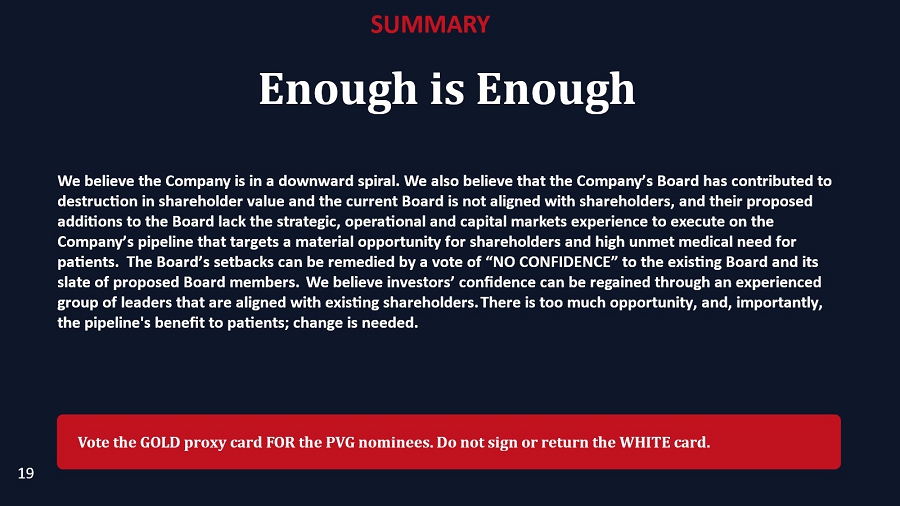
Hi, I’m Patrick Adams. I represent the PVG group that’s seeking to change the board at Anavex Life Sciences. Now, we’ve put together a great team, a great team that we believe can come in and turn this Company around. We felt confident about that. We feel that what’s happened at this Company is a disservice to the stockholders. The board needs to be removed and replaced NOW.
For PVG – Please vote the PVG GOLD card. Here at PVG, we follow the biotechnology space closely. We think that Anavex stock has tremendous upside, and we do not want to lose our investment. We have assembled six highly qualified board members.
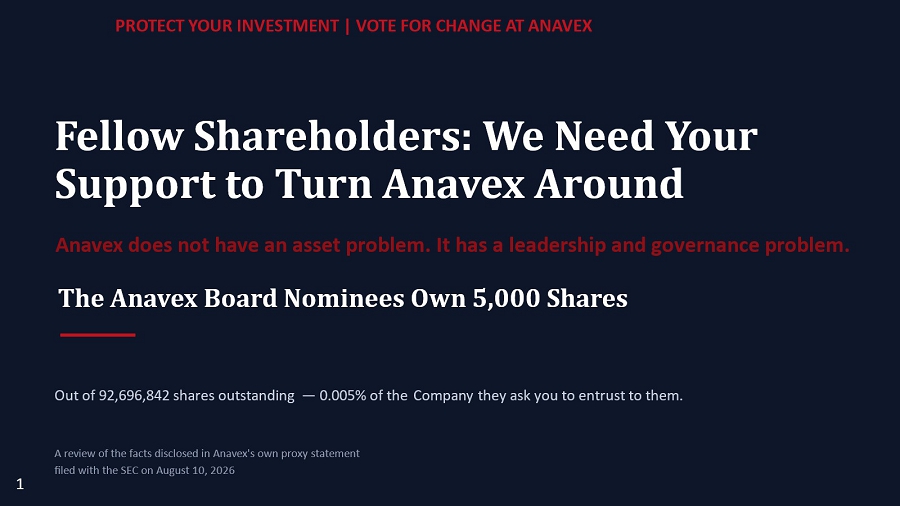
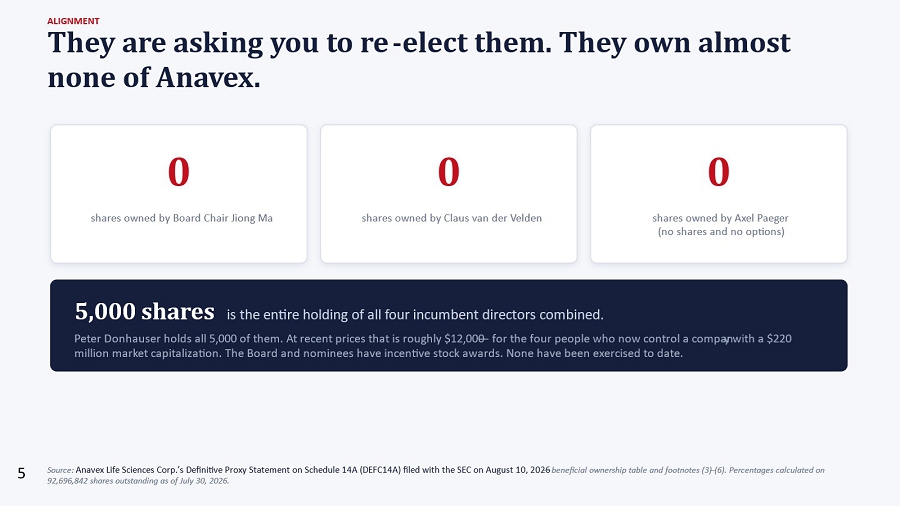
You need to know that of the four Anavex nominees that are currently on the Board – they own a total of 5,000 shares! Three of them own zero shares. One member owns 5,000 shares. We need to get a competent board in place and hire a competent management team to lead this Company forward. How do we do this? Vote your shares. The way to do it is to call Investorcom at this number here. If you’re a stockholder, 877-972-0099. Or if you’re a bank or broker, call 203-972-9300.
If for some reason you are unable to call, just use the email address, proxy@investor-com.com. Somebody will help you. You’ll receive in the mail over the next couple of days or have received the gold cards to vote. Don’t vote the white cards. The white cards are the Company’s cards.
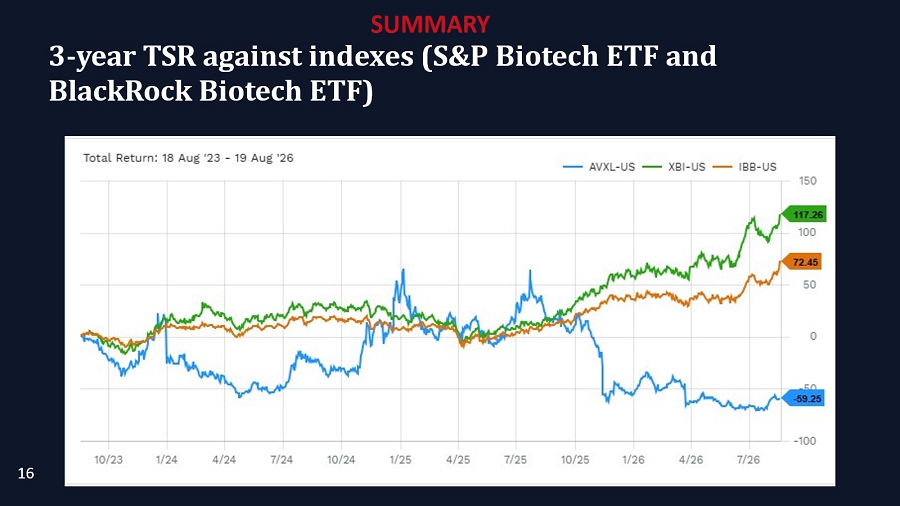
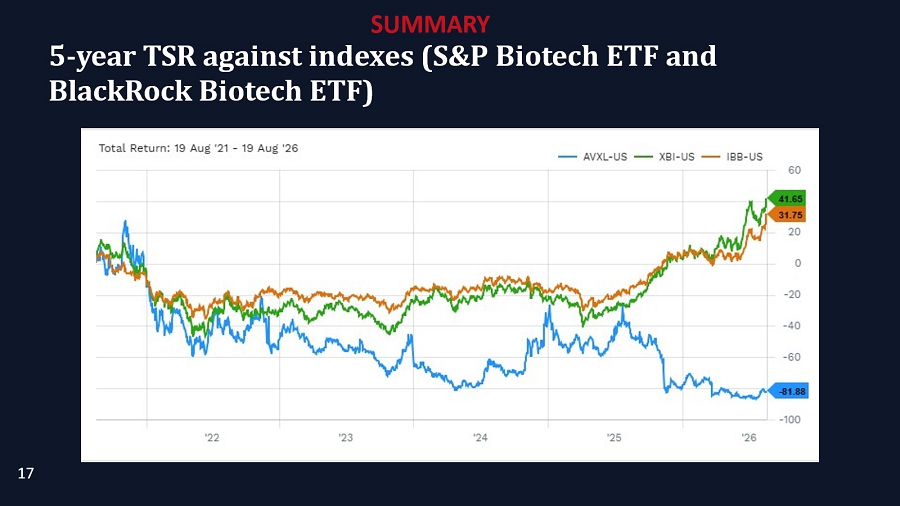
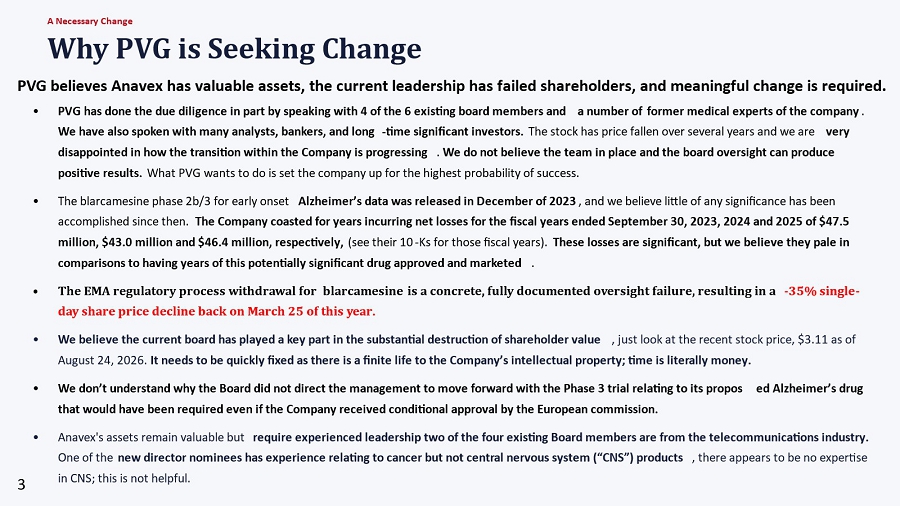
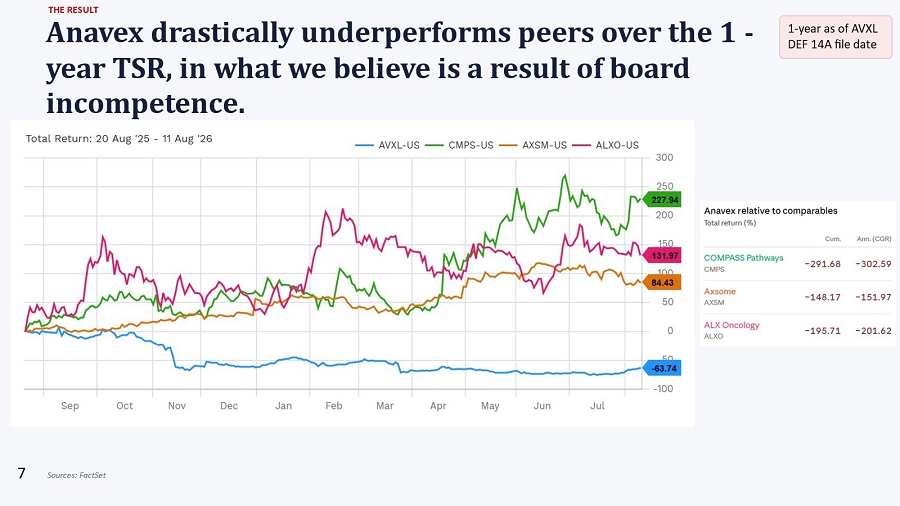
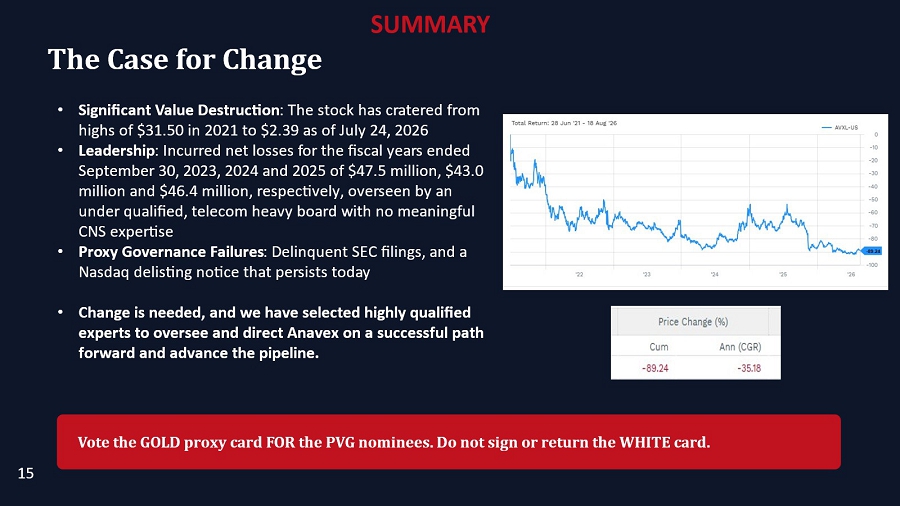
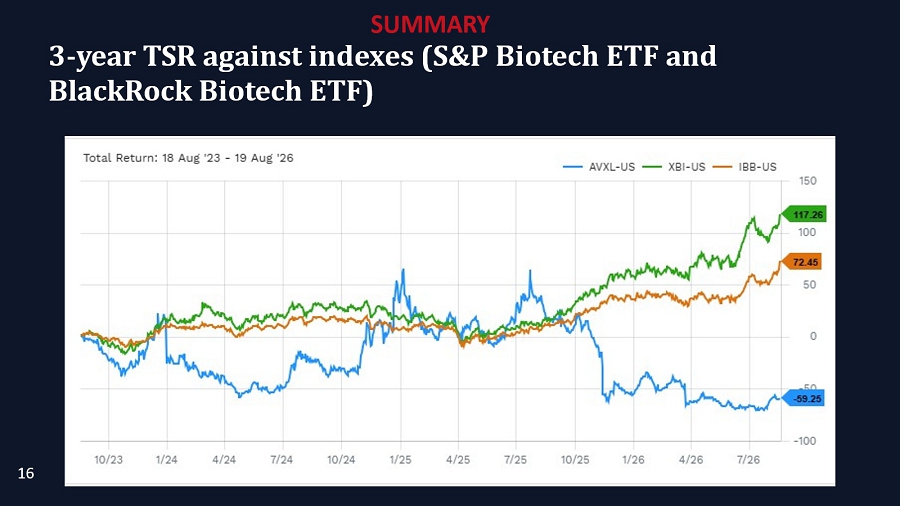
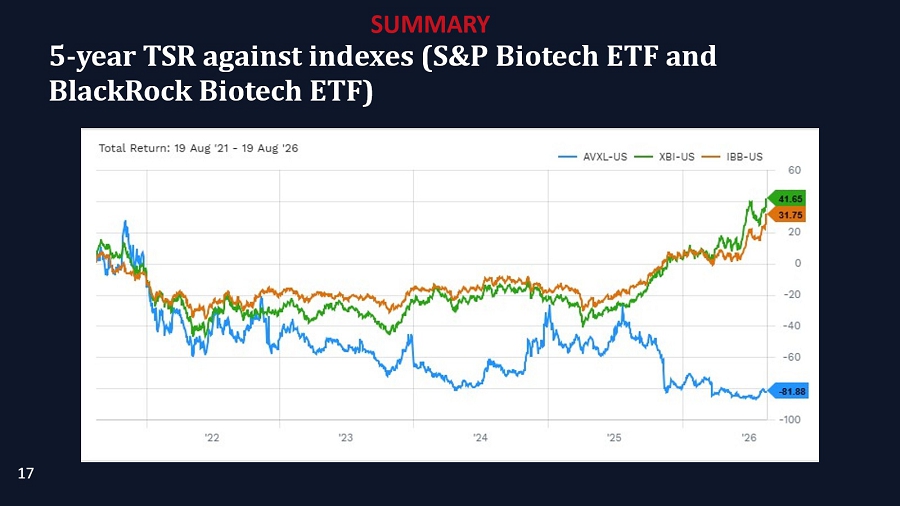
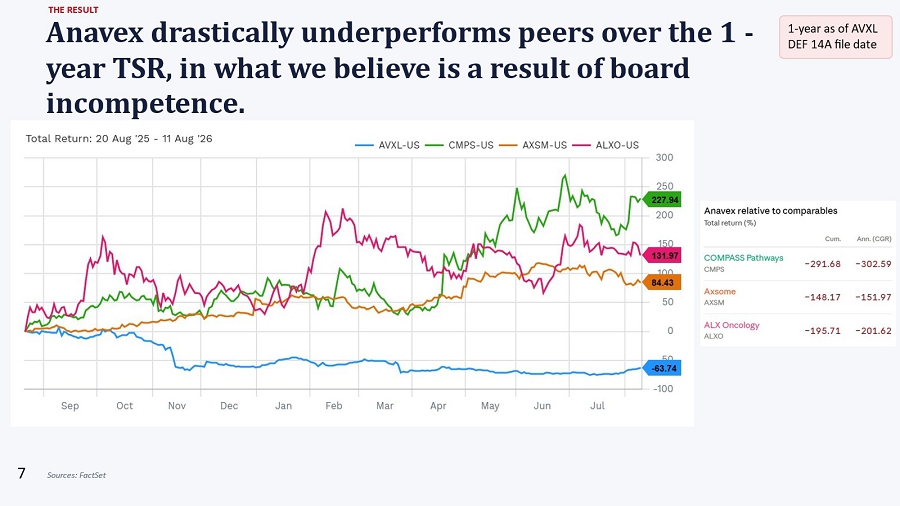
We believe meaningful change is required to get this Company moving forward. We have performed our due diligence by, among other things, speaking with four of the six existing board members and a number of former medical experts of Anavex. We’ve also spoken to analysts and bankers, as well as stockholders. We wanted to get their views. As you know, the stock has underperformed dramatically over the years. See the charts in Appendix A. At a high level, what PVG wants to do is seek the highest probability of success with our Board nominees and get the Anavex critical drugs approved and onto the market.
In December of 2023, the Anavex Alzheimer’s data was released. Now it’s almost three years later. In our view, no significant steps have been taken over that period of time. Anavex racked up losses of about $130 million from fiscal 2023 through fiscal 2025. So what’s even probably more significant is the drug didn’t get to market. So we believe that’s a lot of lost revenue. In the meantime, the patent life is diminishing. We think the Company should have started the phase three trials much sooner.
We believe this lack of direction reflects an incomplete understanding of Anavex’s industry. Anavex is now going back and do the phase three for the FDA and EMA. In our opinion, significant time was wasted, large losses occurred and the patent life continued diminishing. All of this occurred under the present Anavex board of directors.
We continue to believe that Anavex has valuable assets, but what is required is an experienced, highly knowledgeable team to come in and get this business moving forward.
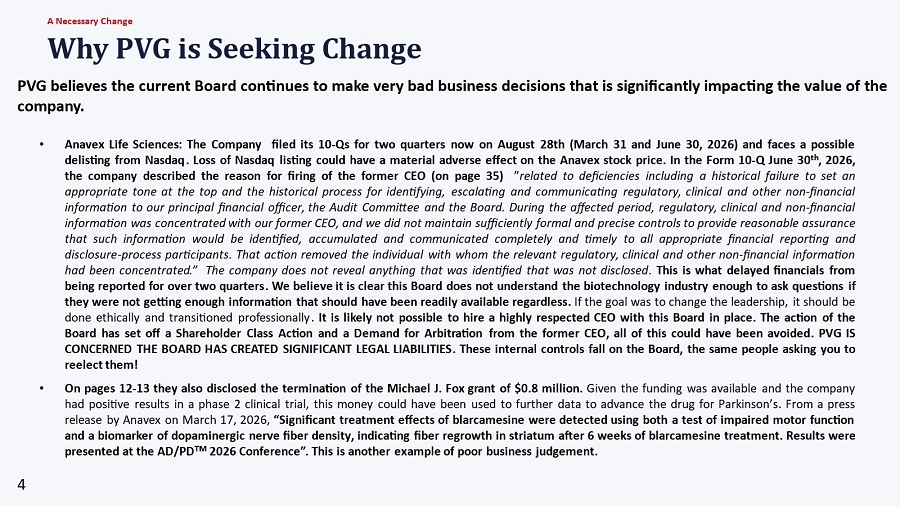
An example of disorganized board leadership in our view is the Company’s recent SEC filing history. The Company finally filed their 10-Qs for March and June of 2026. They had two quarters where they didn’t file their 10-Qs timely. It faced possible Nasdaq delisting.
The recent Anavex filings indicate the former CEO was terminated due to deficiencies, including the historical failure to set an appropriate tone at the top and the historical process of identifying, escalating, and communicating regulatory, clinical, and other non-financial information to the Anavex CFO, the audit committee and the board. According to Anavex, during the affected period, regulatory, clinical, and non-financial information was “concentrated.” The Company admitted it did not maintain sufficiently formal and precise controls to provide reasonable assurance that information would be identified, accumulated, and communicated completely and timely to all appropriate financial reporting and disclosure process participants. Where was the Anavex board during this time? We believe the Anavex board could have been asking for the information.
The Anavex Board action removed the individual with whom the relevant and regulatory, clinical, and other non-financial information had been “concentrated”. We believe the termination would have been handled better without all of the negative consequences that occurred. We believe the Anavex board should have been seeking relevant and comprehensive information long before the CEO was fired.
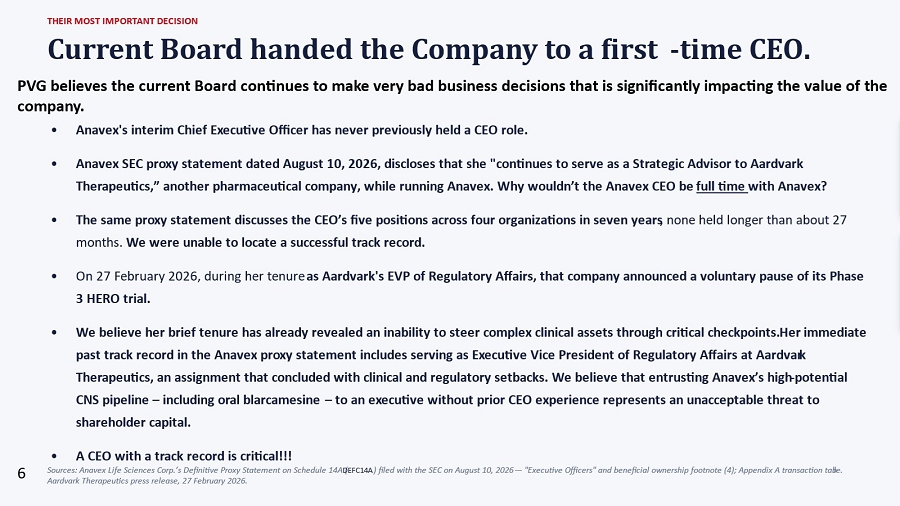
These four existing members, plus two more that don’t have really relevant backgrounds in our view. Well, are they aligned with you? No, we believe they aren’t. We believe Board members should own company stock. This is Board of Directors 101. Get the board to buy in. Get the board to be aligned with stockholders. This has not happened at Anavex. In addition, the current board handed the Company over to a first-time CEO. The Anavex interim CEO has never been a CEO before. We think this is strategically definition. In summary, we believe the current Board continues to make poor decisions and they have significantly impacted the value of Anavex.
Specifically, Anavex abruptly terminated its CEO and several of its scientists this spring despite the significant adverse consequences described below that they knew or should have known would occur. Anavex was several months late in filing its March 31, 2026 10-Q with the SEC and the filing of its June 30, 2026 10-Q was filed several weeks late. Anavex admits as to the possible significant negative side effects in its June 30, 2026 10-Q. In summary, Anavex disclosed it faces several significant risks involving leadership, financial reporting weaknesses, delayed SEC filings, regulatory exposure, and reduced ability to raise capital.
| ● | The June 30 10-Q indicates that firing of the CEO has already led to legal action: |
| ● | The former CEO filed an arbitration claim alleging wrongful termination. | |
| ● | He also filed a lawsuit against four independent directors alleging breach of fiduciary duty. |
| ● | Anavex in the June 30, 2026 10-Q indicates additional risks to it include possible: |
| ● | SEC, FDA, Nasdaq, or other regulatory investigations. | |
| ● | Litigation costs and management distraction. | |
| ● | Damage to Anavex’s reputation and loss of confidence from investors, partners, patients, and employees. |
| ● | Anavex also disclosed that these issues could negatively affect Anavex’s operations, financial condition, stock price, and future prospects! |
Also disclosed in an amended 10-K for the fiscal year ended 2025, Anavex’s management identified a material weakness in internal control over financial reporting that existed at:
| ● | September 30, 2025 | |
| ● | December 31, 2025 | |
| ● | March 31, 2026 | |
| ● | June 30, 2026 |
| ● | Anavex admits in its recent SEC filings that it has begun remediation efforts, but: |
| ● | Fixing the weakness requires significant time, cost, and management attention. | |
| ● | There is no guarantee the corrective actions will fully resolve the problem. |
| ● | Further, the disclosure in the June 30, 2026, 10-Q indicates that if the weakness continues, Anavex could face: |
| ● | Financial statement errors or restatements. | |
| ● | Additional delayed filings. | |
| ● | SEC or Nasdaq compliance issues. | |
| ● | Investor distrust. | |
| ● | Higher costs and possible difficulties raising capital. |
Nasdaq Compliance Risks
| ● | Because Anavex was late in filing its March 31, 2026, 10-Q, Nasdaq issued a deficiency notice because Anavex failed to meet timely reporting requirements. |
| ● | Anavex indicates in the June 30, 2026, 10-Q that consequences may include: |
| ● | Increased expenses related to resolving filing issues. | |
| ● | Lower stock price and difficulty hiring or retaining employees. | |
| ● | Regulatory investigations or enforcement actions. | |
| ● | Management distraction. | |
| ● | Lost business opportunities and potential partnerships. | |
| ● | Reputational damage. |
Finally, and very important in our view, Anavex now has a reduced ability to raise capital, as set forth in the June 30, 2026 10-Q.
| ● | Because of the SEC late filings, Anavex has lost its eligibility to use its effective Form S-3 registration statement, including its at the market financing program that raised approximately $9 million in fiscal year 2026. | |
| ● | Until it has maintained timely SEC filings for a required 12-month period, Anavex may have to rely on alternative financing methods. | |
| ● | Anavex indicated that alternative capital raises could: |
| ● | Take longer. | |
| ● | Cost more. | |
| ● | Be harder to complete successfully. | |
| ● | Negatively impact Anavex’s financial position. |
We believe these negative developments could have been avoided with a different Board who should have been more attentive to the business and operations of Anavex.
As I indicated above, Anavex’s stock has performed poorly. See Appendix A. We believe the performance is the market’s judgment of the Company and its current board.
We believe our slate is superior to Anavex’s slate. For example –
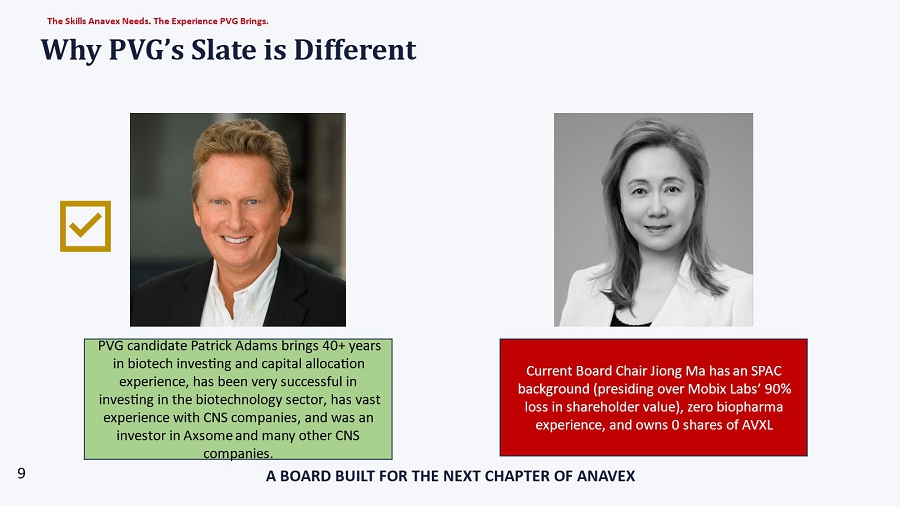
PVG nominee Patrick Adams – He brings 40+ years in biotech investing and capital allocation experience, has been very successful in investing in the biotechnology sector, has vast experience with CNS companies, and was an investor in Axsome and many other CNS companies.
versus
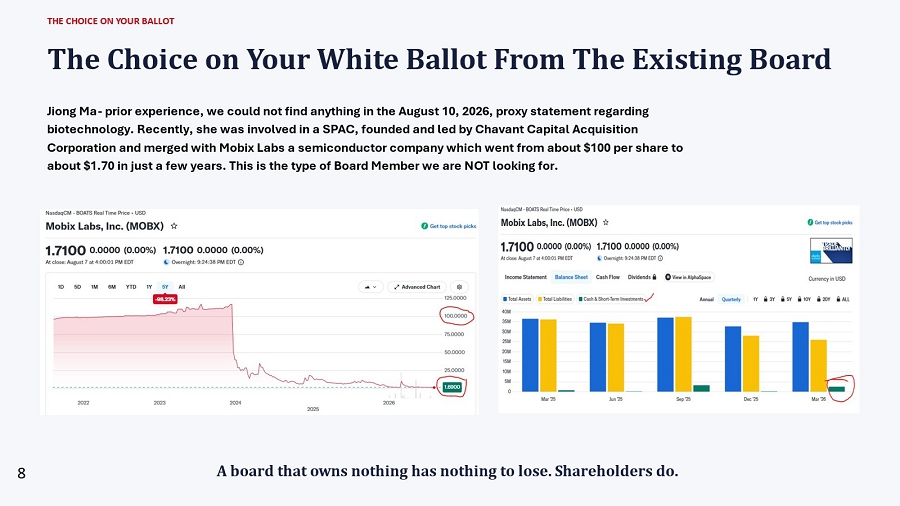
Anavex Current Board Chair Jiong Ma has an SPAC background (presiding over Mobix Labs’ 90% loss in stockholder value), zero biopharma experience, and owns 0 shares of AVXL.
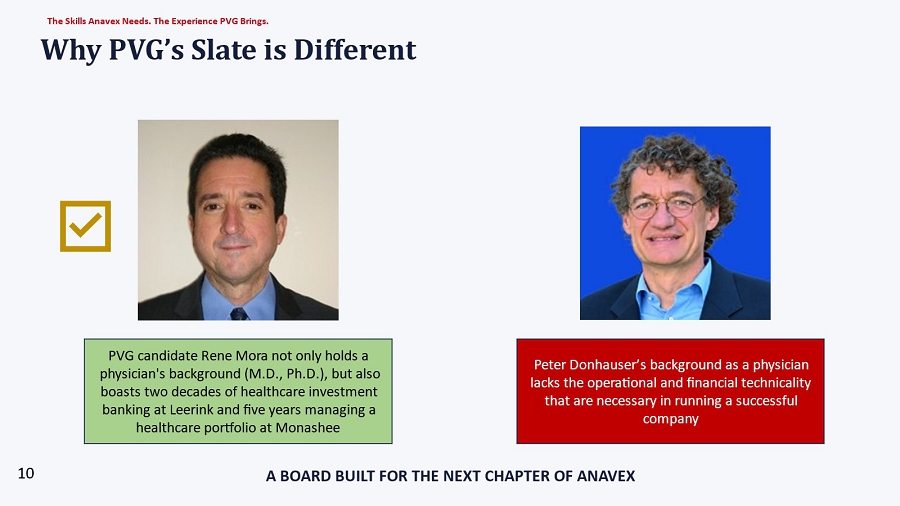
PVG nominee Rene Mora – He not only holds a physician’s background (M.D., Ph.D.), but also has two decades of healthcare investment banking at Leerink and five years managing a healthcare portfolio at Monashee.
versus
Anavex nominee Peter Donhauser - His background as a physician lacks the operational and financial technicality that are necessary in running a successful company.
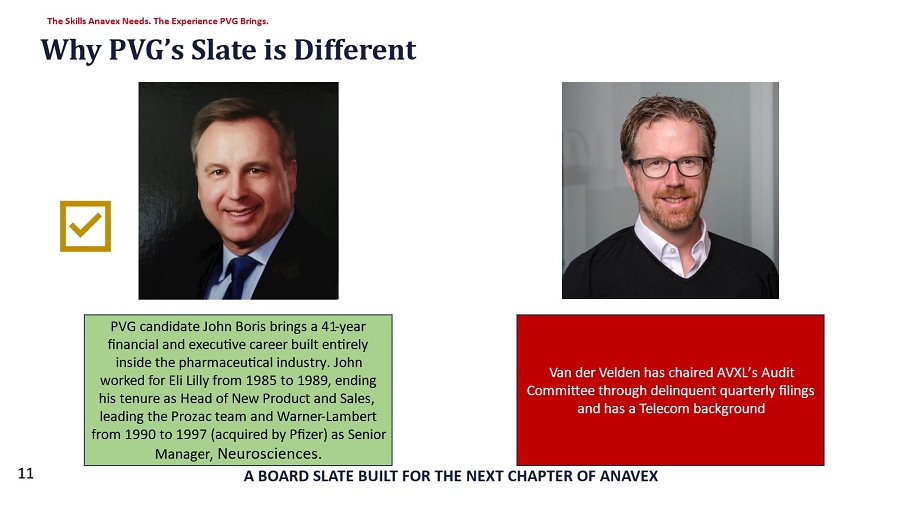
PVG nominee John Boris – He brings a 41-year financial and executive career built entirely inside the pharmaceutical industry. John worked for Eli Lilly from 1985 to 1989, ending his tenure as Head of New Product and Sales, leading the Prozac team and Warner-Lambert from 1990 to 1997 (acquired by Pfizer) as Senior Manager, Neurosciences.
versus
Anavex nominee Claus van der Velden - He has chaired AVXL’s Audit Committee through delinquent quarterly filings and has a Telecom background.
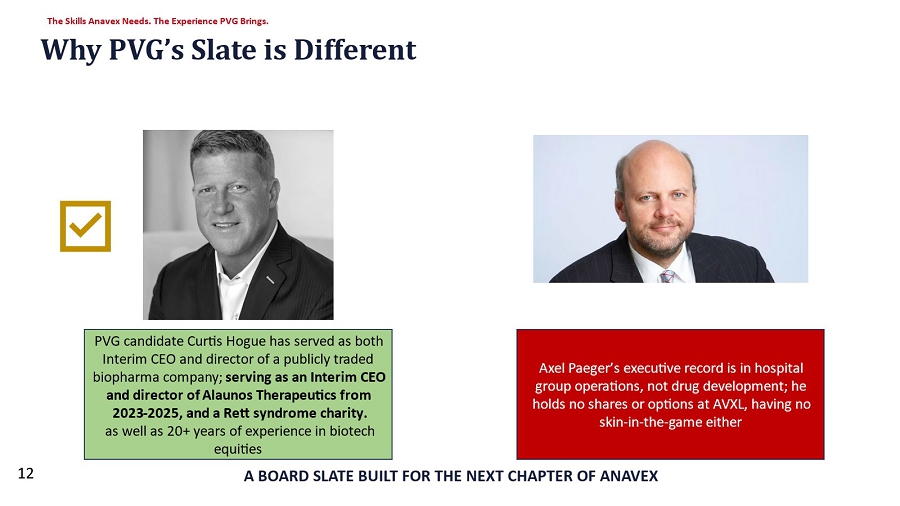
PVG nominee Curtis Hogue – He has served as both Interim CEO and director of a publicly traded biopharma company; serving as an Interim CEO and director of Alaunos Therapeutics from 2023-2025, and a Rett syndrome charity, as well as more than 20 years of experience in biotech equities.
versus
Anavex nominee Axel Paeger - His executive record is in hospital group operations, not drug development; he holds no shares or options at AVXL, having no skin-in-the-game either.
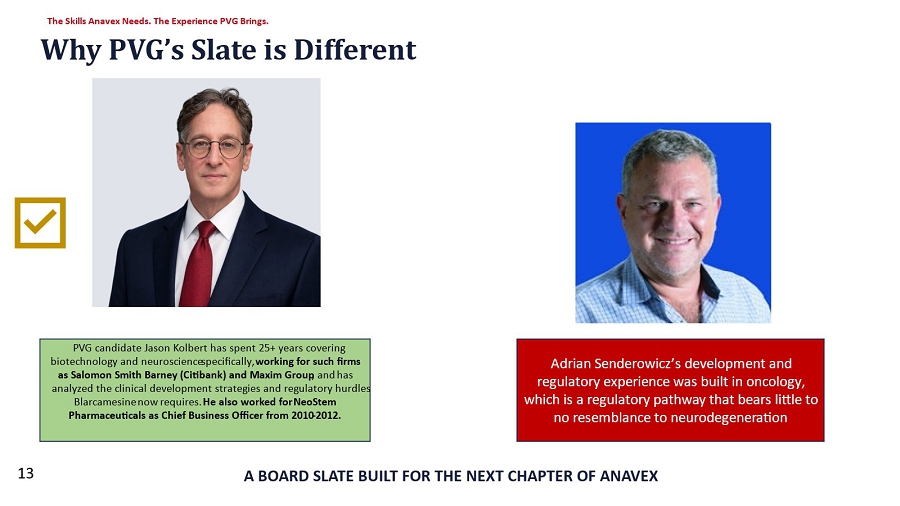
PVG nominee Jason Kolbert – He has spent 25+ years covering biotechnology and neuroscience specifically, working for such firms as Salomon Smith Barney (Citibank) and Maxim Group, and has analyzed the clinical development strategies and regulatory hurdles Blarcamesine now requires. He also worked for NeoStem Pharmaceuticals as Chief Business Officer from 2010-2012.
versus
Anavex nominee Adrian Senderowicz – His development and regulatory experience was built in oncology, which is a regulatory pathway that bears little to no resemblance to neurodegeneration.
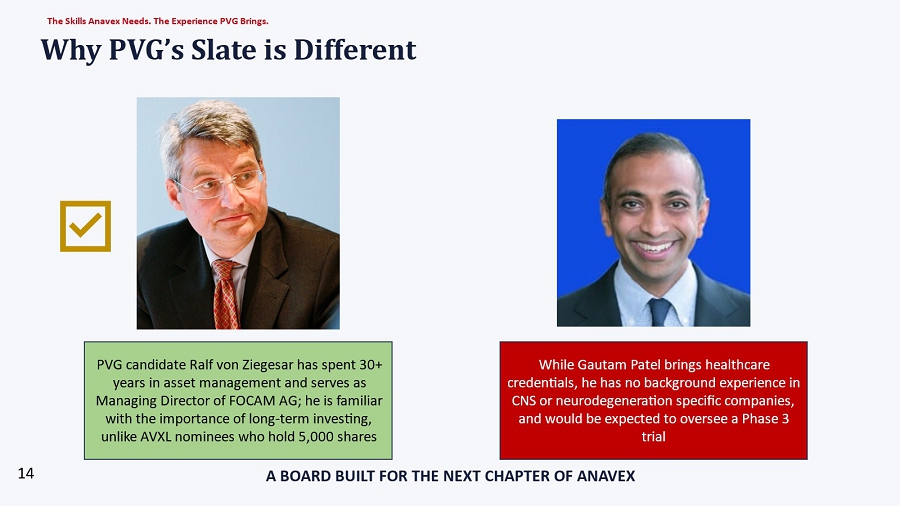
PVG nominee Ralf von Ziegesar – He has spent 30+ years in asset management and serves as Managing Director of FOCAM AG; he is familiar with the importance of long-term investing, unlike AVXL nominees who hold 5,000 shares.
versus
Anavex nominee Gautam Patel – He brings healthcare credentials, but he has no background experience in CNS or neurodegeneration specific companies, and would be expected to oversee a Phase 3 trial.
We have assembled a slate that has significant biotechnology experience!
We think the choice is clear – the PVG nominees have the background, experience and alignment with Anavex stockholders to move Anavex to the next level. We are asking for your vote. Thank you.
Annex A: