
SCHEDULE 14A INFORMATION
| Filed by the Registrant [X] | ||
| Filed by a Party other than the Registrant [ ] | ||
| Check the appropriate box: | ||
| [ ] Preliminary Proxy Statement | ||
| [ ] Confidential, for Use of the Commission Only (as permitted by Rule 14a-6(e)(2)) | ||
| [X] Definitive Proxy Statement | ||
| [ ] Definitive Additional Materials | ||
| [ ] Soliciting Material Pursuant to Rule 14a-11(c) or Rule 14a-12 | ||
Payment of Filing Fee (Check the appropriate box):
[X] No fee required.
[ ] Fee computed on table below per Exchange Act Rules 14a-6(i)(1) and 0-11.
(1) Title of each class of securities to which transaction applies:
(2) Aggregate number of securities to which transaction applies:
| (3) | Per unit price or other underlying value of transaction computed pursuant to Exchange Act Rule 0-11 (Set forth the amount on which the filing fee is calculated and state how it was determined): |
(4) Proposed maximum aggregate value of transaction:
(5) Total fee paid:
| [ ] | Fee paid previously with preliminary materials. | |
| [ ] | Check box if any part of the fee is offset as provided by Exchange Act Rule 0-11(a)(2) and identify the filing for which the offsetting fee was paid previously. Identify the previous filing by registration statement number, or the form or schedule and the date of its filing. |
(1) Amount previously paid:
(2) Form, schedule or registration statement no.:
(3) Filing party:
(4) Date filed:
MBNA CORPORATION
The 2002 Annual Meeting of the Stockholders of MBNA Corporation will be held at the Corporation’s international headquarters located at 1100 North King Street, Wilmington, Delaware on May 1, 2002 at 11:00 a.m. for the following purposes:
| 1. | To elect nine directors to serve until the next annual meeting and until their successors are elected and qualify; and | |
| 2. | To transact whatever other business may properly be brought before the meeting. |
Only holders of record of the Corporation’s common stock at the close of business on February 8, 2002 are entitled to notice of and to vote at the meeting.
Stockholders of record as of the record date will be admitted to the Annual Meeting upon presentation of identification. Stockholders who own stock beneficially through a bank, broker or otherwise, will be admitted to the Annual Meeting upon presentation of identification and proof of ownership or a valid proxy signed by the record holder. A recent brokerage statement or a letter from a bank or broker are examples of proof of ownership.
| John W. Scheflen | |
| Secretary |
March 22, 2002
If you hold stock in your own name as a stockholder of record, please mark, sign, date, and return promptly the enclosed proxy in the enclosed envelope even if you plan to attend the meeting. If you attend the meeting and wish to vote in person, you may then withdraw your proxy. If your stock is held by a broker, bank or other nominee, you will receive instructions from them that you must follow in order to have your shares voted.
IMPORTANT NOTICE REGARDING DELIVERY OF SECURITY HOLDER DOCUMENTS
The Securities and Exchange Commission now permits corporations to send a single set of annual disclosure documents to any household at which two or more stockholders reside, unless contrary instructions have been received, but only if the corporation provides advance notice and follows certain procedures. In such cases, such stockholders continue to receive a separate notice of the meeting and proxy card. This householding process reduces the volume of duplicate information and reduces printing and mailing expenses. The Corporation has not instituted householding for stockholders of record; however, this year, a limited number of brokerage firms have instituted householding for beneficial owners of the Corporation’s common stock held through brokerage firms. If your family has multiple accounts holding common shares of the Corporation, you may have already received householding notification from your broker. Please contact your broker directly if you have any questions or require additional copies of the annual disclosure documents. The broker will arrange for delivery of a separate copy of this Proxy Statement or the Corporation’s Annual Report promptly upon your written or oral request. You may decide at any time to revoke your decision to household, and thereby receive multiple copies.
MBNA CORPORATION
This Proxy Statement is furnished in connection with the solicitation by MBNA Corporation (the “Corporation”) of proxies to be voted at its Annual Meeting of Stockholders to be held at 11:00 a.m. on May 1, 2002, at the Corporation’s international headquarters located at 1100 North King Street, Wilmington, Delaware and at any adjournment thereof. This Proxy Statement was first mailed or given to holders of the Corporation’s common stock on March 22, 2002.
Solicitation of proxies may be made by mail, personal interview, telephone, fax and electronic mail by directors, officers and employees of the Corporation. Expenses for such solicitation will be borne by the Corporation. The Corporation has retained Morrow & Co., Inc. to assist in the solicitation of proxies for a fee of up to $7,500 plus reimbursement of expenses. Brokers and others will be reimbursed for their reasonable expenses in forwarding the proxy material to their customers who have beneficial interests in the common stock of the Corporation registered in names of nominees.
Any proxy may be revoked by a stockholder at any time prior to its use by execution and delivery of another proxy bearing a later date, by written notice to the Secretary of the Corporation at the address set forth above or by oral or written statement at the meeting. Shares represented by any proxy properly executed and received prior to the meeting will be voted at the meeting in accordance with the proxy or, if the proxy does not specify, in accordance with the recommendation of the Board of Directors.
Only holders of record of the Corporation’s common stock at the close of business on February 8, 2002 are entitled to notice of and to vote at the meeting. On the record date the Corporation had 851,781,250 shares of common stock outstanding. Each share of common stock outstanding on the record date is entitled to one vote. There is no provision for cumulative voting.
A quorum for the meeting requires the presence in person or by proxy of stockholders entitled to cast a majority of the votes entitled to be cast at the meeting. The election of directors requires a plurality of the votes cast at the meeting.
Stockholders will vote at the meeting by ballot. Votes cast at the meeting in person or by proxy will be tallied by the Corporation’s transfer agent. Shares held by stockholders present at the meeting in person who do not vote on a matter and ballots marked “abstain” or “withheld” on a matter will be counted as present at the meeting for quorum purposes, but will not be considered to be votes cast on the matter, and thus will have no effect on the result of the vote.
1
SECURITY OWNERSHIP OF MANAGEMENT
The following table sets forth information with respect to beneficial ownership of shares of the Corporation’s common stock as of February 8, 2002, by each nominee for director, by each named executive officer, and by all directors and executive officers as a group, and, as of December 31, 2001, by each person known to the Corporation to own beneficially 5% or more of the Corporation’s common stock.
Management
| Percent of | |||||||||
| Name | Number of Shares | Outstanding | |||||||
|
Alfred Lerner(1)
|
112,400,902 | 13.0 | % | ||||||
|
1100 North King Street Wilmington, Delaware 19884 |
|||||||||
|
James H. Berick, Esq.(2)
|
246,421 | * | |||||||
|
Charles M. Cawley(3)
|
7,702,948 | * | |||||||
|
Benjamin R. Civiletti, Esq.(4)
|
145,091 | * | |||||||
|
John R. Cochran, III(5)
|
5,270,538 | * | |||||||
|
Bruce L. Hammonds(6)
|
4,103,009 | * | |||||||
|
Bernadine P. Healy, M.D.(7)
|
46,512 | * | |||||||
|
William L. Jews(8)
|
16,000 | * | |||||||
|
M. Scot Kaufman(9)
|
4,022,032 | * | |||||||
|
Randolph D. Lerner, Esq.(10)
|
293,277 | * | |||||||
|
Stuart L. Markowitz, M.D.(11)
|
733,788 | * | |||||||
|
Michael Rosenthal, Ph.D.(12)
|
226,452 | * | |||||||
|
All directors and executive officers as a
group(13)
|
151,140,765 | 16.9 | % | ||||||
| Investment Advisor(14) | |||||||||
|
Alliance Capital Management L.P. and
affiliates(15)
|
72,622,287 | 8.5 | % | ||||||
| 1290 Avenue of the Americas | |||||||||
| New York, New York 10104 | |||||||||
| * | Less than 1% of the shares outstanding. |
| (1) | Includes 3,194,647 restricted shares and 13,018,750 shares subject to options exercisable within 60 days. |
| (2) | Includes 217,340 shares subject to options exercisable within 60 days; does not include 15,187 shares owned by Mr. Berick’s sons as to which Mr. Berick disclaims beneficial ownership. |
| (3) | Includes 1,350,000 restricted shares and 6,253,140 shares subject to options exercisable within 60 days. |
| (4) | Includes 123,904 shares subject to options exercisable within 60 days and 17,500 shares owned by Mr. Civiletti’s wife. |
| (5) | Includes 1,161,563 restricted shares and 4,064,824 shares subject to options exercisable within 60 days; does not include 1,550,000 shares subject to options exercisable at later dates. |
| (6) | Includes 1,197,747 restricted shares and 2,859,608 shares subject to options exercisable within 60 days; does not include 1,550,000 shares subject to options exercisable at later dates. |
| (7) | Includes 10,000 shares subject to options exercisable within 60 days and 4,350 shares owned by Dr. Healy’s daughters. |
| (8) | Includes 15,000 shares subject to options exercisable within 60 days. |
2
| (9) | Includes 787,462 restricted shares, 18,250 shares owned by Mr. Kaufman’s wife, 7,593 shares owned by his daughter, 7,593 shares owned by his son, 3,033,063 shares subject to options exercisable within 60 days and 15,169 shares with shared voting and investment power, which shares are held by a private foundation of which Mr. Kaufman is a trustee and president; does not include 780,000 shares subject to options exercisable at later dates. |
| (10) | Includes 217,340 shares subject to options exercisable within 60 days. |
| (11) | Includes 217,340 shares subject to options exercisable within 60 days. |
| (12) | Includes 217,340 shares subject to options exercisable within 60 days; does not include 13,668 shares owned by Dr. Rosenthal’s wife as to which Dr. Rosenthal disclaims beneficial ownership. |
| (13) | Reflects shares beneficially owned by the twelve current directors and officers named and by ten other executive officers. Includes 10,979,449 restricted shares and 42,298,565 shares subject to options exercisable within 60 days; does not include 10,250,000 shares subject to options exercisable at later dates. Includes 45,851 shares with shared voting and investment power. |
| With respect to the restricted shares, the holder has sole voting power and no investment power. Unless otherwise indicated, all other shares are owned with sole voting and investment powers. No nominee for director or executive officer of the Corporation beneficially owns any shares of the Corporation’s preferred stock. | |
| (14) | The beneficial owner in this category has provided a Schedule 13G to the Corporation in which it certified that it acquired the shares of the Corporation’s common stock in the ordinary course of business and not for the purpose of changing or influencing the control of the Corporation. |
| (15) | According to their report on Schedule 13G, as of December 31, 2001, Alliance Capital Management L.P. (“Alliance”) and certain affiliates of Alliance (together with their parent corporations AXA Financial, Inc., AXA, and certain AXA affiliates) were deemed to own in the aggregate 160,032,009 shares, or 18.8%, of the Corporation’s common stock, primarily held for investment advisory clients. Under the ownership reporting rules of the Securities Exchange Act of 1934, an entity is deemed to own shares if it has the power to vote or dispose of the shares even if it has no economic interest in the shares. The table includes 72,622,287 shares which the reporting persons had sole power to vote. In addition, according to the Schedule 13G, the reporting persons had no power to vote 42,037,076 shares, shared power to vote 45,372,646 shares, sole power to dispose of 159,217,472 shares and shared power to dispose of 814,537 shares. |
3
ELECTION OF DIRECTORS
The Nominating Committee of the Board of Directors has proposed nine nominees for election as directors to serve for the coming year and until their successors are elected and qualify. Shares represented by proxies will be voted for the election of the nominees named below unless authority to do so is withheld. The Nominating Committee does not intend to select another nominee if any current nominee should be unable to serve. All of the Corporation’s directors also serve as directors of MBNA America Bank, N.A. (the “Bank”), the Corporation’s principal subsidiary.
| Name | Age | Position | ||||
|
Alfred Lerner
|
68 | Chairman and Chief Executive Officer of the Corporation | ||||
|
Charles M. Cawley
|
61 | President of the Corporation; Chief Executive Officer of the Bank and Chairman of the Bank’s Executive Committee | ||||
|
James H. Berick, Esq.
|
68 | Partner, Squire, Sanders & Dempsey L.L.P., attorneys | ||||
|
Benjamin R. Civiletti, Esq.
|
66 | Chairman, Venable, Baetjer and Howard, LLP, attorneys | ||||
|
Bernadine P. Healy, M.D.
|
57 | Former President and Chief Executive Officer, American Red Cross; Former Director of the National Institutes of Health | ||||
|
William L. Jews
|
50 | President and Chief Executive Officer, CareFirst BlueCross BlueShield; Chief Executive Officer, Blue Cross Blue Shield of Delaware | ||||
|
Randolph D. Lerner, Esq.
|
40 | Partner, Securities Advisors, L.P., investments management | ||||
|
Stuart L. Markowitz, M.D.
|
54 | Internist and Managing Partner, Drs. Markowitz, Rosenberg, Stein & Associates, physicians | ||||
|
Michael Rosenthal, Ph.D.
|
64 | Professor of English, Columbia University | ||||
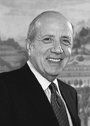 |
Mr. Alfred Lerner has been Chief Executive Officer of MBNA Corporation and Chairman of its Board of Directors since January 1991 and a director of the Bank since December 1991. He has more than 27 years of management experience in banking and finance. He has been Chairman of The Town and Country Trust since 1993 and was Chief Executive Officer from 1993 to 1997. He has been Chairman and owner of the Cleveland Browns since October 1998. A graduate of Columbia University and Vice Chairman of its Board of Trustees, Mr. Lerner is also President of the Cleveland Clinic Foundation and a member of its Board of Trustees. He is also a trustee of New York Presbyterian Hospital and Case Western Reserve University, and a member of the Board of Directors of the Marine Corps Law Enforcement Foundation. | |
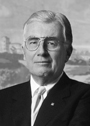 |
Mr. Cawley has been President and a director of the Corporation since January 1991, Chief Executive Officer of the Bank since 1990, and Chairman of the Bank’s Executive Committee since January 2002. He has more than 40 years of management experience in the financial services industry and was the senior member of the group that established the Bank in 1982. He served as Chairman of the Bank from 1991 to 2002, and as President from 1985 to 2002. He has been a director of the Bank since 1982. A graduate of Georgetown University and a former member of its Board of Directors, Mr. Cawley also serves on the boards of the Eisenhower Exchange Fellowships, St. Benedict’s Preparatory School, the Marine Corps Law Enforcement Foundation, the Owl’s Head Transportation Museum, the George Bush Presidential Library, the Metropolitan Wilmington Urban League, and the American Ireland Foundation. He is Chairman of the Board of the Grand Opera House in Wilmington, Delaware and is on the executive committee of the University of Delaware. | |
4
 |
Mr. Berick has been a director of the Corporation since January 1991 and a director of the Bank since April 1991. Since January 2000 he has been a partner of Squire, Sanders & Dempsey L.L.P., the successor to Berick, Pearlman & Mills Co., L.P.A., of which Mr. Berick was Chairman from July 1986 until January 2000. He was President and Treasurer of Realty ReFund Trust, a real estate investment trust, from 1990 through January 1998. He is a director of The Town and Country Trust. | |
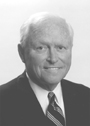 |
Mr. Civiletti has been a director of the Corporation and the Bank since April 1993. He served as Managing Partner of Venable, Baetjer and Howard, LLP from 1987 to 1993 and has served as Chairman since 1993. He was Attorney General of the United States from 1979 to 1981. He is a director of Bethlehem Steel Corporation, Wackenhut Corrections Corporation and The Wackenhut Corporation. | |
 |
Dr. Healy has been a director of the Corporation and the Bank since April 2001. She served as the President and Chief Executive Officer of the American Red Cross from 1999 to 2001. She was Professor of Medicine and Dean of Ohio State University College of Medicine from 1995 to 1999. She was Senior Policy Advisor of the Cleveland Clinic Foundation from 1994 to 1995. She was Director of the National Institutes of Health from 1991 to 1993. She serves as a director of Ashland Inc., Medtronic Inc. and Invacare Corporation. She served as a director of National City Corporation from 1995 to 2001 and from 1989 to 1990. She also serves as a trustee of the Battelle Memorial Institute. | |
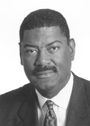 |
Mr. Jews has been a director of the Corporation and the Bank since June 2000. He is the President and Chief Executive Officer of CareFirst BlueCross BlueShield and is Chief Executive Officer of Blue Cross Blue Shield of Delaware. He serves as a director of the National Blue Cross and Blue Shield Association, MuniMae, Inc., Choice Hotels International, Inc., Ecolab, Inc. and the Ryland Group. He is also a Governor of the Federal Reserve Board of Richmond and a member of the University of Maryland Baltimore County President’s Advisory Board and the Baltimore County Revenue Authority. |
5
 |
Mr. Randolph D. Lerner has been a director of the Corporation and the Bank since April 1993. He is a partner in Securities Advisors, L.P., the successor to R.D. Lerner Securities, Inc., which he has managed since September 1991. He is Chairman of the Board of Trustees of the New York Academy of Art, and a member of the Boards of Trustees of the Hospital for Special Surgery in New York City. He is a member of the District of Columbia and New York Bar Associations and is Alfred Lerner’s son. |
 |
Dr. Markowitz has been a director of the Corporation and the Bank since April 1991. He is an internist and Managing Partner of Drs. Markowitz, Rosenberg, Stein & Associates, a private medical practice, and is Clinical Professor at Case Western Reserve University, College of Medicine, where he has taught since 1976. He is a member of the Medical Board and a volunteer physician for The Jewish Children’s Bureau in Cleveland. | |
 |
Dr. Rosenthal has been a director of the Corporation and the Bank since April 1991. He has taught at Columbia University since 1964, served as Associate Dean responsible for academic administration from 1972 to 1989, served as Professor of English from 1989 to 2000 and has been Roberta and William Campbell Professor in the Humanities, an endowed chair, since 2000. He is a member of the Authors Guild. |
The Board of Directors has standing Audit, Compensation, Stock Option and Nominating Committees. Mr. Civiletti (Chairman), Messrs. Berick and Jews and Drs. Healy, Markowitz and Rosenthal serve as the Audit Committee. Mr. Berick (Chairman), Messrs. Civiletti and Jews, and Drs. Healy, Markowitz and Rosenthal serve as the Compensation Committee. Mr. Jews and Drs. Healy, Markowitz and Rosenthal serve as the Stock Option Committee. Messrs. Berick, Civiletti and Jews and Drs. Healy, Markowitz and Rosenthal serve as the Nominating Committee. The Audit Committee assists the Board of Directors in its oversight on matters relating to accounting, financial reporting, internal control, auditing, and regulatory compliance. The Compensation Committee approves the compensation of the Corporation’s senior executives and administers the Senior Executive Performance Plan. The Stock Option Committee administers the Corporation’s 1991 and 1997 Long Term Incentive Plans. The Nominating Committee nominates candidates for election to the Board of Directors and addresses matters concerning the size, structure, composition and functioning of the Board of Directors. The Nominating Committee will consider nominees recommended by stockholders pursuant to the prior notice requirements as described under “Stockholder Proposals for 2003 Annual Meeting” on page 24 of this Proxy Statement.
6
During 2001, the Board of Directors held ten meetings, the Audit Committee held five meetings, the Compensation Committee held two meetings, the Stock Option Committee held two meetings, and the Nominating Committee held one meeting. Each of the directors attended at least 75% of the board and applicable committee meetings held during 2001, except Dr. Healy. Dr. Healy attended seven of the eleven applicable meetings since joining the Board in April 2001. Three of the four meetings missed were following the events of September 11th, during which time Dr. Healy’s position as President and Chief Executive Officer of the American Red Cross made attendance at such meetings difficult.
The directors of the Corporation who are not officers of the Corporation each receive $50,000 annually for their services, and $1,500 for each meeting of the Board of Directors or applicable committee attended. Dr. Healy received a prorated fee for her services since becoming a director in April 2001. Directors who are not officers of the Corporation may elect to defer their annual retainer and meeting fees pursuant to the Corporation’s deferred compensation plan.
During 2001, each director who is not an officer received an option for 5,000 shares of the Corporation’s common stock pursuant to the Corporation’s 1997 Long Term Incentive Plan. Under the 1997 Plan, each director who is not an officer receives an option for 5,000 shares of common stock upon election to the Board and on January 2 of each year thereafter. The exercise price of the options is the fair market value of the common stock on the grant date. The options are exercisable immediately and have a term of ten years but expire sooner if the holder ceases to be a director.
The election of directors requires a plurality of the votes cast at the meeting.
The Board of Directors recommends a vote FOR each nominee for director.
7
8
MBNA AMERICA BANK, N.A. EXECUTIVE MANAGEMENT
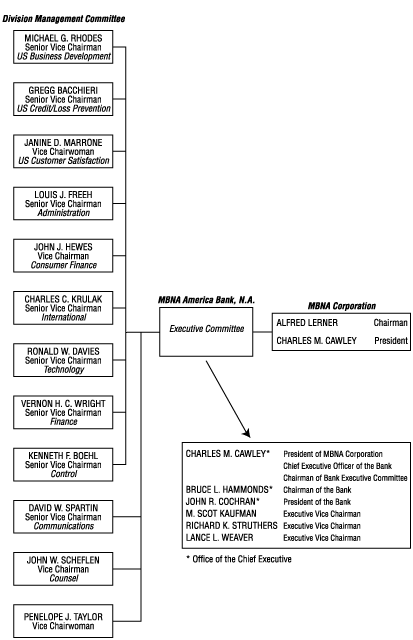
The facing page shows the members of the Bank’s Executive Committee and Division Management Committee and their principal responsibilities. Members of the Division Management Committee report to the Executive Committee and members of the Executive Committee report to Messrs. Cawley, Hammonds and Cochran, who share the responsibilities of Chief Executive Officer of the Bank. Messrs. Lerner and Cawley are the senior executive officers of the Corporation. In addition to Messrs. Lerner and Cawley, the executive officers of the Corporation are the members of the Bank’s Executive Committee and Division Management Committee.
Executive Committee
Charles M. Cawley (61) is Chief Executive Officer of the Bank and Chairman of the Bank’s Executive Committee. He has more than 40 years of management experience in the financial services industry and was the senior member of the group that established the Bank in 1982. He has been a director of the Bank since 1982.
Bruce L. Hammonds (53) is Chairman of the Bank. He has 32 years of management experience in consumer lending and was a member of the management team that established the Bank in 1982. He has been a director of the Bank since 1986.
John R. Cochran III (50) is President of the Bank. He has 29 years of management experience in the financial services industry and was a member of the group that established the Bank in 1982. He has been a director of the Bank since 1986.
M. Scot Kaufman (52) is an Executive Vice Chairman of the Bank and Chief Financial Officer of the Corporation. He oversees financial activities. He has 31 years of experience in the financial services industry and has been with the Bank for 17 years. He has been a director of the Bank since 1986.
Richard K. Struthers (46) is an Executive Vice Chairman of the Bank. He oversees special initiatives, control activities and new business acquisitions. He has 24 years of experience in consumer lending and was a member of the group that established the Bank in 1982.
Lance L. Weaver (47) is an Executive Vice Chairman of the Bank. He oversees administrative functions. He is also Chairman of MasterCard International. He has 27 years of experience in consumer lending and administration and has been with the Bank for 11 years. He has been a director of the Bank since February 1993.
Division Management Committee
Michael G. Rhodes (36) is a Senior Vice Chairman of the Bank. He oversees US credit card marketing and business development. He is also a member of the board for the US region of MasterCard International and served as its chairman in 2000 and 2001. He has 10 years of experience in the financial services industry and has been with the Bank for 8 years. He is Mr. Cawley’s son-in-law.
Gregg Bacchieri (46) is a Senior Vice Chairman of the Bank. He oversees credit and loss prevention activities for the US credit card business. He has 23 years of management experience in consumer lending and was a member of the management team that established the Bank in 1982.
Janine D. Marrone (42) is a Vice Chairwoman of the Bank. She oversees US Customer satisfaction activities. She has more than 22 years of experience in retail lending and marketing and has been with the Bank for 15 years.
9
Louis J. Freeh (52) is a Senior Vice Chairman of the Bank. He oversees all personnel functions, including recruiting, hiring, education, compensation, and benefits. He is also responsible for legal affairs and facilities. Prior to joining the Bank in 2001, he served as director of the FBI for eight years, as a federal judge and as a federal prosecutor.
John J. Hewes (53) is a Vice Chairman of the Bank. He oversees consumer finance activities. He has more than 32 years of management experience in retail and consumer lending and has been with the Bank for 17 years.
Charles C. Krulak (60) is a Senior Vice Chairman of the Bank. He is also the Chairman of MBNA Europe. He had a 35 year career in the U.S. Marine Corps, including serving four years as Commandant and has been with the Bank for 3 years.
Ronald W. Davies (60) is a Senior Vice Chairman of the Bank. He oversees MBNA Technology, Inc., which provides the Corporation with telecommunications, production operations, information systems, and systems operations and development. He has 37 years of experience in information systems and technology management and has been with the Bank for 11 years. He has been a director of the Bank since April 1991.
Vernon H. C. Wright (59) is a Senior Vice Chairman and Chief Corporate Finance Officer of the Bank. He oversees foreign and domestic treasury activities, including structured products, investment portfolios, and interbank funding. He is also responsible for all global capital markets and corporate finance activities. He has more than 33 years of experience in consumer and corporate banking and has been with the Bank for 11 years. He has been a director of the Bank since November 1992.
Kenneth F. Boehl (47) is a Senior Vice Chairman of the Bank. He oversees audit, compliance and portfolio risk management. He has 26 years of experience in the financial services industry and has been with the Bank for 14 years.
David W. Spartin (44) is a Senior Vice Chairman of the Bank. He oversees investor relations, industry relations, media relations, communications, and administration. He has 23 years of experience in the financial services industry and has been with the Bank for 11 years.
John W. Scheflen (55) is a Vice Chairman, Counsel and Secretary of the Bank. He is responsible for all legal matters, corporate affairs, and government affairs. He has 27 years of experience in law and has been with the Bank for 10 years.
Penelope J. Taylor (58) is a Vice Chairwoman of the Bank. She is responsible for career development and diversity and serves as chairwoman of the personnel committee. She has more than 30 years of experience in consumer lending and has been with the Bank for 16 years.
10
EXECUTIVE COMPENSATION
The following table sets forth information concerning compensation paid or accrued to the Corporation’s Chairman and Chief Executive Officer and the four other most highly compensated executives of the Corporation for services to the Corporation in 1999, 2000, and 2001.
Summary Compensation Table
| Long Term | |||||||||||||||||||||||||||||
| Annual Compensation | Compensation | ||||||||||||||||||||||||||||
| Awards | |||||||||||||||||||||||||||||
| Other | Number of | ||||||||||||||||||||||||||||
| Annual | Securities | All Other | |||||||||||||||||||||||||||
| Compen- | Restricted | Underlying | Compen- | ||||||||||||||||||||||||||
| Name and Principal Position | Year | Salary | Bonus | sation(1) | Shares(2) | Options | sation(3) | ||||||||||||||||||||||
|
Alfred Lerner
|
2001 | $ | 2,500,000 | $ | 5,000,000 | $ | 0 | $ | 20,381,250 | 2,250,000 | $ | 0 | |||||||||||||||||
| Chairman and Chief Executive Officer | 2000 | 2,000,000 | 4,000,000 | 0 | 10,900,000 | 800,000 | 0 | ||||||||||||||||||||||
| of the Corporation | 1999 | 2,000,000 | 3,000,000 | 0 | 5,794,375 | 1,000,000 | 0 | ||||||||||||||||||||||
|
Charles M. Cawley
|
2001 | 2,500,000 | 5,000,000 | 462,805 | 20,381,250 | 2,250,000 | 393,208 | ||||||||||||||||||||||
| President of the Corporation; Chief | 2000 | 2,000,000 | 4,000,000 | 336,093 | 10,900,000 | 800,000 | 373,349 | ||||||||||||||||||||||
| Executive Officer of the Bank and | 1999 | 2,000,000 | 3,000,000 | 235,437 | 5,794,375 | 1,000,000 | 373,143 | ||||||||||||||||||||||
| Chairman of the Executive Committee of the Bank | |||||||||||||||||||||||||||||
|
Bruce L. Hammonds
|
2001 | 1,800,000 | 4,000,000 | 25,360 | 5,540,625 | 1,200,000 | 203,743 | ||||||||||||||||||||||
| Senior Executive Vice President of | 2000 | 1,500,000 | 3,000,000 | 20,896 | 5,450,000 | 500,000 | 191,279 | ||||||||||||||||||||||
| the Corporation; Chairman of the Bank | 1999 | 1,250,000 | 2,000,000 | 11,522 | 3,716,911 | 500,000 | 181,245 | ||||||||||||||||||||||
|
John R. Cochran III
|
2001 | 1,800,000 | 4,000,000 | 24,770 | 5,540,625 | 1,200,000 | 191,049 | ||||||||||||||||||||||
| Senior Executive Vice President of | 2000 | 1,500,000 | 3,000,000 | 17,528 | 5,450,000 | 500,000 | 178,411 | ||||||||||||||||||||||
| the Corporation; President of the Bank | 1999 | 1,250,000 | 2,000,000 | 22,019 | 3,716,911 | 500,000 | 168,391 | ||||||||||||||||||||||
|
M. Scot Kaufman
|
2001 | 1,600,000 | 3,601,393 | 188,190 | 5,540,625 | 500,000 | 202,412 | ||||||||||||||||||||||
| Senior Executive Vice President and | 2000 | 1,477,000 | 3,000,000 | 235,787 | 5,259,250 | 400,000 | 195,504 | ||||||||||||||||||||||
| Chief Financial Officer of the | 1999 | 1,000,000 | 1,800,000 | 48,556 | 1,928,124 | 350,000 | 175,452 | ||||||||||||||||||||||
|
Corporation; Executive Vice Chairman of the Bank |
|||||||||||||||||||||||||||||
| (1) | For 2001, includes $286,638 for airplane use and $176,167 for a personal assistant for Mr. Cawley and $111,345 for airplane use for Mr. Kaufman. For 2000, includes $213,071 for airplane use and $123,022 for a personal assistant for Mr. Cawley and $135,066 for airplane use for Mr. Kaufman. For 1999, includes $76,382 for airplane use and $159,055 for a personal assistant for Mr. Cawley. The Corporation’s executive security program requires that senior executives and their family members use corporate aircraft for business and personal travel. |
| (2) | Includes restricted shares granted effective January 2001 for each of the named executive officers and, for Messrs. Lerner and Cawley, additional restricted shares granted in October 2001. The total number of restricted shares held at December 31, 2001 and the value of these shares calculated by multiplying the number of shares held by the closing price of the common stock on December 31, 2001, were: Mr. Lerner, 2,844,647 shares, $100,131,574; Mr. Cawley, 1,200,000 shares, $42,240,000; Mr. Cochran, 961,563 shares, $33,847,018; Mr. Hammonds, 997,747 shares, $35,120,694; and Mr. Kaufman, 787,462 shares, $27,718,662. These amounts do not include grants made to Messrs. Lerner, Cawley, Cochran and Hammonds effective January 2002. See the description of the January 2002 grants in the “Committee Report on Executive Compensation — Long Term Compensation” on pages 19 and 20). Dividends are paid on restricted shares from the grant date. |
| (3) | Includes premiums paid by the Corporation in 2001 on term life insurance (Mr. Cawley, $21,787; Mr. Cochran, $8,456; Mr. Hammonds, $9,436; and Mr. Kaufman, $8,906); premiums paid by the Corporation in 2001 on split dollar life insurance policies, all of which will be repaid to the Corporation not later than the death of the executive (Mr. Cawley, $274,696; Mr. Cochran, $111,722; Mr. Hammonds, $124,125; and Mr. Kaufman, $118,778); above-market earnings on |
11
| deferred compensation in 2001 (Mr. Cawley, $3,525; Mr. Cochran, $5,671; Mr. Hammonds, $4,982; and Mr. Kaufman, $17,528); and contributions made by the Corporation in 2001 to its deferred compensation plan (Mr. Cawley, $93,200; Mr. Cochran, $65,200; Mr. Hammonds, $65,200; and Mr. Kaufman, $57,200). Mr. Lerner did not receive any of these benefits at his request. |
2001 Option Grants
The following table sets forth information concerning stock option grants to the named executive officers made in 2001.
| Individual Grants | ||||||||||||||||||||
| Number of | % of Total | |||||||||||||||||||
| Securities | Options | |||||||||||||||||||
| Underlying | Granted to | Exercise | ||||||||||||||||||
| Options | Employees | Price Per | Expiration | Grant Date | ||||||||||||||||
| Name | Granted(1) | in 2001 | Share | Date | Present Value(2) | |||||||||||||||
|
Alfred Lerner
|
1,000,000 | 6.26 | % | $ | 32.55 | 2/28/11 | $ | 11,150,000 | ||||||||||||
| 1,250,000 | 7.82 | 31.00 | 10/11/11 | 12,737,500 | ||||||||||||||||
|
Charles M. Cawley
|
1,000,000 | 6.26 | 32.55 | 2/28/11 | 11,150,000 | |||||||||||||||
| 1,250,000 | 7.82 | 31.00 | 10/11/11 | 12,737,500 | ||||||||||||||||
|
John R. Cochran III
|
750,000 | 4.69 | 32.55 | 2/28/11 | 8,760,000 | |||||||||||||||
| 450,000 | 2.82 | 31.00 | 10/11/11 | 4,819,500 | ||||||||||||||||
|
Bruce L. Hammonds
|
750,000 | 4.69 | 32.55 | 2/28/11 | 8,760,000 | |||||||||||||||
| 450,000 | 2.82 | 31.00 | 10/11/11 | 4,819,500 | ||||||||||||||||
|
M. Scot Kaufman
|
500,000 | 3.13 | 32.55 | 2/28/11 | 5,840,000 | |||||||||||||||
| (1) | The options granted to Messrs. Lerner and Cawley were exercisable upon grant. The options granted to the other named executives are exercisable in equal annual installments over a five-year period beginning on December 1, 2001 for the grant listed first and December 1, 2002 for the grant listed second and sooner in the event of a change in control or retirement, death or disability. |
| (2) | Amounts reflect the estimated present value of the grant as of the grant dates (March 2001 for the grant listed first and October 2001 for the grant listed second) using the Black-Scholes option pricing model. The following assumptions were used: (1) average expected life of 5 years for the immediately exercisable options granted to Messrs. Lerner and Cawley and 5.5 years for the options granted to the other named executives; (2) expected volatility or fluctuation of the Corporation’s stock price each year calculated based on historical fluctuations of 34.1% for the March 2001 grant and 33.8% for the October 2001 grant; (3) expected dividend yield for the Corporation’s stock of 1.08% calculated based on historical yield for both grants; and (4) discount for present value based on an annual rate of return of 4.77% for the March 2001 grant and 4.07% for the October 2001 grant for the immediately exercisable options granted to Messrs. Lerner and Cawley and 4.81% for the March 2001 grant and 4.18% for the October 2001 grant for the other options, which were the approximate rates, at the time of grant of the options, for zero coupon U.S. government securities with maturity equal to the expected lives of the options. This estimate of value has been included solely for purposes of disclosure in accordance with the rules of the Securities and Exchange Commission. The actual value of the options will depend on the market price of the Corporation’s common stock on the dates the options are exercised. No realization of value is possible without an increase in the price of the Corporation’s common stock, which would benefit all stockholders. |
12
Aggregated Option Exercises in 2001 and Option Values at December 31, 2001
The following table sets forth information concerning stock options exercised by the named executive officers during 2001 and the values at year end 2001 of unexercised options held by these executive officers.
| Number of Securities | Value of Unexercised | |||||||||||||||||||||||
| Underlying Unexercised | In-the-Money | |||||||||||||||||||||||
| Shares | Options at 12/31/01 | Options at 12/31/01(2) | ||||||||||||||||||||||
| Acquired on | Value | |||||||||||||||||||||||
| Name | Exercise | Realized(1) | Exercisable | Unexercisable | Exercisable | Unexercisable | ||||||||||||||||||
|
Alfred Lerner
|
0 | $ | 0 | 12,018,750 | 0 | $ | 246,447,501 | $ | 0 | |||||||||||||||
|
Charles M. Cawley
|
881,592 | 15,578,266 | 4,628,140 | 0 | 38,748,735 | 0 | ||||||||||||||||||
|
John R. Cochran III
|
313,630 | 10,229,447 | 4,264,824 | 1,550,000 | 101,680,248 | 9,480,000 | ||||||||||||||||||
|
Bruce L. Hammonds
|
348,131 | 11,076,188 | 3,071,879 | 1,550,000 | 65,060,785 | 9,480,000 | ||||||||||||||||||
|
M. Scot Kaufman
|
0 | 0 | 3,033,063 | 780,000 | 70,014,878 | 5,689,750 | ||||||||||||||||||
| (1) | Represents the difference between the fair market value of the shares of common stock for which options were exercised in 2001 and the exercise price of the options. |
| (2) | Represents the difference between the fair market value of the option shares (based on $35.20 per share, the closing price of the common stock on the New York Stock Exchange on December 31, 2001) and the exercise price of the options. |
Retirement Plans
The following table sets forth approximate annual retirement benefits for retirement at age 65 payable under the Corporation’s defined benefit pension plan.
| Years of Service | ||||||||||||||||||||||
| Average Annual | ||||||||||||||||||||||
| Compensation | 15 | 20 | 25 | 30 | 35 | |||||||||||||||||
| $ | 1,500,000 | $ | 51,042 | $ | 68,056 | $ | 85,070 | $ | 102,083 | $ | 119,097 | |||||||||||
| 2,000,000 | 51,042 | 68,056 | 85,070 | 102,083 | 119,097 | |||||||||||||||||
| 2,500,000 | 51,042 | 68,056 | 85,070 | 102,083 | 119,097 | |||||||||||||||||
| 3,000,000 | 51,042 | 68,056 | 85,070 | 102,083 | 119,097 | |||||||||||||||||
| 3,500,000 | 51,042 | 68,056 | 85,070 | 102,083 | 119,097 | |||||||||||||||||
Benefits are calculated based on average annual compensation, which includes salary, but not bonuses, and may not exceed $200,000 pursuant to Internal Revenue Code limitations. The limit is adjusted periodically for inflation. Because of this limitation, the compensation used to determine benefits payable under the Plan for each of the named executive officers is $200,000. Annual benefits at normal retirement are 1.3% of average annual compensation times years of credited service plus .5% of average annual compensation in excess of covered compensation times years of credited service. Average annual compensation is determined by averaging the 60 consecutive months of compensation out of the last 120 months which yield the highest average. Covered compensation is the 30-year average of amounts with respect to which Social Security taxes must be paid. Benefits payable under the pension plan are not subject to deductions for Social Security and other offset amounts.
Credited years of service under the pension plan for the persons named in the Summary Compensation Table are as follows: Mr. Lerner, 18 years; Mr. Cawley, 28 years; Mr. Cochran, 25 years; Mr. Hammonds, 22 years; and Mr. Kaufman, 27 years. Past service to MNC Financial, Inc., the former parent company of the Bank, is included in credited years of service. As noted above, the compensation covered under the Plan for all of the above named persons is limited to $200,000.
The executive officers named in the Summary Compensation Table (except for Mr. Lerner who does not participate in the Plan at his request) participate in a supplemental retirement plan which provides a retirement benefit equal to 80% of the participant’s highest average salary for any 12 month period during the 72 months preceding retirement, with salary capped at $2,500,000 for this purpose.
13
COMMITTEE REPORT ON EXECUTIVE COMPENSATION
The following report is submitted by the Corporation’s Compensation Committee and Stock Option Committee. Each member of the Compensation Committee and the Stock Option Committee is a non-employee director. The Compensation Committee is comprised of Messrs. Berick, Civiletti and Jews and Drs. Healy, Markowitz and Rosenthal. The Stock Option Committee is comprised of Mr. Jews and Drs. Healy, Markowitz and Rosenthal. Dr. Healy joined the Committees in April 2001.
The Corporation’s compensation program provides annual cash compensation to executive officers that recognizes short term Corporation performance, and long term compensation that encourages executive officers to focus on the future as well as the present and to remain with the Corporation. The program is designed to reward current performance in proper context with the long term health of the Corporation. Annual cash compensation consists primarily of salary and bonus. Long term programs include stock options, restricted shares and retirement programs. Incentive-based compensation, including bonuses and restricted shares granted, comprised approximately 86% of the total compensation provided in 2001 to the most senior executive officers named in the Summary Compensation Table.
Corporate Performance
The Compensation Committee has a formal process in place to review accomplishments each year in connection with its determination of the compensation of senior officers. Every quarter, the Compensation Committee received a full update on all of the Corporation’s financial results. In addition, the Committee reviewed the “2001 Year In Review”, a 23-page document prepared by members of the Corporation’s management committee, which contains a detailed explanation of the Corporation’s activities and results for 2001. The Annual Report to Stockholders also contains an extensive discussion of the Corporation’s activities and financial results. The following is a summary of information considered by the Committee when it made its compensation decisions.
The first focus of the Compensation Committee was on financial performance. The Compensation Committee measures Corporation performance primarily by achievement of the objectives set forth in the Corporation’s financial plan, including goals for net income, managed loans, new accounts, managed credit losses, customer retention and operating efficiency.
In 2001, the management of the Corporation produced its eleventh consecutive year of consistent earnings growth. Net income increased to $1.7 billion or $1.92 per common share, a 25% increase over 2000. The Corporation has produced consistent earnings increases, averaging 25%, in each of the 44 quarters since it became a public company. This consistent performance is matched only by a few companies in the S&P 500 and the Corporation’s earnings have been more consistent than those of any other financial services company in the index. In just eleven years, the Corporation has grown from 4,000 people located in three states serving 6 million Customers to more than 27,500 people in 13 states, the United Kingdom, Ireland and Canada serving more than 50 million Customers.
During 2001, management solidified the Corporation’s position as the world’s largest independent credit card lender by increasing managed loans to $97.5 billion and adding 11.2 million new Customers
14
The Corporation has established a unique marketing advantage — selling to people with a strong common interest. Products are marketed through the endorsement of more than 5,000 organizations and financial institutions. In 2001, the Corporation continued to strengthen this marketing advantage. During the year, 439 new organizations and financial institutions endorsed the Corporation’s products. Endorsements received in 2001 include, for example, the NAACP, Norwegian Cruise Line, Major League Soccer, PGA TOUR, Amtrak, University of Miami, Alabama Trial Lawyers Association, Florida Panthers, Houston Rockets, Virgin Group, United States Tennis Association, Sierra Club of Canada, University of Arkansas, and the Oakland Athletics. Other banks have recognized the power of marketing through the endorsement of membership organizations and financial institutions and have tried to win away the Corporation’s endorsements. Despite this competition, management renewed contracts with more than 1,000 organizations and financial institutions in 2001, including the Texas Medical Association, Philadelphia 76ers, University of Alabama, American Society of Naval Engineers, Hammacher Schlemmer and the PGA of America, successfully protecting and expanding this valuable marketing franchise.
The Corporation organizes its sales and marketing efforts currently into 9 sectors. Each sector is led by senior managers who focus on a specific audience. These sectors currently include Professionals, Educators, Colleges and Universities, Financial Institutions, Alliance, Sports, Motorsports, Special Interest, and Regional.
The Professional and Educator sectors are two of the largest market sectors and include endorsements from more than 1,500 membership organizations with 47 million members. Examples of organizations in these sectors include the Association of Trial Lawyers of America, the National Education Association, the National Society of Professional Engineers and 39 state dental, 44 state bar, 49 state nursing, and 40 state medical associations. The 10 million Customers in these sectors carry nearly $25 billion in loan balances. Overall, the Corporation’s credit cards are carried by 72% of physicians, 53% of lawyers, 68% of dentists, 52% of engineers, 59% of nurses and 38% of educators in the United States. Management’s strategy of focusing on professionals has produced one of the highest quality Customer bases of any business in the United States.
The Sports sector now has 9.1 million Customers who carry a credit card featuring their favorite team, race car driver, or other sports related activity. In 2001, 2 million new Customers were added in this sector and managed loans now total $9.4 billion. The Corporation issues the official credit cards of the National Football League, Major League Baseball, National Hockey League, NASCAR, and the Professional Golfers Association. Management has positioned the Corporation as the credit card issuer of choice for sports organizations and has implemented strategies to maintain that dominance.
In 2001, the Corporation received endorsements from 76 colleges and universities. The corporation now has endorsements from more than 700 colleges and universities, including Georgetown University, University of Georgia, Columbia University, Texas A&M University, 9 of the Big Ten Schools, and 5 of the PAC 10 schools. Nearly 4 million alumni and students from these schools use the Corporation’s products, totaling $7.1 billion in loans.
This unique marketing proposition gets high quality applicants for the Corporation’s products and a disciplined underwriting process ensures the right Customers are selected. There is an unrelenting focus on the quality of each individual Customer. The typical new Customer acquired in 2001 has a $70,000 annual household income, has been employed for 11 years, owns a home, and has a 17-year history of paying bills promptly. It is management’s focus on quality and control that results in loan losses significantly below industry averages.
15
Equally important to getting the right Customers is keeping them. The Corporation keeps its Customers by providing top quality service. In 2001, Customers contacted the Corporation nearly 100 million times, a 12% increase from 2000. Even with this significant increase in volume Customer satisfaction remained exceptionally high. Surveys indicate that Customers are satisfied with the service provided almost 98% of the time and survey results continue to demonstrate a significant difference in Customers’ perception of the Corporation’s service compared to that of other credit card issuers. As a result, Customers are very loyal and use the Corporation’s credit cards 59% more than the average credit card Customer and their typical purchase is 24% larger than the average credit card transaction.
The single most important contributor to the Corporation’s success is the commitment of its people. It is senior management’s responsibility to create a work environment where each person is absolutely committed to satisfying the Customer and the Compensation Committee considers how well management does in focusing on the people of the Corporation. One of the key elements of the Corporation’s success in producing consistent results has been the consistency of its management team. Alfred Lerner, Charles M. Cawley, Bruce L. Hammonds, John R. Cochran and other executive management have an average 24 years of management experience in the financial services industry and 15 years at the Corporation. The Corporation has experienced almost no turnover within its core management team since it was established in 1982. The top 150 managers have on average 17 years’ tenure in financial services and 12 years at the Corporation. The Compensation Committee recognizes the importance of effective compensation programs in retaining a talented and stable management team.
The senior managers create an environment that supports the Corporation’s enthusiastic pursuit of Customer Satisfaction. In 2001, the Corporation added more than 2,000 people to support its growth. Nearly two-thirds of the people who join the Corporation are referred by people who already work at the Corporation and turnover levels dropped to below 12% on an annual basis — less than half the industry average. Management’s success at retaining the workforce is more impressive considering that most positions entail long hours on the telephone, which can prove to be a difficult environment for many people. In 2001, the Corporation introduced significant benefit improvements including, for example, extended paid parental leave, one week of paid leave to new grandparents, four new daycare facilities bringing the total number of daycare facilities to 9 serving nearly 900 children, a new career advisory service and a healthy living incentive program, and a People Advisory and Assistance Service. During 2001, the Corporation was recognized by Working Mother Magazine for the tenth consecutive year as a top corporation for working mothers and by Fortune Magazine for the fifth consecutive year as one of the best companies to work for.
During 2001, the Corporation’s proprietary technology efficiently processed 27 billion real-time operations, 420 million Customer statements and related material, 31 million requests for credit cards, and more than 56 million online Internet visits by Customers. System availability was more than 99.8% and exceeded industry averages by a significant amount. In 2001, more than $125 million was invested in new technology hardware, software and application systems while overall technology unit costs decreased 1% per active account. The Corporation successfully implemented more than 400 technology projects in 2001. Major enhancements included expanding the Customer satisfaction area’s abilities to sell new products and a variety of projects to enhance business unit productivity. The Corporation successfully completed 24 portfolio conversions from third party systems to the Corporation’s systems in 2001. The Corporation maintains the vast majority of its systems and technology in-house to improve the control over processes that can impact Customers and the Corporation’s results. The distributed computing environment remained ranked among the top 5% of the most sophisticated installations worldwide.
Throughout 2001, the Corporation also continued to sensibly expand its international operations. MBNA Europe, currently serving Customers in Ireland and the United Kingdom, was established in 1993 and MBNA Canada was established in 1998. The international businesses have grown to 7.4 million Customers with $10.8 billion in loans, a 22% increase from 2000. More than 4,200 people
16
The Corporation continues to diversify its funding sources throughout 2001. Management completed more than $13.4 billion of asset-backed securitization transactions. Investor interest in these asset-backed securities remained strong with many of the transactions being oversubscribed. The Corporation’s reputation in this market and the quality of the underlying loan portfolio enabled the Corporation to access the asset-backed market at more favorable pricing than other companies. The Corporation increased the size of its Global Notes program to $10 billion, issued medium term notes and continued to develop its funding sources in Europe and Canada to support the growth of these businesses. At year-end, total deposits, consisting primarily of money market accounts and certificates of deposit totaled $27 billion.
Senior management has emphasized the importance of maintaining superior controls in all of the Corporation’s activities. As a result, the Corporation experienced no significant control issues in 2001.
In addition to the financial performance of the Corporation, the Compensation Committee takes into account social responsibility. Every year since the Corporation was established in 1982, senior executives have been very involved in the communities where the Corporation has operations. Senior executives ensure that people working at the Corporation are also involved in community activities. Senior managers and others who work at the Corporation donated more than $60 million to various community organizations in recent years. The Corporation’s senior management is involved not only in financial support, but also through a commitment of time in volunteer efforts and leadership of community organizations. The Corporation’s senior executives serve on the boards of many important organizations, including the Metropolitan Wilmington Urban League, the Delaware Council for Economic Education, the Delaware Economic and Financial Advisory Council, the Marine Corps Law Enforcement Foundation, the United Way, the Thurgood Marshall Scholarship Foundation, Delaware State University, St. Benedicts Preparatory School, George Bush Presidential Library Foundation, America’s Promise, and many others.
In 2001, in part because of management’s leadership by example and encouragement the people of the Corporation volunteered a total of 500,000 hours, including more than 100,000 hours on “company time” during the workday to help others in the community. Many of these volunteer activities are sponsored by senior executives who are involved with a particular community organization. The Corporation has also actively supported the United Way. Over the past 10 years, the Corporation’s annual Community Campaign for the United Way, headed by an executive of the Corporation, has raised $43 million to benefit local organizations, $33 million of which was personally donated by individuals who work at the Corporation.
In 2001, the MBNA Foundation — which helps improve the quality and availability of education through grants and scholarships, assists organizations that provide services to people in need, and funds projects to improve environmental conservation and preservation — provided nearly $7 million in college scholarships to financially disadvantaged students. Since 1997, the Foundation has awarded $21.1 million in community scholarships, including $6.7 million donated personally by senior officers of the Corporation. In 2001, the Foundation also provided school grants totaling $8 million to help teachers improve the quality of education, and $26 million has been awarded since 1997, including $6.6 million donated by senior officers of the Corporation. The Corporation’s commitment to excellence in education is also reflected in its America Scholars Program. The program was established in 1993 to provide college scholarships for the children of people who work at the Corporation. To date, the program has provided more than $21 million in scholarships, funded in part by $3.4 million in personal donations from the Corporation’s senior managers. An important source of funding for the Foundation is the annual Walk for Education, which is organized by senior managers. In 2001, more
17
In September, the Corporation donated nearly $6 million to the relief efforts of those who were affected by the terrorists attacks — including personal donations of $1 million from 50 senior managers.
Management focuses on the Corporation’s people, Customers, stockholders, and the community. Each are important factors to the Compensation Committee. In addition to the stellar results produced by management during 2001, the Corporation was also able to significantly support the communities where its people live and work.
The Corporation’s strong financial performance has also been recognized by many publications and organizations. In 2001, the American Banker reported the Corporation as the #1 bank in return on assets and the U.S. Banker named the Corporation #2 in a comparison of 5-year average return on equity. BusinessWeek magazine reported that the Corporation received an A+ ranking from S&P Equity in its Investment Outlook Scoreboard for 2002, and Money Magazine includes the Corporation in “The Money 30 Index” and the Top 100 Stocks for long-term investors.
The Corporation’s results have been so consistently outstanding over the years that the effort needed to produce those results might not be apparent. The Compensation Committee, however, is well aware of the intensity and dedication demanded of the management and people of the Corporation. The Committee reviews the Corporation’s results each year and determines compensation for senior management in light of effort and achievement.
Annual Compensation
The Compensation Committee determines annual salaries and bonuses for senior executive officers. Salaries are based primarily on experience, responsibilities and corporate and individual performance. Bonuses for the most senior executive officers are based on corporate performance.
The Compensation Committee measures corporate performance as described in detail above. The Corporation exceeded its net income goal and substantially achieved all other 2001 performance objectives. The Compensation Committee also considers, but gives less weight to, the competitive and economic environment in which these results are achieved and other factors, such as superior customer quality, results of regulatory examinations and the total return on the Corporation’s common stock compared to the S&P 500 and S&P Financial Indices.
The 2001 bonuses paid to the Corporation’s senior executive officers named in the Summary Compensation Table were paid primarily under the Corporation’s Senior Executive Performance Plan, which provided for payment of 2001 bonuses in an amount equal to 200% of 2001 base salary if the Corporation achieved the 2001 net income objective established by the Compensation Committee. The Compensation Committee retained authority to reduce or eliminate the bonuses notwithstanding attainment of the net income objective. The Corporation’s 2001 net income, as certified by the Compensation Committee, exceeded the net income objective for that year.
The Compensation Committee also reviewed and considered salaries, bonuses and certain long term compensation paid in 2000 to chief executive officers of other publicly held companies that issue credit cards (the most recent data available). Several of these companies, along with others, are included in the S&P Financial Index comparison in the Stock Performance Graph. Because there are significant differences in business lines, size, earnings, corporate performance, compensation practices, and other factors, the Compensation Committee did not give much weight to this information.
18
Based on the above factors, the Compensation Committee approved 2002 salaries in amounts it judged to be appropriate. The Compensation Committee increased the annual salaries of Messrs. Lerner and Cawley from $2,500,000 to $3,000,000 and of Messrs. Cochran and Hammonds from $1,800,000 to $2,250,000. The salary increases reflect the additional responsibilities of the executives as a result of the Corporation having become larger and its business more complex. The Compensation Committee does not expect to increase salaries for the named executives for 2003 or 2004. The Compensation Committee also approved payment of 2001 bonuses in the full amount authorized for 2001 under the Senior Executive Performance Plan and an additional cash bonus in the amount of $400,000 to each of Messrs. Cochran, Hammonds and Kaufman for their significant contributions to the Corporation’s performance, including in 2001, as the Corporation achieved exceptional results.
Salaries for 2001 for senior executive officers were approved by the Compensation Committee based on review of the Corporation’s performance for 2000 applying the same criteria. Salaries and bonuses for 2001 and salaries for 2002 for all other officers were determined by the senior executive officers based on the same factors used by the Compensation Committee.
Long Term Compensation
The Stock Option Committee grants stock options and restricted shares to executive and other officers and key employees under the Corporation’s 1997 Long Term Incentive Plan.
As more fully described in the Corporation’s 2001 Proxy Statement, in November 2000 the Stock Option Committee approved special restricted share awards to the most senior executive officers, including those named in the Summary Compensation Table, effective in January 2001. The special share awards were for the contribution of these officers to the Corporation’s consistent growth over the ten year period since the Corporation’s initial public offering in 1991 through 2000. The senior executives who received the special awards were those most responsible for the Corporation’s performance over this period of time. The Summary Compensation Table for 2001 includes the special restricted share awards granted effective January 2001.
In October 2001, the Stock Option Committee approved restricted share awards to the Corporation’s six most senior executive officers, including four of the five senior executive officers named in the Summary Compensation Table. A portion of the shares were granted effective October 2001, and the remaining shares effective in January 2002, when additional shares would be available for grants. The value of the restricted shares granted in October 2001, based on the market price on the grant date, was $9,300,000 for each of Messrs. Lerner and Cawley and is included in the Summary Compensation Table for 2001. The Summary Compensation Table for 2001 does not include the restricted share awards granted effective in January 2002. The value of the shares granted effective in January 2002, based on the market price on the grant date was: Mr. Lerner, $3,520,000; Mr. Cawley, $3,520,000; Mr. Cochran, $7,040,000; and Mr. Hammonds, $7,040,000.
As noted in the Corporation’s 2000 Proxy Statement, when the Stock Option Committee approved a special restricted stock award in November 1999 to senior executives, the Stock Option Committee expressed the intention that it would not approve further restricted stock grants to senior executives until 2002. In November 2000 the Compensation Committee approved special incentive awards to senior executives for the Corporation’s outstanding performance over the 10-year period since the Corporation’s 1991 initial public offering, and the Stock Option Committee approved payment of a portion of the special incentives in restricted shares rather than in cash because payment of the bonuses in restricted stock provided significant benefits to the Corporation, which the Committee described in its report in the 2001 Proxy Statement. The Stock Option Committee recognized that the restricted share awards approved in October 2001 represented a change in the Committee’s expressed intentions. The Committee believed the change was warranted because of the
19
The Stock Option Committee granted stock options for 2001 (primarily in March 2001) for a total of 15,985,000 shares to approximately 190 employees, including the Corporation’s most senior executive officers. Also, in October 2001 the Committee granted certain stock options that would normally have been granted in Spring 2002 for a total of 4,300,000 shares to the Corporation’s seven most senior executive officers, including four of the five senior executives named in the Summary Compensation Table. The Committee determined that these grants would allow these executives to participate in any increase in the price of the Corporation’s stock resulting from their management through the recession that was widely anticipated to occur in late 2001 and 2002. The early stock option grants purposely did not take advantage of the drop in the Corporation’s stock price resulting from the terrorism incidents of September 11, 2001, as the stock price at the time of the grant had recovered to approximately where it had been prior to those events. The grants of stock options were also intended to provide additional incentives for the recipients to remain with the Corporation and to align their interests more closely with those of the stockholders of the Corporation.
The stock options granted in 2001 to Messrs. Lerner and Cawley were exercisable immediately. All other stock options granted in 2001 are generally exercisable in installments over a five-year period. The options were granted based on the recipient’s position and responsibilities with the Corporation. The Stock Option Committee grants all options with an exercise price equal to the fair market value of the common stock on the grant date.
In October 2001, the Stock Option Committee also approved special restricted share and stock option grants to Messrs. Lerner and Cawley. The Committee granted 1,000,000 restricted shares to each of Messrs. Lerner and Cawley, with 250,000 shares granted effective in each of January 2002, 2003, 2004 and 2005. These restricted shares are not included in the Summary Compensation Table for 2001; these shares will be included in future tables for the year that includes the effective date of the grant. The value of the shares granted effective in January 2002, based on the market price on the grant date, to each of Messrs. Lerner and Cawley was $8,800,000. The Committee granted stock options for 2,000,000 shares to Mr. Cawley and for 1,000,000 shares to Mr. Lerner effective in January 2002. These stock options are not included in the Summary Compensation Table for 2001, the 2001 Options Table, or the table disclosing option values at year end 2001; they will be included in the 2002 tables in next year’s proxy statement. These special restricted share and stock option grants were additional compensation for Mr. Lerner’s and Mr. Cawley’s outstanding leadership and their contributions to the Corporation’s success and growth since its initial public offering in 1991, and an incentive to remain with the Corporation and maintain the long standing continuity of management. As with other restricted share grants, these shares may not be sold or transferred during the restricted period and the restrictions will lapse upon the executive’s retirement, death, disability or a change in control of the Corporation or as otherwise determined by the Stock Option Committee. The Stock Option Committee from time to time considers waivers of the restrictions on certain restricted shares. Although the stock options are immediately exercisable, Messrs. Lerner and Cawley do not expect to exercise any of the options except in connection with the end of their employment with the Corporation. The exercise price was the closing price of the common stock on the New York Stock Exchange on the last business day prior to the effective grant date.
Under the 1997 Long Term Incentive Plan, stock options and restricted shares (excluding restricted shares granted in lieu of a bonus) may not be granted in excess of 10% of fully diluted shares outstanding (outstanding shares plus options). Immediately after the grant of options and restricted shares effective in January 2002, and including the special restricted stock grants effective for Messrs. Lerner and Cawley over the next three years, stock options and restricted shares (excluding
20
During 2001, the Stock Option Committee approved a waiver of the restrictions on certain restricted shares granted in 1995 through 1998 to Mr. Cawley for 479,557 shares.
Senior executive officers participate in the Corporation’s Supplemental Executive Retirement Plan and split dollar life insurance program. These programs provide retirement benefits for those participants who remain with the Corporation until retirement (generally at age 60) and provide for loss of benefits if a participant engages in competition with the Corporation following termination of employment. Senior executive officers also participate in the Corporation’s pension plan, deferred compensation plan, and its 401(k) plan and other broad-based benefit plans. At his request, Mr. Lerner does not participate in any of these retirement or other benefit plans except for the Corporation’s pension plan.
Deductibility of Executive Compensation
The Compensation Committee considers the effect of limitations on deductibility for federal income tax purposes of compensation in excess of $1,000,000 paid in a given year to an executive officer named in the Summary Compensation Table for that year. Salaries and other current compensation in excess of $1,000,000 paid in 2001 to each of the named executive officers will not be deductible. All of the bonuses paid for 2001 pursuant to the existing Senior Executive Performance Plan will be fully deductible. However, the additional cash bonuses of $400,000 paid to each of Messrs. Cochran, Hammonds and Kaufman in 2001 will not be deductible. The tax deductions related to exercise of stock options granted by the Stock Option Committee pursuant to the 1997 Long Term Incentive Plan will not be subject to limits on deductions. The Corporation incurs compensation expense for federal income tax purposes for restricted stock grants in the year when the restricted shares vest. If the restricted shares vest in a year when the executive officer is no longer named in the Summary Compensation Table, such as at retirement, the compensation expense will be deductible. However, if the Stock Option Committee approves a waiver of the restrictions on restricted shares in a year when an executive officer is still named in the Summary Compensation Table, the Corporation is not able to deduct the compensation expense for federal income tax purposes.
| James H. Berick, Esq. | |
| Benjamin R. Civiletti, Esq. | |
| Bernadine P. Healy, M.D. | |
| William L. Jews | |
| Stuart L. Markowitz, M.D. | |
| Michael Rosenthal, Ph.D. |
COMPENSATION COMMITTEE INTERLOCKS AND INSIDER PARTICIPATION
The members of the Compensation Committee during 2001 are listed above. No member of the Compensation Committee has served as an executive officer or employee of the Corporation or served during 2001 as an executive officer of another entity of which any executive officer of the Corporation was a director or member of the compensation committee.
Mr. Berick is a partner of Squire, Sanders & Dempsey L.L.P., the successor to Berick, Pearlman & Mills Co., L.P.A., of which Mr. Berick was Chairman. Mr. Civiletti is chairman of Venable, Baetjer and Howard, LLP. These law firms are among those that provide legal services to the Corporation.
21
CERTAIN RELATIONSHIPS
The Corporation’s directors, executive officers, certain members of their immediate families and certain affiliated companies hold credit cards or other lines of credit issued by the Corporation on the same terms prevailing at the time for those issued to other persons.
In 1999 the Board of Directors approved a ten-year marketing agreement with the Cleveland Browns football team, of which Mr. Lerner is Chairman and owner. The Corporation pays the Cleveland Browns approximately $3,000,000 per year for marketing rights. The Corporation believes that the terms of its agreement with the Browns are fair to the Corporation. The Corporation also has a five-year lease for one club suite in the Cleveland Browns stadium, with payments in 2001 of approximately $84,000, a ten-year lease for two suites with payments in 2001 of approximately $125,000 for each suite, and a ten-year contract for club seats with payments in 2001 of approximately $52,000 and purchased other season tickets in 2001 for approximately $20,000.
Mr. Cawley reimbursed the Corporation $110,000 for the time spent by an employee of the Corporation on personal automobile maintenance and repair services for Mr. Cawley in 2001 and $64,000 for the time spent by various employees of the Corporation in transporting automobiles for Mr. Cawley in 2001. The employees who provided these services are employed by the Corporation to service its vehicles. Mr. Cawley used a portion of their time and reimbursed the Corporation for the pro rata portion of the Corporation’s cost for salary, benefits and employment taxes for the employees.
STOCK PERFORMANCE GRAPH
The following chart compares the total return on the Corporation’s common stock from December 31, 1996 through December 31, 2001 to the total return for the same periods of the S&P 500 and S&P Financial Indices. The graph assumes that the value of the investment in the Corporation’s common stock and each index was $100 at December 31, 1996 and that all dividends were reinvested. While total return comparisons may be useful to investors in gauging the performance of the Corporation’s common stock, in the opinion of the Corporation’s management and Board of Directors, the total return on the Corporation’s common stock may not necessarily relate directly to the performance of the Corporation’s management and should be used only as one of several important measures including, for example, net income, managed loans, new accounts, managed credit losses, customer retention, and operating efficiency.
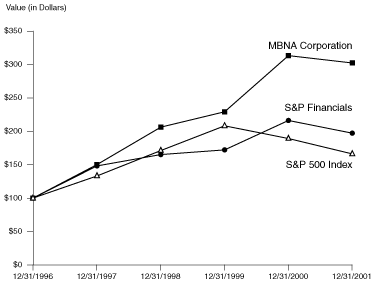
| MBNA | S&P Financials | S&P 500 | ||||||||||
|
12/31/1996
|
100 | 100 | 100 | |||||||||
|
12/31/1997
|
150 | 148 | 133 | |||||||||
|
12/31/1998
|
206 | 165 | 171 | |||||||||
|
12/31/1999
|
229 | 172 | 208 | |||||||||
|
12/31/2000
|
313 | 216 | 189 | |||||||||
|
12/31/2001
|
302 | 197 | 166 | |||||||||
22
At year-end 2001, the total return on the Corporation’s common stock from December 31, 1996 was 202%, compared to the total return on the S&P Financial Index of 97% and the S&P 500 Index of 66%. The average annual total return on the Corporation’s common stock for this period was 26%. The measurement points used in the graph and set forth below are based on an initial investment of $100.
| December 31, | MBNA | S&P Financials | S&P 500 | |||||||||||
| 1997 | 150 | 148 | 133 | |||||||||||
| 1998 | 206 | 165 | 171 | |||||||||||
| 1999 | 229 | 172 | 208 | |||||||||||
| 2000 | 313 | 216 | 189 | |||||||||||
| 2001 | 302 | 197 | 166 | |||||||||||
AUDIT COMMITTEE REPORT
The members of the Audit Committee are independent from management of the Corporation as required by the rules of the New York Stock Exchange. The Board of Directors has adopted a written charter for the Audit Committee, which was included as an Appendix to the Corporation’s 2001 Proxy Statement as required by the rules of the Securities and Exchange Commission. As set forth in the charter, the role of the Audit Committee is to assist the Board of Directors in its oversight on matters relating to accounting, financial reporting, internal control, auditing, regulatory compliance and other matters as the Board deems appropriate. The Committee also recommends to the Board the selection of independent auditors. The Committee’s role is limited to this oversight. Management and the internal auditors are responsible for maintaining appropriate accounting and financial reporting principles and policies and internal controls designed to assure compliance with accounting standards and applicable laws and regulations, and the independent auditors are responsible for conducting proper audits and reviews of the Corporation’s financial statements.
In performance of its oversight function, the Committee has reviewed and discussed the Corporation’s 2001 audited financial statements with management and the independent auditors. The Committee also discussed with the independent auditors the matters required to be discussed by Statement on Auditing Standards No. 61, Communication With Audit Committees, which relates to the conduct of the audit, including the auditors’ judgement about the quality of the accounting principles applied in the Corporation’s 2001 audited financial statements. The Committee has received the written disclosures and the letter from the independent auditors required by Independence Standards Board No. 1, Independence Discussions With Audit Committees, and has discussed with the auditors the auditors’ independence.
Based upon the reports and discussions described in this report, and subject to the limitations on the role and responsibilities of the Committee, the Committee recommended to the Board of Directors that the audited financial statements be included in the Corporation’s Annual Report on Form 10-K for the year ended December 31, 2001 to be filed with the Securities and Exchange Commission.
| James H. Berick, Esq. | |
| Benjamin R. Civiletti, Esq. | |
| Bernadine P. Healy, M.D. | |
| William L. Jews | |
| Stuart L. Markowitz, M.D. | |
| Michael Rosenthal, Ph.D. |
23
INDEPENDENT AUDITORS
The Corporation has retained Ernst & Young LLP as its independent auditors for 2002. Ernst & Young LLP has served as the independent auditors for the Corporation since 1991.
Representatives of Ernst & Young LLP will attend the Annual Meeting and, while they do not intend to make a statement, they will respond to appropriate questions directed to them.
The fees billed by Ernst & Young LLP for services rendered to the Corporation and its subsidiaries in 2001 were as follows:
Audit Fees
For the audit of the Corporation’s annual financial statements for the fiscal year ended December 31, 2001 and for reviews of interim financial information included in the Corporation’s Quarterly Reports on Form 10-Q for that fiscal year, $1,523,000.
Financial Information Systems Design and Implementation Fees
For financial information systems design and implementation for the fiscal year ended December 31, 2001, $0.
All Other Fees
For services rendered to the Corporation, other than the services described under “Audit Fees” and “Financial Information Systems Design and Implementation Fees” above, for the fiscal year ended December 31, 2001, $4,615,000. The fees in this category were primarily for SEC registration statements, securitization transactions, internal control and compliance procedures related to the securitization trusts, pension and statutory audits and federal and other tax services.
The Audit Committee believes that the provision of the services described under “All Other Fees” above was compatible with maintaining Ernst & Young LLP’s independence from the Corporation.
STOCKHOLDER PROPOSALS FOR 2003 ANNUAL MEETING
Stockholder proposals to be included in the Corporation’s proxy material for the 2003 Annual Meeting of Stockholders must be received at the Corporation’s principal executive offices not later than November 22, 2002.
With respect to any other stockholder proposals, a Corporation Bylaw provides that no business, including a nomination for election as a director, may be brought before an annual meeting of stockholders by any stockholder unless the stockholder has given written notice of the business to the Corporation’s Secretary not later than 90 days prior to the anniversary date of the previous year’s annual meeting. For the 2003 Annual Meeting of Stockholders, this deadline is January 31, 2003. The notice must include certain information concerning the stockholder, the business the stockholder proposes to bring before the meeting and, in the case of a nomination for director, the nominee. A copy of the Bylaw may be obtained from the Secretary of the Corporation at the address set forth on the first page of this Proxy Statement.
OTHER BUSINESS
As of the date of this Proxy Statement, the Corporation does not intend to bring any other matter before the meeting requiring action of the stockholders, nor does it have any information that any other matter will be brought before the meeting. However, if any other matter requiring the vote of the stockholders properly comes before the meeting, it is the intention of the persons named in the enclosed form of proxy to vote the proxy in accordance with their best judgment in the interest of the Corporation.
24
ANNUAL REPORT ON FORM 10-K
The Corporation will provide without charge to each person solicited for a proxy, on the written request of any such person, a copy of the Corporation’s Annual Report on Form 10-K for its most recently completed fiscal year. Requests should be directed to John W. Scheflen, Secretary, at the address set forth on the first page of this Proxy Statement.
March 22, 2002
25
 PRINTED ON
RECYCLED PAPER
PRINTED ON
RECYCLED PAPER
MBNACORPORATION
THIS PROXY IS SOLICITED ON BEHALF OF THE BOARD OF DIRECTORS
The undersigned hereby appoints James H. Berick, Charles M. Cawley and Benjamin R. Civiletti, and each or any of them, as proxies, with full powers of substitution, to represent and to vote all shares of the common stock of MBNA Corporation which the undersigned is entitled to vote at the Annual Meeting of Stockholders of the Corporation to be held on May 1, 2002 and at any adjournment thereof. The undersigned acknowledges receipt of notice of the meeting and the proxy statement.
The Board of Directors recommends a vote FOR proposal 1.
| 1. | Election of Directors |
| [ ] | FOR all nominees listed below | [ ] | WITHHOLDAUTHORITY | |||
| to vote for all nominees listed below |
NOMINEES: Alfred Lerner, Charles M. Cawley, James H. Berick, Benjamin R. Civiletti, Bernadine P. Healy, William L. Jews, Randolph D. Lerner, Stuart L. Markowitz, Michael Rosenthal
INSTRUCTION: To withhold authority to vote for any individual nominee, strike out that nominee’s name.
| 2. | Transaction of whatever other business may properly be brought before the meeting. |
(continued on reverse side)
(continued from front)
This proxy when properly executed will be voted in the manner directed herein by the undersigned stockholder.
If no direction is made, this proxy will be voted FORProposal 1.
Please sign exactly as name appears below. When shares are held jointly, any co-owner may sign unless the Secretary of the Corporation has been given notice to the contrary and has been furnished with a copy of the order or instrument which so provides. When signing as attorney, executor, administrator, trustee or guardian, please give full title as such. If a corporation, please sign in full corporate name by President or other authorized officer. If a partnership, please sign in partnership name by authorized person.
| Dated: | ,2002 | |
|
|
||
| Signature: | ||
|
|
||
|
|
||
| Please mark, sign, date and return this proxy card promptly in the enclosed envelope |