.7

Trust Matters
Code of Business Conduct and Ethics
2024

.7
Trust Matters
Code of Business Conduct and Ethics
2024
| 3 | ||||
| 4 | ||||
| 4 | ||||
| 5 | ||||
| 5 | ||||
| 5 | ||||
| 6 | ||||
| 6 | ||||
| 6 | ||||
| 6 | ||||
| 6 | ||||
| 7 | ||||
| 7 | ||||
| 7 | ||||
| 8 | ||||
| 8 | ||||
| 8 | ||||
| 9 | ||||
| 9 | ||||
| 9 | ||||
| 10 | ||||
| 10 | ||||
| 11 | ||||
| 11 | ||||
| 12 | ||||
| 12 | ||||
| 13 | ||||
| 14 | ||||
| 14 | ||||
| 14 | ||||
| 15 | ||||
| 16 | ||||
| 17 | ||||
| 17 | ||||
| 18 | ||||
| 19 | ||||
| 19 | ||||
| 19 | ||||
| 20 | ||||
| 20 | ||||
| 20 | ||||
| 20 | ||||
| 21 | ||||
| 22 | ||||
| 23 | ||||
| 24 | ||||
| 26 | ||||
| 27 | ||||
| 28 | ||||
| 28 | ||||
| 28 | ||||
| 29 | ||||
| 31 | ||||
| 31 | ||||
| 32 | ||||
| 33 | ||||
| 33 | ||||
| Using and protecting our confidential information and other data |
34 | |||
| 36 | ||||
| 37 | ||||
| 39 | ||||
| 39 | ||||
| 40 | ||||
| 40 | ||||
| 41 | ||||
| 42 | ||||
| Engaging with the media, public speaking and using social media |
44 | |||
| 44 | ||||
| 45 | ||||
| Personal use of social media and other online communications |
45 | |||
| 47 | ||||
| 47 | ||||
| 48 | ||||
| 48 | ||||
| 49 | ||||
| 49 | ||||
| 50 | ||||
| 51 | ||||
| 51 | ||||
| 51 | ||||
| 52 | ||||
| 53 | ||||
|
|
© 2024 Thomson Reuters | 2 |
|
|

| |
|
Dear Colleagues,
Thomson Reuters is on an exciting journey to becoming the leading content-driven AI technology company, informing the way forward for professionals around the globe. |
As we grow and progress, one thing must remain constant — our commitment to operating with the highest standards of ethics and integrity. We each uphold the standards of our Trust Principles: integrity, independence and freedom from bias. Just as we help our customers pursue justice, truth and transparency, we must treat our employees in the same regard. Trust is our most valuable asset and we must work diligently to protect it.
The Thomson Reuters Code of Business Conduct and Ethics sets forth high ethical standards for how we operate as a company. It applies to all directors, officers, employees, and contingent workers, and any third party acting on behalf of TR should be made aware of their obligation to comply with the Code. It is your obligation to familiarize yourself with the Code. Its principles will serve as a guide when you encounter ethical questions throughout your career.
If you suspect misconduct, you can report it without fear of retaliation to your supervisor, HR, the ethics hotline or our Chief Compliance Officer.
Thank you for acting with integrity in every action, every day.
Steve Hasker
President and CEO
Thomson Reuters
|
|
© 2024 Thomson Reuters | 3 |

Thomson Reuters is built on a legacy of integrity and performance. For over 150 years, we have delivered vital information and expertise that empowers customers globally. Our core strength is that we are driven by one single quality that binds, empowers and defines us more than any other, which is Trust.
Trust is the cornerstone of our identity, binding us with our customers and defining our actions as individuals and as a team. Together with our customers, we shape the future, recognizing the mutual dependency that underlies our success.
Our commitment to doing the right thing for the right reasons fuels our actions, acknowledging the impact on others and striving for positive outcomes. This Code of Business Conduct and Ethics reflects our values, emphasizing that Trust Matters. It guides us in meeting high expectations, fostering innovation, and ensuring continued success.
In observing this Code, we must remember that the Thomson Reuters Trust Principles guide the conduct of every individual within the organization. These principles are not just a set of guidelines; they are an invaluable asset that defines Thomson Reuters, unifying our content and providing the bedrock for the trusted answers sought by our customers. The Trust Principles are:
| 1. | That Reuters shall at no time pass into the hands of any one interest, group or faction; |
| 2. | That the integrity, independence and freedom from bias of Thomson Reuters shall at all times be fully preserved; |
| 3. | That Reuters shall supply unbiased and reliable news services to newspapers, news agencies, broadcasters and other media subscribers and to businesses, governments, institutions, individuals and others with whom Reuters has or may have contracts; |
| 4. | That Thomson Reuters shall pay due regard to the many interests which it serves in addition to those of the media; and |
| 5. | That no effort shall be spared to expand, develop and adapt the news and other services and products of Thomson Reuters so as to maintain its leading position in the international news and information business. |
The Trust Principles
|
|
© 2024 Thomson Reuters | 4 |
Our company purpose is to Inform the Way Forward, reflecting our commitment to serving professionals, advancing critical institutions and building trust through our products and our actions.
Purpose, in our context, extends beyond profit-making; it unites our commercial value and societal impact, shaping our core reason for existence and influencing every aspect of our business. This guiding principle informs our strategy, inspires our team, engages our customers and community, and is deeply embedded in our culture.
Our products and business play a central role in how we Inform the Way Forward by empowering the most informed professionals worldwide. Collaborating with our customers, we elevate knowledge, act with courage and integrity, and champion justice, truth, and transparency—values that underpin progress and create value.
Inform the Way Forward on TR.com
Inform the Way Forward on the intranet
The Thomson Reuters Mindsets & Behaviors articulate the core mindsets (how we think) and behaviors (how we act) and are critical for driving the business forward and ensuring customer satisfaction. These are the shared, unwavering, and prioritized traits that collectively contribute to our success.
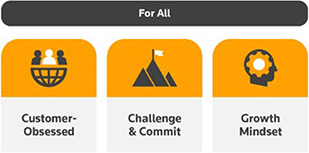
Mindsets and behaviors on the intranet
|
|
© 2024 Thomson Reuters | 5 |
The Code applies to all employees, officers and directors of Thomson Reuters Corporation and our majority-owned or controlled subsidiaries, as well as to consultants, contractors, temporary employees. Any third parties or agents (such as business partners) acting on our behalf or performing services for us should be made aware of their obligation to comply with the Code.
With thousands of employees around the world, Thomson Reuters operates under a wide variety of laws and regulations. Regardless of where we operate, our values and trust principles will not change. This Code underscores those values and principles and helps guide how we engage with our customers, our business partners (such as vendors, suppliers, agents, etc.), our colleagues and the communities where we work and live. The Code is also a practical resource to check policies, guide decisions and help employees and others understand when and how to Seek Help.
The Code applies in every country we do business. If there is ever a conflict between this Code and local laws and/or supplemental policies that apply to our job, we must comply with the most restrictive requirement. If any of us have questions about how the Code might apply, we should Seek Help.
Regulated entities within Thomson Reuters may have their own policies and procedures that apply to staff acting on their behalf. These policies always take precedence over Thomson Reuters policies addressing the same topic. Seek Help for more information.
Because of the nature of their jobs, Reuters journalists have policies that, in some cases, are more restrictive than the company’s general policies (such as those relating to personal political activity) and, in some cases, may be less restrictive (such as reporting on what a third party might view as confidential). Reuters journalists should review the Handbook of Journalism and Seek Help for more information.
In the unusual circumstance that you believe you may need a waiver of a particular provision of the Code, you should contact the Chief Legal Officer of Thomson Reuters. Any waiver for executive officers or directors may be granted only by the Thomson Reuters Board of Directors or a Board committee and will be disclosed by Thomson Reuters to the extent required by law, regulation or stock exchange requirement.
|
|
© 2024 Thomson Reuters | 6 |
All Thomson Reuters employees have an obligation to hold themselves and each other to the policies and high ethical standards described in this Code. This means we each are expected to read and understand the Code, as well as any supplemental materials that might apply to us, and act accordingly. If you are unsure about any part of the Code or supplemental materials, or how to access them, then please Seek Help.
| ● | Learn about, understand and comply with the laws, rules, regulations and policies that apply to our specific positions |
| ● | Seek Help if we have questions about the applicability or interpretation of any law, rule, regulation or policy |
| ● | Speak up if we see or suspect unethical behavior or a violation — whether of laws, policies or this Code |
| ● | Complete mandatory compliance training |
| ● | Respect local customs of countries where we do business, as long as doing so does not violate laws or this Code |
| ● | Acknowledge on the Intranet that we have received and read this Code and understand our obligations to comply with it |
Disciplinary action, up to and including termination and/or legal proceedings, may result from any failure to comply with laws, rules or regulations that apply to each of us, our Code, or any other Thomson Reuters policy or requirement.
Responsibilities of leaders and managers
Leaders — including managers and supervisors — at Thomson Reuters are expected to hold themselves to the same high standards that they demand of their teams. Leaders play an essential role in building a culture of transparency, open communication and trust that extends from colleagues to customers to external business partners. To help achieve this, leaders should:
| ● | Listen and take action when team members raise concerns — whether big or small |
| ● | Be knowledgeable about the laws, rules, regulations and policies that apply to their teams |
| ● | Personally handle or escalate compliance issues appropriately |
| ● | Highlight and recognize decisions that honor our values and long-term success over short-term gain |
| ● | Demonstrate accountability and a willingness to listen to all points of view |
| ● | Make time to discuss the importance of ethics and compliance regularly with their teams |
| ● | Encourage colleagues and others to contact their manager, Human Resources or the Enterprise Compliance team for help when issues or questions arise and to be timely and candid in reporting any unethical or illegal conduct or compliance issues |
|
|
© 2024 Thomson Reuters | 7 |
Even those of us who are very familiar with this Code and our policies may find ourselves in situations where we are unsure of what course to take. In such cases, we can Seek Help.
Before moving forward, ask these questions:
| ● | Am I following applicable laws and regulations? Is the action ethical? |
| ● | Am I following the Code, Trust Principles and other company policies? |
| ● | Have I considered the wider implications of my decision? |
| ● | Would I feel comfortable if my decision were made public? |
| ● | Does my decision take all stakeholders into account? |
If the answer to any of these questions is no or not sure, stop and Seek Help.
| You are encouraged to ask questions and Seek Help whenever you have a concern. Speak up even if you are not sure something problematic has occurred. You have several options for doing so: your manager, Human Resources, the General Counsel’s Office, the Enterprise Compliance team or the Business Conduct and Ethics Hotline (Ethics Hotline). |
|
Reporting fraud or suspected fraud
|
| Report suspected fraudulent activities by current or former employees, directors, officers, contractors or third parties to Internal Audit. In addition, attempts to inappropriately influence external auditors should be reported to Internal Audit.
|
There may be times when you are not comfortable contacting your manager directly about an issue (for example, if the issue concerns your manager), you can contact the Business Conduct and Ethics Hotline by logging on to https://www.compliance-hotline.com/ThomsonReuters.jsp where you will find instructions for reporting via phone or the website.
The Hotline is managed by an independent third party and it is available to you 24/7. You may submit a report anonymously if you choose. After reporting your question or concern, you will be able to check back in and receive status updates regarding your submission. Confidentiality will be
|
|
© 2024 Thomson Reuters | 8 |
maintained to the fullest extent possible, and information will be shared only on a need-to-know basis.
In certain countries, local laws and regulations restrict the types of reports that can be made through the Ethics Hotline or may require consent to disclose your identity. If you are in such a country and attempting to make a report, Seek Help. You can also visit the Hotline information on the Intranet.
Nothing in the Code prohibits you from reporting potential violations of law to, or participating in an investigation conducted by national, federal, state or local government agency, including self-regulatory organizations recognized under applicable law.
Thomson Reuters prohibits retaliation against anyone who makes an inquiry or reports an allegation in good faith or who truthfully participates in an investigation. “Good faith” does not mean you have to be right or have incontrovertible proof — it just means you have a reasonable belief in the truth and accuracy of what you’re reporting. If you know or suspect someone is retaliating or are aware of plans to retaliate against you or someone else, Seek Help.
Investigations will be conducted promptly and thoroughly, and confidentiality will be maintained to the fullest extent possible. Information regarding complaints and reports will be maintained by the Human Resources, General Counsel’s Office or Internal Audit departments, as appropriate. The applicable department will maintain records of any such reports or complaints, tracking their receipt, investigation, and resolution.
Fair process and disciplinary action
All reasonable efforts will be made to determine the relevant facts behind any reported violation and bring the investigation to a timely conclusion. Any employee who becomes involved in an investigation is obligated to cooperate.
Failing to cooperate with an investigation may result in disciplinary action, up to and including termination and/or legal proceedings. Failure to cooperate includes:
| ● | Knowingly providing false or misleading information |
| ● | Refusing to be available for a meeting or discussion during an investigation |
| ● | Knowingly withholding, destroying, altering or deleting pertinent information |
|
|
© 2024 Thomson Reuters | 9 |

We are trusted to . . .
…promote equal employment and provide reasonable accommodations for qualified individuals.
We are committed to complying with applicable laws, rules and regulations governing nondiscrimination wherever we do business and providing equal employment opportunities with regard to hiring, compensation, promotion, classification, training, apprenticeship, referral for employment and other terms of employment for all persons without regard to the classifications listed in the Anti-discrimination section of this Code.
We also make reasonable accommodations for qualified individuals with disabilities and for colleagues with sincerely held religious beliefs. For these purposes, a “reasonable accommodation” is a modification or adjustment to job duties or the work environment that enables an employee to perform the essential functions of the job while not putting undue hardship on Thomson Reuters. Contact your manager or Human Resources if you believe you require an accommodation to perform the essential functions of your position, need a religious accommodation or have questions.
Workplace Policies on the Intranet

|
Connecting the dots |
| Q I’m considering two job candidates who have similar qualifications on paper. One has a physical disability that may hamper the ability to get around the office. Am I allowed to factor this trait into my evaluation of the candidates? |
| A You should not assume that a disability will limit someone’s ability to perform his or her job. However, if you reasonably believe the disability would legitimately affect the individual’s ability to perform the essential functions of the job, you should contact human resources to discuss whether reasonable accommodations could be made. |
|
|
© 2024 Thomson Reuters | 10 |
Embracing inclusion and belonging
We are trusted to . . .
…foster an inclusive workplace and a workforce that reflects the wide range of customers and communities we serve.
Why it matters
We work best in partnership. When our workforce has an extensive range of skills, expertise and experiences, it enhances our abilities as colleagues to partner with each other and with our customers. The more perspectives we can provide, the more potential there is for innovation. The more that all employees feel valued and free to reach their full potential, the more trust can develop among all of us.
In short, a commitment to inclusion and belonging not only honors our values but also fuels our competitive edge in the global marketplace.
How we deliver
We foster an inclusive workplace where all colleagues are valued and have the opportunity to reach their full potential.
We embrace a range of perspectives, experiences and styles. We know this drives innovation and delivers a competitive advantage.
Fostering a respectful workplace
We are trusted to . . .
…actively foster a work environment where everyone is treated with dignity and respect.
Why it matters
When discrimination, harassment and bullying are allowed to take root in a workplace, they inhibit communication and damage productivity. We cannot properly share ideas and concerns or work together as a team if any member of our team or partnership feels targeted or unsafe. Additionally, these types of acts may leave us vulnerable (as individuals and as a company) to fines, lawsuits and civil or even criminal proceedings.
By putting a premium on fairness, equality, respect and dignity and not allowing discrimination, harassment and bullying, everyone who enters our workplaces should feel protected and empowered to achieve their full potential.
|
|
© 2024 Thomson Reuters | 11 |
How we deliver
We do not tolerate discrimination. This means we do not allow unequal treatment on the basis of:
| ● | Race, color or ethnicity |
| ● | Religion |
| ● | Sex or gender |
| ● | Pregnancy |
| ● | Sexual orientation |
| ● | Age |
| ● | Gender identity or expression |
| ● | Marital status |
| ● | National origin |
| ● | Citizenship status |
| ● | Disability |
| ● | Veteran status |
| ● | Any other classification protected by applicable laws or regulations |
We also do not tolerate harassment of any kind at our workplaces, including sexual harassment and bullying. We support dignity in the workplace without regard for whether the person engaging in the conduct or the recipient is an employee, manager, vendor, supplier, customer, contractor, consultant or visitor. This means we do not allow conduct that:
| ● | Has the purpose or effect of creating an intimidating, hostile or offensive work environment or otherwise adversely affects an individual’s employment opportunities |
| ● | Explicitly or implicitly links submission to sexual conduct as a term or condition of employment or promotion decisions |
Thomson Reuters will not tolerate discrimination, harassment or bullying in the workplace. Even if local law does not explicitly prohibit these acts, we hold our employees to a higher standard.
Examples of sexual harassment can include:
| ● | Unwelcome propositions, demands or advances of a sexual nature |
| ● | Unwelcome physical contact such as hugging, kissing, grabbing, pinching, patting, or brushing up against someone |
| ● | Unwelcome and inappropriate remarks about someone’s body or appearance, sexual gestures or comments or unwanted verbal or physical interactions of a sexual nature |
| ● | Unwelcome vulgar or obscene gestures, language, or comments |
Examples of bullying can include:
| ● | Humiliation, threats, or abuse |
| ● | Aggressive behavior |
| ● | Teasing or practical jokes |
| ● | Pressuring someone to do something against their will |
Examples of harassment can include :
| ● | Slurs, disparaging remarks, off-color jokes, insults, vulgar language, epithets, and teasing |
| ● | Displaying offensive posters, symbols, cartoons, drawings, computer images or e-mails |
|
|
© 2024 Thomson Reuters | 12 |
|
Connecting the dots
|
| Q I’ve noticed that one of our customers keeps making mildly sexual comments that seem to make one of my colleagues uncomfortable. If that colleague never makes a complaint to the company, is there anything I can do? Do we have to accept the behavior to maintain the customer relationship?
|
| A Even if an apparent target of the behavior does not make a complaint, the individual still may be uncomfortable. You should talk to Human Resources. While Thomson Reuters is always mindful of customer relationships, we never want our employees to be in an uncomfortable work environment. The company will take appropriate steps to address the behavior.
|
Speaking up for safe workplaces
If you witness inappropriate conduct in the workplace, speak up and do not look the other way, regardless of whether the individual who engaged in the behavior is a manager, colleague, vendor, supplier, customer, contractor, consultant or visitor. If you are comfortable addressing the behavior directly with the individual who engaged in it, you may, however, you are not required to do so. In any event, you should contact the Human Resources department or Seek Help (and contact the Security Operations Center (SOC) if you believe the particular situation may require their involvement).
Thomson Reuters will take prompt and appropriate action if it determines that a violation has occurred, which may result in disciplinary action, up to and including termination of employment.
Managers
We hold managers (which include supervisors) to an even higher standard and require them to raise or address any inappropriate conduct they learn of in the workplace, even if they are aware of it indirectly or have not received a specific complaint about the behavior.
|
|
© 2024 Thomson Reuters | 13 |
Keeping workplaces safe, secure and healthy
We are trusted to . . .
…ensure a work environment where health, safety and security are paramount.
Why it matters
A safe and healthy workplace not only protects us from harm but also builds trust, prevents costly accidents and enhances the company’s reputation as a responsible corporate citizen.
How we deliver
To conduct business operations and activities in a manner that prevents injury and ill-health for employees, customers, visitors and contractors, protects the environment, conserves natural resources and positions us as a responsible neighbor, we:
| ● | Comply with both the letter and the spirit of all applicable occupational and environmental health and safety laws and regulations |
| ● | Develop, implement, continually improve and follow policies, procedures, and guidelines to ensure compliance with applicable regulations and support our values, commitments and expectations |
| ● | Provide EHS training, instruction, information, and effective communication to all TR staff and those performing work at our locations relevant to their role and responsibilities |
| ● | Develop management processes and solutions that mitigate risks, protect our people and environment, and demonstrate value to our customers and stakeholders |
| ● | Require that all contractors, vendors and colleagues abide by safety and environmental regulations |
| ● | Perform assessments to identify safety hazards or potential regulatory non-compliance and take action to remedy these situations |
| ● | Maintain accurate and up-to-date environmental and safety records |
We do our part to ensure the security of our workplaces by:
| ● | Following all required security procedures and access controls in our facilities |
| ● | Speaking up when we see something that seems suspicious or threatening |
| ● | Participating in safety-related drills and preparations |
|
|
© 2024 Thomson Reuters | 14 |
Threats, workplace violence and weapons
We do not tolerate acts or threats of violence, intimidation or hostility in our workplace, whether directed at colleagues, vendors, suppliers, customers, or visitors. We also do not allow:
| ● | Weapons or hazardous devices at any facilities leased or owned by Thomson Reuters, at Thomson Reuters– sponsored functions, or on company business unless legally allowed and cleared with prior written approval from the Global/Regional Head of Security |
| ● | Behavior that injures or is likely to injure another person |
| ● | The making or sending of harassing or threatening statements (regardless of how these messages are delivered) |
| ● | Behavior that damages or is likely to damage property |
| ● | Stalking or surveillance of another person |
| ● | Committing or threatening to commit violent acts |
This may extend to activities outside of work if they adversely affect the company’s reputation or interests or the safety of our employees. If you feel someone is being threatened or subjected to violence, are concerned that someone may cause harm to him or herself or see something suspicious, move out of harm’s way, call the local police, follow the instructions of emergency authorities and call the Security Operations Centre (SOC) and Human Resources. If there is a life-threatening emergency, contact the local police or emergency services first, then SOC and Human Resources.
Þ TR Corporate Security Incident Report Form
Þ Global Security on the Intranet
Þ Workplace Violence Prevention Policy on Workday
Þ Environmental, Health and Safety Policy
|
|
|
Connect the dots
|
| Q I have a domestic issue at home that affects my personal safety. Do I need to disclose it at work?
|
| A If you have a domestic or personal issue that may apply to or affect safety in the workplace (e.g., an order of protection or a restraining order), you should report it to Human Resources and SOC. That is the best way to help ensure not only your safety but also that of your colleagues. Also see the Workplace Violence Prevention Policy
|
|
|
© 2024 Thomson Reuters | 15 |
Drugs and alcohol can be a danger to everyone in the workplace. Thomson Reuters does not allow the possession, use, purchase, sale, attempted sale, distribution, manufacturing or being under the influence of illegal drugs in its workplaces. We also do not allow the abuse or misuse of alcohol, prescription drugs or other impairing substances in the workplace, whether your workplace is in the office or remote working, or when conducting company business. This means we:
| ● | Do not report for work while impaired by drugs or alcohol |
| ● | Do not possess or consume alcohol on Thomson Reuters premises or while working without specific prior authorization from Thomson Reuters |
| ● | Use good judgment when consuming alcohol at an event sponsored by Thomson Reuters, a customer or an organization that we’re supporting |
Employees in violation will be subject to disciplinary action, up to and including termination. Violations also could lead to arrest and prosecution by law enforcement if such violations involve illicit drugs or other illegal activities. Where permissible by law, Thomson Reuters reserves the right to take appropriate steps to investigate compliance with the Code and other applicable policies, including but not limited to drug and/or alcohol testing by qualified medical professionals and searches in the workplace.
If you believe someone in the workplace may have an issue with substance abuse or may be impaired, contact your manager or Human Resources.
| Connecting the dots
Q If I have a problem with substance abuse, does the company offer any help?
A Thomson Reuters offers a number of employee programs that may provide assistance. Please ask Human Resources about available services in your location. |
|
|
© 2024 Thomson Reuters | 16 |

Recognizing and avoiding conflicts of interest
We are trusted to . . .
…act in the best interests of Thomson Reuters and avoid situations that even appear to compromise our judgment.
Why it matters
A conflict of interest may arise whenever our personal interests as individuals interfere, or appear to interfere, with the interests of the company. Conflicts of interest also can arise if we take actions or have interests that may make it difficult for us to do our jobs objectively and effectively. If broken, the bonds of trust that we have developed over time with customers and partners can be difficult to rebuild. By knowing how to recognize and disclose or avoid potential conflicts, we protect our reputation and our ability to do business effectively.
How we deliver
We avoid real or perceived conflicts of interest at all times. This means we:
| ● | Take responsibility for identifying situations that could compromise or appear to compromise our judgment |
| ● | Seek Help if we suspect a potential conflict |
| ● | Disclose any potential conflicts in writing to the appropriate manager or to Human Resources to resolve the conflict and/or pre-clear it in writing with the Enterprise Compliance team and act consistently with whatever decision is made |
| ● | Put the company’s interest in any business transaction ahead of any personal interest or gain |
Keep in mind that not all conflicts are prohibited. Some conflicts of interest are permissible if they are disclosed and approved. Below are some of the more common areas where conflicts arise.
|
|
© 2024 Thomson Reuters | 17 |
A conflict can arise if you or someone with whom you have a close relationship receives improper personal benefits (such as cash, gifts, entertainment, services, discounts, loans or guarantees) or is selected by Thomson Reuters as a supplier, consultant or business partner as a result of your position at Thomson Reuters.
We each must avoid putting ourselves in positions where the interests of those with whom we have a close relationship could improperly influence our decisions.
This means we avoid:
| ● | Directly or indirectly supervising colleagues with whom we have a close relationship |
| ● | Taking part in hiring or promoting those with whom we have a close relationship or influencing their compensation, benefits or opportunities if they work at the company |
| ● | Participating in transactions between Thomson Reuters and businesses that are owned by or that employ someone with whom we have a close relationship. It may be a conflict of interest if you or someone with whom you have a close relationship owns more than 1% of a customer, supplier or competitor |
| Connecting the dots |
| Q How does the Code define a “close” relationship? |
| A For the purposes of the Code, people with whom you have a “close” relationship may include any person that could influence or appear to influence your judgment such as: |
|
● A spouse, partner, parent or person you are dating
● Immediate family members (parents, offspring, siblings, grandparents or grandchildren)
● Mothers and fathers in-law, sons and daughters-in-law, brothers and sisters-in-law
● Cousins, uncles, aunts, nieces, nephews
● Any person living in the same home as you |
| Q I think my manager is dating a coworker. Is that allowed? |
|
A It is inappropriate for a manager to date one of his or her direct reports or another person who is a subordinate in his or her group. Even if the relationship appears to be consensual, having one individual in a position of power over the other could result in a conflict of interest. Any concerns should be addressed to Human Resources. |
|
|
© 2024 Thomson Reuters | 18 |
We may not take for ourselves any opportunity that was created or discovered through the use of company property, information or other resources or through our position at the company. This means we:
| ● | Use company property, company information and our position only to advance the company’s interests and not for personal gain |
| ● | Recognize when a product, service, invention or business connection might be of interest to Thomson Reuters and communicate it to the company |
We take on outside employment only if it does not interfere with our judgment or ability to perform our job duties at Thomson Reuters. Disclosing outside employment to your manager or the Enterprise Compliance team is required and important to ensure that the position does not interfere or conflict with your role at TR or our work with a partner or customer. This means that while working for Thomson Reuters, we each:
| ● | Ensure our employment or engagement with another company does not affect our work at Thomson Reuters |
| ● | Do not accept work if it would cause us to improperly disclose the company’s confidential or proprietary information |
| ● | Do not compete with Thomson Reuters or work for our competitors |
| ● | Do not use company resources or time to perform work for second jobs, personal businesses, board memberships or civic positions, or the like |
Practicing law on behalf of Thomson Reuters
Thomson Reuters employs many individuals with law degrees who also may be licensed to practice law. It is important to remember that only lawyers in the General Counsel’s Office (GCO) or those who are working at the direction and under the supervision of the GCO, may practice law or provide legal advice on behalf of Thomson Reuters.
This means that while working at Thomson Reuters, employees and contractors who do not meet the above criteria may not, among other things:
| ● | Establish an attorney-client relationship on behalf of Thomson Reuters |
| ● | Provide legal advice or guidance where specialized legal skills are required, such that there is an implicit representation of authority or competence to practice law |
| ● | Hold themselves out as a Thomson Reuters lawyer, which means to indicate in any manner to any other person that they are competent, authorized or available to practice law on behalf of the company |
If you are unsure if you meet the criteria to practice law on behalf of Thomson Reuters, please contact the Enterprise Compliance team.
|
|
© 2024 Thomson Reuters | 19 |
Joining the Board of another company
Employees are permitted to serve on the board of private family businesses and other organizations that have no relation to Thomson Reuters or our businesses. Employees must receive approval from the Enterprise Compliance team before accepting an appointment to the board of any organization whose interests may conflict with Thomson Reuters interests. No employee may serve as a director of another publicly traded company unless you’ve received approval from the Thomson Reuters Chief Compliance Officer.
Organizational conflicts of interest
When dealing with the government, we avoid situations that might give Thomson Reuters an unfair competitive advantage or that could affect our ability to perform work objectively as individuals. This means we:
| ● | Follow all requirements of the Federal Acquisition Regulation (FAR) in the United States and similar regulations in all the other countries where we do business |
| ● | Work in good faith to address and resolve any claims of organizational conflicts of interest |
Remember that many conflicts or potential conflicts can actually be resolved if they are properly disclosed in a timely manner. Refer to Making Ethical Decisions for guidance in handling potential conflicts of interest, and Seek Help if you are ever unsure about a potential conflict.
We are trusted to . . .
…compete vigorously, fairly and openly.
Why it matters
Anti-competitive practices harm customers and distort markets. These practices severely damage our relationships with customers and partners by eroding their foundational trust. Competition and antitrust laws prohibit making agreements with competitors, customers, suppliers or other third parties that limit competition. Even though competition laws are complex and dynamic, we are expected to know the law in this area. If we fail to act lawfully, we can hurt the company’s reputation and leave Thomson Reuters and ourselves open to the potential of substantial fines and even criminal prosecution.
How we deliver
We treat our competitors, customers, suppliers, partners and security holders with fairness and respect.
|
|
© 2024 Thomson Reuters | 20 |
This means we:
| ● | Comply with the letter and spirit of applicable laws |
| ● | Recommend only products, services and solutions that we believe are the proper fit for each customer’s needs |
| ● | Remain transparent and forthright in all contracting |
| ● | Award contracts based on merit and clearly defined benchmarks |
| ● | Provide accurate and timely documentation |
| ● | Deliver on what we promise |
| ● | Are honest and accurate in advertising and marketing claims, avoiding exaggeration, misrepresentation, and ambiguity |
| ● | Take special care when making comparative claims and do not disparage or unfairly criticize a competitor’s products or services |
| ● | Do not gather competitive intelligence in unlawful or unethical ways (see Competitive Intelligence in the Code) |
|
Seek advice before you act
We often negotiate agreements with customers, suppliers and distributors. To avoid antitrust issues, seek advice from the General Counsel’s Office before you:
● Use customer pricing (such as deep discounts) or licensing terms to keep out or unduly hinder competitors
● Sell anything below cost
● Tie the sale of any product, service or discount to another product
● Enter an exclusive dealing or lock-in agreement
● Treat customers, suppliers or distributors inequitably for the same products
● Restrict a distributor in terms of whom they can sell to and at what price or agree to a similar restriction on Thomson Reuters where we resell third-party products or services
● Impose any non-compete or other similar restriction, or accept a similar restriction on Thomson Reuters
|
We abide by all competition and antitrust laws that apply to us, avoiding situations that could put us at risk of even appearing to violate these laws. This means we do not engage in discussions with competitors to:
| ● | Fix prices |
| ● | Divide sales opportunities or territories |
| ● | Agree not to solicit each other’s customers |
| ● | Boycott or refuse to sell a particular product to a certain customer, supplier or vendor |
| ● | Rig bids |
|
|
© 2024 Thomson Reuters | 21 |
| ● | Share confidential information about pricing, profits, costs, sale terms, credit terms, customers, discounts, promotions, marketing or strategic plans, mergers and acquisitions or any other sensitive information |
Because competition and antitrust laws are so complex and there are some exceptions and variations from country to country, you should consult the Enterprise Compliance team before taking any action that might be considered anti-competitive. View the Competitive Intelligence Policy, Competition Guidelines, Creating Better Documents, Competing Fairly Summary Flyer and others on the Intranet.
| Connecting the dots
Q I attended a conference recently, and an employee of a competitor struck up a conversation with me about a new product they just launched. She didn’t say anything about pricing or profits, but I felt uncomfortable. What should I do in this situation?
A If you feel uncomfortable about any conversation with a competitor, it’s best to exit that conversation as quickly and as gracefully as possible. Remember, even if the employee didn’t reveal pricing or other sensitive information, she may have said something that could appear to violate antitrust laws to some-one listening. Contact the General Counsel’s Office if you need more clarification or want to confirm that nothing happened that could be or could appear to be a violation.
| ||
We are trusted to . . .
…act as responsible citizens in the global marketplace, relying on our performance and innovation, not on bribes or other corrupt practices, to earn business.
Why it matters
Bribes, corruption and illegal payments all have a deeply damaging impact on our society. They can harm economies, destabilize governments and undermine public trust. These types of actions can result in Thomson Reuters being prohibited from bidding on contracts. In addition, they can result in both personal and company fines and even imprisonment. As a team of thousands of professionals working around the world, we have both the power and the obligation to fight bribery and corruption wherever we encounter it. By embracing this responsibility with the business partners with whom we engage on a daily basis, we continue to bolster the reputation of Thomson Reuters. We also protect the communities where we work and help level the playing field, as we should win on the merits of our performance as individuals and as a company.
|
|
© 2024 Thomson Reuters | 22 |
How we deliver
Anti-bribery and anti-corruption
We do not tolerate bribery or corruption in any form. This applies to both the public and private sectors. We take reasonable steps to ensure Thomson Reuters business partners, including vendors and other third parties do not engage in illegal or unethical actions when acting on our behalf. We expect all Thomson Reuters business partners to meet these standards, understanding that we can be held liable for their actions, which — good or bad — reflect on the company.
This means we:
|
● Do not offer or accept bribes or kickbacks
● Do not make facilitation or “grease” payments, even if they are legal in the country where requested
● Report it to our manager and the Enterprise Compliance team if we are offered a bribe, asked for a bribe or asked to make a facilitation payment
● Offer or accept only reasonable hospitality and business expenses
● Record all payments and receipts honestly and accurately
● Carry out a level of due diligence appropriate to the risk before we engage business partners
● Communicate our Anti-Bribery & Anti-Corruption Policy to business partners at the outset of our business relationship and as appropriate thereafter
● Watch out for red flags, including vague descriptions of payments or services, payment requests in exchange for approvals or signs of over-invoicing or false invoicing
● Mitigate or terminate business relationships as appropriate if we learn that a business partner may have violated our standards |
The many forms of bribery
Bribes can take the form of anything of value being offered or given in exchange for, or as a reward for, favorable treatment. There are many business interactions that can go from legitimate to corrupt when motivated by an intention to obtain favorable treatment, including providing or accepting:
● Cash or cash equivalents
● Facilitation payments
● Unreasonable gifts, entertainment or hospitality
● Unexplained or excessive rebates, discounts or commissions
● Loans
● Invoices for disguised expenses
● Excessive goods or services for personal use
● Free use of Thomson Reuters services or facilities
● Favors (such as the hiring of a relative)
● Charitable donations
● Paid or unpaid internships
● Job offers or promises of future employment
| |||
|
● Report any known or suspected violations or concerns to the Enterprise Team or the Ethics Hotline | ||||
If you have any questions about bribery or corruption, contact the Enterprise Compliance team or Seek Help.
Anti-Bribery & Anti-Corruption Policy
|
|
© 2024 Thomson Reuters | 23 |
|
Connecting the dots
Q What is a facilitation or “grease” payment?
A A facilitation or “grease” payment is a small payment made to a government official to secure what should be a routine action, such as processing a visa, issuing a permit or providing a utility service. This does not include official payments, such as those where a government agency has a published fee schedule for a service equally available to anyone and provides a receipt. Thomson Reuters prohibits its employees and representatives from making facilitation payments, even if doing so is legal in the country where the payment is taking place. If you are unsure whether something qualifies as a facilitation payment or if you believe such a payment is necessary to advance legitimate business goals, you must Seek Help. Similarly, if you must make a facilitation payment to protect your liberty or safety, you must notify your manager as soon as possible, and know that such extraordinary events will not be treated as policy violations.
| ||
|
Identifying government officials
Our policy on bribery and corruption applies to both the public and private sectors. However, dealing with government officials poses a particularly high risk due to the strict rules and regulations that often apply to giving anything of value to a government official. Some government officials are easy to identify, but others may not be. Government officials can include:
● Employees at government facilities
● Elected officials
● Law enforcement officers
● Customs officials
● Inspectors
● Military personnel and support teams
● Public utility employees
● Employees of state-owned or controlled entities, such as some oil firms, universities and media companies
|
Government Contracting policies on the Intranet
We use our best judgment in the giving and receiving of gifts to avoid even the appearance of improper influence. This means we:
| ● | Ensure all gifts, meals, services and entertainment we give or receive are infrequent and not excessive in value |
| ● | Refuse to give or accept certain cash equivalents (e.g., shares, gift cards, gift certificates or honorariums) that exceed $100.00 (USD) unless approved by your manager, Human Resources or the Enterprise Compliance team |
| ● | Refuse to give or accept cash gifts |
|
|
© 2024 Thomson Reuters | 24 |
| ● | Do not give or accept anything of value if it would appear to improperly obligate someone to act a certain way or if it would embarrass either party if made public |
| ● | Know that when a government official is involved, we may not offer or accept gifts, meals, services or entertainment without prior approval from the Enterprise Compliance team |
| ● | Will in no case connect an item of value, including gifts and travel, to an official act by a government official |
| ● | Know the relevant gift policies that govern our businesses (and remember some may have more restrictive policies) and the policies of anyone who might receive a gift from us and ensure that those policies are not violated |
| ● | Understand that in some countries, it would be offensive to return or refuse a gift and that in such situations, we may accept the gift on behalf of Thomson Reuters and consult our manager about how the gift should be treated |
| ● | Comply with applicable laws and regulations wherever we do business |
|
Determining what is “not excessive in value” requires your good faith judgment. It may change depending on the situation.
| ||||||
|
Acceptable gifts and entertainment
generally |
Unacceptable gifts and entertainment generally include: | |||||
|
● Promotional items with company logos
● Meals and entertainment of modest value when business is being conducted
● Routine tickets to a local sporting or cultural event
● Gifts of nominal value that are customarily given on national holidays
● Prizes randomly given or received through raffles, contests or industry events
|
● Cash or certain cash equivalents
● Luxury goods
● Events, trips or meals where there is no clear business purpose being conducted
● Anything of value given to or received from a government official | |||||
If you aren’t sure whether you should offer or accept a gift, ask yourself:
| ● | What is the intention behind the gift? For example, does either party expect something in return, such as an advantage or a favor? |
| ● | Do you feel uncomfortable or embarrassed if anyone else found out about it? |
| ● | Is the gift being given outside of the workplace so others will not know about it? |
| ● | Does the recipient have a policy that would prohibit it? |
| ● | Is the gift supported by documentation? |
| ● | Does it feel right? Or does something feel off? |
If you have questions about whether any gift, meal, service or entertainment would be acceptable under the Code, contact the Enterprise Compliance team or Seek Help.
Anti-Bribery & Anti-Corruption Policy
|
|
© 2024 Thomson Reuters | 25 |
| Connecting the dots
Q We engaged a local agent with good connections to help us secure a government contract. He wants to give a bottle of expensive liquor to the government official who signed off on the contract and insists that it’s customary to do so. Could we get in trouble for that?
A Yes, Thomson Reuters can be held responsible for the actions of the agents we hire. You must tell the agent from the start not to give gifts to a public official. More importantly, before engaging such a person, it’s important to conduct due diligence on the agent and get a contractual assurance that no improper payments will be made on behalf of Thomson Reuters. |
Sanctions, embargoes and export controls
Sanctions and export controls can be complex and ever changing. As a company known for its information and resources to enable our partners to navigate difficult legal questions, it is imperative we understand and abide by these laws and regulations. That is why we are committed to following sanctions and export compliance requirements applicable to us.
This means we:
| ● | Understand our individual roles when doing business in various parts of the world and with potential customers and business partners, including understanding which trade laws apply to our business activities and business partners |
| ● | Remain aware of embargoed countries and global sanctions requirements (see Trade Controls and Sanctions on the Intranet) |
| ● | Conduct due diligence on customers, prospective customers, and other business partners. |
| ● | Screen customers, prospective customers, and other business partners, on a recurring basis, against sanctions lists, including those of the U.S. Department of Treasury’s Office of Foreign Assets Control (OFAC) (and lists maintained by other countries, using leading tools and technology |
| ● | Do not conduct unauthorized business with a sanctioned organization or individual |
| ● | Know the requirements and procedures for products or services we are exporting |
Remain alert for and report suspicious business requests and payment activity. If you have any questions about sanctions or export controls, Seek Help.
Trade Controls Handbook and Policies on the Intranet
|
|
© 2024 Thomson Reuters | 26 |
| Connecting the dots
Q Recently, one of my customers asked whether some employees in their organization who work in a sanctioned country could subscribe to one of our online software products. Can we add them as subscribers since we wouldn’t be exporting a physical product?
A Most likely not. Export controls cover software as well as hardware and equipment. It also appears your customer may be representing individuals or entities from that sanctioned country Seek Help before taking any action. |
Money laundering is the process by which funds generated through criminal activity (such as terrorism, drug dealing or fraud) are processed through commercial transactions in order to hide the source of the proceeds, avoid reporting requirements or evade taxes. We follow all anti-money- laundering and anti-terrorist financing laws that are applicable to us and do not condone or facilitate money laundering. This means we:
| ● | Emphasize the importance of knowing and understanding whom we deal with (“know your customer”), remain alert for possible instances of money laundering and immediately notify the Enterprise Compliance team of any suspicious activity (without informing the third party in question). Suspicious activity by customers or prospects may include: |
| ● | Reluctance to provide basic information or documentation or providing false information or documentation |
| ● | Using shell companies (companies without a business purpose) or complex or unusual structures, particularly within multiple high-risk jurisdictions |
| ● | Requesting Thomson Reuters to provide them secrecy |
| ● | Recognize that our regulated entities have enhanced obligations and those of us working in or on behalf of those businesses must make sure we understand and comply with these obligations. |
|
|
© 2024 Thomson Reuters | 27 |
We are trusted to…
…ethically and responsibly design, develop, deploy and use artificial intelligence (AI) solutions, whether internally, in partnership with a third party or in the service of a customer.
Why it matters
Thomson Reuters is committed to inform the way forward by embracing the many opportunities AI presents while recognizing the unique challenges and risks. As the landscape of AI evolves, it will challenge our ways of thinking and our ways of working. What must not change is our commitment to our Trust Principles and our Data and AI Ethics Principles.
How we deliver
We will responsibly deploy artificial intelligence solutions governed by our Data and AI Ethics Principles to promote trustworthiness in our continuous design, development, and deployment of AI and our use of data, as follows:
| 1. | That Thomson Reuters use of data and AI are informed by our Trust Principles. |
| 2. | That Thomson Reuters will strive to partner with individuals and organizations who share similar ethical approaches to our own regarding the use of data, content, and AI. |
| 3. | That Thomson Reuters will prioritize security and privacy in our use of data and throughout the design, development and deployment of our data and AI products and services. |
| 4. | That Thomson Reuters will strive to maintain meaningful human involvement, and design, develop and deploy AI products and services and use data in a manner that treats people fairly. |
|
|
© 2024 Thomson Reuters | 28 |
| 5. | That Thomson Reuters aims to use data and to design, develop and deploy AI products and services that are reliable, consistent and empower socially responsible decisions. |
| 6. | That Thomson Reuters will implement and maintain appropriate accountability measures for our use of data and our AI products and services. |
| 7. | That Thomson Reuters will implement practices intended to make the use of data and AI in our products and services understandable. |
| 8. | Thomson Reuters will use employee data to ensure a safe and inclusive work environment and to ensure employee compliance with regulations and company policies. |
We believe these Data and AI Ethics Principles will provide our colleagues and partners with the right foundations to build reliable and trustworthy AI for our customers and ensure the responsible use of AI solutions internally. The Data and AI Ethics Principles will evolve as the related industries continue to grow and develop.
| When designing, developing, deploying or using AI solutions, it is your responsibility to follow our AI principles, policies, and guidelines.
For more information, visit Data and Model Governance, Data & Model Governance Policies & Standards and All Things AI on the Intranet. |
Reuters
Reuters uses AI in several ways to improve its news reporting and delivery.
AI Guidance for Reuters Journalists
AI Journalism Handbook entry
AI @ Reuters on the Intranet
|
Respecting our intellectual property and that of others
We are trusted to . . .
…protect all intellectual property against misuse, whether it belongs to Thomson Reuters or to someone else.
Why it matters
Intellectual property is the lifeblood of our business. From the systems and databases we create to empower our customers with information, to the news stories we write, to the processes we use in our workplaces, intellectual property is vital to our company’s identity. Knowing how important it is to us and to others, we have a special obligation to protect the intellectual property that we create and to defend all intellectual property against improper use. By doing so, we put our company, our colleagues and ourselves in the best position to innovate and win in the marketplace.
|
|
© 2024 Thomson Reuters | 29 |
How we deliver
We recognize when intellectual property should belong to Thomson Reuters and take all necessary action to protect it.
This means we:
| ● | Agree, to the extent permitted by law, that Thomson Reuters owns all intellectual property (and related rights) that we create during the course of our employment, whether we create them in the office, at home or elsewhere, if they are related to company business or created with company resources |
| ● | Waive or assign to Thomson Reuters all moral rights we may have under applicable law to intellectual property that we create as employees |
| ● | Promptly disclose any methods, systems, processes, designs, ideas or other patentable works we create as employees so the company can take steps to protect them |
| ● | Ensure that any methods, systems, processes, designs, ideas or other patentable works we create as employees are not disclosed to third parties prior the company taking steps to protect them |
| ● | Report any unauthorized use of company copyrighted works, patents, trademarks or other intellectual property of which we become aware to the General Counsel’s Office |
| ● | Put copyright notices on all Thomson Reuters materials, information, services or other products intended for public distribution |
| Connecting the dots
Q My team would like to use information held in a public database for an upcoming project. Is this allowed under Thomson Reuters policy?
A Even if it appears to be accessible by the public, some information still may be subject to intellectual property protection. Contact the General Counsel’s Office for guidance. |
| What are moral rights?
Moral rights are rights relating to intellectual property, and they include the right to be recognized as the creator and the right to the integrity of any works created. The waiver or assignment in this Code is designed to ensure that Thomson Reuters can take any action concerning works created by you during your employment with Thomson Reuters. |
|
|
© 2024 Thomson Reuters | 30 |
Intellectual property of others
We respect the intellectual property of third parties, including competitors, and do not use it in any way that would violate the law or our values. This means we:
|
● When necessary, get written permission to use or copy a third party’s copyrights, patents, trademarks or other intellectual property, obtain licenses or, if the circumstances require it, purchase the intellectual property outright
● Ensure licensing agreements permit copying or distribution where necessary and do not impair the company’s rights before we copy or distribute third- party content, data, software or technologies
● Ensure intellectual property belongs to and is assigned to Thomson Reuters when it is created for us by third parties or contractors, where allowable by law
● Check with the General Counsel’s Office if we are in doubt about any intellectual property question |
What is intellectual property?
Examples include:
● The Thomson Reuters name and brand names that we use
● Copyrights, patents, service marks
● Trade secrets
● Innovations
● Software
● Processes
● Designs
● Ideas
● Images
● Data
|
|
|
| Connecting the dots
Q I was driving home from work the other day and came up with an idea to improve one of our products. Does it ultimately belong to me or to Thomson Reuters?
A This idea is the intellectual property of Thomson Reuters, as it likely was the result of knowledge, resources and opportunities obtained through your employment with the company. If you think it’s a viable idea, you should share it with your manager. |
We live our values of performance and innovation by striving to better understand our competitors through extensive research and study. We obtain intelligence about our competitors only through lawful and ethical channels. In addition to following our rules on respecting the intellectual property rights of others, this means we:
|
● Understand and follow all applicable laws and regulations before engaging in competitive intelligence gathering
● Do not distribute data or other sensitive information about a competitor if it was received or accessed in circumstances that may breach any of our Competitive Intelligence Guidelines |
|
|
© 2024 Thomson Reuters | 31 |
| ● | Never misrepresent our personal or company identity to gain access to a competitor’s product or service |
| ● | Do not breach contract terms or encourage third parties to do so in order to help Thomson Reuters obtain competitive intelligence |
Before seeking out or using any competitive intelligence, make sure you understand our Competitive Intelligence Policies and Guidelines. If you have any questions about how to apply these guidelines, contact the Enterprise Compliance team.
| Connecting the dots
Q I recently joined Thomson Reuters from a competitor, and I have knowledge about some of this competitor’s processes. Some of this information is confidential, and some, I believe, is not. What can I use in my work or share with my Thomson Reuters colleagues?
A You must not keep or share documents — in any format — related to the competitor’s business that you possessed as an employee of that competitor. Even in the case of information you simply remember, if the information is confidential, you have a personal legal obligation to your former employer to protect it from disclosure, just as you would with Thomson Reuters confidential information if you left the company for a competitor. Sharing such information with Thomson Reuters could also put you and us at risk legally. For the information you recall that you believe is not confidential, it is best to contact the Enterprise Compliance team before revealing it to anyone. |
Protecting confidential information and data privacy
We are trusted to . . .
…safeguard and protect the confidentiality and privacy of information that we hold and prevent it from being improperly accessed, shared or lost.
Why it matters
Our competitive advantage is built on the secure and ethical management of data, including our own confidential data and sensitive data entrusted to us by others. Failure to handle data correctly can lead to market disadvantages, harm to consumers, legal consequences, and damaged business relationships.
|
|
© 2024 Thomson Reuters | 32 |
How we deliver
Employees with access to nonpublic information about Thomson Reuters, our operations, customers or partners must treat such details as confidential. Disclosure is prohibited unless expressly authorized as required for legitimate business purposes.
|
Strictly Confidential and Confidential information includes some of our most valuable assets, such as the following examples:
● Trade secrets
● Pricing information
● Nonpublic financial information and customer information
● Legal documents and privileged communications
● Information about our IT systems and infrastructure |
Reuters journalists should follow the policies and requirements of the Handbook of Journalism and seek guidance from their manager or the General Counsel’s Office.
Handbook of Journalism on the Intranet
| |
|
● Customer and product information, including contact details, subscription lists and contracts
● Business plans and outlooks, including mergers, acquisitions or divestitures | ||
Data protection and privacy are governed by rapidly evolving laws and regulations. Use the following references to stay informed, and consult the Enterprise Compliance and Privacy Office through our Legal Front Door on the Atrium for guidance on personal data collection, use, retention and transfer. For more information visit: Privacy Office on the Intranet and Information Security Handbook and Policies on the Intranet.
| Important information security practices
There are many ways to protect data effectively. For example:
● Remember that public instant messaging services including, but not limited to, WhatsApp and Signal are unapproved for conducting TR business
● Put sensitive documents in locked files or drawers
● Use shredders or secure shred bins when discarding confidential information
● Use password protection on computers, other devices and sensitive documents
● Use encryption when storing and transmitting confidential information
● Take care when accessing information in areas where members of the public or other unauthorized persons, including other colleagues, might see it
● Securely back up devices on a regular basis
● Use caution when connecting to public Wi-Fi and utilize a virtual private network (VPN)
Report damaged or lost laptops and other devices, security incidents and personal data breaches immediately to security@thomsonreuters.com | ||
|
|
© 2024 Thomson Reuters | 33 |
|
|
Reporting data breaches
Any time we know or suspect that a breach of data security has occurred, whether accidental or intentional, we must report it immediately to security@thomsonreuters.com. Doing so promptly can mitigate the effects of the breach and help us take the right actions quickly to manage the incident, secure the data and reduce the risk of future breaches. | |
Using and protecting our confidential information and other data
We have established information security and privacy policies to safeguard confidential and personal data. Pursuant to the Thomson Reuters Privacy Program, employees are expected to:
| ● | Understand privacy and data protection laws relevant to their role |
| ● | Adhere to internal privacy and information security policies |
| ● | Classify data correctly and handle it accordingly |
| ● | Use company-approved information storage devices |
| ● | Comply with our Privacy Statement, Internal Privacy Policy, and all applicable laws when managing personal data |
| ● | Obtain authorization before sharing any confidential or personal information |
| ● | Protect Thomson Reuters confidential information even after we leave the company |
Privacy Office on the Intranet
Information Security Handbook on the Intranet
| Connecting the dots
Q A customer recently told me he doesn’t want to receive marketing e-mails from Thomson Reuters. What should I do?
A Immediately contact the Enterprise Compliance & Privacy Office. Privacy laws granting individuals the right to opt-out of or unsubscribe from marketing emails may give us a short timeframe in which to honor those requests. |
| Q I received a request from an individual seeking access to the personal data we hold about them and asking us to delete/correct/complete that data. What should I do?
A Immediately contact the Enterprise Compliance & Privacy Office. Privacy laws granting individuals certain rights over their personal data may give us a short timeframe in which to honor those requests. |
|
|
© 2024 Thomson Reuters | 34 |
Insider trading
Some of us have access to material nonpublic information about Thomson Reuters, our customers, suppliers or other companies with which Thomson Reuters either does business or is negotiating a significant transaction or agreement. Misuse of material nonpublic information could result in violations of insider trading laws and carry severe penalties. We are careful to treat this “inside information” lawfully and ethically. This means we:
| ● | Do not trade in or encourage another person to trade in Thomson Reuters securities or securities of other public companies while in possession of material nonpublic information |
| ● | Do not engage in “tipping” — the disclosure of material nonpublic information about Thomson Reuters or other public companies to other people, such as relatives or friends, who may trade on the basis of the information or disclose it to others |
If you are not sure whether certain information is considered material or nonpublic, consult the General Counsel’s Office for guidance before engaging in any securities transactions.
Insider Trading Policy on the Intranet
| Insiders
We have designated certain people as “Thomson Reuters Insiders” because of their position, managerial responsibilities, or access or potential access to material nonpublic information about the company. Thomson Reuters Insiders are subject to additional restrictions related to trading in securities of our company. | ||
| Inside information
Whether information is “material” and “nonpublic” depends on the facts and circumstances. Information is material if it would, if generally available, reasonably be expected to result in a significant change in, or have a significant effect on, the market price or value of any securities. Information also is material if it would have a significant influence on a reasonable investor’s investment decisions. Information is nonpublic if it is not generally known or available to the public through an official company communication, such as a press release, website posting, securities filing or distribution to shareholders or through widely reported media coverage. Examples of material nonpublic information may include:
● Earnings results and any future financial forecasts or outlooks that have not been publicly disclosed
● Significant changes in business operations or strategies
● Significant potential acquisitions or sales
● Cybersecurity or other technology-related risks and incidents, including vulnerabilities and breaches
● Gains or losses of major suppliers or customers
● Introductions or launches of new, significant products or services
● Changes in senior management or our Board of Directors
● Actual or threatened significant lawsuits or material government or regulatory investigation | ||
|
|
© 2024 Thomson Reuters | 35 |
Using information and communications systems responsibly
We are trusted to . . .
…respect company communications systems and use them appropriately so that they operate as efficiently and effectively as possible.
Why it matters
Nearly all of the work Thomson Reuters does on a daily basis runs in some way through our information and communications systems. When we each take personal responsibility for using these systems properly, it protects the integrity of the data we store and transmit, and it ensures that we all have prompt access to the systems we need to help our company thrive. Likewise, improper use leaves us all vulnerable to hackers, data breaches, shutdowns and miscommunications, as well as legal repercussions.
How we deliver
We use company information and communications systems properly. This means we:
|
● Limit personal use of e-mail, the internet and phones
● When sending e-mail or opening attachments, follow the process of “think before you click”
● Do not access, download or send material that is offensive, harassing, explicit or otherwise inappropriate for work
|
|
● Never use, download or redistribute personal, unauthorized or copyrighted software on work devices
● Never share user IDs, passwords, access details, software, services or authentication devices (e.g., SecureID tokens) that are intended for individual use to gain access to a system
● You must only use Thomson Reuters authorized collaboration tools and devices for official Thomson Reuters business |
Monitoring and recording Where permitted by applicable law, Thomson Reuters reserves the right to monitor and record your use of information, communications, technology or infrastructure owned or supplied by Thomson Reuters.
| |
|
● Third party instant messaging solutions such as WhatsApp and Signal are unapproved for Thomson Reuters business purposes
● Respect company security controls and access information only within our authorized level
● Never use personal devices to store or access company data
● Never share data classified as Strictly Confidential, Confidential or Internal Use with 3rd parties
● Avoid careless, exaggerated or inaccurate statements that could be easily misunderstood or used against Thomson Reuters in legal proceedings
| ||
|
|
© 2024 Thomson Reuters | 36 |
| ● | We recognize some guidelines may run counter to specific job duties performed by some of you. To request a business exception to any of these policies or guidelines, contact the TR Global Service Desk for instructions |
| ● | Report any suspected breaches or incidents to security@thomsonreuters.com |
Information Security Handbook and policies
Mobile Device Management Standard
|
Connecting the dots
|
| Q Can I use my company e-mail address to send personal e-mails to my friends?
|
| A Yes, as long as you limit this practice, follow our guidelines about dangerous, illegal and inappropriate material, and do not let it interfere with your work. It’s important to remember when discussing personal matters on company systems that any message you send or receive through company communications systems and devices — including e-mails, social media posts, and text or SMS messages — may be the property of Thomson Reuters and may be accessed by the company.
|
We are trusted to . . .
…use company assets properly and protect them against loss, theft, misuse, damage and waste.
Why it matters
Thomson Reuters computers, phones, office supplies and facilities exist for the purpose of helping us all maximize our performance as individuals, as a team and as a business. By respecting these assets, we ensure they remain accessible and fully functional when our customers and colleagues need them. We also help make sure company time and resources are used on positive initiatives, not on fixing preventable problems.
How we deliver
We use company assets for legitimate and authorized business purposes only. We consider misappropriation, carelessness or waste of assets to be a breach of our duty and the taking of assets from company property without permission to be theft.
This means we:
| ● | Access company systems or information only when we are authorized and enabled to do so |
|
|
© 2024 Thomson Reuters | 37 |
| ● | Never use company assets for illegal activities |
| ● | Limit personal use of company assets to when it does not interfere with our work and does not violate this Code |
| ● | Prevent improper third-party use of company property |
| ● | Immediately report any loss, theft, misuse, damage or waste |
| ● | Stop using all Thomson Reuters assets in our possession or that we have access to and return them if we leave the company |
Global Security on the Intranet
Information Security on the Intranet
Examples of assets of Thomson Reuters include:
| ● | Computers, printers, copiers, scanners and monitors |
| ● | Phones, tablets and other mobile devices |
| ● | Intellectual property, such as software codes, licenses, brand names, business plans and inventions |
| ● | Buildings and other physical property |
| ● | Office supplies and equipment |
| ● | Customer, supplier or distributor lists and information |
| ● | Memos, notes and other documents made by us or a third-party business partner |
|
|
© 2024 Thomson Reuters | 38 |

We are trusted to . . .
…maintain records that are in accordance with company accounting policies and legal requirements.
Why it matters
We are a publicly listed company, and our global operations require us to comply with various securities and financial reporting obligations. When we take accountability for ensuring the financial records that we handle are accurate and complete, we protect the company’s reputation for integrity and uphold our commitment to trust. Reliable financial reporting allows shareholders to fairly assess our performance, provides management with information to allocate our resources most effectively and prevents violations.
How we deliver
We produce accurate, fair and timely records for management, directors, shareholders, government regulators and others. This means we:
| ● | Take personal responsibility for ensuring all transactions, books, and records — including time sheets, sales records and expense reports — are complete, accurate, documented and recorded in a timely manner |
| ● | Never falsify or distort the facts of any transaction, or keep unrecorded, undisclosed or off- the-books records |
| ● | Exercise reasonable diligence when approving transactions and expenditures or signing documents |
| ● | Understand the importance of internal controls and consistently comply with them |
| ● | Provide full, fair, accurate, timely and understandable disclosures in public communications and in reports or documents that we file with, or submit to, securities regulatory authorities and stock exchanges |
|
|
© 2024 Thomson Reuters | 39 |
| ● | Pay business-related expenses with company funds only if we have authorization from our manager |
| ● | Prepare disclosures in accordance with Thomson Reuters disclosure controls and procedures and other internal policies |
Disclosure Controls and Procedures on the Intranet
|
Connecting the dots
|
| Q A contractor has asked us to make a payment to a company for his services instead of to him personally. We previously engaged the contractor in his own name. Is this permissible?
|
| A No. Payments to vendors and contractors must be supported by appropriate documentation. They also must be accurate and complete, which includes making payments to the same person or company that we engaged.
|
We have the responsibility to ensure that reasonable procedures are in place to prevent those acting on behalf of Thomson Reuters (including employees, agents, contractors, service providers, distributors and other associated persons) do not knowingly facilitate the evasion of taxes (for ourselves or those with whom we do business) anywhere in the world.
Tax evasion includes activities such as: failure to register as a taxpayer in a local jurisdiction, under-reporting of income, claiming non-allowable expenses, issuing invoices for services not received, backdating documents, deliberately mispricing assets or helping to move assets/funds knowing that tax will be evaded as a result.
We have a responsibility to raise good faith concerns about questionable financial matters. The Audit Committee of the Thomson Reuters Board of Directors is committed to facilitating employee efforts to make these concerns known and has established procedures for how to treat complaints about accounting, internal controls, auditing matters and disclosure controls. This includes procedures for receiving, retaining and processing such complaints, as well as for submitting confidential and anonymous concerns.
In addition, it is unlawful to fraudulently influence, coerce, manipulate or mislead any independent public or certified accountant who is auditing our financial statements. Seek Help for more information, including on how to submit reports anonymously.
Protocol for Internal Reporting and Investigation of a Fraud Allegation on the Intranet
|
|
© 2024 Thomson Reuters | 40 |
|
Reportable fraud
Report any other types of fraud or dishonest activity that you have seen or suspect, including:
● Questionable transactions with customers, agents, vendors or other consultants
● Forgeries or other alterations of documents
● Billings that are higher or lower than agreed-upon prices for products or services
● Payments made for any reason other than described in a contract
● Payments made through intermediaries that deviate from everyday business transactions
● Transfers or deposits in the bank account of an individual instead of the company we contracted with
● Embezzlement, theft or misappropriation of company or customer assets
● Verbal arrangements with customers or unauthorized written agreements that are outside of an official contract
● Any activity intended to unfairly influence commission payments
| ||
|
Reportable auditing and accounting issues
Promptly report complaints or concerns involving:
● Fraud or deliberate errors in preparation,
maintenance, or review of any Thomson Reuters financial statement or
● Deficiencies or noncompliance with internal accounting controls
● Misrepresentation or false statements to or by a senior officer or accountant regarding financial audits or records
● Deviations from full and fair reporting of the company’s financial condition
|
We are trusted to . . .
…properly maintain and dispose of electronic and physical records.
Why it matters
As a largely information-based business, Thomson Reuters generates thousands of business records every day, in addition to financial records. These records must be created, stored and disposed of according to strict legal requirements. When we can access records in a timely fashion, we provide better service to our business partners and we avoid risks around audits, regulatory issues or litigation. At the same time, records kept past their disposal dates can create avoidable information security, privacy or legal risks.
|
|
© 2024 Thomson Reuters | 41 |
How we deliver
We care for, store, retrieve and dispose of our business records according to applicable records management policy. This means we:
|
● Consistently organize our filing, storage and retrieval of electronic and physical recorded information
● Use the proper storage method specified by legal, fiscal, regulatory or operational requirements
● Protect records from loss, damage or deletion
● Retain all records related to any pending or threatened litigation or government investigation until otherwise directed by the General Counsel’s Office |
What is a record?
A record is any recorded information (electronic or physical) made or received and retained by an organization in pursuance of legal obligations or value to the government or in the transaction of business.
| |||
|
● Dispose of all records (electronic and physical) according to retention and disposal schedules | ||||
It may be a criminal offense to destroy or falsify documents or emails related to a legal proceeding. Contact the Enterprise Compliance team if you have legal questions about whether a document should be retained.
For more information on how long to maintain certain categories of records, see our Records & Information Governance on the Intranet.
|
Connecting the dots
Q How long do I need to retain emails and other messaging?
A If an email is not part of a business record and has served its business purpose and there is no legal or regulatory obligation to retain it, it should be deleted. If an email is part of a business record or there is a legal or regulatory obligation to retain it, you should remove it from your personal work email account and store it in an appropriate manner for future reference by the company (e.g., in a cloud folder related to the record). If you are subject to a “legal hold,” you should always retain emails until you’ve been notified by the General Counsel’s Office that the hold has ended.
|
|
|
© 2024 Thomson Reuters | 42 |
We are trusted to . . .
…sign contracts or agreements on behalf of Thomson Reuters only if we are authorized.
Why it matters
Miscommunications or errors made in contracting can cause loss of business, delays, legal action, fines, and ultimately damage the trust we have built with our customers and business partners.
How we deliver
We strive to deliver and receive the promises in our contracts and agreements. This means we:
|
● Consult the Procurement department (Global Services) for third-party vendor or supplier contracts and follow Procurement policies
● Ensure that any contract or proposal is carefully reviewed and properly authorized and executed by the appropriate signatories and legal entities
● Do not provide or agree to unapproved non-standard terms or unauthorized “side letters” to customers or business partners
● Ensure complete, accurate documentation of contracts, related orders and customer status in applications to process customer accounts |
Government contracting
Government contracting laws and regulations can be complex and are often subject to change. The Thomson Reuters Government Contract Compliance Policy provides guidance on contracting with governments. For guidance specific to your location, consult the General Counsel’s Office to verify that you are complying with applicable laws, policies and standards.
| |||
|
● Follow the rules that govern public procurement when providing products and services to governments and ensure compliance with the Government Contract Compliance Policy | ||||
Government Contracting policies on the Intranet
Global Services Policies on the Intranet
|
Connecting the dots
Q I received a vendor invoice for an amount that exceeds my authority limit. Can I split the amount into two separate payments that I am authorized to approve?
A No. Splitting an invoice into separate payments in order to meet an authorization level is considered a circumvention of our internal controls. If the vendor payment amount exceeds your authorization level, the next-level approver in your management chain must approve the payment.
|
|
|
© 2024 Thomson Reuters | 43 |
|
Unauthorized side letters
Unauthorized side letters are undisclosed, unapproved letters, e-mails, notes or oral agreements that vary contract terms. They may bind us to something we cannot deliver or expose us to unwanted liability They can include:
● Early outs, or the ability for the customer to terminate before the contract expires
● Guarantees that the customer will achieve certain milestones
● Statements that directly contradict parts of the contract, including payment terms
● Commitments for products or services Thomson Reuters is unable or unwilling to provide or perform
● Offers of free or discounted products or services
|
Engaging with the media, public speaking and using social media
We are trusted to…
…speak to the media, participate in public speaking events, or communicate on social media on behalf of Thomson Reuters only if we are authorized to do so.
Why it matters
We are fully aware of the power of media and our responsibility to use it wisely. Our company’s stock price, reputation and ability to compete can be affected by the information we make public. By being aware of the risks and not appearing to speak on behalf of the company without authorization, we can help make sure the company consistently gets an accurate message across to its intended audience while also exercising our individual right to post on social media.
How we deliver
If we receive requests for information from outside of the company, even seemingly simple ones, we refer them to colleagues authorized to act as company spokespersons, in collaboration with the Communications team. These spokespersons:
| ● | Handle requests from media, shareholders, financial analysts and government authorities |
| ● | Disclose information according to the requirements of securities regulatory authorities and stock exchanges |
| ● | Ensure that the information disclosed is accurate and is appropriate to be communicated publicly |
|
|
© 2024 Thomson Reuters | 44 |
Public speaking and engaging with the media
If an employee, delivers a speech at a conference or event, participates in a panel discussion, or gives an interview in the media or provides any comment to a member of the press, they are assumed to be speaking on behalf of the company and must receive explicit approval from their manager and the Communications team.
If you are unexpectedly approached by the media — in person at a conference or under any other circumstances — you must consult the Communications team before agreeing to an interview. In some instances, we may need to make it clear that these views do not represent those of Thomson Reuters and the Communications team can advise accordingly in such cases.
In our capacity as Thomson Reuters employees, we must have approval before engaging with journalists, media outlets, or blogs to create content for distribution in the media and on social media platforms, such as Twitter, LinkedIn, Facebook, and Instagram.
Personal use of social media and other online communications
As a leading provider of business information services, Thomson Reuters recognizes and encourages independent participation in social media and online communications if done so responsibly.
This means we:
| ● | Are transparent and, if writing about Thomson Reuters or its products, services or industry, always disclose that we are employees, whether talking on behalf of the company or in a personal capacity; |
| ● | If writing personally and there is any risk of confusion, however slight, make it clear that the views expressed are personal and not the company’s views; |
| ● | Unless authorized by the company to do so, do not reveal confidential data or sensitive information about the company or its customers, vendors or suppliers |
| ● | Are careful to not discuss company trade secrets, contracting, upcoming product releases or any other proprietary information |
| ● | Act sensibly and follow the Social Media Guidelines if posting about fellow employees, customers, vendors, suppliers or partner organizations |
| ● | Do not create Thomson Reuters–branded social media channels without Digital Oversight Committee approval; |
| ● | Make sure the time and effort we spend independently on social media do not interfere with our job duties |
| ● | Are mindful of what is posted, even when it’s not related to Thomson Reuters |
Be aware that some of us in certain jobs may need to comply with supplemental policies regarding social media. If you have any additional questions on personal or corporate social media use, please contact the Communications team.
Social Media Guidelines on the Intranet
TR Communications Team
|
|
© 2024 Thomson Reuters | 45 |
| Connecting the dots
Q I saw an article online that had incorrect claims about a Thomson Reuters service. Can I correct it in a comment on the article if I make it clear that I’m speaking as myself and not as an official company spokesperson?
A Please refer this situation to the Communications department so they can properly investigate the issue and address it if needed. In general, you should avoid posting any information about Thomson Reuters products, stock, strategies, customers or competitors, even if you’re trying to clear up confusion or false claims. This is managed by our company’s communications specialists. |
| Q I am active on social media and have several different accounts. Sometimes I want to post content that overlaps with the interests of Thomson Reuters. Am I allowed to?
A Before posting such content, it is important to make sure that it doesn’t reveal confidential or nonpublic information about the company, our customers, our colleagues or other people or companies that we do business with. You shouldn’t cite or reference customers or business associates without their approval. Also, if you are commenting on products and services we sell or those sold or offered by our competitors, you should be mindful of the Trust Principles and make it clear that you are employed by the company. In any event, you should make it clear that any opinions are your own and not those of Thomson Reuters. See the Social Media Guidelines, and if in doubt, talk to your manager or Corporate Communications first. |
|
|
© 2024 Thomson Reuters | 46 |
Being a responsible global corporate citizen
We are trusted to . . .
…respect human rights and our environment and to hold our employees, customers, vendors, suppliers, and other business partners to the same high standard we demand of ourselves.
Why it matters
Thomson Reuters works with thousands of professionals all over the world, and as members of the United Nations Global Compact, we are committed to creating positive change in the areas of human rights and environmental responsibility. We are aligned to the United Nations Guiding Principles on Business and Human Rights (UNGPs) and, as part of this obligation, we have established a Human Rights Policy that underscores our commitment and approach to human rights. We are committed to respecting all internationally recognized human rights and treating all our colleagues with dignity and respect, and we expect our business partners to do the same. We are also committed to protecting and preserving the environment and seeking sustainable sourcing solutions. We know that our responsibilities are great, as are our opportunities, which is why we are committed to driving innovation and performance, proving to our partners, our employees and the world that we are leaders committed to long-term success.
Social Impact Institute
Thomson Reuters Foundation
United Nations Global Compact Policy
|
|
© 2024 Thomson Reuters | 47 |
How we deliver
We strive to protect human rights and worker rights wherever we do business. This means we:
| ● | Comply with local labor laws and practices and maintain our own high ethical standards of worker treatment |
| ● | Do not condone or use forced or child labor or engage in human trafficking or slavery |
| ● | Do not condone human rights violations |
| ● | Engage workers on the basis of recognized employment or independent contractor relationships in accordance with local law |
| ● | Provide clear information about wages and benefits to workers before they’re hired |
| ● | Ensure wages and benefits comply with applicable laws |
| ● | Respect workers’ rights to associate freely, join or form unions or works councils and bargain collectively in accordance with local law |
| ● | Work with high-quality suppliers and other partners that have committed to operating under ethical standards equivalent to our own |
If you believe you’ve encountered a violation of our human rights standards, either within one of our workplaces or involving one of our business partners, contact your manager, Human Resources or the Enterprise Compliance team or you can report it anonymously through the Ethics Hotline.
Human Rights Policy
Supply Chain Ethical Code
Modern Slavery Act Transparency Statement
Responsible sourcing and the Supply Chain Ethical Code
We actively seek suppliers who share our ethical standards and commitment to environmentally sound and sustainable practices. This means we:
| ● | Perform due diligence on third-party suppliers, partners and other third parties acting on our behalf |
| ● | Include renewable energy, pollution control and sustainability among the factors in our process of choosing suppliers |
| ● | Seek a supply chain that reflects our employee base, customers and partners around the world |
| ● | Make prospective and current suppliers aware of our Supply Chain Ethical Code and seek their commitment in following it |
Supply Chain Ethical Code
Modern Slavery Act Transparency Statement
|
|
© 2024 Thomson Reuters | 48 |
We are committed to limiting our environmental impact. By managing our resources and seeking sustainable solutions, we can ensure a better future for all of us. This means we:
| ● | Comply with all applicable environmental laws and regulations, meeting or exceeding their requirements |
| ● | Know and follow all company policies and procedures aimed at ensuring environmental safety and resource efficiency |
| ● | Understand the potential dangers and safe practices of any hazardous and/or regulated materials before allowing them into our workplaces |
| ● | Seek opportunities to support conservation and recycling in our workplaces |
| ● | Take responsibility as individuals to find new ways to make our workplaces more sustainable |
| ● | For more information on our sustainability efforts, please see the Social Impact Report |
Contact Global Real Estate & Facility Management if you have any environmental safety concerns or if you have ideas on how to increase our sustainability or bolster our conservation efforts even more.
Environment, Health and Safety Policy on the Intranet
Contributing to our communities
We are trusted to . . .
…support the communities where we live and work by investing in people and projects that make a positive impact.
Why it matters
Thomson Reuters operates on a global scale and relies on local relationships and resources for support. When we improve our communities, we can improve the lives of our current and future workforce, as well as the lives of our customers. By seeking worthy causes to support and inviting collaboration and open communication, we can help our communities grow and succeed with us.
How we deliver
We collaborate with our colleagues and partners to support our communities and encourage charitable work.
This means we:
| ● | Listen to the concerns of community members and work together on solutions |
| ● | Connect Thomson Reuters employees to vetted and approved charitable causes for philanthropic opportunities |
| ● | Offer all regular employees paid time off for volunteering consistent with regional or other policies that govern volunteering |
|
|
© 2024 Thomson Reuters | 49 |
| ● | Ensure all in-kind donations, such as equipment and products, are approved by our Tax and Finance departments |
| ● | Offer a Corporate Matching program that matches employees’ qualifying personal charitable donations to vetted and approved causes |
| ● | Offer a Volunteer Rewards program to employees who volunteer 20+ hours per year with vetted and approved causes |
| ● | Donate on behalf of Thomson Reuters only to charitable causes and organizations that have been approved in My Giving and adhere to our Program Guidelines |
If you have a community cause or event you think the company might be interested in supporting, contact the Social Impact Institute and view the MyGiving Program Guidelines on the intranet.
Participating in the political process
We are trusted to . . .
…support and respect each other’s individual right to take part in political activities while keeping Thomson Reuters separate from any political activity.
Why it matters
The political process can be an effective way to create positive change in our world. However, rules regarding companies’ political donations are strict in most countries where Thomson Reuters operates. Therefore, we must make sure Thomson Reuters is not mistakenly connected to any political group or activity. This is especially important for our news operations, which our Trust Principles dictate we must remain free from political bias, both in appearance and in practice. Just as the Trust Principles apply to all Thomson Reuters employees and not journalists alone, so too does the obligation for all of us to ensure that the company is not improperly linked to any particular political group or activity.
How we deliver
Although we encourage employees to responsibly participate in politics and civic matters as individuals, Thomson Reuters does not support any political party, candidate, group or religion (i.e., any “political cause”). This means the company:
| ● | Never makes contributions to any political cause as a company |
| ● | Never requires any employee to contribute to, support or oppose any cause |
| ● | Does not express a preference for or support, directly or indirectly, any political cause or take sides in international conflicts or disputes |
| ● | Is careful not to align Thomson Reuters or its businesses with any political cause or with a particular side in any dispute |
| ● | Obtains prior approval from the Enterprise Compliance team before taking an external position on advocacy — for example, joining a business consortium on a particular initiative |
|
|
© 2024 Thomson Reuters | 50 |
At times, we may discuss with government officials various issues and topics that could impact our business, regulators and politicians. When these discussions focus on the possible impact of proposed laws, rules or regulations on our business, we adhere to the Trust Principles and obtain prior approval from the Enterprise Compliance team before taking an external position on potential legislation, policy, program or position of federal, state, provincial or local government. If we do take a position, we must follow all applicable lobbying laws, restrictions and regulations.
We will not provide anything of value, including gifts or campaign contributions, to a government official without prior approval from the Enterprise Compliance team or connect any item of value to an official act by a government official.
Independence from foreign government interests
In the United States, we are exempt from coverage of the Foreign Agents Registration Act (FARA) because we only engage in activities in support of Thomson Reuters commercial business, and do not directly promote the public or political interests of a foreign government or foreign political party. In no event will our corporate or individual political activities be directed by a foreign government or foreign political party. If we conduct activities of a political nature in the United States, those activities will be authorized only to the extent they further the bona fide commercial, industrial or financial operations of Thomson Reuters. We will therefore represent the interests of our non-U.S. citizen stakeholders only through authorized private and nonpolitical activities related to our commercial interests, or through other activities not serving predominantly any foreign interest.
If we plan to campaign for or serve in political office as individuals, we are careful to separate ourselves from Thomson Reuters in these efforts. This means we:
| ● | Notify the Enterprise Compliance team about plans to run for office and excuse ourselves from any political matters involving Thomson Reuters |
| ● | Do not pressure or influence co-workers, customers or business partners whom we know through our job at Thomson Reuters in ways related to our own personal political activity |
| ● | Do not reimburse employees or increase compensation to make up for personal political contributions |
|
● Abide by laws and regulations in those states and countries that limit political contributions by employees or their family members
|
Supplemental policies
Be aware that some of us in certain jobs may have supplemental policies regarding lobbying and personal political activity.
| |
|
● Take special care to make it clear that our political activities and expressed political views are personal and not those of Thomson Reuters — especially if our business works with a governmental entity |
|
|
© 2024 Thomson Reuters | 51 |
Seek Help: Helpful contact information
General Contacts for External Inquiries (Including Investor and Media Relations) https://www.thomsonreuters.com/en/contact-us.html
Human Resources Representatives, General Counsel’s Office (GCO) and Communications Representatives. If you do not know how to contact your local Human Resources representative, a lawyer in the GCO who supports your business or your local Communications representative, please review the list below. You also can find contact information and additional policies and procedures in the “Resources” section of the Thomson Reuters Intranet.
| Code of Business Conduct and Ethics | Reuters Ethics + Standards | |||||
| TR.com: https://ir.thomsonreuters.com/corporate- governance/code-conduct |
Reuters.Ethics@thomsonreuters.com | |||||
| TR Intranet: https://trten.sharepoint.com/sites/intr-code-of-business-conduct-and-ethics |
Human Resources Contacts for Employees and Managers https://trten.sharepoint.com/sites/intr-hr | |||||

|
Global Security | |||||
| Ethics Hotline Webform: |
https://trten.sharepoint.com/sites/intr-global-real-estate/SitePages/Global-Security.aspx | |||||
| http://www.thomsonreuters. ethicspoint.com |
Security Operations Center (SOC) for Security Emergencies | |||||
| TR Intranet: https://trten.sharepoint.com/sites/intr-business-conduct-and-ethics-hotline |
SecurityOps@thomsonreuters.com
+1 651 848 8835 | |||||
| +1.877.373.8837 (outside of the United States and Canada, dial your country access number first to dial toll-free) |
https://thomsonreuters.ethicspointvp.com/custo m/thomsonreuters/en/sec/ | |||||
| General Counsel’s Office - Legal Front Door
|
Environmental Health and Safety | |||||
| https://trten.sharepoint.com/sites/intr-general- counsel | tr.ehs@thomsonreuters.com | |||||
|
Enterprise Compliance echelp@thomsonreuters.com |
TR Global Service Desk https://thomsonreuters.service- now.com/sp/?id=index | |||||
| Records & Information Governance |
Information Security Risk Management (ISRM) | |||||
| echelp@thomsonreuters.com | security@thomsonreuters.com | |||||
| Privacy Office | TR Communications Team | |||||
| privacy.enquiries@thomsonreuters.com | MediaRelations@thomsonreuters.com | |||||
| Corporate Compliance and Audit Department | ||||||
| corporatecompliance@thomsonreuters.com | ||||||
|
|
© 2024 Thomson Reuters | 52 |
This Code serves as a reference to you. Thomson Reuters reserves the right to modify, suspend or revoke this Code and any and all policies, procedures and programs in whole or in part, at any time, with or without notice. Thomson Reuters also reserves the right to interpret this Code and these policies in its sole discretion as it deems appropriate.
Neither this Code nor any statements made by any employee of Thomson Reuters, whether oral or written, confer any rights, privileges or benefits on any employee, create an entitlement to continued employment at Thomson Reuters, establish conditions of employment or create an express or implied employment contract of any kind between employees and Thomson Reuters. In addition, all employees should understand that this Code does not modify their employment relationship, whether at will or governed by a written contract.
The version of this Code that appears online at www.thomsonreuters.com may be more current and up-to-date and supersedes any paper copies or previous versions should there be any discrepancy between paper copies, previous versions and what is posted online.
Thomson Reuters
www.thomsonreuters.com