.2

RP-A501 Danon Disease Program Update © 2026 Rocket Pharmaceuticals Rocket
Pharmaceuticals October 6, 2026
DISCLAIMER 2 © 2026 Rocket Pharmaceuticals This presentation contains
forward-looking statements concerning Rocket’s future expectations, plans and prospects that involverisks and uncertainties, as well as assumptions that, if they do not materialize or prove incorrect, could cause actual results to differ
materially from those expressed or implied by such forward-looking statements. Rocket makes these statements pursuant to the safe harbor provisions of the Private Securities Litigation Reform Act of 1995 and other federal securities laws.
Forward-looking statements often include words such as “believe,” “expect,” “anticipate,” “intend,” “plan,” “estimate,” “seek,” “will,” “may,” “suggest” or similar terms, variations of such terms or the negative of those terms. These
forward-looking statements include, but are not limited to, statements concerning Rocket’s cash runway and financial position; its ability to obtain additional funding to conduct planned research and development efforts; the potential safety
and effectiveness of RP-A501, including at the recalibrated dose under the modified protocol; its ability to continue enrollment and dosing, complete the pivotal study and achieve its prespecified efficacy success criterion; the expected
timing and results of ongoing and planned clinical trials; the expected timing and outcome of regulatory interactions and submissions, including a potential biologics license application seeking accelerated approval; Danon disease prevalence
and addressable patient estimates; patient identification and referral efforts; potential commercial opportunity and revenue; commercialization plans, including the development of sales and marketing capabilities and relationships with
treatment centers and other third parties; and potential development in additional patient populations. Although Rocket believes that the expectations reflected in these forward-looking statements are reasonable, it cannot guarantee such
outcomes. Actual results may differ materially as a result of various important factors, including, without limitation, clinical trial results and safety findings, including the risk of additional serious adverse events; Rocket’s ability to
identify and enroll eligible patients and successfully complete clinical studies; the possibility that earlier clinical observations or nonclinical findings may not predict subsequent clinical outcomes; changes in regulatory requirements or
expectations; Rocket’s ability to obtain regulatory approval and meet applicable post-approval requirements; manufacturing, product-quality and supply risks; dependence on third parties for development, manufacture, marketing, sales and
distribution; the availability of sufficient funding and unexpected expenditures; the accuracy of population estimates and assumptions underlying commercial models; pricing, reimbursement, market acceptance and competition; the outcome of
litigation; Rocket’s ability to achieve the expected benefits of its portfolio prioritization and strategic restructuring; and its ability to obtain and enforce patents and defend against third-party infringement claims. Additional risks are
described in the section entitled “Risk Factors” in Rocket’s Annual Report on Form 10-K for the year ended December 31, 2025, filed February 26, 2026 with the Securities and Exchange Commission, and subsequent filings with the SEC, including
its Quarterly Reports on Form 10-Q. RP-A501 is investigational, and its safety and efficacy have not been established. Clinical observations presented here are based on small, uncontrolled studies with varying follow-up. Preliminary findings
may change as additional data become available, and results from earlier cohorts may not predict outcomes at the recalibrated dose under the modified protocol. Meeting the pivotal study’s efficacy success criterion would not, by itself,
establish that RP-A501 will receive regulatory approval. FDA’s assessment would consider the complete application, including safety, efficacy, manufacturing and product-quality information. Danon disease prevalence and addressable patient
estimates are based on available data and assumptions and are subject to uncertainty. Estimated prevalence and identified patient records do not establish the number of patients eligible for treatment. Revenue illustrations are internal
modeling scenarios, rather than financial guidance, and depend on clinical success, regulatory approval, the approved patient population, patient identification, pricing, reimbursement and treatment uptake. Opportunities in additional patient
populations would require further development and applicable regulatory approvals. You should not place undue reliance on these forward-looking statements. All such statements speak only as of the date made, and Rocket undertakes no
obligation to update or revise publicly any forward- looking statements, whether as a result of new information, future events or otherwise, except as required by law.
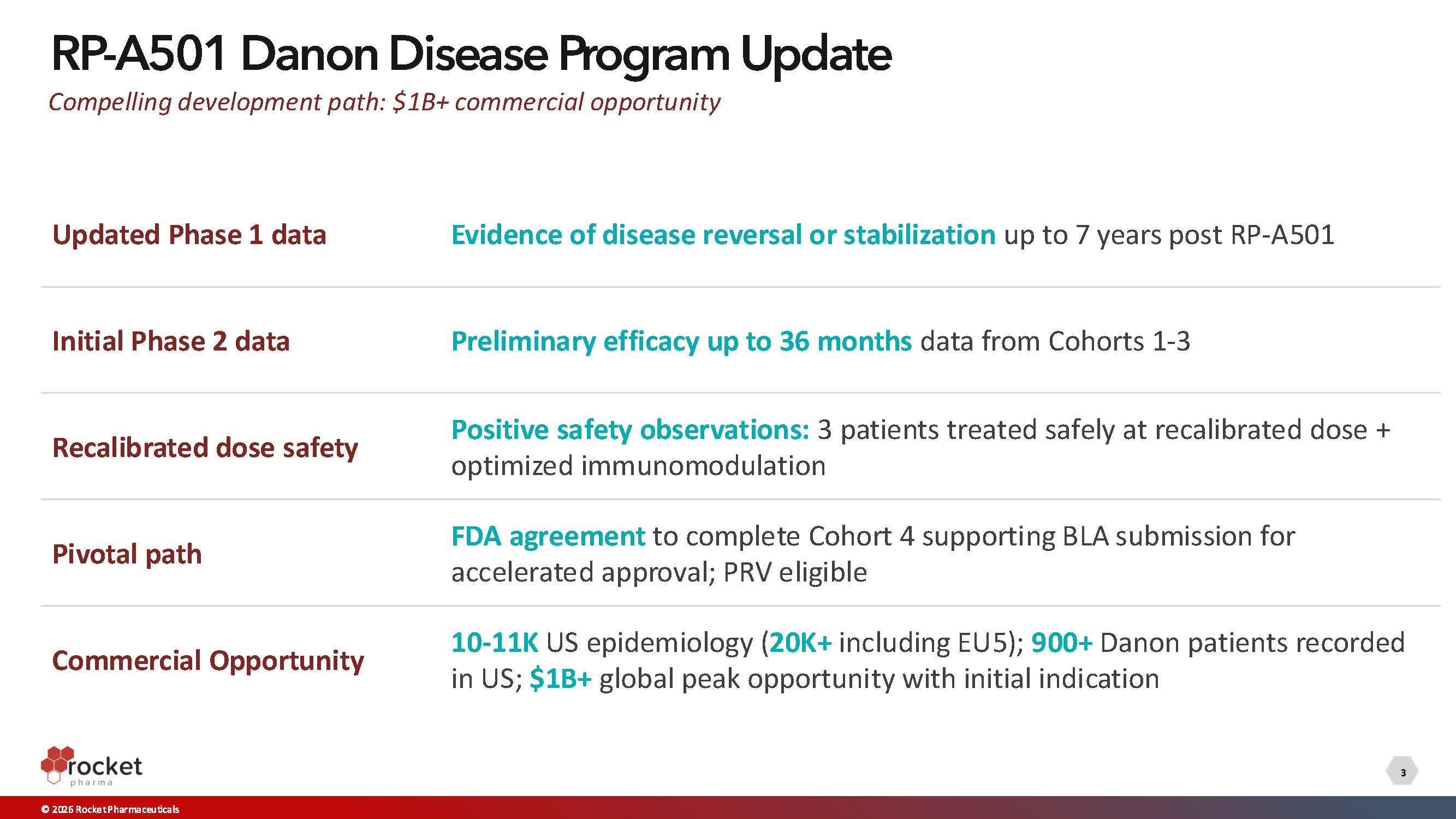
3 © 2026 Rocket Pharmaceuticals RP-A501 Danon Disease Program
Update Compelling development path: $1B+ commercial opportunity Updated Phase 1 data Evidence of disease reversal or stabilization up to 7 years post RP-A501 Initial Phase 2 data Preliminary efficacy up to 36 months data from Cohorts
1-3 Recalibrated dose safety Positive safety observations: 3 patients treated safely at recalibrated dose + optimized immunomodulation Pivotal path FDA agreement to complete Cohort 4 supporting BLA submission for accelerated approval; PRV
eligible Commercial Opportunity 10-11K US epidemiology (20K+ including EU5); 900+ Danon patients recorded in US; $1B+ global peak opportunity with initial indication
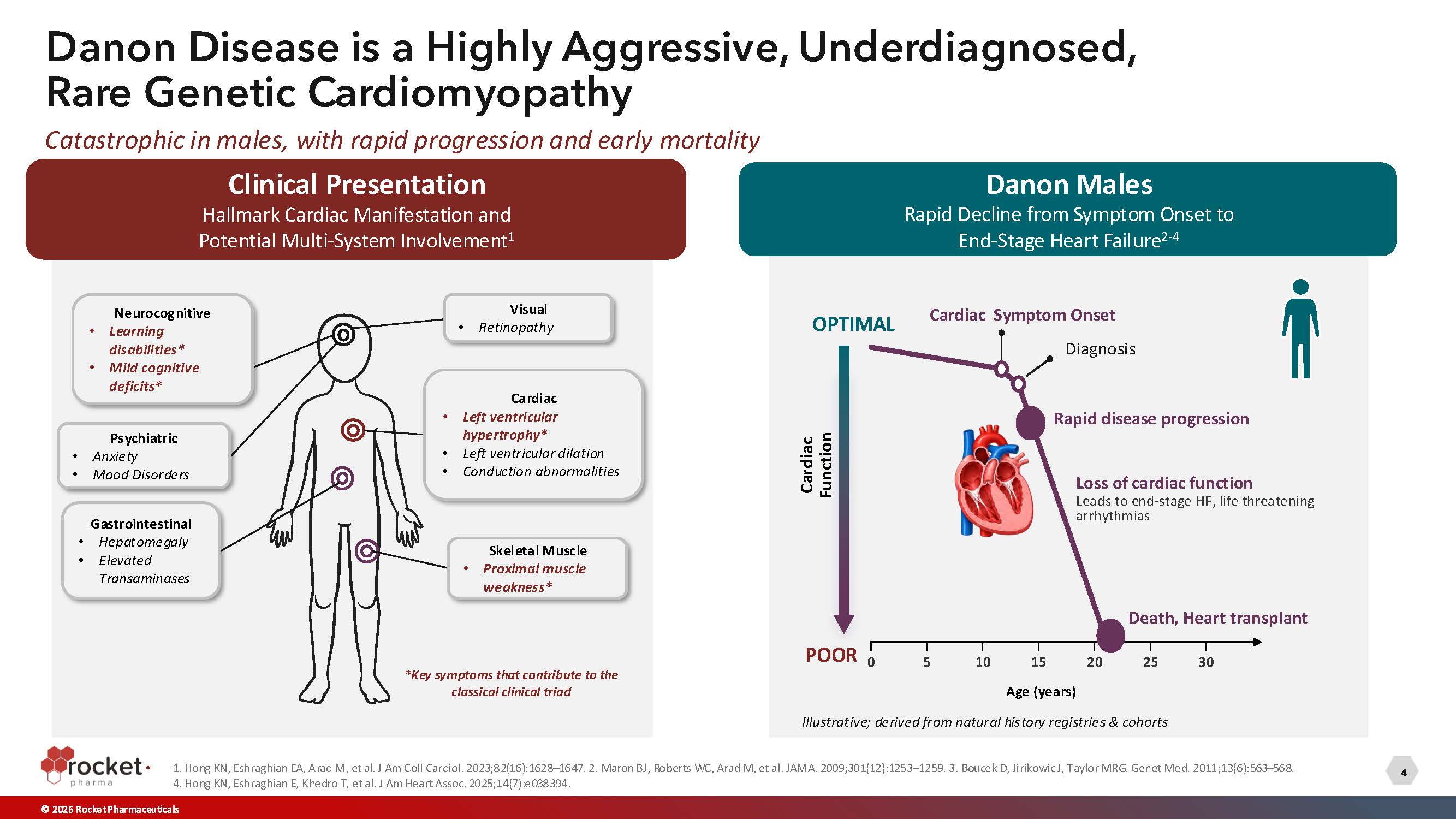
4 Catastrophic in males, with rapid progression and early mortality Danon
Males Rapid Decline from Symptom Onset to End-Stage Heart Failure2-4 Illustrative; derived from natural history registries & cohorts 5 10 15 Age (years) 20 Cardiac Symptom Onset Diagnosis Loss of cardiac function Leads to
end-stage HF, life threatening arrhythmias Death, Heart transplant 25 30 OPTIMAL POOR 0 Cardiac Function Rapid disease progression Clinical Presentation Hallmark Cardiac Manifestation and Potential Multi-System
Involvement1 Neurocognitive Learning disabilities* Mild cognitive deficits* Visual Retinopathy Skeletal Muscle Proximal muscle weakness* Psychiatric Anxiety Mood Disorders Gastrointestinal Hepatomegaly Elevated
Transaminases Cardiac Left ventricular hypertrophy* Left ventricular dilation Conduction abnormalities © 2026 Rocket Pharmaceuticals *Key symptoms that contribute to the classical clinical triad 1. Hong KN, Eshraghian EA, Arad M, et
al. J Am Coll Cardiol. 2023;82(16):1628–1647. 2. Maron BJ, Roberts WC, Arad M, et al. JAMA. 2009;301(12):1253–1259. 3. Boucek D, Jirikowic J, Taylor MRG. Genet Med. 2011;13(6):563–568. 4. Hong KN, Eshraghian E, Khedro T, et al. J Am Heart
Assoc. 2025;14(7):e038394. Danon Disease is a Highly Aggressive, Underdiagnosed, Rare Genetic Cardiomyopathy
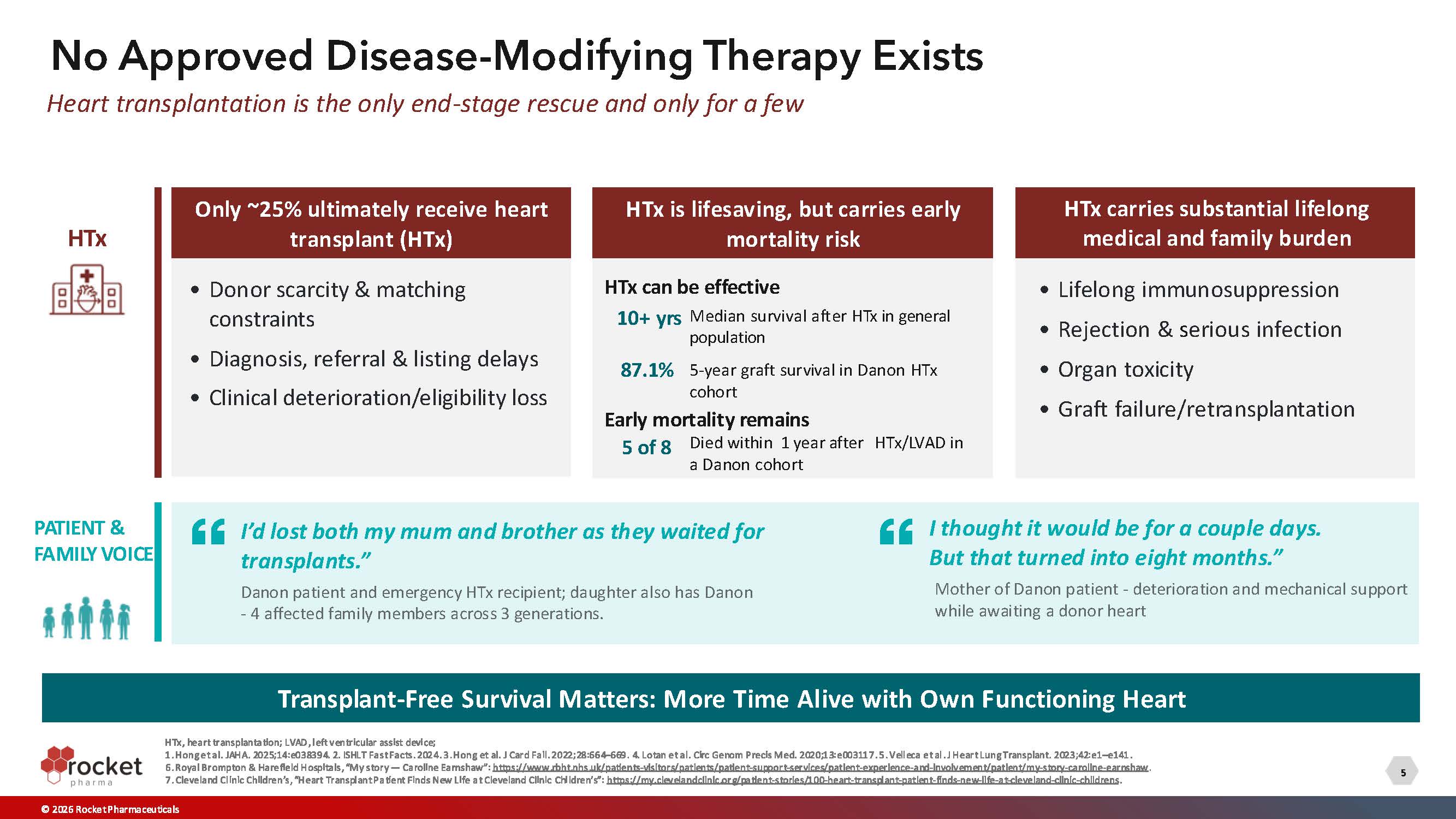
5 PATIENT & FAMILY VOICE I thought it would be for a couple days. But that
turned into eight months.” Mother of Danon patient - deterioration and mechanical support while awaiting a donor heart I’d lost both my mum and brother as they waited for transplants.” Danon patient and emergency HTx recipient; daughter
also has Danon - 4 affected family members across 3 generations. Transplant-Free Survival Matters: More Time Alive with Own Functioning Heart Only ~25% ultimately receive heart transplant (HTx) Donor scarcity & matching
constraints Diagnosis, referral & listing delays Clinical deterioration/eligibility loss HTx carries substantial lifelong medical and family burden Lifelong immunosuppression Rejection & serious infection Organ toxicity Graft
failure/retransplantation HTx, heart transplantation; LVAD, left ventricular assist device; 1. Hong et al. JAHA. 2025;14:e038394. 2. ISHLT Fast Facts. 2024. 3. Hong et al. J Card Fail. 2022;28:664–669. 4. Lotan et al. Circ Genom Precis Med.
2020;13:e003117. 5. Velleca et al . J Heart Lung Transplant. 2023;42:e1–e141. 6. Royal Brompton & Harefield Hospitals, “My stor y — Caroline Earnshaw”:
https://www.rbht.nhs.uk/patients-visitors/patients/patient-support-services/patient-experience-and-involvement/patient/my-story-caroline-earnshaw. No Approved Disease-Modifying Therapy Exists Heart transplantation is the only end-stage
rescue and only for a few HTx HTx is lifesaving, but carries early mortality risk HTx can be effective 10+ yrs Median survival after HTx in general population 87.1% 5-year graft survival in Danon HTx cohort Early mortality remains 5
of 8 Died within 1 year after HTx/LVAD in a Danon cohort 7. Cleveland Clinic Children’s, “Heart Transplant Patient Finds New Life at Cleveland Clinic Children’s”:
https://my.clevelandclinic.org/patient-stories/100-heart-transplant-patient-finds-new-life-at-cleveland-clinic-childrens. © 2026 Rocket Pharmaceuticals
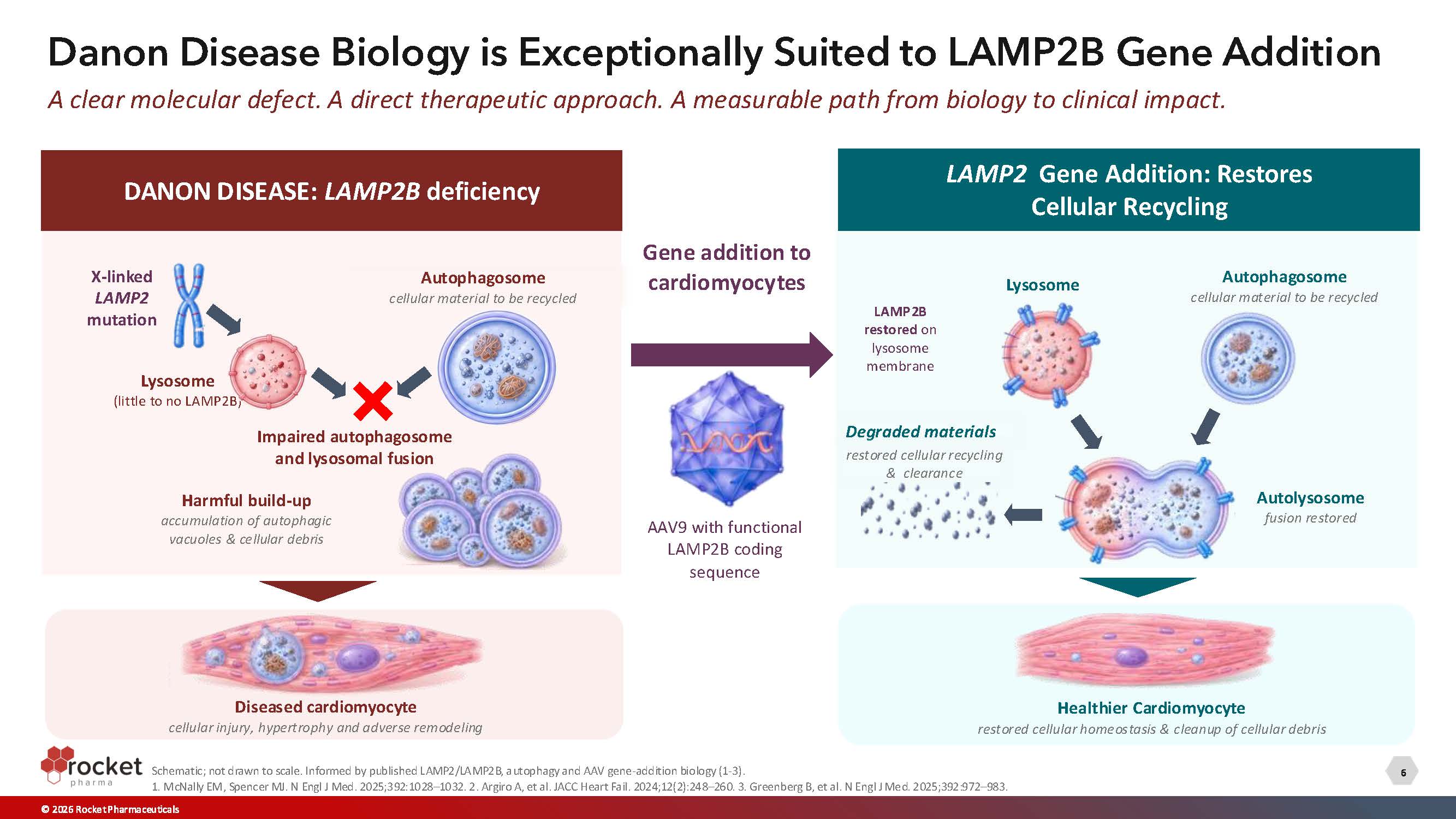
Danon Disease Biology is Exceptionally Suited to LAMP2B Gene Addition A clear
molecular defect. A direct therapeutic approach. A measurable path from biology to clinical impact. DANON DISEASE: LAMP2B deficiency LAMP2 Gene Addition: Restores Cellular Recycling Diseased cardiomyocyte cellular injury, hypertrophy and
adverse remodeling B) X-linked LAMP2 mutation AAV9 with functional LAMP2B coding sequence Gene addition to cardiomyocytes Lysosome Autophagosome cellular material to be recycled LAMP2B restored on lysosome
membrane Autolysosome fusion restored Healthier Cardiomyocyte restored cellular homeostasis & cleanup of cellular debris Autophagosome cellular material to be recycled Lysosome (little to no LAMP2 Impaired autophagosome and
lysosomal fusion Harmful build-up accumulation of autophagic vacuoles & cellular debris Degraded materials restored cellular recycling & clearance Schematic; not drawn to scale. Informed by published LAMP2/LAMP2B, autophagy and AAV
gene-addition biology (1-3). 1. McNally EM, Spencer MJ. N Engl J Med. 2025;392:1028–1032. 2. Argiro A, et al. JACC Heart Fail. 2024;12(2):248–260. 3. Greenberg B, et al. N Engl J Med. 2025;392:972–983. © 2026 Rocket Pharmaceuticals 6
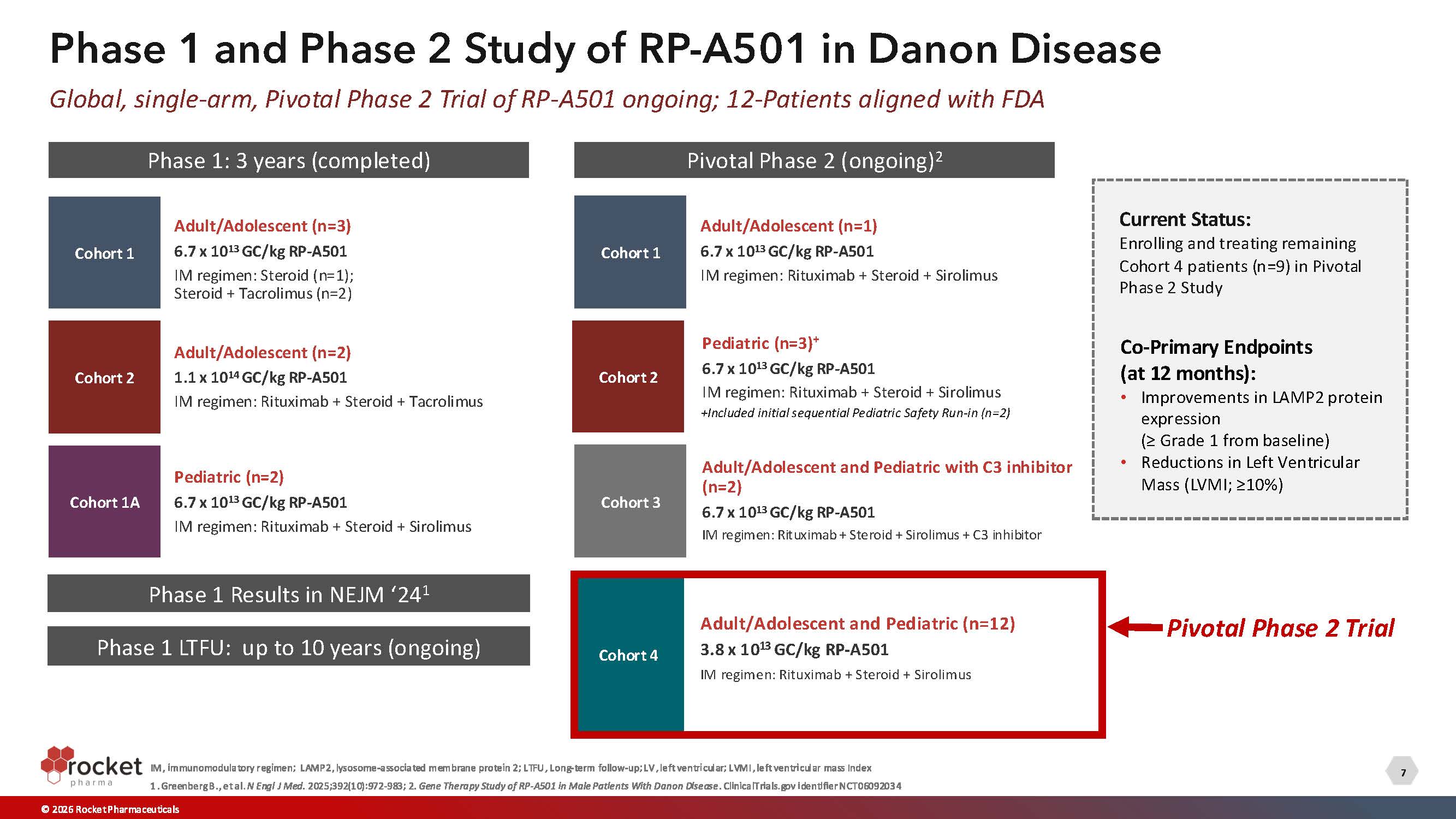
7 Phase 1 and Phase 2 Study of RP-A501 in Danon Disease Global, single-arm,
Pivotal Phase 2 Trial of RP-A501 ongoing; 12-Patients aligned with FDA IM, immunomodulatory regimen; LAMP2, lysosome-associated membrane protein 2; LTFU, Long-term follow-up; LV, left ventricular; LVMI, left ventricular mass Index 1.
Greenberg B., et al. N Engl J Med. 2025;392(10):972-983; 2. Gene Therapy Study of RP-A501 in Male Patients With Danon Disease. ClinicalTrials.gov identifier NCT06092034 Adult/Adolescent (n=3) 6.7 x 10¹³ GC/kg RP-A501 IM regimen: Steroid
(n=1); Steroid + Tacrolimus (n=2) Adult/Adolescent (n=2) 1.1 x 10¹⁴ GC/kg RP-A501 IM regimen: Rituximab + Steroid + Tacrolimus Cohort 1 Cohort 2 Cohort 1A Adult/Adolescent (n=1) 6.7 x 10¹³ GC/kg RP-A501 IM regimen: Rituximab +
Steroid + Sirolimus Pediatric (n=3)+ 6.7 x 10¹³ GC/kg RP-A501 IM regimen: Rituximab + Steroid + Sirolimus +Included initial sequential Pediatric Safety Run-in (n=2) Adult/Adolescent and Pediatric with C3 inhibitor (n=2) 6.7 x 10¹³ GC/kg
RP-A501 IM regimen: Rituximab + Steroid + Sirolimus + C3 inhibitor Cohort 1 Cohort 2 Cohort 3 Adult/Adolescent and Pediatric (n=12) 3.8 x 10¹³ GC/kg RP-A501 IM regimen: Rituximab + Steroid + Sirolimus Cohort 4 Pediatric (n=2) 6.7 x
1013 GC/kg RP-A501 IM regimen: Rituximab + Steroid + Sirolimus Phase 1: 3 years (completed) Phase 1 LTFU: up to 10 years (ongoing) Pivotal Phase 2 (ongoing)2 Current Status: Enrolling and treating remaining Cohort 4 patients (n=9) in
Pivotal Phase 2 Study Co-Primary Endpoints (at 12 months): Improvements in LAMP2 protein expression (≥ Grade 1 from baseline) Reductions in Left Ventricular Mass (LVMI; ≥10%) Pivotal Phase 2 Trial © 2026 Rocket Pharmaceuticals Phase
1 Results in NEJM ‘241
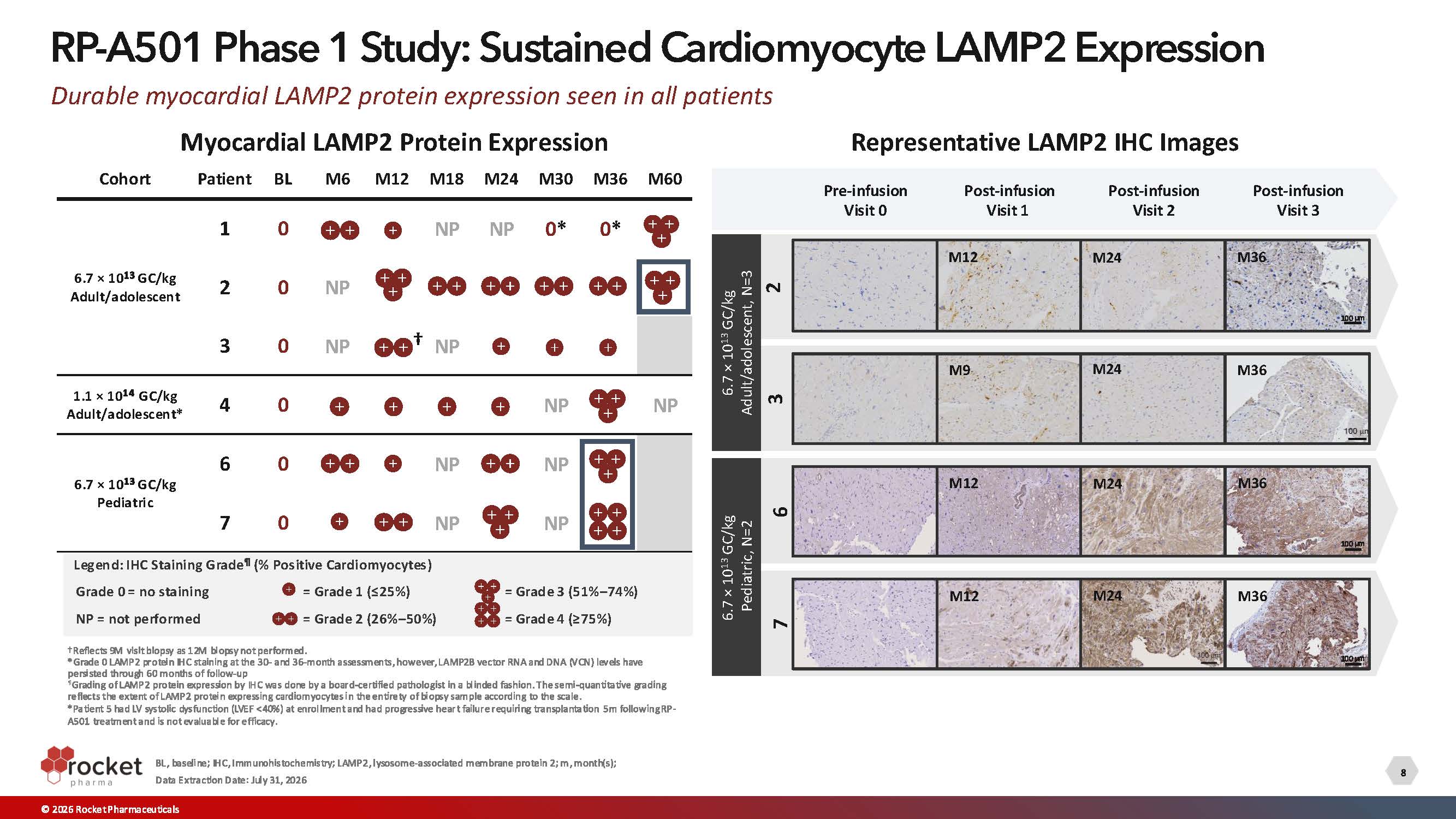
8 Pre-infusion Visit 0 Post-infusion Visit 1 Post-infusion Visit
2 Post-infusion Visit 3 6 7 6.7 × 10¹³ GC/kg Pediatric, N=2 M12 M24 M36 100 µm M12 M24 M36 100 µm 2 3 6.7 × 10¹³ GC/kg Adult/adolescent, N=3 M12 M24 M36 100 µm M9 M24 M36 †Reflects 9M visit biopsy as 12M biopsy not
performed. *Grade 0 LAMP2 protein IHC staining at the 30- and 36-month assessments, however, LAMP2B vector RNA and DNA (VCN) levels have persisted through 60 months of follow-up ¶Grading of LAMP2 protein expression by IHC was done by a
board-certified pathologist in a bl inded fashion. The semi-quantitative grading reflects the extent of LAMP2 protein expressing cardiomyocytes in the entirety of biopsy sample according to the scale. *Patient 5 had LV systolic dysfunction
(LVEF <40%) at enrollment and had progressive heart failure requiring transplantation 5m following RP-A501 treatment and is not evaluable for efficacy. RP-A501 Phase 1 Study: Sustained Cardiomyocyte LAMP2 Expression Durable myocardial
LAMP2 protein expression seen in all patients Myocardial LAMP2 Protein Expression Representative LAMP2 IHC Images BL, baseline; IHC, Immunohistochemistry; LAMP2, lysosome-associated membrane protein 2; m, month(s); Data Extraction Date:
July 31, 2026 Cohort Patient BL M6 M12 M18 M24 M30 M36 M60 1 0 NP NP 0* 0* 6.7 × 1013 GC/kg Adult/adolescent 2 0 NP 3 0 NP † NP 1.1 × 10¹⁴ GC/kg Adult/adolescent* 4 0 NP NP 6.7 × 10¹³
GC/kg Pediatric 6 0 NP NP 7 0 NP NP = Grade 3 (51%–74%) = Grade 4 (≥75%) Legend: IHC Staining Grade¶ (% Positive Cardiomyocytes) Grade 0 = no staining = Grade 1 (≤25%) NP = not performed = Grade 2 (26%–50%) © 2026 Rocket
Pharmaceuticals
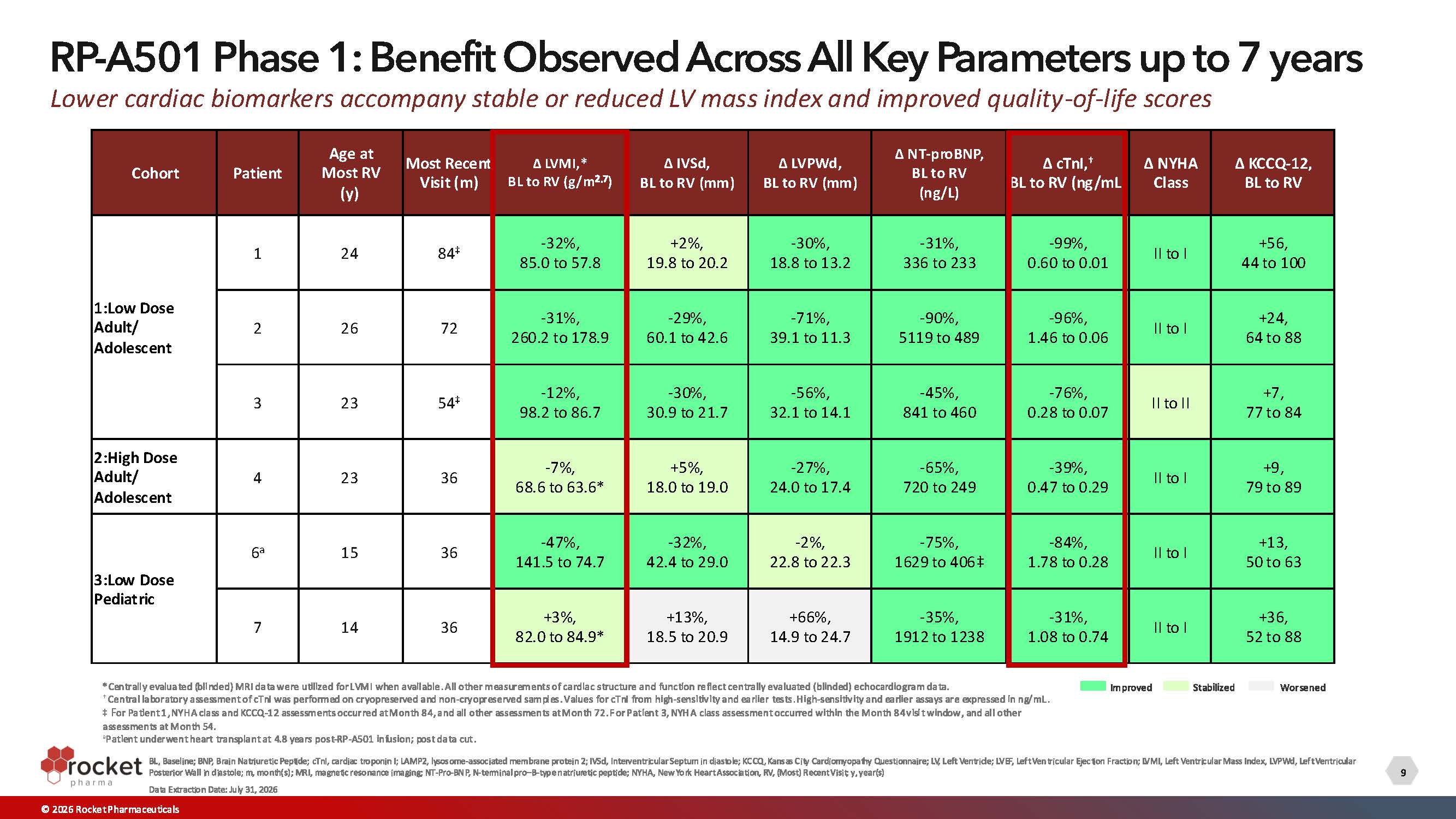
9 Improved Stabilized Wor sened © 2026 Rocket
Pharmaceuticals Cohort Patient Age at Most RV (y) Most Recent Visit (m) Δ LVMI,* BL to RV (g/m2.7) Δ IVSd, BL to RV (mm) Δ LVPWd, BL to RV (mm) Δ NT-proBNP, BL to RV (ng/L) Δ cTnI,† BL to RV (ng/mL) Δ NYHA Class Δ
KCCQ-12, BL to RV 1:Low Dose Adult/ Adolescent 1 24 84‡ -32%, 85.0 to 57.8 +2%, 19.8 to 20.2 -30%, 18.8 to 13.2 -31%, 336 to 233 -99%, 0.60 to 0.01 II to I +56, 44 to 100 2 26 72 -31%, 260.2 to 178.9 -29%, 60.1 to
42.6 -71%, 39.1 to 11.3 -90%, 5119 to 489 -96%, 1.46 to 0.06 II to I +24, 64 to 88 3 23 54‡ -12%, 98.2 to 86.7 -30%, 30.9 to 21.7 -56%, 32.1 to 14.1 -45%, 841 to 460 -76%, 0.28 to 0.07 II to II +7, 77 to 84 2:High
Dose Adult/ Adolescent 4 23 36 -7%, 68.6 to 63.6* +5%, 18.0 to 19.0 -27%, 24.0 to 17.4 -65%, 720 to 249 -39%, 0.47 to 0.29 II to I +9, 79 to 89 3:Low Dose Pediatric 6a 15 36 -47%, 141.5 to 74.7 -32%, 42.4 to
29.0 -2%, 22.8 to 22.3 -75%, 1629 to 406‡ -84%, 1.78 to 0.28 II to I +13, 50 to 63 7 14 36 +3%, 82.0 to 84.9* +13%, 18.5 to 20.9 +66%, 14.9 to 24.7 -35%, 1912 to 1238 -31%, 1.08 to 0.74 II to I +36, 52 to
88 *Centrally evaluated (blinded) MRI data were utilized for LVMI when available. All other measurements of cardiac structure and function reflect centrally evaluated (blinded) echocardiogram data. † Central laborator y assessment of cTnI
was performed on cryopreserved and non-cryopreserved samples. Values for cTnI from high-sensitivity and earlier tests. High-sensitivity and earlier assays are expressed in ng/ m L. ‡ For Patient 1, NYHA class and KCCQ-12 assessments occurred
at Month 84, and all other assessments at Month 72. For Patient 3, NYHA class assessment occurred within the Month 84 visit window, and al l other assessments at Month 54. aPatient underwent heart transplant at 4.8 years post-RP-A501
infusion; post data cut. RP-A501 Phase 1: Benefit Observed Across All Key Parameters up to 7 years Lower cardiac biomarkers accompany stable or reduced LV mass index and improved quality-of-life scores BL, Baseline; BNP, Brain Natriuretic
Peptide; cTnI, cardiac troponin I; LAMP2, lysosome-associated membrane protein 2; IVSd, Interventricular Septum in diastole; KCCQ, Kansas City Cardiomyopathy Questionnaire; LV, Left Ventricle; LVEF, Left Ven tricular Ejection Fraction; LVMI,
Left Ventricular Mass Index, LVPWd, Left Ventricular Posterior Wall in diastole; m, month(s); MRI, magnetic reso nance imaging; NT-Pro-BN P, N-terminal pro–B-type natriuretic peptide; NYHA, New York Heart Association, RV, (Most) Recent
Visit; y, year(s) Data Extraction Date: July 31, 2026
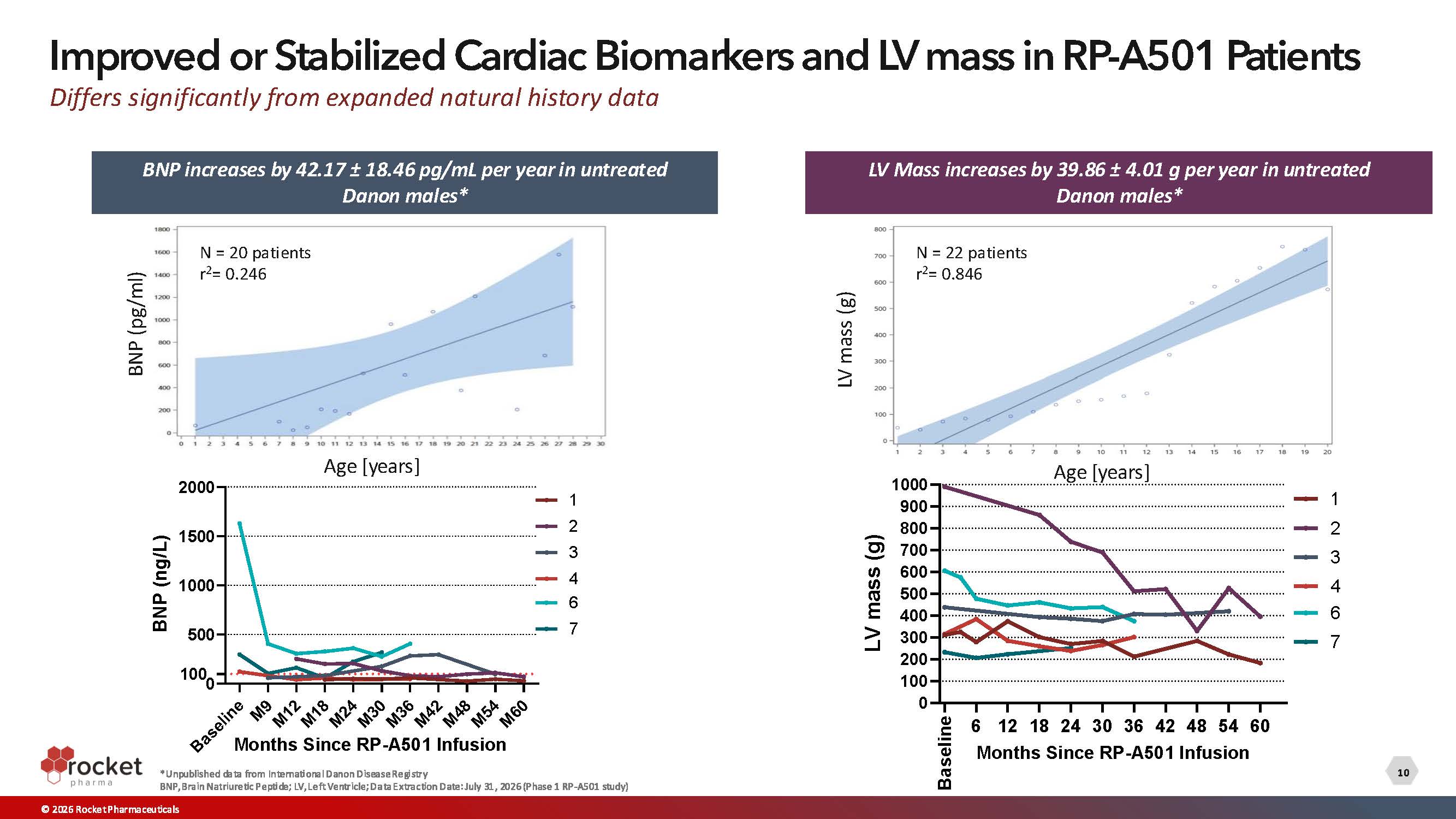
10 Improved or Stabilized Cardiac Biomarkers and LV mass in RP-A501
Patients Differs significantly from expanded natural history data BNP (pg/ml) Age [years] N = 22 patients r2= 0.846 LV mass (g) Age [years] BNP increases by 42.17 ± 18.46 pg/mL per year in untreated Danon males* LV Mass increases by
39.86 ± 4.01 g per year in untreated Danon males* N = 20 patients r2= 0.246 Baseline M9 M12 M18 M24 M30 M36 M42 M48 M54 M60 0 500 1000 1500 2000 Months Post Gene Therapy BNP (ng/L) 1 2 3 4 6 7 100 6 12 18 24 30 36
42 48 54 60 Months Since RP-A501 Infusion 1000 900 800 700 600 500 400 300 200 100 0 LV mass (g) 1 2 3 4 6 7 Baseline Months Since RP-A501 Infusion *Unpublished data from International Danon Disease Registry BNP, Brain
Natriuretic Peptide; LV, Left Ventricle; Data Extraction Date: July 31, 2026 (Phase 1 RP-A501 study) © 2026 Rocket Pharmaceuticals
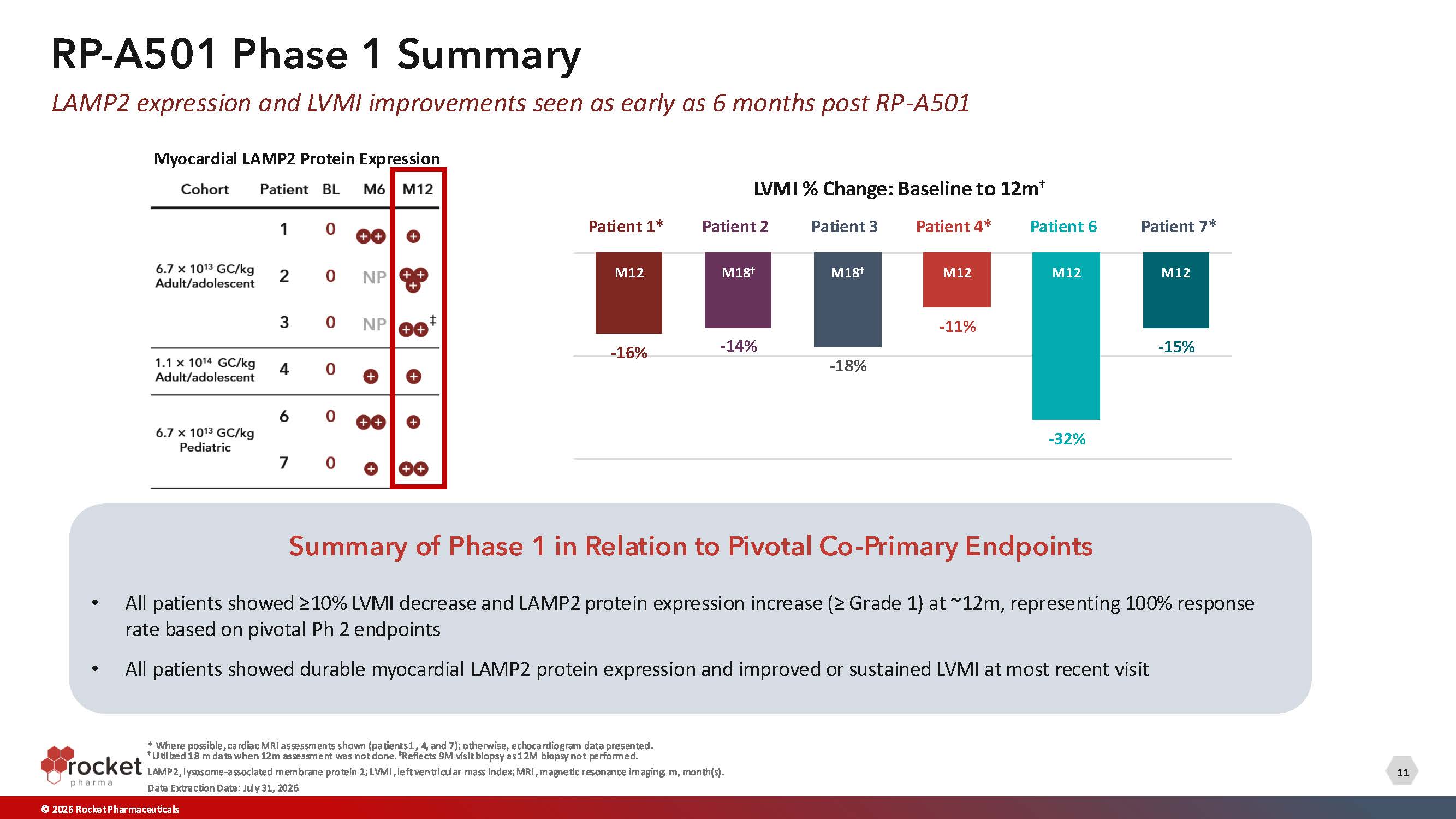
11 -16% -14% -18% -11% -32% -15% RP-A501 Phase 1 Summary LAMP2
expression and LVMI improvements seen as early as 6 months post RP-A501 * Where possible, cardiac MRI assessments shown (patients 1, 4, and 7); otherwise, echocardiogram data presented. † Utilized 18 m data when 12m assessment was not done.
‡Reflects 9M visit biopsy as 12M biopsy not performed. LAMP2, lysosome-associated membrane protein 2; LVMI, left ventricular mass index; MRI, magnetic resonance imaging; m, month(s). Data Extraction Date: July 31, 2026 Summary of Phase 1 in
Relation to Pivotal Co-Primary Endpoints All patients showed ≥10% LVMI decrease and LAMP2 protein expression increase (≥ Grade 1) at ~12m, representing 100% response rate based on pivotal Ph 2 endpoints All patients showed durable
myocardial LAMP2 protein expression and improved or sustained LVMI at most recent visit M12 M18† M18† M12 M12 M12 LVMI % Change: Baseline to 12m† Patient 1* Patient 2 Patient 3 Patient 4* Patient 6 Patient 7* Myocardial LAMP2
Protein Expression © 2026 Rocket Pharmaceuticals
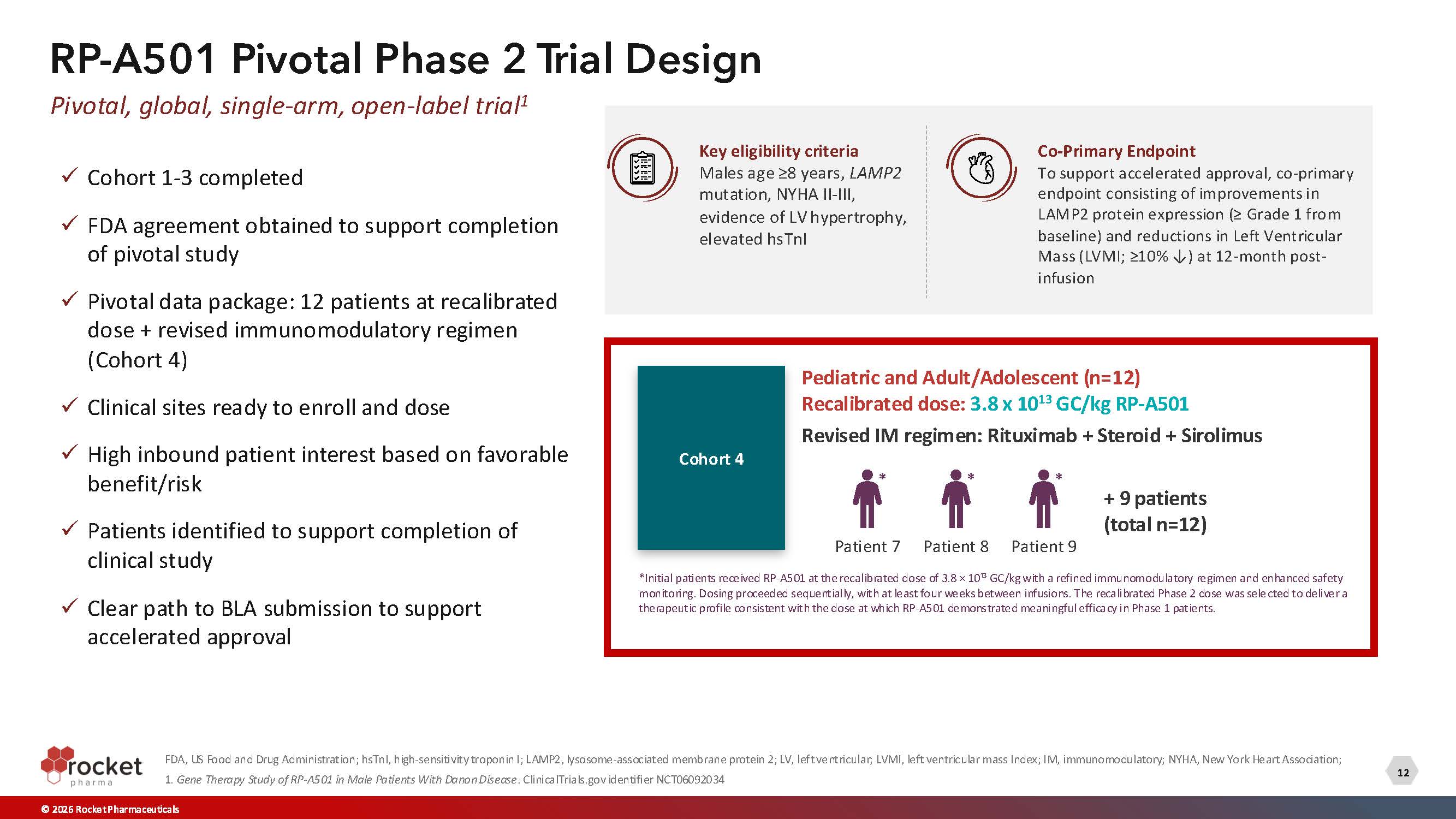
12 RP-A501 Pivotal Phase 2 Trial Design Pivotal, global, single-arm,
open-label trial1 FDA, US Food and Drug Administration; hsTnI, high-sensitivity troponin I; LAMP2, lysosome-associated membrane protein 2; LV, left ventricular; LVMI, left ventricular mass Index; IM, immunomodulatory; NYHA, New York Heart
Association; 1. Gene Therapy Study of RP-A501 in Male Patients With Danon Disease. ClinicalTrials.gov identifier NCT06092034 Pediatric and Adult/Adolescent (n=12) Recalibrated dose: 3.8 x 10¹³ GC/kg RP-A501 Revised IM regimen: Rituximab +
Steroid + Sirolimus Cohort 4 Key eligibility criteria Males age ≥8 years, LAMP2 mutation, NYHA II-III, evidence of LV hypertrophy, elevated hsTnI Co-Primary Endpoint To support accelerated approval, co-primary endpoint consisting of
improvements in LAMP2 protein expression (≥ Grade 1 from baseline) and reductions in Left Ventricular Mass (LVMI; ≥10% ↓) at 12-month post-infusion Patient 7 Patient 8 Patient 9 *Initial patients received RP-A501 at the recalibrated dose of
3.8 × 10¹³ GC/kg with a refined immunomodulatory regimen and enhanced safety monitoring. Dosing proceeded sequentially, with at least four weeks between infusions. The recalibrated Phase 2 dose was selected to deliver a therapeutic profile
consistent with the dose at which RP-A501 demonstrated meaningful efficacy in Phase 1 patients. * * * + 9 patients (total n=12) Cohort 1-3 completed FDA agreement obtained to support completion of pivotal study Pivotal data package: 12
patients at recalibrated dose + revised immunomodulatory regimen (Cohort 4) Clinical sites ready to enroll and dose High inbound patient interest based on favorable benefit/risk Patients identified to support completion of clinical
study Clear path to BLA submission to support accelerated approval © 2026 Rocket Pharmaceuticals
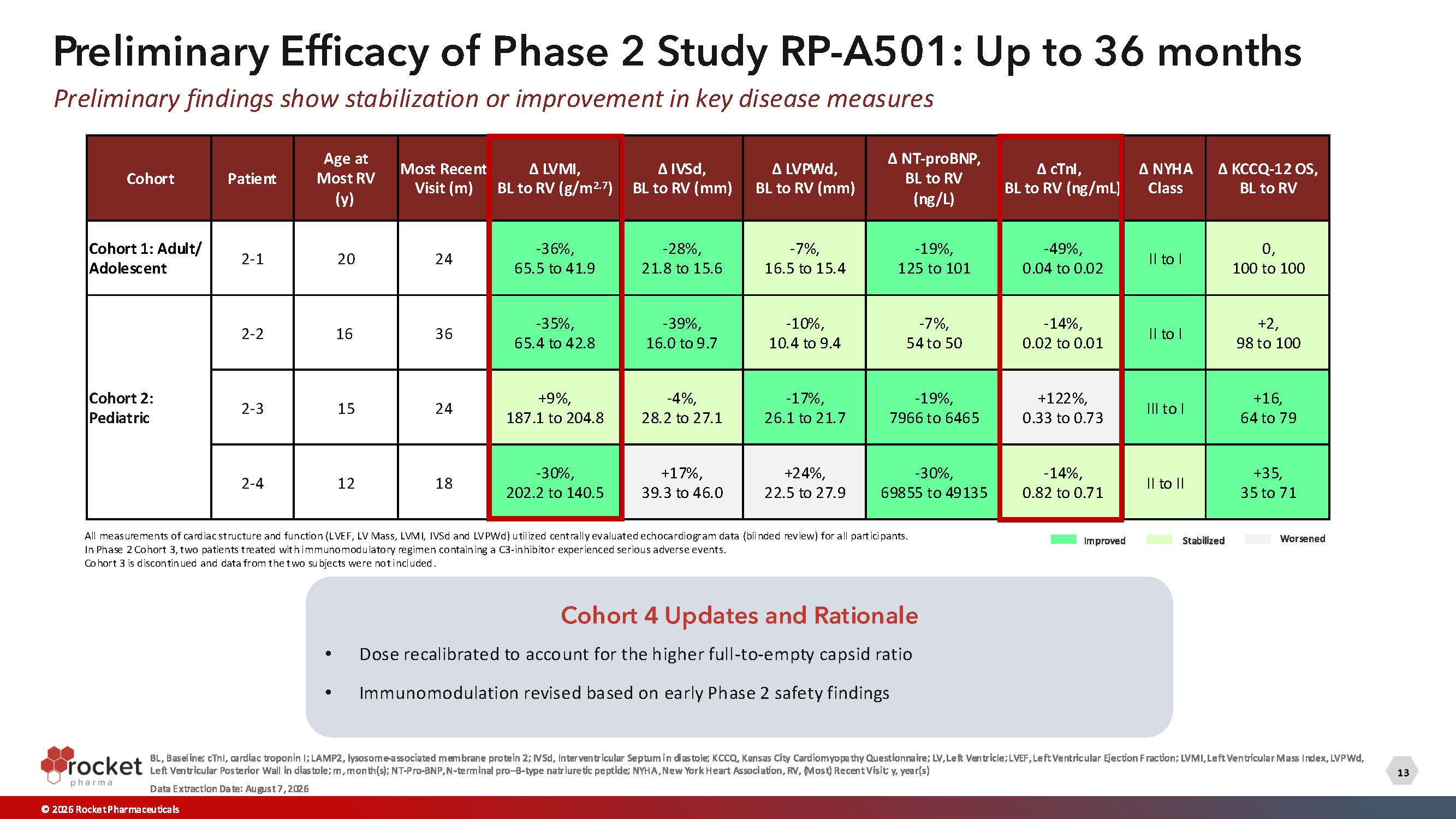
13 BL, Baseline; cTnI, cardiac troponin I; LAMP2, lysosome-associated membrane
protein 2; IVSd, Interventricular Septum in diastole; KCCQ, Kansas City Cardiomyopathy Questionnaire; LV, Left Ventricle; LVEF, Left Ventric ular Ejection Fraction; LVMI, Left Ventricular Mass Index, LVPWd, Left Ventricular Posterior Wall in
diastole; m, month(s); NT-Pro-BNP, N-terminal pro–B-type natriuretic peptide; NYHA, New Yor k Heart Association, RV, (Most) Recent Visit; y, year(s) Data Extraction Date: August 7, 2026 Improved Stabilized Worsened Cohort Patient Age
at Most RV (y) Most Recent Visit (m) Δ LVMI, BL to RV (g/m2.7) Δ IVSd, BL to RV (mm) Δ LVPWd, BL to RV (mm) Δ NT-proBNP, BL to RV (ng/L) Δ cTnI, BL to RV (ng/mL) Δ NYHA Class Δ KCCQ-12 OS, BL to RV Cohort 1: Adult/
Adolescent 2-1 20 24 -36%, 65.5 to 41.9 -28%, 21.8 to 15.6 -7%, 16.5 to 15.4 -19%, 125 to 101 -49%, 0.04 to 0.02 II to I 0, 100 to 100 Cohort 2: Pediatric 2-2 16 36 -35%, 65.4 to 42.8 -39%, 16.0 to 9.7 -10%, 10.4 to
9.4 -7%, 54 to 50 -14%, 0.02 to 0.01 II to I +2, 98 to 100 2-3 15 24 +9%, 187.1 to 204.8 -4%, 28.2 to 27.1 -17%, 26.1 to 21.7 -19%, 7966 to 6465 +122%, 0.33 to 0.73 III to I +16, 64 to 79 2-4 12 18 -30%, 202.2 to
140.5 +17%, 39.3 to 46.0 +24%, 22.5 to 27.9 -30%, 69855 to 49135 -14%, 0.82 to 0.71 II to II +35, 35 to 71 Preliminary Efficacy of Phase 2 Study RP-A501: Up to 36 months Preliminary findings show stabilization or improvement in
key disease measures All measurements of cardiac structure and function (LVEF, LV Mass, LVMI, IVSd and LVPWd) utilized centrally evaluated echocardiogram data (blinded review) for all participants. In Phase 2 Cohort 3, two patients treated
with immunomodulatory regimen containing a C3-inhibitor experienced serious adverse events. Cohort 3 is discontinued and data from the two subjects were not included. Cohort 4 Updates and Rationale Dose recalibrated to account for the
higher full-to-empty capsid ratio Immunomodulation revised based on early Phase 2 safety findings © 2026 Rocket Pharmaceuticals
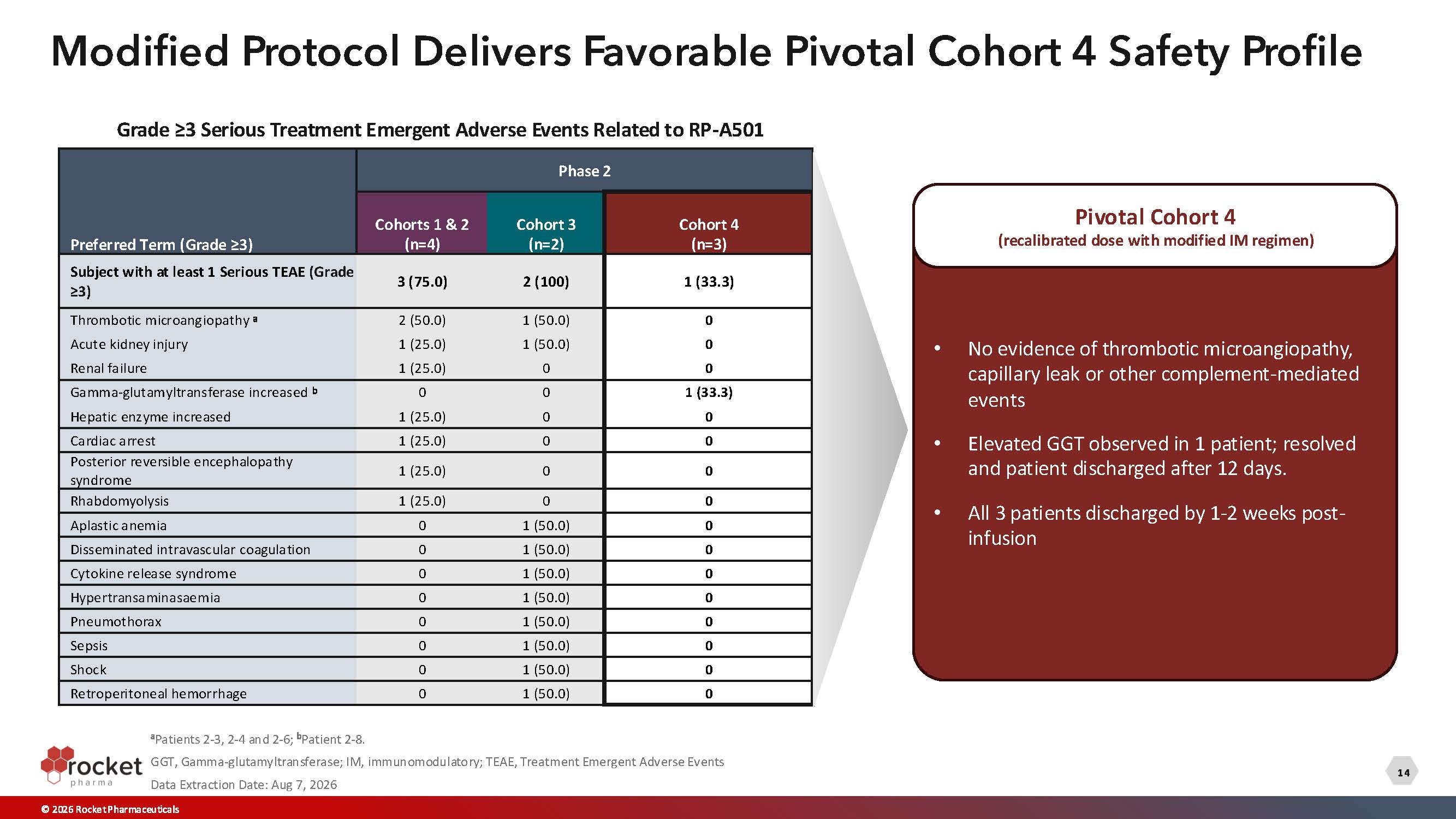
Modified Protocol Delivers Favorable Pivotal Cohort 4 Safety Profile aPatients
2-3, 2-4 and 2-6; bPatient 2-8. GGT, Gamma-glutamyltransferase; IM, immunomodulatory; TEAE, Treatment Emergent Adverse Events Phase 2 Preferred Term (Grade ≥3) Cohorts 1 & 2 (n=4) Cohort 3 (n=2) Cohort 4 (n=3) Subject with at least
1 Serious TEAE (Grade ≥3) 3 (75.0) 2 (100) 1 (33.3) Thrombotic microangiopathy a 2 (50.0) 1 (50.0) 0 Acute kidney injury 1 (25.0) 1 (50.0) 0 Renal failure 1 (25.0) 0 0 Gamma-glutamyltransferase increased b 0 0 1
(33.3) Hepatic enzyme increased 1 (25.0) 0 0 Cardiac arrest 1 (25.0) 0 0 Posterior reversible encephalopathy syndrome 1 (25.0) 0 0 Rhabdomyolysis 1 (25.0) 0 0 Aplastic anemia 0 1 (50.0) 0 Disseminated intravascular
coagulation 0 1 (50.0) 0 Cytokine release syndrome 0 1 (50.0) 0 Hypertransaminasaemia 0 1 (50.0) 0 Pneumothorax 0 1 (50.0) 0 Sepsis 0 1 (50.0) 0 Shock 0 1 (50.0) 0 Retroperitoneal hemorrhage 0 1 (50.0) 0 Grade ≥3
Serious Treatment Emergent Adverse Events Related to RP-A501 Pivotal Cohort 4 (recalibrated dose with modified IM regimen) 14 Data Extraction Date: Aug 7, 2026 © 2026 Rocket Pharmaceuticals No evidence of thrombotic microangiopathy,
capillary leak or other complement-mediated events Elevated GGT observed in 1 patient; resolved and patient discharged after 12 days. All 3 patients discharged by 1-2 weeks post-infusion
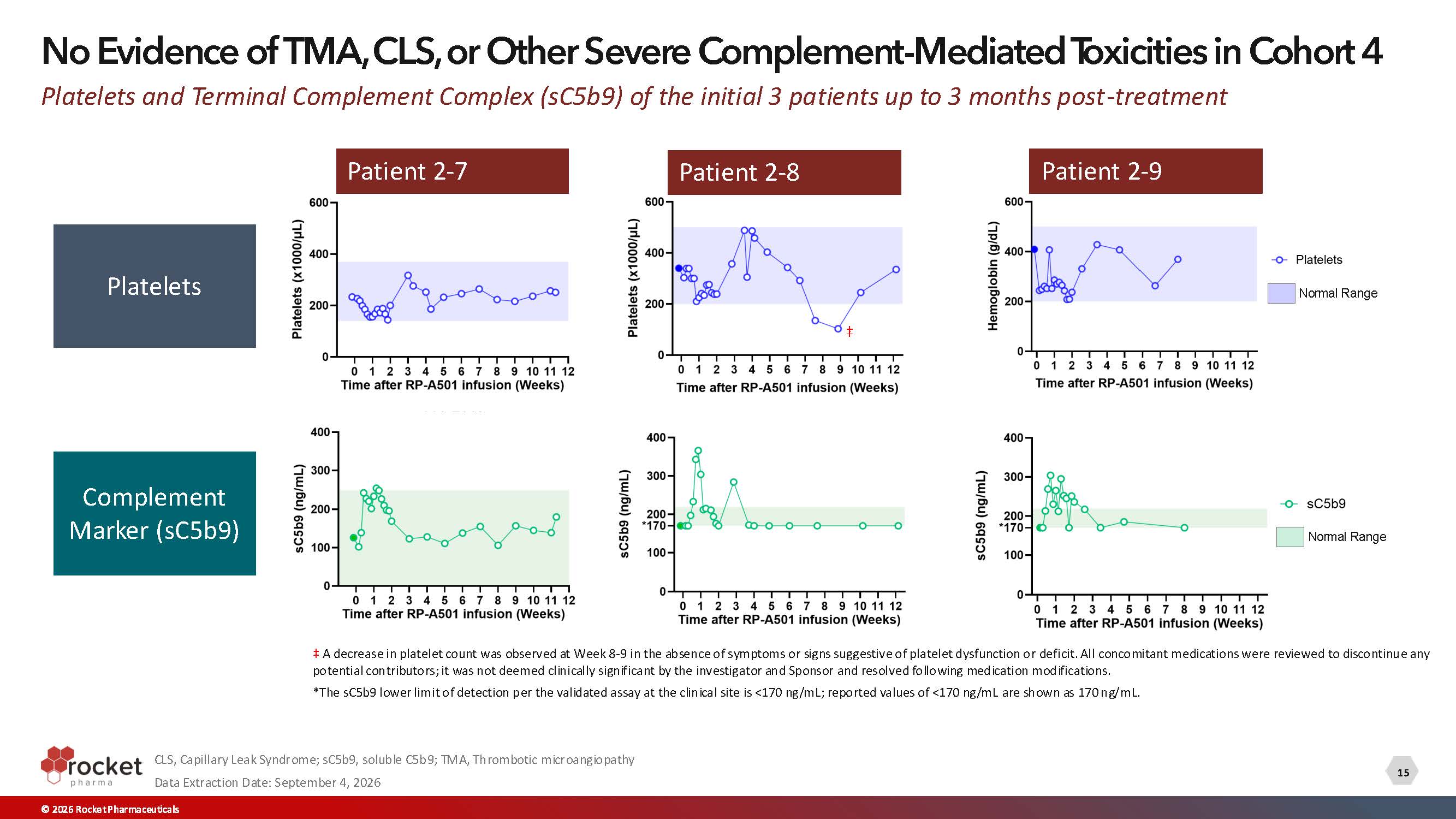
No Evidence of TMA,CLS, or Other Severe Complement-Mediated Toxicities in Cohort
4 Platelets and Terminal Complement Complex (sC5b9) of the initial 3 patients up to 3 months post-treatment CLS, Capillary Leak Syndrome; sC5b9, soluble C5b9; TMA, Thrombotic microangiopathy ‡ ‡ A decrease in platelet count was observed
at Week 8-9 in the absence of symptoms or signs suggestive of platelet dysfunction or deficit. All concomitant medications were reviewed to discontinue any potential contributors; it was not deemed clinically significant by the investigator
and Sponsor and resolved following medication modifications. *The sC5b9 lower limit of detection per the validated assay at the clinical site is <170 ng/mL; reported values of <170 ng/mL are shown as 170 ng/mL. Patient 2-7 Patient
2-8 Patient 2-9 Normal Range Normal Range 15 Data Extraction Date: September 4, 2026 © 2026 Rocket Pharmaceuticals Platelets Complement Marker (sC5b9)
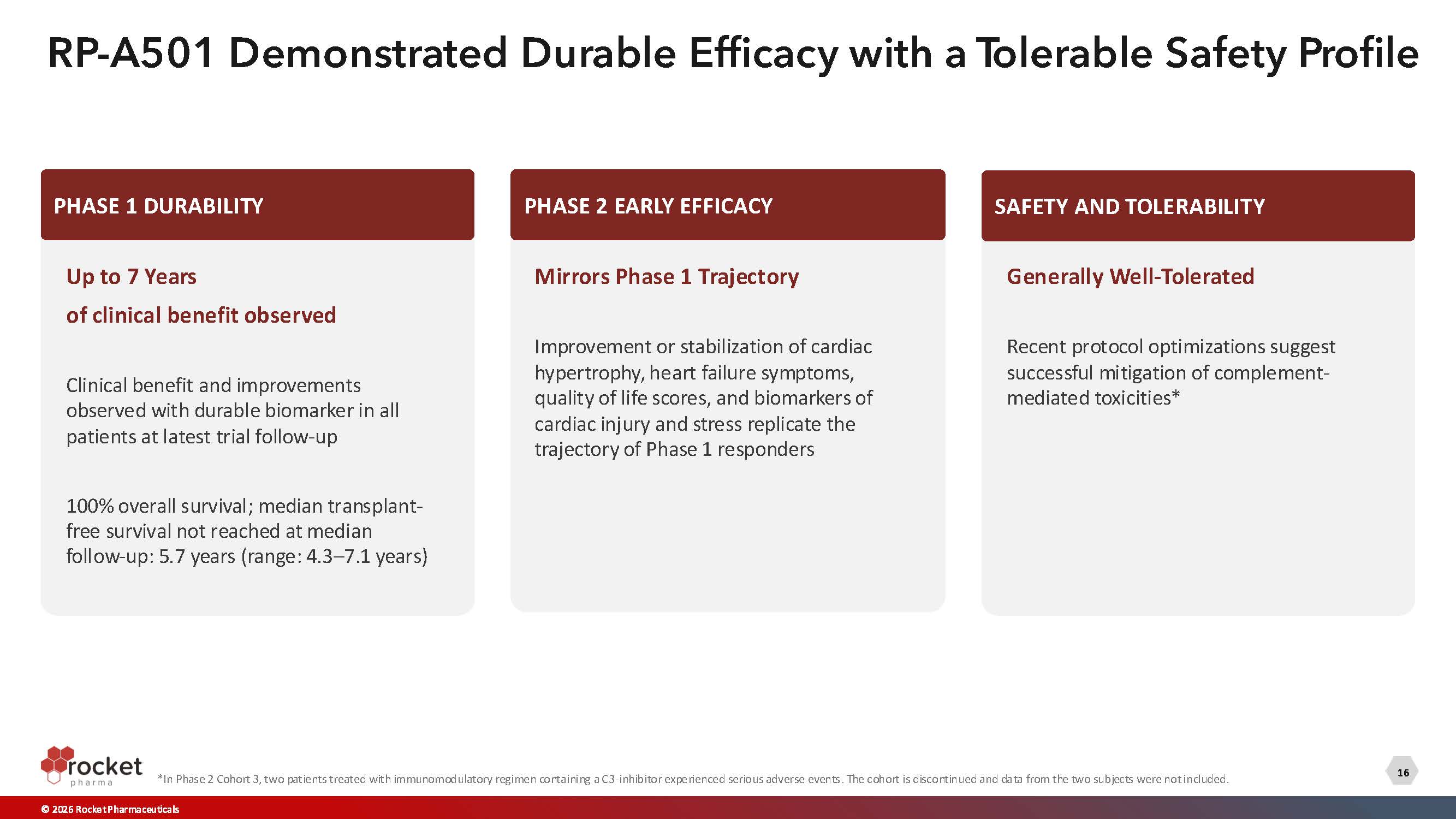
16 PHASE 1 DURABILITY Up to 7 Years of clinical benefit observed Clinical
benefit and improvements observed with durable biomarker in all patients at latest trial follow-up 100% overall survival; median transplant-free survival not reached at median follow-up: 5.7 years (range: 4.3–7.1 years) Mirrors Phase 1
Trajectory Improvement or stabilization of cardiac hypertrophy, heart failure symptoms, quality of life scores, and biomarkers of cardiac injury and stress replicate the trajectory of Phase 1 responders Generally Well-Tolerated Recent
protocol optimizations suggest successful mitigation of complement-mediated toxicities* *In Phase 2 Cohort 3, two patients treated with immunomodulatory regimen containing a C3-inhibitor experienced serious adverse events. The cohort is
discontinued and data from the two subjects were not included. RP-A501 Demonstrated Durable Efficacy with a Tolerable Safety Profile SAFETY AND TOLERABILITY PHASE 2 EARLY EFFICACY © 2026 Rocket Pharmaceuticals
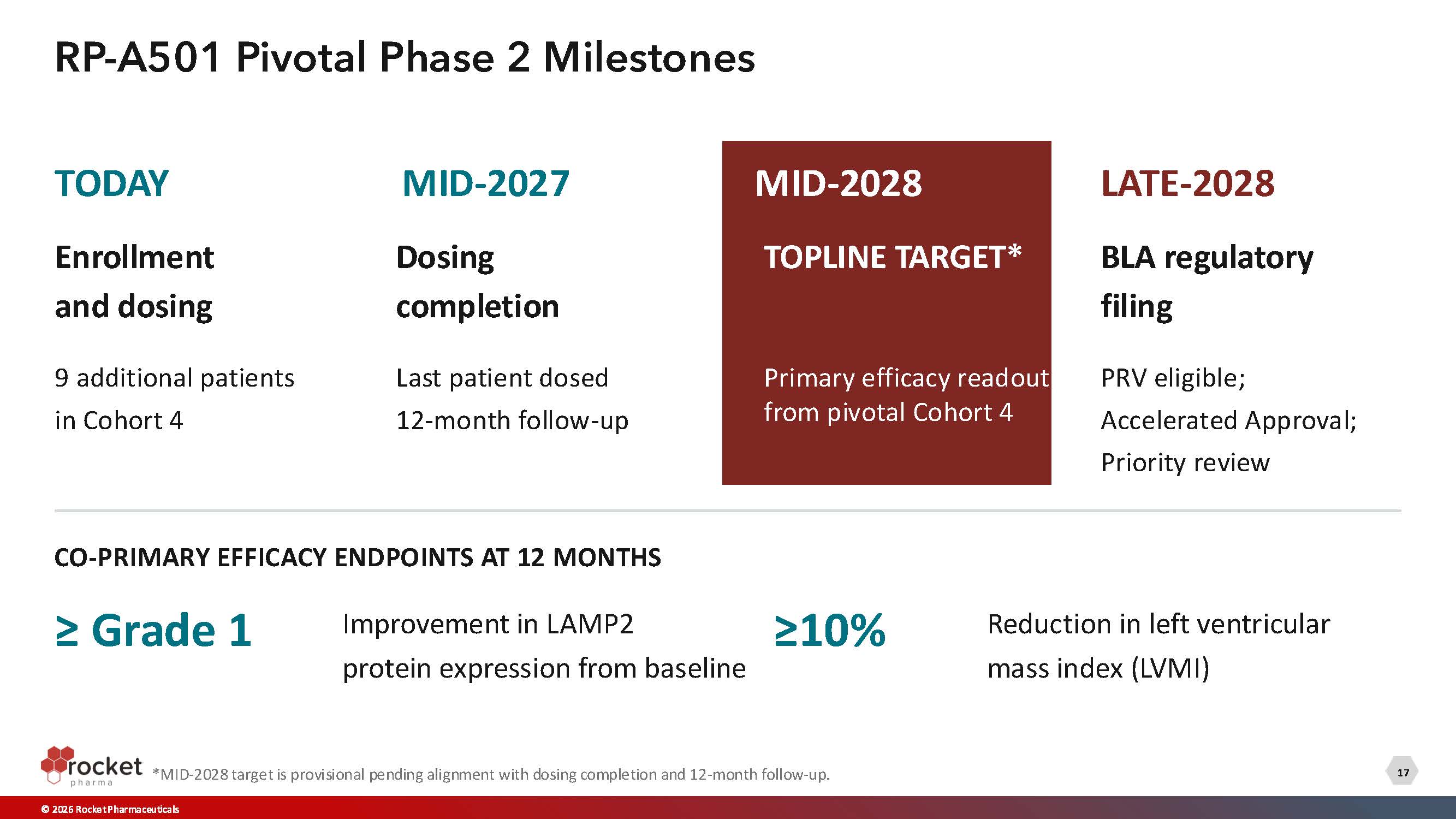
17 RP-A501 Pivotal Phase 2 Milestones TODAY Enrollment and dosing 9
additional patients in Cohort 4 MID-2027 Dosing completion Last patient dosed 12-month follow-up MID-2028 TOPLINE TARGET* Primary efficacy readout from pivotal Cohort 4 LATE-2028 BLA regulatory filing PRV eligible; Accelerated
Approval; Priority review CO-PRIMARY EFFICACY ENDPOINTS AT 12 MONTHS © 2026 Rocket Pharmaceuticals ≥ Grade 1 Improvement in LAMP2 protein expression from baseline ≥10% Reduction in left ventricular mass index (LVMI) *MID-2028 target
is provisional pending alignment with dosing completion and 12-month follow-up.
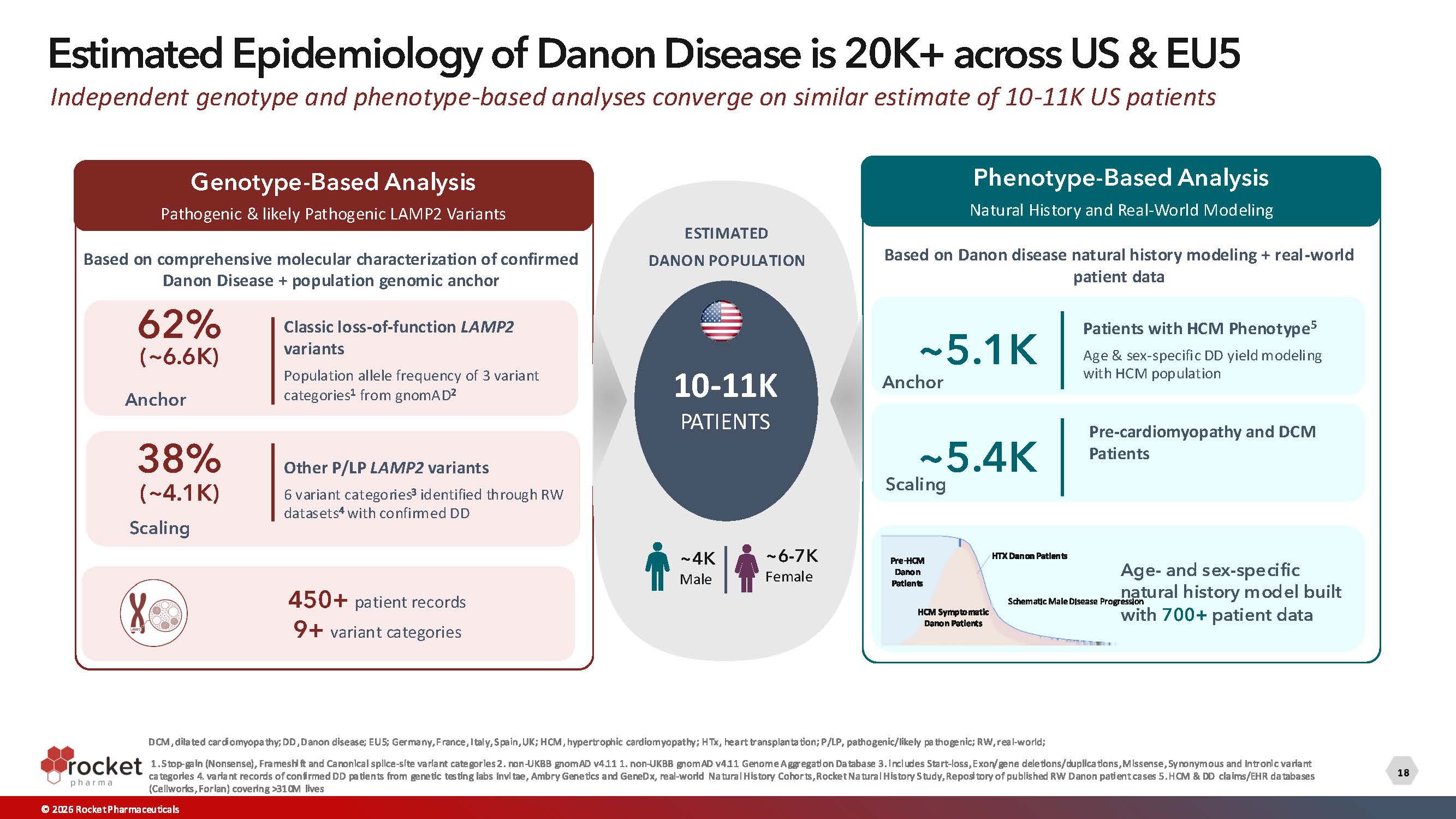
18 Schematic Male Disease Progression HTX Danon Patients HCM
Symptomatic Danon Patients Pre-HCM Danon Patients Estimated Epidemiology of Danon Disease is 20K+ across US & EU5 Independent genotype and phenotype-based analyses converge on similar estimate of 10-11K US patients Genotype-Based
Analysis Pathogenic & likely Pathogenic LAMP2 Variants Based on comprehensive molecular characterization of confirmed Danon Disease + population genomic anchor Classic loss-of-function LAMP2 variants Population allele frequency of 3
variant categories1 from gnomAD2 Other P/LP LAMP2 variants 6 variant categories3 identified through RW datasets4 with confirmed DD Phenotype-Based Analysis Natural History and Real-World Modeling Based on Danon disease natural history
modeling + real-world patient data Patients with HCM Phenotype5 Age & sex-specific DD yield modeling with HCM population Pre-cardiomyopathy and DCM Patients ~5.4K Age- and sex-specific natural history model built with 700+
patient data DCM, dilated cardiomyopathy; DD, Danon disease; EU5; Germany, France, Ital y, Spain, UK; HCM, hypertrophic cardiomyopathy; HTx, heart transplantation; P/LP, pathogenic/likely pathogenic; RW, real-world; 1. S top-gain
(Nonsense), Frameshift and Canonical splice-site variant categories 2. non-UKBB gnom AD v4.11 1. non-UKBB gnom AD v4.11 Genome Aggregation Database 3. includes Start-loss, Exon/gene deletions/duplications, Missense, Synonymous and Intronic
variant categories 4. variant records of confirmed DD patients from genetic testing labs Invi tae, Ambry Genetics and GeneDx, real-world Natural History Cohor ts, Rocket Natural History S tudy, Reposi tory of published RW Danon patient cases
5. HCM & DD claims/EHR databases (Cellworks, Forian) covering >310M lives ESTIMATED DANON POPULATION 10-11K PATIENTS © 2026 Rocket
Pharmaceuticals ~6-7K Female ~4K Male 62% (~6.6K) Anchor 38% (~4.1K) Scaling ~5.1K Anchor Scaling 450+ patient records 9+ variant categories
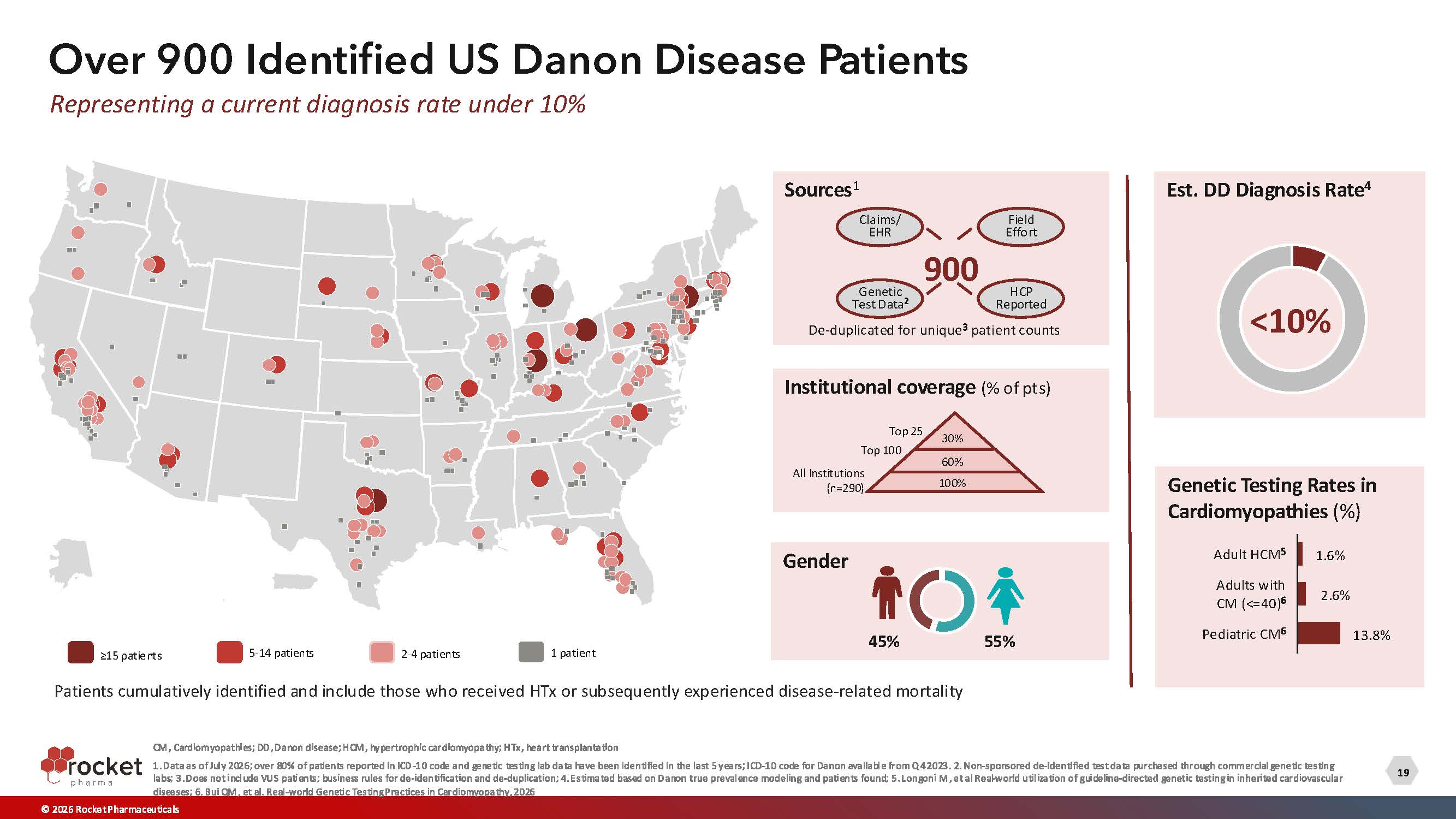
19 Over 900 Identified US Danon Disease Patients Representing a current
diagnosis rate under 10% CM, Cardiomyopathies; DD, Danon disease; HCM, hypertrophic cardiomyopathy; HTx, heart transplantation 1. Data as of July 2026; over 80% of patients reported in ICD-10 code and genetic testing lab data have been
identified in the last 5 years; ICD-10 code for Danon available from Q 4 2023. 2. Non-sponsored de-identified test data purchased thr ough commercial genetic testing labs; 3. Does not include VUS patients; business rules for de-identification
and de-duplication; 4. Estimated based on Danon true prevalence modeling and patients found; 5. Longoni M, et al Real-world util ization of guideline-directed genetic testing in inherited cardiovascular diseases; 6. Bui QM, et al. Real-world
Genetic Testing Practices in Cardiomyopathy, 2026 Gender 45% 55% Institutional coverage (% of pts) 30% 60% 100% Top 25 Top 100 All Institutions (n=290) Est. DD Diagnosis Rate4 <10% Genetic Testing Rates in Cardiomyopathies
(%) 1.6% 2.6% 13.8% Adult HCM5 Adults with CM (<=40)6 Pediatric CM6 Sources1 Claims/ EHR Field Effort 900 Genetic HCP Test Data2 Reported De-duplicated for unique3 patient counts ≥15 patients 5-14 patients 2-4 patients 1
patient Patients cumulatively identified and include those who received HTx or subsequently experienced disease-related mortality © 2026 Rocket Pharmaceuticals
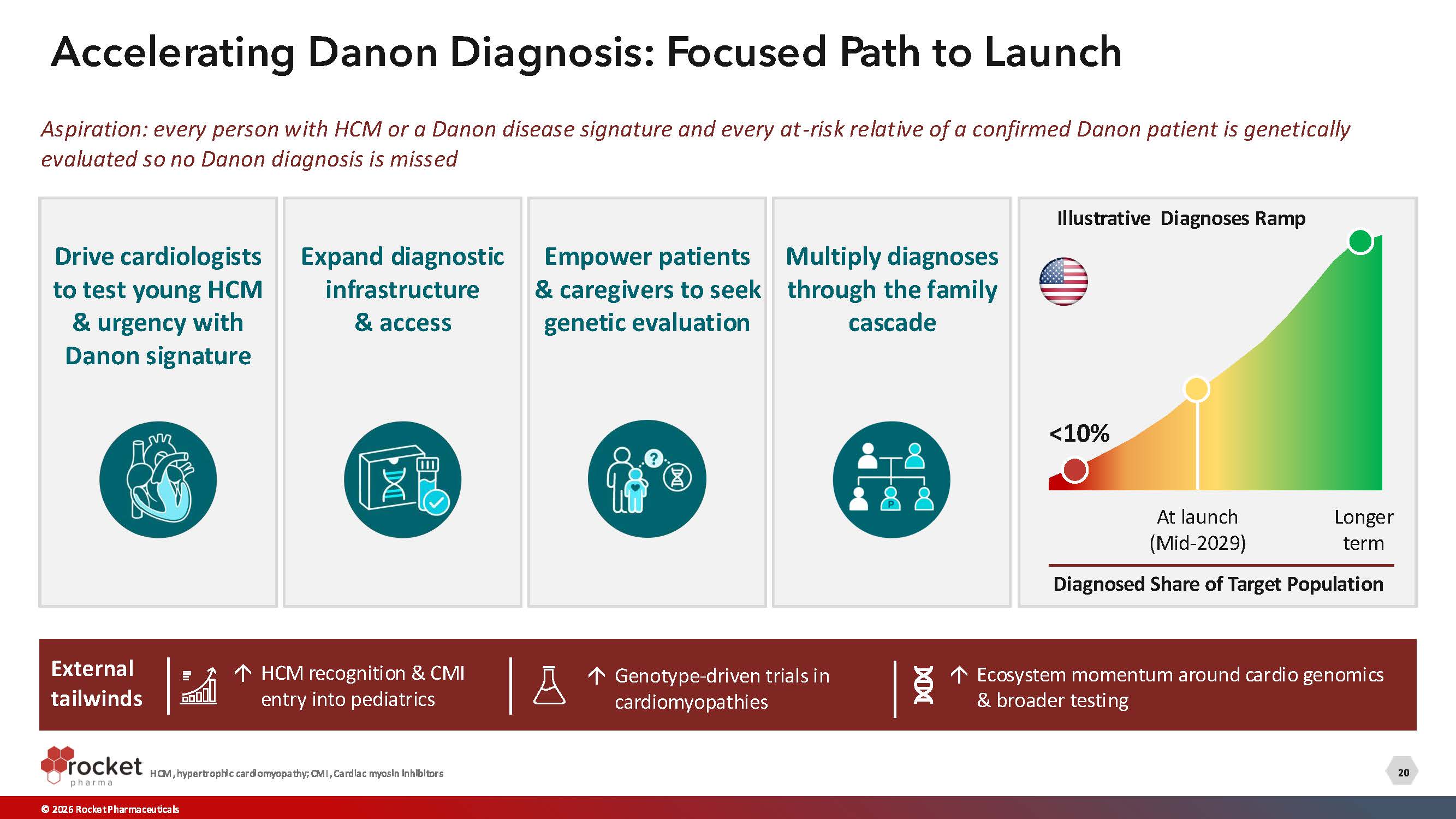
20 Accelerating Danon Diagnosis: Focused Path to Launch Aspiration: every
person with HCM or a Danon disease signature and every at-risk relative of a confirmed Danon patient is genetically evaluated so no Danon diagnosis is missed Illustrative Diagnoses Ramp External tailwinds HCM recognition & CMI entry
into pediatrics Ecosystem momentum around cardio genomics & broader testing Genotype-driven trials in cardiomyopathies <10% At launch (Mid-2029) Longer term Diagnosed Share of Target Population Drive cardiologists to test
young HCM & urgency with Danon signature Expand diagnostic infrastructure & access Empower patients & caregivers to seek genetic evaluation Multiply diagnoses through the family cascade HCM, hypertrophic cardiomyopathy; CMI,
Cardiac myosin inhibitor s © 2026 Rocket Pharmaceuticals
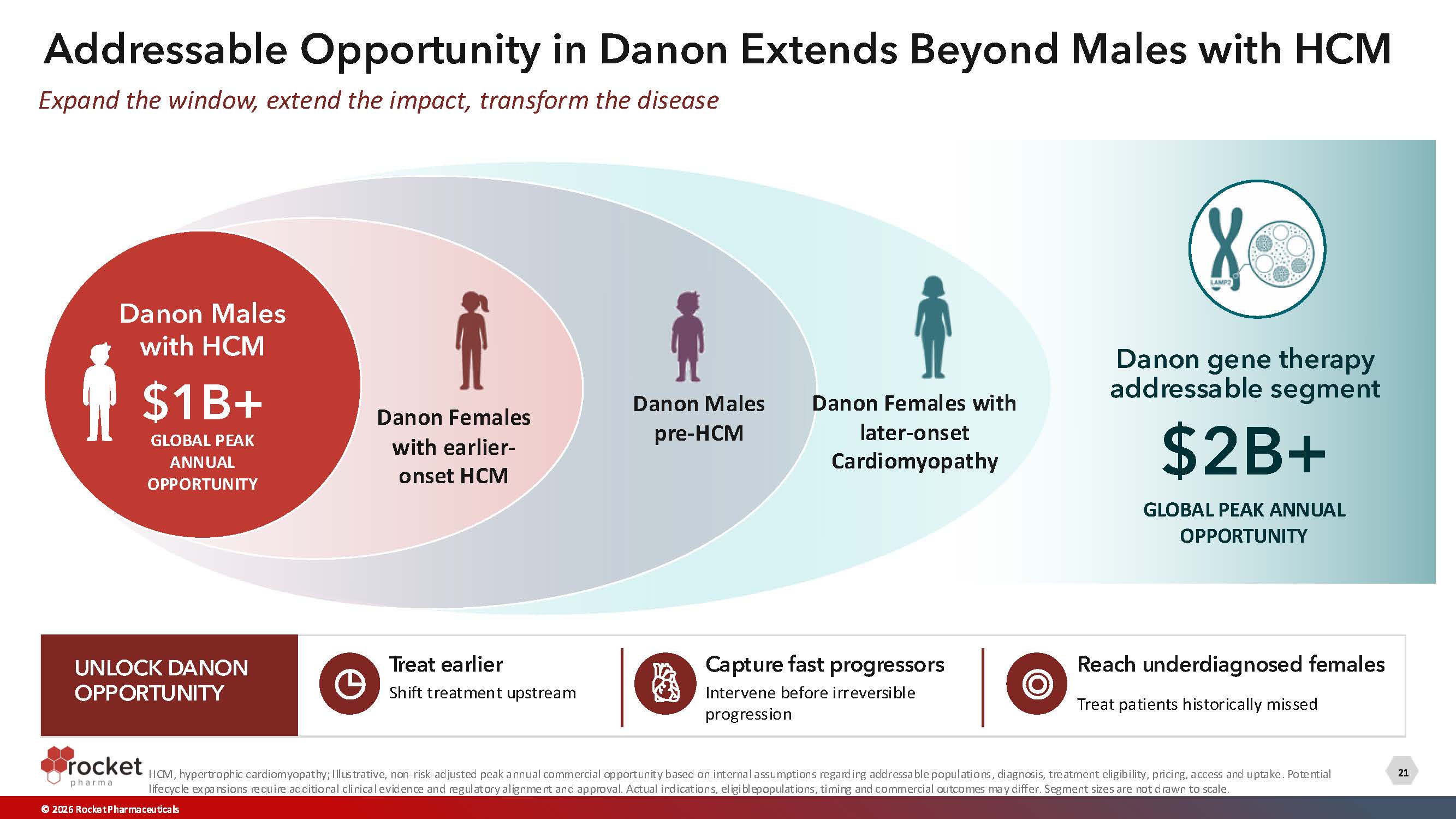
21 Addressable Opportunity in Danon Extends Beyond Males with HCM Expand the
window, extend the impact, transform the disease HCM, hypertrophic cardiomyopathy; Illustrative, non-risk-adjusted peak annual commercial opportunity based on internal assumptions regarding addressable populations, diagnosis, treatment
eligibility, pricing, access and uptake. Potential lifecycle expansions require additional clinical evidence and regulatory alignment and approval. Actual indications, eligiblepopulations, timing and commercial outcomes may differ. Segment
sizes are not drawn to scale. Danon Females with earlier-onset HCM Danon Males with HCM $1B+ GLOBAL PEAK ANNUAL OPPORTUNITY UNLOCK DANON OPPORTUNITY ◷ Treat earlier Shift treatment upstream Capture fast progressors Intervene before
irreversible progression ◎ Reach underdiagnosed females Treat patients historically missed Danon Males pre-HCM Danon Females with later-onset Cardiomyopathy Danon gene therapy addressable segment $2B+ GLOBAL PEAK
ANNUAL OPPORTUNITY © 2026 Rocket Pharmaceuticals
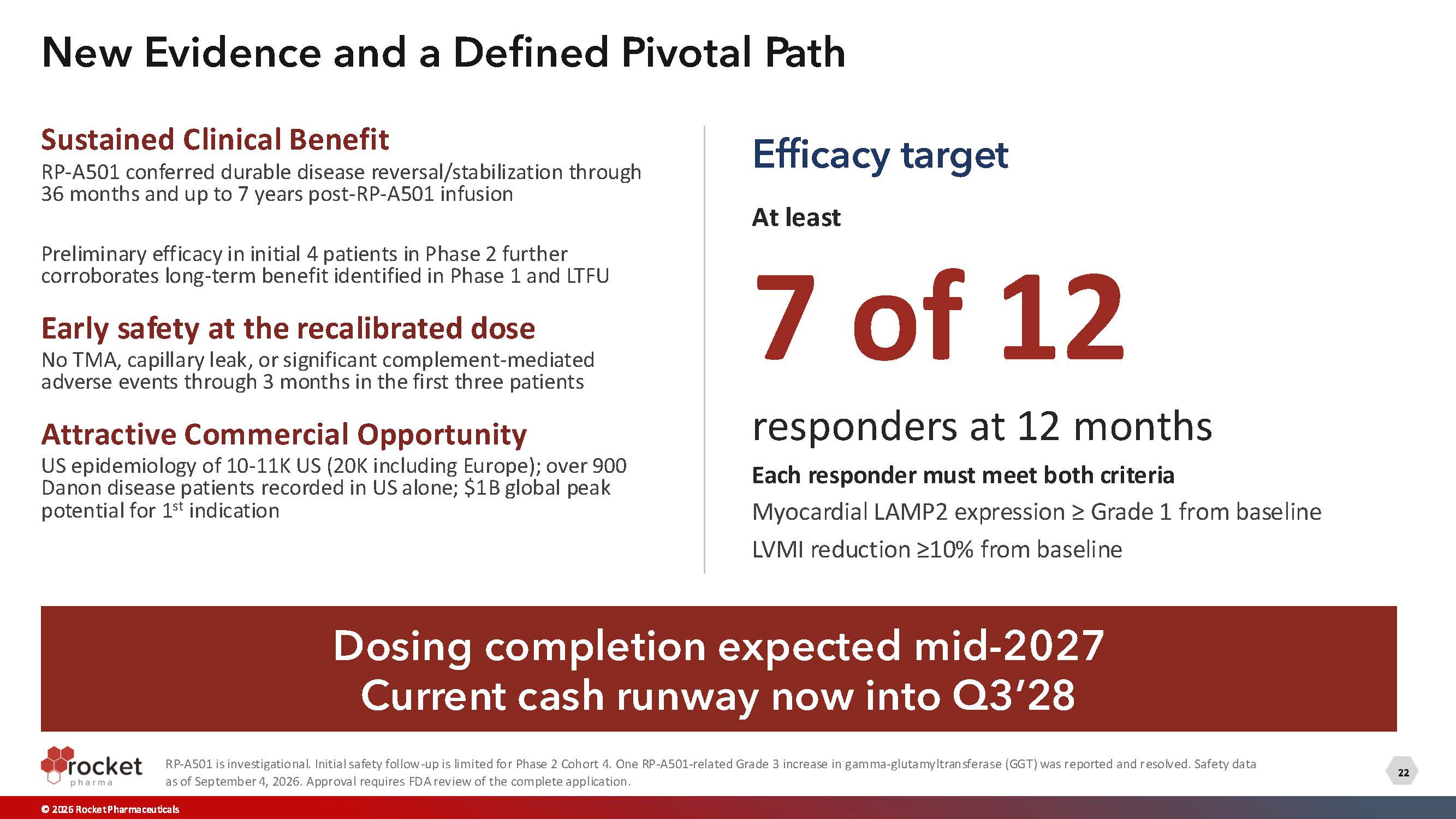
22 New Evidence and a Defined Pivotal Path Sustained Clinical Benefit RP-A501
conferred durable disease reversal/stabilization through 36 months and up to 7 years post-RP-A501 infusion Preliminary efficacy in initial 4 patients in Phase 2 further corroborates long-term benefit identified in Phase 1 and LTFU Early
safety at the recalibrated dose No TMA, capillary leak, or significant complement-mediated adverse events through 3 months in the first three patients Attractive Commercial Opportunity US epidemiology of 10-11K US (20K including Europe);
over 900 Danon disease patients recorded in US alone; $1B global peak potential for 1st indication Efficacy target At least 7 of 12 responders at 12 months Each responder must meet both criteria Myocardial LAMP2 expression ≥ Grade 1
from baseline LVMI reduction ≥10% from baseline © 2026 Rocket Pharmaceuticals Dosing completion expected mid-2027 Current cash runway now into Q3’28 RP-A501 is investigational. Initial safety follow-up is limited for Phase 2 Cohort 4. One
RP-A501-related Grade 3 increase in gamma-glutamyltransferase (GGT) was reported and resolved. Safety data as of September 4, 2026. Approval requires FDA review of the complete application.