Exhibit 1.01
CONFLICT MINERALS REPORT OF
SIGHT SCIENCES, INC.
FOR THE REPORTING PERIOD FROM
JANUARY 1 TO DECEMBER 31, 2024
This is the Conflict Minerals Report1 of Sight Sciences, Inc. (“we,” “our,” “us,” “Sight Sciences,” or the “Company”) prepared for calendar year 2024 in accordance with Rule 13p-1 (“Rule 13p-1”) under the Securities Exchange Act of 1934 (the “Act”). Numerous terms in this Report are defined in Rule 13p-1 of the Act and SEC Release No. 34-67716 (August 22, 2012) under the Act (the “Adopting Release”). The reader is referred to these sources for the definitions of defined terms contained herein.
In accordance with Rule 13p-1, we undertook efforts to determine the presence and source of the conflict minerals within our products. The Company designed its efforts in conformity with the internationally recognized due diligence framework set forth in the Organisation for Economic Co-operation and Development (“OECD”) Due Diligence Guidance for Responsible Supply Chains of Minerals from Conflict-Affected and High-Risk Areas2 (“OECD Due Diligence Guidance”) and related Supplements.
The statements below are based on the activities performed to date in good faith by the Company and are based on the infrastructure and information available at the time of this filing. Factors that could affect the accuracy of these statements include, but are not limited to, incomplete supplier data or available smelter data, errors or omissions by suppliers or smelters, evolving identification of smelters, incomplete information from industry or other third-party sources, continuing guidance regarding the SEC final rules, and other issues.
Company Profile
Our mission is to develop transformative, interventional technologies that allow eyecare provides to procedurally elevate the standards of care – empowering people to keep seeing. We are passionate about improving patients’ lives by helping them to preserve their sight. Our business philosophy is grounded in the following principles: comprehensively understanding disease physiology; developing products and transformative technologies that are intended to preserve, protect, or restore natural physiological functionality to diseased eyes; commercializing products with high quality clinical evidence that can elevate the standard of care; providing intuitive, interventional solutions to ophthalmologists and optometrists (together, "eyecare professionals" or "ECPs"); and delivering compelling economic value to all stakeholders, including patients, providers and third-party payors such as Medicare and commercial insurers. Our objective is to develop and market products for use in new treatment paradigms and to create an interventional mindset in eyecare whereby our technologies may be used in procedures which supplant conventional outdated approaches.
We are subject to this rule as we have determined that, during 2024, conflict minerals were likely necessary to the functionality or production of products we manufactured or contracted to manufacture. The Company, as a purchaser of component parts, is many steps removed from the mining of conflict minerals. We do not purchase raw ore or unrefined conflict minerals and we conduct no purchasing activities directly in the DRC or adjoining countries.
Conflict Minerals Policy
The Company developed a conflict minerals policy statement to support the goals expressed by Congress in enacting Section 1502 of the Dodd-Frank Wall Street Reform and Consumer Protection Act. The policy highlights the Company’s commitment to complying with the reporting and due diligence obligations required by the SEC rule and the Company’s expectations from its suppliers. In addition, the policy includes language about our expectation that our suppliers have policies and programs in place to conduct responsible conflict minerals sourcing within their own supply chains in accordance with the OECD Guidance. We require our in-scope suppliers to complete and promptly provide us with a current Conflict Minerals Reporting Template upon request and demonstrate that they are working to source conflict minerals from smelters and refiners that have completed an industry-standard third-party audit. The policy resides on our corporate website (https://investors.sightsciences.com/corporate-governance/governance-overview). This policy is reviewed and updated periodically as needed.
Reasonable Country of Origin Inquiry Information
We have conducted a good faith reasonable country of origin inquiry (“RCOI”) to determine whether the necessary conflict minerals originated in the DRC or an adjoining country or came from recycled or scrap sources.
The Company’s RCOI process included reviewing the products manufactured or contracted to be manufactured during the Reporting Period to identify products that should be deemed in-scope as described by the Adopting Release and conducting an inquiry of our direct suppliers of the in-scope products using the Responsible Minerals Initiative’s (“RMI”) Conflict Minerals Reporting Template (“CMRT”). Based on the results of our RCOI which indicated sourcing from the DRC or an adjoining country, we exercised due diligence on the source and chain of custody of the conflict minerals in accordance with the OECD Due Diligence Guidance. Our due diligence efforts are described further in this Conflict Minerals Report.
Due Diligence Program Design
The Company designed its conflict minerals program to conform, in all material respects, with the five-step framework of the OECD Due Diligence Guidance, the Supplement on Tin, Tantalum, and Tungsten, and the Supplement on Gold, specifically as they relate to our position in the minerals supply chain as a “downstream” company:
Step 1: Establish strong company management systems
Step 2: Identify and assess risks in the supply chain
Step 3: Design and implement a strategy to respond to identified risks
Step 4: Carry out independent third-party audit of smelter/refiner's due diligence practices
Step 5: Report annually on supply chain due diligence
III.Due Diligence Measures Performed by The Company
The following describes the measures taken to reasonably determine the country of origin and to exercise due diligence in the mineral supply chain in conformance with the OECD Due Diligence Guidance.
Step 1: Establish strong company management systems
a.Conflict minerals team – The Company established a conflict minerals team that includes individuals from the relevant business units and departments, including compliance, IT, procurement, sales, and legal. The team was structured to include the involvement from those in upper management roles, including VP Corporate Finance, Chief Legal Officer, VP, Global Compliance, VP, IT and EVP, Operations, to help ensure that critical information, including the Company’s Conflict Minerals Policy, reached relevant employees and suppliers.
b.Conflict Minerals Policy – The Company adopted and published a Conflict Minerals Policy establishing the expectations of our suppliers. The Conflict Minerals Policy resides on our corporate website (https://investors.sightsciences.com/corporate-governance/governance-overview). The Company’s supplier agreement template terms and conditions require suppliers to comply with the applicable conflict minerals laws, rules, and regulations governing conflict minerals.
c.Supplier engagement – The Company communicated its conflict minerals policy and provided educational materials to our in-scope suppliers. Suppliers were informed when the request for information was initiated on the conflict minerals disclosure requirements as well as recommendations for developing, implementing, and documenting a conflict minerals compliance program.
d.Company level grievance mechanism – As recommended by the OECD Due Diligence Guidance, the Company has a grievance mechanism in place as a risk-awareness system for conflict minerals issues. Stakeholders, internal and external, can communicate directly and confidentially with our compliance officer.
e.Records management – The Company will maintain records relating to our conflict minerals program in accordance with the recommended record retention guidelines of five years.
Step 2: Identify and assess risks in the supply chain
We performed the following steps as part of our risk assessment process:
a.Identified products in scope – Our conflict minerals team conducted a detailed review of the products manufactured or contracted to be manufactured during the Reporting Period to identify products that should be deemed in-scope as described by the Adopting Release.
b.Conducted RCOI – The Company utilized the most recent version of the industry-developed CMRT to query our suppliers for conflict minerals information. We requested this information from the Tier 1 suppliers who provide materials and components for the products deemed in-scope by our conflict minerals team. We evaluated the responses from the templates submitted by our suppliers to determine our reporting obligation based on this RCOI. See Appendix I for a list of countries of origin identified through the RCOI process.
c.Completed additional follow-up – The Company contacted our direct suppliers multiple times to request detailed conflict minerals information. We also worked to clarify and validate the accuracy of information provided by our suppliers by responding with standardized feedback questions to address any issues or uncertainty with the template provided when necessary and/or obtaining additional information upon request (product identification, order numbers, or shipping addresses) to help ensure we are receiving conflict minerals information specific to our supply-chain.
d.Identified smelters or refiners (“SORs”) – The Company compiled a list of SORs in our supply chain using our suppliers’ responses in their CMRTs. The Company reconciled this list to the list of smelter facilities designated by the RMI’s Responsible Minerals Assurance Process (“RMAP”). The RMAP completes independent, third-party audits of smelters and refiners to determine which can be validated as having systems in place that help ensure the minerals are responsibly sourced according to the OECD Due Diligence Guidance. The company also utilized information provided by the London Bullion Market Association (“LBMA”), and Responsible Jewelry Council (“RJC”) cross-recognition audit programs. The Company maintains a database of smelter aliases to reconcile suppliers’ smelters lists to the list of RMI SORs. We have provided that list in this report within section IV – Product Description; Processing Facilities.
e.Performed smelter due diligence with suppliers - Suppliers that reported smelters deemed to be high risk received an additional communication asking them to clarify if those smelters are reflective of the purchases made and to continue due diligence on their supply chains. High risk smelters are those that have not yet undergone a third-party audit or have been deemed non-conformant.
Step 3: Design and implement a strategy to respond to identified risks
We performed the following steps as part of our risk management plan:
a.Reporting results to senior management – The Conflict Minerals team reports the results of our RCOI to upper management at multiple points in time throughout the data collection period which included the team’s plan to respond to risks identified in the due diligence processes.
b.Designed and implemented a plan – The Company used established risk rating criteria to evaluate suppliers based on the responses provided within their CMRT, as well as, any additional documentation furnished to support those responses and the suppliers’ due diligence processes. The resulting
risk ratings were used to develop specific supplier outreach and training to address the identified risks and to take corrective actions with suppliers found not in compliance with the Company’s conflict minerals policy. This includes additional outreach to suppliers who failed to respond to our multiple requests for information, suppliers who provided inconsistent or erroneous information, and suppliers who indicated they had received responses from less than 50% of their in-scope suppliers. Our team further reviews the responses to verify the validity of SORs reported by our suppliers, the audit status of such SORs and the country of origin of the minerals processed at such facilities.
c.Provided educational materials – The Company provided each supplier with educational materials that explain Section 1502 of the Dodd Frank Act, the OECD framework, the RCOI process, and general information on the contents of the most recent revision of the CMRT (including definitions of common phrases and frequently asked questions). The educational material serves as a point of reference for suppliers that are unfamiliar with the rule and helps limit the risk of obtaining inaccurate information from them. Throughout the process we offer assistance to our suppliers to improve the quality of the information provided to us.
d.Provided conflict minerals policy to suppliers - After working with a supplier to obtain as CMRT, we provide them with a copy of our conflict minerals policy for their records to ensure our suppliers continue to operate in line with our expectations.
e.Identified SORs – As part of the risk mitigation process, the Company reconciled the list of SORs collected from suppliers to the list of smelter facilities validated by the RMI. The Company maintains a database of smelter aliases to reconcile suppliers’ smelters lists to the list of RMI SORs.
Step 4: Carry out independent third-party audit of smelter/refiner's due diligence practices
The Company is using information provided by independent third-party audit programs, including the RMI RMAP, LBMA, and RJC, to confirm the existence and verify the OECD-conformance status of SORs identified during our due diligence.
For SORs that had not been audited as conformant, the Company sent a communication to encourage participation in the RMAP and requested the SOR to provide the mines and/or locations the SOR sources from to assist in identifying all countries of origin. Additionally, the Company sent communications to all suppliers that reported SORs that had not been audited as conformant to request that these suppliers contact the SORs to encourage participation in the RMAP.
Step 5: Report annually on supply chain due diligence
Accordingly, this Conflict Minerals Report has been filed with the SEC and is available on our website at https://investors.sightsciences.com/financial-information/sec-filings.
IV. Product Description; Processing Facilities
Product Description – We have focused our initial product development efforts on the treatment of two of the world’s most prevalent and underserved eye diseases, glaucoma and dry eye disease (“DED”). We have designed OMNI®, SION® and TearCare® to be interventional ophthalmology devices.
OMNI® Surgical System
The OMNI Surgical System (“OMNI”) is a handheld, single use, therapeutic device for minimally invasive glaucoma surgery (“MIGS”). OMNI is an implant-free, minimally invasive technology indicated in the United States for canaloplasty (microcatheterization and transluminal viscodilation of Schlemm’s canal) followed by trabeculotomy (cutting of trabecular meshwork) to reduce intraocular pressure in adult patients with primary open-angle glaucoma, and CE Marked in the European Economic Area for the catheterization and transluminal viscodilation of Schlemm’s canal and the cutting of trabecular meshwork to reduce intraocular pressure in adult patients with open-angle glaucoma.
SION® Surgical Instrument
The SION Surgical Instrument (“SION”) is registered with the FDA as a Class I 510(k) exempt device. SION’s bladeless design, micro-engineered and precision manufactured using specialized lasers, excises trabecular meshwork without cutting in ophthalmic surgical procedures. SION grasps and removes diseased tissue as the surgeon sweeps the instrument around Schlemm’s canal with a single smooth motion. The bladeless technology of SION was developed with leading ophthalmic surgeons to improve safety and ease of use by eliminating the need to navigate sharp instrumentation within the eye’s anterior chamber and iridocorneal angle anatomy.
TearCare® System
The TearCare® System is intended for the application of localized heat therapy in adult patients with evaporative dry eye disease due to meibomian gland dysfunction (“MGD”), when used in conjunction with manual expression of the meibomian glands. The TearCare System includes a pair of single-use SmartLids, the first wearable, highly conformant, precision heating device for the eyelids. SmartLids® allow for eyes to be open and blink during the thermal portion of the process and are software-controlled, delivering precise heat to the tarsal plates of the eyelids directly overlying the meibomian glands while continuously monitoring temperature and communicating 144 times per second with the SmartHub®, a compact, finely calibrated power source and control unit which can make instantaneous adjustments to ensure delivery of the desired amount of heat and therapeutic temperature level.
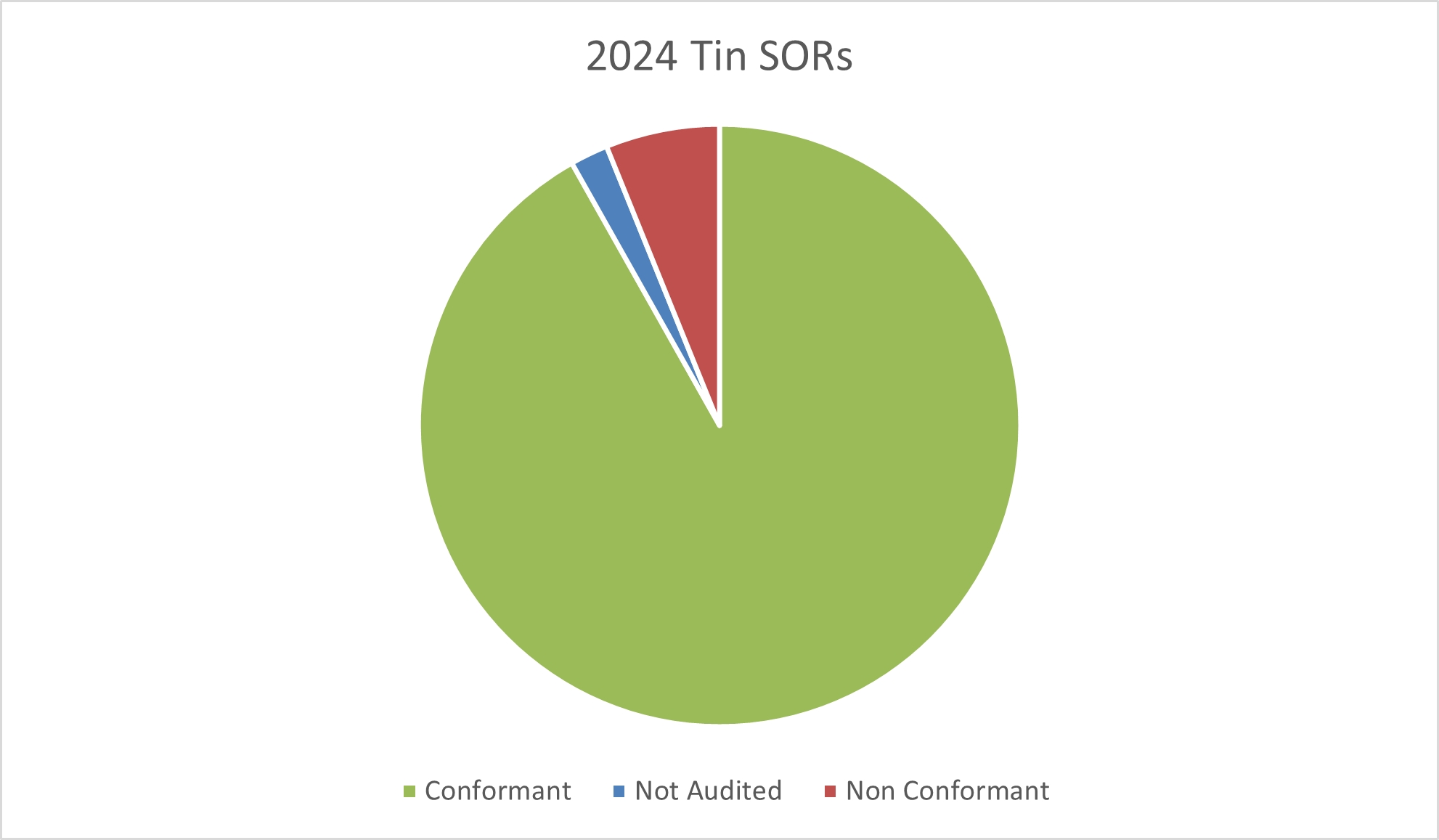
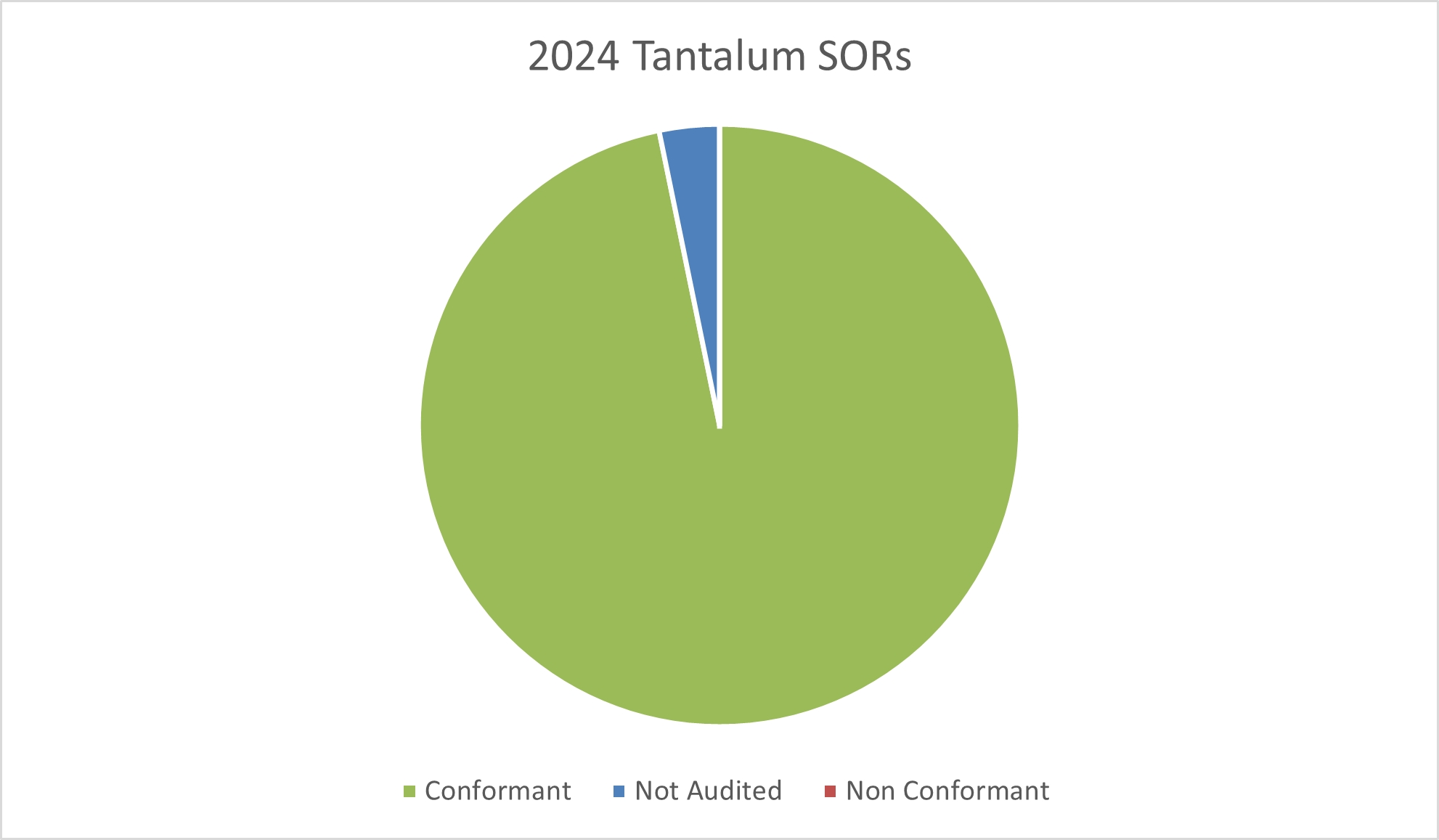
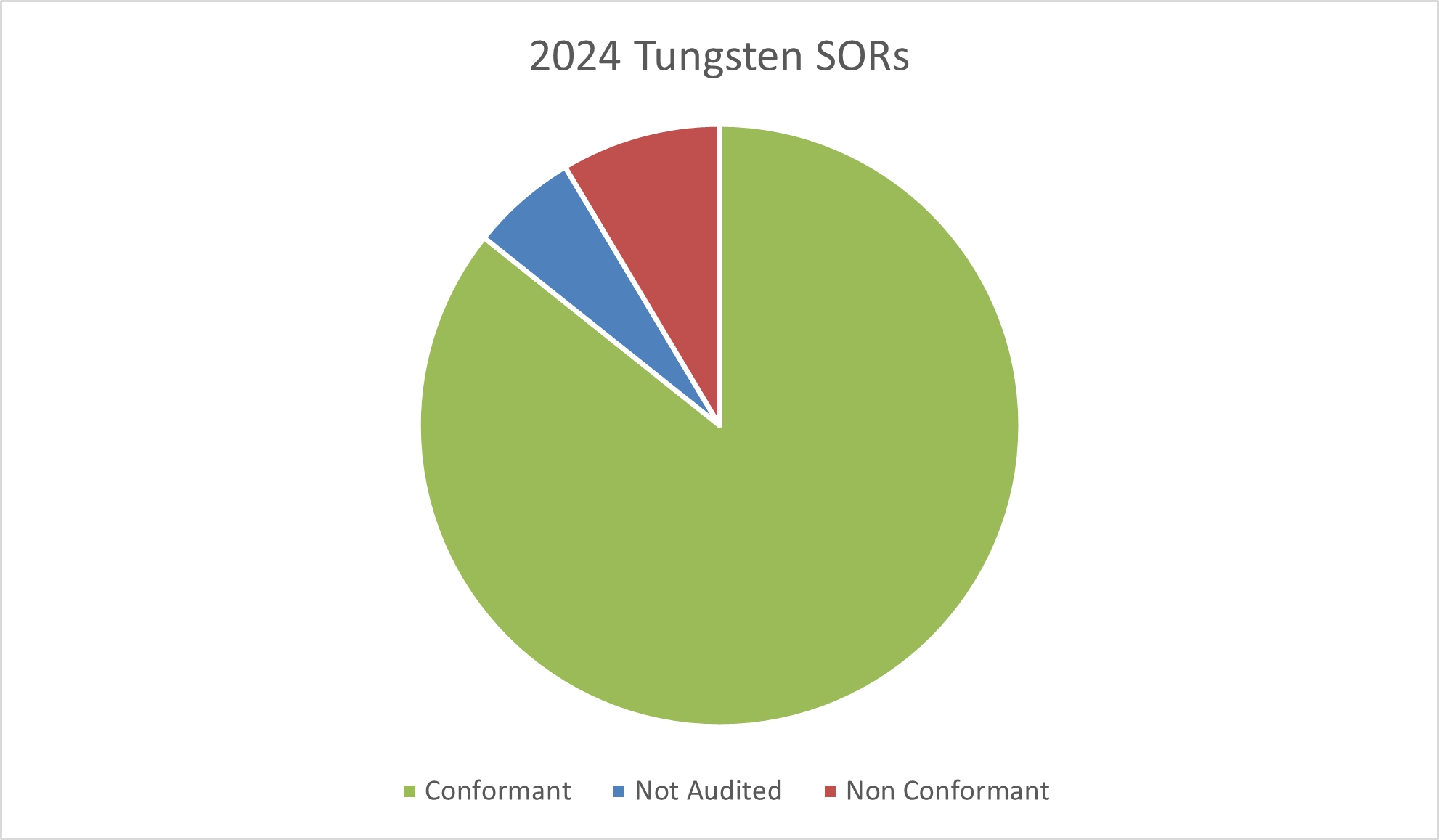
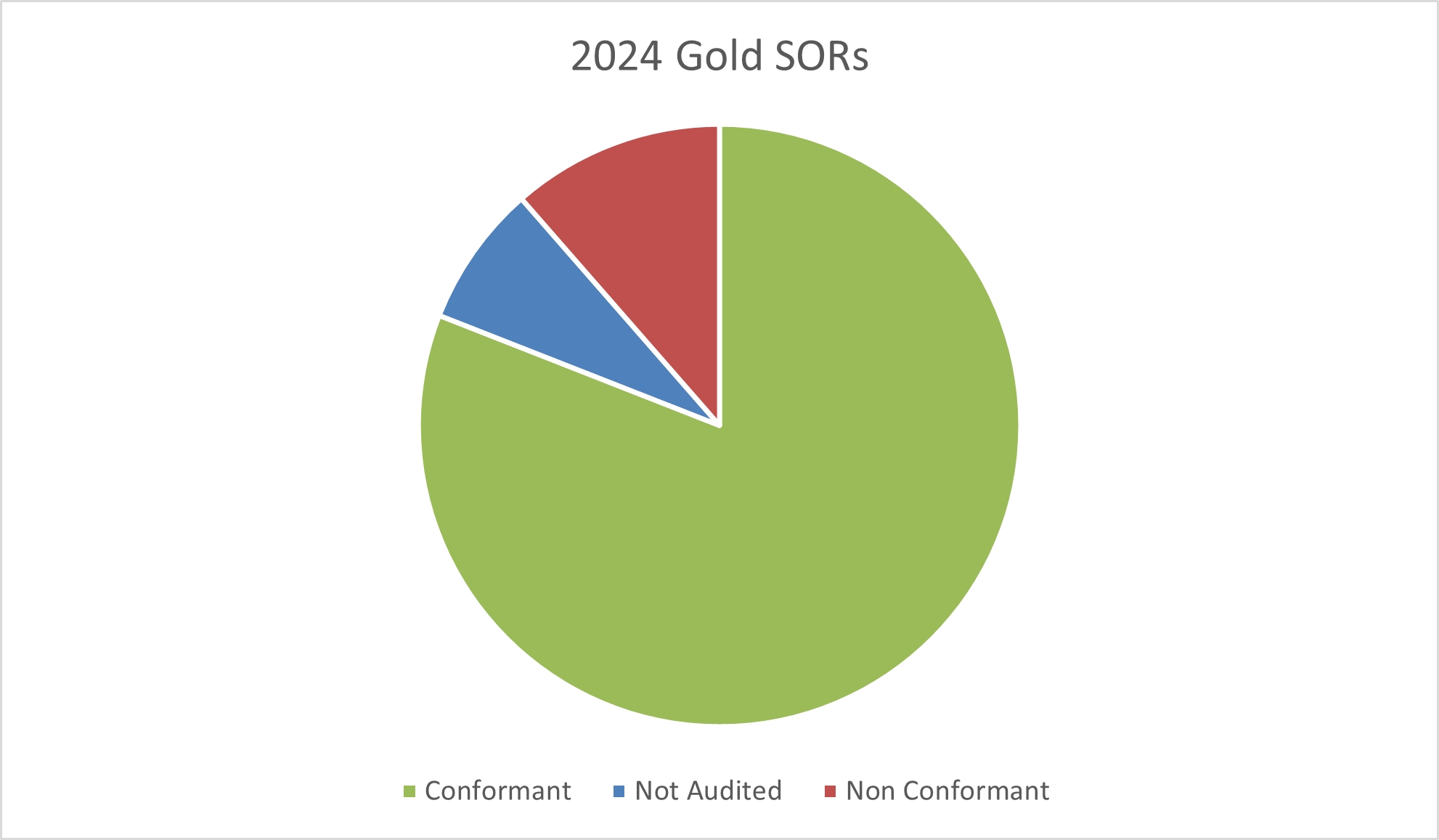
Processing Facilities – Based on our due diligence process and the information received from our suppliers, the following facilities were identified by the Company’s suppliers as the smelters and refiners of the tin, tantalum, tungsten and/or gold present in and necessary to the functionality of products manufactured by the Company in the calendar year ended December 31, 2024. The information from our suppliers is still evolving and may contain company-level declarations. As such, this smelter list is presented in good faith as the best information we have to date. For 2024 we identified 220 SORs in our supply chain, 190 have been audited as conformant with the RMAP. This list may contain smelters that are not in our supply chain and/or there may be other smelters not yet identified in our due diligence process. We will continue to update the list as our information and the relevant third-party data from RMI, LBMA, and RJC when (or if) we receive updated information.
|
|
|
|
Tungsten |
Masan High-Tech Materials |
VIET NAM |
CID002543 |
Tungsten |
Moliren Ltd. |
RUSSIAN FEDERATION |
CID002845 |
Tungsten |
Niagara Refining LLC |
UNITED STATES OF AMERICA |
CID002589 |
Tungsten |
Philippine Chuangxin Industrial Co., Inc. |
PHILIPPINES |
CID002827 |
Tungsten |
Unecha Refractory metals plant |
RUSSIAN FEDERATION |
CID002724 |
Tungsten |
Wolfram Bergbau und Hutten AG |
AUSTRIA |
CID002044 |
Tungsten |
Xiamen Tungsten (H.C.) Co., Ltd. |
CHINA |
CID002320 |
Tungsten |
Xiamen Tungsten Co., Ltd. |
CHINA |
CID002082 |
We will continue to communicate our expectations and information requirements to our direct suppliers. Over time, we anticipate that the amount of information available globally on the traceability and sourcing of these ores will increase and improve our knowledge. We will continue to make inquiries to our direct suppliers and undertake additional risk assessments when relevant changes in facts or circumstances are identified. If we become aware of a supplier whose due diligence needs improvement, we may continue the trade relationship while that supplier improves its compliance program. We expect our suppliers to take similar measures with their suppliers to help ensure alignment throughout the supply chain.
In addition to those above, the Company will undertake the following steps during the next compliance period:
•Review the conflict minerals policy statement and update if necessary.
•Review supplier training materials and update if necessary.
•Continue to collect responses from suppliers using the most recent revision of the CMRT.
•Engage with suppliers that did not provide a response in 2024 or provided incomplete responses to enhance our data collection for 2025.
•Monitor and track performance of risk mitigation efforts.
•Continue engagement with smelters by sending letters to those that have not been audited as conformant.
•Continue to send messages to our suppliers to engage with smelters that have not been audited as conformant.
•Collect from suppliers product-level or user-defined level responses where useful.
•Compare and validate RCOI results to information collected via independent third-party audit programs, such as the RMI, and through our Company’s own coordinated outreach to smelters.
•Encourage responsible sourcing from the DRC and adjoining countries.
• Stay aware of new and related sourcing challenges that affect smelter audit status.
1The term “conflict mineral” is defined in Section 1502(e)(4) of the Dodd-Frank Wall Street Reform and Consumer Protection Act as (A) columbite-tantalite, also known as coltan (the metal ore from which tantalum is extracted); cassiterite (the metal ore from which tin is extracted); gold; wolframite (the metal ore from which tungsten is extracted); or their derivatives; or (B) any other mineral or its derivatives determined by the Secretary of State to be financing conflict in the Democratic Republic of the Congo (“DRC”) or an adjoining country.
2 OECD (2016), OECD Due Diligence Guidance for Responsible Supply Chains of Minerals from Conflict-Affected and High-Risk Areas: Third Edition, OECD Publishing, Paris. http://dx.doi.org/10.1787/9789264252479-en
APPENDIX I – Countries of Origin
The information provided in this Appendix is based on the information collected from the Company’s suppliers.
|
|
Australia |
Nicaragua |
Benin |
Niger |
Bolivia (Plurinational State of) |
Nigeria |
Brazil |
Papua New Guinea |
Burundi |
Peru |
Canada |
Philippines |
Chile |
Portugal |
China |
Russian Federation |
Colombia |
Rwanda |
Congo, Democratic Republic of the |
Sierra Leone |
Ethiopia |
South Africa |
France |
Spain |
Guyana |
Sweden |
Indonesia |
Tanzania |
Japan |
Thailand |
Laos |
Uganda |
Madagascar |
United Kingdom of Great Britain and Northern Ireland |
Malaysia |
United States of America |
Mongolia |
Uzbekistan |
Mozambique |
Vietnam |
Myanmar |
Zambia |
Namibia |
Zimbabwe |