STANDARD LITHIUM LTD.
ANNUAL INFORMATION FORM
for the Fiscal Year ended June 30, 2023
Dated September 21, 2023
CORPORATE OFFICE
Suite 1625, 1075 West Georgia Street
Vancouver, British Columbia, V6E 3C9
REGISTERED OFFICE
Suite 2200, 885 West Georgia Street
Vancouver, British Columbia, V6C 3E8
| 4 | |
| 4 | |
Cautionary Notes to U.S. Investors Concerning Resource Estimates | | 4 |
| 4 | |
| 5 | |
| 5 | |
| 7 | |
| 7 | |
| 7 | |
| 9 | |
| 9 | |
| 9 | |
| 13 | |
| 14 | |
| 14 | |
| 20 | |
| 20 | |
| 21 | |
| 21 | |
| 21 | |
| 21 | |
| 22 | |
| 22 | |
| 22 | |
| 22 | |
| 22 | |
| 23 | |
| 23 | |
| 23 | |
| 24 | |
| 24 | |
| 25 | |
| 26 | |
| 27 | |
| 28 | |
| 30 | |
| 33 | |
| 33 | |
| 35 | |
| 37 | |
| 38 | |
| 40 | |
| 41 | |
| 45 | |
| 64 |
| 65 | |
| 65 | |
| 65 | |
| 66 | |
ESCROWED SECURITIES AND SECURITIES SUBJECT TO CONTRACTUAL RESTRICTIONS ON TRANSFER | | 66 |
| 66 | |
Name, Province or State, Country of Residence and Offices Held | | 66 |
| 67 | |
| 67 | |
| 68 | |
| 68 | |
| 69 | |
| 69 | |
| 69 | |
| 69 | |
| 69 | |
| 69 | |
| 69 | |
| 70 | |
| 70 | |
| 70 | |
| 70 | |
| 71 | |
| 71 | |
| 71 | |
| 72 | |
| A-1 |
PRELIMINARY NOTES AND CAUTIONARY STATEMENT
All information in this Annual Information Form (“AIF”) is as of June 30, 2023, unless otherwise indicated.
Cautionary Notes to U.S. Investors Concerning Resource Estimates
This AIF has been prepared in accordance with the requirements of the securities laws in effect in Canada, which differ from the requirements of the U.S. securities laws. In particular, and without limiting the generality of the foregoing, the terms “mineral reserve”, “proven mineral reserve”, “probable mineral reserve”, “inferred mineral resources,” “indicated mineral resources,” “measured mineral resources” and “mineral resources” used or referenced in this AIF are Canadian mineral disclosure terms as defined in accordance with National Instrument 43-101 – Standards of Disclosure for Mineral Projects (“NI 43-101”) under the guidelines set out in the 2014 Canadian Institute of Mining, Metallurgy and Petroleum Standards for Mineral Resources and Mineral Reserves, Definitions and Guidelines, May 2014 (the “CIM Standards”). The CIM Standards differ from the mineral property disclosure requirements of the U.S. Securities and Exchange Commission (the “SEC”) in Regulation S-K Subpart 1300 (the “SEC Modernization Rules”) under the U.S. Securities Act of 1933, as amended (the “Securities Act”).
As a foreign private issuer that is eligible to file reports with the SEC pursuant to the multi-jurisdictional disclosure system, the Company (as defined below) is not required to provide disclosure on its mineral properties under the SEC Modernization Rules and will continue to provide disclosure under NI 43-101 and the CIM Standards. Accordingly, the Company’s disclosure of mineralization and other technical information may differ significantly from the information that would be disclosed had the Company prepared the information under the standards adopted under the SEC Modernization Rules.
This AIF includes certain performance measures (“non-GAAP measures”) which are not specified, defined, or determined under generally accepted accounting principles (in the Company’s case, International Financial Reporting Standards, or “IFRS”).
These are common performance measures in the lithium mining industry, but because they do not have any mandated standardized definitions, they may not be comparable to similar measures presented by other issuers. Accordingly, the Company uses such measures to provide additional information and readers should not consider them in isolation or as a substitute for measures of performance prepared in accordance with generally accepted accounting principles (“GAAP”).
All-In Operating Costs
The Company has provided an all-in operating cost performance measure for the Lanxess Property Project (as defined below) and South West Arkansas Project (as defined below) that reflects both direct costs and indirect costs, as well as allowances for mine closure. The majority of the all-in operating cost comprises reagent usage required to extract lithium from the brine, as
4
well as conversion to battery quality lithium carbonate and LHM (as defined below) and electricity consumption. While there is no standardized meaning of the measure across the industry, the Company believes that this measure is useful to external users in assessing operating performance. Upon commencing commercial production and reporting all-in operating costs, the Company will provide a reconciliation to IFRS figures then presented.
Except where otherwise indicated, all references to currency in this AIF are to Canadian Dollars (“$”).
Except for statements of historical fact, this AIF contains certain “forward-looking information” within the meaning of applicable Canadian securities legislation and “forward-looking statements” within the meaning of the United States Private Securities Litigation Reform Act of 1995 (collectively referred to herein as “forward-looking information”). The statements relate to future events or the Company’s future performance. All statements, other than statements of historical fact, may be forward-looking information. Information concerning mineral resource and mineral reserve estimates also may be deemed to be forward-looking information in that it reflects a prediction of mineralization that would be encountered if a mineral deposit were developed and mined. Forward-looking information generally can be identified by the use of words such as “seek”, “anticipate”, “plan”, “continue”, “estimate”, “expect”, “may”, “will”, “project”, “predict”, “propose”, “potential”, “target”, “intend”, “could”, “might”, “should”, “believe”, “scheduled”, “implement” and similar words or expressions. These statements involve known and unknown risks, uncertainties and other factors that may cause actual results or events to differ materially from those anticipated in such forward-looking information.
In particular, this AIF contains forward-looking information, including, without limitation, with respect to the following matters or the Company’s expectations relating to such matters: the Company’s planned exploration and development programs (including, but not limited to, plans and expectations regarding advancement, testing and operation of the lithium extraction pilot plant); commercial opportunities for lithium products; delivery of studies; filing of technical reports; expected results of exploration; accuracy of mineral or resource exploration activity; accuracy of mineral reserves or mineral resources estimates, including the ability to develop and realize on such estimates; whether mineral resources will ever be developed into mineral reserves, and information and underlying assumptions related thereto; budget estimates and expected expenditures by the Company on its properties; regulatory or government requirements or approvals; the reliability of third party information; continued access to mineral properties or infrastructure; payments and share issuances pursuant to property agreements; fluctuations in the market for lithium and its derivatives; expected timing of the expenditures; performance of the Company’s business and operations; changes in exploration costs and government regulation in Canada and the United States; competition for, among other things, capital, acquisitions, undeveloped lands and skilled personnel; changes in commodity prices and exchange rates; currency and interest rate fluctuations; the Company’s funding requirements and ability to raise capital; geopolitical instability; war (such as Russia’s invasion of Ukraine); and other factors or information.
Forward-looking information does not take into account the effect of transactions or other items
5
announced or occurring after the statements are made. Forward-looking information is based upon a number of expectations and assumptions and is subject to a number of risks and uncertainties, many of which are beyond the Company’s control, that could cause actual results to differ materially from those that are disclosed in or implied by such forward-looking information. With respect to forward-looking information listed above, the Company has made assumptions regarding, among other things: current technological trends; ability to fund, advance and develop the Company’s properties; the Company’s ability to operate in a safe and effective manner; uncertainties with respect to receiving, and maintaining, mining, exploration, environmental and other permits; pricing and demand for lithium, including that such demand is supported by growth in the electric vehicle market and the energy storage market; impact of increasing competition; commodity prices, currency rates, interest rates and general economic conditions; the legislative, regulatory and community environments in the jurisdictions where the Company operates; impact of unknown financial contingencies; market prices for lithium products; budgets and estimates of capital and operating costs; estimates of mineral resources and mineral reserves; reliability of technical data; the ability to negotiate access agreements on commercially reasonable terms, anticipated timing and results of operation and development; inflation; and war (such as Russia’s invasion of Ukraine). Although the Company believes that the assumptions and expectations reflected in such forward-looking information are reasonable, the Company can give no assurance that these assumptions and expectations will prove to be correct. Since forward-looking information inherently involves risks and uncertainties, undue reliance should not be placed on such information.
Forward-looking information involves known and unknown risks, uncertainties and other factors that may cause the actual results, performance or achievements of the Company to be materially different from any future results, performance or achievements expressed or implied by the forward-looking information. Such factors include, but are not limited to: general economic conditions in Canada, the United States and globally; industry conditions, including the state of the electric vehicle market and the energy storage market; governmental regulation of the mining industry, including environmental regulation; geological, technical and drilling problems; unanticipated operating events; negotiation of commercial access agreements, competition for and/or inability to retain drilling rigs and other services and to obtain capital, undeveloped lands, skilled personnel, equipment and inputs; the availability of capital on acceptable terms; the need to obtain required approvals from regulatory authorities; uncertainties associated with estimating mineral resources and mineral reserves, including uncertainties relating to the assumptions underlying mineral resource and mineral reserve estimates; whether mineral resources will ever be converted into mineral reserves; uncertainties in estimating capital and operating costs, cash flows and other project economics; liabilities and risks, including environmental liabilities and risks inherent in mineral extraction operations; health and safety risks; risks related to unknown financial contingencies, including litigation costs, on the Company’s operations; unanticipated results of exploration activities; unpredictable weather conditions; unanticipated delays in preparing technical studies; inability to generate profitable operations; restrictive covenants in debt instruments; lack of availability of additional financing on terms acceptable to the Company; intellectual property (“IP”) risk; stock market volatility; volatility in market prices for commodities; liabilities inherent in the mining industry; inflation risks; risks related to war (such as Russia’s invasion of Ukraine); changes in tax laws and incentive programs relating to the mining industry; other risks pertaining to the mining industry; conflicts of interest; dependency on key personnel; and fluctuations in currency and interest rates, as well as those factors discussed in the section entitled “Risk Factors” in this AIF.
6
Although the Company has attempted to identify important factors that could cause actual actions, events or results to differ materially from those described in forward-looking information, there may be other factors that cause actions, events or results to differ from those anticipated, estimated or intended.
Readers are cautioned that the foregoing lists of factors are not exhaustive. All forward-looking information in this this AIF speaks as of the date of this AIF. The Company does not undertake any obligation to update or revise any forward-looking information, whether as a result of new information, future events or otherwise, except as required by law. All forward-looking information contained in this AIF is expressly qualified in its entirety by this cautionary statement. Additional information about these assumptions and risks and uncertainties is contained in the Company’s filings with securities regulators, including the Company’s most recent management’s discussion and analysis for our most recently completed financial year and, if applicable, interim financial period, which are available on the system for electronic document analysis and retrieval (“SEDAR+”) at www.sedarplus.ca and the electronic data gathering, analysis and retrieval system (“EDGAR”) at www.sec.gov.
The Company’s filings under the Company’s profile on SEDAR+ are not incorporated by reference in this AIF unless specifically stated. Information contained on the Company’s website is also not incorporated by referenced in this AIF.
Certain information in this AIF is obtained from third party sources, including public sources, and there can be no assurance as to the accuracy or completeness of such information. Although believed to be reliable, management of the Company has not independently verified any of the data from third party sources nor ascertained the validity or accuracy of the underlying economic assumptions relied upon therein, and the Company does not make any representation as to the accuracy of such information.
The preliminary economic assessment (“PEA”) for the Lanxess Property Project (as defined below) included herein is preliminary in nature and includes inferred mineral resources that are considered too speculative geologically to have the economic considerations applied to them that would enable them to be categorized as mineral reserves, and there is no certainty that the PEA will be realized. Additional work is required to upgrade the mineral resources to mineral reserves. In addition, the mineral resource estimates could be materially affected by environmental, geotechnical, permitting, legal, title, taxation, socio-political, marketing or other relevant factors.
Name, Address and Incorporation
Standard Lithium Ltd. (“Standard” or the “Company”) was incorporated under the laws of the Province of British Columbia on August 14, 1998 under the name “Tango Capital Corp.” Effective April 7, 1999, Tango Capital Corp. changed its name to “Patriot Capital Corp.” Effective March 5, 2002, Patriot Capital Corp. changed its name to “Patriot Petroleum Corp.” At its annual general and special meeting of shareholders held on November 3, 2016, the shareholders of the Company approved a change of name of the Company to “Standard Lithium Ltd.” and to the continuance of the Company from the Business Corporations Act (British Columbia) to the Canada Business
7
Corporations Act. On December 1, 2016, the Company completed the name change and continuation.
Standard is an innovative technology and lithium development company focused on the sustainable development of a portfolio of lithium-brine bearing properties in the United States. The Company prioritizes brine projects characterized by high-grade resources, robust infrastructure, skilled labor, and streamlined permitting. The Company aims to achieve sustainable, commercial-scale lithium production via the application of a scalable and fully-integrated Direct Lithium Extraction (“DLE”) and purification process. Recognized as a critical mineral, lithium holds strategic importance for the rapidly expanding sectors of electric vehicles and renewable energy storage, further influencing the broader economy and national security.
The Company’s flagship projects, the Lanxess Property Project and the South West Arkansas Project, are located on the Smackover Formation in southern Arkansas near the Louisiana stateline, a region with a long-standing and established brine processing industry. The Company is focused on the evaluation and testing of commercial lithium extraction and purification from brine sourced from the Smackover Formation on approximately 180,000 acres of leases across these two projects.
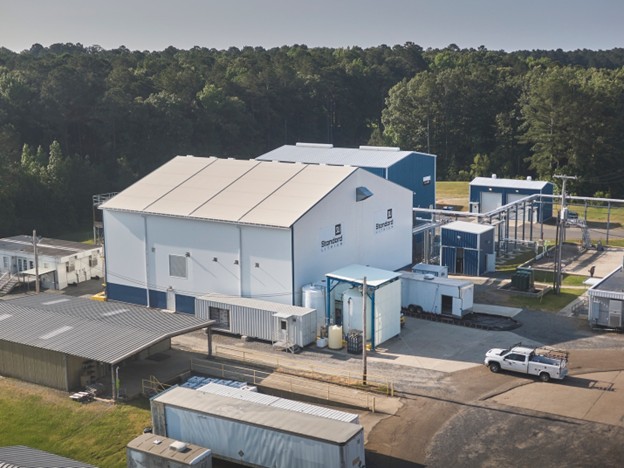
The Company’s most advanced project is the Lanxess Property Project (as defined below), a brownfield project engaged in the testing and proving of commercial viability of lithium extraction from over 150,000 acres of permitted brine operations (the “Lanxess Property”) being developed in partnership with specialty chemicals company, LANXESS Corporation (“LANXESS”). LANXESS operates the largest brine extraction and processing operations in southern Arkansas, that includes three operating brine processing facilities – the South, West and Central plants. Each plant has its own brine supply and disposal pipeline network and bromine processing (separation) infrastructure. The Company operates its first-of-a-kind industrial-scale DLE demonstration plant (the “Demonstration Plant”) at the LANXESS South plant in southern Arkansas (the “Lanxess Property Project”). The Demonstration Plant is being used for proof-of concept and commercial feasibility studies.
The Company is also pursuing the resource development of over 27,000 acres of separate brine leases located in southwest Arkansas (the “South West Arkansas Project” (formerly known as the “TETRA Project”). The Company considers the Lanxess Property Project and the South West Arkansas Project to be separate and independent projects on the basis that they are not contiguous or located within immediate proximity of each other, do not share common ownership and are unlikely to be developed using common infrastructure or financing. The Company anticipates any decision with respect to commercial development of the Lanxess Property Project and the South West Arkansas Project will be made independently.
The Company has also identified a number of highly prospective lithium brine project areas in the Smackover Formation in East Texas and began an extensive brine leasing program in the key project areas. In addition, the Company has an interest in certain mineral leases located in the Mojave Desert in San Bernardino County, California.
The Company is listed on the TSX Venture Exchange (“TSXV”) and trades under the symbol “SLI”, on the NYSE American, LLC (the “NYSE American”) under the symbol “SLI” and on the Frankfurt Stock Exchange under the symbol “S5L”. The Company is a reporting issuer in each of the Provinces and Territories of Canada and files its continuous disclosure documents with the
8
Canadian Securities Authorities in such Provinces and Territories. Such documents are available on SEDAR+ at www.sedarplus.ca.
The Company’s corporate office is located at Suite 1625, 1075 West Georgia Street, Vancouver, British Columbia, V6E 3C9 and its registered office is located at Suite 2200, 885 West Georgia Street, Vancouver, British Columbia, V6C 3E8.
Standard currently has the following direct or indirect material subsidiaries:
| ● | Standard Lithium US Holdings LLC (Delaware) |
| o | Standard Lithium US Services Company LLC (Delaware) |
| o | SWA Lithium Holdings LLC (Delaware) |
| ◾ | SWA Lithium Financing LLC (Delaware) |
| ◾ | SWA Lithium LLC (Delaware) |
| o | Arkansas Lithium LLC (Delaware) |
| ● | SLL El Dorado Parent LLC (Delaware) |
| o | SLL El Dorado South HoldCo LLC (Delaware) |
| ◾ | SLL El Dorado South LLC (Delaware) |
| ● | SLL Carbon Capture LLC (Delaware) |
| ● | California Lithium Ltd. (Nevada) |
GENERAL DEVELOPMENT OF THE BUSINESS
2021 Developments
On January 18, 2021, the Company announced that its board of directors (the “Board” or “Board of Directors”) had adopted a new long-term incentive plan (the “LTIP”) intended to enhance shareholder value and align management compensation with performance and the achievement of milestones in the development of the Company. Under the terms of the LTIP, the Board of Directors granted an aggregate of 960,000 performance share units to certain officers and directors of the Company. Each performance share unit represents the right to receive, once vested upon the achievement of performance milestones, one common share in the capital of the Company.
On March 1, 2021, the Company announced that it successfully completed the conversion of its Arkansas-produced lithium chloride into 99.985% pure lithium carbonate using Original Equipment Manufacturers (“OEM”) technology. The Company also announced that it commenced work to assess the feasibility of directly converting lithium chloride produced by the Demonstration Plant into battery quality lithium hydroxide.
On April 5, 2021, the Company announced that the Honorable Francis R. Fannon has joined the Company in the role of Strategic Advisor.
On May 17, 2021, the Company commenced work on a PEA on its South West Arkansas Project.
9
The Company engaged NORAM Engineering and Constructors Ltd. (“NORAM”) as the lead consultant, to prepare and coordinate the PEA. In carrying out the PEA, NORAM was supported by Hunt, Guillot & Associates from Ruston, Louisiana in key areas such as brine supply, injection well and pipeline design and construction costs.
On June 14, 2021, the Company announced that LANXESS had elected for the early conversion in full of an existing loan facility.
In June 2021, the Company reorganized certain of its Canadian subsidiaries such that: 2661881 Ontario Limited (“2661881”), Moab Minerals Corp. and Vernal Minerals Corp. were continued under the Canada Business Corporations Act (resulting in 2661881 changing its name to 13075931 Canada Inc. (“13075931”)); these entities were combined into one entity, being 13075931, pursuant to a horizontal short-form amalgamation; and thereafter, the Company and 13075931 amalgamated pursuant to a vertical short-form amalgamation. The Company also incorporated a new direct wholly-owned subsidiary, Texas Lithium Holdings Corp. under the laws of British Columbia, and two indirect wholly-owned subsidiaries, Texas Lithium Corp. under the laws of Nevada, and 1093905 LLC under the laws of Delaware, and transferred ownership of 1093905 LLC to Texas Lithium Corp.
On July 13, 2021, the Company commenced trading of its common shares (the “Shares”) under the ticker symbol “SLI” on the NYSE American.
On July 15, 2021, the Company announced delivery of its SiFT lithium carbonate plant to the El Dorado Arkansas project site located at the LANXESS south plant facility.
On July 20, 2021, the Company appointed Dr. Volker Berl as an independent director of the Company.
On November 25, 2021, the Company filed a PEA and updated inferred mineral resource for its South West Arkansas Project. See “Mineral Properties – South West Arkansas Project” below for more information with respect to the PEA on the South West Arkansas Project.
On December 15, 2021, the Company announced that it signed a letter of intent with Koch Engineered Solutions (“KES”) for support with pre-front end engineering design at the Company’s proposed first commercial plant located at the LANXESS facility in southern Arkansas.
2022 Developments
On January 18, 2022, the Company announced that all matters presented to shareholders at its annual general and special meeting held on January 14, 2022 were approved.
On January 20, 2022, the Company provided an update with respect to project and other related developments including, but not limited to, the announcement that the SiFT lithium carbonate plant, previously installed in Q3 2021, had been successfully commissioned and used to produce battery quality lithium carbonate.
10
On January 25, 2022, the Company announced that it had signed a letter of intent with Koch Minerals & Trading LLC (“KMT”) for the purchase of lithium chemical offtake and the procurement of key raw materials.
On February 24, 2022, the Company announced that it had entered into an amended and restated memorandum of understanding dated February 23, 2022 (the “Amended and Restated MOU”) with LANXESS to streamline and expedite the development of the first commercial lithium project in Arkansas to be constructed at the Lanxess Property Project. See “Description of the Business – Flagship Projects” below.
On March 9, 2022, the Company announced that in connection with advisory services with respect to the Amended and Restated MOU, the Company had agreed to pay and issue to Stifel Nicolas Canada Inc. $250,000 and issue Shares with a value of $1,000,000, of which the Company had agreed to pay $125,000 and issue 60,235 Shares immediately with the remainder due and payable when a final definitive agreement(s) for the first commercial project with LANXESS are completed at the Lanxess Property Project.
On May 2, 2022, the Company announced the commencement of a pre-feasibility study (“PFS”) at the South West Arkansas Project.
On May 12, 2022, the Company announced an equity investment of US$2,500,000 into Aqualung Carbon Capture AS (“Aqualung”), a leader in carbon capture technology.
On June 17, 2022, the Company entered into a Master Services Agreement (the “MSA”) with Telescope Innovations Corp. (“Telescope”). Under the MSA, Telescope will provide various research and development (“R&D”) services for the purpose of developing new technologies. The Company will fund an initial project for one year under the MSA, which will aim to evaluate the use of captured CO2 in the Company’s various chemical processes, as well as investigating the potential for permanent geological sequestration of CO2 within the lithium brine extraction and reinjection processes contemplated by the Company. Other R&D projects may be performed for the Company by Telescope as required. The Company incurred $755,533 of costs related to the MSA during the year ended June 30, 2022. Dr. Andrew Robinson, President and COO of the Company and Robert Mintak, CEO of the Company are also independent directors of Telescope. However, the MSA is not considered a related party transaction within the meaning of Multilateral Instrument 61-101 – Protection of Minority Security Holders in Special Transactions, and the MSA has been reviewed and approved by the independent directors of the Company.
On September 7, 2022, the Company announced that it had completed a competitive selection process for the Front-End Engineering Design (“FEED”) and definitive feasibility study (“DFS”) for the first commercial lithium project being developed at the Lanxess Property Project, and awarded the contract to OPD LLC, a Koch-owned business based in Katy, Texas.
On October 18, 2022, the Company appointed PricewaterhouseCoopers LLP as its new independent registered public accounting firm, effective October 17, 2022.
On October 27, 2022, the Company successfully commissioned a first-of-its-kind chloride-to-hydroxide conversion pilot plant. The plant was installed at the Lanxess Property Project and operates as a self-contained unit taking the lithium chloride feed produced by the existing
11
Demonstration Plant and converting this feed directly into a lithium hydroxide solution using a novel ion-exchange process.
On November 1, 2022, the United States Patent and Trademark Office (“USPTO”) issued Notices of Allowance for the Company’s first two U.S. patent applications: serial no. 16/410,523 and serial no. 16/224/463, both titled “Process for Recovering Lithium from Brines”, a novel and proprietary technique for continuous Direct Lithium Extraction from lithium brines. These U.S. patent applications are two of the three pending U.S. patent applications for elements of Standard Lithium’s innovative DLE processes.
On December 6, 2022, the Company completed all necessary agreements with LANXESS to secure access to the proposed commercial lithium plant site at the Lanxess Property Project and to conduct all required fieldwork to support the DFS in respect of the Lanxess Property Project.
On December 29, 2022, the USPTO issued a Notice of Allowance for the Company’s third U.S. parent application: serial no. 16/895,783, titled “Process for Recovering Lithium from Brines”.
2023 Developments
On January 17, 2023, the Company appointed two experienced energy executives, Claudia D'Orazio and Anca Rusu, to the Board of Directors as independent directors.
On January 31, 2023, the Company successfully installed its carbon capture pilot plant in Southern Arkansas to assess sustainable production practices in collaboration with its investment partner, Aqualung.
On March 20, 2023, the Company commenced a drilling program at its South West Arkansas Project to support its upcoming PFS by informing the resource definition, de-risking the resource estimate, providing additional porosity and permeability data through the entire thickness of the productive zones in the Smackover Formation, and optimizing production-wellfield design.
On April 4, 2023, all matters presented to shareholders at the annual general and special meeting of the Company were approved.
On April 24, 2023, the Company issued 400,000 Shares as partial consideration for the acquisition of the Bristol Dry Lake project pursuant to the option agreement (the “Bristol Option Agreement”) as between the Company and TETRA Technologies, Inc (“TETRA”).
On May 9, 2023, the Company entered into a joint development agreement with Koch Technology Solutions (the “Joint Development Agreement”), to accelerate commercial deployment of the Company’s projects in the Smackover Formation.
On May 30, 2023, the Company engaged BNP Paribas to act as exclusive financial advisor to the in connection with a limited recourse debt financing, used to fund the majority of the Company’s proposed first commercial project, the Lanxess 1A Project.
Subsequent Events to June 30, 2023
On July 5, 2023, the Company appointed David Park as Senior Strategic Advisor of the Company.
12
On August 8, 2023, the Company announced positive results of a PFS for the South West Arkansas Project, including an upgraded mineral resource for a portion of the project.
On September 6, 2023, the Company announced positive results of a DFS for the Lanxess Property Project.
On September 13, 2023, the Company announced it had acquired an additional 118 acres of land adjacent to its South West Arkansas Project and intended to assist with the advancement of development.
On September 18, 2023, the Company filed a PFS and updated inferred mineral resource for its South West Arkansas Project. See “Mineral Properties – South West Arkansas Project” below for more information with respect to the PFS on the South West Arkansas Project.
Selected Financings
The Company has completed the following financings over the last three completed financial years:
On December 18, 2020, the Company closed a best-efforts offering of Shares by way of short form prospectus, comprising 15,697,500 Shares at a price of $2.20 per Share for aggregate gross proceeds of $34,534,500 (the “December 2020 Public Offering”). In connection with the December 2020 Public Offering, the Company paid aggregate cash commission of $2,267,815.
On September 10, 2021, the Company filed a final base shelf prospectus relating to the offering for sale from time to time up to US$250,000,000 Shares, Preferred Shares, debt securities, subscription receipts, warrants or units.
On December 1, 2021, the Company closed on a direct private placement by Koch Strategic Platforms (“KSP”), a subsidiary of Koch Investments Group, comprising 13,480,083 Shares at price of $9.4265 (approximately US$7.42) for aggregate gross proceeds of approximately $127,070,000 (approximately US$100,000,000) (the “Direct Investment”). In connection with the Direct Investment, the parties entered into a subscription agreement dated November 23, 2021 (the “Subscription Agreement”) pursuant to which Standard granted KSP the right of first offer to participate in future equity financings for a period of sixty months and certain registration rights. In connection with the Direct Investment, the Company paid a cash commission of US$5,000,000 and issued 336,877 Share purchase warrants (each, a “Warrant”). Each Warrant is exercisable to acquire one Share at an exercise price of $11.09 per Share until November 30, 2023. See “Material Contracts” below.
On July 26, 2023, the Company filed a new final base shelf prospectus relating to the offering for sale from time to time up to US$250,000,000 Shares, Preferred Shares, debt securities, subscription receipts, warrants or units. This new filing replaced the base shelf prospectus previously filed by the Company on September 10, 2021.
In September 2022, the Company announced that it had completed a competitive selection process for the FEED and DFS for the first commercial lithium project being developed at the
13
Lanxess Property Project and awarded the contract to OPD LLC, a Koch-owned business based in Katy, Texas. This first project at the Lanxess Property, designated as Phase 1A (the “Lanxess 1A Project”), contemplates processing the brine that is currently being handled by LANXESS at its south facility, where the Company’s Demonstration Plant is located. On September 6, 2023, the Company announced the successful completion of the DFS for the Lanxess 1A Project. A final investment decision is expected to follow, and construction on the first commercial plant at the Lanxess 1A Project would begin soon after.
In May 2022, the Company commenced PFS work at the South West Arkansas Project. The Company collected additional brine samples and conducted additional testing, modeling and analysis. On August 8, 2023, the Company announced the successful completion of the PFS for the South West Arkansas Project, which includes an upgraded mineral resource for a portion of the project. With completion of the PFS, the Company expects to commence work on the DFS for the South West Arkansas Project which is expected to continue through to the second quarter of 2024.
The Company is also looking to secure additional brine leases and property rights throughout the Smackover Formation in Arkansas and East Texas to provide the Company with the flexibility for future development of direct lithium extraction methodologies. The acquisitions are expected to continue through the third quarter of 2024.
Standard is an innovative technology and lithium exploration company focused on the sustainable development of a portfolio of lithium-brine bearing properties in the United States utilizing proprietary DLE and purification technologies.
The Company’s flagship projects are the Lanxess Property Project and the South West Arkansas Project, respectively. The Company is focused on the evaluation and testing of commercial lithium extraction and purification from brine sourced from the Smackover Formation on approximately 180,000 acres of leases across these two projects. These projects are further summarized below.
The Company has also identified a number of highly prospective lithium brine project areas in the Smackover Formation in East Texas and began an extensive brine leasing program in the key project areas. In addition, the Company has an interest in certain mineral leases located in the Mojave Desert in San Bernardino County, California.
Standard owns no producing properties and, consequently, has no current operating income or cash flow from the properties it holds, nor has it had any income from operations in the past three financial years. As a consequence, operations of the Company are primarily funded by equity financings.
14
Please see “General Development of the Business – Three Year History” and “General Development of the Business – Trends and Outlook” above and “Mineral Properties” below for further details on the South West Arkansas Project, the Lanxess Property Project and development thereof.
Flagship Projects
The Company has two independent development properties: the Lanxess Property Project and the South West Arkansas Project.
The South West Arkansas Project is maintained pursuant to an option agreement dated December 29, 2017 between TETRA and the Company (the “TETRA 1st Option Agreement”) to acquire certain rights to conduct brine exploration and production and lithium extraction activities on approximately 27,262 net acres of brine leases and deeds located in Columbia and Lafayette Counties, Arkansas.
Under the TETRA 1st Option Agreement, the Company is required to pay additional annual payments of US$1,000,000 by each annual anniversary date beginning on the date that is 48 months following the date of the TETRA 1st Option Agreement, until the earlier of the expiration of 10 years from the date of the agreement or the execution of a limited mineral assignment, or, if the Company exercises the option, the Company beginning payment of a 2.5% percent royalty derived from the sale of lithium. During the lease period, as specified in the TETRA 1st Option Agreement, at any time following the commencement of commercial production of the lithium, the Company agreed to pay a royalty of 2.5% (minimum royalty US$1,000,000) to TETRA.
The Lanxess Property Project, is maintained pursuant to the Amended and Restated MOU, which replaced the memorandum of understanding dated May 4, 2018 (“Lanxess MOU”) and subsequent joint venture term sheet dated November 9, 2018 with LANXESS (the “Lanxess JV Term Sheet”). The Lanxess MOU and Lanxess JV Term Sheet provided for the testing and proving of commercial viability of lithium extraction from brine that is produced as part of LANXESS’ bromine extraction business at its three facilities in Union County, southern Arkansas.
The Company entered into the Amended and Restated MOU with LANXESS on February 23, 2022 to streamline and expedite the development of the first commercial lithium project in Arkansas to be constructed at the Lanxess Property Project (the Lanxess 1A Project). Under the Amended and Restated MOU, the Company will control all development of the Lanxess 1A Project leading up to and including the completion of the FEED study.
Key Highlights of the Amended and Restated MOU:
| ● | The Company has formed a wholly-owned subsidiary (the “Project Company”) which currently holds the Lanxess Property Project; |
| ● | LANXESS will, through a series of commercial agreements, provide the brine supply for the Lanxess 1A Project, the Lanxess 1A Project site lease, and rights of way, infrastructure and other essential services for the Lanxess 1A Project; |
| ● | The Company will provide a market fee-based license to the Project Company of its suite of intellectual property; |
| ● | The Company retains the freedom to employ its IP, extraction technology, and expertise |
15
at its wholly-owned South West Arkansas Project, select locations in Arkansas, and all project sites outside of Arkansas. Additionally, it will maintain control over the future enhancement of its IP catalog; and
| ● | Upon completion of the DFS, LANXESS has the option to acquire an equity interest in the Project Company. This interest can range from 30% to 49% at a cost equivalent to a proportional share of Standard’s total investment in the Project Company. |
If LANXESS acquires an equity interest:
| ● | The parties will share the costs of financing construction of the Lanxess 1A Project on a ratable basis; and |
| ● | LANXESS will have the right to acquire some, or all, of the lithium carbonate off-take produced at the commercial plant at market-based terms less a handling fee. |
If LANXESS does not acquire an equity interest:
| ● | The Company will retain full ownership of the Lanxess Property Project including customary dividends, distribution or similar rights; |
| ● | The Company can elicit bids from other interested parties to buy up to 49% of the Project Company; and |
| ● | LANXESS will have the right to acquire some, or all, of the lithium carbonate off-take produced at the commercial plant at a price of market minus up to 20%, to be agreed by LANXESS and the Company and taking into consideration several key commercial agreements (including the costs of brine supply and disposal for the Lanxess 1A Project, the Lanxess 1A Project site lease cost and rights of way, infrastructure and other services for the Lanxess 1A Project). |
The parties have also agreed that development of the second and third projects on the Lanxess Property will be on a joint basis and that the parties will perform the same roles using similar contractual structures as the first Lanxess 1A Project. LANXESS will also have the right to purchase the lithium carbonate off-take from the additional projects upon market-based terms to be agreed by LANXESS and the Company, taking into consideration other commercial agreements required for their development (e.g. site leases, brine supply/disposal etc.).
The Amended and Restated MOU sets out the basis on which the parties have agreed to cooperate in a phased process towards developing commercial opportunities related to the production, marketing and sale of battery grade lithium products that may be extracted from tail brine and brine produced from the Smackover Formation. In particular, the Amended and Restated MOU expressly acknowledges execution of certain agreements with respect to the Demonstration Plant and payment of the reservation of rights fee, which has been paid by the Company to LANXESS in two (2) equal installments of US$3,000,000.
South West Arkansas Project Background
All of the Company’s activities in southern Arkansas relate to brine leases that overlie the Smackover Formation in a region with a long history of commercial scale brine processing. Historical published brine data and current unpublished brine data from within and adjacent to the Company’s two areas of interest lead the Company to believe that lithium-bearing brines are
16
present.
The South West Arkansas Project brine lease area has been historically drilled for oil and gas exploration, and approximately 2,041 exploration and production wells have been completed in the Smackover Formation in or immediately adjacent to Company’s lease area. A portion of these wells had available petro-physical logs of the Smackover Formation brine-bearing zone. On January 28, 2019, the Company announced a maiden inferred mineral resource of 802,000 tonnes lithium carbonate equivalent (“LCE”) at the South West Arkansas Project.
On October 12, 2021, the Company announced the results of a PEA and updated inferred mineral resource estimate on the South West Arkansas Project. The results of the PEA led to the commencement of a PFS at the South West Arkansas Project on May 2, 2022.
On August 8, 2023, the Company announced the results of a PFS on the South West Arkansas Project1. On September 18, 2023, the Company filed a PFS and updated inferred mineral resource for its South West Arkansas Project. See “Mineral Properties – South West Arkansas Project” below.
Lanxess Property Project Background
Brine has been continuously extracted for bromine production since 1957 on the Lanxess Property. LANXESS operates three brine processing facilities, South, Central and West on the Lanxess Property. On November 14, 2018, the Company announced a maiden inferred mineral resource of 3,086,000 tonnes LCE at the Lanxess Property Project2. The mineral resource is defined across a total footprint of approximately 150,000 acres, which is comprised of over 10,000 separate brine leases. On June 19, 2019, the Company announced the results of a PEA of the Lanxess Property Project with an indicated resource of 3,140,000 tonnes LCE as well as preliminary capital and operation costing and project economics for the proposed commercial plants. See “Mineral Properties – Lanxess Property Project” below.
In Q1 2019, the Company initiated mini-pilot scale process work, using tail brine collected from operating facilities in southern Arkansas. This work and data collected formed the basis for the design of the full-scale, fully automated, modular Demonstration Plant, aimed for continuous 24/7 operation. The Company engaged Zeton Inc. (“Zeton”) to build the Demonstration Plant. The Demonstration Plant was constructed by Zeton in three phases and the final modules were transported to and installed at LANXESS’ south plant facility in southern Arkansas in mid-October 2019. The Company and their contractors completed initial installation of the Demonstration Plant at LANXESS’ south plant facility in southern Arkansas. During November and December 2019, a semi-permanent all-weather structure was installed to enclose the demonstration plant, and an office/control room and an analytical laboratory were also installed. The plant’s primary focus is to test, trial and optimize the most effective DLE process for the specific brine conditions. Since
1 See NI 43-101 technical report titled “NI 43-101 Technical Report, South West Arkansas Project” with an effective date of August 8, 2023 and available under the Company’s SEDAR+ profile at www.sedarplus.ca.
2 See NI 43-101 technical report titled “Amended Geological Introduction and Maiden Inferred Resource Estimate for Standard Lithium Ltd.’s LANXESS Smackover Lithium-Brine Property in Arkansas, United States” with an effective date of November 19, 2018 and available under the Company’s SEDAR+ profile at www.sedarplus.ca.
17
October 2022, the Company has been testing the Koch Technology Solutions (KTS) proprietary Li-Pro lithium selective sorption (LSS) technology at the Demonstration Plant alongside the Company’s proprietary LiSTR process.
On May 19, 2020, the Company announced full-time operation of the Demonstration Plant. The plant is designed to process up to 50 USGPM of tail brine, extract the lithium, with the aim of producing a high quality, concentrated lithium chloride intermediate product. This product can then be converted into battery quality lithium carbonate, either via conventional OEM processes, or via the proprietary SiFT technology the Company is developing. As of July 15, 2020, the Company’s SiFT pilot plant was operational and represents the next generation of lithium carbonate crystallization, promising higher purities and more consistent product specifications, all requirements of the next generations of lithium-ion batteries.
This Demonstration Plant serves as a testing and optimization facility, refining the commercial blueprint for scalable and replicable DLE processes. The focus is on extracting lithium from LANXESS’s post bromine extraction tail brine, yielding a high-purity lithium chloride (LiCl). This LiCl can then undergo further refinement into battery-quality lithium carbonate or lithium hydroxide. The highly automated three-story Demonstration Plant is complemented by adjacent separate buildings housing the control room, office and, and an analytical laboratory, ensuring precise and monitored lithium extraction processes. The resulting high-purity lithium chloride can either be processed further at the Company’s on-site carbonation pilot plant or sent to a third party for refining using OEM technology.
18
Lanxess Property Project – Demonstration Plant

On September 1, 2021, the Company announced completion of the installation of the SiFT lithium carbonate plant, with all major connections made to the existing plant and the installation of a new weatherproof enclosure.
On September 6, 2023, the Company announced the results of a DFS on the Lanxess Property Project.
Lithium Brine Processing R&D Project
The Company has a technical group that is engaged in continuously improving the Company’s core lithium extraction and refining technologies. Work has been completed on five main fronts: (i) pre-treating the Company’s brines using modern filtration technologies; (ii) selectively extracting lithium from pre-treated brine(s) to produce a concentrated lithium salt solution; (iii) purifying and crystallization of concentrated lithium solutions to produce battery-grade lithium products; (iv) de-risking the technology by designing, building and operating progressively larger pilot and pre-commercial plants; and (v) assisting in developing, refining and submitting patent applications and other IP protections. The Company currently holds substantial IP and patents for its LiSTR (selective lithium extraction) technology and SiFT lithium carbonate crystallization technology. In addition, the Company has entered into the Joint Development Agreement to
19
accelerate commercial deployment of the Company’s projects. This work is ongoing at the project site(s) and at various other locations in the United States and Canada.
Carbon Capture Project
On September 14, 2021, the Company announced that it was undertaking and funding a pilot project in southern Arkansas to test a novel carbon capture technology. The pilot project is being conducted with the owner of the technology Aqualung and will have a pilot carbon capture unit installed at a natural gas processing site in southern Arkansas owned and operated by Mission Creek Resources LLC. The pilot project will take a slipstream of flue gas for processing through the Aqualung pilot unit. The resulting concentrated CO2 stream will then be used in the Company’s ongoing R&D program to understand how CO2 may be permanently sequestered by the Company as part of normal brine reinjection activities. This R&D program will then expand to consider how CO2 may also be used as an alternative reagent at several points in the Company’s process flowsheet.
The Company believes the patent-protected Aqualung carbon capture systems (“CCS”) technology, developed by the Norwegian University of Science and Technology (“NTNU”), is an innovative approach with the ability to deliver a cost effective, scalable, modular decarbonization solution.
The Aqualung CCS technology results from over 20 years of research at NTNU and is based on a membrane system that selectively extracts CO2 from a wide range of CO2 sources emitted by hydrocarbon-burning energy sources. It produces a high purity CO2 gas stream that can either be sequestered or reused.
The Company has invested US$2,500,000 in Aqualung as part of a US$10,000,000 strategic equity round that included Nasdaq listed, Golar LNG and London-based shipowner, Global Ship Lease and Geneva-based metals trading services group, MKS Pamp. Dr. Andrew Robinson, President and COO of the Company also joined the board of Aqualung.
On January 31, 2023, the Company installed its carbon capture pilot plant in Southern Arkansas to assess sustainable production practices in collaboration with its investment partner, Aqualung. The pilot plant signifies the beginning of the Company’s research and development activities focused on CO2 sequestration methods.
Specialized Skills and Knowledge
Successful exploration, development and operation of the Company’s lithium projects will require access to personnel in a wide variety of disciplines, including geologists, geophysicists, engineers, drillers, managers, project managers, accounting, financial and administrative staff, and others. Since the project locations are also in jurisdictions familiar with and friendly to resource extraction, management believes that the Company’s access to the skills and experience needed for success is sufficient.
The Company’s activities are directed towards the exploration, evaluation and development of
20
mineral deposits. There is no certainty that the expenditures to be made by the Company will result in discoveries of commercial quantities of mineral deposits. There is aggressive competition within the mining industry for the discovery and acquisition of properties considered to have commercial potential. The Company will compete with other interests, many of which have greater financial resources than it will have, for the opportunity to participate in promising projects. Significant capital investment is required to achieve commercial production from successful exploration efforts, and the Company may not be able to successfully raise funds required for any such capital investment. See “Risk Factors – Competition” below.
The Company is focused on the sustainable development of a portfolio of lithium-brine bearing properties in the United States utilizing scalable, proven and optimized DLE and purification technologies. The Company has either directly secured brine leases from public lands or private landowners, or has partnered, in a variety of commercial relationships, with existing brine resource holders in Arkansas, Texas and California, and continues to explore other jurisdictions. Under the terms of the Amended and Restated MOU, LANXESS is obliged to support development of the Lanxess Property Project and via a series of commercial agreements that are being finalized, will provide the brine supply for the Lanxess Property Project, the Lanxess Property site lease, and rights of way, infrastructure, and other services to the Lanxess Property Project. The Company has also entered into a letter of intent with KMT with respect to the purchase of lithium chemical offtake and the procurement of key raw materials.
The Company has developed a suite of IP related to novel technologies that can be deployed to either selectively extract lithium from brine or convert and purify intermediate lithium chemicals to higher purity materials. This IP suite is protected by a series of patents, and where the underlying inventor is an associate of, consultant or third party to the Company, exclusive rights or sole-licensing agreements are in place to allow the Company unfettered access to the patent(s) and associated know-how.
Mining is a cyclical industry and commodity prices fluctuate according to global economic trends and conditions. See “Risk Factors – Risk Related to the Cyclical Nature of the Mining Business” below.
Development of the Lanxess Property Project is substantially dependent on the Amended and Restated MOU. Under the terms of that agreement, the Company has committed to selling the bulk of its product offtake, lithium carbonate at the Lanxess Property to LANXESS, pursuant to an offtake agreement to be entered into with LANXESS.
LANXESS and the Company have also agreed that development of the second and third projects on the Lanxess Property will be on a joint basis and that the parties will perform the same roles using similar contractual structures as the first Lanxess Property Project. LANXESS will also have
21
the right to purchase the lithium carbonate offtake from the additional projects upon market-based terms to be agreed by LANXESS and the Company, taking into consideration other commercial agreements required for their development (e.g., site leases, brine supply/disposal etc.). See “Description of the Business – Flagship Projects – Amended and Restated MOU” above.
The Company has also signed a letter of intent with KMT for the purchase of lithium chemical offtake and the procurement of key raw materials.
As the Company advances the Lanxess Property Project, and in accordance with the Amended and Restated MOU, the Company and LANXESS are finalizing certain agreements with respect to the development of the Lanxess Property Project including, but not limited to, with respect to tail brine supply and disposal, offtake, site lease at the Lanxess Property, service agreements, development agreements, license agreements and, if agreed to by the parties, an operations and maintenance agreement. These agreements though are conditional on the Company having obtained commercial plant financing. If LANXESS does not exercise the option to acquire an ownership percentage, it will nonetheless enter into certain of the agreements with the Company, including the tail brine supply and disposal agreement and the service agreement, as contemplated by the Amended and Restated MOU.
Our exploration and development activities, as applicable, are subject to various levels of federal, state and local laws and regulations relating to the protection of the environment, including requirements for closure and reclamation of mining properties.
As of the date of this AIF, the Company has 12 employees, along with numerous contractual engagements with operators and engineers as further described in “Description of the Business – Social and Environmental Policies” below.
The Company’s property interests are all located outside of Canada, with the projects being in the United States. The lithium business in which the Company operates is increasingly affected by political factors, including geopolitical tensions among major world powers and industrial policy promoting the development of domestic electric vehicle and battery production infrastructure. These factors are relevant in the United States.
Except as set forth above in “General Development of the Business – Three Year History”, there have been no corporate reorganizations within the three most recently completed financial years of the Company and there is no corporate reorganization completed during or proposed for the current financial year.
22
Social or Environmental Policies
The Company holds itself to a standard of integrity, professional conduct and environmentally responsible business practices, and is committed to responsibly producing sustainable lithium chemicals that support the transition to a lower carbon economy.
The Company believes the communities in and around the Lanxess Property Project and the South West Arkansas Project are supportive of the brine extraction industry, with a regional workforce that is highly skilled and qualified for the jobs needed at the Lanxess Property Project and the South West Arkansas Project, respectively. The Company currently employs (through various commercial agreements) approximately 30 engineers, operators, technicians and administrative staff who live in the nearby communities.
Social Responsibility and Community Relations
The Company continuously seeks to forge robust relationships with all stakeholders, recognizing the crucial role of community involvement and mutual benefit. As we advance both the Lanxess Property Project and the South West Arkansas Project, community engagement remains paramount. Over the past year, we've proudly sponsored an array of community events, such as the El Dorado MusicFest, Holiday Lighting Ceremony, Independence Day Celebration, and the Mayhaw Festival. Moreover, in May 2022, in collaboration with Entergy, Adopt-a-Charger, and South Arkansas Community College, we facilitated the installation of six Level 2 – 240-volt EVCS charging stations in downtown El Dorado, Arkansas, free for public use.
South Arkansas is home to invaluable industry expertise, especially in the domain of brine extraction. Recognizing this, we've collaborated with institutions like the South Arkansas Community College in El Dorado to augment training programs. Such partnerships enrich the local workforce, readying them for industry-specific roles. The majority of our diverse team, spanning from engineers to administrative staff, are local residents, underscoring our commitment to community engagement and development.
The Company has two material mineral properties: the Lanxess Property Project and the South West Arkansas Project. Each property will be discussed below separately.
Lanxess Property Project
On September 6, 2023, the Company announced positive results of a DFS for the Lanxess Property Project. The following information should be read in conjunction with the material change report filed by the Company on September 13, 2023 in respect of the DFS.
The following is a summary of the technical report titled “Preliminary Economic Assessment of LANXESS Smackover Project” dated August 1, 2019 (the “Lanxess PEA”), prepared by a multi-disciplinary team of qualified persons (“QPs”) that include geologists, hydrogeologists and chemical engineers with relevant experience in brine geology, brine resource modelling and estimation, and lithium-brine processing. The authors include Marek Dworzanowski, P.Eng., B.Sc. (Hons), FSAIMM, Roy Eccles M.Sc. P. Geol. of APEX Geoscience Ltd. (“APEX”), Stanislaw Kotowski, P.Eng, M.Sc. of Worley Parsons Canada Services Ltd. (“Worley”) and Dr. Ron Molnar
23
Ph.D. P. Eng. of METNETH2O.
The Lanxess PEA is incorporated by reference herein and for full technical details relating to the following, the complete text of the Lanxess PEA should be consulted:
| ● | Project Description and Location; |
| ● | Accessibility, Climate, Local Resources, Infrastructure and Physiography; |
| ● | History; |
| ● | Geological Setting and Mineralization; |
| ● | Deposit Types; |
| ● | Exploration; |
| ● | Drilling; |
| ● | Sample Preparation, Analyses and Security; |
| ● | Data Verification; |
| ● | Mineral Processing and Metallurgical Testing; |
| ● | Mineral Resource Estimates; |
| ● | Mineral Reserves; |
| ● | Mining Methods; |
| ● | Recovery Methods; |
| ● | Infrastructure; |
| ● | Market Studies and Contracts; |
| ● | Environmental Studies, Permitting and Social or Community Impact; |
| ● | Capital and Operating Costs; |
| ● | Economic Analysis; |
| ● | Adjacent Properties; |
| ● | Other Relevant Data and Information; |
| ● | Interpretation and Conclusions; and |
| ● | Recommendations. |
The following summary does not purport to be a complete summary of the Lanxess Property Project and is subject to all the assumptions, qualifications and procedures set out in the Lanxess PEA and is qualified in its entirety with reference to the full text of the Lanxess PEA. Readers should read this summary in conjunction with the Lanxess PEA.
Property Location and Description
The Lanxess Property is located south and west of the City of El Dorado in Union County, Arkansas, United States. The southern and western edges of the Lanxess Property border the State of Louisiana (LA) and Columbia County, respectively. The Lanxess Property encompasses Townships 16-19 South, and Ranges 15-18, West of the 5th Meridian (W5M). The Lanxess Property center is at UTM 520600 Easting, 3670000 Northing, Zone 15N, NAD83.
The Lanxess Property is presently owned by LANXESS, a specialty chemicals company based in Cologne, Germany. Presently, LANXESS is listed in the Dow Jones Sustainability Index and FTSE4Good Index.
24
LANXESS owns 100% of the brine leases and brine rights on their properties, either by an executed brine lease or by operation of law, as a result of unitization by the Arkansas Oil and Gas Commission (“AOGC”). The land package, which is indicated on Figure 4-2 of the Lanxess PEA, consists of 150,081.81 acres that cover over 607 km2. Of the total land package, 142,881.81 acres are ‘Unitized’ (each, a “Unit”) and approximately 7,200 acres occur outside the Unit boundaries (Non-Unitized).
Each Unit (South, Central and West) has their own brine supply wells, pipeline network and bromine processing (separation) infrastructure. The facilities and their locations, which are 100% owned and operated by Great Lakes Chemical Corporation, a wholly-owned subsidiary of LANXESS, are as follows:
| ● | South Unit (South Plant): 324 Southfield Cutoff, El Dorado, AR 71730; |
| ● | Central Unit (Central Plant): 2226 Haynesville Highway (HWY 15S), El Dorado, AR 71731; and |
| ● | West Unit (West Plant): 5821 Shuler Road, Magnolia, AR 71731. |
The authors of the Lanxess PEA reclassified the LANXESS lithium-brine (“Li-Brine”) Resource from an inferred mineral resource to an indicated mineral resource in the Lanxess PEA.
The average lithium concentration used in the resource calculation is 168 mg/L lithium (“Li”). Resources have been estimated using a cut-off grade of 100 mg/L lithium.
The total Indicated LANXESS Li-Brine resource for the South, Central and West brine Units is estimated at 590,000 tonnes of elemental Li. The total LCE for the main resource is 3,140,000 tonnes LCE (see Table 1). With a planned level of production of 20,900 tonnes per year (tpy) of LCE, the resources will exceed the planned 25 years of operation by a significant margin. Mineral resources are not mineral reserves and do not have demonstrated economic viability. There is no guarantee that all, or any part, of the mineral resource will be converted into a mineral reserve.
25
Table 1 Indicated LANXESS Lithium-Brine Resource Estimate
Reporting Parameter | South Unit | Central Unit | West Unit | Total |
Aquifer volume (km3) | 5.828 | 8.289 | 16.310 | 30.427 |
Brine volume (km3) | 0.689 | 0.995 | 1.835 | 3.515 |
Average lithium concentration (mg/L) | 168 | 168 | 168 | 168 |
Average Porosity | 11.8% | 12.0% | 11.2% | 11.6% |
Total elemental Li resources (tonnes) | 116,000 | 167,000 | 308,000 | 590,000 |
Total LCE (tonnes) | 615,000 | 889,000 | 1,639,000 | 3,140,000 |
Notes:
1. | Mineral resources are not mineral reserves and do not have demonstrated economic viability. There is no guarantee that all or any part of the mineral resource will be converted into a mineral reserve. The estimate of mineral resources may be materially affected by geology, environment, permitting, legal, title, taxation, socio-political, marketing or other relevant issues. |
2. | The weights are reported in tonnes (1,000 kg). |
3. | Numbers may not add up due to rounding of the resource values percentages (rounded to the nearest 1,000 unit). |
4. | In a ‘confined’ aquifer (as reported herein), porosity is a proxy for specific yield; especially given the number of effective porosity measurements evaluated in this report and their positive correlation with LAS log total porosity. |
5. | The grey-shaded ‘Total’ volume and weights are estimated at volume-weighted average porosities of the block-model (i.e. calculated by using the porosity of the brine units and their respective unit areas). It is assumed that all pore space is occupied by brine. |
6. | The LANXESS estimation was completed and reported using a cutoff of 100 mg/L Li. |
7. | To describe the resource in terms of industry standard, a conversion factor of 5.323 is used to convert elemental Li to lithium carbonate, or LCE. |
Recovery Method and Mineral Processing
The Company’s objective is to produce battery-grade lithium carbonate from the tail-brine that exits the LANXESS bromine extraction operations. There are three (3) bromine extraction operations that will be used for lithium extraction (South, Central and West). Each facility will have its own primary lithium chloride extraction plant, which will produce purified and concentrated lithium chloride solutions. These solutions will be conveyed, via pipelines, to one location (Central Plant) for further processing to the final product - lithium carbonate. The total lithium carbonate production is 20,900 tpy. The final product lithium recovery is about 90%.
The production process parameters are supported by bench scale metallurgical testing and mini-pilot plant testing program results. Readers are cautioned that statements relating to the production process and recovery are based on using a processing technology that has not yet been commercially proven and there is a risk that actual results, performance, prospects and opportunities could differ materially from those expressed or implied by such forward-looking information.
26
Mineral Processing and Metallurgical Testing
The Company is continuing the development of a processing route to produce battery-quality lithium chemicals from brine at the Lanxess Property Project. The immediate goal of the past and ongoing work is to define the process and engineering parameters required to design and operate the Demonstration Plant at the Lanxess Property Project. The objective of the Demonstration Plant is to further confirm the operating conditions and design criteria for the full-scale commercial plant, which will be operated at the same site using the same tail-brine feed. It will also enable the examination of some processing options and the optimization of key processing parameters.
Lithium Extraction Mini-Pilot Testing
The bench-scale lithium extraction process equipment, as discussed in the Lanxess PEA, was scaled up by a suitable scaling factor, and was reconstructed at SGS Canada Inc’s Lakefield Ontario laboratory. The principal purpose of the mini-pilot plant work was to better understand the continuous solid/liquid handling aspects of the process in order to complete the design of the Demonstration Plant. The brine was used in the mini-pilot plant at ambient temperature, without any prior filtration or pre-treatment. The mini-pilot plant campaign operated during March 2019, and ran continuously for three weeks, 299 hours on a 24/5 basis, with only short stoppages to address mechanical issues and to change operating conditions. For the first two weeks, one sorbent sample was used and it circulated through the plant circuit from loading to elution and back again. This sorbent was replaced with a second sample that was tested in the third campaign week. The continuous circuit operated at a feed brine flowrate of 240 L per hour. This would have required a very large volume of brine to be transported and then disposed of; therefore, initially, lithium chloride, via a master solution, was added to the produced barren brine, which was then recirculated to the loading reactor. For the final shifts in the campaign, fresh feed brine was processed on a once-through basis, as would be the case in the on-site operations. Both sodium hydroxide and aqueous ammonia were successfully tested as pH control reagents. An upgraded and purified lithium chloride solution was produced and ultimately used in the development of the novel crystallization technology known as SiFT.
Lithium Chloride Conversion Testing
The concentrated lithium chloride solution, from the stripping stage, undergoes removal of residual hardness (low levels of residual alkali and alkaline earth metals) using industry standard purification methods to produce a high-purity lithium chloride solution. The purified lithium chloride solution produced by polishing is suitable for application of the industry-standard carbonation process. Typically, this involves adding soda-ash (sodium carbonate) to the lithium chloride solution. Heating reduces the solubility of the precipitated lithium carbonate, which is subsequently removed by filtration. The lithium carbonate is further purified through several stages, including further carbonation, bicarbonation and hot washing, followed by sizing, drying and packing, to produce a saleable lithium carbonate product meeting the offtake partner’s specifications. These final product preparation steps are analogous to those currently used in operating lithium brine projects and are typically carried out using equipment and processes provided by vendors/OEMs familiar with the application.
The batch crystallization and purification process was developed by the lithium industry in the 1960s, and was designed for end-uses that did not require very high purities. The global growth
27
in use of lithium chemicals is based predominantly on the adoption of lithium-ion batteries, and these end-uses typically have more exacting purity targets.
In order to assess whether alternative crystallization techniques may be helpful in reaching higher levels of purity, the Company is also in the process of examining an alternative precipitation technology with fewer purification steps. As previously announced, the Company has been involved in testing a novel continuous crystallization process. This work has been completed in collaboration with researchers from the University of British Columbia, specifically Professor Jason Hein. This new process, which has been dubbed ‘SiFT’, has the advantage over the conventional purification route that it can start off with a contaminated (with elements like calcium and magnesium) lithium chloride solution and produce high grade lithium carbonate in fewer process steps and with reduced chemical requirements.
Conclusions
The purpose of the continuously-operating Demonstration Plant will be to establish process robustness and to evaluate long-term sorbent life, while further optimizing operating conditions. Most of the design parameters for the Demonstration Plant have been developed from the bench and mini-pilot plant testing and the Demonstration Plant will further define the design parameters and expected capital and operating costs for the commercial operation.
Capital and Operating Cost Estimate
CAPEX
Capital expenditures (“CAPEX”) are based on an operating capacity of 20,900 tpy of battery grade lithium carbonate. Capital equipment costs have been obtained from in-house data and solicited budget price information. The estimate is compliant to the AACE International Class 5 standard (see Table 2). The accuracy of this estimate is expected to be within a -30%/+50% range.
The production process parameters are supported by bench scale metallurgical testing and mini-pilot plant testing program results.
Table 2 CAPEX Summary
Stage of | Description | Cost (US$) |
Phase 1 | South Lithium Chloride Plant | 106,886,000 |
Central Lithium Carbonate Plant – Train № 1 | 27,711,000 | |
Pipelines | 2,340,000 | |
Contingency 25% | 34,234,000 | |
Phase 1 Subtotal | 171,171,000 |
28
Stage of | Description | Cost (US$) |
Phase 2 | West Lithium Chloride Plant | 99,393,000 |
Central Lithium Carbonate Plant – Train № 2 | 25,769,000 | |
Pipelines | 3,780,000 | |
Contingency 25% | 32,236,000 | |
Phase 2 Subtotal | 161,178,000 | |
Phase 3 | Central Lithium Chloride Plant | 66,589,000 |
Central Lithium Carbonate Plant – Train № 3 | 17,261,000 | |
Contingency 25% | 20,963,000 | |
Phase 3 Subtotal | 104,813,000 | |
CAPEX TOTAL | 437,162,000 |
OPEX
Operating expenditures (“OPEX”) are based on a phased development with an increasing lithium carbonate production capacity: Phase 1: 9,700 tpy, Phase 2: 8,200 tpy and Phase 3: 3,000 tpy. The OPEX summary (rounded to ‘000) is presented in Table 3.
Table 3 Annual Operating Cost Summary
Description | Phase 1 | Phase 2 | Phase 3 |
|---|---|---|---|
Direct Operational Expenditures | | | |
Manpower | 3,745,000 | 5,680,000 | 6,710,000 |
Electrical Power | 4,040,000 | 7,306,000 | 9,097,000 |
Reagents & Consumables | 30,138,000 | 55,615,000 | 64,936,000 |
Water | 496,000 | 916,000 | 1,070,000 |
Natural Gas | 582,000 | 1,074,000 | 1,254,000 |
Miscellaneous Direct Expenditures | 605,000 | 1,098,000 | 1,299,000 |
Sustaining Capital Cost | 1,199,000 | 2,314,000 | 3,061,000 |
Brine Transportation | 48,000 | 123,000 | 123,000 |
29
Description | Phase 1 | Phase 2 | Phase 3 |
|---|---|---|---|
Land lease | 100,000 | 200,000 | 300,000 |
Subtotal | 40,953,000 | 74,326,000 | 87,849,000 |
Indirect Operational Expenditures | 1,009,000 | 1,901,000 | 2,410,000 |
TOTAL | 41,962,000 | 76,227,000 | 90,259,000 |
Note: OPEX per one metric tonne of production is US$4,319.
The project economics assumed a three-year rolling average price of US$13,550/t for the lithium carbonate product. The results for the initial rate of return (“IRR”) and net present value (“NPV”) from the assumed CAPEX, OPEX and price scenario at full production, are presented in Table 4.
Table 4 Economic Evaluation – Case 1 (Base Case) Summary
Overview | Units | Values | Comments |
Production | tpy | 20,900 | At completion of Phase 3 production |
Plant Operation | years | 25 | From the start of Phase 1 production |
Capital Cost (CAPEX) | US$ | 437,162,000 | |
Annual Operating Cost (OPEX) | US$ | 90,259,000 | |
Average Selling Price | US$/t | 13,550 | |
Annual Revenue | US$ | 283,195,000 | |
Discount Rate | % | 8 | |
Net Present Value (NPV) Post-Tax | US$ | 989,432,000 | |
Net Present Value (NPV) Pre-Tax | US$ | 1,304,766,000 | |
Internal Rate of Return (IRR) Post-Tax | % | 36.0 | |
Internal Rate of Return (IRR) Pre-Tax % | % | 41.8 | |
Post-Tax Sensitivity Analysis
The sensitivity analysis at a discount rate of 8% indicates that the project is economically viable
30
under the base case conditions where the NPV and IRR are very positive.
| ● | Project economics are sensitive to the variations in the product selling price. A change in the selling price by +/- 20% changes the value of NPV by +/- 43% and value of IRR by +/- 32%. |
| ● | The project is moderately sensitive to variations in the OPEX. A change in the OPEX by +/- 20% changes the value of NPV by +/- 14% and value of IRR by +/-10%. |
| ● | The project economics are relatively insensitive to the increase or decrease of CAPEX. A change in the CAPEX by +/- 20% changes the value of NPV by +/- 1% and value of IRR of less than +/- 1%. |
| ● | The cost of reagents is approximately 72% of the OPEX. The remaining components of the operating cost have significantly lower impact on the overall economics. |
Conclusions and Recommendations
Key Study Conclusions
| ● | The total indicated LANXESS Li-Brine mineral resource is estimated at 3,140,000 tonnes of LCE. The volume of mineral resources will allow the lithium bearing brine extraction operations to continue well beyond the currently assumed 25 years. |
| ● | The results of the geological evaluation and mineral resource estimates for the Lanxess PEA justifies development of the Lanxess Property Project to further evaluate the feasibility of production of lithium carbonate. |
| ● | The experience gained from the long-term operations of the brine extraction and processing facilities on the LANXESS controlled properties decreases the risk related to sustainability of the brine extraction from the Lanxess Property. |
| ● | The well-developed infrastructure and availability of a qualified work force will decrease the risks related to construction, and commissioning and operating of the lithium extraction and lithium carbonate processing plants. |
| ● | The results of the bench scale testing and mini-plant process testing program increase the level of confidence in the key parameters for the operating cost estimate. |
| ● | Improvements made to process efficiency, particularly the reduction of reagents and chemicals consumption, will improve the economics of the Lanxess Property Project. |
| ● | The discounted cash flow economic analysis, at a discount rate of 8%, indicates that the Lanxess Project is economically viable under the base case conditions. The key economic indicators, NPV = US$989,432,000 (post-tax) and IRR = 36% (post-tax), are very positive. |
| ● | The LANXESS Li-brine mineral resource estimate should be upgraded from the current classification of “indicated” to “measured”, as classified according to CIM (2014) definition standards. |
| ● | The sampling and testing program should be continued to allow for the most updated calculation of the lithium concentration to be used in the mineral resource estimate calculation. |
| ● | The testing program should address the opportunities to reduce the usage of reagents for production of lithium chloride to lower the operating cost. |
| ● | The large Demonstration Plant scheduled for deployment in late-2019 at LANXESS’ south plant facility in southern Arkansas should be used to collect as much data as possible to inform the next phases of study. |
31
| ● | Complete an evaluation of the SiFT process to produce battery quality lithium carbonate vs. the traditional OEM process used in this Lanxess PEA. |
| ● | On completion of the Lanxess PEA, the Lanxess Project should progress to a NI 43-101 compliant PFS. |
South West Arkansas Project
Please refer to the technical report titled “NI 43-101 Technical Report, South West Arkansas Project” dated September 18, 2023 (the “South West Arkansas PFS”), as filed on the Company’s SEDAR+ profile, for detailed disclosure relating to:
| ● | Project Description and Location; |
| ● | Accessibility, Climate, Local Resources, Infrastructure and Physiography; |
| ● | History; |
| ● | Geological Setting and Mineralization; |
| ● | Deposit Types; |
| ● | Exploration; |
| ● | Drilling; |
| ● | Sample Preparation, Analyses and Security; |
| ● | Data Verification; |
| ● | Mineral Processing and Metallurgical Testing; |
| ● | Mineral Resource Estimates; |
| ● | Mineral Reserve Estimates; |
| ● | Mining Methods; |
| ● | Recovery Methods; |
| ● | Project Infrastructure; |
| ● | Market Studies and Contracts; |
| ● | Environmental Studies, Permitting and Social or Community Impact; |
| ● | Capital and Operating Expenditure Costs; |
| ● | Economic Analysis; |
| ● | Adjacent Properties; |
| ● | Other Relevant Data and Information; |
| ● | Interpretation and Conclusions; and |
| ● | Recommendation. |
The following is a summary of the South West Arkansas PFS, prepared by a multi-disciplinary team of QPs that includes geologists, hydrogeologists, chemical, process and civil engineers with relevant experience in the lithium-brine confined aquifer type deposits, Smackover Formation geology and brine processing. The authors include Frank Gay, P.E., Caleb Mutschler, P.E. and Dutch Johnson, P.E. of HGA, Marek Dworzanowski, BSc of Metallurgical Eng., Randal M. Brush, P.E. and Robert E. Williams, P.E., CPG of Cobb & Associates, and Chuck Campbell, P.E. of Alliance Technical Group.
The South West Arkansas PFS is incorporated by reference herein and for full technical details, the complete text of the South West Arkansas PFS should be consulted.
The following summary does not purport to be a complete summary of the South West Arkansas
32
Project and is subject to all the assumptions, qualifications and procedures set out in the South West Arkansas PFS and is qualified in its entirety with reference to the full text of the South West Arkansas PFS. The following summary is subject to any updated information contained elsewhere in this AIF.
Property Location and Ownership
The centre of the South West Arkansas Project is located approximately 24km (15 miles) west of the City of Magnolia in Lafayette County, south western Arkansas, United States. The South West Arkansas property encompasses Townships 16-17 South and Ranges 22-24 West of the 5th Meridian and lies wholly within Lafayette and Columbia counties.
The South West Arkansas Project property is comprised of 489 land tracts containing 802 individual leases and eight salt water (brine) deeds that covers 11,033 net mineral hectares (27,262 net mineral acres). The proposed unitised South West Arkansas Project property encompasses 14,638 gross mineral hectares (36,172 gross mineral acres) and forms the updated 2023 resource and project area.
The leases and deeds are held by TETRA. Standard acquired the South West Arkansas Project brine production rights to lithium directly from TETRA through an option agreement providing that the Company makes annual payments. TETRA began acquiring brine deeds and/or brine leases in 1992 and added additional brine leases in 1994, 2006 and 2017. The South West Arkansas Project brine leases and deeds have yet to be developed for production of brine minerals.
Geology and Inferred Mineral Resource Estimation
The lithium brine indicated resource, as reported, is contained within the Upper and Middle Members of the Smackover Formation, a late Jurassic oolitic limestone aquifer that underlies the entire South West Arkansas Project area. The Upper and Middle Smackover formations aquifer is situated at a depth of approximately 2,700 m (or about 8,800 feet) beneath ground level. This brine resource is in an area where there is localised oil and gas production, and where brine is produced as a by-product of hydrocarbon extraction. The data used to estimate and model the resource were gathered from existing and suspended oil and gas production wells on or adjacent to the South West Arkansas Project and surface seismic information.
The resource present in the Smackover Formation below the project was updated based on the proposed unitized area encompassing 36,839 gross mineral acres (14,908 gross mineral hectares. Using a cut-off criteria of 50 mg/L lithium, the South West Arkansas Project mineral resource estimate is classified as “inferred” according to the CIM Standards. The total (global) in-situ “inferred” lithium brine resource is estimated at 225,000 tonnes of elemental lithium, or 1,195,000 tonnes LCE; see Table 5-1 below for more detail.
The resource present in the Smackover Formation below the South West Arkansas Project was updated based on the proposed unitized area encompassing 36,839 gross mineral acres (14,908 gross mineral hectares). Using a conversion factor of 6.0606 kg lithium hydroxide monohydrate equivalent (“LHME”) per kg of lithium and 5.323 kg of lithium carbonate equivalent (“LCE”) per kg of lithium, the indicated resource value corresponds to estimates of 1,430 thousand metric tons LCE and 1,630 thousand metric tons LHME. For the inferred resource, the estimates are 392
33
thousand metric tons LCE and 446 thousand metric tons LHE; see Table 5-1 and Table 5-2 below for more detail
Table 5-1 South West Arkansas Property Geological Factors and Indicated Lithium Resource Estimation
Indicated Resource | |||
Smackover Formation | North Upper | South Upper | Total Upper |
Gross Volume, km3 | 4.69 | 2.80 | 7.49 |
Net Volume, km3 | 3.17 | 1.93 | 5.11 |
Average Porosity | 11.7% | 11.9% | 11.8% |
Average Lithium Concentration, mg/L | 408 | 507 | 446 |
Indicated Lithium Resource, Thousand Tonnes | 152 | 116 | 269 |
LCE, Thousand Tonnes | 810 | 620 | 1,430 |
Table 5-1 South West Arkansas Property Geologic Factors and Inferred Lithium Resource Estimates
Inferred Resource | |||
Smackover Formation | North Middle | South Middle | Total Middle |
Gross Volume, km3 | 6.04 | 2.98 | 9.02 |
Net Volume, km3 | 1.60 | 0.46 | 2.06 |
Average Porosity | 9.0% | 8.1% | 8.8% |
Average Lithium Concentration, mg/L | 379 | 508 | 405 |
Inferred Lithium Resource, Thousand Tonnes | 55 | 19 | 74 |
LCE, Thousand Tonnes | 291 | 100 | 392 |
Notes:
1. | Mineral resources are not mineral reserves and do not have demonstrated economic viability. There is no guarantee that all or any part of the mineral resource will be converted into a mineral reserve. The estimate of mineral resources may be materially affected by geology, environment, permitting, legal, title, taxation, socio-political, marketing, or other relevant issues. |
2. | Numbers may not add up due to rounding to the nearest 1,000 unit). |
3. | A minimum lithium concentration cutoff was not applied in this analysis because the entirety of the SWA Property exceeds the previously-used 100 mg/L cutoff value. |
4. | The resource estimate was developed and classified in accordance with guidelines established by the Canadian Institute of Mining and Metallurgy. The associated Technical Report was completed in accordance with the Canadian Securities Administration’s National Instrument 43-101 and all associated documents and amendments. As per these guidelines, the resource was estimated in terms of metallic (or elemental) lithium. |
5. | In order to describe the resource in terms of ‘industry standard’ lithium carbonate equivalent, a conversion factor of 5.323 was used to convert elemental lithium to LCE. |
34
The average lithium concentrations used in the resource calculation are 507 mg/L and 408 mg/L, for the South and North resource areas, respectively.
With respect to reconciliation of resources, the updated South West Arkansas Project resource is 52% larger than the 2021 PEA resource estimate. The resource increase is primarily related to the higher concentration of lithium, which increased in concentration from an overall average of 255 mg/L to 437 mg/L. Higher lithium concentrations offset a reduction in brine volume associated with tightened and enhanced reservoir definition.
Recovery Method and Mineral Processing
The Company’s objective is to produce battery-grade LHM from the brine produced from the Smackover Formation. A network of 21 brine supply wells will produce from the Smackover Formation averaging about 2,057 m3/day per well for an aggregated total production of 43,199 m3/day (1,800 m3/hr or 7,925 US gallons per minute). Brine from the supply wells will be conveyed to a single combined lithium extraction and lithium hydroxide production facility by a network of underground fibreglass pipelines totalling approximately 23.09 km (14.35 miles) in length. The brine entering the processing facility will be pre-treated to remove hydrogen sulphide gas (H2S), suspended solids and hydrocarbons, prior to processing by the Company’s proprietary direct lithium extraction process (“LSS”). After lithium extraction, the lithium depleted brine is returned via a pipeline system 41.8 km (26 miles) in length to a network of 22 brine reinjection wells completed in the Smackover Formation. The South West Arkansas Project as proposed will produce, on average, 30,000 tonnes of battery-quality LHM per year, over a 20-year timeframe. The final product lithium recovery is about 90%.
The production process parameters are supported by bench scale metallurgical testing, mini-pilot plant testing and Demonstration Plant program results. The Demonstration Plant is located about 40 km (25 miles) east of the South West Arkansas Project. It is the Company’s intent to use the information obtained from the Demonstration Plant to gather specific data related to lithium extraction scalability and economics.
Readers are cautioned that statements relating to the production process and recovery are based on using a processing technology that has not yet been commercially proven and there is a risk that actual results, performance, prospects and opportunities could differ materially from those expressed or implied by such forward-looking information.
Capital and Operating Cost Estimates
Capital Expenditure Costs
At full build-out, with estimated average production over 20 years of 30,000 tonnes per annum of LHM, the direct capital costs are estimated to be US$1.19 billion, with indirect costs of US$198 million. A contingency of 20% was applied to direct costs (US$213 million) to yield an estimated
35
all-in capital cost of US$1.4 billion. A summary of the capital costs is provided in Table 6 below.
Table 6 Capital Cost Summary
Description | Direct Costs Million | Indirect Costs Million |
Extraction and Reinjection Wellfield[3] | 234.6 | 2.2 |
Pipelines[3] | 60.5 | 7.1 |
Receiving/Pre-Treatment | 118.4 | 48.2 |
Direct Lithium Extraction (LSS) | 110.3 | 28.8 |
Purification and Concentration | 110.8 | 42.8 |
Lithium Hydroxide Unit | 121.5 | 36.8 |
Chemical Storage, Handling and Utilities | 74.0 | 50.1 |
Plant Buildings | 6.8 | 1.8 |
Sub-Total | 837.0 | 217.9 |
Freight | 8.0 | - |
Contingency | 211.0[4] | - |
CAPEX TOTAL | US$1.27 billion | |
Notes:
1. | Direct costs were estimated using either vendor-supplied quotes, and/or engineer estimated pricing (based on recent experience) for all major equipment. Major equipment prices were scaled using appropriate AACE Class 4 Direct Cost Factors (provided by the relevant QP) to derive all direct equipment costs. |
2. | Indirect costs were estimated using AACE Class 4 Indirect Cost Factors multiplied by the direct costs. Indirect costs include all contractor costs (including engineering); indirect labor costs and Owner’s Engineer costs. |
3. | Exceptions to above costing estimate methodology were the wellfield and pipelines, which were based on HGA’s recent project experience in the local area. |
4. | AACE Class 4 estimate includes 20% contingency on direct capital costs. |
Operating Expenditure Costs
The operating cost estimate includes both direct costs and indirect costs, as well as allowances for mine closure, described fully in Table 7. The majority of the operating cost comprises electricity usage including conversion to LHM, as well as reagent usage required to extract the lithium from the brine. The all-in operating cost of $5,229 per tonne of LHM.
36
Table 7 Operating Cost Summary
Description | Operating Cost US$/tonne LHM[1] |
Workforce[2] | 371 |
Electrical Power[3] | 1,291 |
Reagents and Consumables[4] | 1,158 |
Natural Gas[5] | 15 |
Maintenance/Waste Disposal/Misc[6] | 1,073 |
Indirect Operational Costs[7] | 168 |
Royalties[8] | 741 |
Sustaining Capital[9] | 415 |
OPEX Total | 5,229 |
Notes:
1. | Operating costs are calculated based on average annual production of 30,000 tonnes of LHM. |
2. | Approximately 91 full time equivalent (FTE) positions. |
3. | Approximately 30% of electrical energy consumed by wellfield and pipelines; 70% by the processing facilities. |
4. | The majority of reagent costs are comprised of sodium hydroxide and soda ash. Other reagents and consumables are air, hydrochloric acid, sodium metabisulfite, lime membrane replacement, nitrogen and scale inhibitors for pumps/wellheads. |
5. | Assumes that all natural gas is purchased from open market and none is co-produced at the wellheads. |
6. | Includes all maintenance and workover costs and is based on experience in similar-sized electrochemical facilities, brine processing facilities and Smackover Formation brine production wellfields. |
7. | Indirect costs (insurance, environmental monitoring, community benefits etc.) are factored from other capital and operational costs, except for mine closure, which is based on known well-abandonment costs. |
8. | Based on agreed royalties and expected future lease costs. Does not include future lease-fees-in-lieu-of-royalties which are still to be determined and subject to regulatory approval (lease-fees-in-lieu-of-royalties have been determined for bromine and certain other minerals in the State of Arkansas, but have not yet been determined for lithium extraction). |
9. | Major equipment refurbishment and replacement is categorized as sustaining capital. Sustaining Capital is shown included in the OPEX here to present an all-in annual operating cost. |
The South West Arkansas Project economics assumed a selling price of battery quality LHM of US$30,000/tonne in 2023. The results for IRR and NPV from the assumed CAPEX, OPEX and price scenario at full production, are presented in Table 8.
Table 8 Economic Evaluation Summary
Description | Units | Values |
Average Annual Production (as LiOH●H2O) | tpa[1] | 30,000[2] |
Plant Operation | years | 20 |
37
Total Capital Cost (CAPEX) | MM US$ | 1,274[3] |
All-in OPEX per tonne | US$/t | 5,229 |
Selling Price | US$/t | 30,000[5] |
Average Annual Revenue | MM US$ | 900[6] |
Discount Rate | % | 8.0 |
Net Present Value (NPV) Pre-Tax | MM US$ | 4,473 |
Net Present Value (NPV) Post-Tax | MM US$ | 3,090 |
Internal Rate of Return (IRR) Pre-Tax | % | 41.3 |
Internal Rate of Return (IRR) Post-Tax | % | 32.8 |
Notes:
All model outputs are expressed on a 100% project ownership basis with no adjustments for project financing assumptions.
1. | Metric tonnes (1,000 kg) per annum. |
2. | Total production for years 1 to 20 is 30,000 tpa LHM. |
3. | AACE Class 4 estimate includes 20% contingency on direct capital costs. |
4. | Includes all operating expenditures, ongoing land costs, established Royalties, sustaining capital and allowance for mine closure. |
5. | Selling price of battery quality LHM based on a selling price of $30,000/t in 2023. Sensitivity analysis modelled the starting price between US$24,000-US$36,000/t. |
6. | Average annual revenue over projected 20 year mine-life |
LHM battery quality pricing sensitivity assessment was completed. LHM pricing was based upon a current price of $30,000 US/tonne. The sensitivity analysis is provided in Table 9 below.
Table 9 Lithium Hydroxide Monohydrate sale price post-tax sensitivity analysis
LHM Price in 2023[1] (US$/t) | Post-Tax NPV (US$ Million) | Post-Tax IRR |
24,000 | 2,121 | 26.3% |
30,000 | 3,090 | 32.8% |
36,000 | 4,058 | 38.9% |
Note:
1. | 2% annual LHM price escalation from 2021 to the start of production in 2025 was applied. |
South West Arkansas Project Related Risks and Uncertainties
A process specific risk analysis workshop was held with key members of the project team to assess initial and residual risk in the brine supply and lithium processes proposed for the South West Arkansas Project. The project risks identified with an assessment of their potential impacts are presented below.
38
| ● | If the brine production rate or lithium concentrations on which the South West Arkansas PFS is based are unavailable throughout the life of the project, the economics of the project could be impacted. The Company has carried out additional well testing and reservoir modeling specific to the project brine leases during the PFS to further prove the anticipated lithium values. This process has identified lithium concentrations higher than those used as the basis for the previously completed PEA, resulting in potential upside production. This in turn validates the South West Arkansas PFS base case of 30,000 tonnes of annual production of lithium hydroxide (“LiOH”). As a result, downside economics associated with lack of understanding of the resource is seen as a low risk. |
| ● | Changes to the key operating parameters of the DLE process on which the South West Arkansas PFS is based could result in higher OPEX and/or CAPEX costs due to additional purification and concentration equipment requirements. To reduce this risk and optimize the process design, the Company continues to undertake extended testing, technology selection, and process optimization at their El Dorado, Arkansas, Demonstration Plant. Based on this continued work, a reduction in DLE performance for the commercial operations is seen as a low risk. |
| ● | If the electrochemical and associated LiOH conversion process does not perform as expected, it could result in higher OPEX and/or CAPEX costs. The technology is based on existing chlor-alkali industry technology and specific experience with lithium solutions, and the Company has successfully conducted testing of electrochemical cells using Smackover brines processed by the Demonstration Plant. Based on this experience, this is seen as a low risk. However, continued testing is recommended in support of scale-up, process optimization, and improved process understanding to provide inputs to engineering and further mitigate the process risk. |
| ● | If the market price of LiOH drops, project economics will be negatively affected. The Company has commissioned two independent market studies during the PFS that both showed continued, strong demand for LiOH throughout the project life. Based on the results of these studies and the current lithium market, the LiOH price used for the economic analysis is deemed to be conservative and any negative impact to project economics is seen as a low risk. |
| ● | Global supply chain shortages and/or delays have been ongoing since the onset of the 2020 COVID-19 pandemic. These could negatively influence the project schedule and CAPEX. This is seen as a medium risk. To mitigate this risk, it is recommended that the long lead items be identified during the feasibility study phase and orders be executed in support of maintaining project schedule. |
| ● | Natural disasters such as a tornado or earthquake in the project area could result in a loss of production. The likelihood of these events is understood based on local meteorological and geological data. The facilities will be designed to withstand the anticipated events based on their likelihood, and this is not cited as a cause of loss of production by other operators in the area. This is seen as a low risk. |
| ● | If an unknown infringement of an existing process patent occurs, this could result in licensing claims which could affect the OPEX costs. The Company has a Joint Development Agreement in place with Koch Technology Solutions for the DLE and the remaining process units are open art technologies, so this is seen as a low risk. |
| ● | Construction costs and/or schedule overruns could impact the CAPEX costs. To mitigate this risk, a 20% contingency has been included in the current CAPEX and sensitivity analysis shows favorable economics for a higher CAPEX cost. The Company will work with experienced EPC contractors and issue lump sum turnkey contracts where possible, |
39
and the feasibility study will provide increased cost confidence. This risk is inherent in any project and with the proper mitigations is seen as a low risk.
| ● | A lithium brine royalty assessment has not yet been completed by the AOGC. This is an established process most recently completed for calcium chloride and magnesium chloride. Dependent on the determined rates, this could overly impact project economics. Based on the Company’s engagement with stakeholders in this process, this is seen as a low risk. |
| ● | The process design from the South West Arkansas PFS requires multiple fresh water wells to supply process water to the central processing facility. No work has yet been conducted to determine the feasibility of permitting these wells. This is seen as a medium risk, and should be further investigated during the next project phase to confirm the feasibility or explore alternatives such as surface water supply. |
Conclusions and Recommendations
Key Study Conclusions
The Company successfully executed a five-well exploration program that significantly improved the geologic description of the target Smackover Formation. The program addressed the three key factors that determine the quality of the resource: the total volume of brine based on core and log porosity data, the brine’s lithium concentration based on the analysis of multiple brine samples from the wells, and the productivity of the formation based on the core permeability data collected. Two QPs were closely involved with all aspects of the exploration program, including selecting the well locations; designing the coring, logging, and sampling programs; attending the coring and sampling of the wells; and analyzing the resulting data. In the opinion of both QPs, the resulting data and analyses fully support the conclusion that the inferred and indicated resources present at the South West Arkansas Property are of sufficient quality to justify pursuit of a lithium extraction project at the site.
Key Study Recommendations
As per the CIM guidelines for lithium-brine, and when reporting higher level of resource classification than reported in this PFS (i.e., indicated and measured brine resources), the QP’s must consider only those resources that are, or may become, recoverable under reasonably assumed technical and economic conditions. The logical next steps and work recommendations for the Company to elevate the South West Arkansas Project to a higher level of resource classification and project definition is to:
| ● | Conduct additional exploration activities including additional in-fill wells during the feasibility study phase. This will better quantify the resource and evaluate the potential for increased production above the upside production case identified in the South West Arkansas PFS and resultant upside economics, such that it can be included into project development planning. |
| ● | Further develop the reservoir model in support of development of an optimized well plan and brine production profile. |
| ● | Develop and optimize the flowsheet using the Demonstration Plant with a target of additional optimization. For example, review and optimize the processes such that the reagent usage can be minimized and solid-waste generation from the overall process can |
40
be substantially reduced or eliminated.
| ● | Continue optimization of the LSS DLE to improve the quality of the raw lithium chloride (“LiCI”) solution by elimination of impurities, including testing of new sorbents and adjustments to operating parameters. |
| ● | Conduct all additional necessary engineering and feasibility studies (i.e FEED level engineering) to integrate the project development findings into an updated resource classification and DFS. |
| ● | Continue testing of electrolytic conversion of LiCl to LiOH in support of development of engineering inputs for design. |
| ● | Undertake a logistics study to assess road versus rail for supply of reagents and for export of products during the next project phase. |
| ● | Complete any necessary OEM testing for lithium hydroxide concentration and evaporation/crystallization to a battery-quality lithium hydroxide product. |
| ● | Identify long lead items that impact project schedule and develop procurement packages and strategy to facilitate potential opportunity for early purchasing in support of optimizing the project execution schedule. |
| ● | Engage with AOGC to support definition of royalty for lithium production from brine in Arkansas in support of detailed understanding of project economics. |
| ● | Drill additional test wells targeting the Upper, Middle, and Lower Smackover to provide: |
a. | Geologic data; |
b. | Lithium concentrations; |
c. | Long term production test information to estimate well rates, the number of wells needed, facility rates, and the completion plans for those wells; |
d. | Information regarding the potential extent of a Lower Smackover development target; |
e. | Information regarding the benefit of well stimulation to well productivity; |
f. | Monitor the test wells for salt precipitation, evaluate the potential effect of salt precipitation on production operations, identify remediation options; and |
g. | Conduct long term production tests on one or more of the 2023 exploration program wells; decide on scope of these tests based on the results of the new test wells. |
| ● | Update the geologic description. |
| ● | Revise and adjust the categories of the resource estimates. |
| ● | Revise the simulation model input geologic description and optimize the SWA Property development plan, including offtake rate, well count, and well configuration. |
The authors of the South West Arkansas PFS recommend that the Company approaches accomplishing these tasks over a two-year period. The total estimated cost of the recommended work including contingency is US$22.4MM.
There are a number of risks that may have a material and adverse impact on the future operating and financial performance of the Company and could cause the Company’s operating and financial performance to differ materially from the estimates described in forward-looking information relating to the Company. These include widespread risks associated with any form of business and specific risks associated with the Company’s business and its involvement in the lithium exploration and development industry.
41
This section describes risk factors identified as being potentially significant to the Company and its material properties, the South West Arkansas Project and the Lanxess Project. Additional risk factors may be included in the Lanxess PEA and the South West Arkansas PFS or other documents previously disclosed by the Company. In addition, other risks and uncertainties not discussed to date or not known to management could have material and adverse effects on the valuation of our securities, existing business activities, financial condition, results of operations, plans and prospects.
An investment in the Company’s securities should be considered as highly speculative given the current stage of the Company’s business and development. Such an investment is subject to a number of risks at any given time. The risk factors set out below are not exhaustive and do not include risks the Company deems to be immaterial; however, even an immaterial risk has the potential to have a material adverse effect on the Company’s financial condition, operating results, business or future prospects. Investors should carefully consider these risk factors, many of which are beyond the Company’s control, together with other information set out in this AIF before investing in the Company’s securities.
Reliance on Key Personnel
The senior officers of the Company are critical to its success. In the event of the departure of a senior officer, the Company believes that it will be successful in attracting and retaining qualified successors, but there can be no assurance of such success. Recruiting qualified personnel as the Company grows is critical to its success. The number of persons skilled in the acquisition, exploration and development of mining properties is limited, and competition for such persons is intense. As the Company’s business activity grows, it will require additional key financial, administrative, engineering, geological and other personnel. If the Company is not successful in attracting and training qualified personnel, the efficiency of its operations could be affected, which could have an adverse impact on future cash flows, earnings, results of operations and the financial condition of the Company. The Company is particularly at risk at this state of its development as it relies on a small management team, the loss of any member of which could cause severe adverse consequences.
Substantial Capital Requirements and Liquidity
As at June 30, 2023, the Company had a cash balance of approximately $59,612,126, working capital (current assets less current liabilities) of approximately $48,799,575 and current obligations of $13,249,850.
The Company anticipates that it will incur substantial capital expenditures for the continued exploration and development of its projects in the future. The Company currently has no revenue and may have limited ability to undertake or complete future drilling or exploration programs and process studies. There can be no assurance that debt or equity financing, or cash generated by operations will be available or sufficient to meet these requirements or for other corporate purposes or, if debt or equity financing is available, that it will be on terms acceptable to the Company. Moreover, future activities may require the Company to alter its capitalization significantly.
The inability of the Company to access sufficient capital for its operations could have a material
42
and adverse effect on the Company’s financial condition, results of operations or prospects. Sales of substantial amounts of securities may have a highly dilutive effect on the ownership or share structure of the Company. Sales of a large number of Shares in the public markets, or the potential for such sales, could decrease the trading price of the Shares and could impair the Company’s ability to raise capital through future sales of Shares.
The Company has not yet commenced commercial production at any of its properties and as such, it has not generated positive cash flows to date and has no reasonable prospects of doing so unless successful commercial production can be achieved at the Company’s projects. The Company expects to continue to incur negative investing and operating cash flows until such time as it enters into commercial production. This will require the Company to deploy its working capital to fund such negative cash flow and to seek additional sources of financing.
Historically, capital requirements have been primarily funded through the sale of Shares. Factors that could affect the availability of financing include the progress and results of ongoing exploration at the Company’s mineral properties, the state of international debt and equity markets and investor perceptions and expectations of the global market for lithium and its derivatives. There is no assurance that any such financing sources will be available or sufficient to meet the Company’s requirements. There is no assurance that the Company will be able to continue to raise equity capital or that the Company will not continue to incur losses.
Development of the Lanxess Property Project and South West Arkansas Project
The Company’s business strategy depends in large part on developing the Lanxess Property Project and the South West Arkansas Project into commercially viable mines and processing facilities, as applicable. Whether a mineral deposit will be commercially viable depends on numerous factors, including: (i) the particular attributes of the deposit, such as size, grade and proximity to infrastructure; (ii) commodity prices, which are highly volatile; and (iii) government regulations, including regulations relating to prices, taxes, royalties, land tenure, land use, importing and exporting of mineral resources and mineral reserves, environmental protection and capital and operating cost requirements. The capital expenditures and time required to develop the Lanxess Property Project and the South West Arkansas Project, are significant and the Company has not yet secured funding that it believes will be sufficient to cover its share of capital expenditure obligations for development of the Lanxess Property Project and the South West Arkansas Project, respectively. Accordingly, there can be no assurance that the Company will ever develop either of these projects. If the Company is unable to develop all or any of its projects into a commercial operating mine or processing facility, as applicable, its business and financial condition will be materially adversely affected.
Preliminary Economic Assessment
The Lanxess PEA is an early stage estimate that does not have sufficient certainty to constitute a PFS or a feasibility study. The Company cannot give assurance that it will ever be in a position to declare a proven or probable mineral reserves at the Lanxess Property Project. In particular, the PEA for the Lanxess Property Project contains estimated capital costs and operating costs which are based on anticipated tonnage and grades of lithium to be mined and processed, the expected recovery rates and other factors, none of which have been completed to date to a PFS or a feasibility study level, other than any updated information contained elsewhere in this AIF,
43
including the material change report filed by the Company on September 13, 2023 in respect of the current DFS for the Lanxess 1A Project. Whether the Company completes the current DFS on this project, and thereby delineates proven or probable mineral reserves, depends on a number of factors, including:
| ● | the particular attributes of the deposit (including its size, grade, geological formation and proximity to infrastructure); |
| ● | lithium prices, which are highly cyclical; |
| ● | government regulations (including regulations relating to taxes, royalties, land tenure, land use and permitting); and |
| ● | environmental protection considerations. |
We cannot determine at this time whether any of the estimates will ultimately be correct.
Property Commitments
The Company’s mining properties may be subject to various land payments, royalties and/or work commitments. Failure by the Company to meet its payment obligations or otherwise fulfill its commitments under these agreements could result in the loss of related property interests.
Title
The acquisition of title to resource properties is a detailed and time-consuming process. The Company may acquire an interest in its properties through land use permits. Title to, and the area of, the properties may be disputed. There is no guarantee that such title will not be challenged or impaired. There may be challenges to the title of the property in which the Company may have an interest, including concessions which, if successful, could result in the loss or reduction of the Company’s interest in the property.
Although the Company has taken steps to verify the title to the resource properties in which it has or has a right to acquire an interest in accordance with industry standards for the current stage of exploration and development of such properties, these procedures do not guarantee title (whether of the Company or of any underlying vendor(s) from whom the Company may be acquiring its interest).
Exploration and Development
Exploring and developing natural resource projects bears a high potential for all manner of risks. Additionally, few exploration projects successfully achieve development due to factors that cannot be predicted or foreseen. Moreover, even one such factor may result in the economic viability of a project being detrimentally impacted, such that it is neither feasible nor practical to proceed. Natural resource exploration involves many risks, which even a combination of experience, knowledge and careful evaluation may not be able to overcome. Operations in which the Company has a direct or indirect interest will be subject to all the hazards and risks normally incidental to exploration, development and production of natural resources, any of which could result in work stoppages, damage to property, and possible environmental damage. If any of the Company’s exploration programs are successful, there is a degree of uncertainty attributable to the calculation of resources and corresponding grades and in the analysis of the economic
44
viability of future mine development and mineral extraction. Until actually extracted and processed, the quantity of lithium resources, reserves and grade must be considered as estimates only. In addition, the quantity of resources and reserves may vary depending on commodity prices and various technical and economic assumptions. Any material change in quantity of resources, reserves, grade or recovery ratio, may affect the economic viability of the Company’s properties. In addition, there can be no assurance that results obtained in small-scale laboratory tests, pilot plants or the Demonstration Plant will be duplicated in larger scale tests under on-site conditions or during production. The Company closely monitors its activities and those factors which could impact them, and employs experienced consulting, engineering, and legal advisors to assist in its risk management reviews where it is deemed necessary.
The Company will be subject to a number of operational risks and may not be adequately insured for certain risks, including: environmental contamination, liabilities arising from historic operations, accidents or spills, industrial and transportation accidents, which may involve hazardous materials, labor disputes, catastrophic accidents, fires, blockades or other acts of social activism, changes in the regulatory environment, impact of non-compliance with laws and regulations, natural phenomena such as inclement weather conditions, floods, earthquakes, ground movements, cave-ins, and encountering unusual or unexpected geological conditions and technological failure of exploration methods.
There is no assurance that the foregoing risks and hazards will not result in damage to, or destruction of, the property of the Company, personal injury or death, environmental damage or, regarding the exploration or development activities of the Company, increased costs, monetary losses and potential legal liability and adverse governmental action. These factors could all have an adverse impact on the Company’s future cash flows, earnings, results of operations and financial condition.
Additionally, the Company may be subject to liability or sustain loss for certain risks and hazards against which the Company cannot insure or which the Company may elect not to insure because of the cost. This lack of insurance coverage could have an adverse impact on the Company’s future cash flows, earnings, results of operations and financial condition.
Construction Risks
As a result of the substantial expenditures involved in development projects, developments are prone to material cost overruns versus budget. The capital expenditures and time required to develop new mines are considerable and changes in cost or construction schedules can significantly increase both the time and capital required to build the project.
Construction costs and timelines can be impacted by a wide variety of factors, many of which are beyond the control of the Company. These include, but are not limited to, weather conditions, ground conditions, performance of the mining fleet and availability of appropriate rock and other material required for construction, availability and performance of contractors and suppliers, inflation, delivery and installation of equipment, design changes, accuracy of estimates and availability of accommodations for the workforce.
45
Project development schedules are also dependent on obtaining the governmental approvals necessary for the operation of a project. The timeline to obtain these government approvals is often beyond the control of the Company. A delay in start-up or commercial production would increase capital costs and delay receipt of revenues. Each of these risks could materially impact the Company’s financial position.
Environmental Risks
All phases of mineral exploration and development businesses present environmental risks and hazards and are subject to environmental regulations. Environmental legislation provides for, among other things, restrictions and prohibitions on spills, releases or emissions of various substances used and or produced in association with natural resource exploration and production operations. The legislation also requires that facility sites be operated, maintained, abandoned and reclaimed to the satisfaction of applicable regulatory authorities. Compliance with such legislation can require significant expenditures, and a breach may result in the imposition of fines and penalties, some of which may be material.
If the Company uses federal funding on the Lanxess Property Project or the South West Arkansas Project, an Environmental Assessment (“EA”), wetland delineation, floodplain study and a cultural resource study will be required. Irrespective of whether federal funding is used or not, the Company’s projects will require multiple permits for air, water, hazardous waste, resource extraction, and underground injection, as applicable. Permit application approvals in some cases will take more than a year from submission dates. Planning for the permits will need to take place with this long approval time in mind. Detailed plans will be needed so that the permit application process can be completed in a timely fashion. If the Company receives unfavourable results from any of these studies or assessments, it could materially and adversely impact the Company’s ability to complete its planned development.
Environmental legislation is evolving in a manner expected to result in stricter standards and enforcement, larger fines and liability and potentially increased capital expenditures and operating costs. The discharge of pollutants into the air, soil or water may give rise to liabilities to foreign governments and third parties and may require the Company to incur costs to remedy such discharge.
No assurance can be given that the application of environmental laws to the business and operations of the Company will not result in a curtailment of production or a material increase in the costs of production, development or exploration activities or otherwise adversely affect the Company’s financial condition, results of operations or prospects.
Commodity Price Fluctuations
The prices of commodities vary on a daily basis. Price volatility could have dramatic effects on the results of operations and the ability of the Company to execute its business plan. The price of lithium materials may also be reduced by the discovery of new lithium deposits, which could not only increase the overall supply of lithium (causing downward pressure on its price), but could draw new firms into the lithium industry which would compete with the Company. Even if commercial quantities of mineral deposits are discovered by the Company, there is no guarantee that a profitable market will exist for the sale of the lithium produced. The development of the
46
Company’s projects will be significantly affected by changes in the market price of lithium-based end products, such as lithium carbonate and lithium hydroxide. Factors beyond the control of the Company may affect the marketability of any substances discovered. The prices of various metals have experienced significant movement over short periods of time and are affected by numerous factors beyond the control of the Company, including international economic and political trends, expectations of inflation, currency exchange fluctuations, interest rates and global or regional consumption patterns, speculative activities and increased production due to improved mining and production methods. The supply of and demand for lithium is affected by various factors, including political events, economic conditions and production costs in major producing regions. Furthermore, the price of lithium products is significantly affected by their purity and performance, and by the specifications of end-user battery manufacturers. If the products produced from the Company’s projects do not meet battery-grade quality and/or do not meet customer specifications, pricing will be reduced from that expected for battery-grade product. In turn, the availability of customers may also decrease. The Company may not be able to effectively mitigate against pricing risks for its products. Depressed pricing for the Company’s products will affect the level of revenues expected to be generated by the Company, which in turn could affect the value of the Company, its Share price and the potential value of its properties. There can be no assurance that the price of any mineral deposit will be such that any of its resource properties could be mined at a profit.
Joint Venture Risks
The Company holds a 100% interest in the Project Company with respect to the development of the Lanxess Property Project. Under the Amended and Restated MOU, upon a feasibility study being furnished to LANXESS and a schedule for a commercial plant financing, the Company will offer to LANXESS an election to acquire up to a 49% and not less than 30% equity interest in the Project Company at a price equal to a ratable share of the Company’s aggregate investment in the Project Company. If LANXESS acquires an ownership interest in the Project Company, LANXESS will be responsible for a ratable portion of funding obligations of the Project Company relating to the commercial plant and the right to purchase and take from the commercial plant up to 100% of the lithium output at market-based terms less a handling fee. If LANXESS does not exercise the option to acquire an ownership percentage, it will nonetheless enter into certain agreements with the Company, including a brine supply and disposal agreement and a service agreement, as contemplated by the Amended and Restated MOU.
If LANXESS acquires an ownership interest in the Project Company, this arrangement will likely be subject to the risks normally associated with the conduct of joint ownership structures. These include the following: disagreements between the parties as to project development and operating matters; the inability of any or both parties to meet contractual obligations under the relevant agreements, such as funding requirements, or to third parties; and disputes or litigation between the parties regarding budgets, development activities, reporting requirements and other matters. The occurrence of any such matters could have a material adverse impact on the Company and the viability of its interests in the Lanxess Property Project and the South West Arkansas Project. This in turn could have a material adverse impact on the Company’s business prospects, results of operations and financial condition.
47
Lithium Market Growth Risks
The development of lithium operations at the Company’s projects is highly dependent upon the currently projected demand for and uses of lithium-based end products. This includes lithium-ion batteries for electric vehicles and other large format batteries that currently have limited market share and whose projected adoption rates are not assured. To the extent that such markets do not develop in the manner contemplated by the Company, then the long-term growth in the market for lithium products will be adversely affected, which would inhibit the potential for development of the projects, their potential commercial viability and would otherwise have a negative effect on the business and financial condition of the Company. In addition, as a commodity, lithium market demand is subject to the substitution effect in which end-users adopt an alternate commodity as a response to supply constraints or increases in market pricing. To the extent that these factors arise in the market for lithium, it could have a negative impact on overall prospects for growth of the lithium market and pricing, which in turn could have a negative effect on the Company and its projects.
EV Credit Risk
Demand for lithium-based end products, such as lithium-ion batteries for use in electric vehicles (“EV”), may be impacted by changes to government regulation and economic incentives. Government and economic incentives that support the development and adoption of EVs in the United States and abroad, including certain tax exemptions, tax credits and rebates, may be reduced, eliminated or exhausted from time to time. For example, previously available incentives favoring EVs in areas including Ontario, Canada, Germany, Hong Kong, Denmark and California have expired or were cancelled or made temporarily unavailable, and in some cases were not eventually replaced or reinstituted. Any similar developments could have a negative impact on overall prospects for growth of the lithium market and pricing, which in turn could have a negative effect on the Company and its projects.
Novel Technology Risks
The Company is exploration various proprietary technologies (SiFT, LiSTR and LSS), which offer innovative lithium extraction and processing methods but have not yet been demonstrated at commercial scale. To mitigate this risk, and assess their viability, the Company has constructed the Demonstration Plant focused on evaluating different technological approaches for extracting lithium from brine, a byproduct of existing production facilities. The Demonstration Plant serves as a platform for proof-of-concept and commercial feasibility studies. Despite these risk-mitigation steps, there are inherent uncertainties associated with the adaptation of novel technologies to commercial scales. These uncertainties include but are not limited to, effectiveness in process chemistry, scale efficiencies of recovery, throughput capacity, and cost-effectiveness of scaled production.
Additionally, the experimental nature of the Company's diverse technological portfolio could lead to unanticipated complications. These might include unexpected costs, revisions in process chemistry and engineering, and other unforeseen circumstances. Such uncertainties could result in delays in the development of projects like the Lanxess Property Project and the South West Arkansas Project, or in increases in estimated capital or operational expenditures. These factors could materially and adversely affect the progression and commercial viability of any project
48
undertaken by the Company.
Geopolitical Risks
The Company’s business is international in scope, with its incorporating jurisdiction and head office located in Canada and its projects located in the United States. In recent years there has been a substantial increase in political tensions among many jurisdictions, including between the United States and China. This political tension is particularly acute in respect of lithium, which has been identified as a ‘critical mineral’ in these jurisdictions and is the subject of increasingly active industrial policy. There is a risk that the Company’s connection to conflicting jurisdictions will have a negative impact on its ability to advance its business, including becoming subject to restrictions arising from industrial policies, a reduced ability to obtain financing and impediments to obtaining government approvals, all of which could have a material adverse impact on the Company.
IP Risks
The Company relies on the ability to protect its intellectual property rights and depends on patent, trademark and trade secret legislation to protect its proprietary know-how. There is no assurance that the Company has adequately protected or will be able to adequately protect its valuable intellectual property rights, or will at all times have access to all intellectual property rights that are required to conduct its business or pursue its strategies, or that the Company will be able to adequately protect itself against any intellectual property infringement claims. There is also a risk that the Company’s competitors could independently develop similar technologies, processes or know-how; that the Company’s trade secrets could be revealed to third parties; that any current or future patents, pending or granted, will be broad enough to protect the Company’s intellectual property rights; or, that foreign intellectual property laws will adequately protect such rights. The inability to protect the Company’s intellectual property could have a material adverse effect on the Company’s business, results of operations and financial condition.
Volatility of the Market Price of the Shares
Securities of junior companies have experienced substantial volatility in the past, often based on factors unrelated to the financial performance or prospects of the companies involved. These factors include macroeconomic developments in North America and globally and market perceptions of the attractiveness of particular industries. The Share price is also likely to be significantly affected by delays experienced in progressing with development plans, a decrease in investor appetite for junior stocks, or adverse changes in our financial condition or results of operations as reflected in the Company’s quarterly and annual financial statements. Other factors unrelated to performance that could have an effect on the price of the Shares include the following:
(a) | the trading volume and general market interest in the Shares could affect a shareholder’s ability to trade significant numbers of Shares; and |
(b) | the size of the public float in the Shares may limit the ability of some institutions to invest in the Company’s securities. |
As a result of any of these or other factors, the market price of the Shares at any given point in time might not accurately reflect the Company’s long-term value. Securities class action litigation
49
has been brought against companies following years of volatility in the market price of their securities. The Company could in the future be the target of similar litigation. Securities litigation could result in substantial costs and damages and divert management’s attention and resources. Further, there is no guarantee that an active trading market for the Shares will be maintained on the TSXV and/or the NYSE American.
Cost Estimates
The Company prepares estimates of operating costs and/or capital costs for each operation and project. The Company’s actual costs are dependent on several factors, including royalties, the price of lithium and by-product metals and the cost of inputs used in exploration activities.
The Company’s actual costs may vary from estimates for a variety of reasons, including labour and other input costs, commodity prices, general inflationary pressures and currency exchange rates. Failure to achieve cost estimates or material increases in costs could have an adverse impact on the Company’s future cash flows, profitability, results of operations and financial condition.
Future Share Issuances May Affect the Market Price of the Shares
In order to finance future operations, the Company may raise funds through the issuance of additional Shares or the issuance of debt instruments or other securities convertible into Shares. The Company cannot predict the size of future issuances of Shares or the issuance of debt instruments or other securities convertible into Shares or the dilutive effect, if any, that future issuances and sales of the Company’s securities will have on the market price of the Shares.
Economic and Financial Market Instability
Global financial markets have been volatile and unstable at times since the global financial crisis, which began in 2007. Bank failures, the risk of sovereign defaults, other economic conditions and intervention measures have caused significant uncertainties in the markets. The resulting disruptions in credit and capital markets have negatively impacted the availability and terms of credit and capital. High levels of volatility and market turmoil could also adversely impact commodity prices, exchange rates and interest rates. In the short term, these factors, combined with the Company’s financial position, may impact the Company’s ability to obtain equity or debt financing in the future and, if obtained, the terms that are available to the Company. In the longer term, these factors, combined with the Company’s financial position could have important consequences, including the following:
(a) | increasing the Company’s vulnerability to general adverse economic and industry conditions; |
(b) | limiting the Company’s ability to obtain additional financing to fund future working capital, capital expenditures, operating and exploration costs and other general corporate requirements; |
(c) | limiting the Company’s flexibility in planning for, or reacting to, changes in the Company’s business and the industry; and |
(d) | placing the Company at a disadvantage when compared to competitors that have less debt relative to their market capitalization. |
50
Issuance of Debt
From time to time, the Company may enter into transactions to acquire assets or the shares of other companies. These transactions may be financed partially or wholly with debt, which may increase the Company’s debt levels above industry standards. The Company’s articles and by-laws do not limit the amount of indebtedness that the Company may incur. The level of the Company’s indebtedness from time to time could impair the Company’s ability to obtain additional financing in the future on a timely basis to take advantage of business opportunities that may arise. The Company’s ability to service any future debt obligations will depend on the Company’s future operations, which are subject to prevailing industry conditions and other factors, many of which are beyond the control of the Company.
Financing Risks
The Company’s development and exploration activities may require additional external financing. There can be no assurance that additional capital or other types of financing will be available when needed or that, if available, the terms of such financing will be acceptable to the Company. Furthermore, if the Company raises additional capital by offering equity securities or securities convertible into equity securities, any additional financing may involve substantial dilution to existing shareholders. Failure to obtain sufficient financing could result in the delay or indefinite postponement of exploration, development, construction or production of any or all of the Company’s mineral properties. The cost and terms of such financing may significantly reduce the expected benefits from new developments or render such developments uneconomic.
Industry Competition and International Trade Restrictions
The international resource industries are highly competitive. The value of any future resources and reserves discovered and developed by the Company may be limited by competition from other world resource mining companies, or from excess inventories. Existing international trade agreements and policies and any similar future agreements, governmental policies or trade restrictions are beyond the control of the Company and may affect the supply of and demand for minerals, including lithium, around the world.
Compliance with Regulations and Laws
Mining operations and exploration activities are subject to extensive laws and regulations. Such regulations relate to production, development, exploration, exports, imports, taxes and royalties, labor standards, occupational health, waste disposal, protection and remediation of the environment, mine decommissioning and reclamation, mine safety, toxic and radioactive substances, transportation safety and emergency response, and other matters. Compliance with such laws and regulations increases the costs of exploring, drilling, developing, constructing, operating and closing mines and refining and other facilities. It is possible that in the future the costs, delays and other effects associated with such laws and regulations may impact decisions of the Company with respect to the exploration and development of properties, such as the properties in which the Company has an interest. The Company will be required to expend significant financial and managerial resources to comply with such laws and regulations. Since legal requirements change frequently, are subject to interpretation and may be enforced in varying degrees in practice, the Company is unable to predict the ultimate cost of compliance with these
51
requirements or their effect on operations. Furthermore, future changes in governments, regulations and policies and practices, such as those affecting exploration and development of the Company’s properties could materially and adversely affect the results of operations and financial condition of the Company in a particular year or in its long-term business prospects.
The development of mines and related facilities is contingent upon governmental approvals, licenses and permits which are complex and time consuming to obtain and which, depending upon the location of the project, involve multiple governmental agencies. The receipt, duration and renewal of such approvals, licenses and permits are subject to many variables outside the control of the Company, including potential legal challenges from various stakeholders such as environmental groups or non-government organizations. Any significant delays in obtaining or renewing such approvals, licenses or permits could have a material adverse effect on the Company, including delays and cost increases in the advancement of the Company’s projects.
Permitting
The Company’s operations, development projects and exploration activities are subject to receiving and maintaining licenses, permits and approvals, including regulatory relief or amendments, (collectively, “permits”) from appropriate governmental authorities. Before any development on any of its properties the Company must receive numerous permits, and continued operations at the Company’s mines and development properties are also dependent on maintaining, complying with and renewing required permits or obtaining additional permits.
The Company may be unable to obtain on a timely basis or in the future maintain all necessary permits required to explore and develop its properties, commence construction or operation of mining and processing facilities and properties or maintain continued operations. Delays may occur in connection with obtaining necessary renewals of permits for the Company’s existing operations and activities, additional permits for existing or future operations or activities, or additional permits associated with new legislation. It is possible that previously issued permits may become suspended or revoked for a variety of reasons, including through government or court action.
Surface Rights and Access
Although the Company acquires the rights to some or all of the minerals in the ground subject to the tenures that it acquires, or has a right to acquire, in most cases it does not thereby acquire any rights to, or ownership of, the surface to the areas covered by its mineral tenures. In such cases, applicable mining laws usually provide for rights of access to the surface for the purpose of carrying on mining activities, however, the enforcement of such rights can be costly and time consuming. In areas where there are no existing surface rights holders, this does not usually cause a problem, as there are no impediments to surface access. However, in areas where there are local populations or landowners, it is necessary, as a practical matter, to negotiate surface access. There can be no guarantee that, despite having the right at law to access the surface and carry on mining activities, the Company will be able to negotiate a satisfactory agreement with any such existing landowners/occupiers for such access, and therefore it may be unable to carry out mining activities. In addition, in circumstances where such access is denied, or no agreement can be reached, the Company may need to rely on the assistance of local officials or the courts in such jurisdictions.
52
Cyclical Nature of the Mining Business
The mining business and the marketability of the products it produces are affected by worldwide economic cycles. At the present time, the significant demand for lithium and other commodities in many countries is driving increased prices, but it is difficult to assess how long such demand may continue. Fluctuations in supply and demand of mined resources in various regions throughout the world are common.
As the Company’s mining and exploration business is in the exploration stage and as the Company does not carry on production activities, its ability to fund ongoing exploration is affected by the availability of financing which is, in turn, affected by the strength of the economy and other general economic factors.
Title Claims and Indigenous Land Rights
The Company has investigated its rights to explore and exploit its projects and, to the best of its knowledge, its rights in relation to lands covering the projects are in good standing. Nevertheless, no assurance can be given that such rights will not be revoked, or significantly altered, to the Company’s detriment. There can also be no assurance that the Company’s rights will not be challenged or impugned by third parties.
Although the Company is not aware of any existing title uncertainties with respect to lands covering material portions of its projects, there is no assurance that such uncertainties will not result in future losses or additional expenditures, which could have an adverse impact on the Company’s future cash flows, earnings, results of operations and financial condition.
Certain of the Company’s properties may be subject to the rights or the asserted rights of various community stakeholders, including Indigenous peoples. The presence of community stakeholders may impact the Company’s ability to develop or operate its mining properties and its projects or to conduct exploration activities. Accordingly, the Company is subject to the risk that one or more groups may oppose the continued operation, further development or new development or exploration of the Company’s current or future mining properties and projects.
Such opposition may be directed through legal or administrative proceedings, or through protests or other campaigns against the Company’s activities.
Governments in many jurisdictions must consult with, or require the Company to consult with, Indigenous peoples with respect to grants of mineral rights and the issuance or amendment of project authorizations. Consultation and other rights of Indigenous peoples may require accommodation including undertakings regarding employment, royalty payments and other matters. This may affect the Company’s ability to acquire within a reasonable time frame effective mineral titles, permits or licenses in any jurisdictions in which title or other rights are claimed by Indigenous peoples, and may affect the timetable and costs of development and operation of mineral properties in these jurisdictions. The risk of unforeseen title claims by Indigenous peoples also could affect existing operations as well as development projects. These legal requirements may also affect the Company’s ability to expand or transfer existing operations or to develop new projects.
53
Community Relations and License to Operate
The Company’s relationship with the host communities where it operates is critical to ensure the future success of its existing operations and the construction and development of its projects. There is an increasing level of public concern relating to the perceived effect of mining activities on the environment and on communities impacted by such activities. Certain non-governmental organizations (“NGOs”), some of which oppose globalization and resource development, are often vocal critics of the mining industry and its practices, including the use of cyanide and other hazardous substances in processing activities. Adverse publicity generated by such NGOs or others related to extractive industries generally, or the Company’s exploration or development activities specifically, could have an adverse effect on the Company’s reputation. Reputation loss may result in decreased investor confidence, increased challenges in developing and maintaining community relations and an impediment to the Company’s overall ability to advance its projects, which could have a material adverse impact on the Company’s results of operations, financial condition and prospects. While the Company is committed to operating in a socially responsible manner, there is no guarantee that the Company’s efforts in this respect will mitigate this potential risk.
Acquisition and Integration Risks
As part of its business strategy, the Company has sought and will continue to seek new operating, development and exploration opportunities in the mining industry. In pursuit of such opportunities, the Company may fail to select appropriate acquisition candidates or negotiate acceptable arrangements, including arrangements to finance acquisitions or integrate the acquired businesses and their personnel into the Company. The Company cannot assure that it can complete any acquisition or business arrangement that it pursues, or is pursuing, on favorable terms, if at all, or that any acquisition or business arrangement completed will ultimately benefit its business. Such acquisitions may be significant in size, may change the scale of the Company’s business and may expose the Company to new geographic, political, operating, financial or geological risks. Further, any acquisition the Company makes will require a significant amount of time and attention of the Company’s management, as well as resources that otherwise could be spent on the operation and development of the Company’s existing business.
Any future acquisitions would be accompanied by risks, such as a significant decline in the relevant metal price after the Company commits to complete an acquisition on certain terms; the quality of the mineral deposit acquired proving to be lower than expected; the difficulty of assimilating the operations and personnel of any acquired companies; the potential disruption of the Company’s ongoing business; the inability of management to realize anticipated synergies and maximize the Company’s financial and strategic position; the failure to maintain uniform standards, controls, procedures and policies; the impairment of relationships with employees, customers and contractors as a result of any integration of new management personnel; and the potential for unknown or unanticipated liabilities associated with acquired assets and businesses, including tax, environmental or other liabilities. In addition, the Company may need additional capital to finance an acquisition. Debt financing related to any acquisition may expose the Company to the risks related to increased leverage, while equity financing may cause existing shareholders to suffer dilution. There can be no assurance that any business or assets acquired in the future will prove to be profitable, that the Company will be able to integrate the acquired businesses or assets successfully or that it will identify all potential liabilities during the course of
54
due diligence. Any of these factors could have a material adverse effect on the Company’s business, prospects, results of operations and financial condition.
No Revenue and Negative Cash Flow
The Company has negative cash flow from operating activities and does not currently generate any revenue. Lack of cash flow from the Company’s operating activities could impede its ability to raise capital through debt or equity financing to the extent required to fund its business operations. In addition, working capital deficiencies could negatively impact the Company’s ability to satisfy its obligations promptly as they become due. If the Company does not generate sufficient cash flow from operating activities, it will remain dependent upon external financing sources. There can be no assurance that such sources of financing will be available on acceptable terms or at all.
Legal and Litigation
In the ordinary course of the Company’s business, it may become party to new litigation or other proceedings in local or international jurisdictions in respect of any aspect of its business, whether under criminal law, contract or otherwise. The causes of potential litigation cannot be known and may arise from, among other things, business activities, employment matters, including compensation issues, environmental, health and safety laws and regulations, tax matters, volatility in the Company’s stock price, failure to comply with disclosure obligations or labour disruptions at its project sites. Regulatory and government agencies may initiate investigations relating to the enforcement of applicable laws or regulations and the Company may incur expenses in defending them and be subject to fines or penalties in case of any violation and could face damage to its reputation. The Company may attempt to resolve disputes involving foreign contractors/suppliers through arbitration in another county and such arbitration proceedings may be costly and protracted, which may have an adverse effect on the Company’s financial condition. Litigation may be costly and time-consuming and can divert the attention of management and key personnel from the Company’s operations and, if adjudged adversely to the Company, may have a material and adverse effect on the Company’s cash flows, results of operations and financial condition.
In particular, on January 27, 2022, a putative securities class action lawsuit was filed against the Company, Robert Mintak, Andrew Robinson and Kara Norman in the United States District Court for the Eastern District of New York, captioned Gloster v. Standard Lithium Ltd., et al., 22-cv-0507 (E.D.N.Y.) (the “Action”). The complaint seeks to certify a class of investors who purchased or otherwise acquired the Company’s publicly traded securities between May 19, 2020 and November 17, 2021, and asserts violations of Section 10(b) of the U.S. Securities Exchange Act of 1934, as amended (the “Exchange Act”) against all defendants and Section 20(a) of the Exchange Act against the individually-named defendants. The complaint alleges, among other things, that during the proposed class period, defendants misrepresented and/or failed to disclose certain material facts regarding the Company’s LiSTR DLE technology and “final product lithium recovery percentage” at the Demonstration Plant. The plaintiff seeks various forms of relief, including monetary damages in an unspecified amount. The Company filed a motion to dismiss the complaint on August 10, 2022, which became fully briefed on September 28, 2022. The Company intends to vigorously defend against the Action.
55
Enforcing United States Judgements
The Company is a Canadian company, organized under the laws of Canada and headquartered in British Columbia. A majority of the Company’s directors, officers and experts named in this AIF are not citizens or residents of the United States. In addition, a portion of the assets of the Company are located outside the United States. As a result, it may be difficult or impossible for an investor to (i) enforce in courts outside the United States any judgments against the Company and its directors and officers and the experts named in this AIF, which are obtained in United States courts based upon the civil liability provisions of United States federal securities laws, or (ii) bring in courts outside the United States an original action against the Company and its directors and officers and the experts named in this AIF to enforce liabilities based upon such United States securities laws.
Insurance
The Company is also subject to a number of operational risks and may not be adequately insured for certain risks, including: accidents or spills, industrial and transportation accidents, which may involve hazardous materials, labor disputes, catastrophic accidents, fires, blockades or other acts of social activism, changes in the regulatory environment, impact of non-compliance with laws and regulations, natural phenomena such as inclement weather conditions, floods, earthquakes, tornados, thunderstorms, ground movements, cave-ins, and encountering unusual or unexpected geological conditions and technological failure of exploration methods.
There is no assurance that the foregoing risks and hazards will not result in damage to, or destruction of, the properties of the Company, personal injury or death, environmental damage or, regarding the exploration or development activities of the Company, increased costs, monetary losses and potential legal liability and adverse governmental action, all of which could have an adverse impact on the Company’s future cash flows, earnings, results of operations and financial condition. The payment of any such liabilities would reduce the funds available to the Company. If the Company is unable to fully fund the cost of remedying an environmental problem, it might be required to suspend operations or enter into costly interim compliance measures pending completion of a permanent remedy.
No assurance can be given that insurance to cover the risks to which the Company’s activities are subject will be available at all or at commercially reasonable premiums. The Company is not currently covered by any form of environmental liability insurance, since insurance against environmental risks (including liability for pollution) or other hazards resulting from exploration and development activities is unavailable or prohibitively expensive. This lack of environmental liability insurance coverage could have an adverse impact on the Company’s future cash flows, earnings, results of operations and financial condition.
Conflicts of Interest
The Company’s directors and officers are or may become directors or officers of other mineral resource companies or reporting issuers or may acquire or have significant shareholdings in other mineral resource companies. To the extent that such other companies may participate in ventures in which the Company may participate or wish to participate, the directors and officers of the Company may have a conflict of interest with respect to such opportunities or in negotiating and
56
concluding terms respecting the extent of such participation.
The Company and its directors and officers will attempt to minimize such conflicts. If such a conflict of interest arises at a meeting of the directors of the Company, a director who has such a conflict will abstain from voting for or against the approval of such participation or such terms. In appropriate cases, the Company will establish a special committee of independent directors to review a matter in which several directors, or officers, may have a conflict. In determining whether or not the Company will participate in a particular program and the interest to be acquired by it, the directors will primarily consider the potential benefits to the Company, the degree of risk to which the Company may be exposed and its financial position at that time. Other than as indicated, the Company has no other procedures or mechanisms to deal with conflicts of interest.
Decommissioning and Reclamation
Environmental regulators are increasingly requiring financial assurances to ensure that the cost of decommissioning and reclaiming sites is borne by the parties involved, and not by government. It is not possible to predict what level of decommissioning and reclamation (and financial assurances relating thereto) may be required in the future by regulators. The Company’s ability to advance its projects could be adversely affected by any inability on its part to obtain or maintain the required financial assurances.
Climate Change
The Company acknowledges climate change as an international and community concern and it supports and endorses various initiatives for voluntary actions consistent with international initiatives on climate change. However, in addition to voluntary actions, governments are moving to introduce climate change legislation and treaties at the international, national, state/provincial and local levels. Where legislation already exists, regulation relating to emission levels and energy efficiency is becoming more stringent. Some of the costs associated with reducing emissions can be offset by increased energy efficiency and technological innovation. However, if the current regulatory trend continues, the Company expects that this could result in increased costs at its operations in the future.
The physical effects of climate change, which may include extreme weather events, resource shortages, changes in rainfall and storm patterns, water shortages, changing sea levels and temperatures and higher temperatures may have an adverse effect on the operations of the Company.
Dividends
The Company has never paid cash dividends on our Shares and does not expect to pay any cash dividends in the future in favor of utilizing cash to support the development of our business. Any future determination relating to the Company’s dividend policy will be made at the discretion of the Board of Directors and will depend on a number of factors, including future operating results, capital requirements, financial condition and the terms of any credit facility or other financing arrangements the Company may obtain or enter into, future prospects and other factors the Company’s Board of Directors may deem relevant at the time such payment is considered. As a
57
result, shareholders will have to rely on capital appreciation, if any, to earn a return on their investment in the Shares for the foreseeable future.
Time and Cost Estimates
Actual time and costs may vary significantly from estimates for a variety of reasons, both within and beyond the control of the Company. Failure to achieve time estimates and significant increases in costs may adversely affect the Company’s ability to continue exploration, develop the Company’s projects and ultimately generate sufficient cash flows. There is no assurance that the Company’s estimates of time and costs will be achievable.
Consumables Availability and Costs
The Company’s planned exploration, development and operating activities, including the profitability thereof, will continue to be affected by the availability and costs of consumables used in connection with the Company’s activities. Of significance, this may include concrete, steel, copper, piping, diesel fuel and electricity. Other inputs such as labor, consultant fees and equipment components are also subject to availability and cost volatility. If inputs are unavailable at reasonable costs, this may delay or indefinitely postpone planned activities. Furthermore, many of the consumables and specialized equipment used in exploration, development and operating activities are subject to significant volatility and inflation. There is no assurance that consumables will be available at all or at reasonable costs.
Mineral Resource Uncertainties
Calculations of mineral resources, mineral reserves and metal recovery are estimates only, and there can be no assurance about the quantity and grade of minerals until reserves or resources are actually mined. Until mineral reserves or mineral resources are actually mined and processed, the quantity of mineral reserves or mineral resources and grades must be considered as estimates only. In addition, the quantity of mineral reserves or mineral resources may vary depending on commodity prices. Any material change in the quantity of mineral resources, grade or stripping ratio or recovery rates may adversely affect the economic viability of the Company’s projects and the Company’s financial condition and prospects.
Mineral resources that are not mineral reserves do not have demonstrated economic viability. Due to the uncertainty which may attach to mineral resources, there can be no assurances that mineral resources will be upgraded to mineral reserves as a result of continued exploration or during the course of operations. There can be no assurances that any of the mineral resources stated in this AIF or published technical reports of the Company will be realized. Until a deposit is actually extracted and processed, the quantity of mineral resources or mineral reserves, grades, recoveries and costs must be considered as estimates only. In addition, the quantity of mineral resources or mineral reserves may vary depending on, among other things, product prices. Any material change in the quantity of mineral resources or mineral reserves, grades, dilution occurring during mining operations, recoveries, costs or other factors may affect the economic viability of stated mineral resources or mineral reserves. In addition, there is no assurance that mineral recoveries in limited, small scale laboratory tests or pilot plants will be duplicated by larger scale tests or during production. Fluctuations in lithium prices, results of future drilling, metallurgical testing, actual mining and operating results, and other events subsequent to the
58
date of stated mineral resources and mineral reserves estimates may require revision of such estimates. Any material reductions in estimates of mineral resources or mineral reserves could have a material adverse effect on the Company.
Despite exploration work on the Company’s mineral property interests, to date no mineral reserves have been established thereon. In addition, the Company is still engaged in exploration on all of its material properties in order to determine if any economic deposits exist thereon. The Company may expend substantial funds in exploring some of its properties only to abandon them and lose its entire expenditure on the properties if no commercial or economic quantities of minerals are found. Even if commercial quantities of minerals are discovered, the exploration properties might not be brought into a state of commercial production. Finding mineral deposits is dependent on a number of factors, including the technical skill of exploration personnel involved.
The commercial viability of a mineral deposit once discovered is also dependent on a number of factors, some of which are the particular attributes of the deposit, such as content of the deposit including harmful substances, size, grade and proximity to infrastructure, as well as metal prices and the availability of power and water in sufficient supply to permit development. Most of these factors are beyond the control of the entity conducting such mineral exploration. The Company is an exploration and development stage company with no history of pre-tax profit and no income from its operations. There can be no assurance that the Company’s operations will be profitable in the future. There is no certainty that the expenditures to be made by the Company in the exploration and development of its properties will result in discoveries of mineralized material in commercial quantities. Most exploration projects do not result in the discovery of commercially mineable deposits and no assurance can be given that any particular level of recovery of mineral reserves will in fact be realized or that any identified mineral deposit will ever qualify as a commercially mineable (or viable) mineral deposit which can be legally and economically exploited. There can be no assurance that minerals recovered in small scale tests will be duplicated in large scale tests under on-site conditions or in production. If the Company is unsuccessful in its exploration and development efforts, it may be forced to acquire additional projects or cease operations.
Lithium Supply and Demand
Lithium is considered an industrial mineral and the sales prices for the different lithium compounds are not public. Lithium is not a traded commodity like base and precious metals. Sales agreements are negotiated on an individual and private basis with each separate end-user. Therefore, it is possible that the sales prices used in the Lanxess PEA or South West Arkansas PFS will be different than the actual prices at which the Company is able to sell its lithium compounds. In addition, there are a limited number of producers of lithium compounds and it is possible that these existing producers will try to prevent newcomers from entering the chain of supply by increasing their production capacity and lowering sales prices. Factors such as foreign currency fluctuation, supply and demand, industrial disruption and actual lithium market sale prices could have an adverse impact on operating costs and stock market prices and on the Company’s ability to fund its activities. In each case, the economics of the Lanxess Property Project and South West Arkansas Project could be materially adversely affected, even to the point of being rendered uneconomic.
59
Global Financial Conditions
Global financial conditions have been subject to continued volatility. Government debt, the risk of sovereign defaults, political instability and wider economic concerns in many countries have been causing significant uncertainties in the markets. Disruptions in the credit and capital markets can have a negative impact on the availability and terms of credit and capital. Uncertainties in these markets could have a material adverse effect on the Company’s liquidity, ability to raise capital and cost of capital. High levels of volatility and market turmoil could also adversely impact commodity prices, exchange rates and interest rates and have a detrimental effect on the Company’s business.
The recent global economic and geopolitical events, such as the war in Ukraine and sanctions imposed on Russia and higher energy costs coupled with supply concerns have been extremely disruptive to the world economy, with increased volatility in commodity markets, international trade and financial markets and oil and gasoline prices, all of which have a trickle-down effect on supply chains, equipment and construction. There is substantial uncertainty about the extent to which each of these events will continue to impact economic and financial affairs, as the numerous issues arising from each event are in flux and there is the potential for escalation of conflict both within Europe and globally. There is a risk of substantial market and financial turmoil arising from further conflict which could have a material adverse effect on the economics of the Company’s projects and the Company’s ability to operate its business and advance project development. There is also a risk of recession, which may cause decreases in asset values and may result in impairment losses which could adversely impact the Company’s operations and the trading price of the Company’s Shares.
Infrastructure
Mining, processing, development and exploration activities depend on adequate infrastructure. Reliable roads, bridges, power sources and water supply are important determinants which affect capital and operating costs. Unusual or infrequent weather phenomena, sabotage, or community, government or other interference in the maintenance or provision of such infrastructure could adversely affect the Company’s operations, financial condition and results of operations.
Foreign Currency Risk
The Company and its subsidiaries incur significant purchases denominated in currencies other than the presentation currency, the Canadian dollar, and are subject to foreign currency risk on assets and liabilities denominated in currencies other than the Canadian dollar. Expenditures are transacted in United States Dollars and the Company is exposed to risk of exchange rate fluctuation between the Canadian dollar and this currency. The Company does not hedge the foreign currency balances.
Corruption and Bribery Laws
The Company’s operations are governed by, and involve interactions with, many levels of government in other countries. The Company is required to comply with anti-corruption and anti-bribery laws, including the Criminal Code, and the Corruption of Foreign Public Officials Act (Canada), as well as similar laws in the countries in which the Company conducts its business. In
60
recent years, there has been a general increase in both the frequency of enforcement and the severity of penalties under such laws, resulting in greater scrutiny and punishment to companies convicted of violating anti-corruption and anti-bribery laws. Measures that the Company has adopted to mitigate these risks are not always effective in ensuring that the Company, its employees or third-party agents will comply strictly with such laws. Furthermore, a company may be found liable for violations by not only its employees, but also by its contractors and third-party agents. If the Company finds itself subject to an enforcement action or is found to be in violation of such laws, this may result in significant penalties, fines and/or sanctions imposed on the Company resulting in a material adverse effect on the Company’s reputation and results of its operations.
Competition
The Company faces strong competition from other mining companies in connection with the identification and acquisition of properties producing, or capable of producing, lithium. Many of these companies have greater financial resources, operational experience and technical capabilities than the Company. As a result of this competition, the Company may be unable to identify, maintain or acquire attractive mining properties on acceptable terms or at all. Consequently, the Company’s prospects, revenues, operations and financial condition could be materially adversely affected.
Use of Consultants
The Company has relied on, and may continue to rely on, consultants and others for mineral exploration, development and exploitation expertise. The Company believes that those consultants are competent and that they have carried out their work in accordance with internationally recognized industry standards. However, if the work conducted by those consultants is ultimately found to be incorrect or inadequate in any material respect, the Company may experience delays or increased costs in developing its properties and projects.
Taxation
The Company is affected by the tax regimes of various local, regional and national authorities. Revenues, expenditures, income, investments, land use, intercompany transactions and all other business conditions can be taxed. Tax regulations, interpretations and enforcement policies may differ from the Company’s applied methods and may change over time due to circumstances beyond the Company’s control. The effect of such events could have material adverse effects on the Company’s anticipated tax consequences. There is no assurance regarding the nature or rate of taxation, assessments and penalties that may be imposed.
Previous operations may have caused environmental damage at certain of the Company’s properties. It may be difficult or impossible to assess the extent to which such damage was caused by the Company or by the activities of previous operators, in which case, any indemnities and exemptions from liability may be ineffective and the Company may be responsible for the costs of reclamation. If any of the Company’s properties move to a production stage, the Company would be subject to additional risks respecting any production activities.
61
Limitation of Controls and Procedures
Management believes that any disclosure controls and procedures or internal control over financial reporting, no matter how well designed and operated, have their inherent limitations. Due to those limitations (resulting from unrealistic or unsuitable objectives, human judgment in decision making, human errors, management overriding internal control, circumventing controls by the individual acts of some persons, by collusion of two or more people, external events beyond the entity’s control), internal control can only provide reasonable assurance that the objectives of the control system are met.
The design of a control system must reflect the fact that there are resource constraints, and the benefits of controls must be considered relative to their costs. Due to the inherent limitations in a cost-effective control system, misstatements due to error or fraud may occur and not be detected.
There were no changes in internal controls of the Company, other than the material weaknesses described in the Company’s management’s discussion and analysis for the period ending June 30, 2023 that have materially affected, or are likely to materially affect, the Company’s internal control over financial reporting. As noted in the accompanying management’s discussion and analysis, material weaknesses in internal controls over financial reporting could result in a material misstatement related to account balances, transactions or disclosures in the annual or interim consolidated financial statements that would not be prevented or detected.
Cybersecurity and Information Systems
The Company’s operations depend, in part, on how well it and the entities that it conducts business with protect networks, technology systems and software against damage from a number of threats, including viruses, security breaches and cyber-attacks. Cybersecurity threats include attempts to gain unauthorized access to data or automated network systems and the manipulation or improper use of information technology systems. A failure of the Company’s information technology systems could, depending on the nature of such failure, materially adversely impact the Company’s reputation, financial condition and results of operations. Although to date the Company has not experienced any material losses relating to cyber-attacks or other information security breaches, there can be no assurance that it will not incur such losses in the future. The risk and exposure to these matters cannot be fully mitigated because of, among other things, the evolving nature of these threats.
In addition, as the regulatory environment related to information security, data collection and use, and privacy becomes increasingly rigorous, with new and constantly changing requirements applicable to our business, compliance with those requirements could also result in additional costs. As cyber threats continue to evolve, the Company may be required to expend additional resources to continue to modify or enhance protective measures or to investigate and remediate any cybersecurity or system vulnerabilities.
Risks Related to our Status as a Foreign Private Issuer
We are a “foreign private issuer” as such term is defined in Rule 405 under the Securities Act, and are permitted, under a multijurisdictional disclosure system adopted by the United States and Canada, to prepare our disclosure documents filed under the Exchange Act, in accordance with Canadian disclosure requirements. Under the Exchange Act, we are subject to reporting
62
obligations that, in certain respects, are less detailed and less frequent than those of United States domestic reporting companies. As a result, we do not file the same reports that a United States domestic issuer would file with the SEC, although we are required to file or furnish to the SEC the continuous disclosure documents that we are required to file in Canada under Canadian securities laws. In addition, our officers, directors, and principal shareholders are exempt from the reporting and “short swing” profit recovery provisions of Section 16 of the Exchange Act. Therefore, our shareholders may not know on as timely a basis when our officers, directors and principal shareholders purchase or sell Shares, as the reporting deadlines under the corresponding Canadian insider reporting requirements are longer.
As a foreign private issuer, we are exempt from the rules and regulations under the Exchange Act related to the furnishing and content of proxy statements. We are also exempt from Regulation FD, which prohibits issuers from making selective disclosures of material non-public information. While we expect to comply with the corresponding requirements relating to proxy statements and disclosure of material non-public information under Canadian securities laws, these requirements differ from those under the Exchange Act and Regulation FD and shareholders should not expect to receive in every case the same information at the same time as such information is provided by United States domestic companies.
In addition, as a foreign private issuer, we have the option to follow certain Canadian corporate governance practices, except to the extent that such laws would be contrary to United States securities laws, and provided that we disclose the requirements we are not following and describe the Canadian practices we follow instead. As a result, our shareholders may not have the same protections afforded to shareholders of United States domestic companies that are subject to all United States corporate governance requirements.
As we continue to increase our presence in the United States, we may cease to qualify as a foreign private issuer. Although we have elected to comply with certain United States regulatory provisions, our loss of foreign private issuer status would make such compliance mandatory. The regulatory and compliance costs to us under securities laws as a United States domestic issuer would be significantly more than the costs incurred as a Canadian foreign private issuer. If we were not a foreign private issuer, we would not be eligible to use foreign issuer forms and would be required to file periodic and current reports and registration statements on United States domestic issuer forms with the SEC, which are generally more detailed and extensive than the forms available to a foreign private issuer. In addition, we may lose our ability to rely upon exemptions from certain corporate governance requirements on United States stock exchanges that are available to foreign private issuers.
63
Risks Relating to the Company’s Status as an “Emerging Growth Company” Under United States Securities Laws
The Company is an “emerging growth company” as defined in section 3(a) of the Exchange Act (as amended by the JOBS Act, enacted on April 5, 2012), and the Company will continue to qualify as an emerging growth company until the earliest to occur of: (a) the last day of the fiscal year during which the Company has total annual gross revenues of US$1,070,000,000 (as such amount is indexed for inflation every five years by the SEC) or more; (b) the last day of the fiscal year of the Company following the fifth anniversary of the date of the first sale of common equity securities of the Company pursuant to an effective registration statement under the Securities Act; (c) the date on which the Company has, during the previous three year period, issued more than US$1,000,000,000 in non-convertible debt; and (d) the date on which the Company is deemed to be a “large accelerated filer”, as defined in Rule 12b–2 under the Exchange Act. The Company will qualify as a large accelerated filer (and would cease to be an emerging growth company) at such time when on the last business day of its second fiscal quarter of such year the aggregate worldwide market value of its common equity held by non-affiliates will be $700,000,000 or more.
For so long as the Company remains an emerging growth company, it is permitted to and intends to rely upon exemptions from certain disclosure requirements that are applicable to other public companies that are not emerging growth companies. These exemptions include not being required to comply with the auditor attestation requirements of Section 404 of the JOBS Act. The Company takes advantage of some, but not all, of the available exemptions available to emerging growth companies. The Company cannot predict whether investors will find the Shares less attractive because the Company relies upon certain of these exemptions. If some investors find the Shares less attractive as a result, there may be a less active trading market for the Shares and the Share price may be more volatile. On the other hand, if the Company no longer qualifies as an emerging growth company, the Company would be required to divert additional management time and attention from the Company’s development and other business activities and incur increased legal and financial costs to comply with the additional associated reporting requirements, which could negatively impact the Company’s business, financial condition, results of operations, cash flows or prospects.
Project Management
The Company is concurrently overseeing the advancement of the Lanxess Property Project and the South West Arkansas Project. Work to advance these projects requires the dedication of considerable time and resources by the Company and its management team. The advancement of multiple major resource projects concurrently brings with it the associated risk of strains arising on managerial, human and other resources. The Company’s ability to successfully manage each of these projects will depend on a number of factors, including its ability to manage competing demands on time and other resources, financial or otherwise, and successfully retain personnel and recruit new personnel to support its growth and the advancement of its projects.
The Company has not, for any of the three most recently completed financial years or its current financial year, declared or paid any dividends on our Shares, and does not currently have a policy with respect to the payment of dividends. For the foreseeable future, we anticipate that we will
64
not pay dividends but will retain future earnings and other cash resources for the operation and development of our business. The payment of dividends in the future will depend on our earnings, if any, our financial condition and such other factors as our directors consider appropriate.
The authorized share capital of the Company consists of an unlimited number of Shares and an unlimited number of preferred shares (“Preferred Shares”), without par value. As of the date of this AIF, 172,852,197 Shares were issued and outstanding and there were no Preferred Shares issued and outstanding. In addition, as of the date of this AIF, there were 8,070,000 incentive stock options (“Options”), 1,991,004 deferred share units, and 3,462,502 Warrants outstanding.
Holders of Shares are entitled to receive notice of any meeting of shareholders of the Company, to attend and to cast one vote per Share at such meetings. Holders of Shares are also entitled to receive on a pro-rata basis such dividends, if any, as and when declared by the Board at its discretion from funds legally available therefor and upon the liquidation, dissolution or winding up of the Company are entitled to receive on a pro-rata basis, the net assets of the Company after payment of debts and other liabilities, in each case subject to the rights, privileges, restrictions and conditions attaching to any other series or class of shares ranking senior in priority. The Shares do not carry any pre-emptive, subscription, redemption or conversion rights.
The Shares are listed for trading on the TSXV under the trading symbol “SLI”.
The following table sets forth the high and low prices and total monthly volume of the Shares as traded on the TSXV for the periods indicated. All share prices are shown in Canadian dollars.
Period | High | Low | Total Volume |
July 2022 | $7.81 | $5.04 | 1,865,770 |
August 2022 | $8.58 | $6.93 | 1,674,597 |
September 2022 | $7.65 | $5.60 | 1,947,849 |
October 2022 | $6.56 | $4.11 | 6,866,569 |
November 2022 | $6.54 | $5.14 | 2,990,513 |
December 2022 | $5.80 | $3.90 | 1,899,397 |
January 2023 | $6.39 | $3.85 | 3,075,317 |
February 2023 | $6.62 | $5.55 | 1,453,058 |
March 2023 | $6.02 | $4.20 | 2,023,078 |
April 2023 | $5.69 | $4.25 | 1,713,520 |
May 2023 | $6.24 | $5.50 | 1,818,175 |
June 2023 | $6.38 | $5.56 | 1,730,875 |
65
The Company issued the following securities during the most recently completed financial year:
Date | Class of Security | Amount Issued | Issue Price |
April 11, 2023 | Options | 3,750,000(1) | $5.08(3) |
April 11, 2023 | DSUs | 1,991,004(2) | $5.08 |
April 24, 2023 | Shares | 400,000 | N/A(4) |
May 24, 2023 | Options | 200,000(5) | $5.23(3) |
July 1, 2022 – June 30, 2023 | Shares | 5,950,000(6) | $0.89(7) |
Notes:
1. | Issued to directors, officers and employees of the Company pursuant to the stock option plan. |
2. | Issued to directors and officers of the Company. |
3. | Exercise price. |
4. | Issued as partial consideration pursuant to the Bristol Option Agreement. |
5. | Issued to an advisor of the Company. |
6. | Issued upon the exercise of Options for gross proceeds of $5,407,000. |
7. | Weighted average exercise price. |
Subsequent to June 30, 2023, the Company has not issued any additional securities as of the date of this AIF.
ESCROWED SECURITIES AND SECURITIES SUBJECT TO CONTRACTUAL RESTRICTIONS ON TRANSFER
As at the date of this AIF, no Shares are held in escrow or subject to a contractual restriction on transfer.
Name, Province or State, Country of Residence and Offices Held
The following table sets forth the name of each of our directors and executive officers, their province or state and country of residence, their position(s) with the Company, their principal occupation during the preceding five years and the date they first became a director of the Company. Each director’s term will expire immediately prior to the following annual meeting of shareholders.
Name and Residence | Position(s) with the Company | Principal Occupation During Past Five Years | Director Since |
|---|---|---|---|
Anthony Alvaro | Director | Current principal occupation is Capital Markets Advisor and Director of the Company. | January 23, 2017 |
Jeffrey Barber(1)(2) | Director | Current principal occupation is Chief Financial Officer of a private investment company. | January 23, 2017 |
66
Name and Residence | Position(s) with the Company | Principal Occupation During Past Five Years | Director Since |
|---|---|---|---|
Robert Cross(2)(4) | Director and Non-Executive Chairman | Current principal occupation is Corporate Board Member; Former Chairman of B2Gold Corp., a senior mining company. | September 4, 2018 |
Robert Mintak | CEO and Director | Current principal occupation is Chief Executive Officer of the Company. | March 21, 2017 |
Dr. Andrew Robinson(4) | President, COO and Director | Current principal occupation is Chief Operating Officer of the Company. | June 5, 2017 |
Dr. Volker Berl(1)(2)(3) New York, USA | Director | Current principal occupation is Managing Partner of New Age Ventures, a venture capital company. | July 20, 2021 |
Claudia D’Orazio(1)(3) Ontario, Canada | Director | Vice President and Chief Human Resources and Technology Officer for Centerra Gold Inc. | January 16, 2023 |
Anca Rusu(3)(4) Ontario, Canada | Director | Board member of Project Management Association of Canada and Moss Lake Partners LP | January 16, 2023 |
Kara Norman | CFO and Corporate Secretary | Current principal occupation is Chief Financial Officer of the Company. | n/a |
Note:
1. | Member of Audit Committee (as defined below). |
2. | Member of the compensation committee. |
3. | Member of the corporate governance and nominating committee. |
4. | Member of the health, safety, social, environment (HSSE) committee. |
Shareholdings of Directors and Officers
As of the date of this AIF, the Company’s directors and executive officers beneficially own, control or direct, directly or indirectly, 13,672,096 Shares.
Cease Trade Orders, Bankruptcies, Penalties or Sanctions
None of our directors or executive officers is, as at the date hereof, or was within 10 years before the date hereof, a director, chief executive officer or chief financial officer of any company (including the Company) that (a) was subject to a cease trade order, an order similar to a cease trade order or an order that denied the relevant issuer access to any exemption under securities legislation, that was in effect for a period or more than 30 consecutive days (a “Cease Trade Order”) that was issued while the director or executive officer was acting in the capacity as director, chief executive officer or chief financial officer of such issuer, or (b) was subject to a Cease Trade Order that was issued after the director or executive officer ceased to be a director,
67
chief executive officer or chief financial officer and which resulted from an event that occurred while that person was acting in the capacity as director, chief executive officer or chief financial officer.
None of our directors or executive officers, nor, to our knowledge, any shareholder holding a sufficient number of our securities to affect materially the control of the Company (a) is, as at the date hereof, or has been within the 10 years before the date hereof, a director or executive officer of any company (including ours) that, while that person was acting in that capacity, or within a year of that person ceasing to act in that capacity, became bankrupt, made a proposal under any legislation relating to bankruptcy or insolvency or was subject to or instituted any proceedings, arrangement or compromise with creditors or had a receiver, receiver manager or trustee appointed to hold its assets, or (b) has, within the 10 years before the date hereof, become bankrupt, made a proposal under any legislation relating to bankruptcy or insolvency, or become subject to or instituted any proceedings, arrangement or compromise with creditors, or had a receiver, receiver manager or trustee appointed to hold the assets of such director, executive officer or shareholder.
None of our directors or executive officers, nor, to our knowledge, any shareholder holding a sufficient number of our securities to affect materially the control of the Company, has been subject to (a) any penalties or sanctions imposed by a court relating to securities legislation or by a securities regulatory authority or has entered into a settlement agreement with a securities regulatory authority, or (b) any other penalties or sanctions imposed by a court or regulatory body that would likely be considered important to a reasonable investor in making an investment decision.
To the best of the Company’s knowledge, and other than as disclosed in this AIF, there are no known existing or potential conflicts of interest between the Company and any of the Company’s directors or officers. However, certain of the directors and officers of the Company are directors, officers and/or shareholders of other private and publicly listed companies, including companies that engage in mineral exploration and development and therefore it is possible that a conflict may arise between their duties to the Company and their duties to such other companies. All such conflicts will be dealt with pursuant to the provisions of the applicable corporate legislation and the Company’s Code of Business Conduct and Ethics. In the event that such a conflict of interest arises at a meeting of the directors, a director affected by the conflict must disclose the nature and extent of his interest and abstain from voting for or against matters concerning the matter in respect of which the conflict arises. Directors and executive officers are required to disclose any conflicts or potential conflicts to the Board as soon as they become aware of them. See “Risk Factors – Conflicts of Interest”.
During the previous two most recently completed financial years or during the current financial year, no person or company has been a promoter of the Company or any subsidiary of the Company.
68
Composition of the Audit Committee
The current members of the audit committee of the Company (the “Audit Committee”) are Claudia D’Orazio, Volker Berl and Jeffrey Barber, all three of whom are independent and all of whom are financially literate as defined by National Instrument 52-110 – Audit Committees (“NI 52-110”).
Relevant Education and Experience
All members of the Audit Committee hold professional accounting designations and have been involved in enterprises which publicly report financial results, each of which requires a working understanding of, and ability to analyze and assess, financial information (including financial statements).
Reliance on Certain Exemptions
During the most recently completed financial year, the Company has not relied on certain exemptions set out in NI 52-110, namely section 2.4 (De Minimus Non-audit Services), section 3.2 (Initial Public Offerings), section 3.4 (Events Outside Control of Members), section 3.5 (Death, Disability or Resignation of Audit Committee Member) or an exemption, in whole or in part, in Part 8 (Exemptions).
At no time since the commencement of the Company’s most recently completed financial period was a recommendation of the Audit Committee to nominate or compensate an external auditor not adopted by the Board.
Pre-approval Policies and Procedures
The Audit Committee charter, attached as Schedule “A”, provides for the Audit Committee to establish the auditors’ fees. Such fees have been based upon the complexity of the matters in question and the time incurred by the auditors. Management of the Company believes that the fees negotiated in the past with the auditors of the Company were reasonable in the circumstances and would be comparable to fees charged by other auditors providing similar services.
The aggregate fees billed by the Company’s external auditors in each of the last two fiscal years for audit fees are as follows:
69
Financial Year Ended | Audit Fees(1) | Audit-Related Fees(2) | Tax Fees(3) | All Other Fees(4) |
June 30, 2023(5) | $92,800(6) | $66,340(6) | $55,500 | $26,943 |
June 30, 2022 | $75,000 | $38,500 | $25,000 | $20,250 |
Notes:
1. | “Audit fees” include aggregate fees billed by the Company’s external auditor in each of the last two fiscal years for audit fees. |
2. | “Audited related fees” include the aggregate fees billed in each of the last two fiscal years for assurance and related services by the Company’s external auditor that are reasonably related to the performance of the audit or review of the Company’s financial statements and are not reported under “Audit fees” above. The services provided include employee benefit audits, due diligence assistance, accounting consultations on proposed transactions, internal control reviews and audit or attest services not required by legislation or regulation. |
3. | “Tax fees” include the aggregate fees billed in each of the last two fiscal years for professional services rendered by the Company’s external auditor for tax compliance, tax advice and tax planning. The services provided include tax planning and tax advice includes assistance with tax audits and appeals, tax advice related to mergers and acquisitions, and requests for rulings or technical advice from tax authorities. |
4. | “All other fees” include the aggregate fees billed in each of the last two fiscal years for products and services provided by the Company’s external auditor, other than “Audit fees”, “Audit related fees” and “Tax fees” above. |
5. | PwC was appointed as auditor of the Company on October 18, 2022. |
6. | Payable to PwC following their engagement as auditor. |
LEGAL PROCEEDINGS AND REGULATORY ACTIONS
Other than disclosed elsewhere in this AIF, there are no legal proceedings or regulatory actions material to us to which we are a party, or to which we have been a party since our incorporation, or of which any property of the Company is or has been the subject matter of, since the beginning of the financial year ended June 30, 2023, and no such proceedings are known by us to be contemplated. There have been no penalties or sanctions imposed against us by a court relating to provincial or territorial securities legislation or by any securities regulatory authority, there have been no penalties or sanctions imposed by a court or regulatory body against us, and we have not entered into any settlement agreements before a court relating to provincial or territorial securities legislation or with any securities regulatory authority since our incorporation. See “Risk Factors – Legal and Litigation”.
INTEREST OF MANAGEMENT AND OTHERS IN MATERIAL TRANSACTIONS
Other than disclosed elsewhere in this AIF, no director, senior officer or principal shareholder of the Company and no associate or affiliate of the foregoing have had a material interest, direct or indirect, in any transaction in which the Company has participated within the three-year period prior to the date of this AIF, or will have any material interest in any proposed transaction, which has materially affected or will materially affect the Company.
AUDITORS, TRANSFER AGENT AND REGISTRAR
The Company’s auditors are PricewaterhouseCoopers LLP, Chartered Professional Accountants (“PwC”) having an address at 250 Howe St., Suite 1400, Vancouver, British Columbia, V6C 3S7. PwC was first appointed on October 18, 2022.
70
Transfer Agents, Registrars or Other Agents
The transfer agent and registrar for the Shares in Canada is TSX Trust Company, at its principal office in Vancouver, British Columbia.
As of the date of this AIF, the following agreements and contracts are reasonably regarded as being material to the Company:
| ● | Subscription Agreement. See “General Development of the Business – Selected Financings”. |
A copy of the Subscription Agreement is available under the Company’s SEDAR+ profile at www.sedarplus.ca.
Interest of Qualified Person and Technical Reports
Certain scientific and technical information with respect to the Lanxess Property Project contained in this AIF has been taken from Lanxess PEA, a copy of which is available on the Company’s SEDAR+ profile at www.sedarplus.ca. Marek Dworzanowski, P.Eng., B.Sc. (Hons), FSAIMM, Roy Eccles M.Sc. P. Geol. of APEX, Stanislaw Kotowski, P.Eng, M.Sc. of Worley and Dr. Ron Molnar Ph.D. P. Eng. of METNETH2O have acted as qualified persons under NI 43-101 in connection with the Lanxess PEA. Stanislaw Kotowski, P.Eng, M.Sc. of Worley has retired from Worley and Reza Ehsani, P.Eng. has reviewed and approved the scientific and technical information on behalf of Worley. All such qualified persons have reviewed and approved the information related to the Lanxess Property Project contained in this AIF.
Certain scientific and technical information with respect to the South West Arkansas Project contained in this AIF has been taken from the South West Arkansas PFS, a copy of which is available on the Company’s SEDAR+ profile at www.sedarplus.ca. Frank Gay, P.E., Caleb Mutschler, P.E. and and Dutch Johnson, P.E. of HGA, Marek Dworzanowski, BSc of Metallurgical Eng., Randal M. Brush, P.E. and Robert E. Williams, P.E., CPG of Cobb & Associates, and Chuck Campbell, P.E. of Alliance Technical Group have acted as qualified persons under NI 43-101 in connection with the South West Arkansas PFS. All such qualified persons have reviewed and approved the information related to the South West Arkansas Project contained in this AIF.
None of the above-mentioned experts nor any director, officer, partner, or employee thereof, as applicable, received or has received a direct or indirect interest in our property or of any of our associates or affiliates. As at the date hereof, such persons, and the directors, officers, partners and employees, as applicable, of each of the experts beneficially own, directly or indirectly, in the aggregate, less than one percent (1%) of the securities of the Company and they did not receive any direct or indirect interest in any securities of the Company or of any associate or affiliate of the Company in connection with the preparation of such report. None of such persons, or any director, officer or employee, as applicable, of any such companies or partnerships, is currently
71
expected to be elected, appointed or employed as a director, officer or employee of the Company or of any associate or affiliate of the Company.
All other scientific and technical information in this AIF has been reviewed and approved by Stephen Ross, P. Geol., Vice President, Resource Development of the Company, who is a QP under NI 43-101. Mr. Ross is not independent of the Company as he is the Vice President, Resource Development of the Company. As of the date hereof, Mr. Ross holds 460,500 Shares and 100,000 Options.
Independent Auditors
The independent auditors of the Company are PwC. PwC has advised the Company that they are independent with respect to the Company within the meaning of the Chartered Professional Accountants of British Columbia Code of Professional Conduct and the rules of the SEC and the Public Company Accounting Oversight Board on auditor independence.
Additional information relating to the Company may be found on SEDAR+ at www.sedarplus.ca. Additional information including directors’ and officers’ remuneration and indebtedness, principal holders of our securities, securities authorized for issuance under equity compensation plans and a statement as to the interest of insiders in material transactions, was contained in the management proxy circular for the annual general and special meeting of shareholders held on April 4, 2023. Additional financial information is provided in the audited financial statements and management discussion and analysis for the most recent year-end. The foregoing additional information is available on SEDAR+ at www.sedarplus.ca under the Company’s profile.
72
Audit Committee Charter
PURPOSE
The Audit Committee (the “Committee”) is a committee of the Board of Directors (the “Board”) of Standard Lithium Ltd. (the “Company”) charged with oversight of financial reporting as well as related disclosure, internal controls, regulatory compliance and risk management functions.
COMPOSITION
The Committee shall be composed of no fewer than three directors, all of whom shall be independent directors of the Company, within the meaning of section 1.4 of National Instrument 52-110 – Audit Committees, and who otherwise satisfy the laws governing the Company and the experience requirements of securities law, stock exchanges and any other regulatory requirements.
The Committee members shall be appointed by the Board annually and serve at the pleasure of the Board, and the Board may at any time remove or replace any member of the Committee and may fill any vacancy with another Board member, as required. A Committee member shall cease to be a member of the Committee upon ceasing to be a director of the Company. The Board shall appoint a chair (the “Chair”) and a secretary from among the Committee members.
QUALIFICATIONS & EXPERIENCE
Each member of the Committee must be financially literate, meaning that the director has the ability to read and understand a set of financial statements that present the breadth and level of complexity of accounting issues that can reasonably be expected to be raised by the Company’s financial statements.
At least one member of the Committee shall be a ‘financial expert’ within the meaning of Applicable Laws. The financial expert should have the following competencies:
| ● | An understanding of financial statements and accounting principles used by the Company to prepare its financial statements; |
| ● | The ability to assess the general application of such accounting principles in connection with the accounting for estimates, accruals and reserves; |
| ● | Experience preparing, auditing, analyzing or evaluating financial statements that present a breadth and level of complexity comparable to the Company’s financial statements, or experience actively supervising one or more persons engaged in such activities; |
| ● | An understanding of internal controls and procedures for financial reporting; and |
| ● | An understanding of audit committee functions. |
RISK OVERSIGHT
In addition to the specific responsibilities enumerated below, the Committee shall be responsible for reviewing financial risks of the business and overseeing the implementation and evaluation of appropriate risk management practices. This will involve inquiring with management regarding
A-1
how financial risks are managed and seeking opinions from management and the independent auditor regarding the adequacy of risk mitigation strategies.
COMMITTEE RESPONSIBILITIES
In addition to such other duties as may be delegated by the Board, the Committee shall:
1. | Financial Statements: Review the Company’s interim and annual financial statements, MD&A and related press releases, as well as disclosure documents and statutory reports including such information, and recommend Board approval of such documents. Review status of significant accounting estimates and judgements implemented in connection with the financial report of the Company. |
2. | Variances: Obtain explanations from management for significant variances between comparative reporting periods and question management and the independent auditor regarding any significant financial reporting issues raised during the fiscal period and the method of resolution. |
3. | Internal Controls: Inquire as to the adequacy of the Company’s system of internal controls and review periodic reports from management regarding internal controls, which should include an assessment of risk with respect to financial reporting. |
4. | Auditor: Recommend Board approval for the appointment of the Company’s independent auditor. Oversee the work of the independent auditor and evaluate their performance; ensure the objectivity and independence of the auditor; ensure that the independent auditor reports directly to the Committee; review and approve the independent auditor’s plans for the annual audit and interim review engagements including the total estimate cost of each; and ensure that any disagreements between management and the independent auditor regarding financial reporting are resolved. |
5. | Non-audit Services: Approve all audit and non-audit services to be provided to the Company and its subsidiaries by the independent auditor. The Chair of the Committee may pre-approve such services on behalf of the Committee provided that such approvals are presented at the Committee meeting following such pre-approval. In order to obtain pre-approval, management should detail the work to be performed by the independent auditor and obtain the assurance from the independent auditor that the proposed work will not impair their independence. |
Certain de minimis non-audit services will satisfy the pre-approval requirement provided:
| ● | the aggregate amount of all these non-audit services that were not pre-approved is reasonably expected to constitute no more that 5% of the total audit fees paid by the Company and its subsidiaries to the independent auditor during the fiscal year in which the services are provided; |
| ● | the Company or its subsidiaries, did not recognize the services as non-audit services at the time of the engagement; and |
| ● | the services are promptly brought to the attention of the Committee and approved prior to the completion of the annual audit. |
6. | Whistleblower: Oversee the Company’s whistleblower program that provides an opportunity for confidential and anonymous submissions of concerns regarding |
A-2
questionable accounting or auditing matters and other potential violations of the Company’s Code of Business Conduct and Ethics.
7. | Hiring: Review and approve the Company’s policies regarding the hiring of current and past partners and employees of the Company’s present or former independent auditor. |
8. | Going Concern: Review managements assessment of the Company as a going concern, including the long-term viability of the business model implemented by management. |
9. | Legal Compliance: Review with legal counsel the Company’s compliance with applicable laws and regulations, as well as inquiries received from regulators and governmental agencies, to the extent they have a material impact on the financial reporting of the Company. |
10. | Reporting: Report to the Board on a quarterly basis on the proceedings of Committee meetings. |
11. | Mandate: Annually review the Committee’s mandate and assess the Committee’s functioning and performance relative to the requirements set out within this charter. |
CHAIRMAN RESPONSIBILITIES
The Chairman of the Committee shall:
1. | Convene and preside over Committee meetings and ensure they are conducted in an efficient, effective and focused manner. |
2. | Oversee management with the preparation of an agenda and ensure that meeting materials are prepared and disseminated in a timely manner. |
3. | Ensure that the Committee has sufficient time and information to make informed decisions. |
4. | Provide leadership to the Committee and management with respect to matters covered by this charter. |
5. | Provide continuing education opportunities for all members of the Committee to enhance their expertise and competencies with finance and accounting. |
AUTHORITY
The Committee has authority to:
1. | Appoint, compensate, and oversee the work of any registered public accounting firm retained by the Company. |
2. | Conduct or authorize investigations into any matters within its scope of responsibility, including with respect to whistleblower submissions. |
3. | Retain, at the Company’s expense, independent legal, accounting or other advisors to assist the Committee in carrying out its duties or to assist in the conduct of an investigation. |
4. | Meet with management, the independent auditor and other advisors, as necessary. |
A-3
5. | Obtain full access to the books, records, facilities and personnel of the Company and its subsidiaries. |
6. | Call a meeting of the Board to consider any matter of concern to the Committee. |
MEETINGS
The Committee shall meet as often as it deems necessary, but not less frequently than quarterly. A quorum for the transaction of business at all meetings shall be a majority of members. Decisions shall be made by an affirmative vote of the majority of members in attendance and the Committee Chair shall not have a deciding or casting vote.
An in-camera session of independent directors shall take place at least quarterly. The Committee may also request to meet separately with management, internal auditors, independent auditors or other advisors. Meeting minutes shall be recorded and maintained, as directed by the Chair of the Committee.
A-4