| Corporate Overview January 2026 EMPOWERING PATIENTS THROUGH THERAPEUTIC INNOVATION |

| 2 Any statements contained in this presentation that do not describe historical facts may constitute forward-looking statements as that term is defined in the Private Securities Litigation Reform Act of 1995. These statements may be identified by words such as “anticipate,” “believe,” “expect,” “intend,” “may,” “plan,” “potential,” “will,” and similar expressions, and are based on Aclaris’ current beliefs and expectations. These forward-looking statements include expectations regarding the therapeutic potential of Aclaris' product candidates, including bosakitug (ATI-045), ATI-052, ATI-2138, next generation ITK selective inhibitors, and next generation bispecific and multispecific antibodies, including the potential for such product candidates to be best-in-class and have best-in-class attributes, the potential to increase the efficacy ceiling and show superior activity compared to other therapies, and the potential for bosakitug to have extended dosing and ATI-052 to have up to 3-month dosing, the development of such product candidates, including the potential targets and indications Aclaris may pursue, the timing and number of regulatory filings, the design of future clinical trials, the timing for the initiation of clinical trials, and the availability and timing of data from clinical trials, and Aclaris’ cash runway, including potential to extend the cash runway through non-dilutive opportunities. These statements involve risks and uncertainties that could cause actual results to differ materially from those reflected in such statements. Risks and uncertainties that may cause actual results to differ materially include uncertainties inherent in the conduct of clinical trials, potential changes to interim, topline and preliminary data as more subject data become available, Aclaris’ reliance on third parties over which it may not always have full control, Aclaris’ ability to enter into strategic partnerships on commercially reasonable terms, the uncertainty regarding the macroeconomic environment and other risks and uncertainties that are described in the “Risk Factors” section of Aclaris’ Annual Report on Form 10-K for the year ended December 31, 2024, and other filings Aclaris makes with the U.S. Securities and Exchange Commission from time to time. These documents are available under the “SEC Filings” page of the “Investors” section of Aclaris’ website at www.aclaristx.com. Any forward-looking statements speak only as of the date of this presentation and are based on information available to Aclaris as of the date of this presentation, and Aclaris assumes no obligation to, and does not intend to, update any forward-looking statements, whether as a result of new information, future events or otherwise. This presentation also contains estimates and other statistical data made by independent parties and by Aclaris relating to market size and other data about Aclaris’ industry. These data involve a number of assumptions and limitations, and you are cautioned not to give undue weight to such estimates. In addition, projections, assumptions and estimates of the future performance of the markets in which Aclaris operates are necessarily subject to a high degree of uncertainty and risk. Tradenames, trademarks and service marks of other companies appearing in this presentation are the property of their respective owners. All future development, clinical, and regulatory timelines are expectations, are based on current beliefs and assumptions, and are subject to change based on a variety of factors. Disclaimer and Cautionary Note Regarding Forward-Looking Statements |
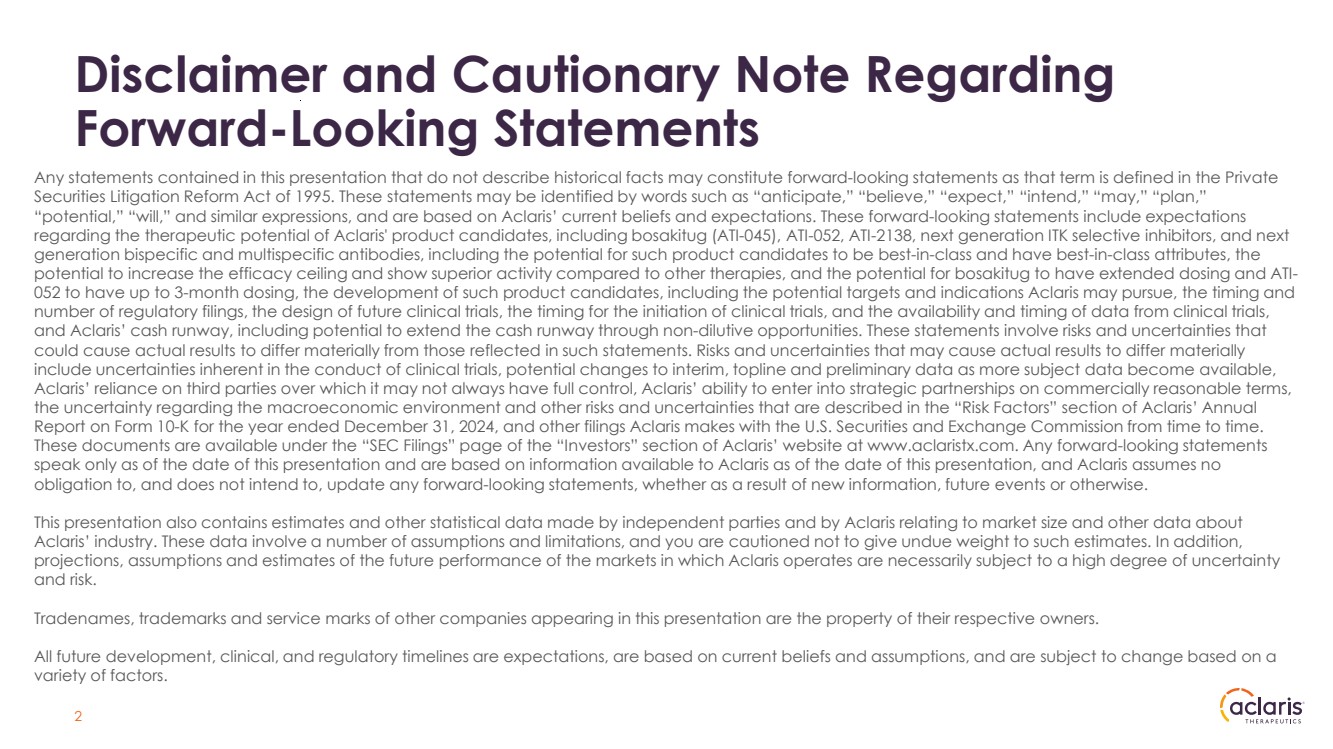
| Aclaris Therapeutics Innovation Driven Patient Focused Four anticipated clinical programs Multiple anticipated inflection points in 2026 Validated targets; positioned in the oral and antibody space Bispecific and ITK oral programs have the potential to be paradigm changing in multiple indications Advancing potential industry-leading inhibitors designed to address validated, therapeutically-relevant immune targets 3 Prudent capital management Underpinned by state-of-the-art scientific platform and world class scientific acumen CORPORATE STRATEGY: COMMITMENT TO THERAPEUTIC INNOVATION |
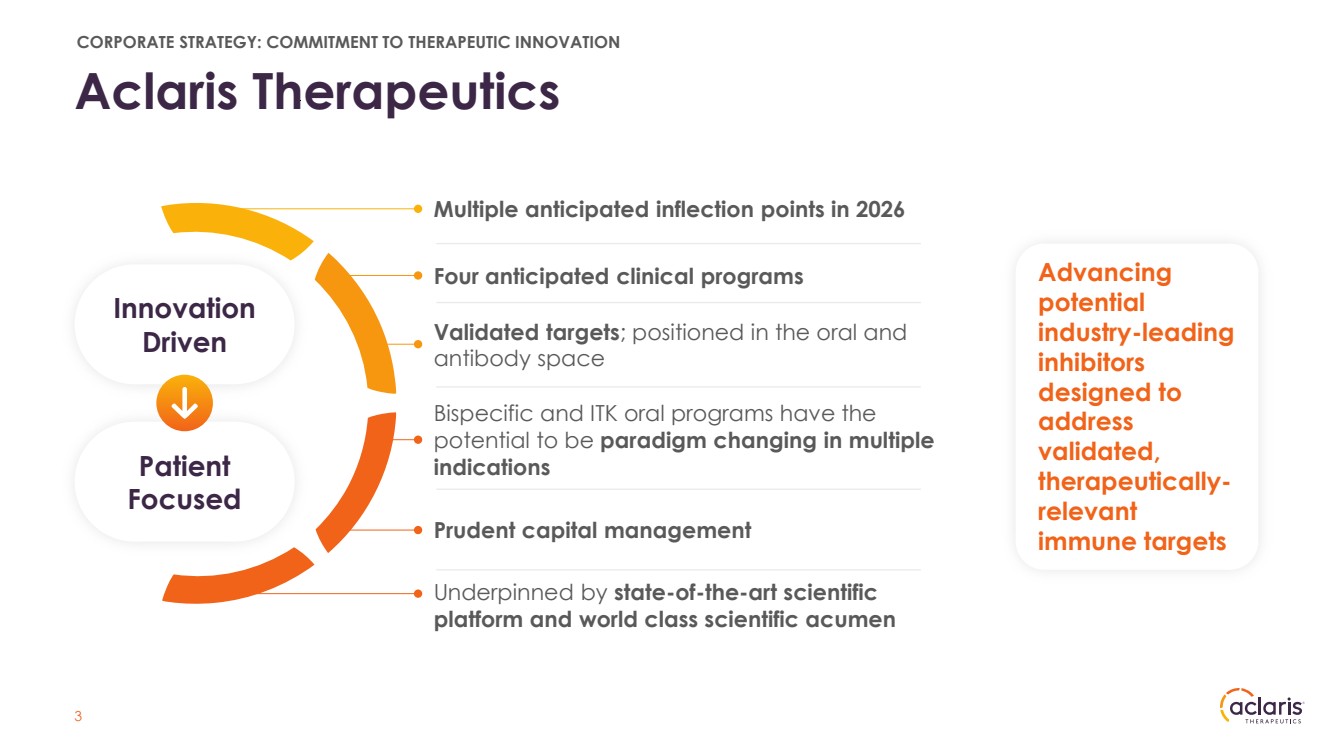
| 4 Atopic dermatitis 26M 204M Alopecia areata 6.7M 160M Vitiligo 2-3M 70M Lichen planus 0.6M 12M Dermatology Respiratory GI IBD 2.4M 7M U.S. Patients Global Patients Sources: Eczema stats: National Eczema Association (accessed 07/31/25); National Alopecia Areata Foundation (Accessed 07/31/25); Vitiligo Facts: Global Vitiligo Foundation (accessed 07/31/25); Precedence Research; Forbes Business Insights; American Medical Association; American Lung Association; Global Initiative for Asthma; World Health Organization; Lancet Respir Med. 2022 May;10(5):447–458. doi: 10.1016/S2213-2600(21)00511-7; The Centers for Disease Control and Prevention (CDC); Cowen Categories Outlook 2024; Journal of the American Academy of Dermatology, vol 87, DOI: 10.1016/j.jaad.2021.12.013; Journal of the Academy of Dermatology, DOI: 10.1016/j.jaad.2025.05.852. Lancet Gastroenterol.Hepatol.2020,5, 17–30. Asthma 25M 340M COPD 16M 390M Over 1B People Live with Addressable I&I Diseases Th1, Th2, and Th17 drive dermatological, respiratory, and gastrointestinal (GI) diseases that impact millions of patients in the U.S. alone COMMERCIAL OVERVIEW EOE 0.5M 3.3M COPD = Chronic obstructive pulmonary disease; IBD = Irritable bowel syndrome; EOE = Eosinophilic esophagitis |
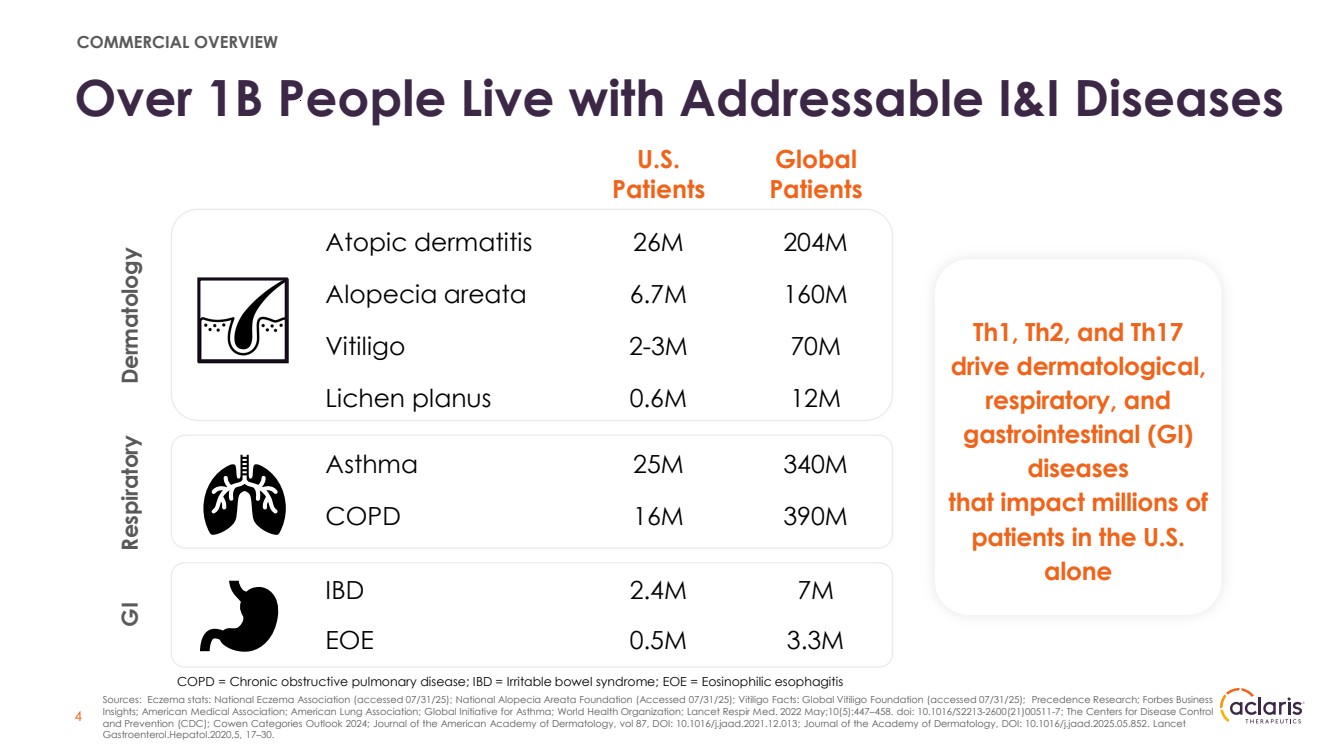
| 5 Sources: Eczema stats: National Eczema Association (accessed 07/31/25); National Alopecia Areata Foundation (Accessed 07/31/25); Vitiligo Facts: Global Vitiligo Foundation (accessed 07/31/25); Precedence Research; Forbes Business Insights; American Medical Association; American Lung Association; Global Initiative for Asthma; World Health Organization; The Centers for Disease Control and Prevention (CDC); Business Research Company; peer research; Delveinsight; HBSC Global Investments Research 2026 Pharma Catalysts; Cowen Categories Outlook 2024 Significant opportunity for new innovative therapeutics for Th1, Th2, and Th17- mediated dermatological and respiratory diseases including potent and well tolerated biologics and oral inhibitors Significant Future Value of Addressing I&I Diseases Addressing Th1, Th2 and Th17-Mediated Disorders COMMERCIAL OVERVIEW I&I = Inflammation and Immunology |
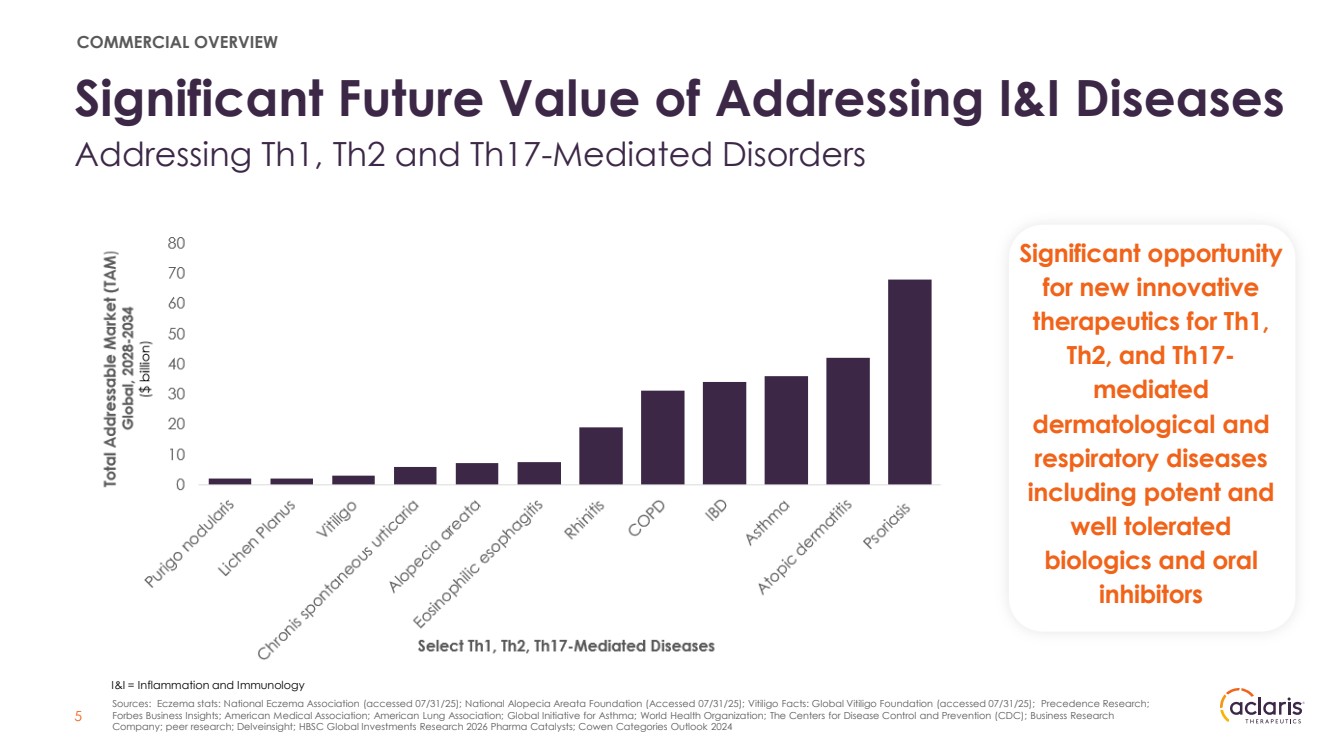
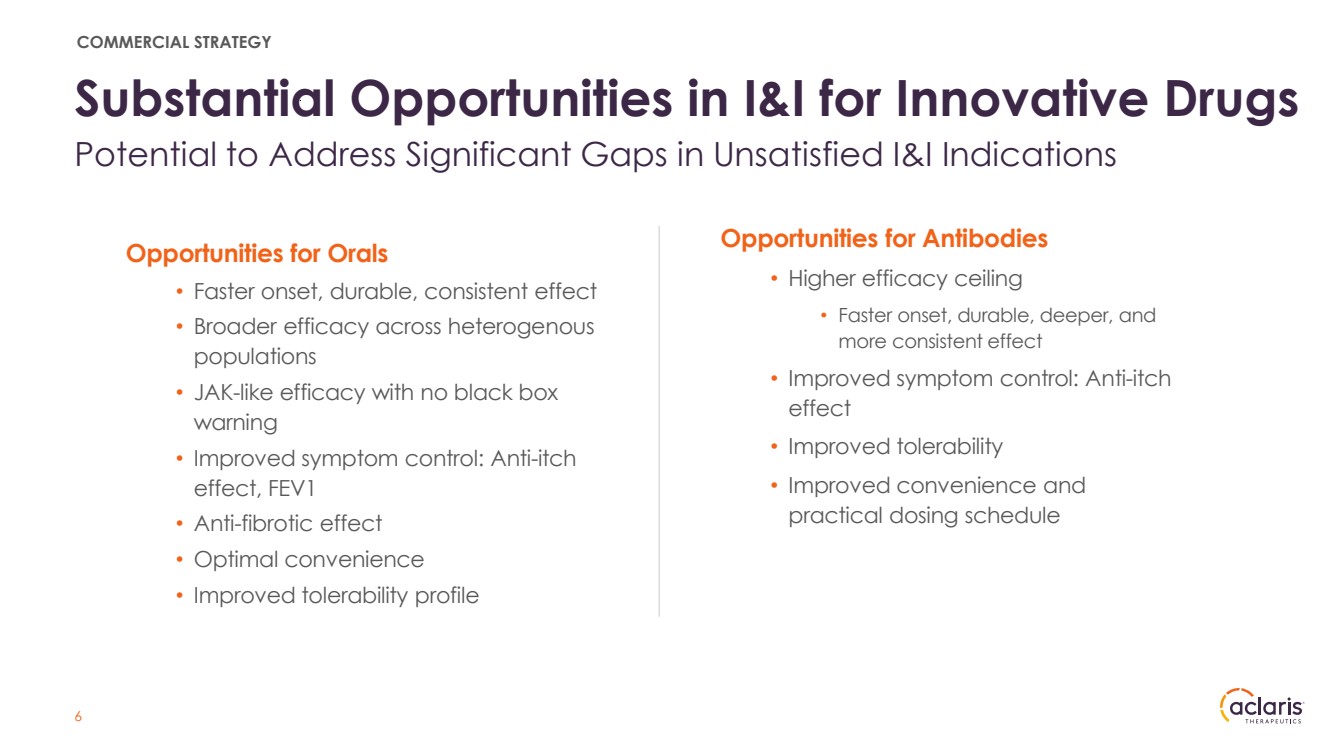
| Substantial Opportunities in I&I for Innovative Drugs Potential to Address Significant Gaps in Unsatisfied I&I Indications 6 Opportunities for Orals • Faster onset, durable, consistent effect • Broader efficacy across heterogenous populations • JAK-like efficacy with no black box warning • Improved symptom control: Anti-itch effect, FEV1 • Anti-fibrotic effect • Optimal convenience • Improved tolerability profile Opportunities for Antibodies • Higher efficacy ceiling • Faster onset, durable, deeper, and more consistent effect • Improved symptom control: Anti-itch effect • Improved tolerability • Improved convenience and practical dosing schedule COMMERCIAL STRATEGY |
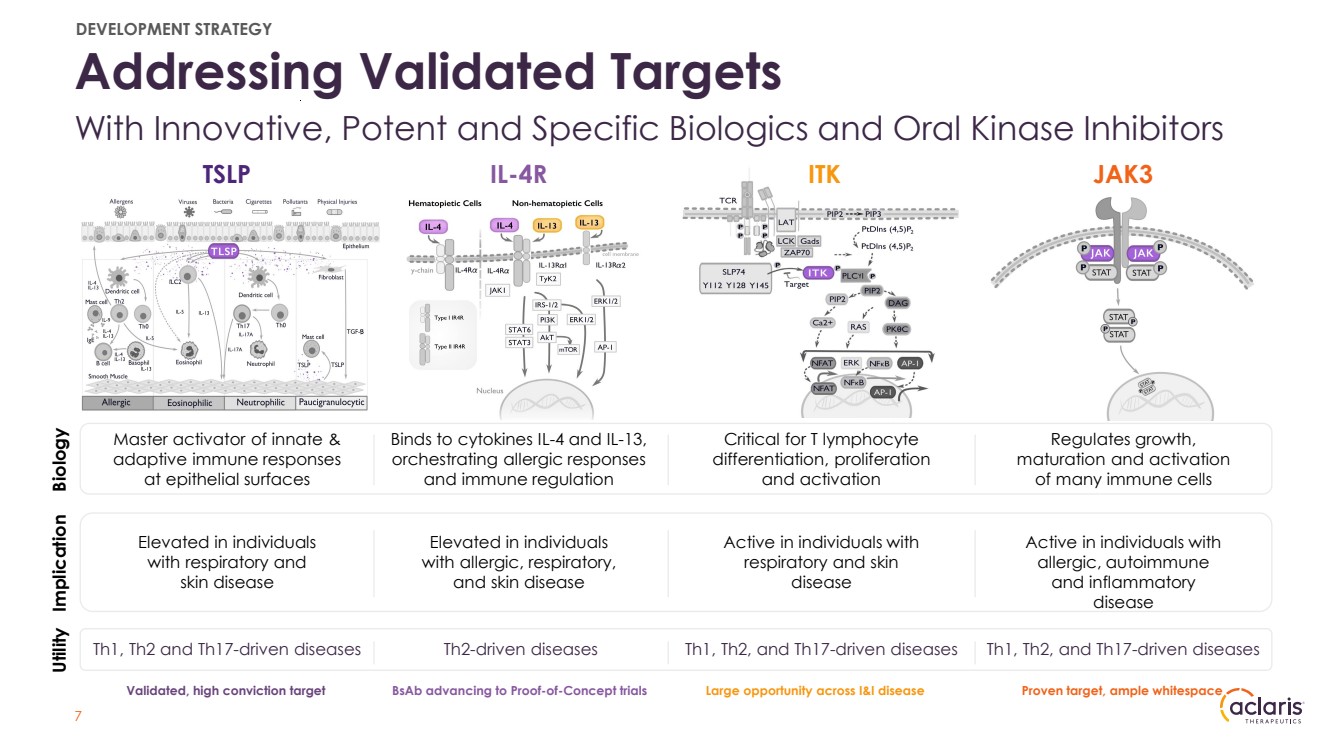
| 7 Master activator of innate & adaptive immune responses at epithelial surfaces Binds to cytokines IL-4 and IL-13, orchestrating allergic responses and immune regulation Critical for T lymphocyte differentiation, proliferation and activation Regulates growth, maturation and activation of many immune cells Th1, Th2, and Th17-driven diseases Th1, Th2, and Th17-driven diseases Elevated in individuals with respiratory and skin disease Th1, Th2 and Th17-driven diseases Elevated in individuals with allergic, respiratory, and skin disease Active in individuals with respiratory and skin disease Active in individuals with allergic, autoimmune and inflammatory disease Th2-driven diseases Biology Implication Utility Validated, high conviction target BsAb advancing to Proof-of-Concept trials Large opportunity across I&I disease Proven target, ample whitespace DEVELOPMENT STRATEGY TSLP IL-4R ITK JAK3 Addressing Validated Targets With Innovative, Potent and Specific Biologics and Oral Kinase Inhibitors |
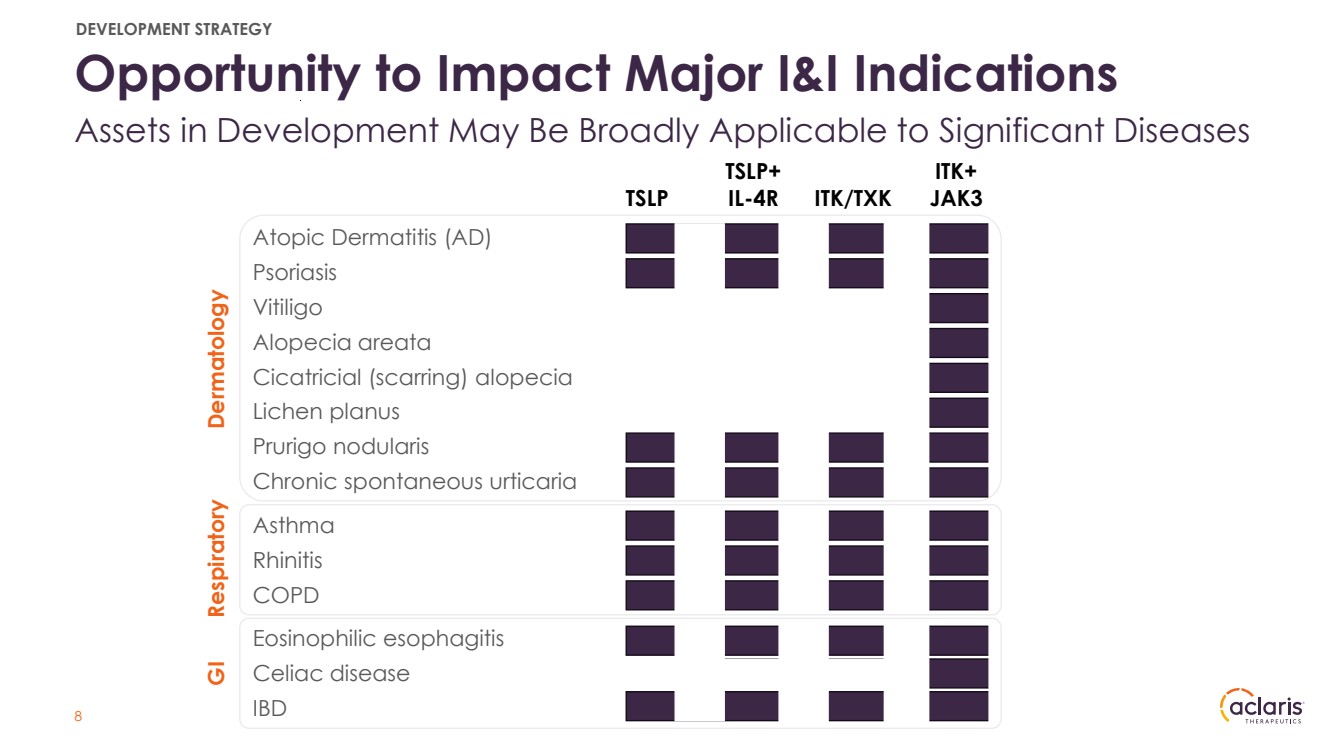
| Opportunity to Impact Major I&I Indications Assets in Development May Be Broadly Applicable to Significant Diseases 8 Atopic Dermatitis (AD) Psoriasis Vitiligo Alopecia areata Cicatricial (scarring) alopecia Lichen planus Prurigo nodularis Chronic spontaneous urticaria Asthma Rhinitis COPD Eosinophilic esophagitis Celiac disease IBD Dermatology Respiratory GI TSLP ITK/TXK TSLP+ IL-4R ITK+ JAK3 DEVELOPMENT STRATEGY |
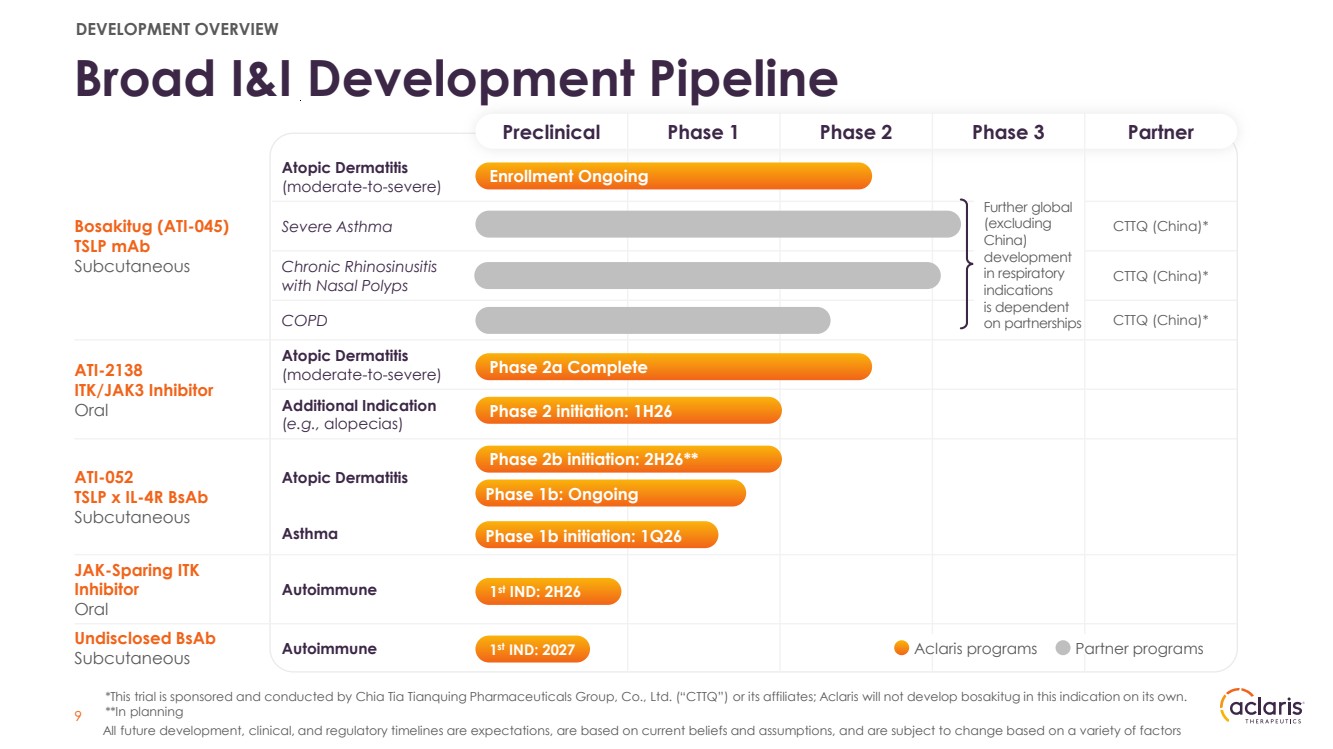
| Broad I&I Development Pipeline 9 Preclinical Phase 1 Phase 2 Phase 3 Partner Bosakitug (ATI-045) TSLP mAb Subcutaneous Atopic Dermatitis (moderate-to-severe) Severe Asthma CTTQ (China)* Chronic Rhinosinusitis with Nasal Polyps CTTQ (China)* COPD CTTQ (China)* ATI-2138 ITK/JAK3 Inhibitor Oral Atopic Dermatitis (moderate-to-severe) Additional Indication (e.g., alopecias) ATI-052 TSLP x IL-4R BsAb Subcutaneous Atopic Dermatitis Asthma JAK-Sparing ITK Inhibitor Oral Autoimmune Undisclosed BsAb Subcutaneous Autoimmune Phase 2a Complete Phase 2b initiation: 2H26** 1st IND: 2H26 Enrollment Ongoing Phase 2 initiation: 1H26 1st IND: 2027 Further global (excluding China) development in respiratory indications is dependent on partnerships *This trial is sponsored and conducted by Chia Tia Tianquing Pharmaceuticals Group, Co., Ltd. (“CTTQ”) or its affiliates; Aclaris will not develop bosakitug in this indication on its own. **In planning All future development, clinical, and regulatory timelines are expectations, are based on current beliefs and assumptions, and are subject to change based on a variety of factors Phase 1b initiation: 1Q26 Phase 1b: Ongoing DEVELOPMENT OVERVIEW Aclaris programs Partner programs |
| Bosakitug (ATI-045): Highly Differentiated Anti-TSLP Antibody Investigational Product Candidate with Best-in-Class Potential |
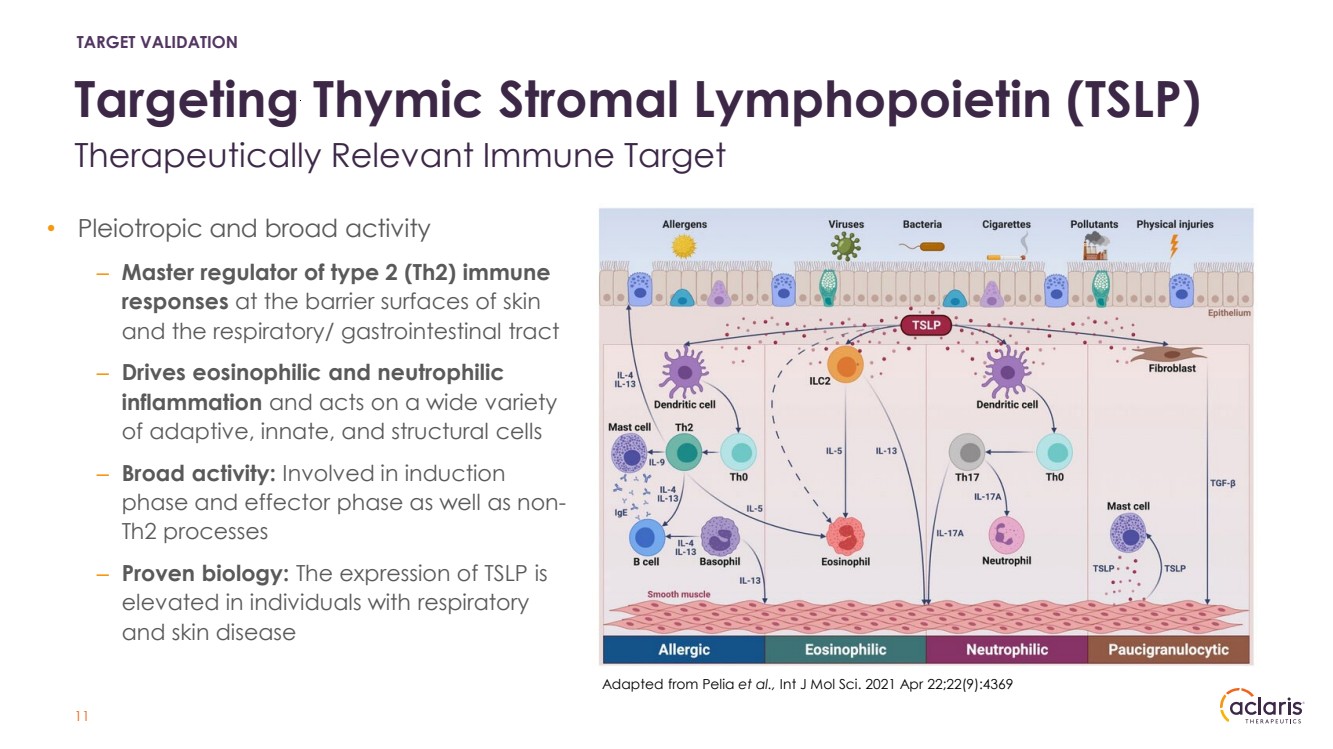
| • Pleiotropic and broad activity – Master regulator of type 2 (Th2) immune responses at the barrier surfaces of skin and the respiratory/ gastrointestinal tract – Drives eosinophilic and neutrophilic inflammation and acts on a wide variety of adaptive, innate, and structural cells – Broad activity: Involved in induction phase and effector phase as well as non-Th2 processes – Proven biology: The expression of TSLP is elevated in individuals with respiratory and skin disease 11 Targeting Thymic Stromal Lymphopoietin (TSLP) Therapeutically Relevant Immune Target Adapted from Pelia et al., Int J Mol Sci. 2021 Apr 22;22(9):4369 TARGET VALIDATION |
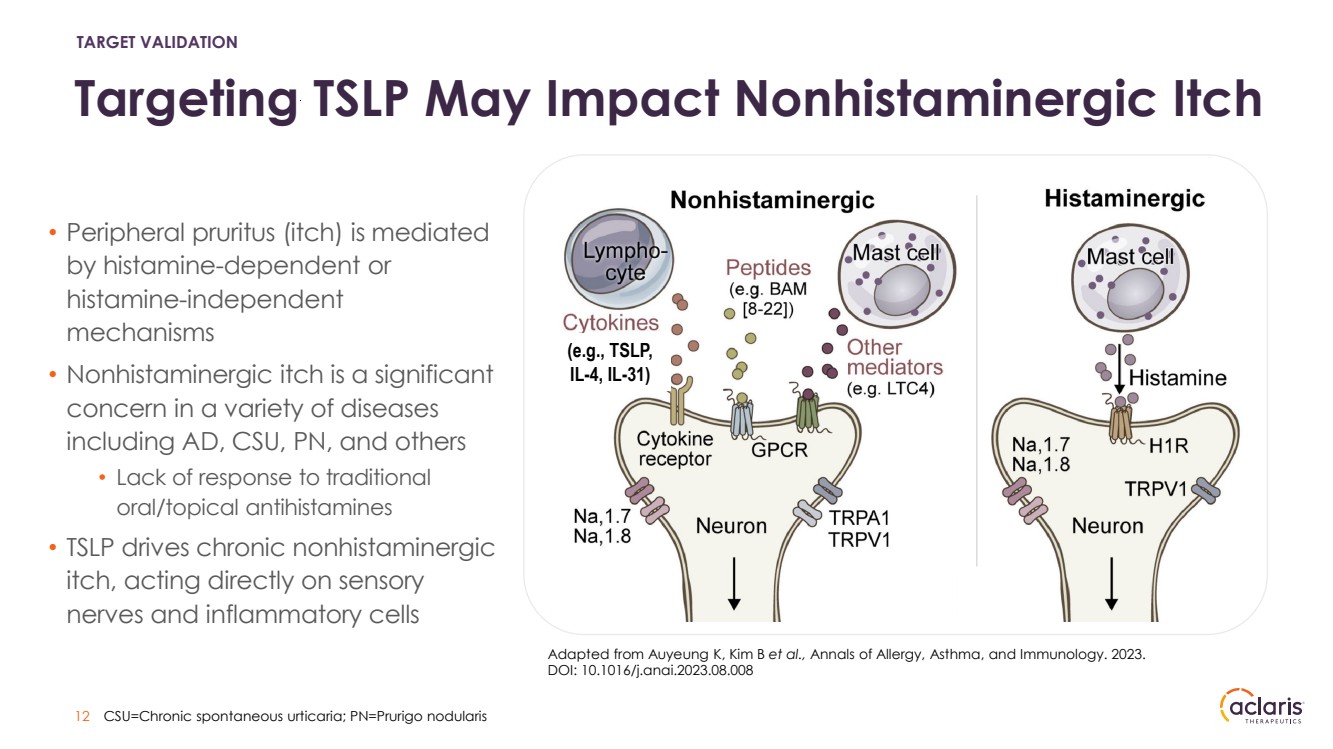
| 12 Adapted from Auyeung K, Kim B et al., Annals of Allergy, Asthma, and Immunology. 2023. DOI: 10.1016/j.anai.2023.08.008 (e.g., TSLP, IL-4, IL-31) • Peripheral pruritus (itch) is mediated by histamine-dependent or histamine-independent mechanisms • Nonhistaminergic itch is a significant concern in a variety of diseases including AD, CSU, PN, and others • Lack of response to traditional oral/topical antihistamines • TSLP drives chronic nonhistaminergic itch, acting directly on sensory nerves and inflammatory cells Targeting TSLP May Impact Nonhistaminergic Itch TARGET VALIDATION CSU=Chronic spontaneous urticaria; PN=Prurigo nodularis |
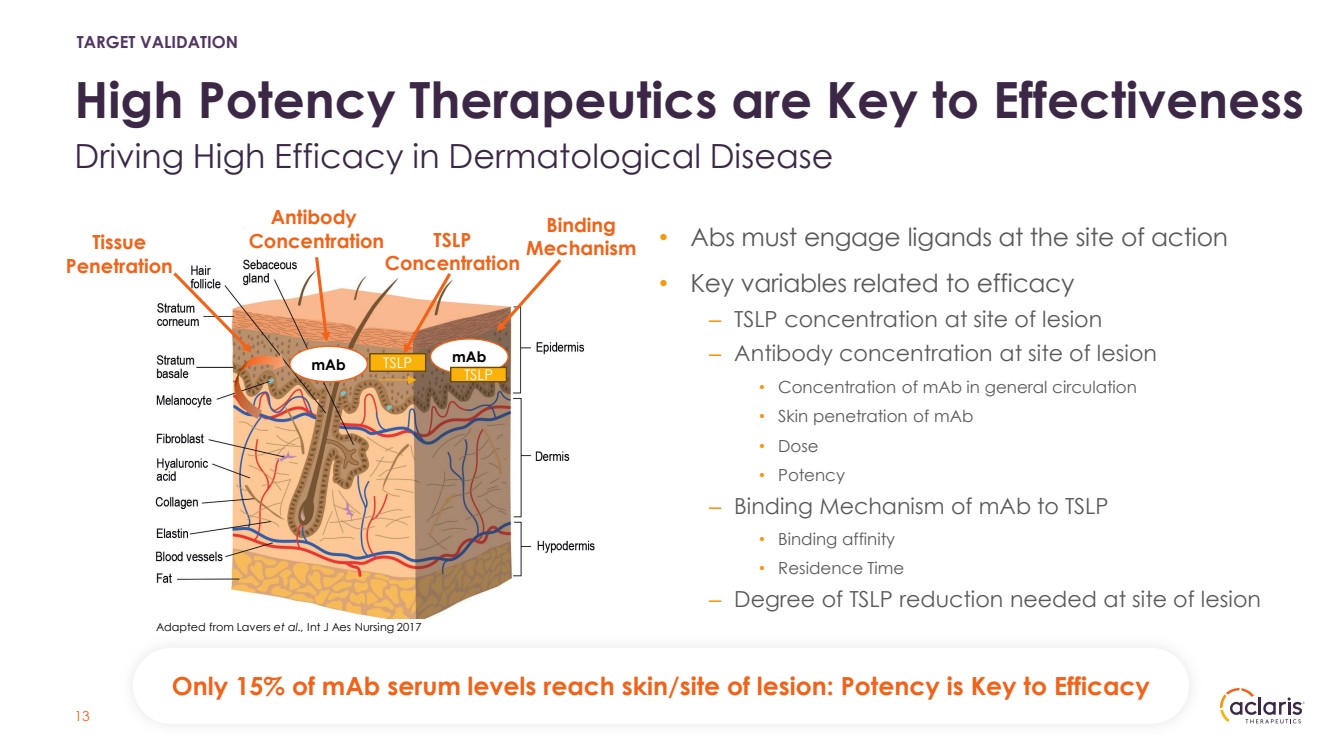
| High Potency Therapeutics are Key to Effectiveness Driving High Efficacy in Dermatological Disease • Abs must engage ligands at the site of action • Key variables related to efficacy – TSLP concentration at site of lesion – Antibody concentration at site of lesion • Concentration of mAb in general circulation • Skin penetration of mAb • Dose • Potency – Binding Mechanism of mAb to TSLP • Binding affinity • Residence Time – Degree of TSLP reduction needed at site of lesion Only 15% of mAb serum levels reach skin/site of lesion: Potency is Key to Efficacy 13 mAb mAb TSLP TSLP Tissue Penetration Antibody Concentration TSLP Concentration Binding Mechanism Adapted from Lavers et al., Int J Aes Nursing 2017 TARGET VALIDATION |
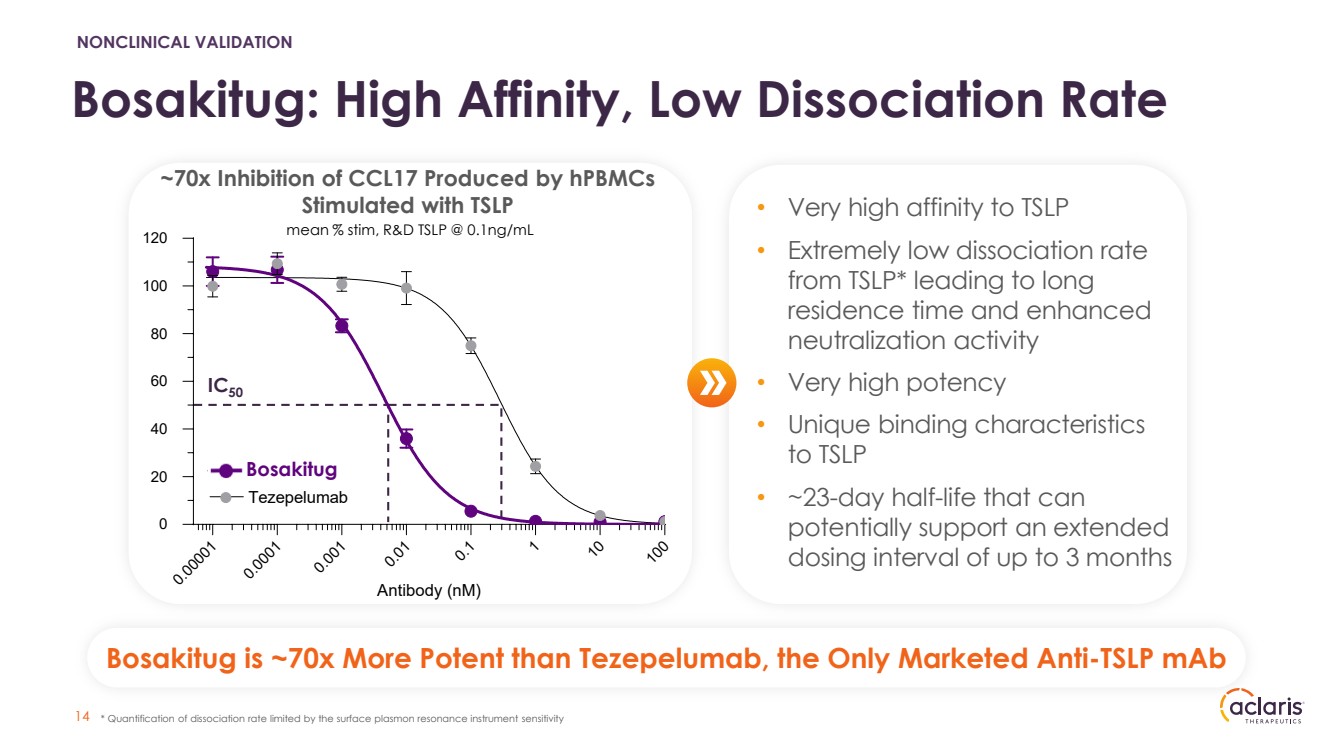
| Bosakitug: High Affinity, Low Dissociation Rate • Very high affinity to TSLP • Extremely low dissociation rate from TSLP* leading to long residence time and enhanced neutralization activity • Very high potency • Unique binding characteristics to TSLP • ~23-day half-life that can potentially support an extended dosing interval of up to 3 months ~70x Inhibition of CCL17 Produced by hPBMCs Stimulated with TSLP mean % stim, R&D TSLP @ 0.1ng/mL IC50 Bosakitug is ~70x More Potent than Tezepelumab, the Only Marketed Anti-TSLP mAb 14 * Quantification of dissociation rate limited by the surface plasmon resonance instrument sensitivity 0.00001 0.0001 0.001 0.01 0.1 1 10 100 0 20 40 60 80 100 120 Antibody (nM) ATI-045 Tezepelumab Bosakitug NONCLINICAL VALIDATION |
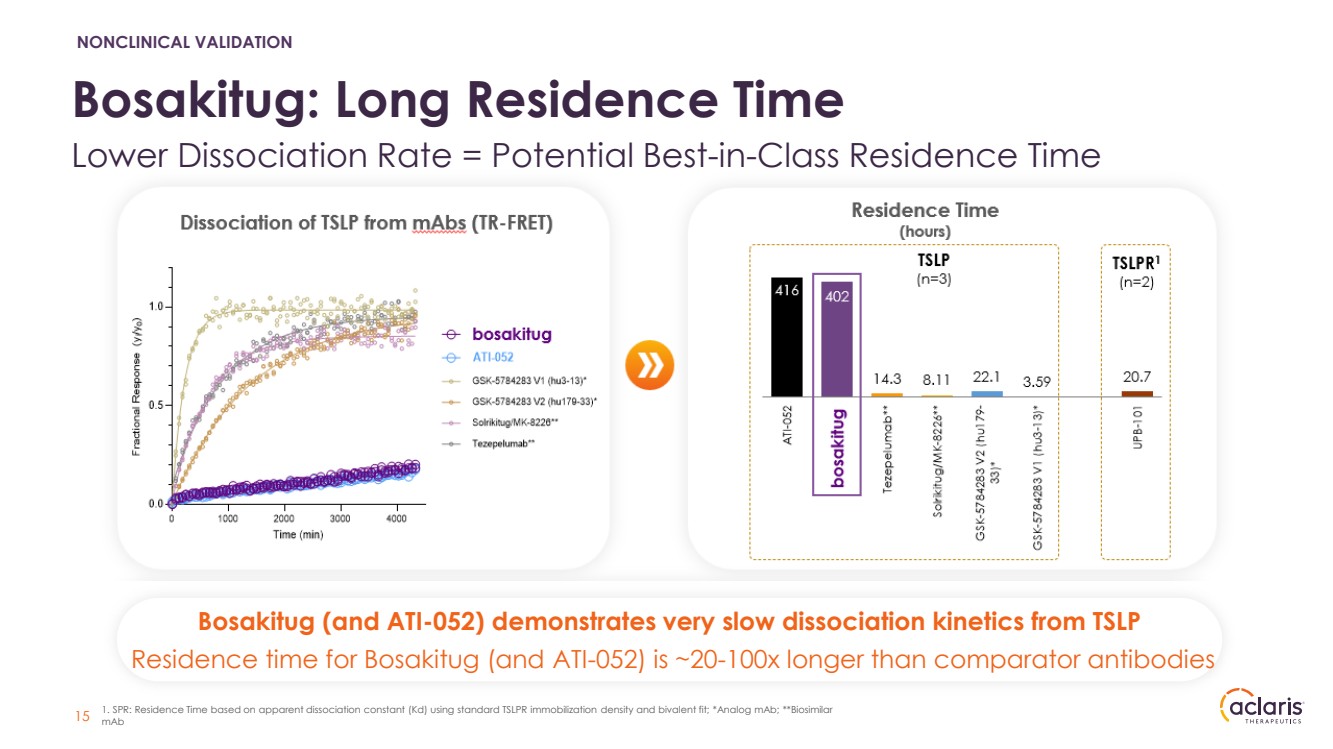
| Bosakitug (and ATI-052) demonstrates very slow dissociation kinetics from TSLP Residence time for Bosakitug (and ATI-052) is ~20-100x longer than comparator antibodies 15 1. SPR: Residence Time based on apparent dissociation constant (Kd) using standard TSLPR immobilization density and bivalent fit; *Analog mAb; **Biosimilar mAb Bosakitug: Long Residence Time Lower Dissociation Rate = Potential Best-in-Class Residence Time NONCLINICAL VALIDATION |
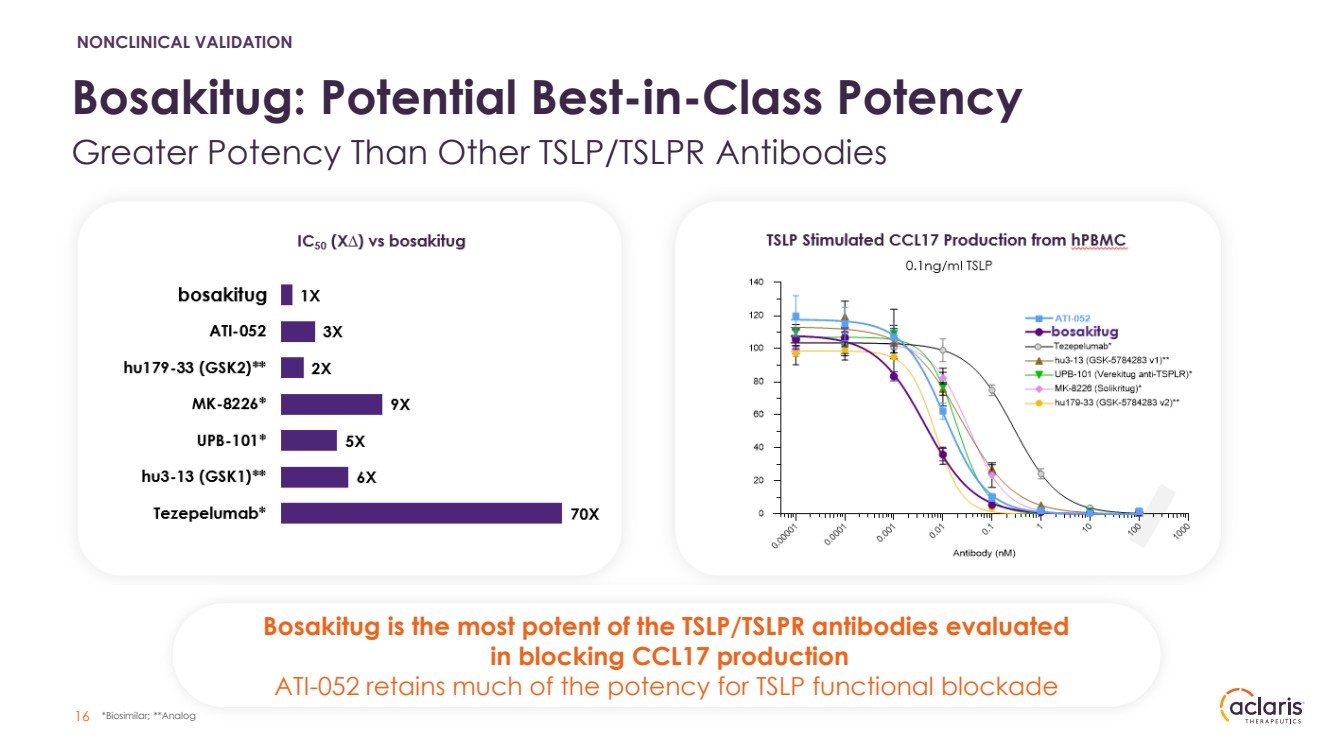
| Bosakitug is the most potent of the TSLP/TSLPR antibodies evaluated in blocking CCL17 production ATI-052 retains much of the potency for TSLP functional blockade 16 *Biosimilar; **Analog Bosakitug: Potential Best-in-Class Potency Greater Potency Than Other TSLP/TSLPR Antibodies NONCLINICAL VALIDATION |
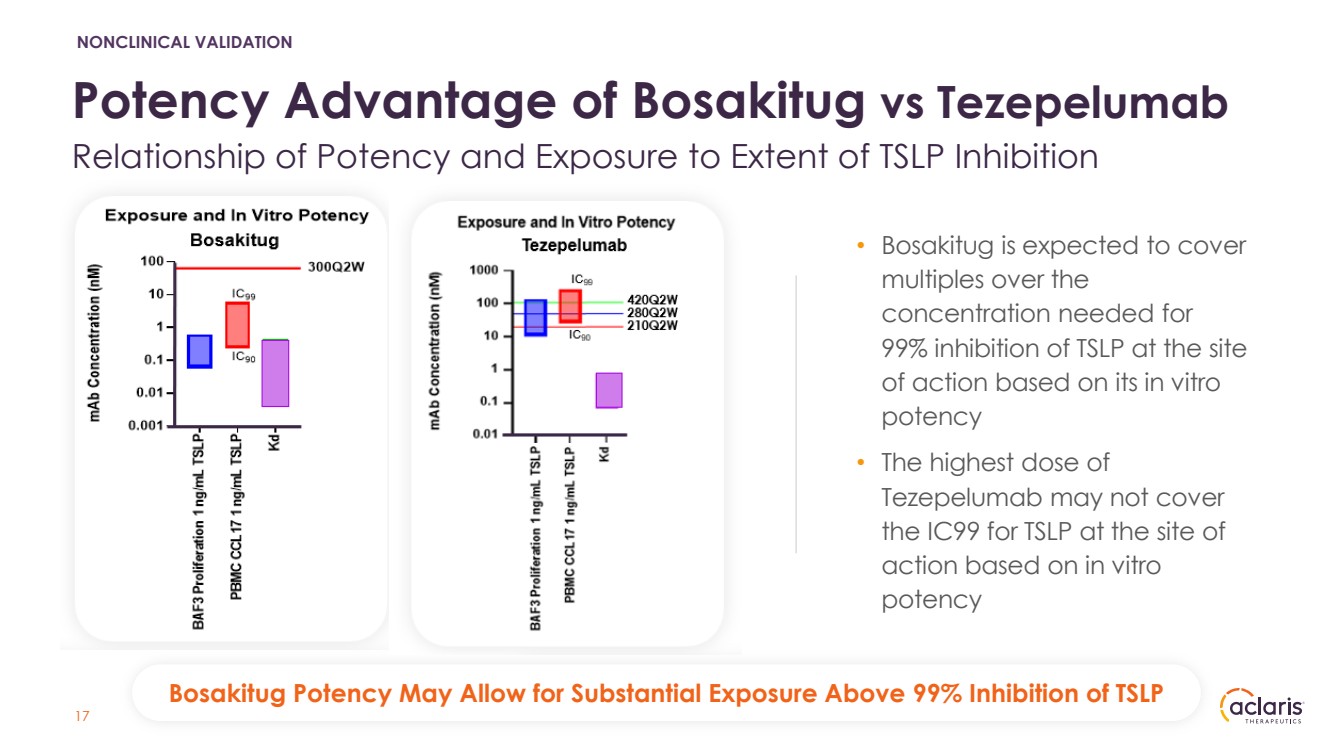
| Potency Advantage of Bosakitug vs Tezepelumab Relationship of Potency and Exposure to Extent of TSLP Inhibition • Bosakitug is expected to cover multiples over the concentration needed for 99% inhibition of TSLP at the site of action based on its in vitro potency • The highest dose of Tezepelumab may not cover the IC99 for TSLP at the site of action based on in vitro potency Bosakitug Potency May Allow for Substantial Exposure Above 99% Inhibition of TSLP 17 NONCLINICAL VALIDATION |
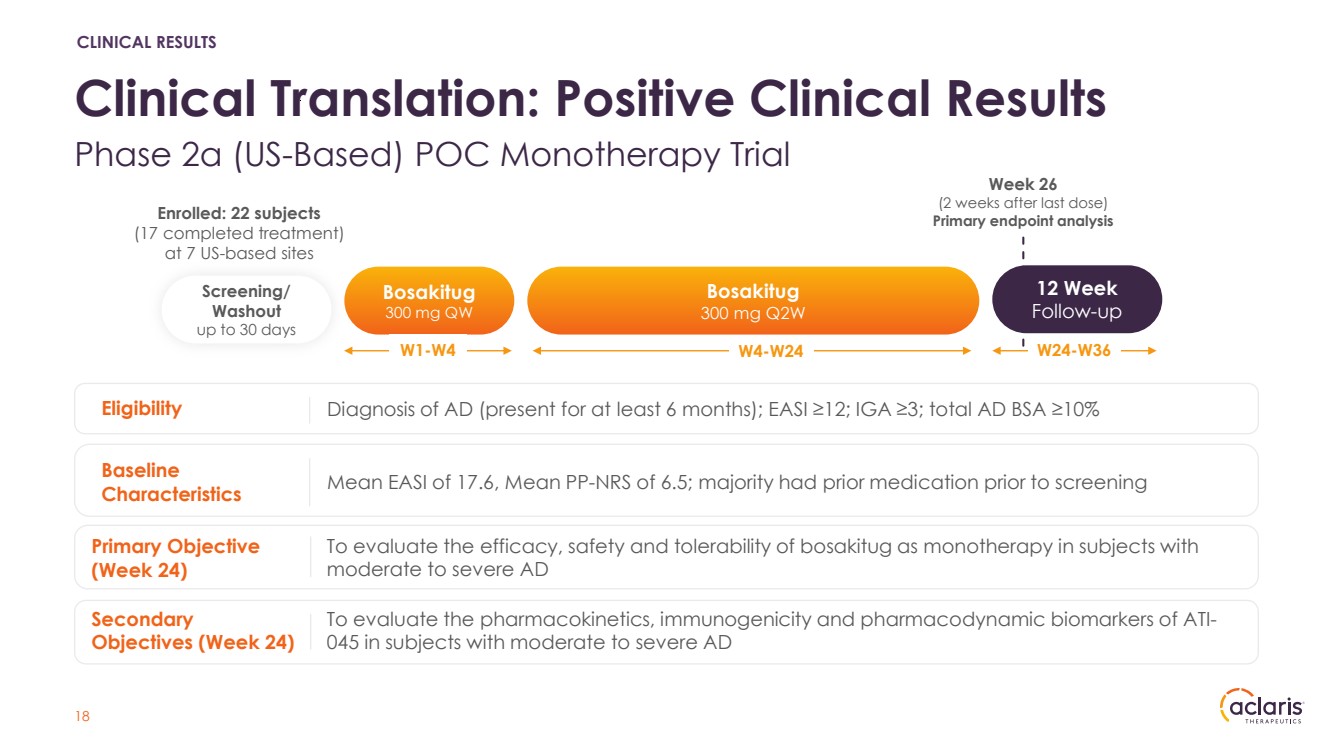
| Clinical Translation: Positive Clinical Results Phase 2a (US-Based) POC Monotherapy Trial 18 Bosakitug 300 mg QW Bosakitug 300 mg Q2W Screening/ Washout up to 30 days 12 Week Follow-up Week 26 (2 weeks after last dose) Primary endpoint analysis Enrolled: 22 subjects (17 completed treatment) at 7 US-based sites Primary Objective (Week 24) To evaluate the efficacy, safety and tolerability of bosakitug as monotherapy in subjects with moderate to severe AD W1-W4 W4-W24 W24-W36 Secondary Objectives (Week 24) To evaluate the pharmacokinetics, immunogenicity and pharmacodynamic biomarkers of ATI-045 in subjects with moderate to severe AD Eligibility Diagnosis of AD (present for at least 6 months); EASI ≥12; IGA ≥3; total AD BSA ≥10% Baseline Characteristics Mean EASI of 17.6, Mean PP-NRS of 6.5; majority had prior medication prior to screening CLINICAL RESULTS |
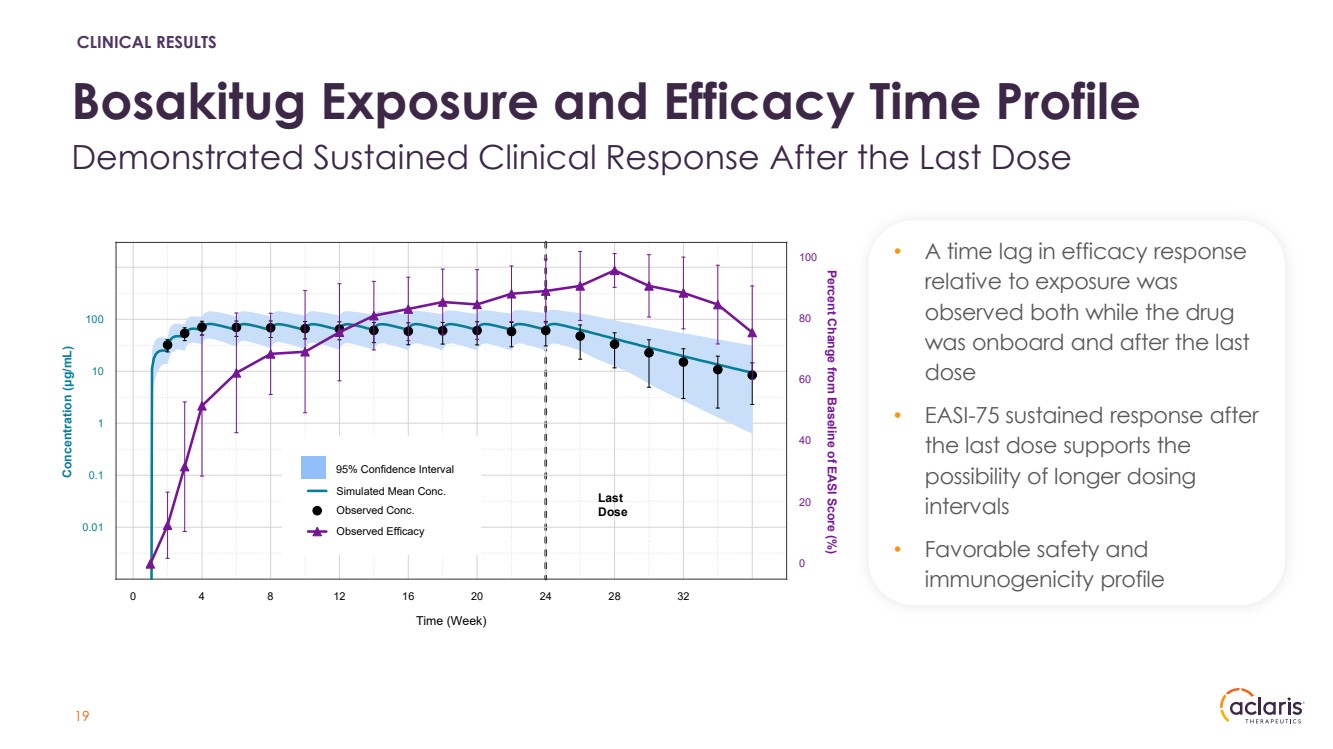
| Bosakitug Exposure and Efficacy Time Profile Demonstrated Sustained Clinical Response After the Last Dose 0 4 8 12 16 20 24 28 32 0.01 0.1 1 10 100 0 20 40 60 80 100 Time (Week) Concentration (μg/mL) Percent Change from Baseline of EASI Score (%) Last Dose Simulated Mean Conc. Observed Conc. Observed Efficacy 95% Confidence Interval • A time lag in efficacy response relative to exposure was observed both while the drug was onboard and after the last dose • EASI-75 sustained response after the last dose supports the possibility of longer dosing intervals • Favorable safety and immunogenicity profile 19 CLINICAL RESULTS |
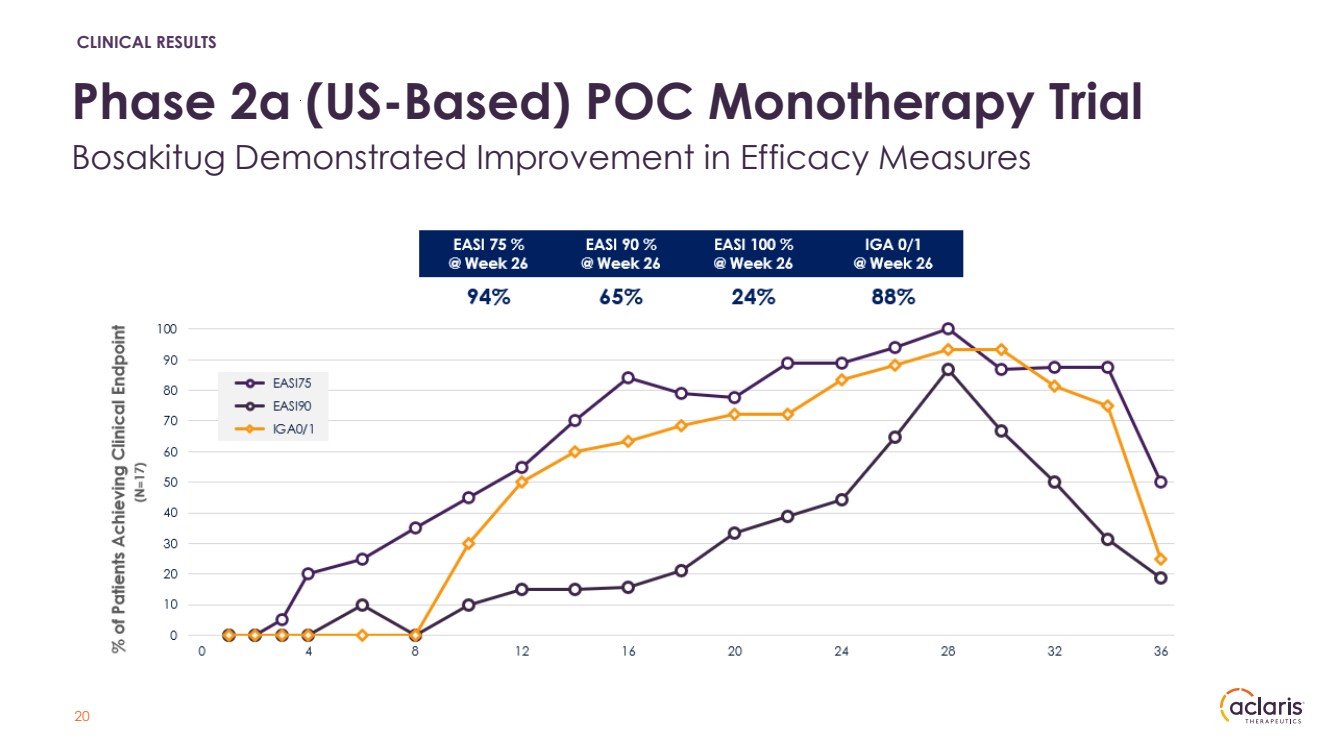
| Phase 2a (US-Based) POC Monotherapy Trial Bosakitug Demonstrated Improvement in Efficacy Measures 20 CLINICAL RESULTS |
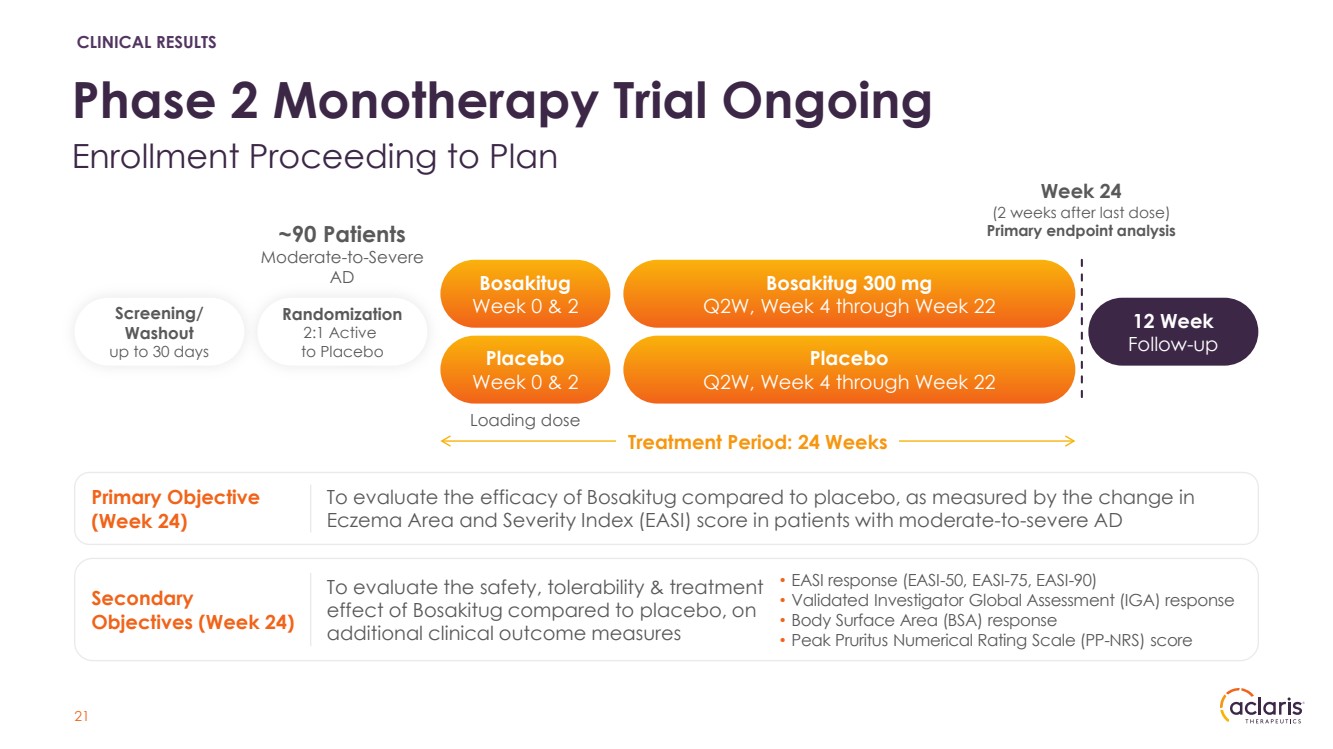
| Phase 2 Monotherapy Trial Ongoing Enrollment Proceeding to Plan 21 Placebo Week 0 & 2 Bosakitug Week 0 & 2 Placebo Q2W, Week 4 through Week 22 Bosakitug 300 mg Q2W, Week 4 through Week 22 Screening/ Washout up to 30 days 12 Week Follow-up Randomization 2:1 Active to Placebo Week 24 (2 weeks after last dose) ~90 Patients Primary endpoint analysis Moderate-to-Severe AD Treatment Period: 24 Weeks Loading dose Primary Objective (Week 24) To evaluate the efficacy of Bosakitug compared to placebo, as measured by the change in Eczema Area and Severity Index (EASI) score in patients with moderate-to-severe AD Secondary Objectives (Week 24) To evaluate the safety, tolerability & treatment effect of Bosakitug compared to placebo, on additional clinical outcome measures • EASI response (EASI-50, EASI-75, EASI-90) • Validated Investigator Global Assessment (IGA) response • Body Surface Area (BSA) response • Peak Pruritus Numerical Rating Scale (PP-NRS) score CLINICAL RESULTS |
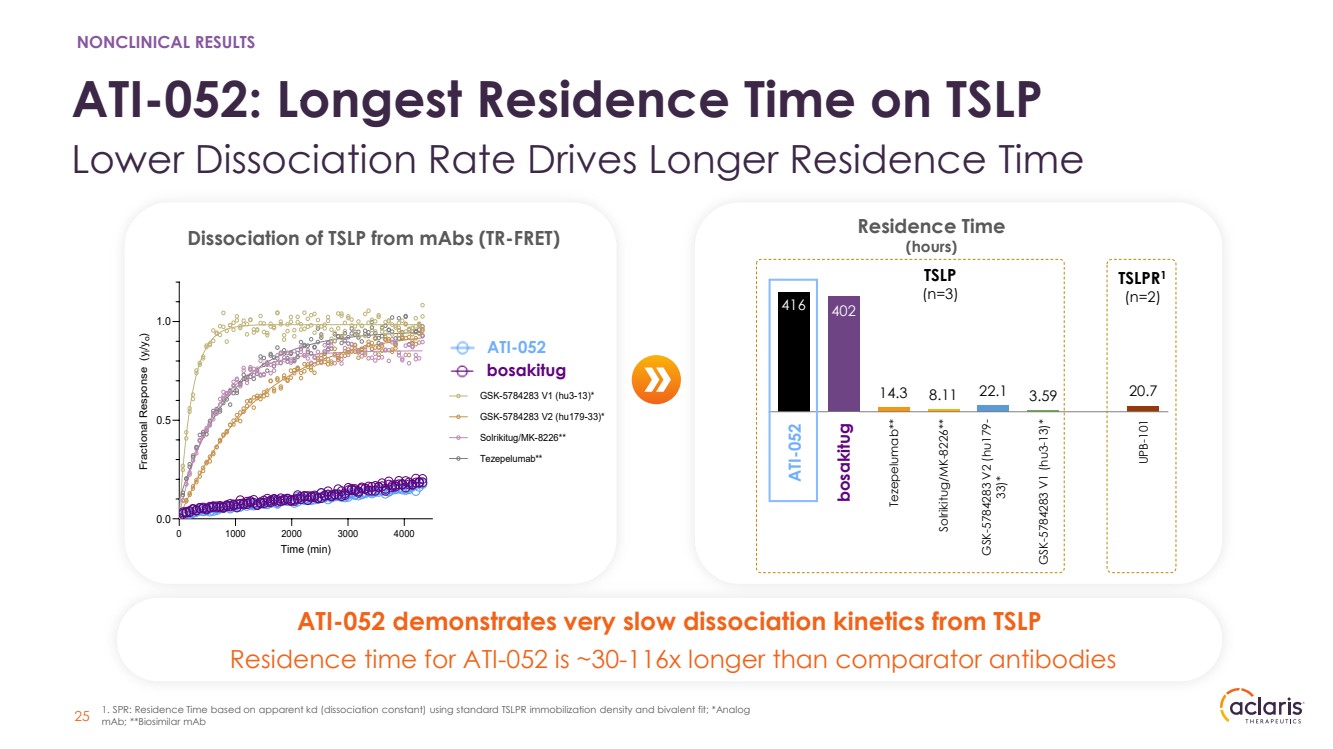
| 22 Bosakitug: Next Steps Competitively Positioned as Potential Best-in-Class TSLP mAb Phase 2 Atopic dermatitis Potential next targets Chronic Spontaneous Urticaria (CSU) EOE Ashma (partner) Phase 1 HV: SAD/MAD Ongoing Top line results in 2H2026 Complete Complete Phase 2a Atopic dermatitis Ongoing / Next Steps • Two-arm placebo-controlled Phase 2 trial in moderate-to-severe AD ongoing; Top line results expected in 2H 2026 • Aclaris is seeking partners to develop bosakitug in respiratory indications; further global (excluding China) development in these indications is dependent on entering into potential partnerships CLINICAL STRATEGY |
| ATI-052: Anti-TSLP x IL-4Rα First Generation Bispecific Antibody Program Highly Potent and Bioactive Investigational Product Candidate |
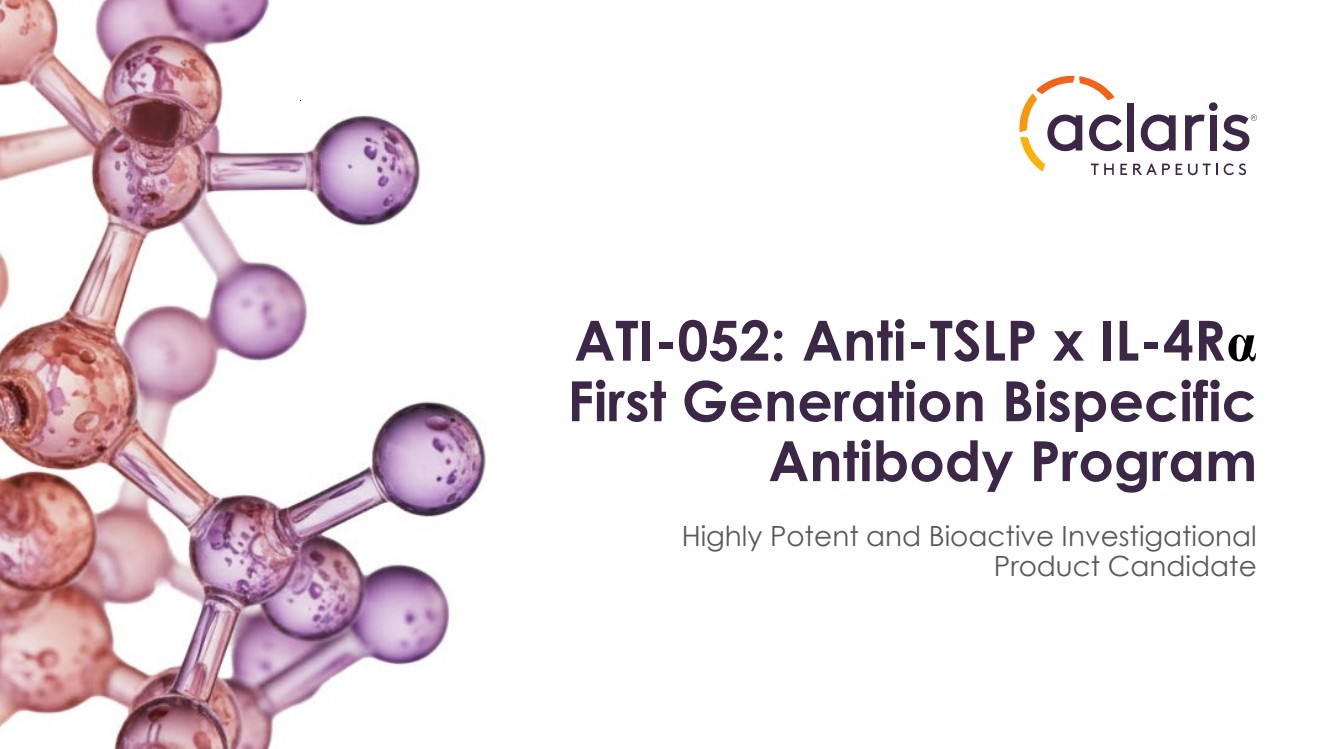
| ATI-052: Potential Best-in-Class Bispecific mAb Effective Dual Binding of TSLP and IL-4Rα ATI-052 CH2 CH3 CH2 CH3 24 Same anti-TSLP antibody binding regions of Bosakitug, designed to inhibit TSLP upstream of the Th2 cascade • Retains dissociation kinetics, residence time, and potency advantages of bosakitug over comparator antibodies Designed to inhibit immune cells downstream of the Th2 cascade Anti-TSLP Fab Anti-IL4Rα scFV Fc engineered to bind more tightly to FcRn, potentially extending half-life YTE Mutation Fc mutation limits effector functionality, potentially reducing off-target binding and potential toxicity AQQ Mutation TARGET VALIDATION |
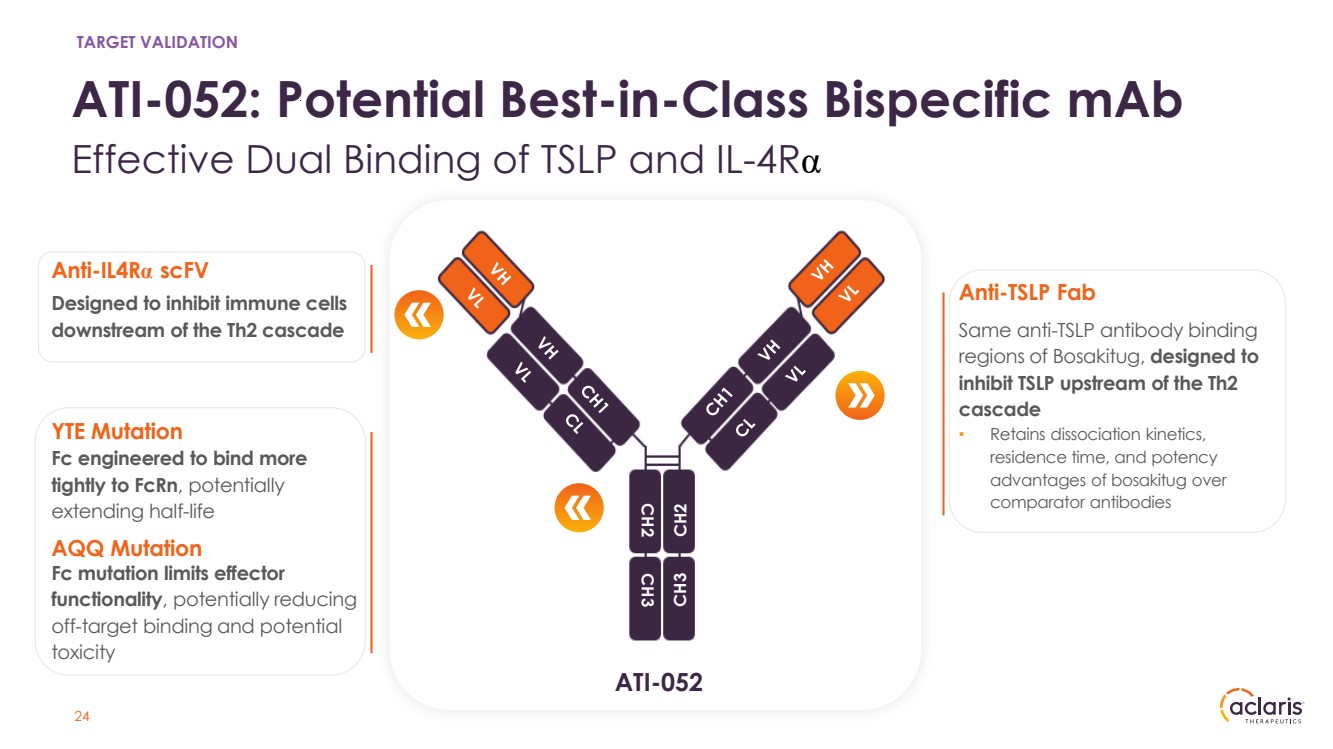
| Dissociation of TSLP from mAbs (TR-FRET) 0 1000 2000 3000 4000 0.0 0.5 1.0 Time (min) Fractional Response (yi/yo) ATI-045 ATI-052 GSK-5784283 V1 (hu3-13)* GSK-5784283 V2 (hu179-33)* Solrikitug/MK-8226** Tezepelumab** Residence Time (hours) 416 402 14.3 8.11 22.1 3.59 20.7 ATI-052 ATI-045 Tezepelumab** Solrikitug/MK-8226** GSK-5784283 V2 (hu179- 33)* GSK-5784283 V1 (hu3-13)* UPB-101 TSLPR1 (n=2) TSLP (n=3) bosakitug ATI-052 demonstrates very slow dissociation kinetics from TSLP Residence time for ATI-052 is ~30-116x longer than comparator antibodies 25 ATI-052: Longest Residence Time on TSLP Lower Dissociation Rate Drives Longer Residence Time 1. SPR: Residence Time based on apparent kd (dissociation constant) using standard TSLPR immobilization density and bivalent fit; *Analog mAb; **Biosimilar mAb bosakitug ATI-052 ATI-052 NONCLINICAL RESULTS |
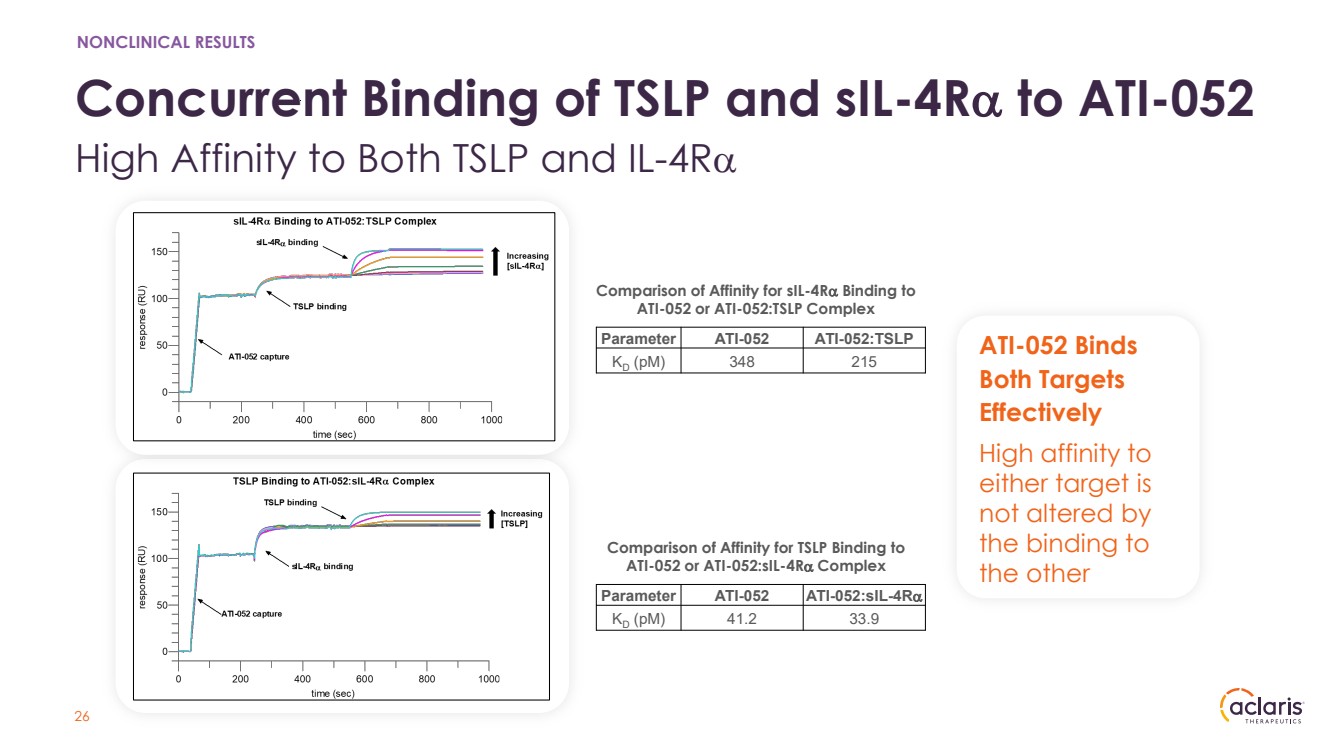
| Concurrent Binding of TSLP and sIL-4Rα to ATI-052 High Affinity to Both TSLP and IL-4Rα 26 a ATI-052 Binds Both Targets Effectively High affinity to either target is not altered by the binding to the other Comparison of Affinity for sIL-4Rα Binding to ATI-052 or ATI-052:TSLP Complex Comparison of Affinity for TSLP Binding to ATI-052 or ATI-052:sIL-4Rα Complex Parameter ATI-052 ATI-052:TSLP KD (pM) 348 215 Parameter ATI-052 ATI-052:sIL-4Rα KD (pM) 41.2 33.9 NONCLINICAL RESULTS |
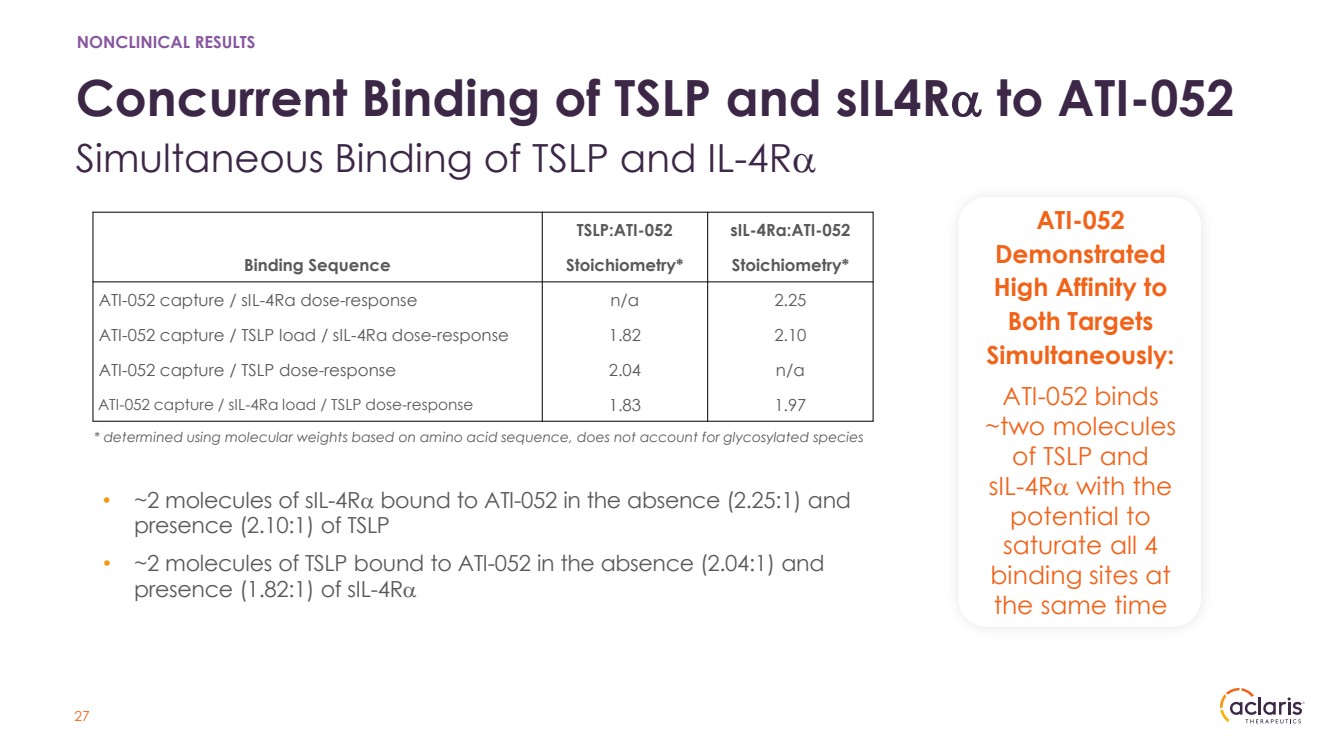
| Concurrent Binding of TSLP and sIL4Rα to ATI-052 Simultaneous Binding of TSLP and IL-4Rα 27 a ATI-052 Demonstrated High Affinity to Both Targets Simultaneously: ATI-052 binds ~two molecules of TSLP and sIL-4Rα with the potential to saturate all 4 binding sites at the same time TSLP:ATI-052 sIL-4Ra:ATI-052 Binding Sequence Stoichiometry* Stoichiometry* ATI-052 capture / sIL-4Ra dose-response n/a 2.25 ATI-052 capture / TSLP load / sIL-4Ra dose-response 1.82 2.10 ATI-052 capture / TSLP dose-response 2.04 n/a ATI-052 capture / sIL-4Ra load / TSLP dose-response 1.83 1.97 * determined using molecular weights based on amino acid sequence, does not account for glycosylated species • ~2 molecules of sIL-4Rα bound to ATI-052 in the absence (2.25:1) and presence (2.10:1) of TSLP • ~2 molecules of TSLP bound to ATI-052 in the absence (2.04:1) and presence (1.82:1) of sIL-4Rα NONCLINICAL RESULTS |
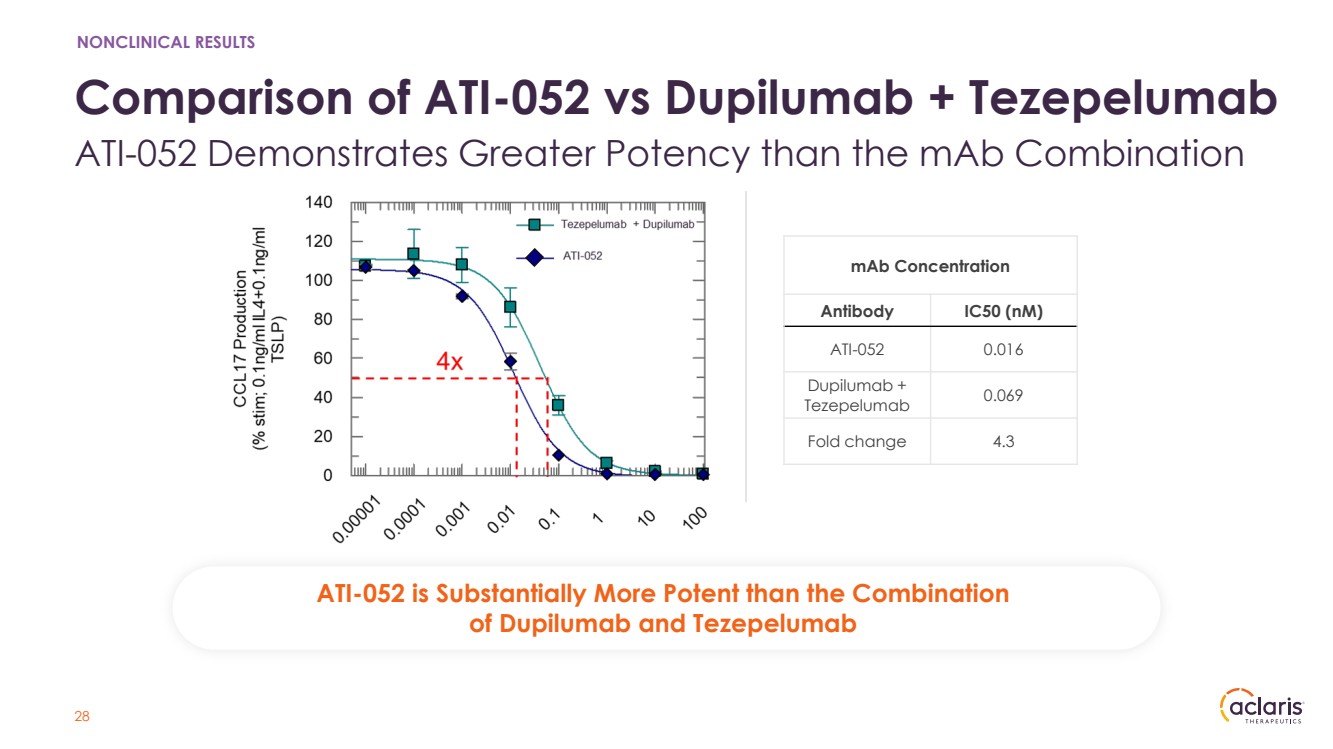
| Comparison of ATI-052 vs Dupilumab + Tezepelumab ATI-052 Demonstrates Greater Potency than the mAb Combination ATI-052 is Substantially More Potent than the Combination of Dupilumab and Tezepelumab mAb Concentration Antibody IC50 (nM) ATI-052 0.016 Dupilumab + Tezepelumab 0.069 Fold change 4.3 28 NONCLINICAL RESULTS |
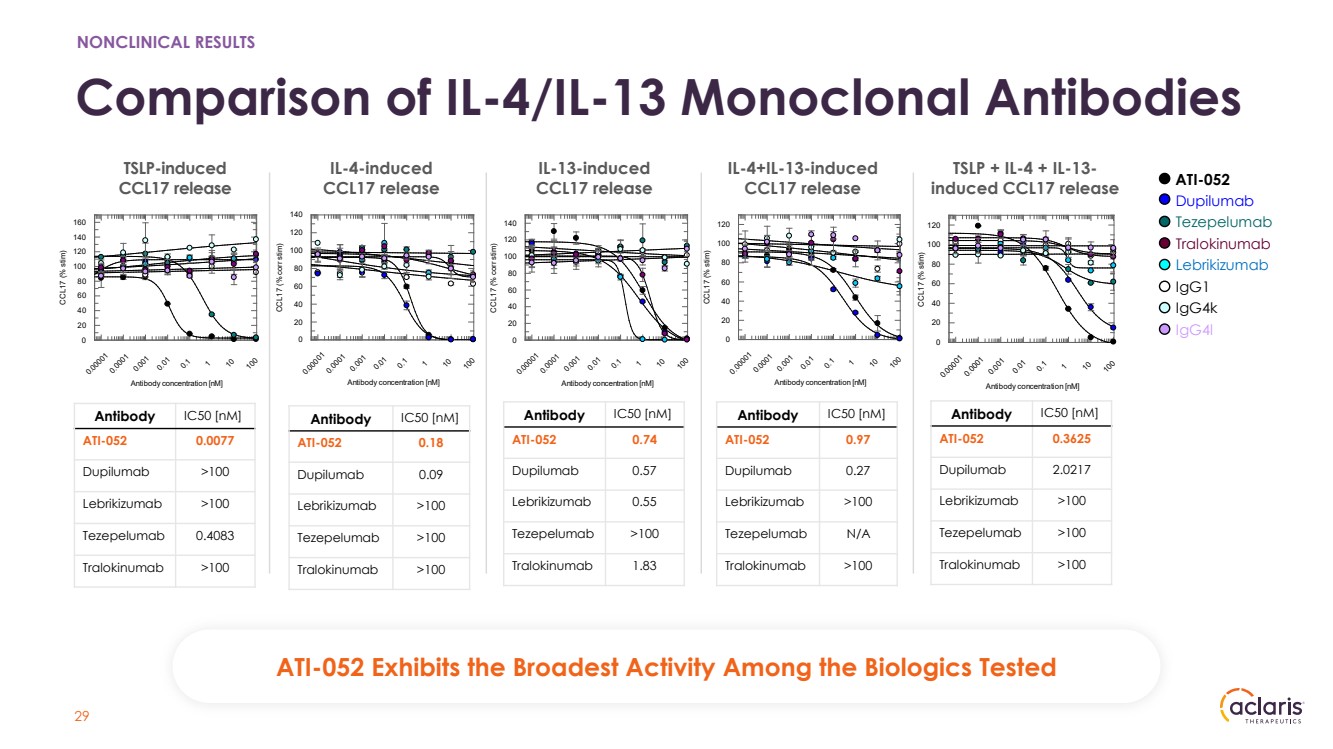
| Comparison of IL-4/IL-13 Monoclonal Antibodies IL-4-induced CCL17 release IL-13-induced CCL17 release TSLP-induced CCL17 release IL-4+IL-13-induced CCL17 release Antibody concentration [nM] 0.00001 0.0001 0.001 0.01 0.1 1 10 100 CCL17 (% stim) 0 20 40 60 80 100 120 140 160 Antibody concentration [nM] 0.00001 0.0001 0.001 0.01 0.1 1 10 100 CCL17 (% corr stim) 0 20 40 60 80 100 120 140 Antibody concentration [nM] 0.00001 0.0001 0.001 0.01 0.1 1 10 100 CCL17 (% corr stim) 0 20 40 60 80 100 120 140 Antibody concentration [nM] 0.00001 0.0001 0.001 0.01 0.1 1 10 100 CCL17 (% stim) 0 20 40 60 80 100 120 TSLP + IL-4 + IL-13- induced CCL17 release Antibody concentration [nM] 0.00001 0.0001 0.001 0.01 0.1 1 10 100 CCL17 (% stim) 0 20 40 60 80 100 120 ATI-052 Dupilumab Tezepelumab Tralokinumab Lebrikizumab IgG1 IgG4k IgG4l 29 Antibody IC50 [nM] ATI-052 0.0077 Dupilumab >100 Lebrikizumab >100 Tezepelumab 0.4083 Tralokinumab >100 Antibody IC50 [nM] ATI-052 0.18 Dupilumab 0.09 Lebrikizumab >100 Tezepelumab >100 Tralokinumab >100 Antibody IC50 [nM] ATI-052 0.74 Dupilumab 0.57 Lebrikizumab 0.55 Tezepelumab >100 Tralokinumab 1.83 Antibody IC50 [nM] ATI-052 0.97 Dupilumab 0.27 Lebrikizumab >100 Tezepelumab N/A Tralokinumab >100 Antibody IC50 [nM] ATI-052 0.3625 Dupilumab 2.0217 Lebrikizumab >100 Tezepelumab >100 Tralokinumab >100 ATI-052 Exhibits the Broadest Activity Among the Biologics Tested NONCLINICAL RESULTS |
| Positive Interim Data: ATI-052 Healthy Volunteer Phase 1a SAD and MAD Trial Patient Focused Innovation Interim results as of December 31, 2025 |
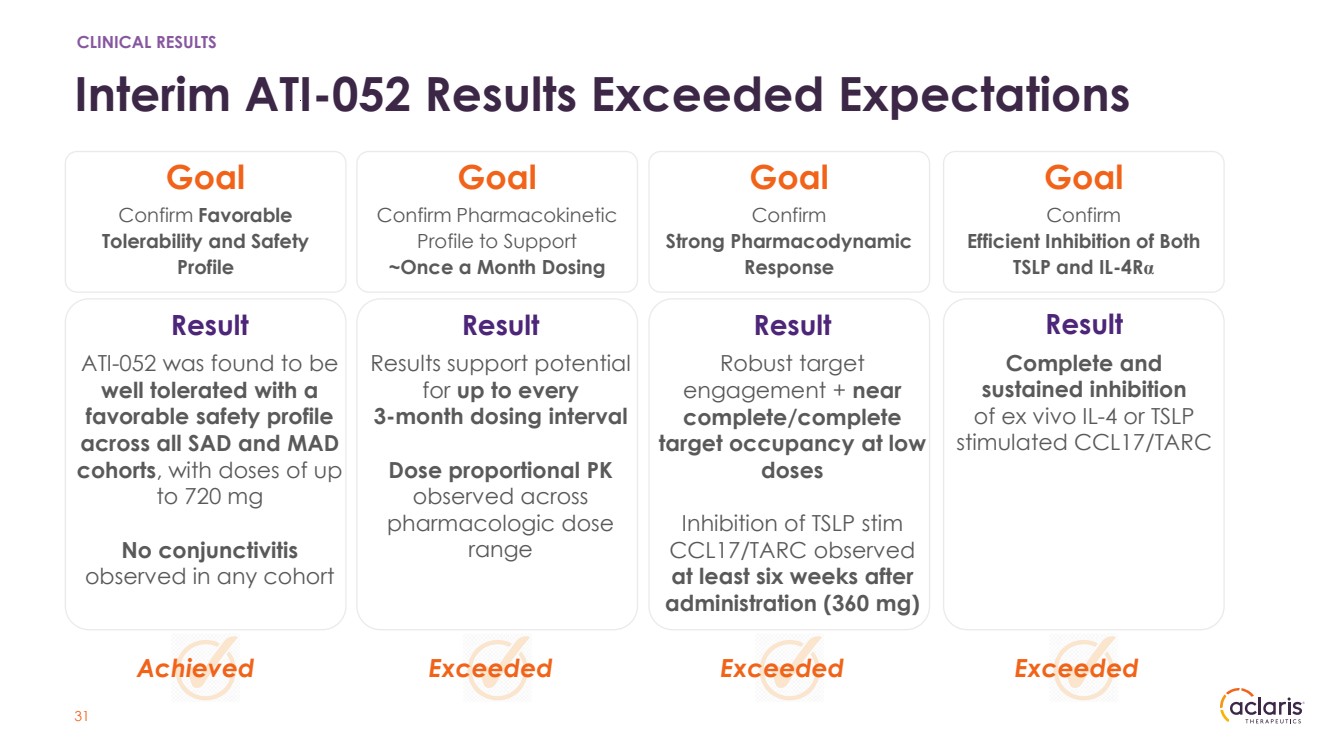
| Interim ATI-052 Results Exceeded Expectations 31 Result ATI-052 was found to be well tolerated with a favorable safety profile across all SAD and MAD cohorts, with doses of up to 720 mg No conjunctivitis observed in any cohort Confirm Favorable Tolerability and Safety Profile Confirm Pharmacokinetic Profile to Support ~Once a Month Dosing Confirm Strong Pharmacodynamic Response Confirm Efficient Inhibition of Both TSLP and IL-4Rα Result Results support potential for up to every 3-month dosing interval Dose proportional PK observed across pharmacologic dose range Result Robust target engagement + near complete/complete target occupancy at low doses Inhibition of TSLP stim CCL17/TARC observed at least six weeks after administration (360 mg) Result Complete and sustained inhibition of ex vivo IL-4 or TSLP stimulated CCL17/TARC Goal Goal Goal Goal Achieved Exceeded Exceeded Exceeded CLINICAL RESULTS |
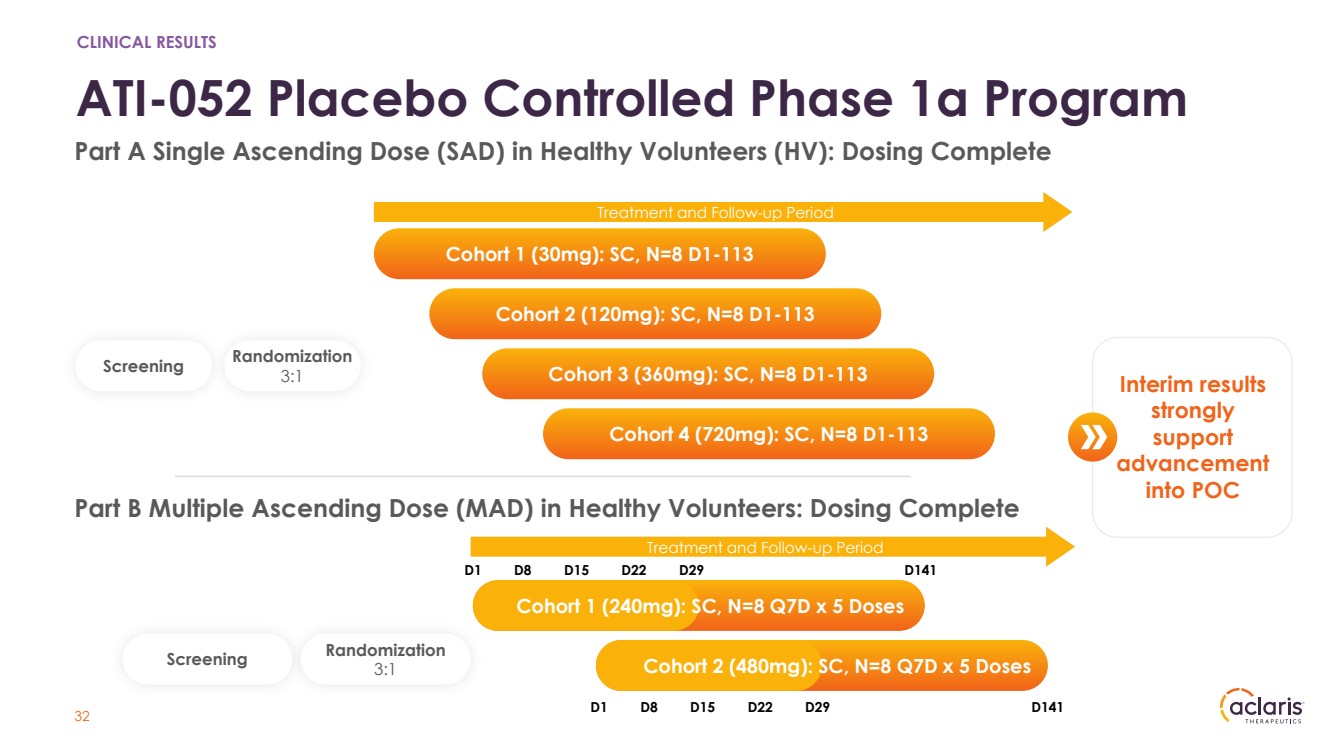
| ATI-052 Placebo Controlled Phase 1a Program 32 Cohort 1 (30mg): SC, N=8 D1-113 Screening Randomization 3:1 Cohort 3 (360mg): SC, N=8 D1-113 Cohort 4 (720mg): SC, N=8 D1-113 Cohort 2 (120mg): SC, N=8 D1-113 Part A Single Ascending Dose (SAD) in Healthy Volunteers (HV): Dosing Complete Part B Multiple Ascending Dose (MAD) in Healthy Volunteers: Dosing Complete Screening Randomization 3:1 D1 D8 D15 D22 D29 D1 D8 D15 D22 D29 D141 D141 Cohort 1 (240mg): SC, N=8 Q7D x 5 Doses Cohort 2 (480mg): SC, N=8 Q7D x 5 Doses Treatment and Follow-up Period Treatment and Follow-up Period Interim results strongly support advancement into POC CLINICAL RESULTS |
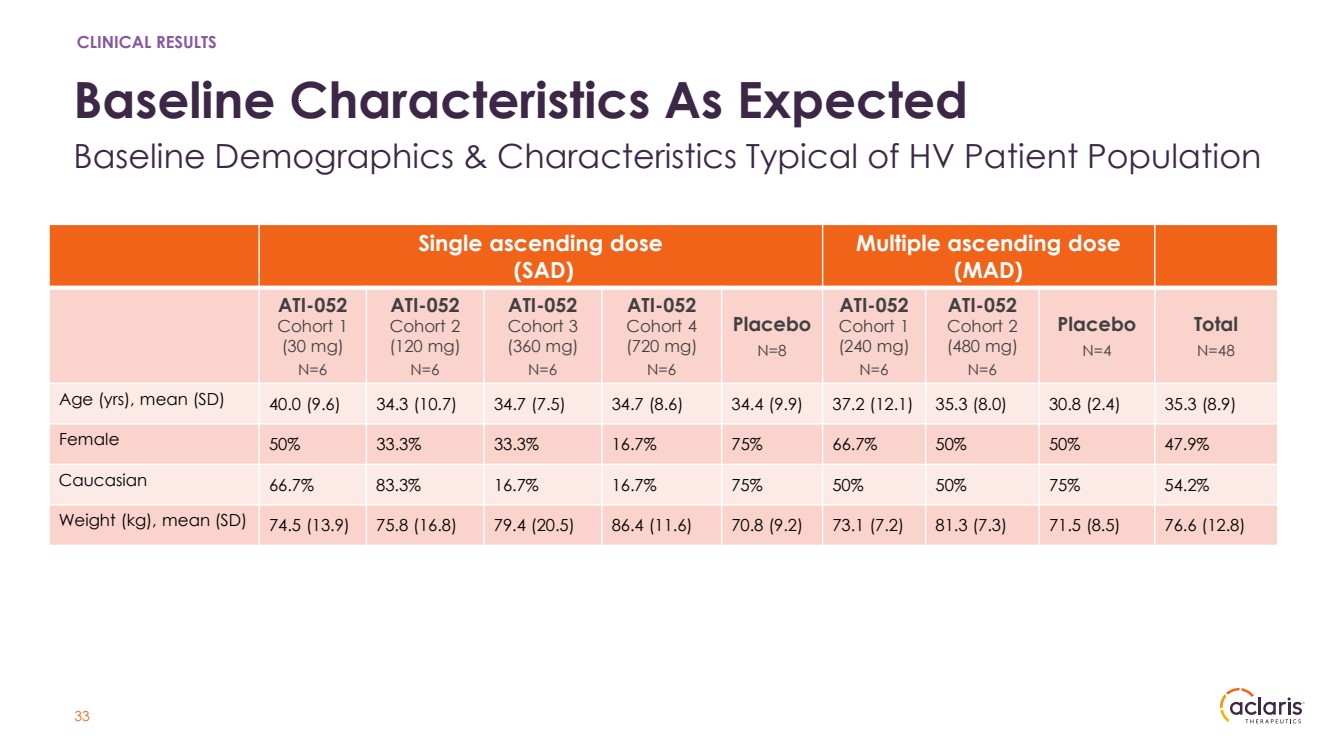
| Single ascending dose (SAD) Multiple ascending dose (MAD) ATI-052 Cohort 1 (30 mg) N=6 ATI-052 Cohort 2 (120 mg) N=6 ATI-052 Cohort 3 (360 mg) N=6 ATI-052 Cohort 4 (720 mg) N=6 Placebo N=8 ATI-052 Cohort 1 (240 mg) N=6 ATI-052 Cohort 2 (480 mg) N=6 Placebo N=4 Total N=48 Age (yrs), mean (SD) 40.0 (9.6) 34.3 (10.7) 34.7 (7.5) 34.7 (8.6) 34.4 (9.9) 37.2 (12.1) 35.3 (8.0) 30.8 (2.4) 35.3 (8.9) Female 50% 33.3% 33.3% 16.7% 75% 66.7% 50% 50% 47.9% Caucasian 66.7% 83.3% 16.7% 16.7% 75% 50% 50% 75% 54.2% Weight (kg), mean (SD) 74.5 (13.9) 75.8 (16.8) 79.4 (20.5) 86.4 (11.6) 70.8 (9.2) 73.1 (7.2) 81.3 (7.3) 71.5 (8.5) 76.6 (12.8) 33 Baseline Characteristics As Expected Baseline Demographics & Characteristics Typical of HV Patient Population CLINICAL RESULTS |
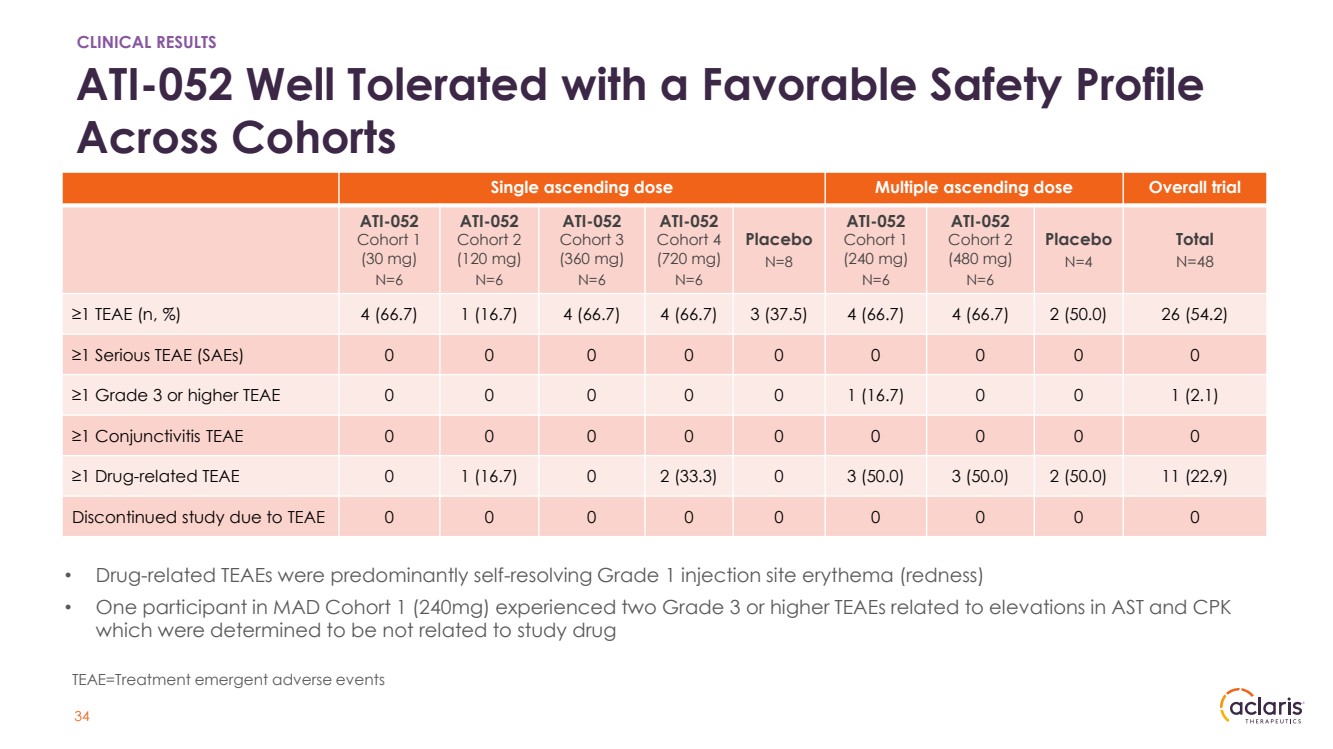
| Single ascending dose Multiple ascending dose Overall trial ATI-052 Cohort 1 (30 mg) N=6 ATI-052 Cohort 2 (120 mg) N=6 ATI-052 Cohort 3 (360 mg) N=6 ATI-052 Cohort 4 (720 mg) N=6 Placebo N=8 ATI-052 Cohort 1 (240 mg) N=6 ATI-052 Cohort 2 (480 mg) N=6 Placebo N=4 Total N=48 ≥1 TEAE (n, %) 4 (66.7) 1 (16.7) 4 (66.7) 4 (66.7) 3 (37.5) 4 (66.7) 4 (66.7) 2 (50.0) 26 (54.2) ≥1 Serious TEAE (SAEs) 0 0 0 0 0 0 0 0 0 ≥1 Grade 3 or higher TEAE 0 0 0 0 0 1 (16.7) 0 0 1 (2.1) ≥1 Conjunctivitis TEAE 0 0 0 0 0 0 0 0 0 ≥1 Drug-related TEAE 0 1 (16.7) 0 2 (33.3) 0 3 (50.0) 3 (50.0) 2 (50.0) 11 (22.9) Discontinued study due to TEAE 0 0 0 0 0 0 0 0 0 ATI-052 Well Tolerated with a Favorable Safety Profile Across Cohorts • Drug-related TEAEs were predominantly self-resolving Grade 1 injection site erythema (redness) • One participant in MAD Cohort 1 (240mg) experienced two Grade 3 or higher TEAEs related to elevations in AST and CPK which were determined to be not related to study drug TEAE=Treatment emergent adverse events 34 CLINICAL RESULTS |
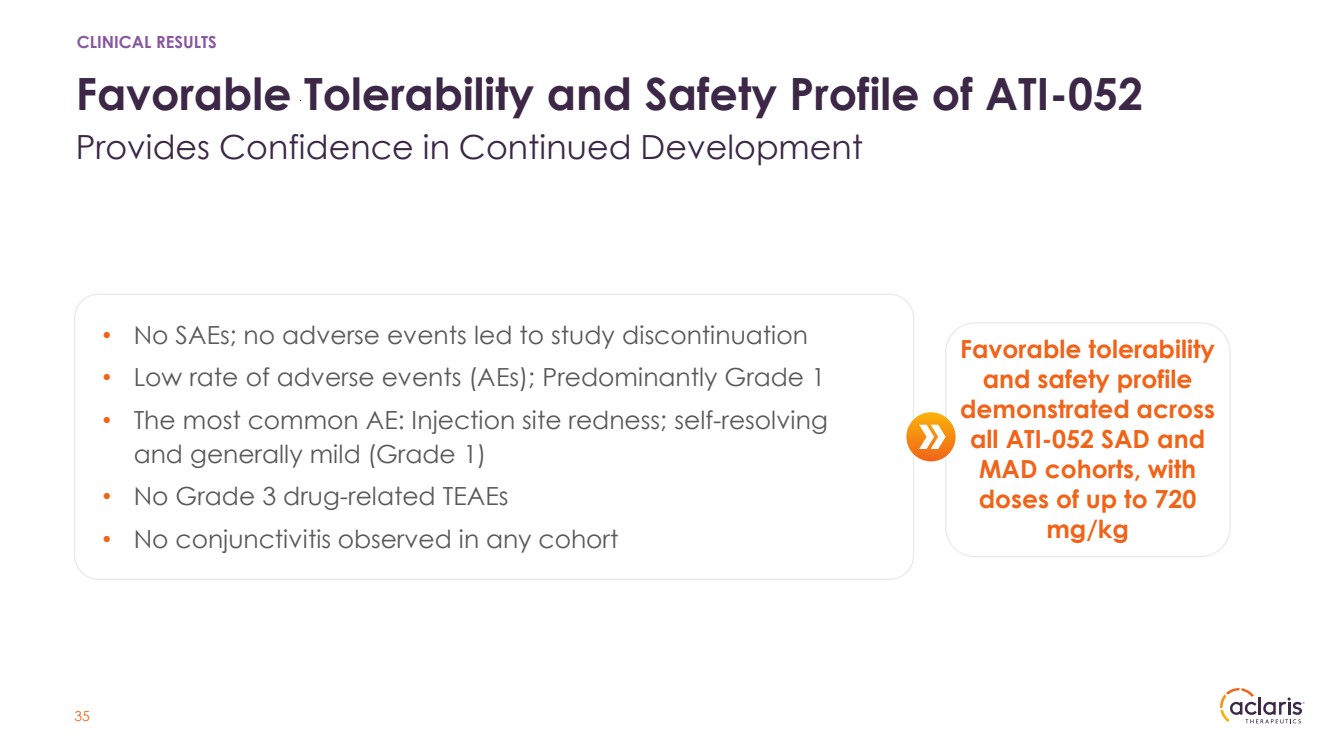
| 35 Favorable Tolerability and Safety Profile of ATI-052 Provides Confidence in Continued Development • No SAEs; no adverse events led to study discontinuation • Low rate of adverse events (AEs); Predominantly Grade 1 • The most common AE: Injection site redness; self-resolving and generally mild (Grade 1) • No Grade 3 drug-related TEAEs • No conjunctivitis observed in any cohort Favorable tolerability and safety profile demonstrated across all ATI-052 SAD and MAD cohorts, with doses of up to 720 mg/kg CLINICAL RESULTS |
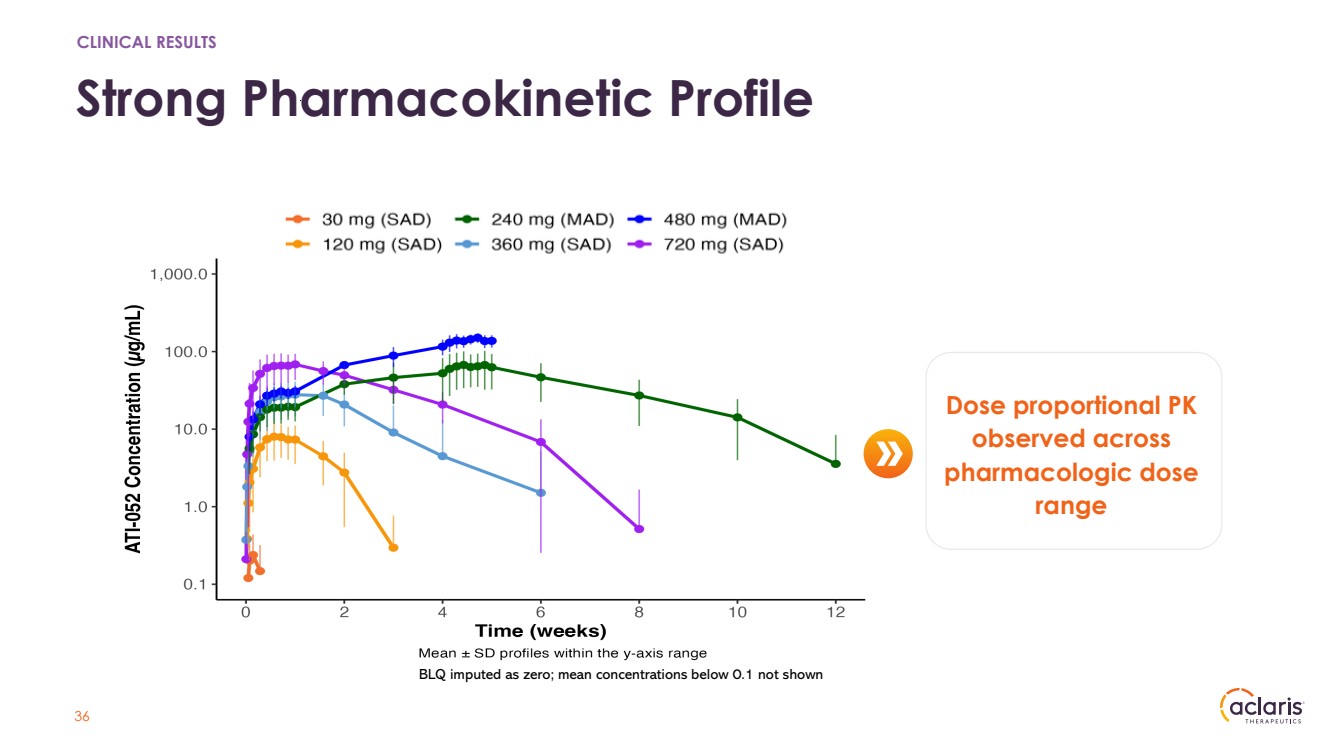
| 36 Strong Pharmacokinetic Profile Dose proportional PK observed across pharmacologic dose range BLQ imputed as zero; mean concentrations below 0.1 not shown CLINICAL RESULTS |
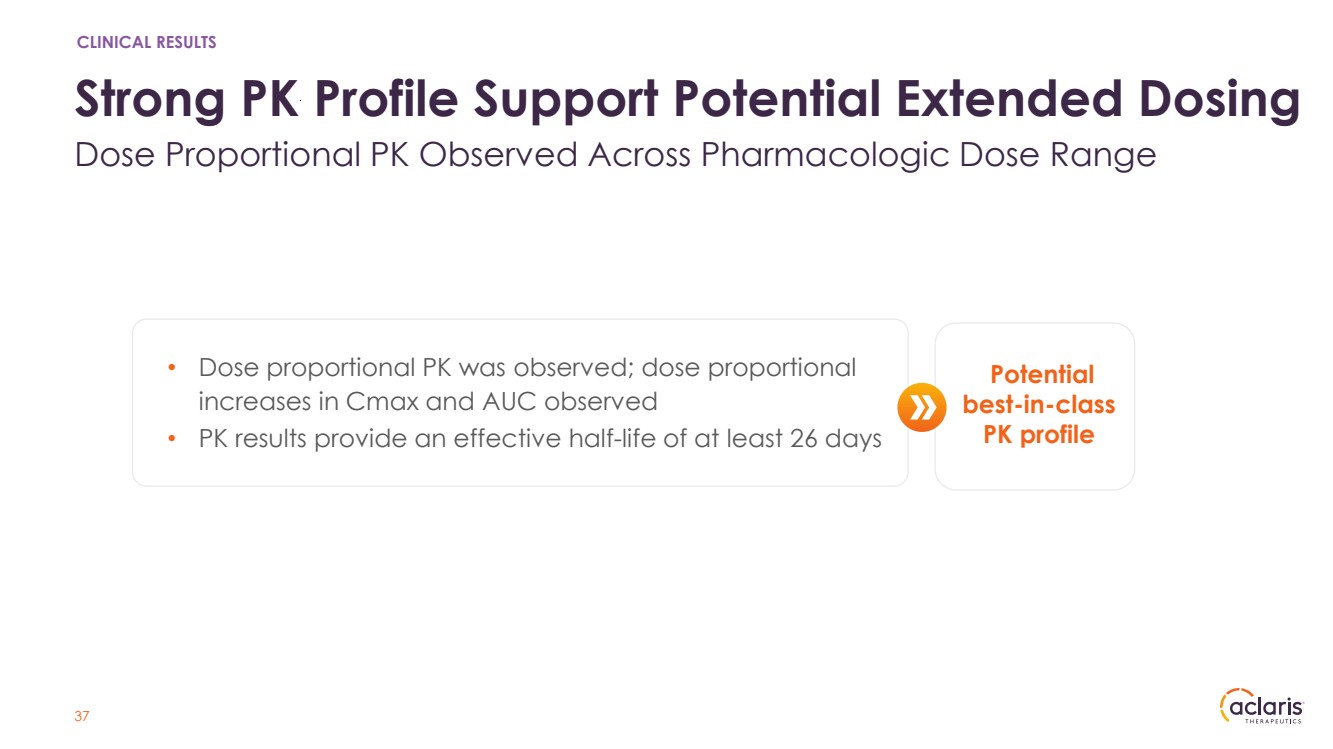
| 37 Strong PK Profile Support Potential Extended Dosing Dose Proportional PK Observed Across Pharmacologic Dose Range • Dose proportional PK was observed; dose proportional increases in Cmax and AUC observed • PK results provide an effective half-life of at least 26 days Potential best-in-class PK profile CLINICAL RESULTS |
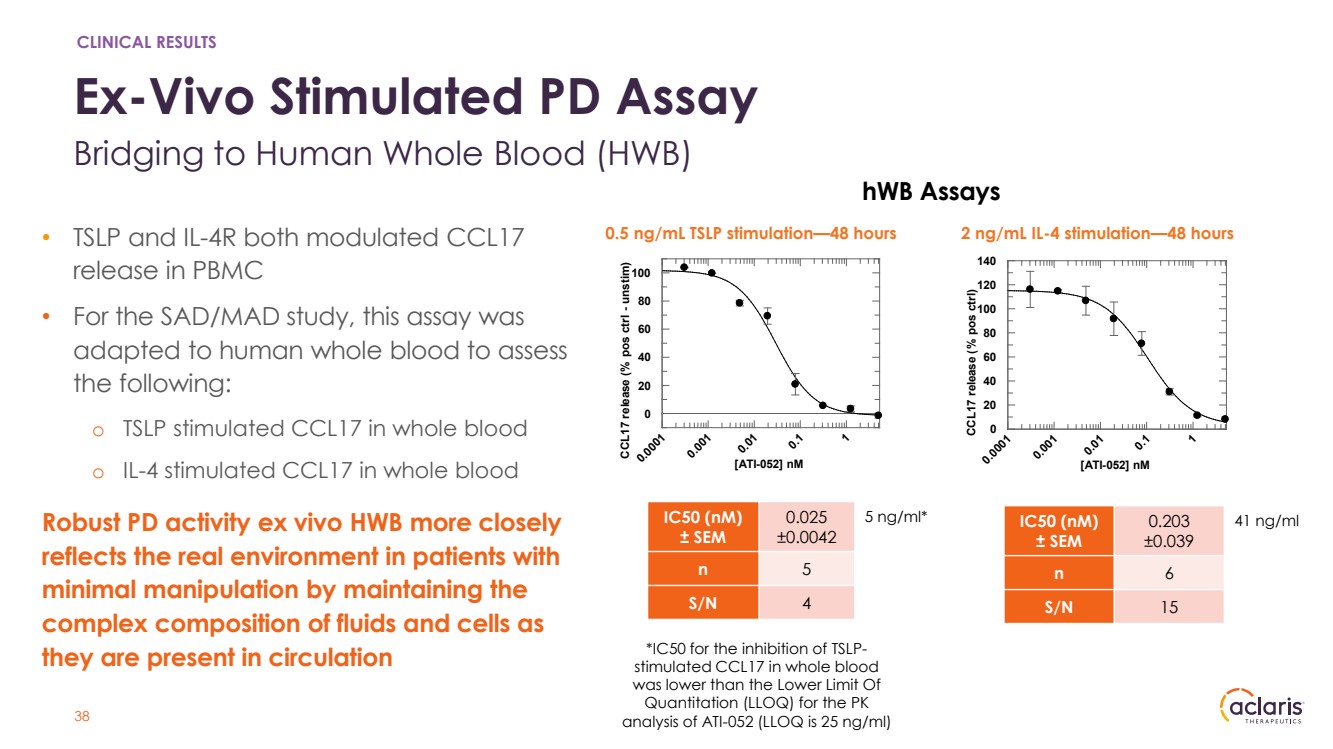
| Ex-Vivo Stimulated PD Assay Bridging to Human Whole Blood (HWB) • TSLP and IL-4R both modulated CCL17 release in PBMC • For the SAD/MAD study, this assay was adapted to human whole blood to assess the following: o TSLP stimulated CCL17 in whole blood o IL-4 stimulated CCL17 in whole blood Robust PD activity ex vivo HWB more closely reflects the real environment in patients with minimal manipulation by maintaining the complex composition of fluids and cells as they are present in circulation hWB Assays 0.0001 0.001 0.01 0.1 1 CCL17 release (% pos ctrl) 0 20 40 60 80 100 120 140 [ATI-052] nM IC50 (nM) ± SEM 0.025 ±0.0042 n 5 S/N 4 IC50 (nM) ± SEM 0.203 ±0.039 n 6 S/N 15 0.5 ng/mL TSLP stimulation—48 hours 2 ng/mL IL-4 stimulation—48 hours 5 ng/ml* 41 ng/ml 0.0001 0.001 0.01 0.1 1 CCL17 release (% pos ctrl - unstim) 0 20 40 60 80 100 [ATI-052] nM *IC50 for the inhibition of TSLP-stimulated CCL17 in whole blood was lower than the Lower Limit Of Quantitation (LLOQ) for the PK analysis of ATI-052 (LLOQ is 25 ng/ml) 38 CLINICAL RESULTS |
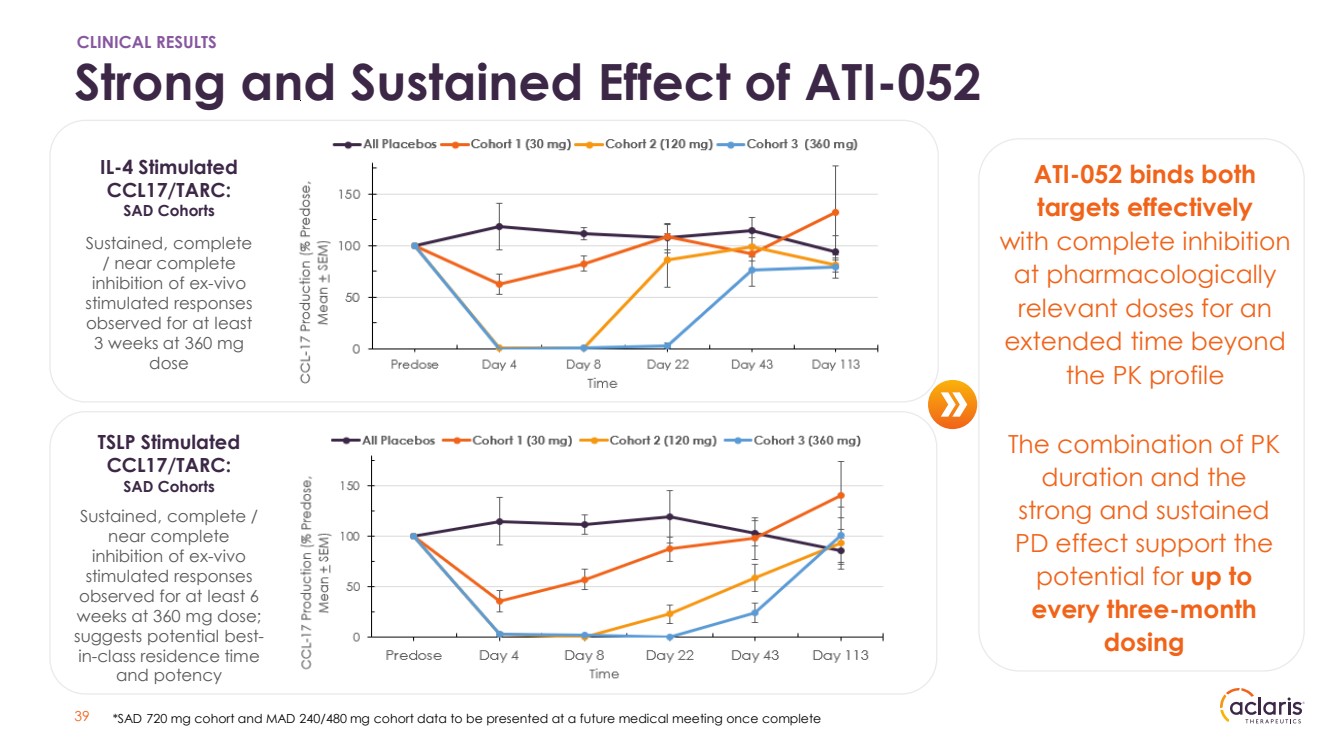
| Strong and Sustained Effect of ATI-052 ATI-052 binds both targets effectively with complete inhibition at pharmacologically relevant doses for an extended time beyond the PK profile Sustained, complete / near complete inhibition of ex-vivo stimulated responses observed for at least 3 weeks at 360 mg dose Sustained, complete / near complete inhibition of ex-vivo stimulated responses observed for at least 6 weeks at 360 mg dose; suggests potential best-in-class residence time and potency IL-4 Stimulated CCL17/TARC: SAD Cohorts TSLP Stimulated CCL17/TARC: SAD Cohorts 39 *SAD 720 mg cohort and MAD 240/480 mg cohort data to be presented at a future medical meeting once complete The combination of PK duration and the strong and sustained PD effect support the potential for up to every three-month dosing CLINICAL RESULTS |
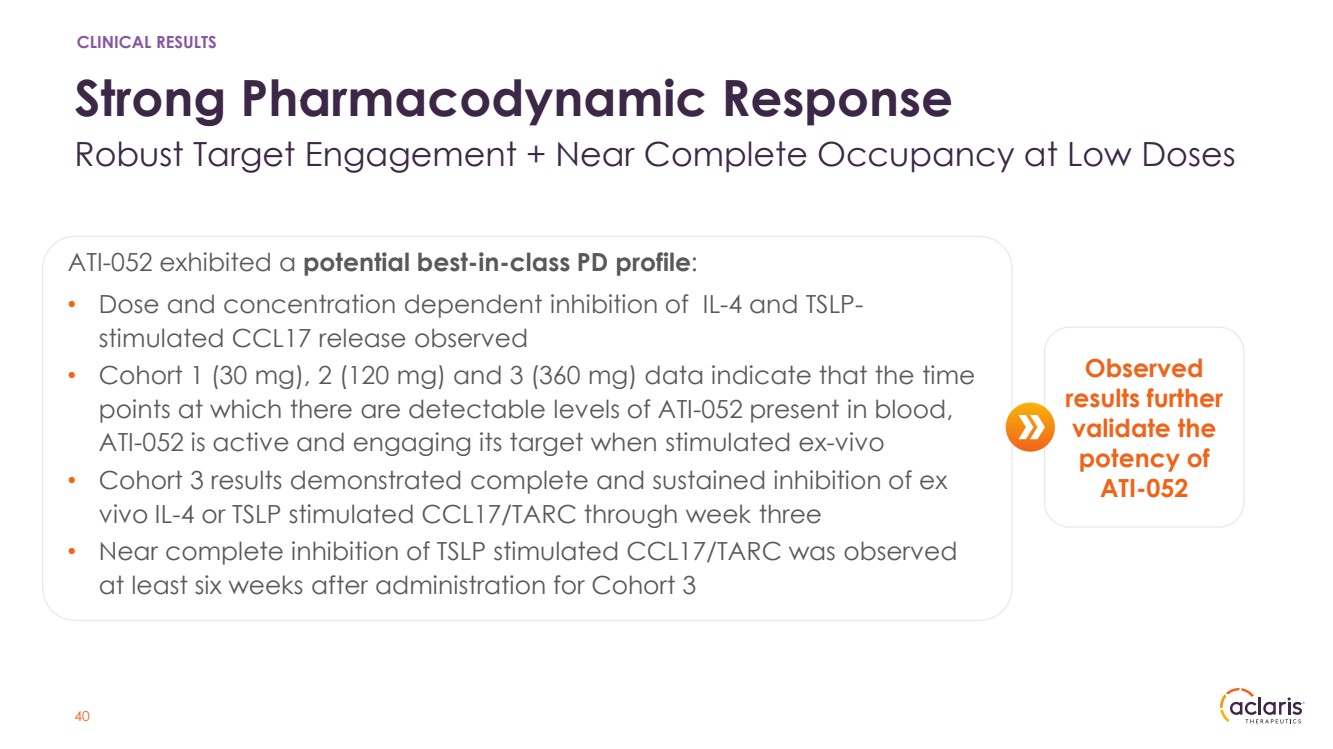
| 40 Strong Pharmacodynamic Response Robust Target Engagement + Near Complete Occupancy at Low Doses ATI-052 exhibited a potential best-in-class PD profile: • Dose and concentration dependent inhibition of IL-4 and TSLP-stimulated CCL17 release observed • Cohort 1 (30 mg), 2 (120 mg) and 3 (360 mg) data indicate that the time points at which there are detectable levels of ATI-052 present in blood, ATI-052 is active and engaging its target when stimulated ex-vivo • Cohort 3 results demonstrated complete and sustained inhibition of ex vivo IL-4 or TSLP stimulated CCL17/TARC through week three • Near complete inhibition of TSLP stimulated CCL17/TARC was observed at least six weeks after administration for Cohort 3 Observed results further validate the potency of ATI-052 CLINICAL RESULTS |
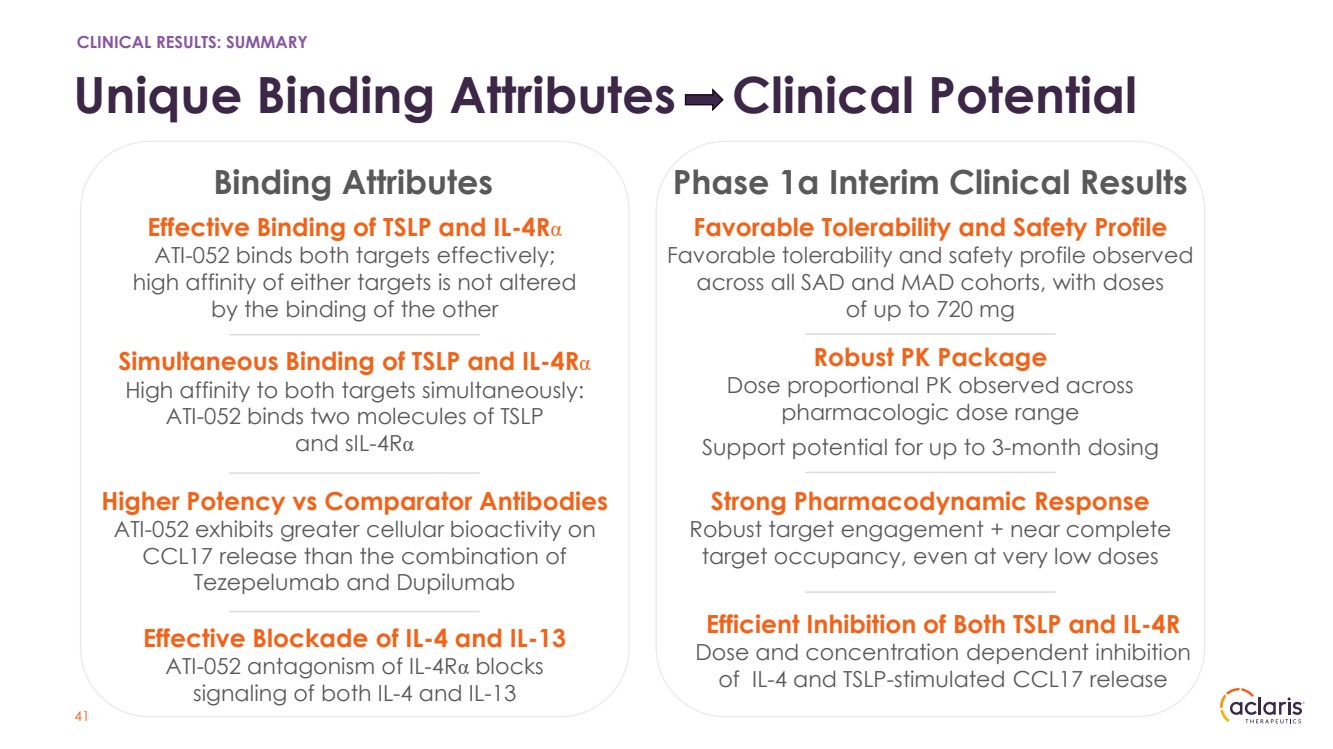
| 41 Unique Binding Attributes Clinical Potential Simultaneous Binding of TSLP and IL-4Rα High affinity to both targets simultaneously: ATI-052 binds two molecules of TSLP and sIL-4Rα Effective Binding of TSLP and IL-4Rα ATI-052 binds both targets effectively; high affinity of either targets is not altered by the binding of the other Higher Potency vs Comparator Antibodies ATI-052 exhibits greater cellular bioactivity on CCL17 release than the combination of Tezepelumab and Dupilumab Effective Blockade of IL-4 and IL-13 ATI-052 antagonism of IL-4Rα blocks signaling of both IL-4 and IL-13 Binding Attributes Phase 1a Interim Clinical Results Favorable Tolerability and Safety Profile Favorable tolerability and safety profile observed across all SAD and MAD cohorts, with doses of up to 720 mg Robust PK Package Dose proportional PK observed across pharmacologic dose range Support potential for up to 3-month dosing Strong Pharmacodynamic Response Robust target engagement + near complete target occupancy, even at very low doses Efficient Inhibition of Both TSLP and IL-4R Dose and concentration dependent inhibition of IL-4 and TSLP-stimulated CCL17 release CLINICAL RESULTS: SUMMARY |
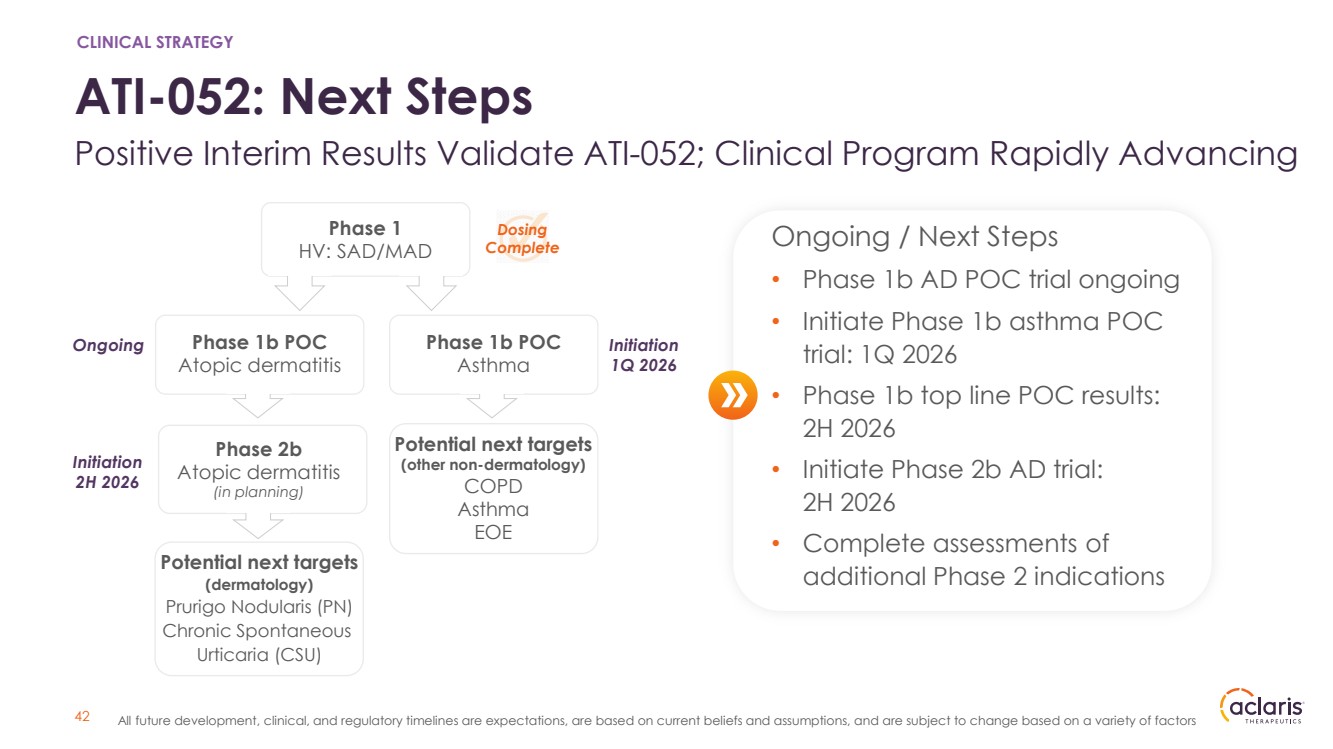
| 42 ATI-052: Next Steps Positive Interim Results Validate ATI-052; Clinical Program Rapidly Advancing Ongoing / Next Steps • Phase 1b AD POC trial ongoing • Initiate Phase 1b asthma POC trial: 1Q 2026 • Phase 1b top line POC results: 2H 2026 • Initiate Phase 2b AD trial: 2H 2026 • Complete assessments of additional Phase 2 indications Potential next targets (other non-dermatology) COPD Asthma EOE Phase 1 HV: SAD/MAD Phase 1b POC Atopic dermatitis Phase 1b POC Asthma Ongoing Dosing Complete Initiation 1Q 2026 Initiation 2H 2026 Potential next targets (dermatology) Prurigo Nodularis (PN) Chronic Spontaneous Urticaria (CSU) Phase 2b Atopic dermatitis (in planning) All future development, clinical, and regulatory timelines are expectations, are based on current beliefs and assumptions, and are subject to change based on a variety of factors CLINICAL STRATEGY |
| Next-Generation Multispecific Antibodies |
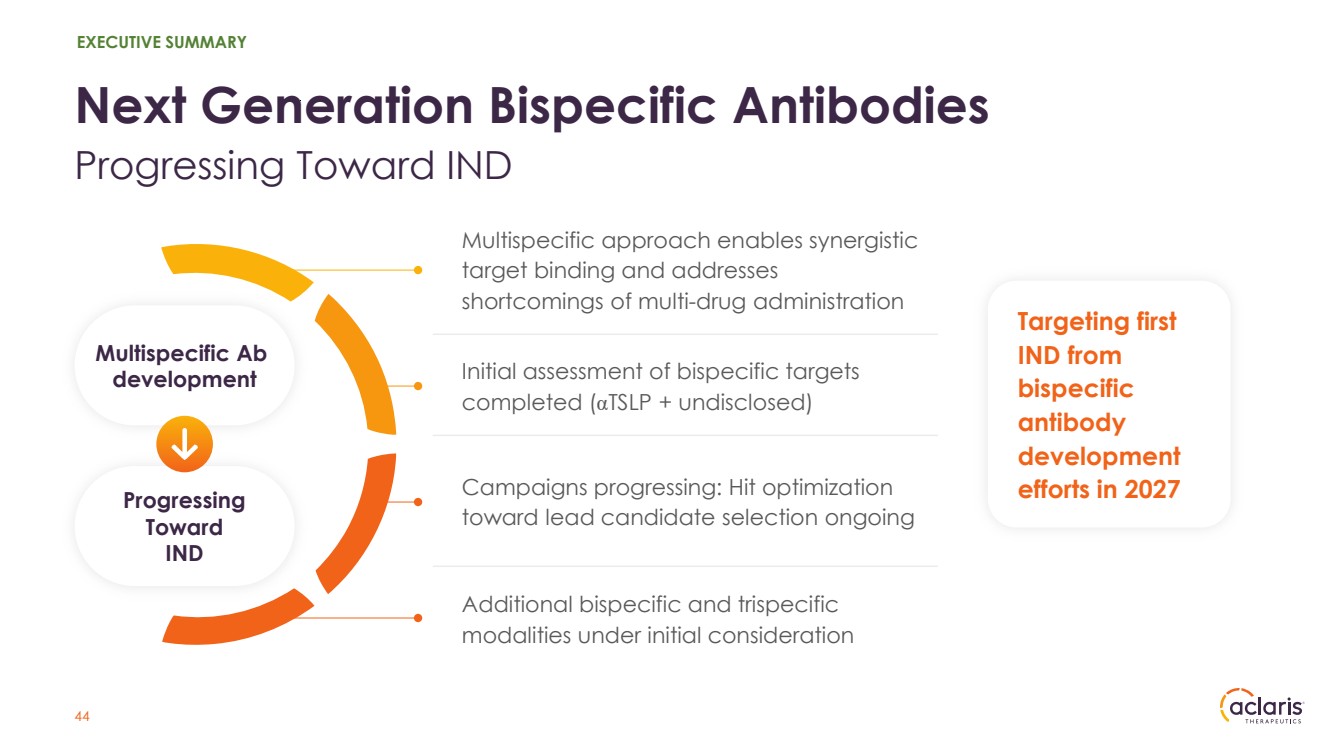
| Next Generation Bispecific Antibodies Progressing Toward IND Multispecific Ab development Progressing Toward IND Multispecific approach enables synergistic target binding and addresses shortcomings of multi-drug administration Additional bispecific and trispecific modalities under initial consideration Initial assessment of bispecific targets completed (αTSLP + undisclosed) Campaigns progressing: Hit optimization toward lead candidate selection ongoing Targeting first IND from bispecific antibody development efforts in 2027 44 EXECUTIVE SUMMARY |
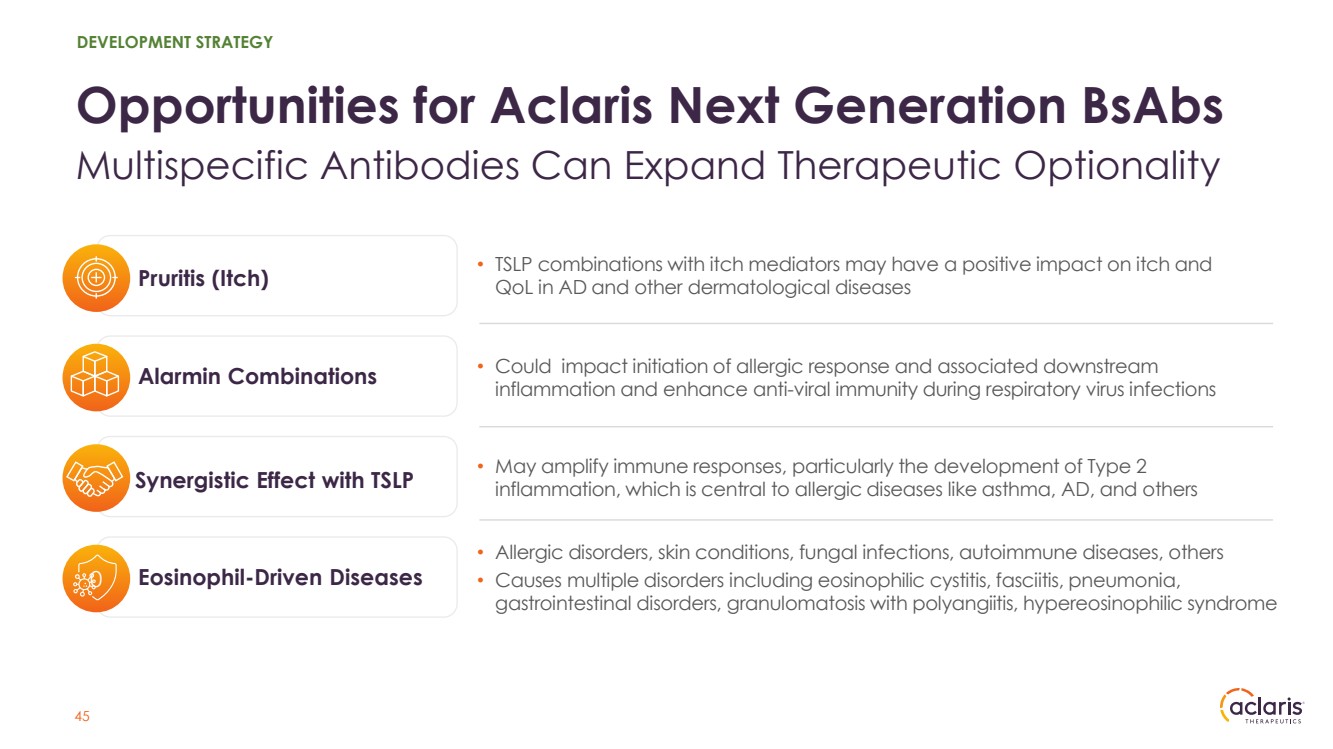
| 45 0 Pruritis (Itch) Alarmin Combinations Eosinophil-Driven Diseases • TSLP combinations with itch mediators may have a positive impact on itch and QoL in AD and other dermatological diseases • Could impact initiation of allergic response and associated downstream inflammation and enhance anti-viral immunity during respiratory virus infections • Allergic disorders, skin conditions, fungal infections, autoimmune diseases, others • Causes multiple disorders including eosinophilic cystitis, fasciitis, pneumonia, gastrointestinal disorders, granulomatosis with polyangiitis, hypereosinophilic syndrome Opportunities for Aclaris Next Generation BsAbs Multispecific Antibodies Can Expand Therapeutic Optionality Synergistic Effect with TSLP • May amplify immune responses, particularly the development of Type 2 inflammation, which is central to allergic diseases like asthma, AD, and others DEVELOPMENT STRATEGY |
| ATI-2138: A First Generation Novel ITK/JAK3 Inhibitor for T Cell-Mediated Diseases Potent and Selective Investigational Product Candidate with Strong Tolerability Profile |
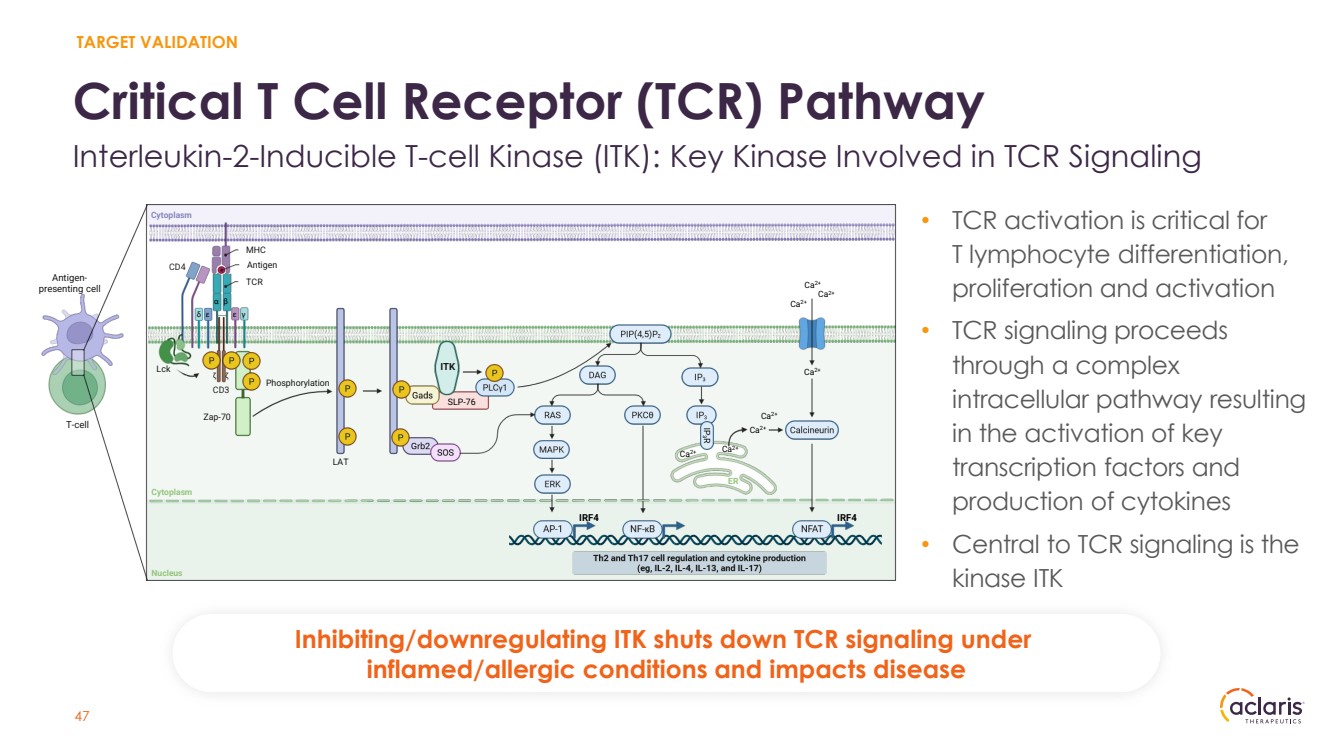
| Critical T Cell Receptor (TCR) Pathway Interleukin-2-Inducible T-cell Kinase (ITK): Key Kinase Involved in TCR Signaling Antigen-presenting cell T-cell Lck LAT Phosphorylation Zap-70 CD3 CD4 MHC Antigen SLP-76 ITK TCR δ ε ε γ α β Ca2+ ER Ca2+ Ca2+ Ca2+ Ca2+ Ca2+ Ca2+ Ca2+ Nucleus Cytoplasm Cytoplasm ζ ζ IRF4 IRF4 • TCR activation is critical for T lymphocyte differentiation, proliferation and activation • TCR signaling proceeds through a complex intracellular pathway resulting in the activation of key transcription factors and production of cytokines • Central to TCR signaling is the kinase ITK Inhibiting/downregulating ITK shuts down TCR signaling under inflamed/allergic conditions and impacts disease 47 TARGET VALIDATION |
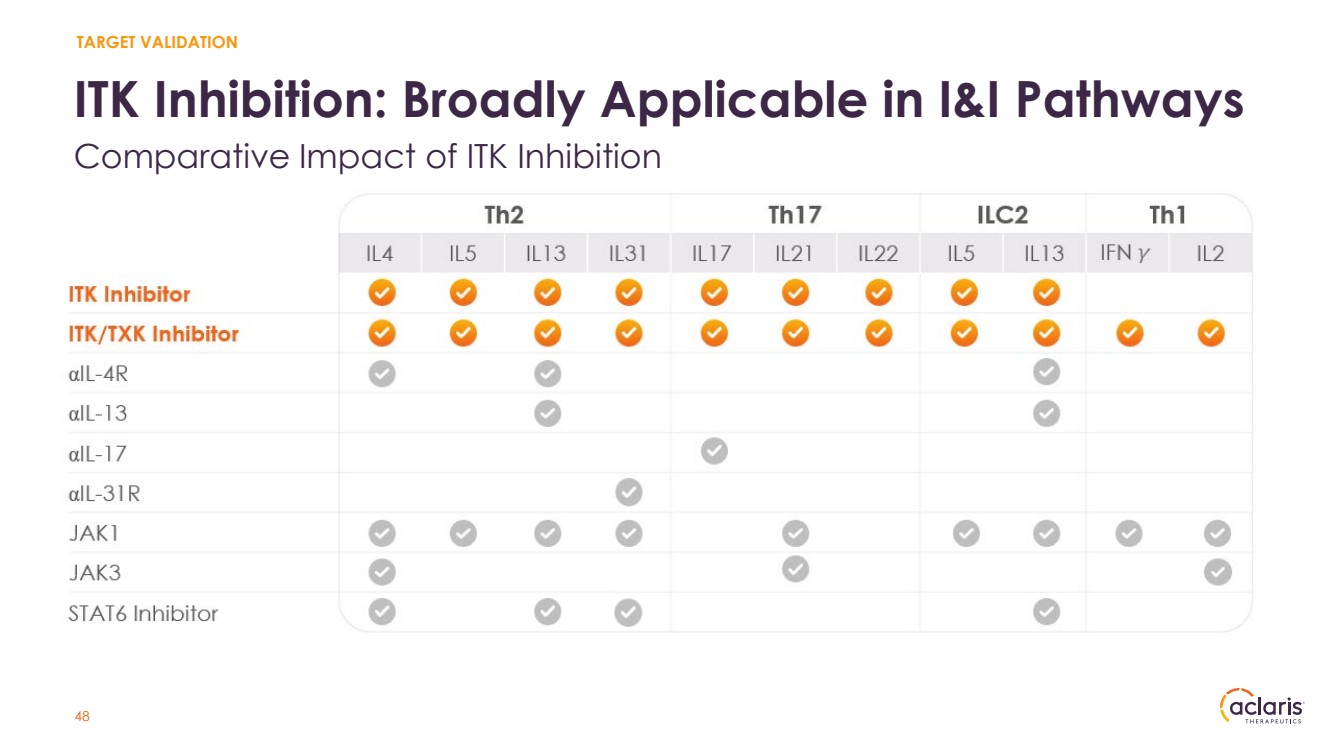
| 48 ITK Inhibition: Broadly Applicable in I&I Pathways Comparative Impact of ITK Inhibition TARGET VALIDATION |
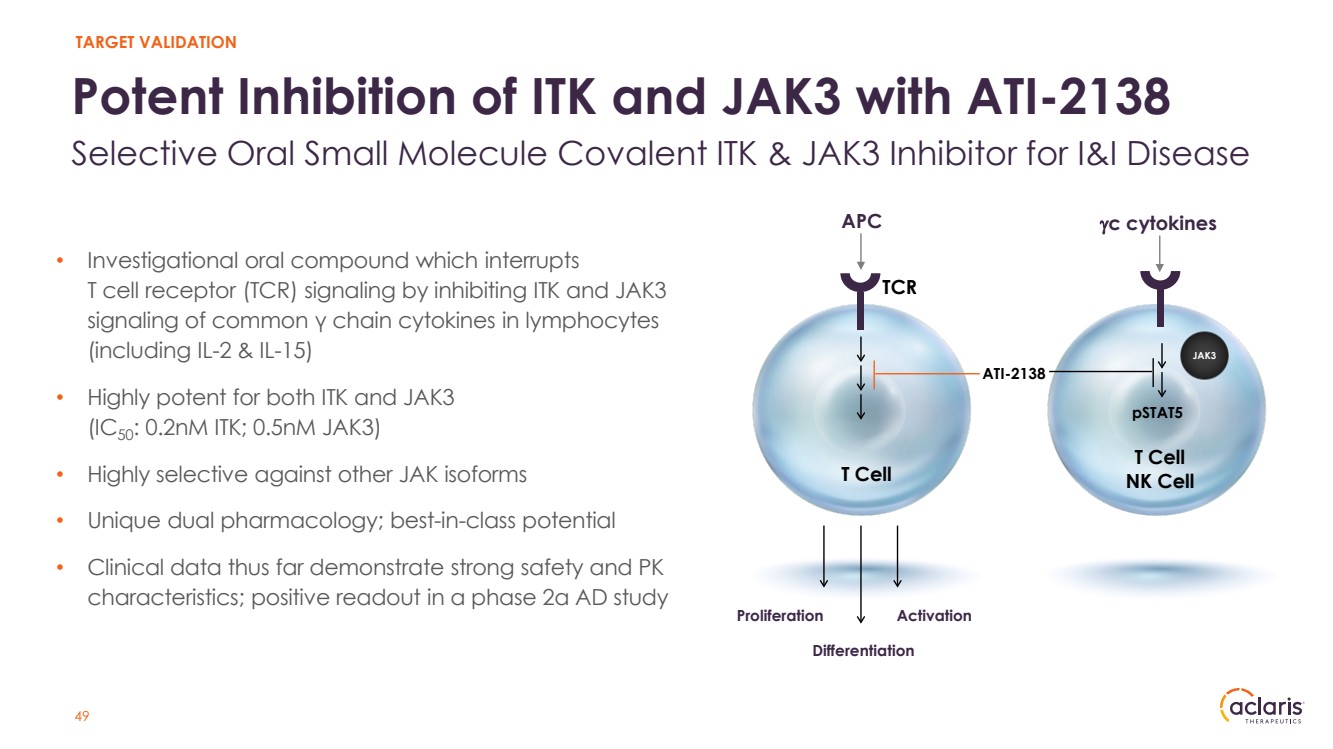
| TCR APC T Cell Proliferation Differentiation Activation γc cytokines JAK3 pSTAT5 ATI-2138 T Cell NK Cell Potent Inhibition of ITK and JAK3 with ATI-2138 Selective Oral Small Molecule Covalent ITK & JAK3 Inhibitor for I&I Disease • Investigational oral compound which interrupts T cell receptor (TCR) signaling by inhibiting ITK and JAK3 signaling of common γ chain cytokines in lymphocytes (including IL-2 & IL-15) • Highly potent for both ITK and JAK3 (IC50: 0.2nM ITK; 0.5nM JAK3) • Highly selective against other JAK isoforms • Unique dual pharmacology; best-in-class potential • Clinical data thus far demonstrate strong safety and PK characteristics; positive readout in a phase 2a AD study 49 TARGET VALIDATION |
| Unique Dual Pharmacology of ATI-2138 50 Regulation of T cell development and function both upstream (ITK) and downstream (JAK3) High potency for inhibiting both ITK and JAK3 Inhibiting both pathways may provide a more potent and complete anti-inflammatory response As both targets are restricted in expression to immune cells, inhibitors have the potential for a favorable safety profile Unique Dual Pharmacology of ATI-2138 Provides Best-in-Class Potential INNOVATION DRIVES OPPORTUNITY |
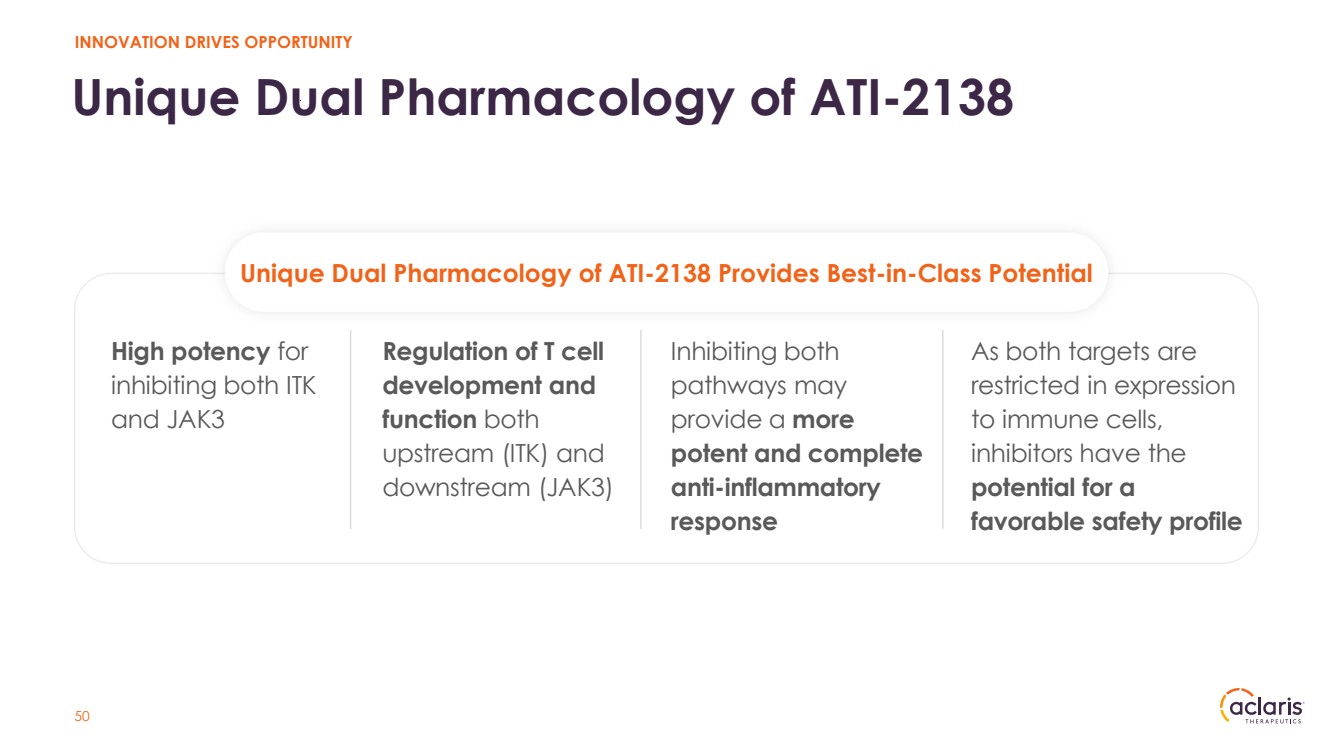
| ATI-2138: Anti-Inflammatory Activity Strong Anti-Inflammatory Activity Shown in Various Murine Models IBD Mouse T Cell Transfer Vitiligo Score 3 0 6 9 12 15 18 51 ATI-2138 has demonstrated robust anti-inflammatory activity in mouse models of disease: Inflammatory Bowel Disease, Vitiligo, and Rheumatoid Arthritis Vitiligo Mouse T Cell Transfer NONCLINICAL VALIDATION |
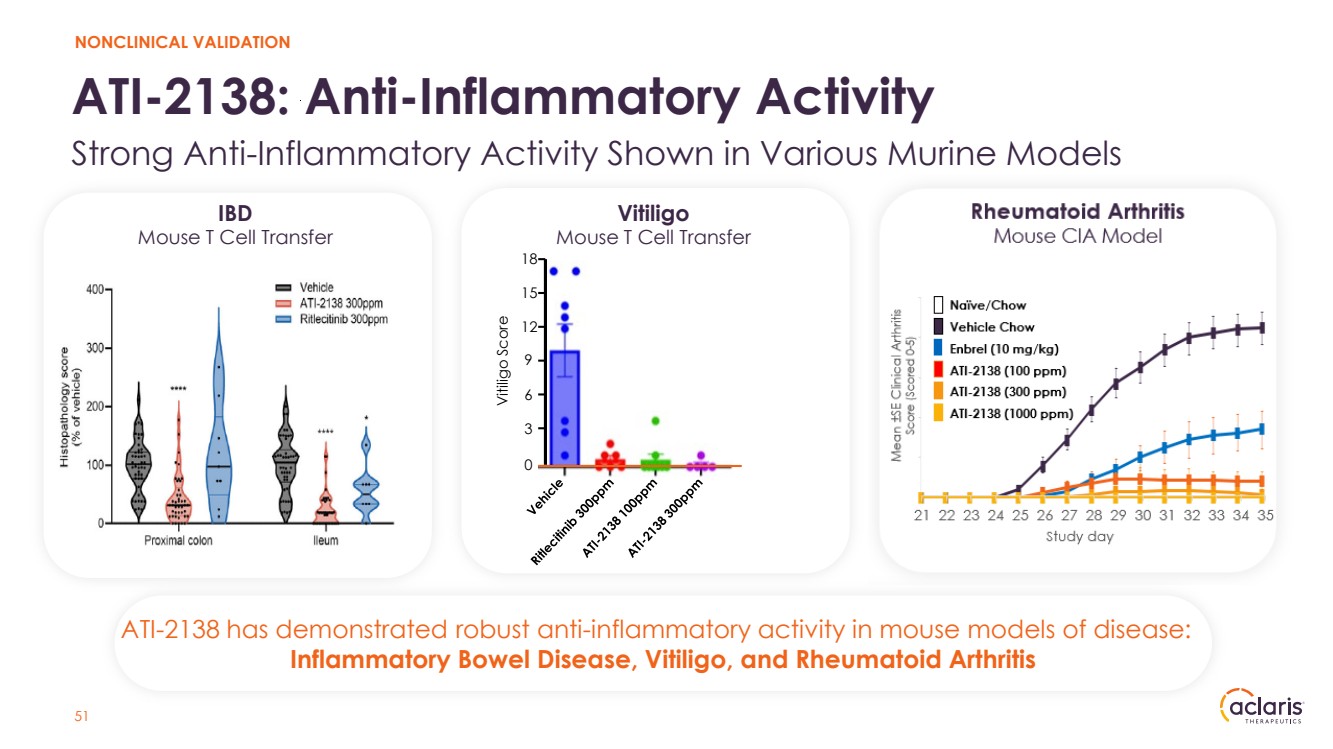
| ATI-2138: Best-in-Class Potential Unique Dual Pharmacology Creates Best-in-Class Potential ITK: HWB αCD3 Stimulated IFNγ Release JAK3: HWB IL2 Stimulated IFNγ Release 0.1 1 10 100 1000 10000 0 20 40 60 80 100 120 140 nM IFNg Production (% Stim) ATI-2138 Ritlecitinib 0.1 1 10 100 1000 10000 0 20 40 60 80 100 120 nM IFNg Production (% Stim) ATI-2138 Ritlecitinib 5.4x 44.4x • ATI-2138 is 44.4x more potent than ritlecitinib for inhibiting anti-CD3 induced IFNγ production (ITK) and 5.4x more potent for inhibiting JAK3 dependent IL-2 induced IFNγ production in human whole blood • At the FDA recommended 50 mg QD dose for alopecia areata, ritlecitinib plasma levels may not impact ITK (anti-CD3 /IFNγ) for any appreciable time 52 NONCLINICAL VALIDATION |
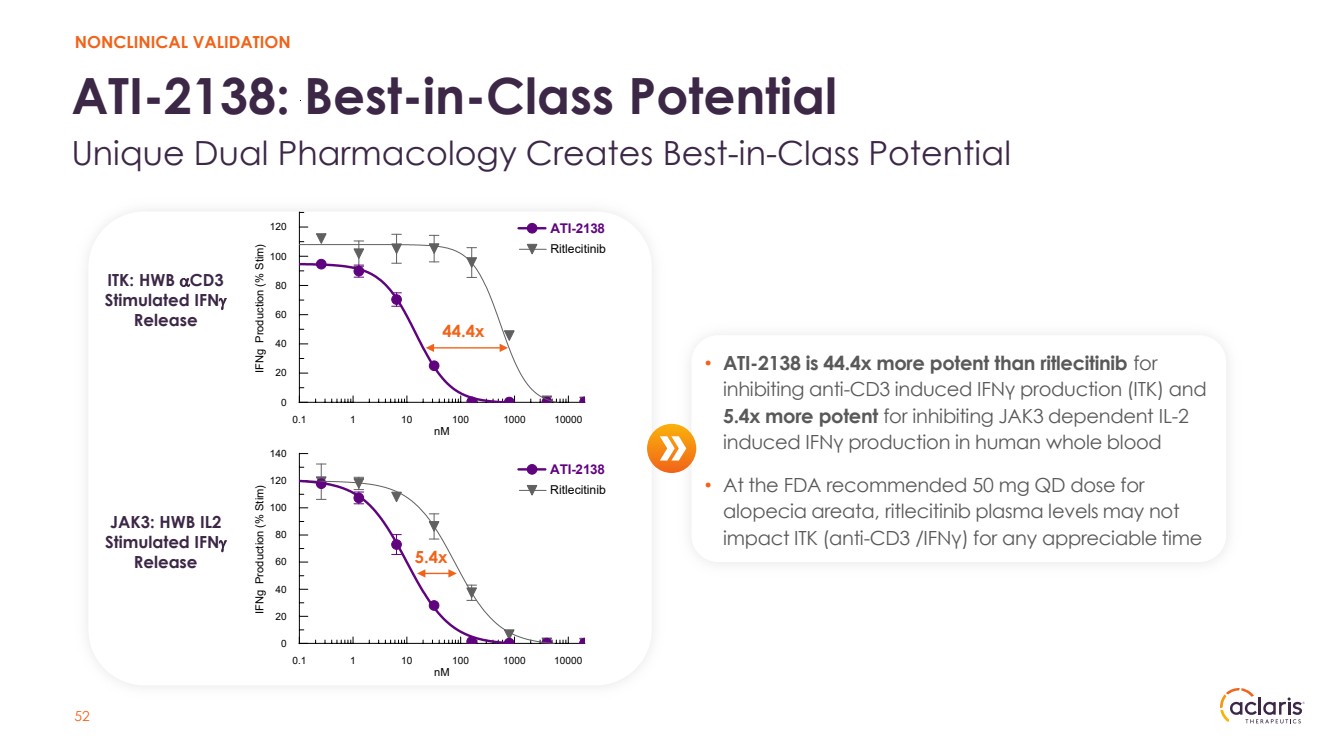
| ATI-2138: Validating the Potency Advantage ATI-2138 Compared to CPI-818 (Soquelitinib) • ATI-2138 is 15-38x more potent than CPI-818 in inhibiting the ITK enzyme activity • ATI-2138 is significantly more potent than CPI-818 in blocking the Th2 derived cytokines, IL-4, IL-5 and IL-13 (30-100x) ITK, IC50, nM Kinact/Ki (uM-1s-1) ATI-2138 0.25 0.34 CPI-818 9.5 0.022 Potency Ratio 38x 15x ITK Biochemical Enzyme Potency Anti-CD3/CD28-Induced Cytokines from Human Th2 Cells 53 NONCLINICAL VALIDATION |
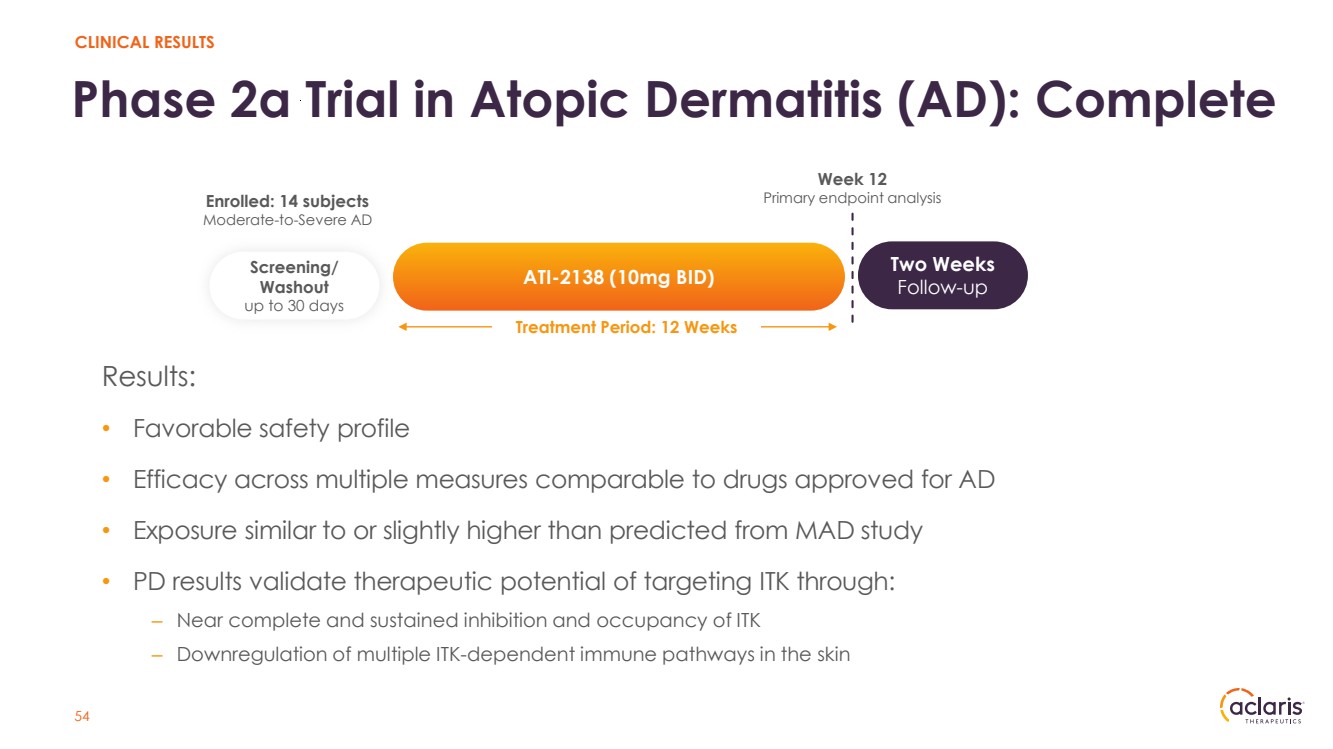
| Phase 2a Trial in Atopic Dermatitis (AD): Complete 54 ATI-2138 (10mg BID) Screening/ Washout up to 30 days Two Weeks Follow-up Week 12 Enrolled: 14 subjects Primary endpoint analysis Moderate-to-Severe AD Treatment Period: 12 Weeks CLINICAL RESULTS Results: • Favorable safety profile • Efficacy across multiple measures comparable to drugs approved for AD • Exposure similar to or slightly higher than predicted from MAD study • PD results validate therapeutic potential of targeting ITK through: – Near complete and sustained inhibition and occupancy of ITK – Downregulation of multiple ITK-dependent immune pathways in the skin |
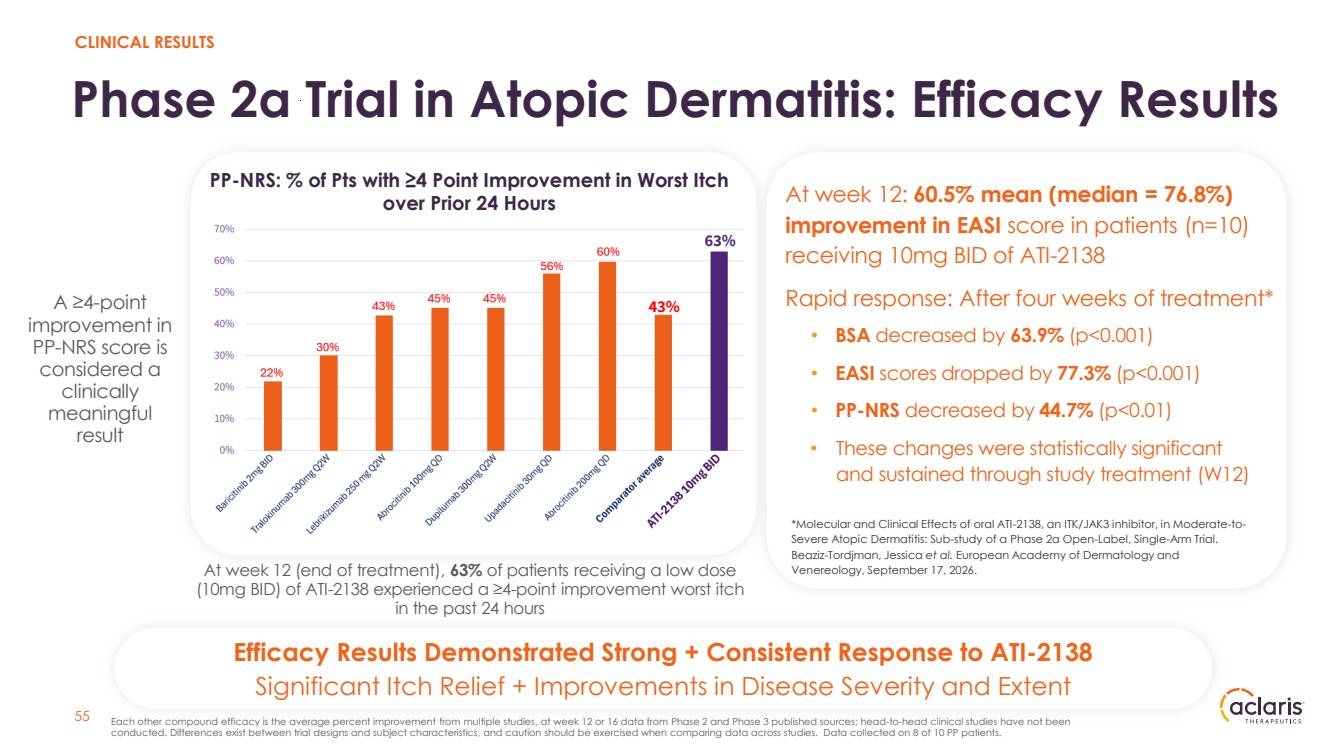
| PP-NRS: % of Pts with ≥4 Point Improvement in Worst Itch over Prior 24 Hours Phase 2a Trial in Atopic Dermatitis: Efficacy Results At week 12: 60.5% mean (median = 76.8%) improvement in EASI score in patients (n=10) receiving 10mg BID of ATI-2138 Rapid response: After four weeks of treatment* • BSA decreased by 63.9% (p<0.001) • EASI scores dropped by 77.3% (p<0.001) • PP-NRS decreased by 44.7% (p<0.01) • These changes were statistically significant and sustained through study treatment (W12) At week 12 (end of treatment), 63% of patients receiving a low dose (10mg BID) of ATI-2138 experienced a ≥4-point improvement worst itch in the past 24 hours *Molecular and Clinical Effects of oral ATI-2138, an ITK/JAK3 inhibitor, in Moderate-to-Severe Atopic Dermatitis: Sub-study of a Phase 2a Open-Label, Single-Arm Trial. Beaziz-Tordjman, Jessica et al. European Academy of Dermatology and Venereology, September 17, 2026. A ≥4-point improvement in PP-NRS score is considered a clinically meaningful result 55 Efficacy Results Demonstrated Strong + Consistent Response to ATI-2138 Significant Itch Relief + Improvements in Disease Severity and Extent Each other compound efficacy is the average percent improvement from multiple studies, at week 12 or 16 data from Phase 2 and Phase 3 published sources; head-to-head clinical studies have not been conducted. Differences exist between trial designs and subject characteristics, and caution should be exercised when comparing data across studies. Data collected on 8 of 10 PP patients. CLINICAL RESULTS |
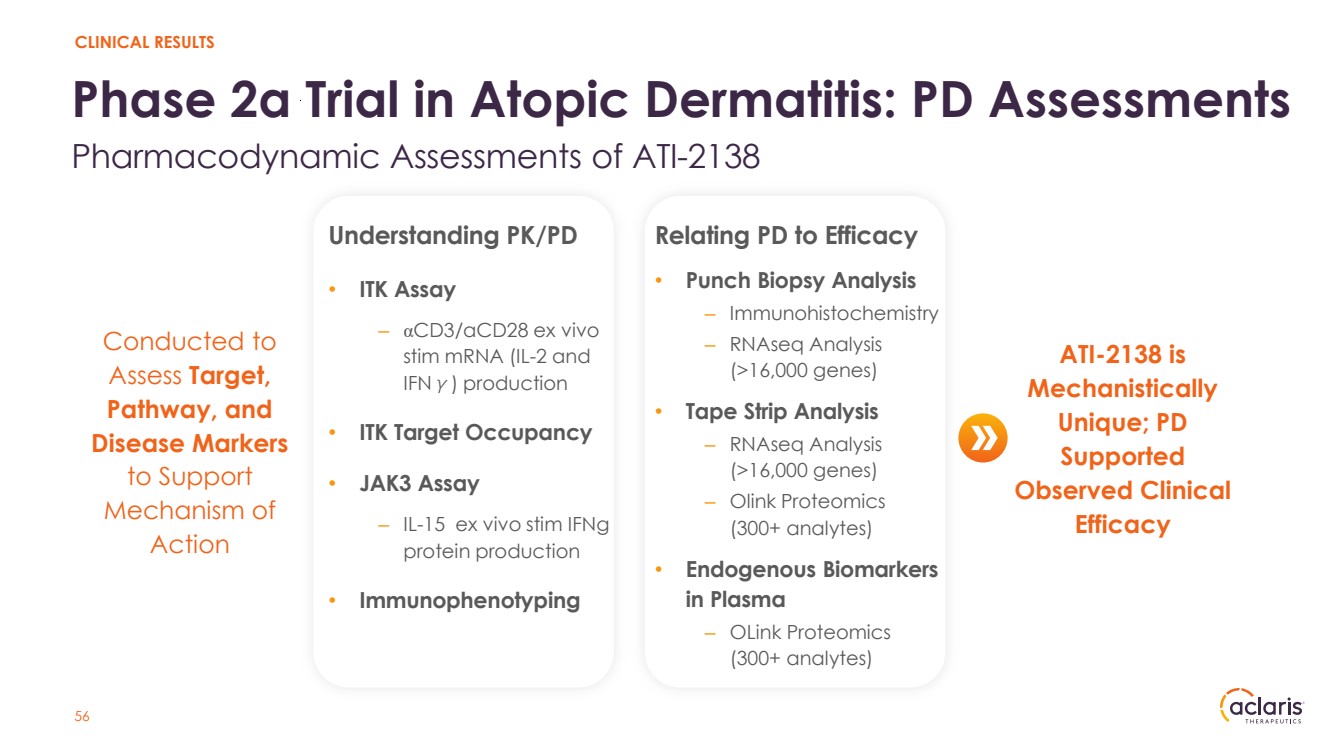
| ATI-2138 is Mechanistically Unique; PD Supported Observed Clinical Efficacy 56 Understanding PK/PD • ITK Assay – αCD3/aCD28 ex vivo stim mRNA (IL-2 and IFNγ) production • ITK Target Occupancy • JAK3 Assay – IL-15 ex vivo stim IFNg protein production • Immunophenotyping Relating PD to Efficacy • Punch Biopsy Analysis – Immunohistochemistry – RNAseq Analysis (>16,000 genes) • Tape Strip Analysis – RNAseq Analysis (>16,000 genes) – Olink Proteomics (300+ analytes) • Endogenous Biomarkers in Plasma – OLink Proteomics (300+ analytes) Phase 2a Trial in Atopic Dermatitis: PD Assessments Pharmacodynamic Assessments of ATI-2138 Conducted to Assess Target, Pathway, and Disease Markers to Support Mechanism of Action CLINICAL RESULTS |
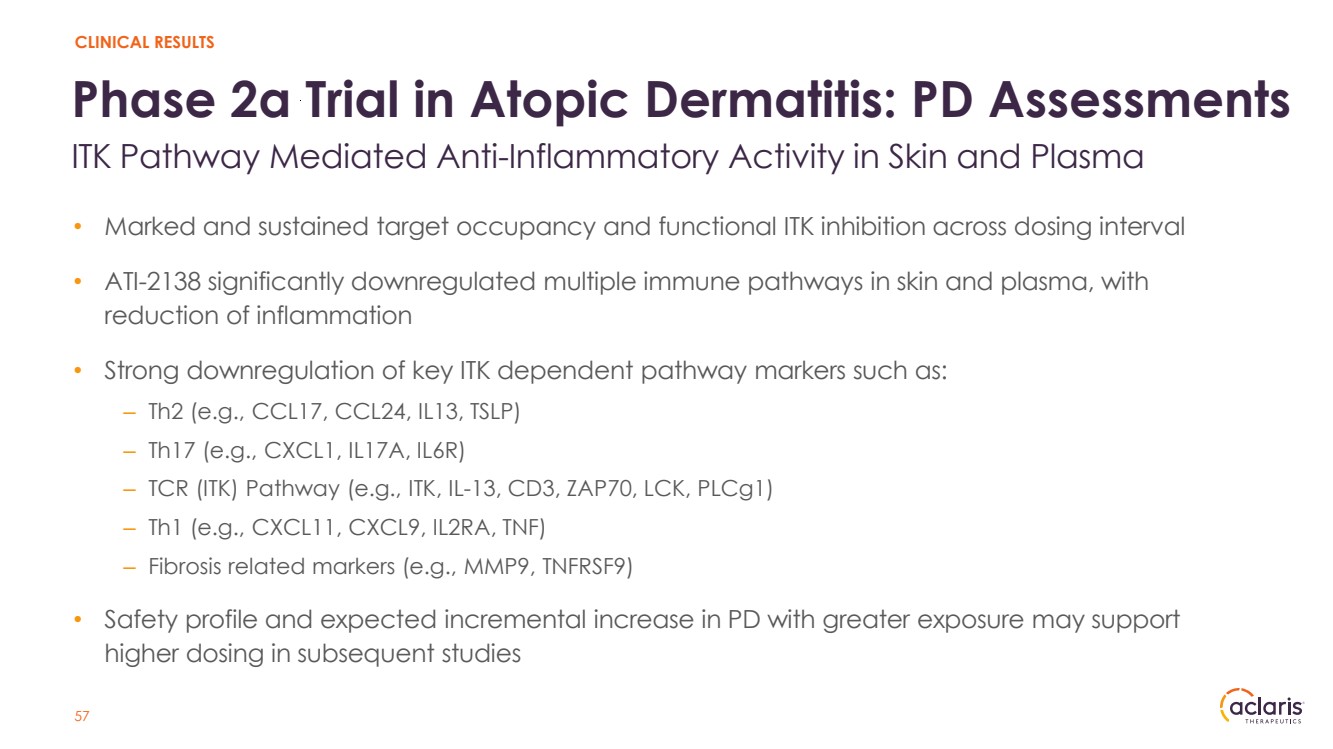
| Phase 2a Trial in Atopic Dermatitis: PD Assessments ITK Pathway Mediated Anti-Inflammatory Activity in Skin and Plasma • Marked and sustained target occupancy and functional ITK inhibition across dosing interval • ATI-2138 significantly downregulated multiple immune pathways in skin and plasma, with reduction of inflammation • Strong downregulation of key ITK dependent pathway markers such as: – Th2 (e.g., CCL17, CCL24, IL13, TSLP) – Th17 (e.g., CXCL1, IL17A, IL6R) – TCR (ITK) Pathway (e.g., ITK, IL-13, CD3, ZAP70, LCK, PLCg1) – Th1 (e.g., CXCL11, CXCL9, IL2RA, TNF) – Fibrosis related markers (e.g., MMP9, TNFRSF9) • Safety profile and expected incremental increase in PD with greater exposure may support higher dosing in subsequent studies 57 CLINICAL RESULTS |
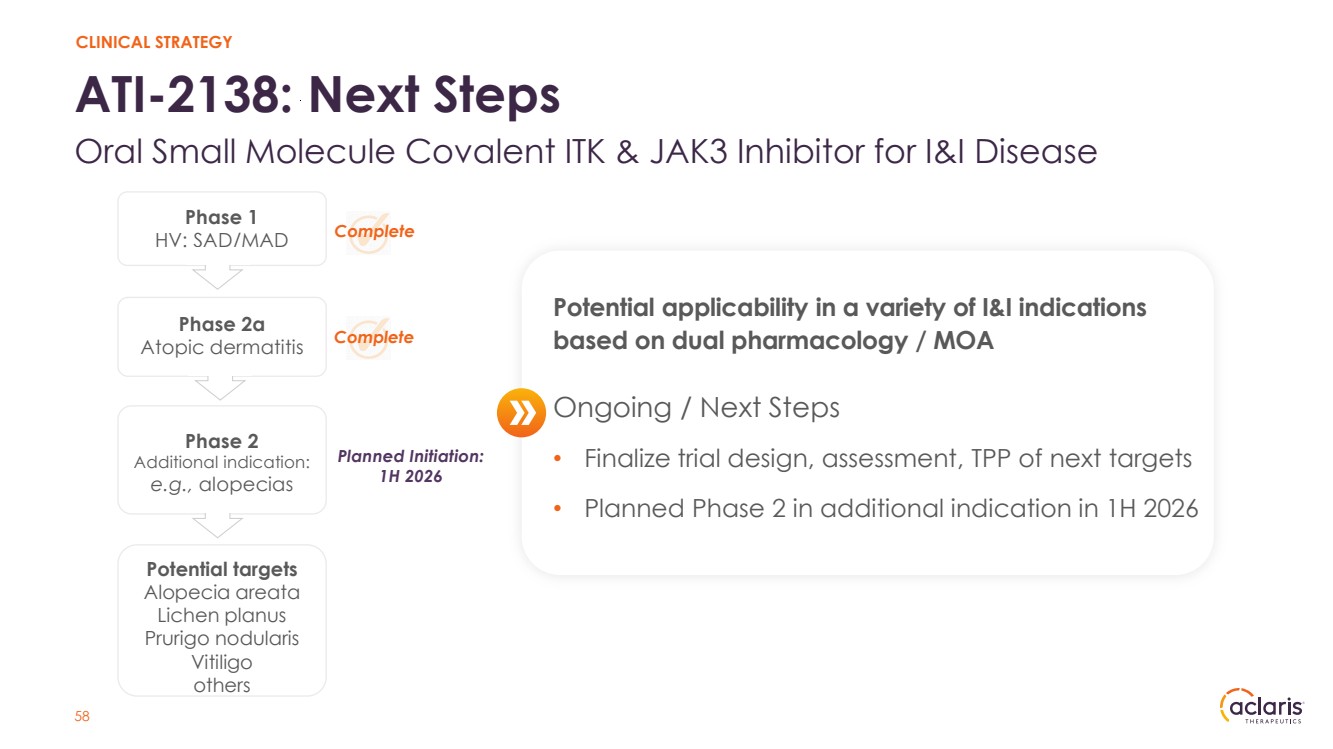
| 58 Potential targets Alopecia areata Lichen planus Prurigo nodularis Vitiligo others Phase 1 HV: SAD/MAD ATI-2138: Next Steps Oral Small Molecule Covalent ITK & JAK3 Inhibitor for I&I Disease Potential applicability in a variety of I&I indications based on dual pharmacology / MOA Planned Initiation: 1H 2026 Complete Complete Ongoing / Next Steps • Finalize trial design, assessment, TPP of next targets • Planned Phase 2 in additional indication in 1H 2026 Phase 2a Atopic dermatitis CLINICAL STRATEGY Phase 2 Additional indication: e.g., alopecias |
| Next Generation JAK-Sparing ITK Inhibitors Novel Selective Inhibitors Designed to Limit JAK Inhibitory Activity |
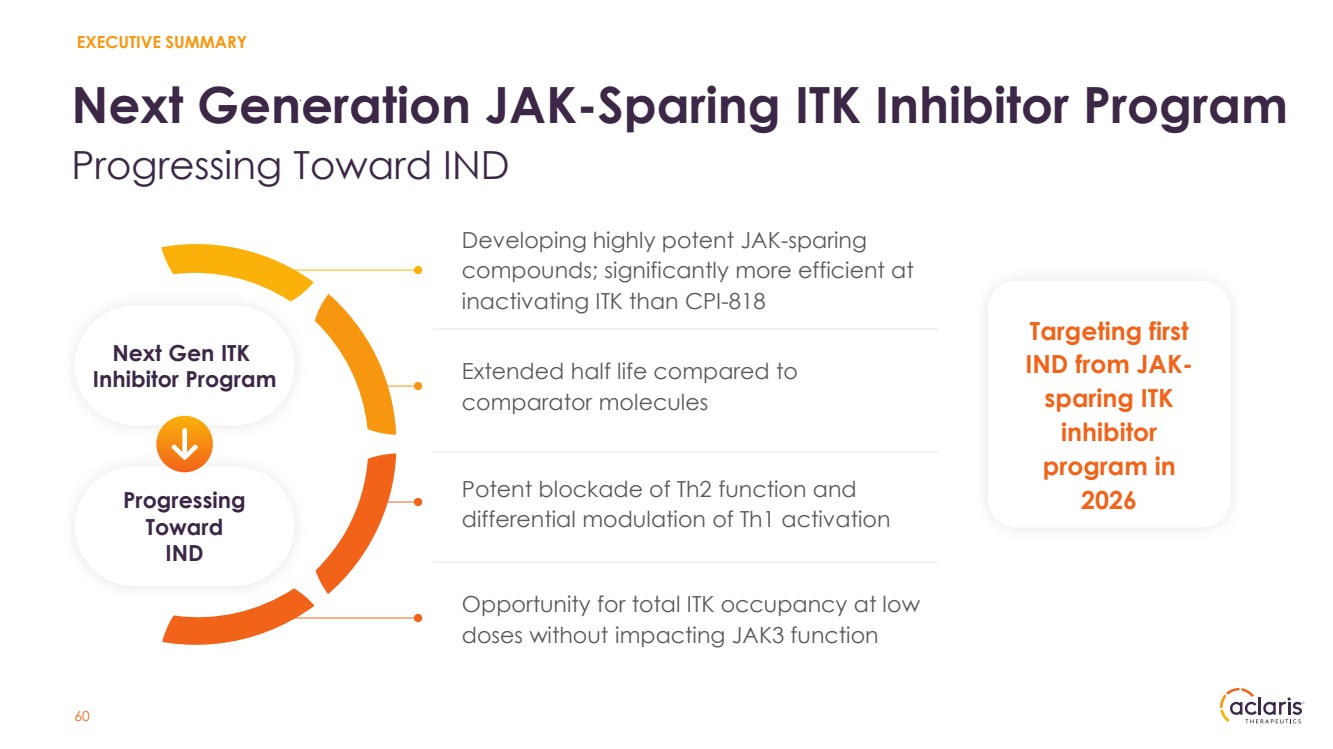
| Next Generation JAK-Sparing ITK Inhibitor Program Progressing Toward IND Next Gen ITK Inhibitor Program Progressing Toward IND Developing highly potent JAK-sparing compounds; significantly more efficient at inactivating ITK than CPI-818 Opportunity for total ITK occupancy at low doses without impacting JAK3 function Extended half life compared to comparator molecules Potent blockade of Th2 function and differential modulation of Th1 activation Targeting first IND from JAK-sparing ITK inhibitor program in 2026 60 EXECUTIVE SUMMARY |
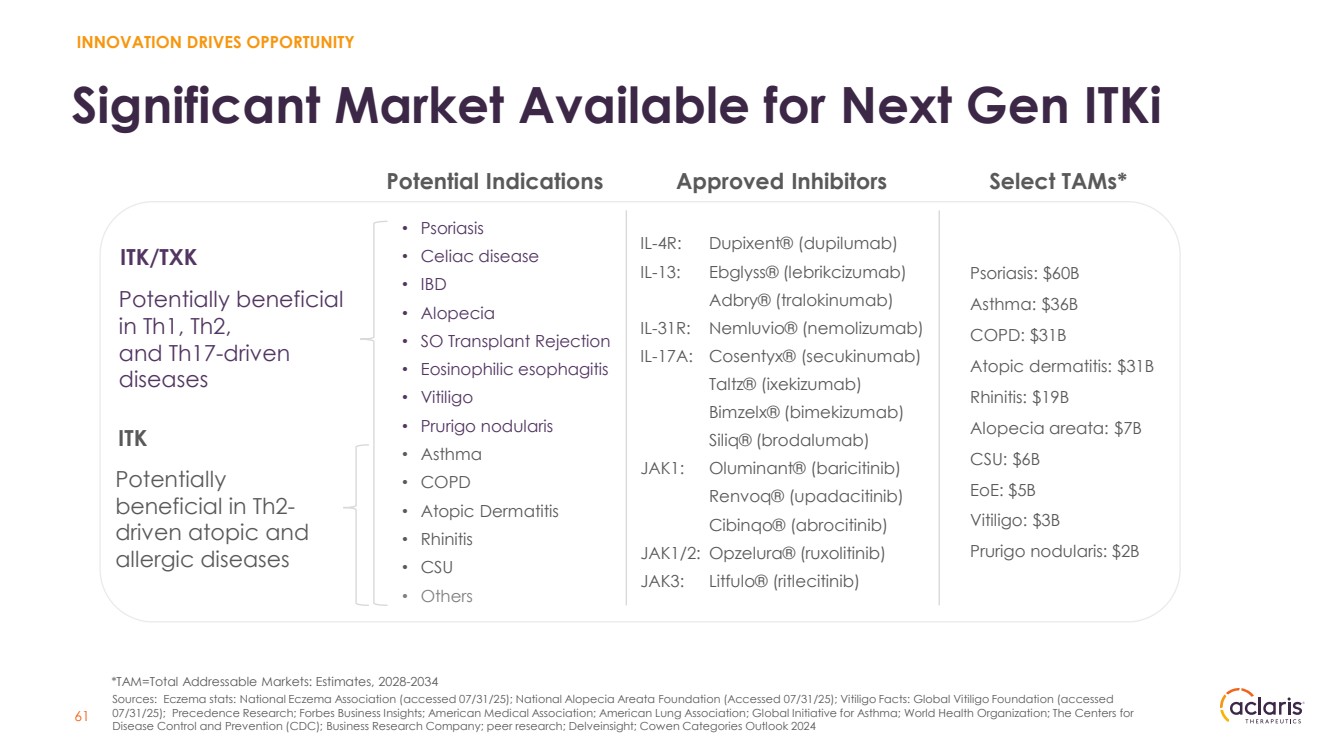
| Potentially beneficial in Th1, Th2, and Th17-driven diseases 61 • Psoriasis • Celiac disease • IBD • Alopecia • SO Transplant Rejection • Eosinophilic esophagitis • Vitiligo • Prurigo nodularis • Asthma • COPD • Atopic Dermatitis • Rhinitis • CSU • Others IL-4R: Dupixent® (dupilumab) IL-13: Ebglyss® (lebrikcizumab) Adbry® (tralokinumab) IL-31R: Nemluvio® (nemolizumab) IL-17A: Cosentyx® (secukinumab) Taltz® (ixekizumab) Bimzelx® (bimekizumab) Siliq® (brodalumab) JAK1: Oluminant® (baricitinib) Renvoq® (upadacitinib) Cibinqo® (abrocitinib) JAK1/2: Opzelura® (ruxolitinib) JAK3: Litfulo® (ritlecitinib) Psoriasis: $60B Asthma: $36B COPD: $31B Atopic dermatitis: $31B Rhinitis: $19B Alopecia areata: $7B CSU: $6B EoE: $5B Vitiligo: $3B Prurigo nodularis: $2B Potentially beneficial in Th2- driven atopic and allergic diseases Sources: Eczema stats: National Eczema Association (accessed 07/31/25); National Alopecia Areata Foundation (Accessed 07/31/25); Vitiligo Facts: Global Vitiligo Foundation (accessed 07/31/25); Precedence Research; Forbes Business Insights; American Medical Association; American Lung Association; Global Initiative for Asthma; World Health Organization; The Centers for Disease Control and Prevention (CDC); Business Research Company; peer research; Delveinsight; Cowen Categories Outlook 2024 Potential Indications Approved Inhibitors Select TAMs* *TAM=Total Addressable Markets: Estimates, 2028-2034 ITK/TXK ITK Significant Market Available for Next Gen ITKi INNOVATION DRIVES OPPORTUNITY |
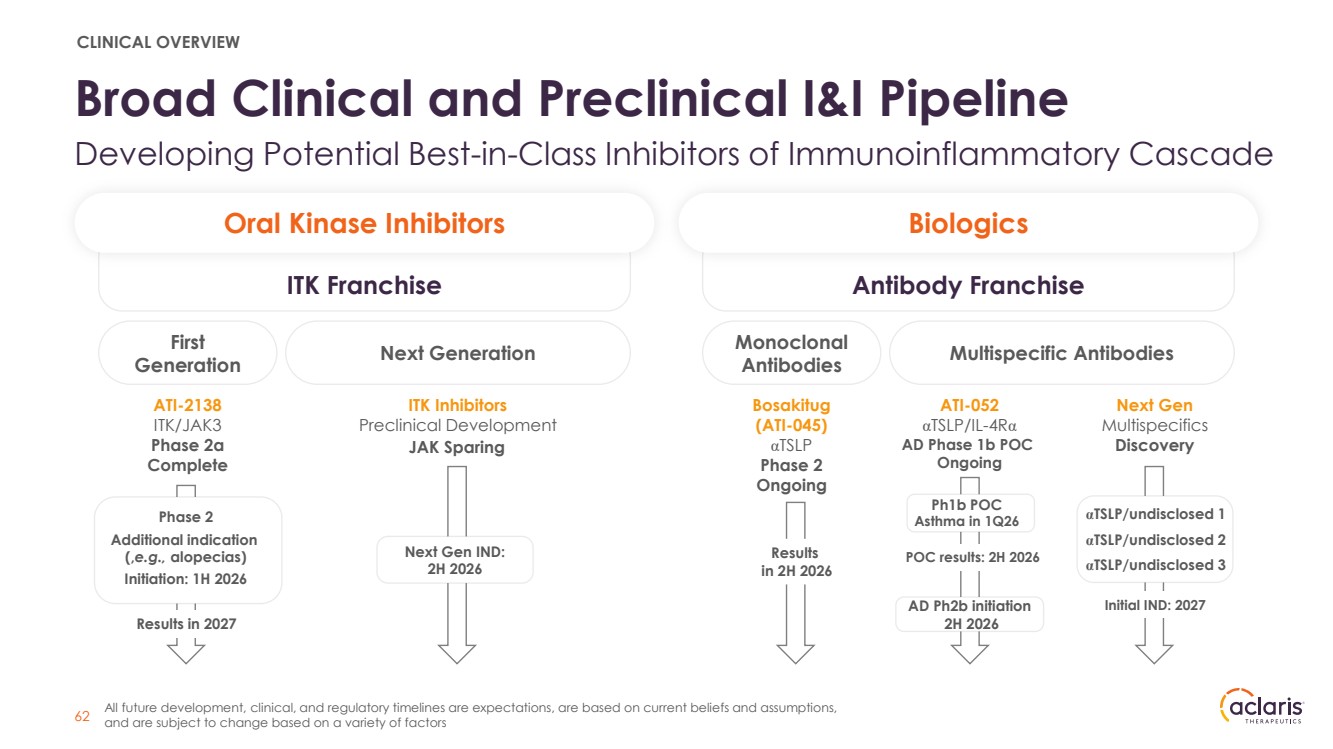
| z ITK Franchise Antibody Franchise Broad Clinical and Preclinical I&I Pipeline Developing Potential Best-in-Class Inhibitors of Immunoinflammatory Cascade 62 First Generation Next Generation Monoclonal Antibodies Multispecific Antibodies ATI-2138 ITK/JAK3 Phase 2a Complete ITK Inhibitors Preclinical Development Bosakitug (ATI-045) αTSLP Phase 2 Ongoing Next Gen Multispecifics Discovery ATI-052 αTSLP/IL-4Rα AD Phase 1b POC Ongoing Oral Kinase Inhibitors Biologics JAK Sparing Next Gen IND: 2H 2026 Phase 2 Additional indication (,e.g., alopecias) Initiation: 1H 2026 Ph1b POC Asthma in 1Q26 Results in 2H 2026 Results in 2027 Initial IND: 2027 αTSLP/undisclosed 1 αTSLP/undisclosed 2 αTSLP/undisclosed 3 All future development, clinical, and regulatory timelines are expectations, are based on current beliefs and assumptions, and are subject to change based on a variety of factors AD Ph2b initiation 2H 2026 POC results: 2H 2026 CLINICAL OVERVIEW |
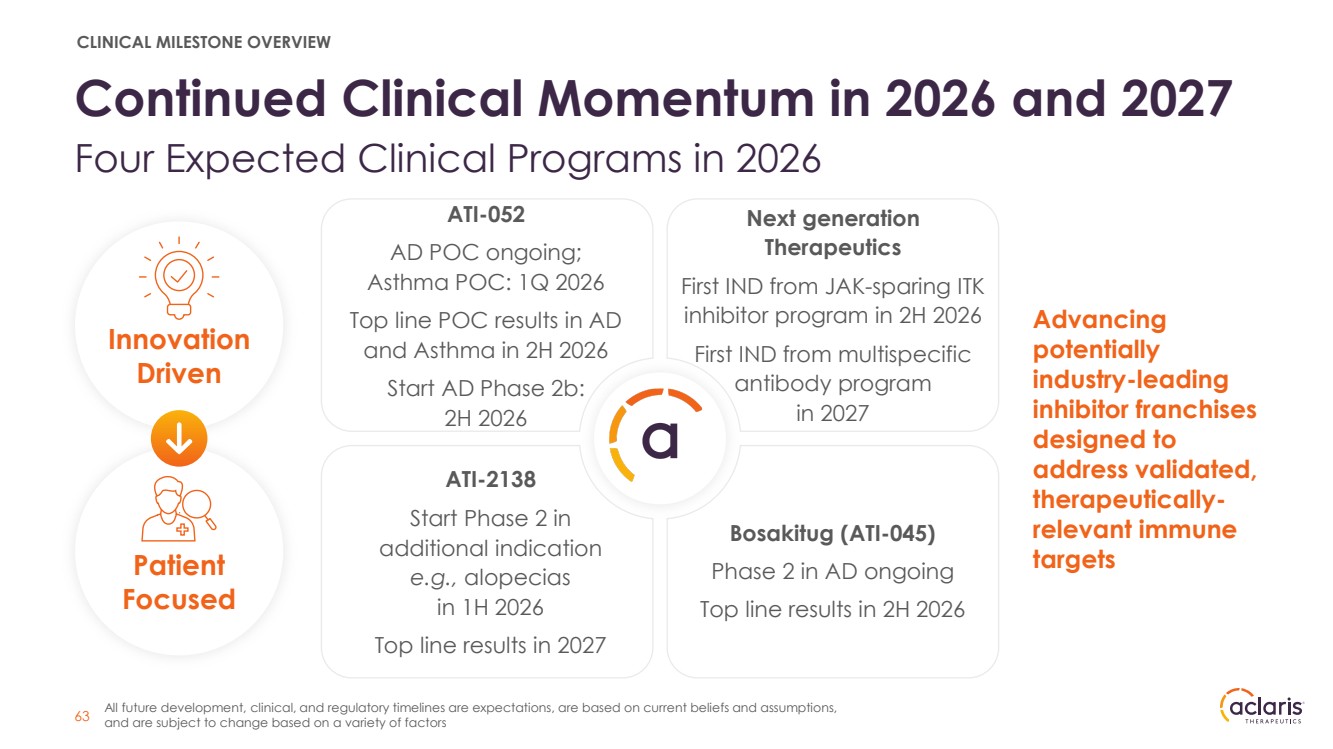
| Continued Clinical Momentum in 2026 and 2027 Four Expected Clinical Programs in 2026 Bosakitug (ATI-045) Phase 2 in AD ongoing Top line results in 2H 2026 ATI-052 AD POC ongoing; Asthma POC: 1Q 2026 Top line POC results in AD and Asthma in 2H 2026 Start AD Phase 2b: 2H 2026 ATI-2138 Start Phase 2 in additional indication e.g., alopecias in 1H 2026 Top line results in 2027 Next generation Therapeutics First IND from JAK-sparing ITK inhibitor program in 2H 2026 First IND from multispecific antibody program in 2027 Advancing potentially industry-leading inhibitor franchises designed to address validated, therapeutically-relevant immune targets Innovation Driven Patient Focused 63 All future development, clinical, and regulatory timelines are expectations, are based on current beliefs and assumptions, and are subject to change based on a variety of factors CLINICAL MILESTONE OVERVIEW |
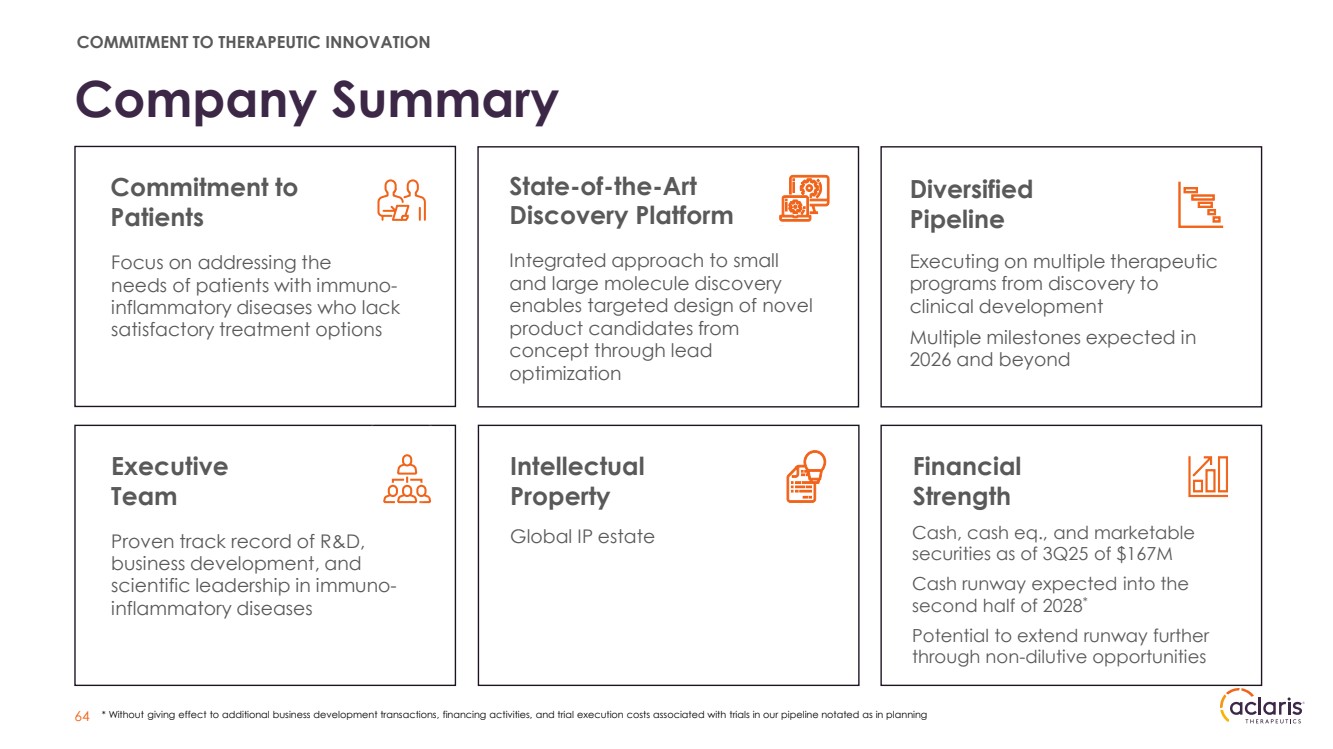
| 64 Proven track record of R&D, business development, and scientific leadership in immuno-inflammatory diseases Integrated approach to small and large molecule discovery enables targeted design of novel product candidates from concept through lead optimization Executing on multiple therapeutic programs from discovery to clinical development Multiple milestones expected in 2026 and beyond Executive Team State-of-the-Art Discovery Platform Diversified Pipeline Intellectual Property Financial Strength Global IP estate Cash, cash eq., and marketable securities as of 3Q25 of $167M Cash runway expected into the second half of 2028* Potential to extend runway further through non-dilutive opportunities Focus on addressing the needs of patients with immuno-inflammatory diseases who lack satisfactory treatment options Commitment to Patients Company Summary COMMITMENT TO THERAPEUTIC INNOVATION * Without giving effect to additional business development transactions, financing activities, and trial execution costs associated with trials in our pipeline notated as in planning |
| Corporate Overview January 2026 EMPOWERING PATIENTS THROUGH THERAPEUTIC INNOVATION |