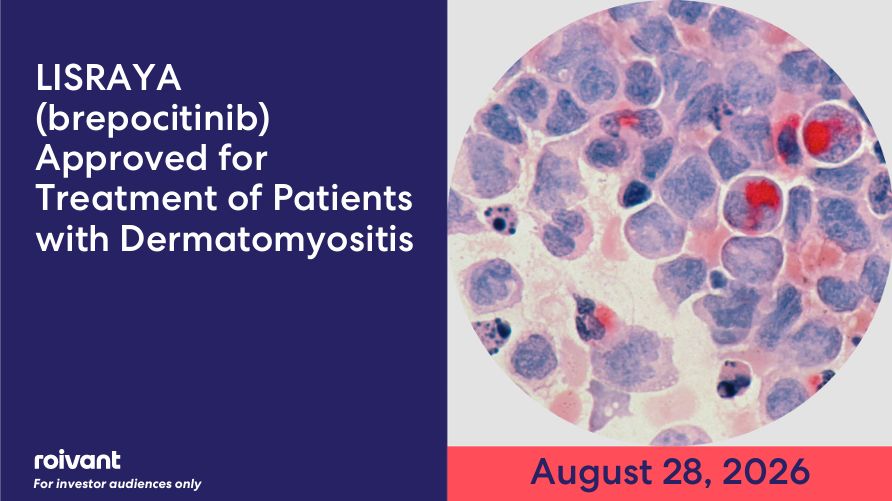
LISRAYA (brepocitinib) Approved for Treatment of Patients with Dermatomyositis
August 28, 2026 For investor audiences only
Forward-Looking Statements This presentation includes forward-looking
statements that are subject to substantial risks and uncertainties that could cause actual results to differ materially from those expressed or implied by such statements. All statements other than statements of historical facts contained
in this presentation, including statements regarding our future results of operations and financial position, business strategy, potential uses of cash and capital allocation, research and development plans, the anticipated timing, costs,
design, conduct and results of our ongoing and planned preclinical studies and clinical trials for our product and product candidates, any commercial potential of our product and product candidates following applicable regulatory approvals,
where applicable, and the outcome of any pending litigation are forward-looking statements. These forward-looking statements are based upon the current expectations and beliefs of our management as of the date of this presentation and are
subject to certain risks and uncertainties that could cause actual results to differ materially from those described in the forward-looking statements. Although we believe that our plans, intentions, expectations and strategies as reflected
in or suggested by those forward-looking statements are reasonable, we can give no assurance that the plans, intentions, expectations or strategies will be attained or achieved. Furthermore, actual results may differ materially from those
described in the forward-looking statements. These forward-looking statements may be affected by a number of risks and uncertainties, including, but not limited to, those risks set forth in the sections captioned “Risk Factors” and
“Cautionary Note Regarding Forward-Looking Statements” of our filings with the U.S. Securities and Exchange Commission, available at www.sec.gov and investor.roivant.com. We operate in a very competitive and rapidly changing environment in
which new risks emerge from time to time. These forward-looking statements are based upon the current expectations and beliefs of our management as of the date of this presentation, and are subject to certain risks and uncertainties that
could cause actual results to differ materially from those described in the forward-looking statements. Except as required by applicable law, we assume no obligation to update publicly any forward-looking statements, whether as a result of
new information, future events or otherwise. This presentation includes data for our product and product candidates, as compared to certain other products and product candidates generated from separate, independent studies and that do not
come from head-to-head analysis. Differences exist between study or trial designs and subject characteristics and caution should be exercised when comparing data across studies. Data regarding other products and product candidates is based
on publicly available information. LISRAYA (brepocitinib) is FDA-approved only for treatment of dermatomyositis in adult patients. All other indications remain investigational and subject to regulatory approval. See important LISRAYA
safety information, including boxed warning, at lisrayahcp.com/pi Disclaimer This presentation is intended for the investor community only; it is not intended to promote the product candidates referenced herein or otherwise influence
healthcare prescribing decisions. 2 For investor audiences only
3 LISRAYA is a tyrosine kinase 2 (TYK2) and Janus kinase (JAK) inhibitor
indicated for the treatment of dermatomyositis in adult patients NOW APPROVED See important LISRAYA safety information, including boxed warning, at lisrayahcp.com/pi For investor audiences only
4 Nikolay Nikolov, M.D. Director of the Office of Immunology and
Inflammation in the FDA’s Center for Drug Evaluation and Research “For too long, patients with dermatomyositis have faced a significant unmet need for effective treatments, often relying on therapies meant for other diseases. Today’s
approval is a meaningful step forward, giving patients and their healthcare providers an approved oral therapy proven to help manage this rare and debilitating disease.”
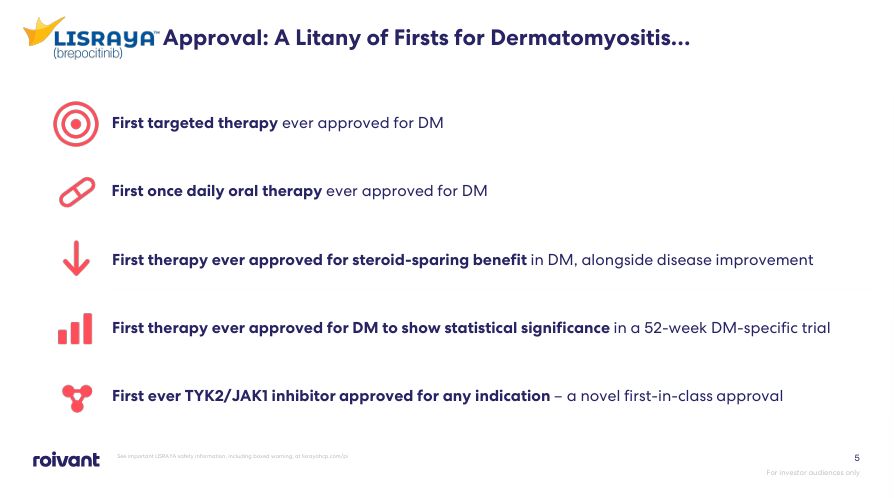
5 Approval: A Litany of Firsts for Dermatomyositis… See important LISRAYA
safety information, including boxed warning, at lisrayahcp.com/pi First targeted therapy ever approved for DM First once daily oral therapy ever approved for DM First therapy ever approved for steroid-sparing benefit in DM, alongside
disease improvement First therapy ever approved for DM to show statistical significance in a 52-week DM-specific trial First ever TYK2/JAK1 inhibitor approved for any indication – a novel first-in-class approval
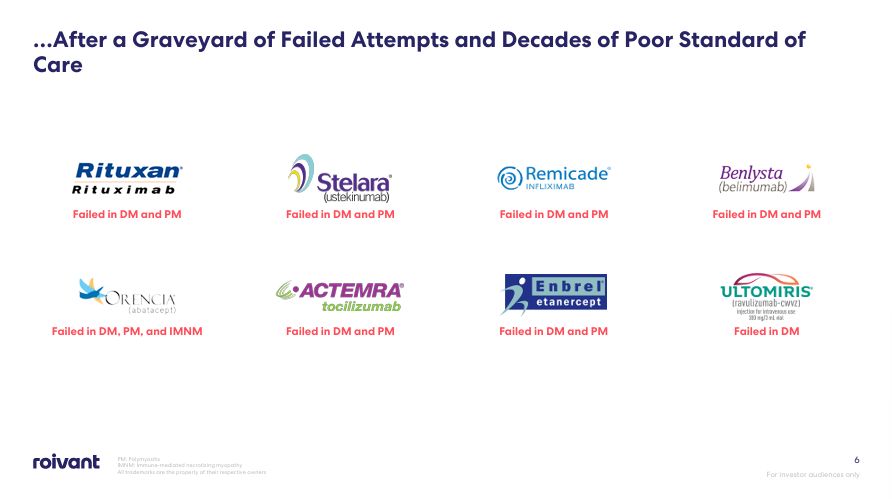
Failed in DM and PM Failed in DM and PM Failed in DM and PM Failed in DM
and PM Failed in DM Failed in DM and PM Failed in DM and PM Failed in DM, PM, and IMNM PM: Polymyositis IMNM: Immune-mediated necrotizing myopathy All trademarks are the property of their respective owners …After a Graveyard of
Failed Attempts and Decades of Poor Standard of Care 6
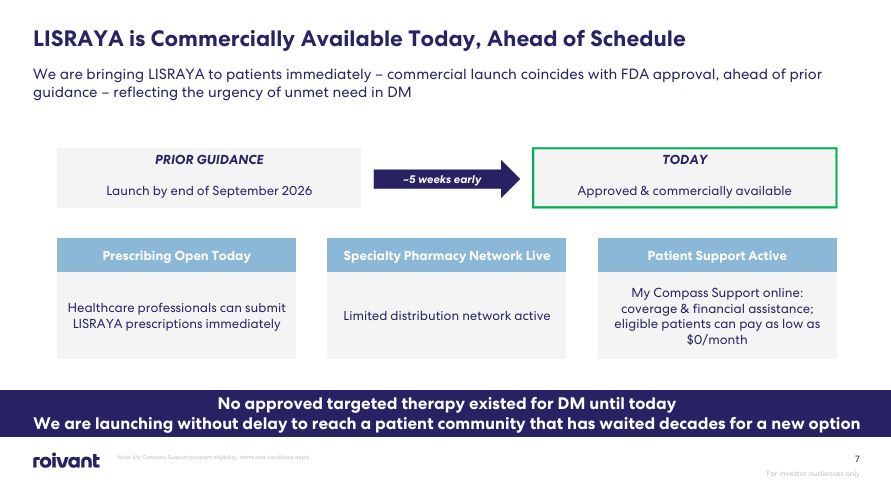
7 We are bringing LISRAYA to patients immediately – commercial launch
coincides with FDA approval, ahead of prior guidance – reflecting the urgency of unmet need in DM LISRAYA is Commercially Available Today, Ahead of Schedule Note: My Compass Support program eligibility, terms and conditions apply PRIOR
GUIDANCE Launch by end of September 2026 TODAY Approved & commercially available ~5 weeks early Prescribing Open Today Specialty Pharmacy Network Live Patient Support Active Healthcare professionals can submit LISRAYA
prescriptions immediately Limited distribution network active My Compass Support online: coverage & financial assistance; eligible patients can pay as low as $0/month No approved targeted therapy existed for DM until today We are
launching without delay to reach a patient community that has waited decades for a new option
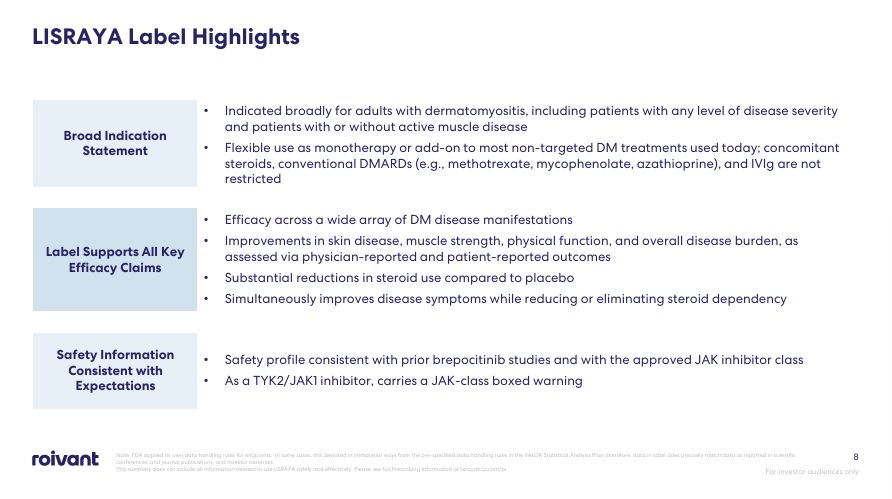
8 LISRAYA Label Highlights Note: FDA applied its own data handling rules for
endpoints. In some cases, this deviated in immaterial ways from the pre-specified data handling rules in the VALOR Statistical Analysis Plan; therefore, data in label does precisely match data as reported in scientific conferences, and
journal publications, and investor materials This summary does not include all information needed to use LISRAYA safely and effectively. Please see full Prescribing Information at lisrayahcp.com/pi Broad Indication Statement Indicated
broadly for adults with dermatomyositis, including patients with any level of disease severity and patients with or without active muscle disease Flexible use as monotherapy or add-on to most non-targeted DM treatments used today;
concomitant steroids, conventional DMARDs (e.g., methotrexate, mycophenolate, azathioprine), and IVIg are not restricted Label Supports All Key Efficacy Claims Efficacy across a wide array of DM disease manifestations Improvements in
skin disease, muscle strength, physical function, and overall disease burden, as assessed via physician-reported and patient-reported outcomes Substantial reductions in steroid use compared to placebo Simultaneously improves disease
symptoms while reducing or eliminating steroid dependency Safety Information Consistent with Expectations Safety profile consistent with prior brepocitinib studies and with the approved JAK inhibitor class As a TYK2/JAK1 inhibitor,
carries a JAK-class boxed warning
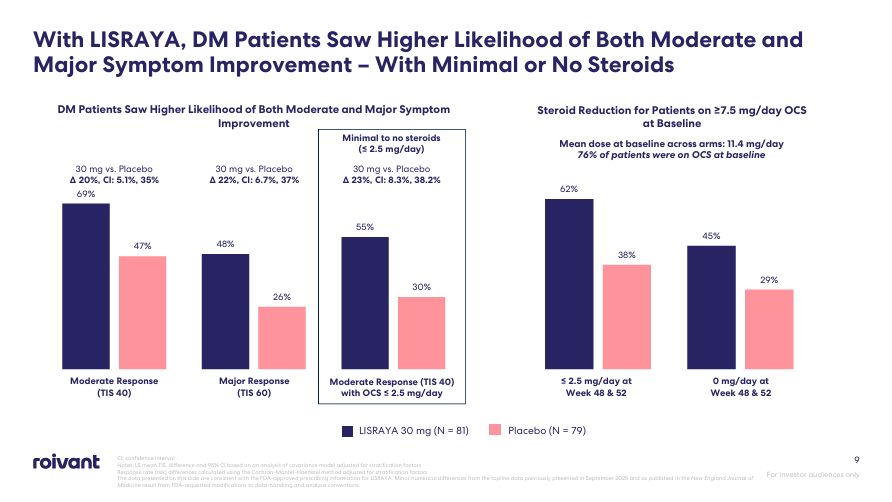
9 With LISRAYA, DM Patients Saw Higher Likelihood of Both Moderate and Major
Symptom Improvement – With Minimal or No Steroids CI: confidence interval Notes: LS mean TIS, difference and 95% CI based on an analysis of covariance model adjusted for stratification factors Response rate (risk) differences calculated
using the Cochran-Mantel-Haenszel method adjusted for stratification factors The data presented on this slide are consistent with the FDA-approved prescribing information for LISRAYA. Minor numerical differences from the topline data
previously presented in September 2025 and as published in the New England Journal of Medicine result from FDA-requested modifications to data-handling and analysis conventions. 30 mg vs. Placebo∆ 20%, CI: 5.1%, 35% 30 mg vs. Placebo∆
23%, CI: 8.3%, 38.2% Moderate Response (TIS 40) Major Response (TIS 60) Moderate Response (TIS 40) with OCS ≤ 2.5 mg/day 30 mg vs. Placebo∆ 22%, CI: 6.7%, 37% Minimal to no steroids (≤ 2.5 mg/day) DM Patients Saw Higher
Likelihood of Both Moderate and Major Symptom Improvement Steroid Reduction for Patients on ≥7.5 mg/day OCS at Baseline Mean dose at baseline across arms: 11.4 mg/day 76% of patients were on OCS at baseline ≤ 2.5 mg/day at Week 48 &
52 0 mg/day at Week 48 & 52 LISRAYA 30 mg (N = 81) Placebo (N = 79)
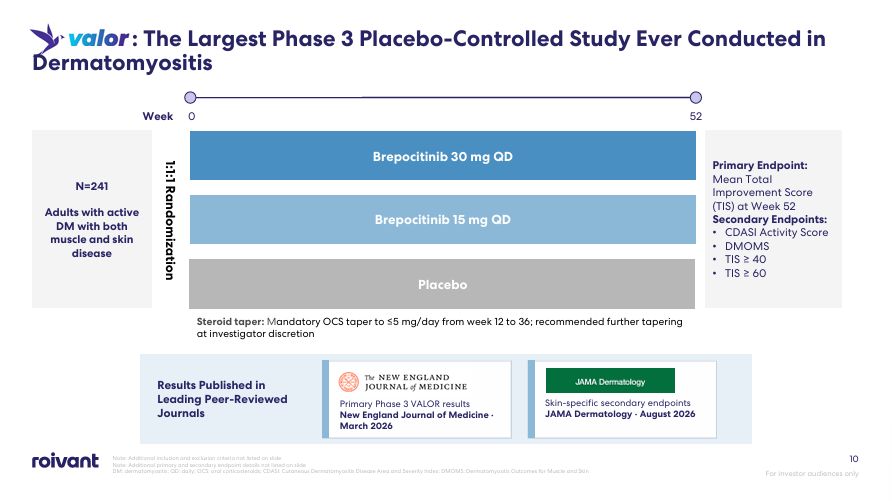
10 Note: Additional inclusion and exclusion criteria not listed on
slide Note: Additional primary and secondary endpoint details not listed on slide DM: dermatomyositis; QD: daily; OCS: oral corticosteroids; CDASI: Cutaneous Dermatomyositis Disease Area and Severity Index; DMOMS: Dermatomyositis Outcomes
for Muscle and Skin N=241 Adults with active DM with both muscle and skin disease 1:1:1 Randomization Placebo Brepocitinib 30 mg QD Brepocitinib 15 mg QD : The Largest Phase 3 Placebo-Controlled Study Ever Conducted in
Dermatomyositis Primary Endpoint: Mean Total Improvement Score (TIS) at Week 52 Secondary Endpoints: CDASI Activity Score DMOMS TIS ≥ 40 TIS ≥ 60 52 Week 0 Steroid taper: Mandatory OCS taper to ≤5 mg/day from week 12 to 36;
recommended further tapering at investigator discretion Results Published in Leading Peer-Reviewed Journals Primary Phase 3 VALOR results New England Journal of Medicine · March 2026 Skin-specific secondary endpoints JAMA Dermatology
· August 2026
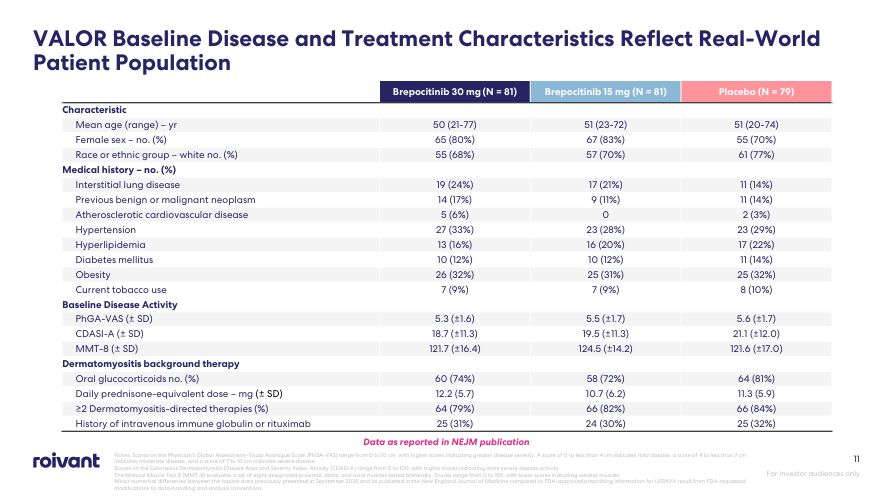
11 VALOR Baseline Disease and Treatment Characteristics Reflect Real-World
Patient Population Brepocitinib 30 mg (N = 81) Brepocitinib 15 mg (N = 81) Placebo (N = 79) Characteristic Mean age (range) – yr 50 (21-77) 51 (23-72) 51 (20-74) Female sex – no. (%) 65 (80%) 67 (83%) 55 (70%) Race or ethnic
group – white no. (%) 55 (68%) 57 (70%) 61 (77%) Medical history – no. (%) Interstitial lung disease 19 (24%) 17 (21%) 11 (14%) Previous benign or malignant neoplasm 14 (17%) 9 (11%) 11 (14%) Atherosclerotic cardiovascular
disease 5 (6%) 0 2 (3%) Hypertension 27 (33%) 23 (28%) 23 (29%) Hyperlipidemia 13 (16%) 16 (20%) 17 (22%) Diabetes mellitus 10 (12%) 10 (12%) 11 (14%) Obesity 26 (32%) 25 (31%) 25 (32%) Current tobacco use 7 (9%) 7
(9%) 8 (10%) Baseline Disease Activity PhGA-VAS (± SD) 5.3 (±1.6) 5.5 (±1.7) 5.6 (±1.7) CDASI-A (± SD) 18.7 (±11.3) 19.5 (±11.3) 21.1 (±12.0) MMT-8 (± SD) 121.7 (±16.4) 124.5 (±14.2) 121.6 (±17.0) Dermatomyositis background
therapy Oral glucocorticoids no. (%) 60 (74%) 58 (72%) 64 (81%) Daily prednisone-equivalent dose – mg (± SD) 12.2 (5.7) 10.7 (6.2) 11.3 (5.9) ≥2 Dermatomyositis-directed therapies (%) 64 (79%) 66 (82%) 66 (84%) History of
intravenous immune globulin or rituximab 25 (31%) 24 (30%) 25 (32%) Data as reported in NEJM publication Notes: Scores on the Physician's Global Assessment–Visual Analogue Scale (PhGA-VAS) range from 0 to 10 cm, with higher scores
indicating greater disease severity. A score of 0 to less than 4 cm indicates mild disease, a score of 4 to less than 7 cm indicates moderate disease, and a score of 7 to 10 cm indicates severe disease Scores on the Cutaneous
Dermatomyositis Disease Area and Severity Index–Activity (CDASI-A) range from 0 to 100, with higher scores indicating more severe disease activity The Manual Muscle Test 8 (MMT-8) evaluates a set of eight designated proximal, distal, and
axial muscles tested bilaterally. Scores range from 0 to 150, with lower scores indicating weaker muscles Minor numerical differences between the topline data previously presented in September 2025 and as published in the New England
Journal of Medicine compared to FDA-approved prescribing information for LISRAYA result from FDA-requested modifications to data-handling and analysis conventions.
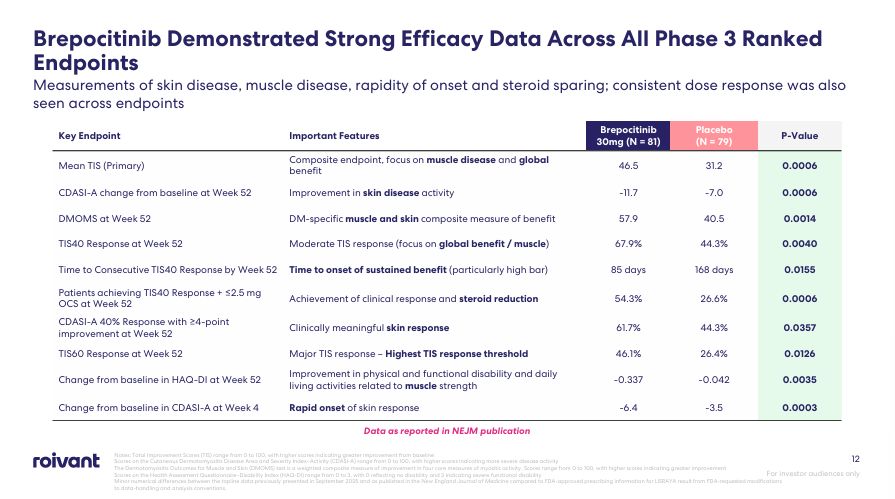
12 Brepocitinib Demonstrated Strong Efficacy Data Across All Phase 3 Ranked
Endpoints Measurements of skin disease, muscle disease, rapidity of onset and steroid sparing; consistent dose response was also seen across endpoints Key Endpoint Important Features Brepocitinib 30mg (N = 81) Placebo (N =
79) P-Value Mean TIS (Primary) Composite endpoint, focus on muscle disease and global benefit 46.5 31.2 0.0006 CDASI-A change from baseline at Week 52 Improvement in skin disease activity -11.7 -7.0 0.0006 DMOMS at Week
52 DM-specific muscle and skin composite measure of benefit 57.9 40.5 0.0014 TIS40 Response at Week 52 Moderate TIS response (focus on global benefit / muscle) 67.9% 44.3% 0.0040 Time to Consecutive TIS40 Response by Week 52 Time
to onset of sustained benefit (particularly high bar) 85 days 168 days 0.0155 Patients achieving TIS40 Response + ≤2.5 mg OCS at Week 52 Achievement of clinical response and steroid reduction 54.3% 26.6% 0.0006 CDASI-A 40% Response
with ≥4-point improvement at Week 52 Clinically meaningful skin response 61.7% 44.3% 0.0357 TIS60 Response at Week 52 Major TIS response – Highest TIS response threshold 46.1% 26.4% 0.0126 Change from baseline in HAQ-DI at Week 52
Improvement in physical and functional disability and daily living activities related to muscle strength -0.337 -0.042 0.0035 Change from baseline in CDASI-A at Week 4 Rapid onset of skin response -6.4 -3.5 0.0003 Data as
reported in NEJM publication Notes: Total Improvement Scores (TIS) range from 0 to 100, with higher scores indicating greater improvement from baseline Scores on the Cutaneous Dermatomyositis Disease Area and Severity Index–Activity
(CDASI-A) range from 0 to 100, with higher scores indicating more severe disease activity The Dermatomyositis Outcomes for Muscle and Skin (DMOMS) test is a weighted composite measure of improvement in four core measures of myositis
activity. Scores range from 0 to 100, with higher scores indicating greater improvement Scores on the Health Assessment Questionnaire–Disability Index (HAQ-DI) range from 0 to 3, with 0 reflecting no disability and 3 indicating severe
functional disability Minor numerical differences between the topline data previously presented in September 2025 and as published in the New England Journal of Medicine compared to FDA-approved prescribing information for LISRAYA result
from FDA-requested modifications to data-handling and analysis conventions.
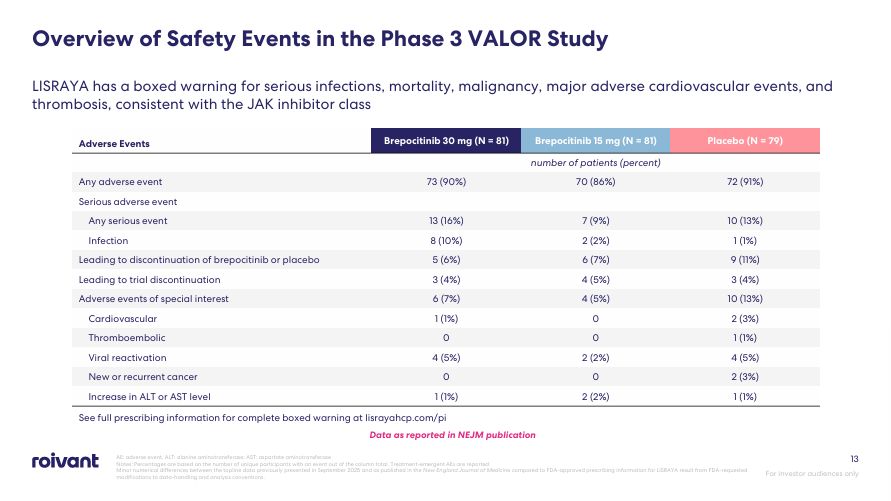
13 Overview of Safety Events in the Phase 3 VALOR Study AE: adverse event,
ALT: alanine aminotransferase; AST: aspartate aminotransferase Notes: Percentages are based on the number of unique participants with an event out of the column total. Treatment-emergent AEs are reported Minor numerical differences
between the topline data previously presented in September 2025 and as published in the New England Journal of Medicine compared to FDA-approved prescribing information for LISRAYA result from FDA-requested modifications to data-handling
and analysis conventions. Adverse Events Brepocitinib 30 mg (N = 81) Brepocitinib 15 mg (N = 81) Placebo (N = 79) number of patients (percent) Any adverse event 73 (90%) 70 (86%) 72 (91%) Serious adverse event Any serious
event 13 (16%) 7 (9%) 10 (13%) Infection 8 (10%) 2 (2%) 1 (1%) Leading to discontinuation of brepocitinib or placebo 5 (6%) 6 (7%) 9 (11%) Leading to trial discontinuation 3 (4%) 4 (5%) 3 (4%) Adverse events of special
interest 6 (7%) 4 (5%) 10 (13%) Cardiovascular 1 (1%) 0 2 (3%) Thromboembolic 0 0 1 (1%) Viral reactivation 4 (5%) 2 (2%) 4 (5%) New or recurrent cancer 0 0 2 (3%) Increase in ALT or AST level 1 (1%) 2 (2%) 1
(1%) LISRAYA has a boxed warning for serious infections, mortality, malignancy, major adverse cardiovascular events, and thrombosis, consistent with the JAK inhibitor class Data as reported in NEJM publication See full prescribing
information for complete boxed warning at lisrayahcp.com/pi
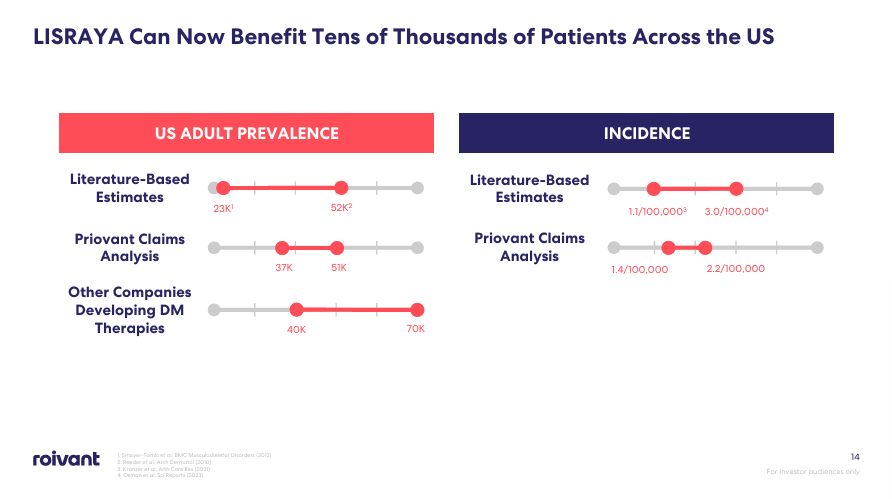
LISRAYA Can Now Benefit Tens of Thousands of Patients Across the
US Literature-Based Estimates Priovant Claims Analysis Other Companies Developing DM Therapies 23K1 70K 40K 52K2 51K US ADULT PREVALENCE 37K INCIDENCE Literature-Based Estimates 1.1/100,0003 3.0/100,0004 1. Smoyer-Tomic et
al, BMC Musculoskeletal Disorders (2012) 2. Reeder et al, Arch Dermatol (2010) 3. Kronzer et al, Arth Care Res (2021) 4. Osman et al, Sci Reports (2023) Priovant Claims Analysis 2.2/100,000 1.4/100,000 14
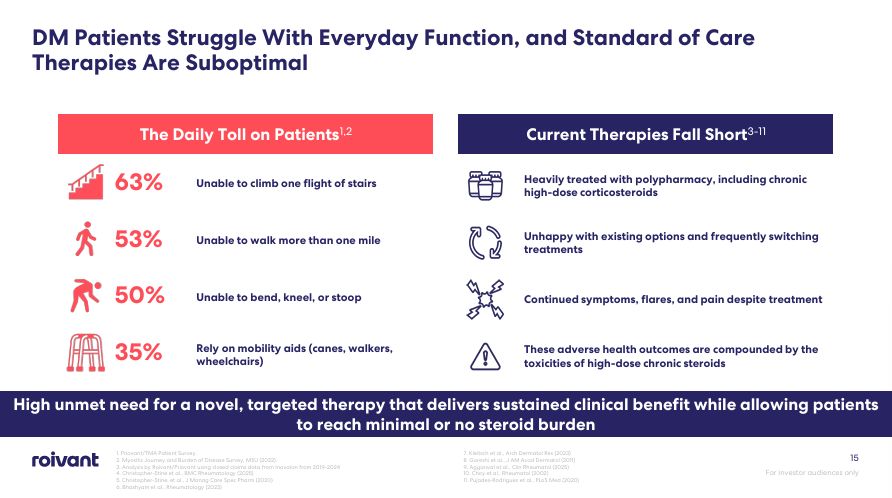
15 DM Patients Struggle With Everyday Function, and Standard of Care
Therapies Are Suboptimal 1. Priovant/TMA Patient Survey. 2. Myositis Journey and Burden of Disease Survey, MSU (2022). 3. Analysis by Roivant/Priovant using closed claims data from Inovalon from 2019-2024 4. Christopher-Stine et al.,
BMC Rheumatology (2025) 5. Christopher-Stine, et al., J Manag Care Spec Pharm (2020) 6. Bhashyam et al., Rheumatology (2023) 7. Kleitsch et al., Arch Dermatol Res (2023) 8. Goreshi et al., J AM Acad Dermatol (2011) 9. Aggarwal et al.,
Clin Rheumatol (2025) 10. Choy et al., Rheumatol (2002) 11. Pujades-Rodriguez et al., PLoS Med (2020) 63% Unable to climb one flight of stairs 53% Unable to walk more than one mile 50% Unable to bend, kneel, or stoop 35% Rely on
mobility aids (canes, walkers, wheelchairs) Heavily treated with polypharmacy, including chronic high-dose corticosteroids Unhappy with existing options and frequently switching treatments Continued symptoms, flares, and pain despite
treatment These adverse health outcomes are compounded by the toxicities of high-dose chronic steroids High unmet need for a novel, targeted therapy that delivers sustained clinical benefit while allowing patients to reach minimal or no
steroid burden The Daily Toll on Patients1,2 Current Therapies Fall Short3-11
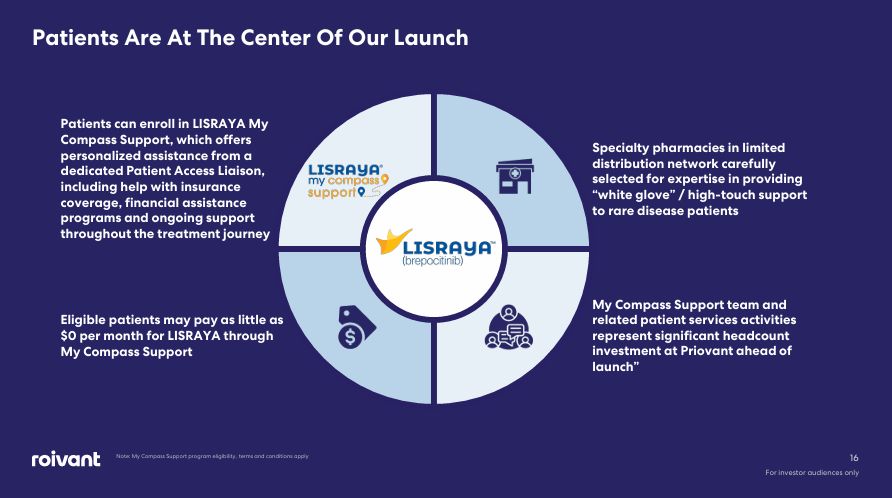
16 Patients Are At The Center Of Our Launch Note: My Compass Support program
eligibility, terms and conditions apply Eligible patients may pay as little as $0 per month for LISRAYA through My Compass Support Patients can enroll in LISRAYA My Compass Support, which offers personalized assistance from a dedicated
Patient Access Liaison, including help with insurance coverage, financial assistance programs and ongoing support throughout the treatment journey My Compass Support team and related patient services activities represent significant
headcount investment at Priovant ahead of launch” [LISRAYA Logo] Specialty pharmacies in limited distribution network carefully selected for expertise in providing “white glove” / high-touch support to rare disease patients
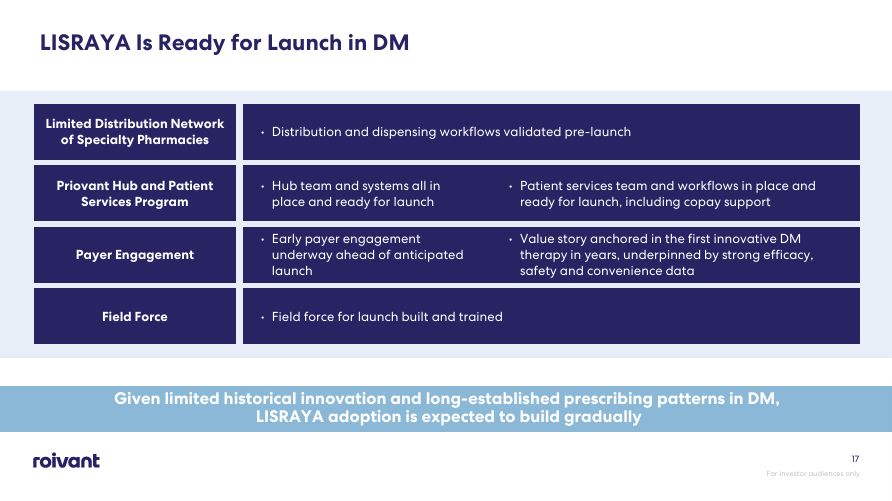
Given limited historical innovation and long-established prescribing patterns
in DM, LISRAYA adoption is expected to build gradually Limited Distribution Network of Specialty Pharmacies Priovant Hub and Patient Services Program Distribution and dispensing workflows validated pre-launch Hub team and systems
all in place and ready for launch Patient services team and workflows in place and ready for launch, including copay support Early payer engagement underway ahead of anticipated launch Value story anchored in the first innovative DM
therapy in years, underpinned by strong efficacy, safety and convenience data Field Force Field force for launch built and trained Payer Engagement LISRAYA Is Ready for Launch in DM 17
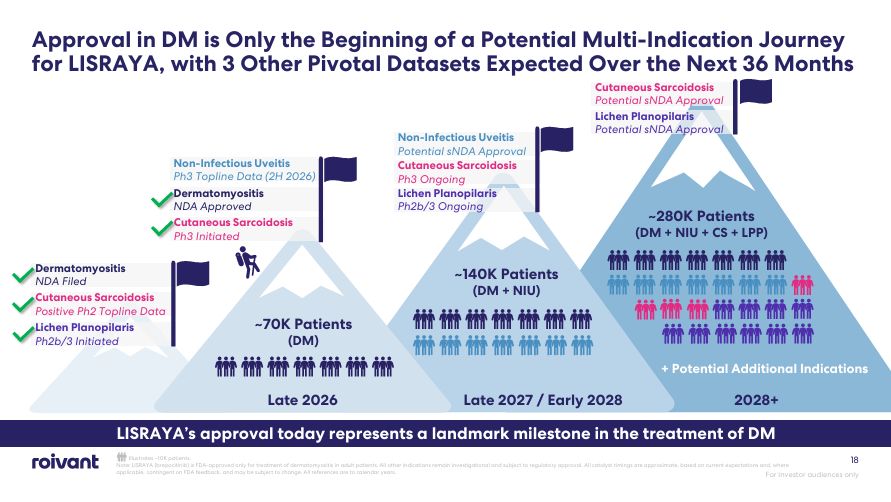
Lichen Planopilaris Ph2b/3 Initiated Approval in DM is Only the Beginning of
a Potential Multi-Indication Journey for LISRAYA, with 3 Other Pivotal Datasets Expected Over the Next 36 Months Dermatomyositis NDA Filed Cutaneous Sarcoidosis Positive Ph2 Topline Data Non-Infectious Uveitis Ph3 Topline Data (2H
2026) Dermatomyositis NDA Approved ~70K Patients (DM) ~140K Patients (DM + NIU) ~280K Patients (DM + NIU + CS + LPP) Non-Infectious Uveitis Potential sNDA Approval Cutaneous Sarcoidosis Ph3 Ongoing Cutaneous
Sarcoidosis Potential sNDA Approval Late 2026 Late 2027 / Early 2028 2028+ + Potential Additional Indications Illustrates ~10K patients. Note: LISRAYA (brepocitinib) is FDA-approved only for treatment of dermatomyositis in adult
patients. All other indications remain investigational and subject to regulatory approval. All catalyst timings are approximate, based on current expectations and, where applicable, contingent on FDA feedback, and may be subject to change.
All references are to calendar years. 18 Lichen Planopilaris Ph2b/3 Ongoing Lichen Planopilaris Potential sNDA Approval Cutaneous Sarcoidosis Ph3 Initiated LISRAYA’s approval today represents a landmark milestone in the treatment
of DM
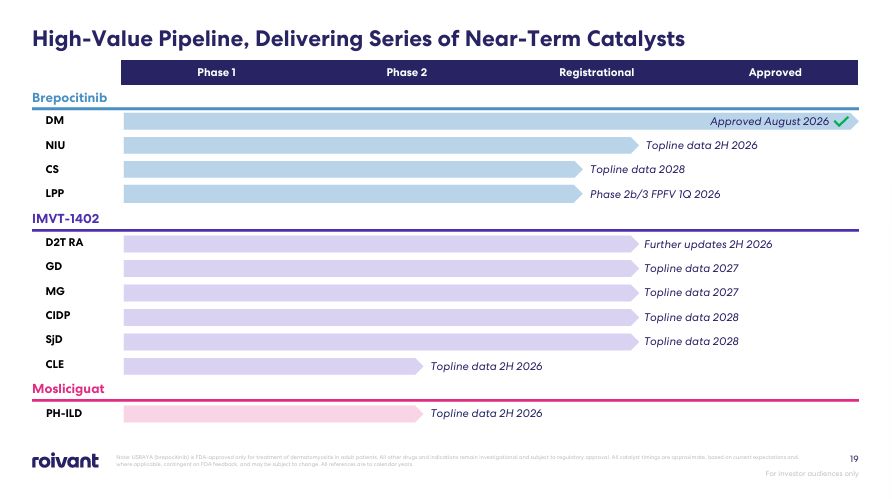
19 Phase 1 Phase
2 Registrational Approved Brepocitinib DM NIU CS LPP IMVT-1402 D2T RA GD MG CIDP SjD CLE Mosliciguat PH-ILD High-Value Pipeline, Delivering Series of Near-Term Catalysts Note: LISRAYA (brepocitinib) is FDA-approved only
for treatment of dermatomyositis in adult patients. All other drugs and indications remain investigational and subject to regulatory approval. All catalyst timings are approximate, based on current expectations and, where applicable,
contingent on FDA feedback, and may be subject to change. All references are to calendar years. Topline data 2H 2026 Topline data 2028 Further updates 2H 2026 Topline data 2027 Topline data 2027 Topline data 2028 Topline data
2028 Topline data 2H 2026 Topline data 2H 2026 Phase 2b/3 FPFV 1Q 2026 Approved August 2026

Thank you.

Appendix
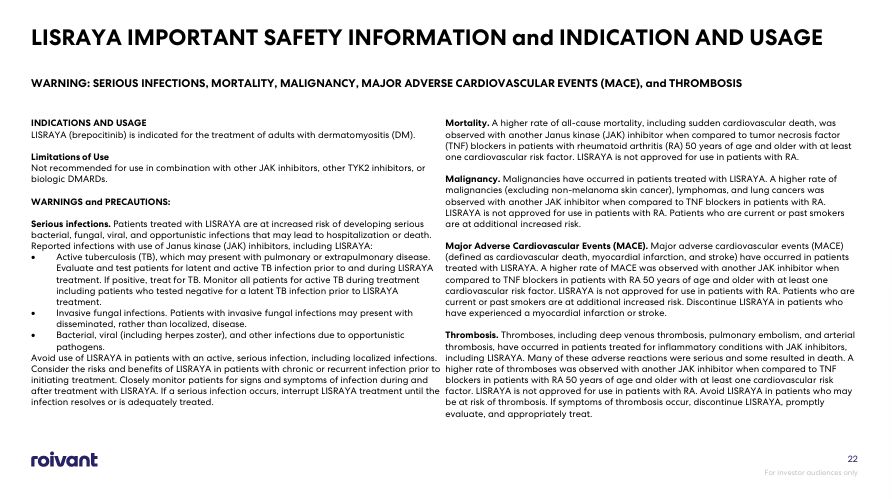
LISRAYA IMPORTANT SAFETY INFORMATION and INDICATION AND USAGE WARNING:
SERIOUS INFECTIONS, MORTALITY, MALIGNANCY, MAJOR ADVERSE CARDIOVASCULAR EVENTS (MACE), and THROMBOSIS INDICATIONS AND USAGE LISRAYA (brepocitinib) is indicated for the treatment of adults with dermatomyositis (DM). Limitations of
Use Not recommended for use in combination with other JAK inhibitors, other TYK2 inhibitors, or biologic DMARDs. WARNINGS and PRECAUTIONS: Serious infections. Patients treated with LISRAYA are at increased risk of developing serious
bacterial, fungal, viral, and opportunistic infections that may lead to hospitalization or death. Reported infections with use of Janus kinase (JAK) inhibitors, including LISRAYA: Active tuberculosis (TB), which may present with
pulmonary or extrapulmonary disease. Evaluate and test patients for latent and active TB infection prior to and during LISRAYA treatment. If positive, treat for TB. Monitor all patients for active TB during treatment including patients who
tested negative for a latent TB infection prior to LISRAYA treatment. Invasive fungal infections. Patients with invasive fungal infections may present with disseminated, rather than localized, disease. Bacterial, viral (including herpes
zoster), and other infections due to opportunistic pathogens. Avoid use of LISRAYA in patients with an active, serious infection, including localized infections. Consider the risks and benefits of LISRAYA in patients with chronic or
recurrent infection prior to initiating treatment. Closely monitor patients for signs and symptoms of infection during and after treatment with LISRAYA. If a serious infection occurs, interrupt LISRAYA treatment until the infection resolves
or is adequately treated. Mortality. A higher rate of all-cause mortality, including sudden cardiovascular death, was observed with another Janus kinase (JAK) inhibitor when compared to tumor necrosis factor (TNF) blockers in patients with
rheumatoid arthritis (RA) 50 years of age and older with at least one cardiovascular risk factor. LISRAYA is not approved for use in patients with RA. Malignancy. Malignancies have occurred in patients treated with LISRAYA. A higher
rate of malignancies (excluding non-melanoma skin cancer), lymphomas, and lung cancers was observed with another JAK inhibitor when compared to TNF blockers in patients with RA. LISRAYA is not approved for use in patients with RA. Patients
who are current or past smokers are at additional increased risk. Major Adverse Cardiovascular Events (MACE). Major adverse cardiovascular events (MACE) (defined as cardiovascular death, myocardial infarction, and stroke) have occurred in
patients treated with LISRAYA. A higher rate of MACE was observed with another JAK inhibitor when compared to TNF blockers in patients with RA 50 years of age and older with at least one cardiovascular risk factor. LISRAYA is not approved
for use in patients with RA. Patients who are current or past smokers are at additional increased risk. Discontinue LISRAYA in patients who have experienced a myocardial infarction or stroke. Thrombosis. Thromboses, including deep venous
thrombosis, pulmonary embolism, and arterial thrombosis, have occurred in patients treated for inflammatory conditions with JAK inhibitors, including LISRAYA. Many of these adverse reactions were serious and some resulted in death. A higher
rate of thromboses was observed with another JAK inhibitor when compared to TNF blockers in patients with RA 50 years of age and older with at least one cardiovascular risk factor. LISRAYA is not approved for use in patients with RA. Avoid
LISRAYA in patients who may be at risk of thrombosis. If symptoms of thrombosis occur, discontinue LISRAYA, promptly evaluate, and appropriately treat. 22
LISRAYA IMPORTANT SAFETY INFORMATION and INDICATION AND USAGE WARNING:
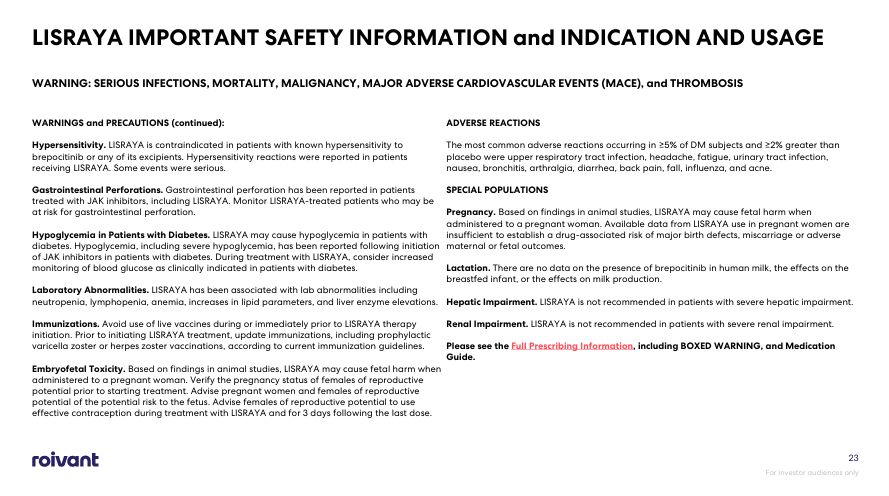
SERIOUS INFECTIONS, MORTALITY, MALIGNANCY, MAJOR ADVERSE CARDIOVASCULAR EVENTS (MACE), and THROMBOSIS WARNINGS and PRECAUTIONS (continued): Hypersensitivity. LISRAYA is contraindicated in patients with known hypersensitivity to
brepocitinib or any of its excipients. Hypersensitivity reactions were reported in patients receiving LISRAYA. Some events were serious. Gastrointestinal Perforations. Gastrointestinal perforation has been reported in patients treated
with JAK inhibitors, including LISRAYA. Monitor LISRAYA-treated patients who may beat risk for gastrointestinal perforation. Hypoglycemia in Patients with Diabetes. LISRAYA may cause hypoglycemia in patients with diabetes. Hypoglycemia,
including severe hypoglycemia, has been reported following initiation of JAK inhibitors in patients with diabetes. During treatment with LISRAYA, consider increased monitoring of blood glucose as clinically indicated in patients with
diabetes. Laboratory Abnormalities. LISRAYA has been associated with lab abnormalities including neutropenia, lymphopenia, anemia, increases in lipid parameters, and liver enzyme elevations. Immunizations. Avoid use of live vaccines
during or immediately prior to LISRAYA therapy initiation. Prior to initiating LISRAYA treatment, update immunizations, including prophylactic varicella zoster or herpes zoster vaccinations, according to current immunization
guidelines. Embryofetal Toxicity. Based on findings in animal studies, LISRAYA may cause fetal harm when administered to a pregnant woman. Verify the pregnancy status of females of reproductive potential prior to starting treatment. Advise
pregnant women and females of reproductive potential of the potential risk to the fetus. Advise females of reproductive potential to use effective contraception during treatment with LISRAYA and for 3 days following the last dose. ADVERSE
REACTIONS The most common adverse reactions occurring in ≥5% of DM subjects and ≥2% greater than placebo were upper respiratory tract infection, headache, fatigue, urinary tract infection, nausea, bronchitis, arthralgia, diarrhea, back
pain, fall, influenza, and acne. SPECIAL POPULATIONS Pregnancy. Based on findings in animal studies, LISRAYA may cause fetal harm when administered to a pregnant woman. Available data from LISRAYA use in pregnant women are insufficient to
establish a drug-associated risk of major birth defects, miscarriage or adverse maternal or fetal outcomes. Lactation. There are no data on the presence of brepocitinib in human milk, the effects on the breastfed infant, or the effects on
milk production. Hepatic Impairment. LISRAYA is not recommended in patients with severe hepatic impairment. Renal Impairment. LISRAYA is not recommended in patients with severe renal impairment. Please see the Full Prescribing
Information, including BOXED WARNING, and Medication Guide. 23
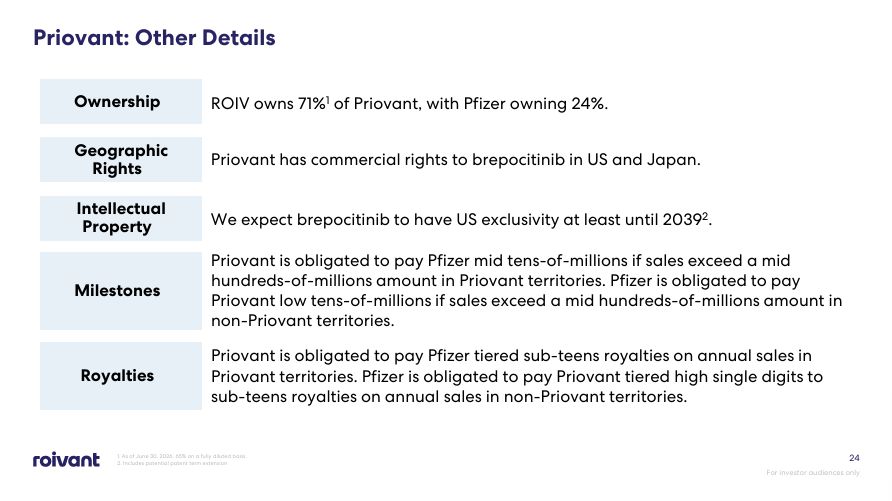
24 Priovant: Other Details ROIV owns 71%1 of Priovant, with Pfizer owning
24%. Ownership Geographic Rights Intellectual Property Milestones Royalties 1. As of June 30, 2026. 65% on a fully diluted basis. 2. Includes potential patent term extension We expect brepocitinib to have US exclusivity
at least until 20392. Priovant has commercial rights to brepocitinib in US and Japan. Priovant is obligated to pay Pfizer mid tens-of-millions if sales exceed a mid hundreds-of-millions amount in Priovant territories. Pfizer is
obligated to pay Priovant low tens-of-millions if sales exceed a mid hundreds-of-millions amount in non-Priovant territories. Priovant is obligated to pay Pfizer tiered sub-teens royalties on annual sales in Priovant territories. Pfizer
is obligated to pay Priovant tiered high single digits to sub-teens royalties on annual sales in non-Priovant territories.

Illustrative Accounting TreatmentThe information contained in these slides is
provided for illustrative and educational purposes only. It is not intended to be comprehensive and is not a substitute for reviewing Roivant’s consolidated financial statements, including the notes thereto. This should not be relied upon
as a complete description of Roivant's accounting policies or financial reporting. Certain items described on this slide are prospective in nature and therefore not reflected in Roivant’s consolidated financial statements.
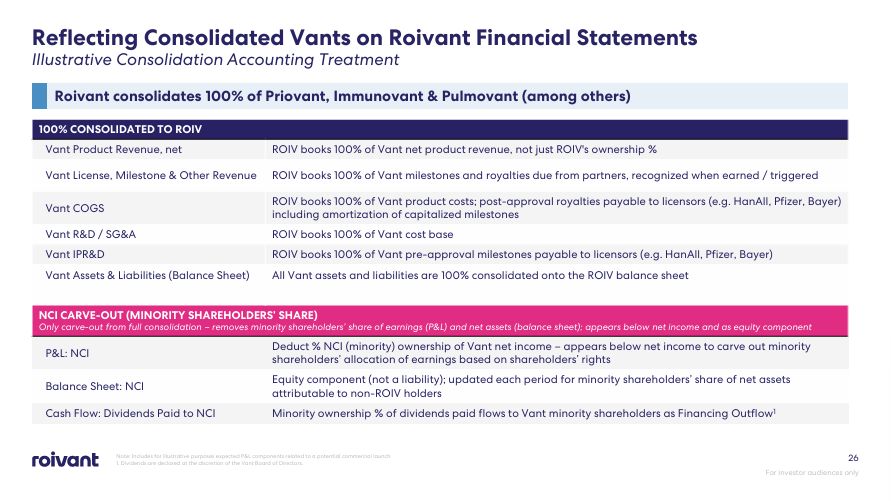
Reflecting Consolidated Vants on Roivant Financial StatementsIllustrative
Consolidation Accounting Treatment 100% CONSOLIDATED TO ROIV Vant Product Revenue, net ROIV books 100% of Vant net product revenue, not just ROIV's ownership % Vant License, Milestone & Other Revenue ROIV books 100% of Vant
milestones and royalties due from partners, recognized when earned / triggered Vant COGS ROIV books 100% of Vant product costs; post-approval royalties payable to licensors (e.g. HanAll, Pfizer, Bayer) including amortization of
capitalized milestones Vant R&D / SG&A ROIV books 100% of Vant cost base Vant IPR&D ROIV books 100% of Vant pre-approval milestones payable to licensors (e.g. HanAll, Pfizer, Bayer) Vant Assets & Liabilities (Balance
Sheet) All Vant assets and liabilities are 100% consolidated onto the ROIV balance sheet NCI CARVE-OUT (MINORITY SHAREHOLDERS’ SHARE) Only carve-out from full consolidation – removes minority shareholders’ share of earnings (P&L) and
net assets (balance sheet); appears below net income and as equity component P&L: NCI Deduct % NCI (minority) ownership of Vant net income – appears below net income to carve out minority shareholders’ allocation of earnings based on
shareholders’ rights Balance Sheet: NCI Equity component (not a liability); updated each period for minority shareholders’ share of net assets attributable to non-ROIV holders Cash Flow: Dividends Paid to NCI Minority ownership % of
dividends paid flows to Vant minority shareholders as Financing Outflow1 Roivant consolidates 100% of Priovant, Immunovant & Pulmovant (among others) 26 Note: Includes for illustrative purposes expected P&L components related to
a potential commercial launch 1. Dividends are declared at the discretion of the Vant Board of Directors.
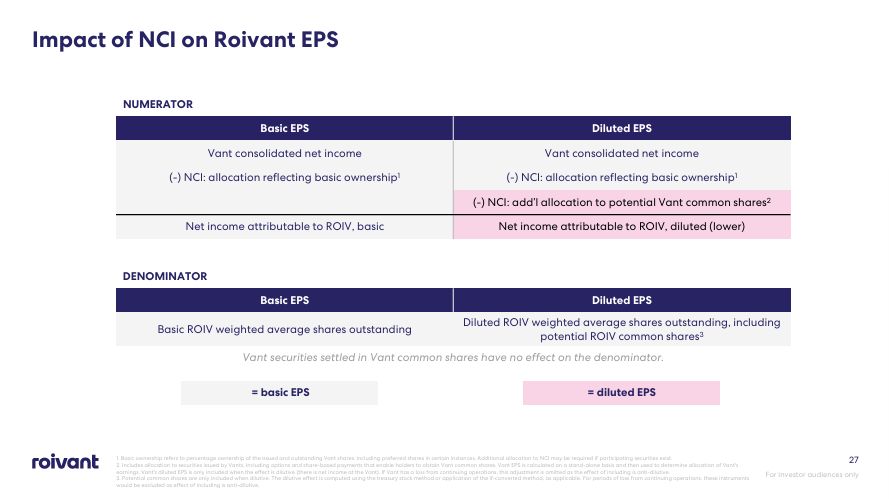
27 Impact of NCI on Roivant EPS 1. Basic ownership refers to percentage
ownership of the issued and outstanding Vant shares, including preferred shares in certain instances. Additional allocation to NCI may be required if participating securities exist. 2. Includes allocation to securities issued by Vants,
including options and share-based payments that enable holders to obtain Vant common shares. Vant EPS is calculated on a stand-alone basis and then used to determine allocation of Vant's earnings. Vant's diluted EPS is only included when
the effect is dilutive (there is net income at the Vant). If Vant has a loss from continuing operations, this adjustment is omitted as the effect of including is anti-dilutive. 3. Potential common shares are only included when dilutive.
The dilutive effect is computed using the treasury stock method or application of the if-converted method, as applicable. For periods of loss from continuing operations, these instruments would be excluded as effect of including is
anti-dilutive. NUMERATOR Basic EPS Diluted EPS Vant consolidated net income Vant consolidated net income (-) NCI: allocation reflecting basic ownership1 (-) NCI: allocation reflecting basic ownership1 (-) NCI: add’l allocation to
potential Vant common shares2 Net income attributable to ROIV, basic Net income attributable to ROIV, diluted (lower) DENOMINATOR Basic EPS Diluted EPS Basic ROIV weighted average shares outstanding Diluted ROIV weighted average
shares outstanding, including potential ROIV common shares3 = basic EPS = diluted EPS Vant securities settled in Vant common shares have no effect on the denominator.