Pioneering WEE1 Inhibition to Deliver More Convenient, Targeted Cancer Care Corporate Presentation | May 2026 Nasdaq: ZNTL
Zentalis Pharmaceuticals, Inc. (“we,” “us,” “our,” “Zentalis” or the “Company”) cautions that this presentation (including oral commentary that accompanies this presentation) contains forward-looking statements within the meaning of the U.S. Private Securities Litigation Reform Act of 1995. All statements contained in this presentation that do not relate to matters of hist orical fact should be considered forward-looking statements, including without limitation statements regarding the continued development of azenosertib; the clinical and therapeutic potential of azenosertib; the potential for azenosertib (ZN-c3) to be the first, oral, non-chemotherapy for ~50% of PROC patients and best-in-class; the Company’s development strategy and approach for azenosertib, including the Company’s strategy to focus on bringing azenosertib to patients with PROC who are Cyc lin E1-positive and the potential for azenosertib to be a new treatment option for ovarian cancer patients and the potential opportunities for azenosertib as a monotherapy and in combination in other indications and in other tumor types, including in earlier lines of ovarian cancer and other tumor types; the Company’s planned strategy, vision and path forward; the market opportunity for azenosertib, including the opportunity in biomarker selected (Cyclin E1 -positive) PROC patients and the potential size of the patient population; the potential for the opportunity for azenosertib to be broad/expansive; the potential for Cyclin E1 to serve as a predictive biomarker for response to azenosertib; the Company’s projected cash runway; planned clinic al trials for our product candidates; the potential benefits of azenosertib, including compared to available therapies and therapies in development (not head-to-head comparisons); the potential unmet need in a particular indication and/or patient popu lation; the timing and content of the Company’s anticipated milestones, including the completion of enrollment in all cohorts of DENALI Part 2; and the Company’s planned regulatory strategy for azenosertib and the timing thereof, including the potential for DENALI Part 2 to support an accelerated approval and the potential for ASPENOVA to support a full approval; as well as statements that include the words such as “anticipate,” “beyond,” “continue,” “design,” “estimate,” “expect,” “for ward,” “intent,” “milestone,” “ongoing,” “opportunity,” “path,” “plan,” “potential,” “predictive,” “projected,” “strategy,” "support," “vision,” “will” and similar statements of a future or forward-looking nature. These statements are neither promises nor guarantees, but involve known and unknown risks, uncertainties and other important factors that may cause our actual results, performance or achievements to be materially different from any future results, performance or achievements expresse d or implied by the forward-looking statements, including, but not limited to, the following: our limited operating history, which may make it difficult to evaluate our current business and predict our future success and viability; we have and expect to continue to incur significant losses; our need for additional funding, which may not be available; our plans, including the costs thereof, of development of a companion diagnostic; the outcome of early clinical trials may not be predictive of the su ccess of later clinical trials; failure to identify additional product candidates and develop or commercialize marketable products; potential unforeseen events during clinical trials could cause delays or other adverse consequences; risks relating to the regulatory approval process or ongoing regulatory obligations; failure to obtain U.S. or international marketing approval ; azenosertib and any future product candidates may cause serious adverse side effects; the interim and preliminary data from o ur clinical trials may change as more patient data becomes available, and are subject to audit and verification procedures that could result in material changes in the final data; if our confirmatory trials do not verify clinical benefit, the FDA m ay seek to withdraw accelerated approval; our ability to establish effective sales or marketing capabilities; our reliance on th ird parties; the interim, initial, “topline,” and preliminary data from our clinical trials may change as more patient data becom es available, and are subject to audit and verification procedures that could result in material changes in the final data; our reliance on third parties; effects of significant competition; effects of significant competition; the possibility of system failures or security breaches; risks relating to intellectual property; our ability to attract, retain and motivate qualified pe rsonnel, and risks relating to management transitions; and significant costs as a result of operating as a public company. Other risks and uncertainties include those identified under the caption “Risk Factors” in our most recently filed periodic reports on Form s 10-K and 10-Q and subsequent filings with the U.S. Securities and Exchange Commission in the future could cause such forward-looking statements represent management ’s estimates as of the date of this presentation. New risks and uncertainties may emerge from time to time, and it is not possible to predict all risks and uncertainties. While we may elect to update the se forward-looking statements at some point in the future, we assume no obligation to update or revise any forward-looking statements except to the extent required by applicable actual results to differ materially from those indicated by the forward-looking statements made in this presentation. Any law. Although we believe the expectations reflected in such forward - looking statements are reasonable, we can give no assurance that such expectations will prove to be correct. Accordingly, readers are cautioned not to place undue reliance on these forward-looking statements. No representations or warranties (expressed or implied) are made about the accuracy of any such forward-looking statements. This presentation also contains estimates and other statistical data made by independent parties and by us relating to market size and other data about our industry. These data involve a number of assumptions and limitations, and you are cautioned not to give undue weight to such data and estimates. In addition, projections, assumptions and estimates of our future perfor mance and the future performance of the markets in which we operate are necessarily subject to a high degree of uncertainty and risk. Neither we nor our affiliates, advisors or representatives makes any representation as to the accuracy or completeness of that data or undertake to update such data after the date of this presentation. Statements such as “not head-to-head,” “direct cross-study comparison not intended” and similar references indicate that no head-to-head clinical trial has been conducted evaluating azenosertib against the indicated therapies. Notable differences exist between the Company’s trial designs, conditions under study and subject characteristics as compared to the evaluated th ird party results and caution should be exercised when comparing data across these studies. ZENTALIS® and its associated logos are trademarks of Zentalis and/or its affiliates. All other trademarks, trade names and se rvice marks appearing in this presentation are the property of their respective owners. All website addresses given in this presentation are for information only and are not intended to be an active link or to incorporate any website information into this document. Azenosertib is an investigational drug and has not yet been approved by the U.S. Food and Drug Administration or any other re gulatory authority. Forward Looking Statements and Disclaimer
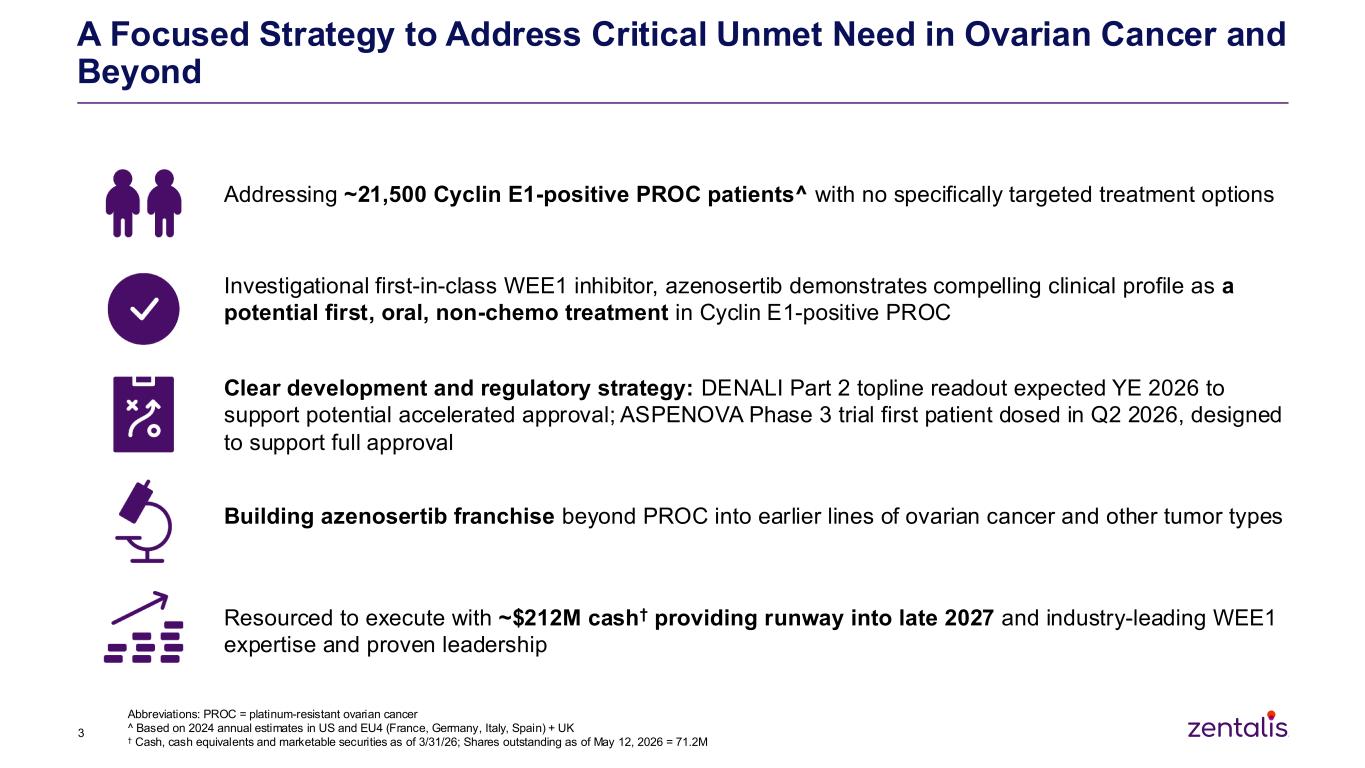
A Focused Strategy to Address Critical Unmet Need in Ovarian Cancer and Beyond Addressing ~21,500 Cyclin E1-positive PROC patients^ with no specifically targeted treatment options Abbreviations: PROC = platinum-resistant ovarian cancer ^ Based on 2024 annual estimates in US and EU4 (France, Germany, Italy, Spain) + UK † Cash, cash equivalents and marketable securities as of 3/31/26; Shares outstanding as of May 12, 2026 = 71.2M 3 Investigational first-in-class WEE1 inhibitor, azenosertib demonstrates compelling clinical profile as a potential first, oral, non-chemo treatment in Cyclin E1-positive PROC Clear development and regulatory strategy: DENALI Part 2 topline readout expected YE 2026 to support potential accelerated approval; ASPENOVA Phase 3 trial first patient dosed in Q2 2026, designed to support full approval Building azenosertib franchise beyond PROC into earlier lines of ovarian cancer and other tumor types Resourced to execute with ~$212M cash† providing runway into late 2027 and industry-leading WEE1 expertise and proven leadership
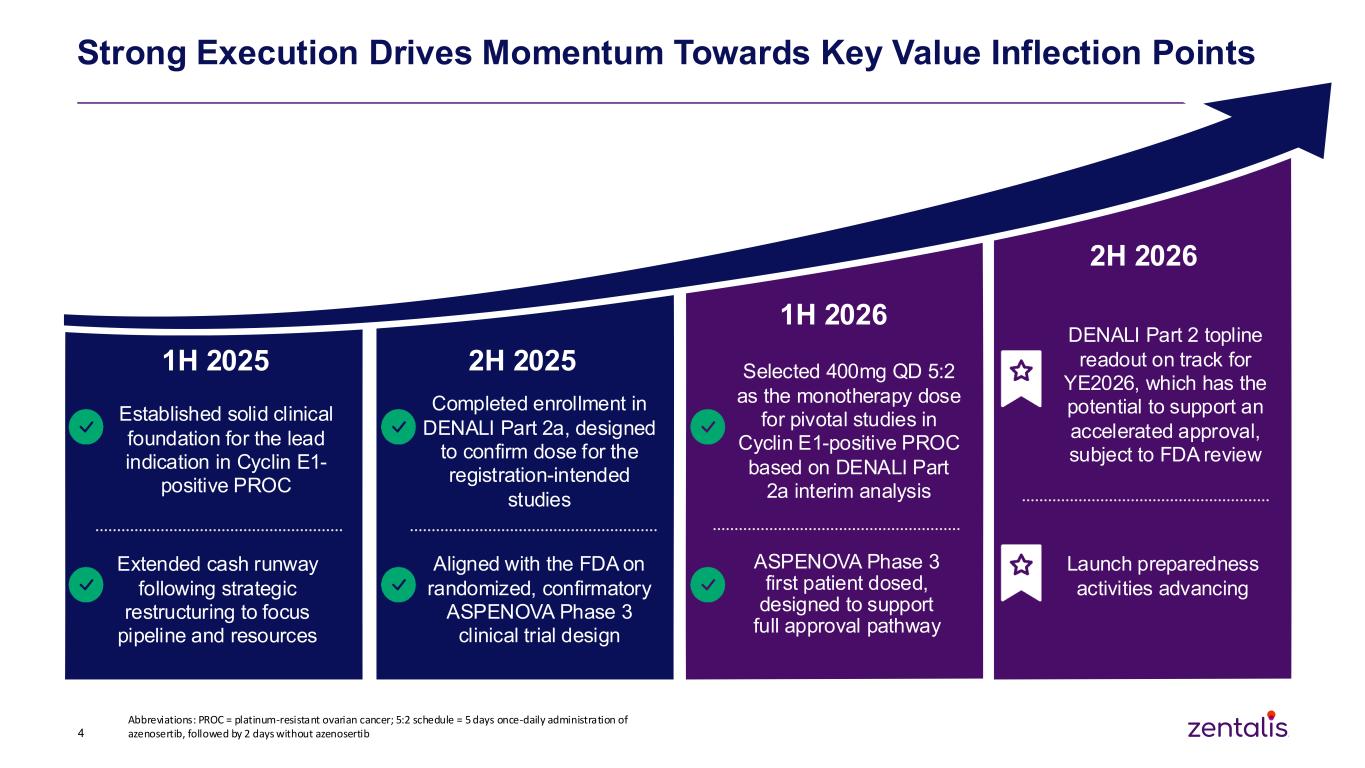
Strong Execution Drives Momentum Towards Key Value Inflection Points Abbreviations: PROC = platinum-resistant ovarian cancer; 5:2 schedule = 5 days once-daily administration of azenosertib, followed by 2 days without azenosertib4 Established solid clinical foundation for the lead indication in Cyclin E1- positive PROC 1H 2025 Completed enrollment in DENALI Part 2a, designed to confirm dose for the registration-intended studies 2H 2025 Aligned with the FDA on randomized, confirmatory ASPENOVA Phase 3 clinical trial design Selected 400mg QD 5:2 as the monotherapy dose for pivotal studies in Cyclin E1-positive PROC based on DENALI Part 2a interim analysis 1H 2026 ASPENOVA Phase 3 first patient dosed, designed to support full approval pathway DENALI Part 2 topline readout on track for YE2026, which has the potential to support an accelerated approval, subject to FDA review 2H 2026 Extended cash runway following strategic restructuring to focus pipeline and resources Launch preparedness activities advancing
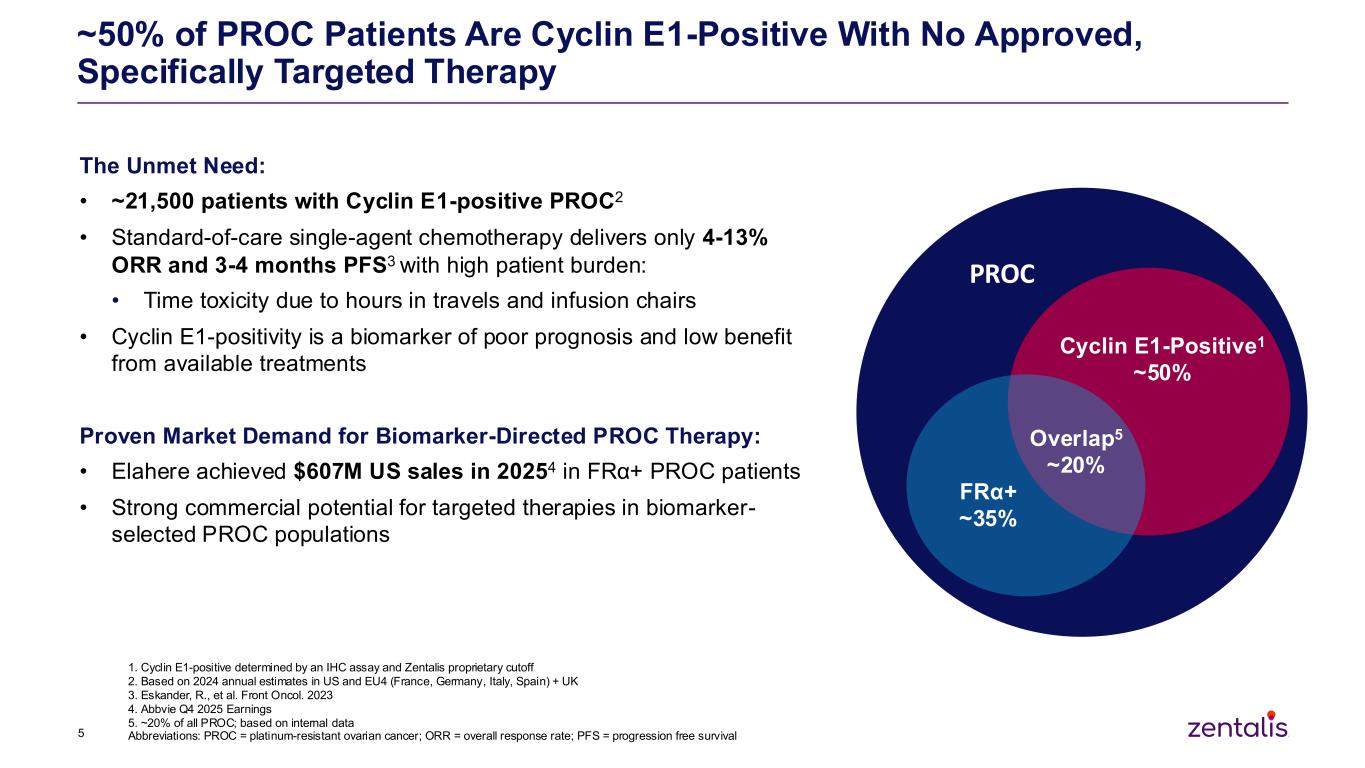
~50% of PROC Patients Are Cyclin E1-Positive With No Approved, Specifically Targeted Therapy 1. Cyclin E1-positive determined by an IHC assay and Zentalis proprietary cutoff 2. Based on 2024 annual estimates in US and EU4 (France, Germany, Italy, Spain) + UK 3. Eskander, R., et al. Front Oncol. 2023 4. Abbvie Q4 2025 Earnings 5. ~20% of all PROC; based on internal data Abbreviations: PROC = platinum-resistant ovarian cancer; ORR = overall response rate; PFS = progression free survival5 The Unmet Need: • ~21,500 patients with Cyclin E1-positive PROC2 • Standard-of-care single-agent chemotherapy delivers only 4-13% ORR and 3-4 months PFS3 with high patient burden: • Time toxicity due to hours in travels and infusion chairs • Cyclin E1-positivity is a biomarker of poor prognosis and low benefit from available treatments Proven Market Demand for Biomarker-Directed PROC Therapy: • Elahere achieved $607M US sales in 20254 in FRα+ PROC patients • Strong commercial potential for targeted therapies in biomarker- selected PROC populations PROC FRα+ ~35% Overlap5 ~20% Cyclin E1-Positive1 ~50%
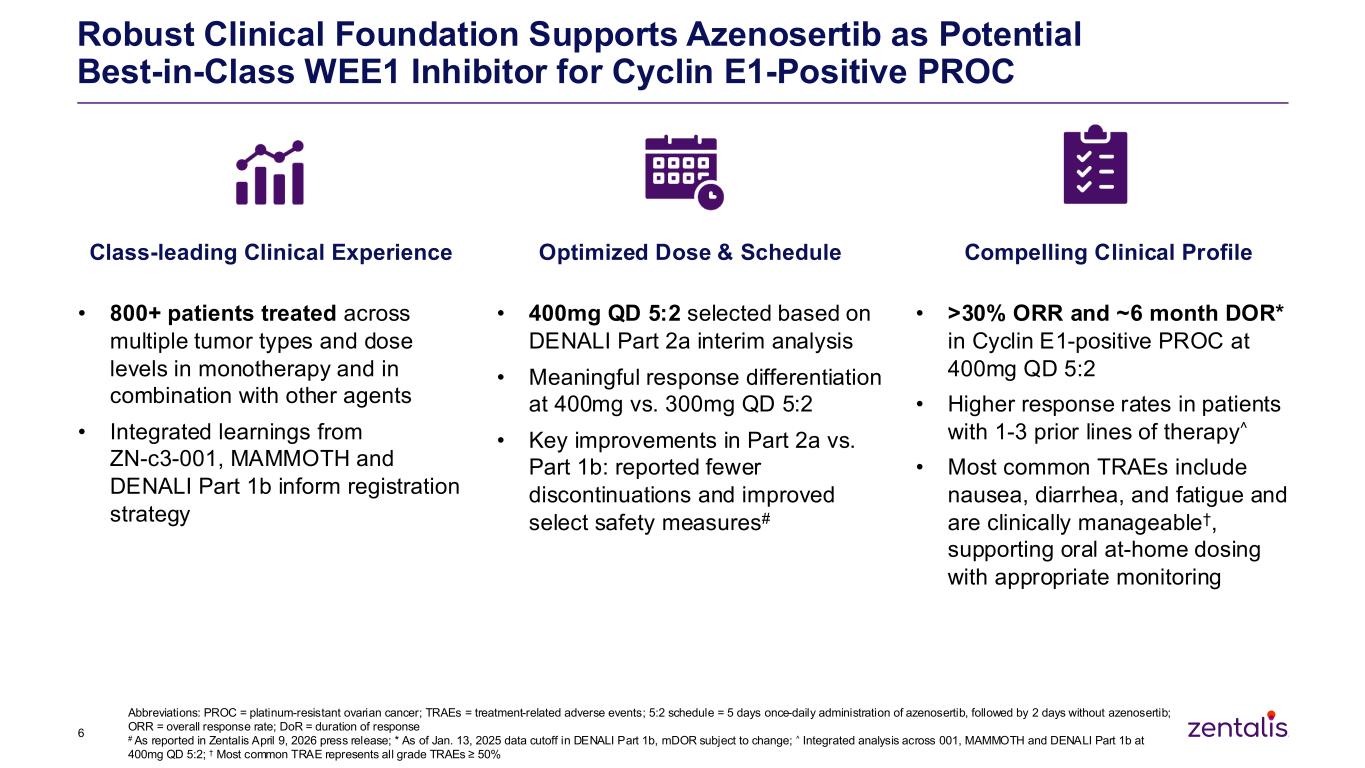
Robust Clinical Foundation Supports Azenosertib as Potential Best-in-Class WEE1 Inhibitor for Cyclin E1-Positive PROC Abbreviations: PROC = platinum-resistant ovarian cancer; TRAEs = treatment-related adverse events; 5:2 schedule = 5 days once-daily administration of azenosertib, followed by 2 days without azenosertib; ORR = overall response rate; DoR = duration of response # As reported in Zentalis April 9, 2026 press release; * As of Jan. 13, 2025 data cutoff in DENALI Part 1b, mDOR subject to change; ^ Integrated analysis across 001, MAMMOTH and DENALI Part 1b at 400mg QD 5:2; † Most common TRAE represents all grade TRAEs ≥ 50% 6 Class-leading Clinical Experience • 800+ patients treated across multiple tumor types and dose levels in monotherapy and in combination with other agents • Integrated learnings from ZN-c3-001, MAMMOTH and DENALI Part 1b inform registration strategy Optimized Dose & Schedule • 400mg QD 5:2 selected based on DENALI Part 2a interim analysis • Meaningful response differentiation at 400mg vs. 300mg QD 5:2 • Key improvements in Part 2a vs. Part 1b: reported fewer discontinuations and improved select safety measures# Compelling Clinical Profile • >30% ORR and ~6 month DOR* in Cyclin E1-positive PROC at 400mg QD 5:2 • Higher response rates in patients with 1-3 prior lines of therapy^ • Most common TRAEs include nausea, diarrhea, and fatigue and are clinically manageable†, supporting oral at-home dosing with appropriate monitoring
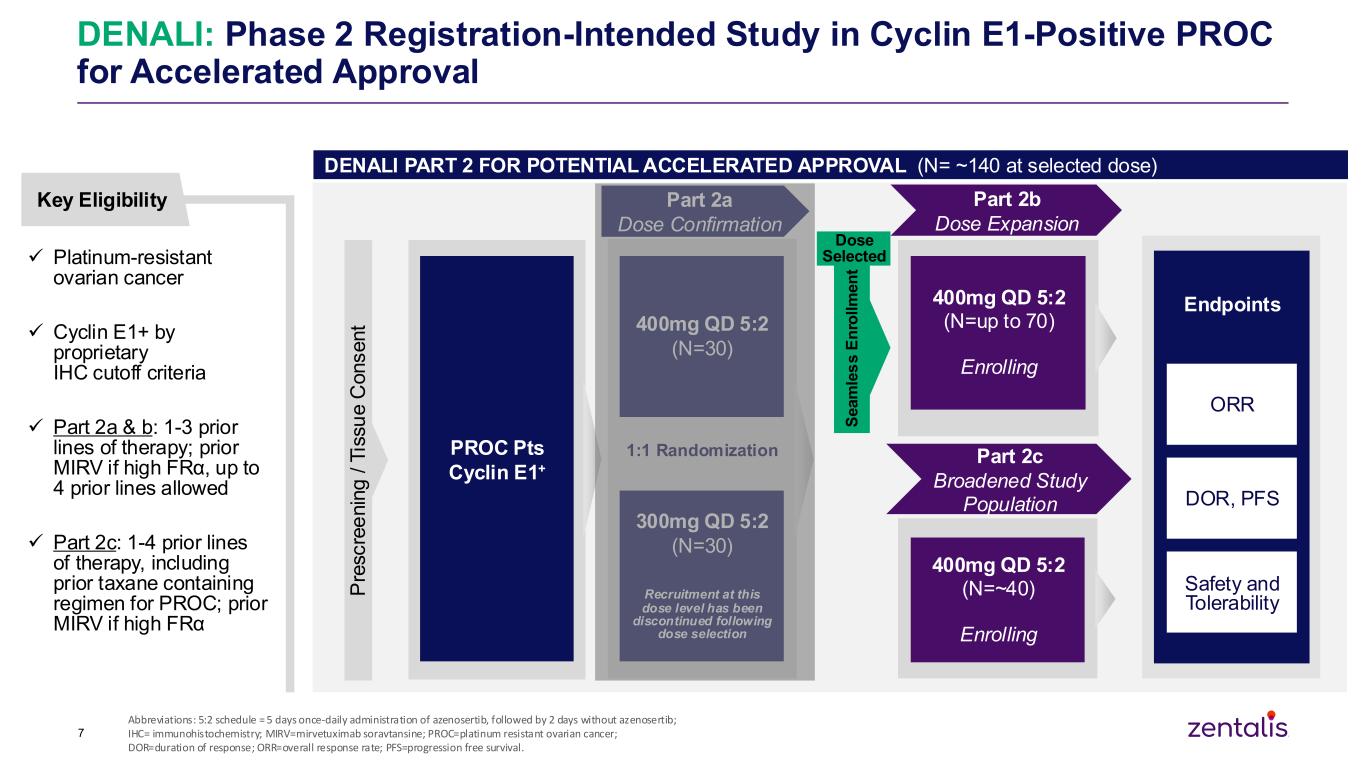
DENALI: Phase 2 Registration-Intended Study in Cyclin E1-Positive PROC for Accelerated Approval Abbreviations: 5:2 schedule = 5 days once-daily administration of azenosertib, followed by 2 days without azenosertib; IHC= immunohistochemistry; MIRV=mirvetuximab soravtansine; PROC=platinum resistant ovarian cancer; DOR=duration of response; ORR=overall response rate; PFS=progression free survival. 7 ✓ Platinum-resistant ovarian cancer ✓ Cyclin E1+ by proprietary IHC cutoff criteria ✓ Part 2a & b: 1-3 prior lines of therapy; prior MIRV if high FRα, up to 4 prior lines allowed ✓ Part 2c: 1-4 prior lines of therapy, including prior taxane containing regimen for PROC; prior MIRV if high FRα Key Eligibility DENALI PART 2 FOR POTENTIAL ACCELERATED APPROVAL (N= ~140 at selected dose) Part 2a Dose Confirmation Part 2b Dose Expansion PROC Pts Cyclin E1+ 400mg QD 5:2 (N=30) 300mg QD 5:2 (N=30) Recruitment at this dose level has been discontinued following dose selection 1:1 Randomization 400mg QD 5:2 (N=up to 70) Enrolling Endpoints DOR, PFS Safety and Tolerability ORR P re s c re e n in g / T is s u e C o n s e n t S e a m le s s E n ro ll m e n t Dose Selected Part 2c Broadened Study Population 400mg QD 5:2 (N=~40) Enrolling
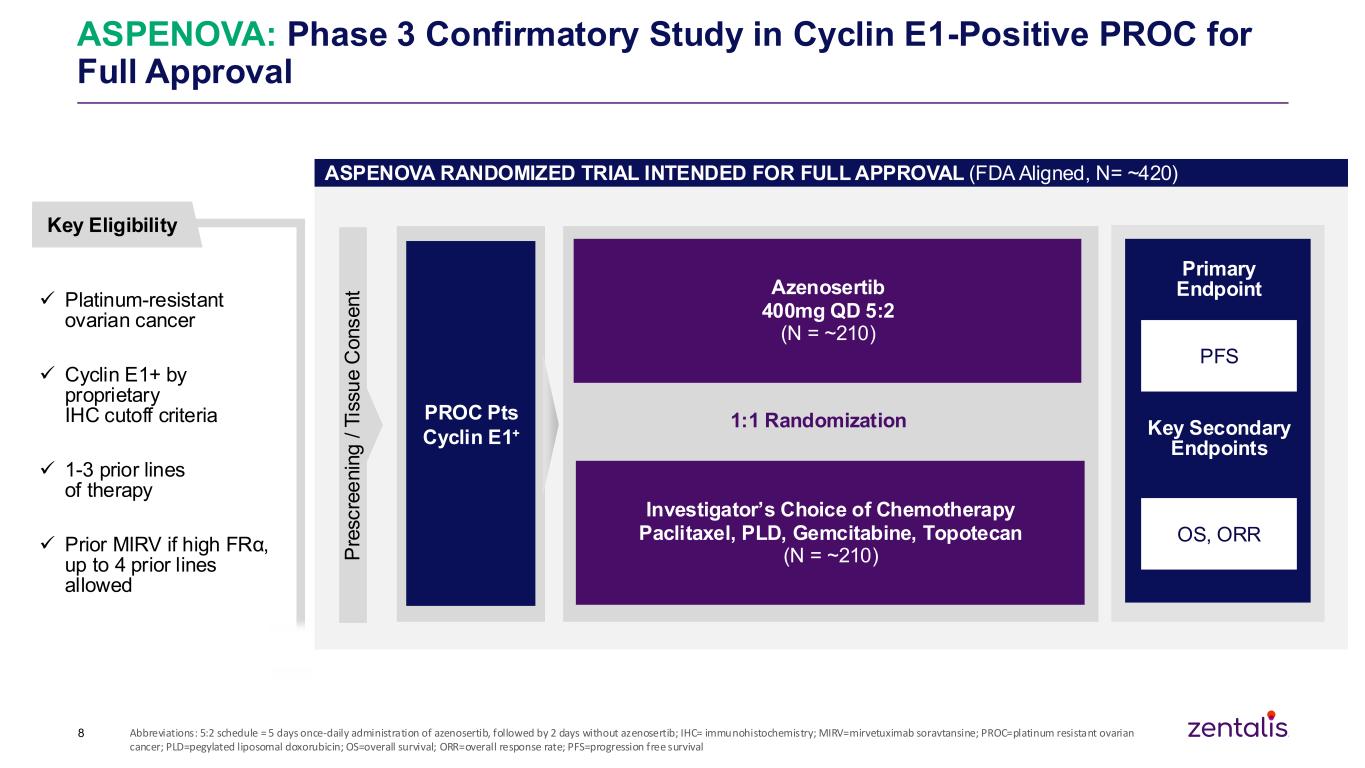
ASPENOVA: Phase 3 Confirmatory Study in Cyclin E1-Positive PROC for Full Approval Abbreviations: 5:2 schedule = 5 days once-daily administration of azenosertib, followed by 2 days without azenosertib; IHC= immunohistochemistry; MIRV=mirvetuximab soravtansine; PROC=platinum resistant ovarian cancer; PLD=pegylated liposomal doxorubicin; OS=overall survival; ORR=overall response rate; PFS=progression free survival 8 ✓ Platinum-resistant ovarian cancer ✓ Cyclin E1+ by proprietary IHC cutoff criteria ✓ 1-3 prior lines of therapy ✓ Prior MIRV if high FRα, up to 4 prior lines allowed Key Eligibility PROC Pts Cyclin E1+ Azenosertib 400mg QD 5:2 (N = ~210) Primary Endpoint Key Secondary Endpoints PFS OS, ORR P re s c re e n in g / T is s u e C o n s e n t Investigator’s Choice of Chemotherapy Paclitaxel, PLD, Gemcitabine, Topotecan (N = ~210) 1:1 Randomization ASPENOVA RANDOMIZED TRIAL INTENDED FOR FULL APPROVAL (FDA Aligned, N= ~420)
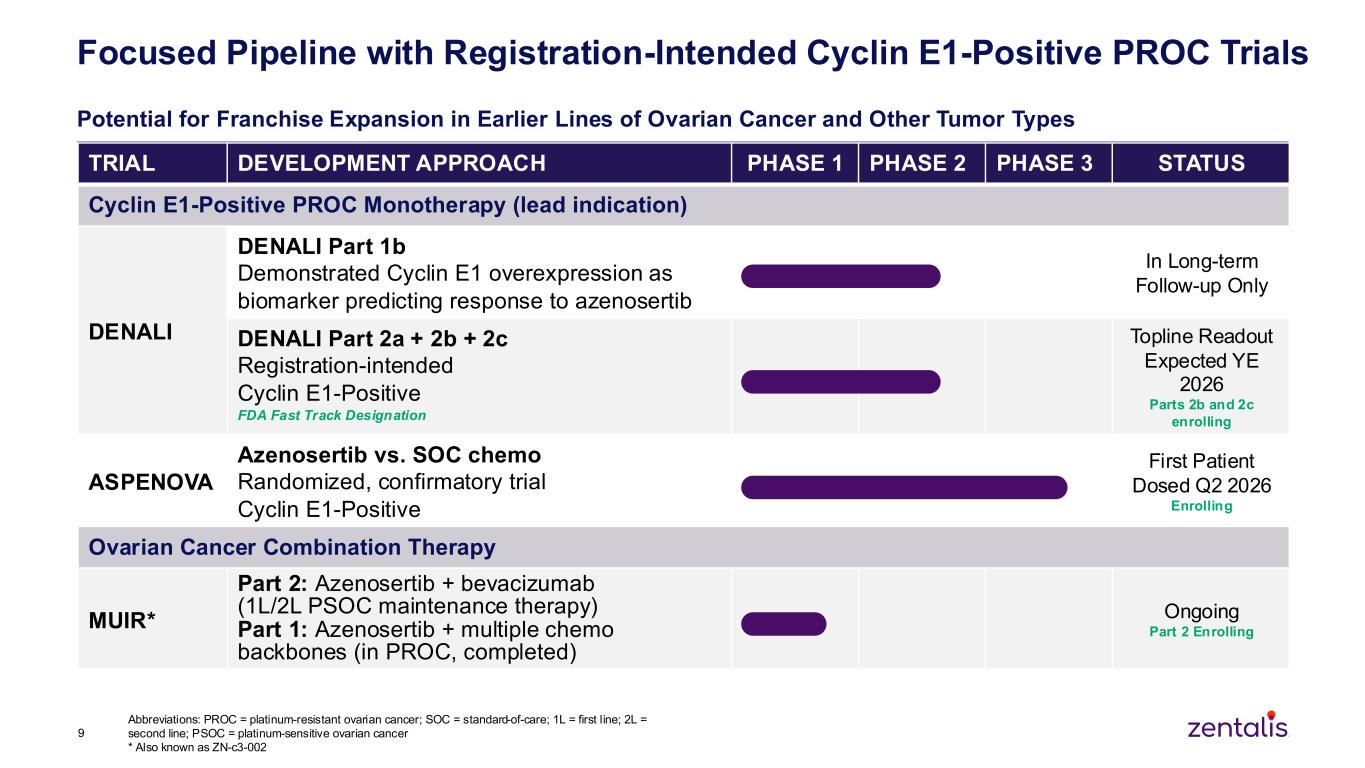
Focused Pipeline with Registration-Intended Cyclin E1-Positive PROC Trials Abbreviations: PROC = platinum-resistant ovarian cancer; SOC = standard-of-care; 1L = first line; 2L = second line; PSOC = platinum-sensitive ovarian cancer * Also known as ZN-c3-002 9 Potential for Franchise Expansion in Earlier Lines of Ovarian Cancer and Other Tumor Types TRIAL DEVELOPMENT APPROACH PHASE 1 PHASE 2 PHASE 3 STATUS Cyclin E1-Positive PROC Monotherapy (lead indication) DENALI DENALI Part 1b Demonstrated Cyclin E1 overexpression as biomarker predicting response to azenosertib In Long-term Follow-up Only DENALI Part 2a + 2b + 2c Registration-intended Cyclin E1-Positive FDA Fast Track Designation Topline Readout Expected YE 2026 Parts 2b and 2c enrolling ASPENOVA Azenosertib vs. SOC chemo Randomized, confirmatory trial Cyclin E1-Positive First Patient Dosed Q2 2026 Enrolling Ovarian Cancer Combination Therapy MUIR* Part 2: Azenosertib + bevacizumab (1L/2L PSOC maintenance therapy) Part 1: Azenosertib + multiple chemo backbones (in PROC, completed) Ongoing Part 2 Enrolling

Cyclin E1-Positive PROC Patients Face Poor Prognosis with No Specifically Targeted Treatment Options Abbreviations: PROC = platinum-resistant ovarian cancer10
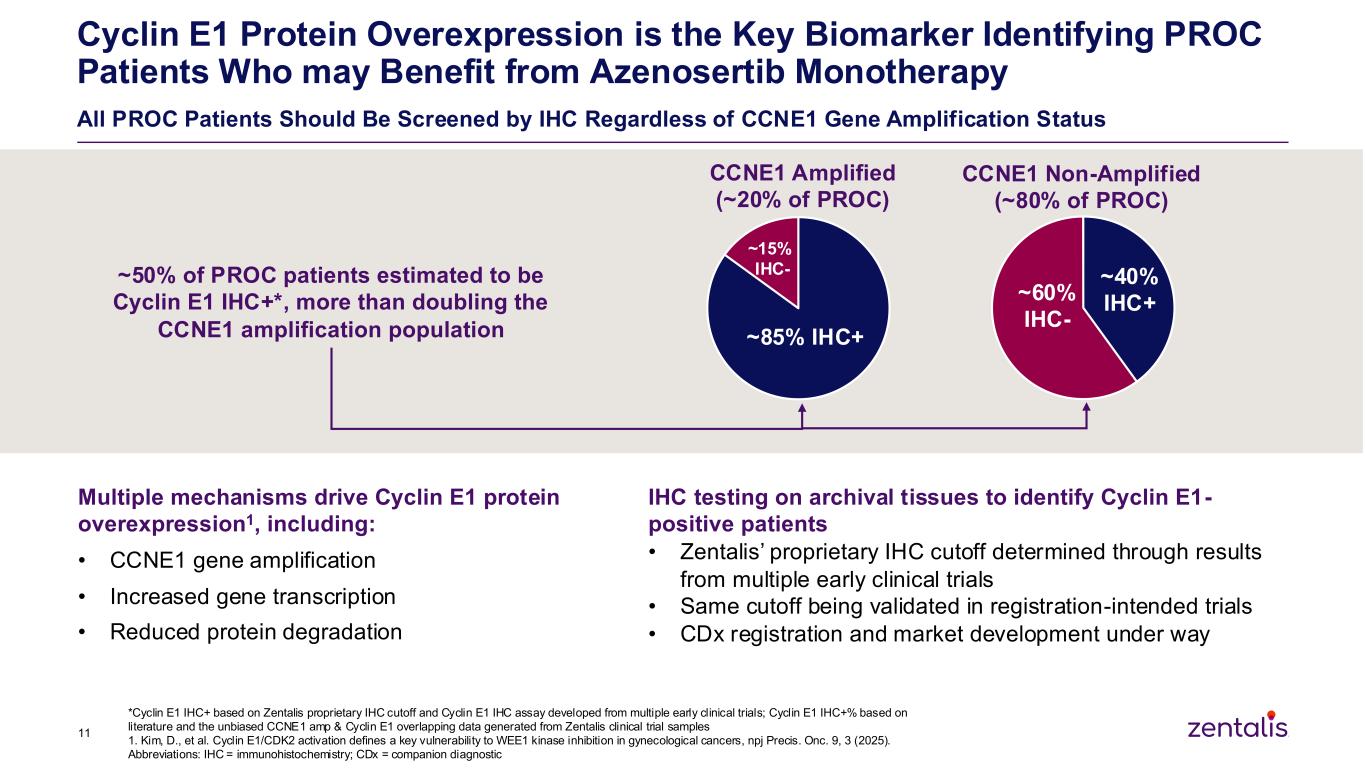
Cyclin E1 Protein Overexpression is the Key Biomarker Identifying PROC Patients Who may Benefit from Azenosertib Monotherapy Multiple mechanisms drive Cyclin E1 protein overexpression1, including: • CCNE1 gene amplification • Increased gene transcription • Reduced protein degradation *Cyclin E1 IHC+ based on Zentalis proprietary IHC cutoff and Cyclin E1 IHC assay developed from multiple early clinical trials; Cyclin E1 IHC+% based on literature and the unbiased CCNE1 amp & Cyclin E1 overlapping data generated from Zentalis clinical trial samples 1. Kim, D., et al. Cyclin E1/CDK2 activation defines a key vulnerability to WEE1 kinase inhibition in gynecological cancers, npj Precis. Onc. 9, 3 (2025). Abbreviations: IHC = immunohistochemistry; CDx = companion diagnostic 11 All PROC Patients Should Be Screened by IHC Regardless of CCNE1 Gene Amplification Status ~15% IHC- ~85% IHC+ CCNE1 Non-Amplified (~80% of PROC) CCNE1 Amplified (~20% of PROC) ~40% IHC+ ~60% IHC- IHC testing on archival tissues to identify Cyclin E1- positive patients • Zentalis’ proprietary IHC cutoff determined through results from multiple early clinical trials • Same cutoff being validated in registration-intended trials • CDx registration and market development under way ~50% of PROC patients estimated to be Cyclin E1 IHC+*, more than doubling the CCNE1 amplification population
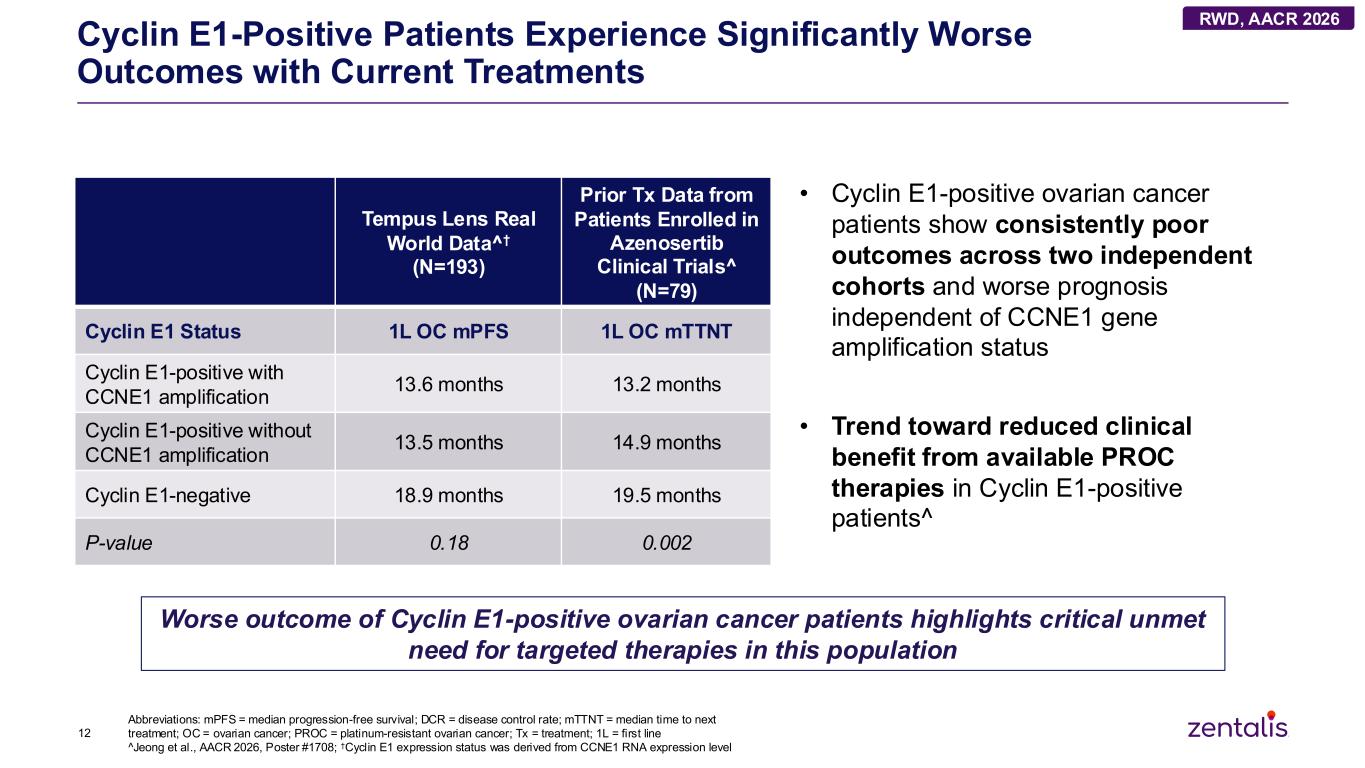
Cyclin E1-Positive Patients Experience Significantly Worse Outcomes with Current Treatments Abbreviations: mPFS = median progression-free survival; DCR = disease control rate; mTTNT = median time to next treatment; OC = ovarian cancer; PROC = platinum-resistant ovarian cancer; Tx = treatment; 1L = first line ^Jeong et al., AACR 2026, Poster #1708; †Cyclin E1 expression status was derived from CCNE1 RNA expression level 12 • Cyclin E1-positive ovarian cancer patients show consistently poor outcomes across two independent cohorts and worse prognosis independent of CCNE1 gene amplification status • Trend toward reduced clinical benefit from available PROC therapies in Cyclin E1-positive patients^ Tempus Lens Real World Data^† (N=193) Prior Tx Data from Patients Enrolled in Azenosertib Clinical Trials^ (N=79) Cyclin E1 Status 1L OC mPFS 1L OC mTTNT Cyclin E1-positive with CCNE1 amplification 13.6 months 13.2 months Cyclin E1-positive without CCNE1 amplification 13.5 months 14.9 months Cyclin E1-negative 18.9 months 19.5 months P-value 0.18 0.002 RWD, AACR 2026 Worse outcome of Cyclin E1-positive ovarian cancer patients highlights critical unmet need for targeted therapies in this population
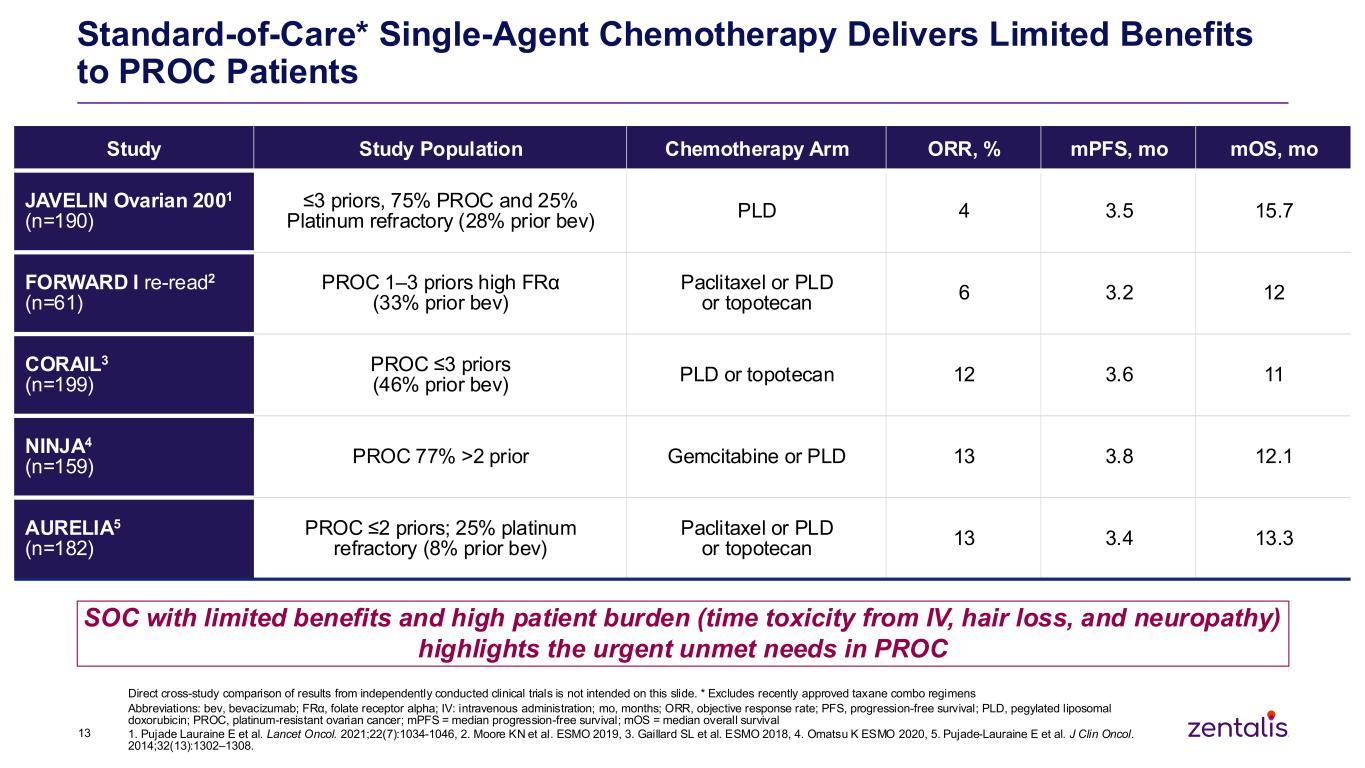
Standard-of-Care* Single-Agent Chemotherapy Delivers Limited Benefits to PROC Patients Direct cross-study comparison of results from independently conducted clinical trials is not intended on this slide. * Excludes recently approved taxane combo regimens Abbreviations: bev, bevacizumab; FRα, folate receptor alpha; IV: intravenous administration; mo, months; ORR, objective response rate; PFS, progression-free survival; PLD, pegylated liposomal doxorubicin; PROC, platinum-resistant ovarian cancer; mPFS = median progression-free survival; mOS = median overall survival 1. Pujade Lauraine E et al. Lancet Oncol. 2021;22(7):1034-1046, 2. Moore KN et al. ESMO 2019, 3. Gaillard SL et al. ESMO 2018, 4. Omatsu K ESMO 2020, 5. Pujade-Lauraine E et al. J Clin Oncol. 2014;32(13):1302–1308. 13 Study Study Population Chemotherapy Arm ORR, % mPFS, mo mOS, mo JAVELIN Ovarian 2001 (n=190) ≤3 priors, 75% PROC and 25% Platinum refractory (28% prior bev) PLD 4 3.5 15.7 FORWARD I re-read2 (n=61) PROC 1–3 priors high FRα (33% prior bev) Paclitaxel or PLD or topotecan 6 3.2 12 CORAIL3 (n=199) PROC ≤3 priors (46% prior bev) PLD or topotecan 12 3.6 11 NINJA4 (n=159) PROC 77% >2 prior Gemcitabine or PLD 13 3.8 12.1 AURELIA5 (n=182) PROC ≤2 priors; 25% platinum refractory (8% prior bev) Paclitaxel or PLD or topotecan 13 3.4 13.3 SOC with limited benefits and high patient burden (time toxicity from IV, hair loss, and neuropathy) highlights the urgent unmet needs in PROC
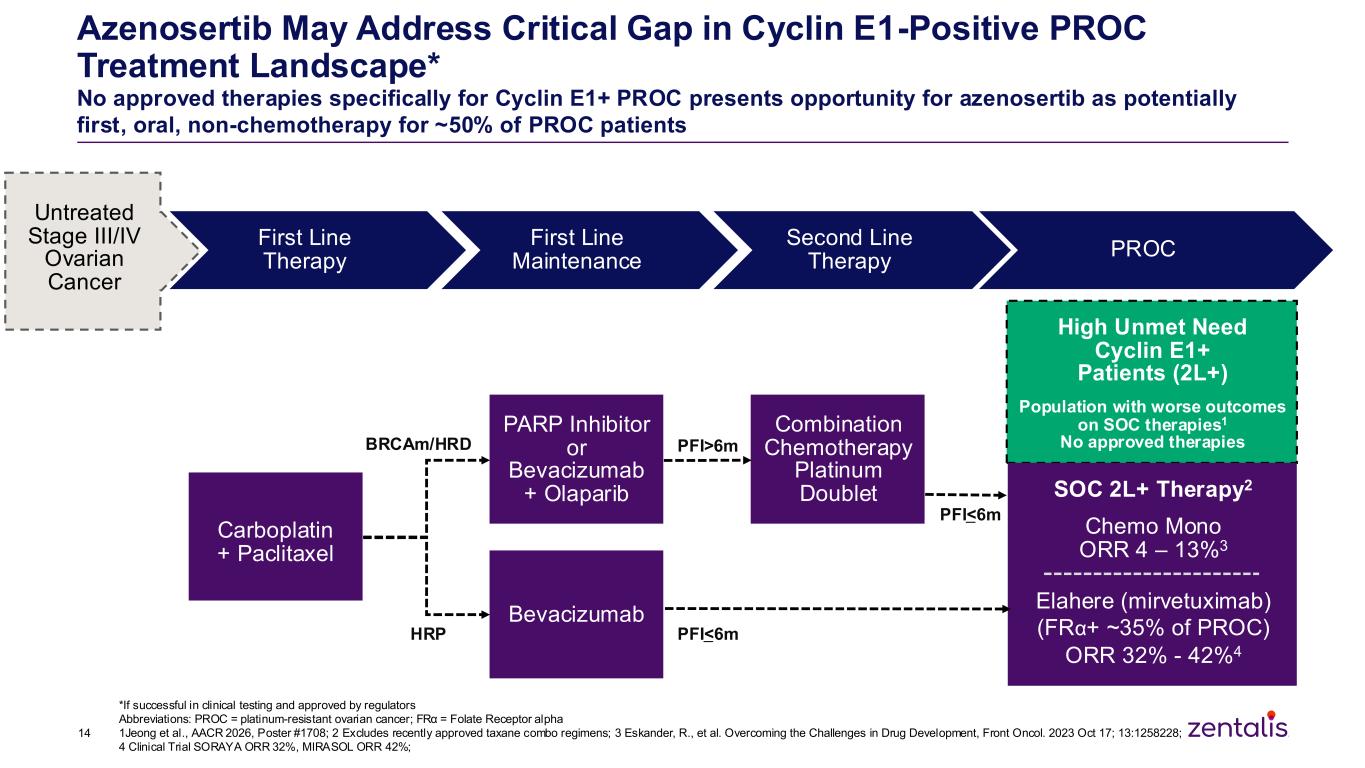
Azenosertib May Address Critical Gap in Cyclin E1-Positive PROC Treatment Landscape* *If successful in clinical testing and approved by regulators Abbreviations: PROC = platinum-resistant ovarian cancer; FRα = Folate Receptor alpha 1Jeong et al., AACR 2026, Poster #1708; 2 Excludes recently approved taxane combo regimens; 3 Eskander, R., et al. Overcoming the Challenges in Drug Development, Front Oncol. 2023 Oct 17; 13:1258228; 4 Clinical Trial SORAYA ORR 32%, MIRASOL ORR 42%; 14 No approved therapies specifically for Cyclin E1+ PROC presents opportunity for azenosertib as potentially first, oral, non-chemotherapy for ~50% of PROC patients PARP Inhibitor or Bevacizumab + Olaparib Bevacizumab Combination Chemotherapy Platinum Doublet HRP PFI>6m PFI<6m PFI<6m Carboplatin + Paclitaxel High Unmet Need Cyclin E1+ Patients (2L+) Population with worse outcomes on SOC therapies1 No approved therapies SOC 2L+ Therapy2 Chemo Mono ORR 4 – 13%3 Elahere (mirvetuximab) (FRα+ ~35% of PROC) ORR 32% - 42%4 First Line Maintenance Second Line Therapy First Line Therapy BRCAm/HRD Untreated Stage III/IV Ovarian Cancer PROC

Compelling Clinical Profile Across Multiple Studies Supports Cyclin E1-Positive PROC Registration Strategy Abbreviations: PROC = platinum-resistant ovarian cancer 15
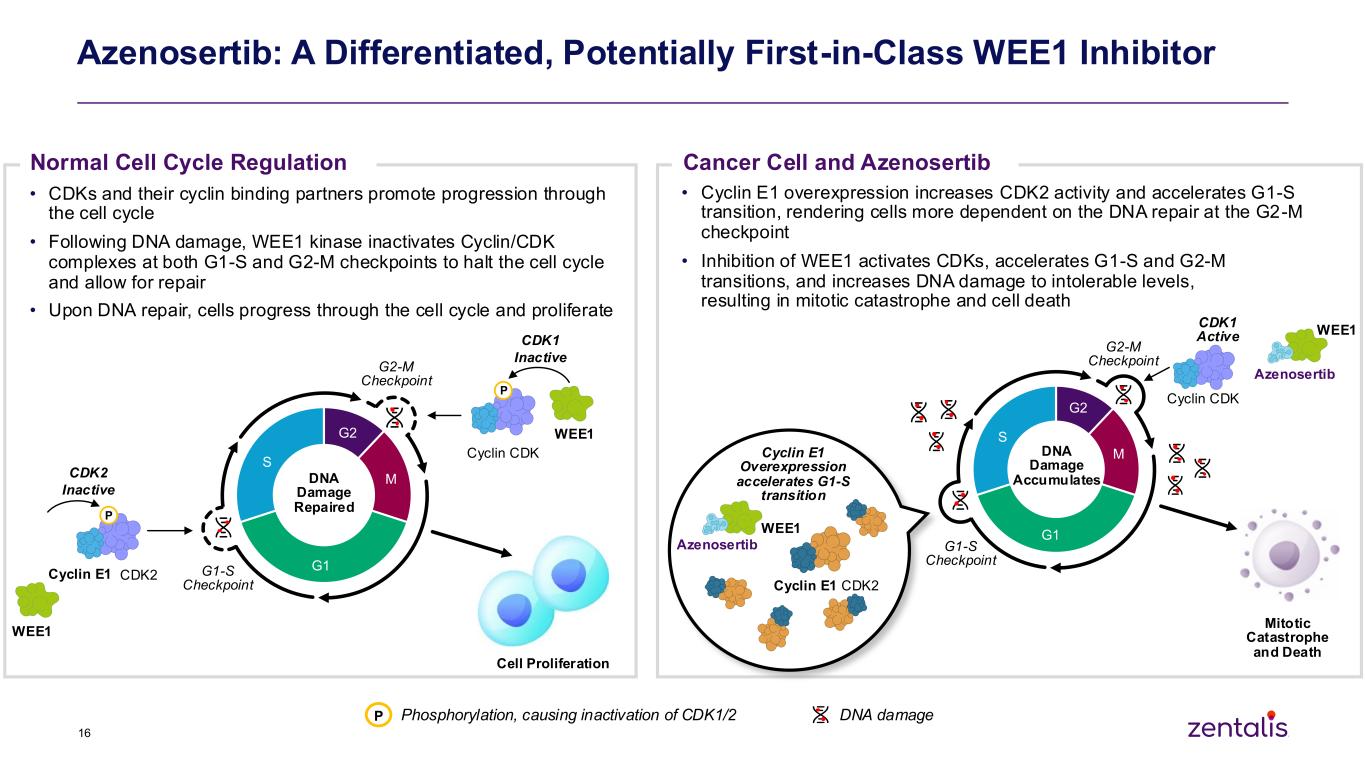
Azenosertib: A Differentiated, Potentially First-in-Class WEE1 Inhibitor 16 • Cyclin E1 overexpression increases CDK2 activity and accelerates G1-S transition, rendering cells more dependent on the DNA repair at the G2-M checkpoint • Inhibition of WEE1 activates CDKs, accelerates G1-S and G2-M transitions, and increases DNA damage to intolerable levels, resulting in mitotic catastrophe and cell death • CDKs and their cyclin binding partners promote progression through the cell cycle • Following DNA damage, WEE1 kinase inactivates Cyclin/CDK complexes at both G1-S and G2-M checkpoints to halt the cell cycle and allow for repair • Upon DNA repair, cells progress through the cell cycle and proliferate Phosphorylation, causing inactivation of CDK1/2 DNA damageP G1 S G2 MDNA Damage Repaired CDK2 Inactive CDK2Cyclin E1 WEE1 P CDK1 Inactive WEE1 Cell Proliferation P Normal Cell Cycle Regulation Cancer Cell and Azenosertib Mitotic Catastrophe and Death G2-M Checkpoint DNA Damage Accumulates Cyclin E1 Overexpression accelerates G1-S transition Cyclin CDK Azenosertib Azenosertib CDK1 Active G1-S Checkpoint Cyclin E1 CDK2 G1 S G2 MCyclin CDK G2-M Checkpoint G1-S Checkpoint WEE1 WEE1
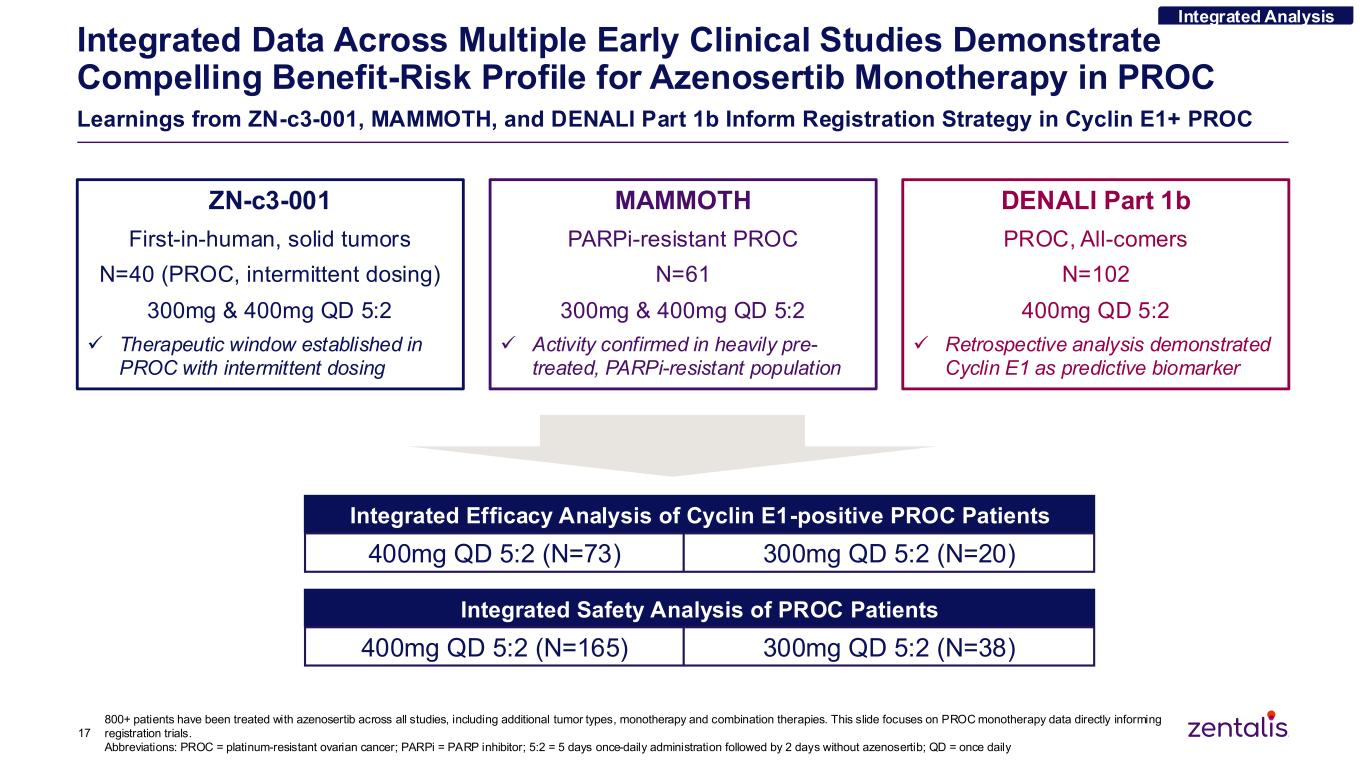
Integrated Data Across Multiple Early Clinical Studies Demonstrate Compelling Benefit-Risk Profile for Azenosertib Monotherapy in PROC 800+ patients have been treated with azenosertib across all studies, including additional tumor types, monotherapy and combination therapies. This slide focuses on PROC monotherapy data directly informing registration trials. Abbreviations: PROC = platinum-resistant ovarian cancer; PARPi = PARP inhibitor; 5:2 = 5 days once-daily administration followed by 2 days without azenosertib; QD = once daily 17 Learnings from ZN-c3-001, MAMMOTH, and DENALI Part 1b Inform Registration Strategy in Cyclin E1+ PROC ZN-c3-001 First-in-human, solid tumors N=40 (PROC, intermittent dosing) 300mg & 400mg QD 5:2 ✓ Therapeutic window established in PROC with intermittent dosing MAMMOTH PARPi-resistant PROC N=61 300mg & 400mg QD 5:2 ✓ Activity confirmed in heavily pre- treated, PARPi-resistant population DENALI Part 1b PROC, All-comers N=102 400mg QD 5:2 ✓ Retrospective analysis demonstrated Cyclin E1 as predictive biomarker Integrated Efficacy Analysis of Cyclin E1-positive PROC Patients Integrated Analysis 400mg QD 5:2 (N=73) 300mg QD 5:2 (N=20) Integrated Safety Analysis of PROC Patients 400mg QD 5:2 (N=165) 300mg QD 5:2 (N=38)
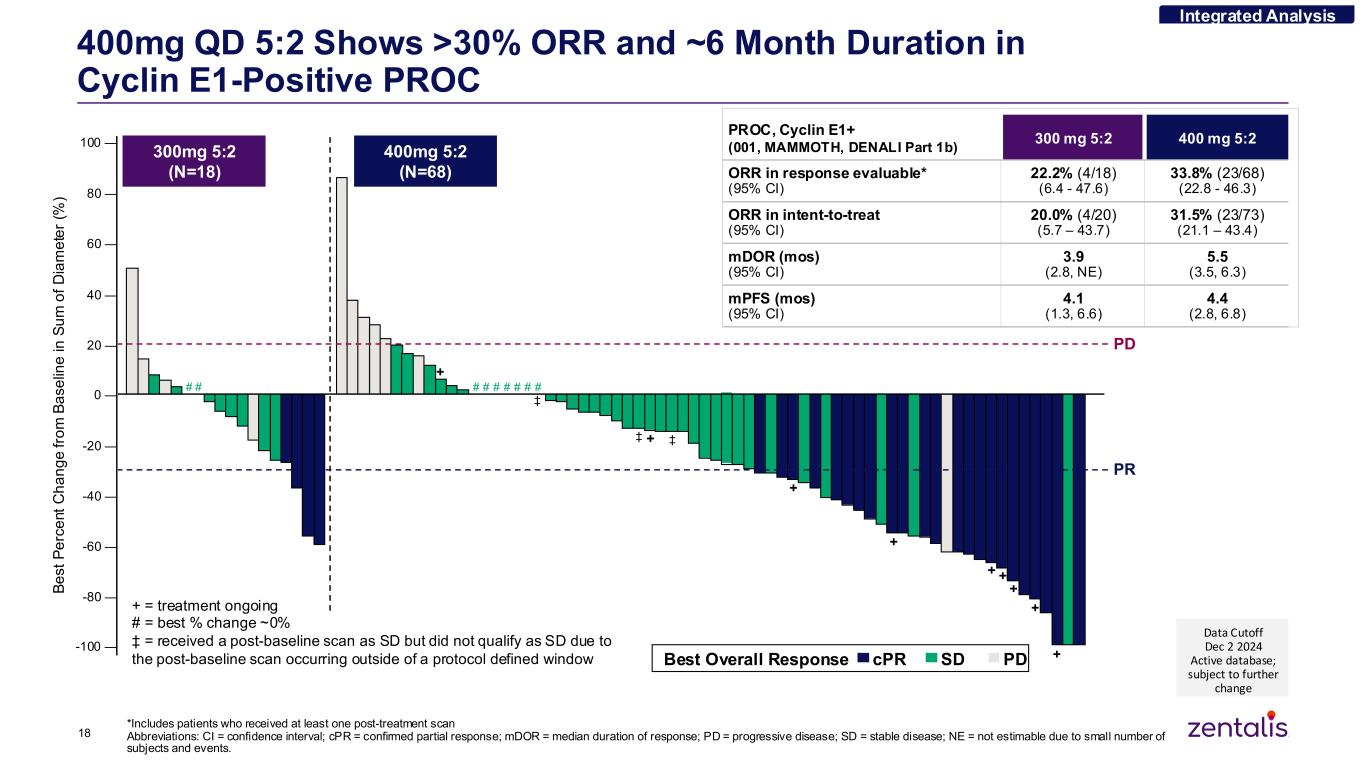
400mg QD 5:2 Shows >30% ORR and ~6 Month Duration in Cyclin E1-Positive PROC *Includes patients who received at least one post-treatment scan Abbreviations: CI = confidence interval; cPR = confirmed partial response; mDOR = median duration of response; PD = progressive disease; SD = stable disease; NE = not estimable due to small number of subjects and events. 18 Integrated Analysis PROC, Cyclin E1+ (001, MAMMOTH, DENALI Part 1b) 300 mg 5:2 400 mg 5:2 ORR in response evaluable* (95% CI) 22.2% (4/18) (6.4 - 47.6) 33.8% (23/68) (22.8 - 46.3) ORR in intent-to-treat (95% CI) 20.0% (4/20) (5.7 – 43.7) 31.5% (23/73) (21.1 – 43.4) mDOR (mos) (95% CI) 3.9 (2.8, NE) 5.5 (3.5, 6.3) mPFS (mos) (95% CI) 4.1 (1.3, 6.6) 4.4 (2.8, 6.8) + + + + + + + + + -100 — -80 — -60 — -40 — -20 — 0 — 20 — 40 — 60 — 80 — 100 — B e s t P e rc e n t C h a n g e f ro m B a s e lin e i n S u m o f D ia m e te r (% ) PR PD 300mg 5:2 (N=18) 400mg 5:2 (N=68) PDSDcPRBest Overall Response # # # # # # # # # ‡ ‡ ‡ + = treatment ongoing # = best % change ~0% ‡ = received a post-baseline scan as SD but did not qualify as SD due to the post-baseline scan occurring outside of a protocol defined window Data Cutoff Dec 2 2024 Active database; subject to further change
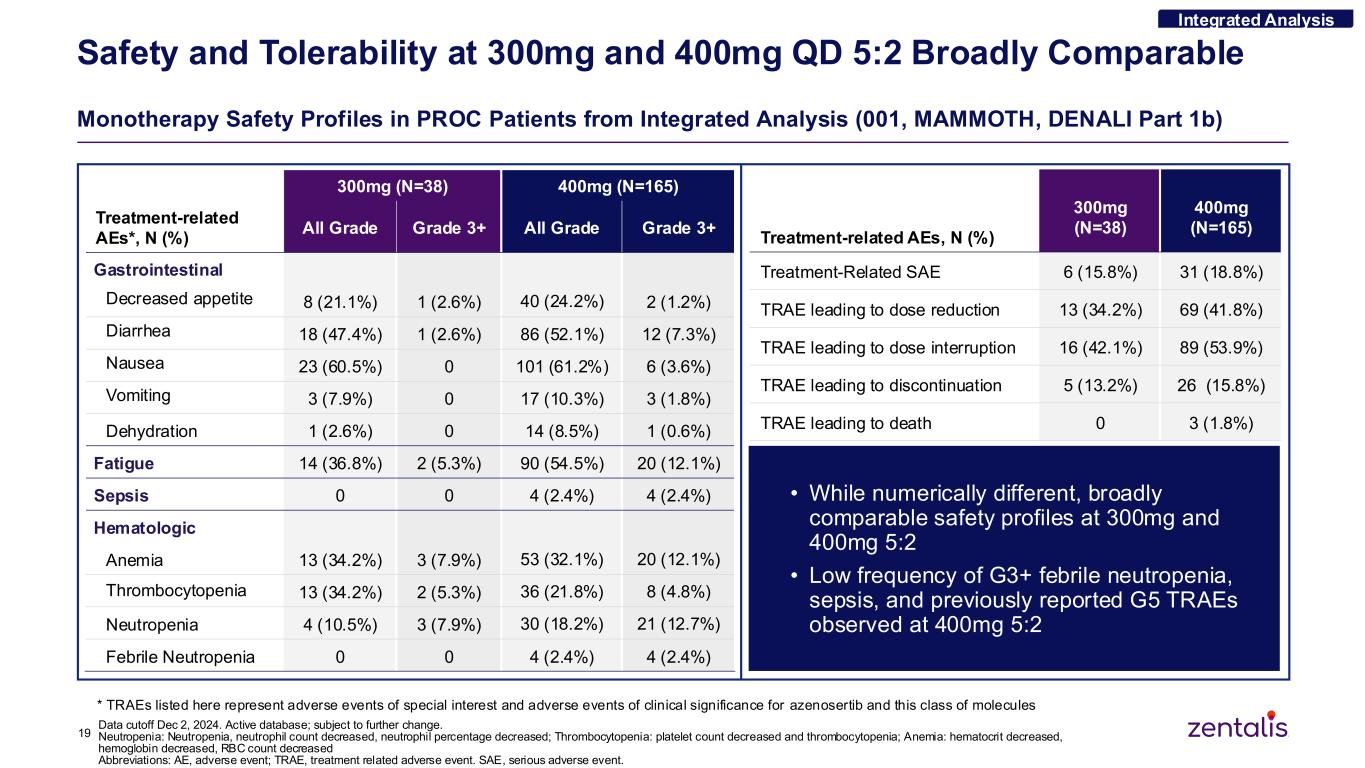
Safety and Tolerability at 300mg and 400mg QD 5:2 Broadly Comparable Data cutoff Dec 2, 2024. Active database; subject to further change. Neutropenia: Neutropenia, neutrophil count decreased, neutrophil percentage decreased; Thrombocytopenia: platelet count decreased and thrombocytopenia; Anemia: hematocrit decreased, hemoglobin decreased, RBC count decreased Abbreviations: AE, adverse event; TRAE, treatment related adverse event. SAE, serious adverse event. 19 Monotherapy Safety Profiles in PROC Patients from Integrated Analysis (001, MAMMOTH, DENALI Part 1b) Integrated Analysis 300mg (N=38) 400mg (N=165) Treatment-related AEs*, N (%) All Grade Grade 3+ All Grade Grade 3+ Gastrointestinal Decreased appetite 8 (21.1%) 1 (2.6%) 40 (24.2%) 2 (1.2%) Diarrhea 18 (47.4%) 1 (2.6%) 86 (52.1%) 12 (7.3%) Nausea 23 (60.5%) 0 101 (61.2%) 6 (3.6%) Vomiting 3 (7.9%) 0 17 (10.3%) 3 (1.8%) Dehydration 1 (2.6%) 0 14 (8.5%) 1 (0.6%) Fatigue 14 (36.8%) 2 (5.3%) 90 (54.5%) 20 (12.1%) Sepsis 0 0 4 (2.4%) 4 (2.4%) Hematologic Anemia 13 (34.2%) 3 (7.9%) 53 (32.1%) 20 (12.1%) Thrombocytopenia 13 (34.2%) 2 (5.3%) 36 (21.8%) 8 (4.8%) Neutropenia 4 (10.5%) 3 (7.9%) 30 (18.2%) 21 (12.7%) Febrile Neutropenia 0 0 4 (2.4%) 4 (2.4%) Treatment-related AEs, N (%) 300mg (N=38) 400mg (N=165) Treatment-Related SAE 6 (15.8%) 31 (18.8%) TRAE leading to dose reduction 13 (34.2%) 69 (41.8%) TRAE leading to dose interruption 16 (42.1%) 89 (53.9%) TRAE leading to discontinuation 5 (13.2%) 26 (15.8%) TRAE leading to death 0 3 (1.8%) * TRAEs listed here represent adverse events of special interest and adverse events of clinical significance for azenosertib and this class of molecules • While numerically different, broadly comparable safety profiles at 300mg and 400mg 5:2 • Low frequency of G3+ febrile neutropenia, sepsis, and previously reported G5 TRAEs observed at 400mg 5:2
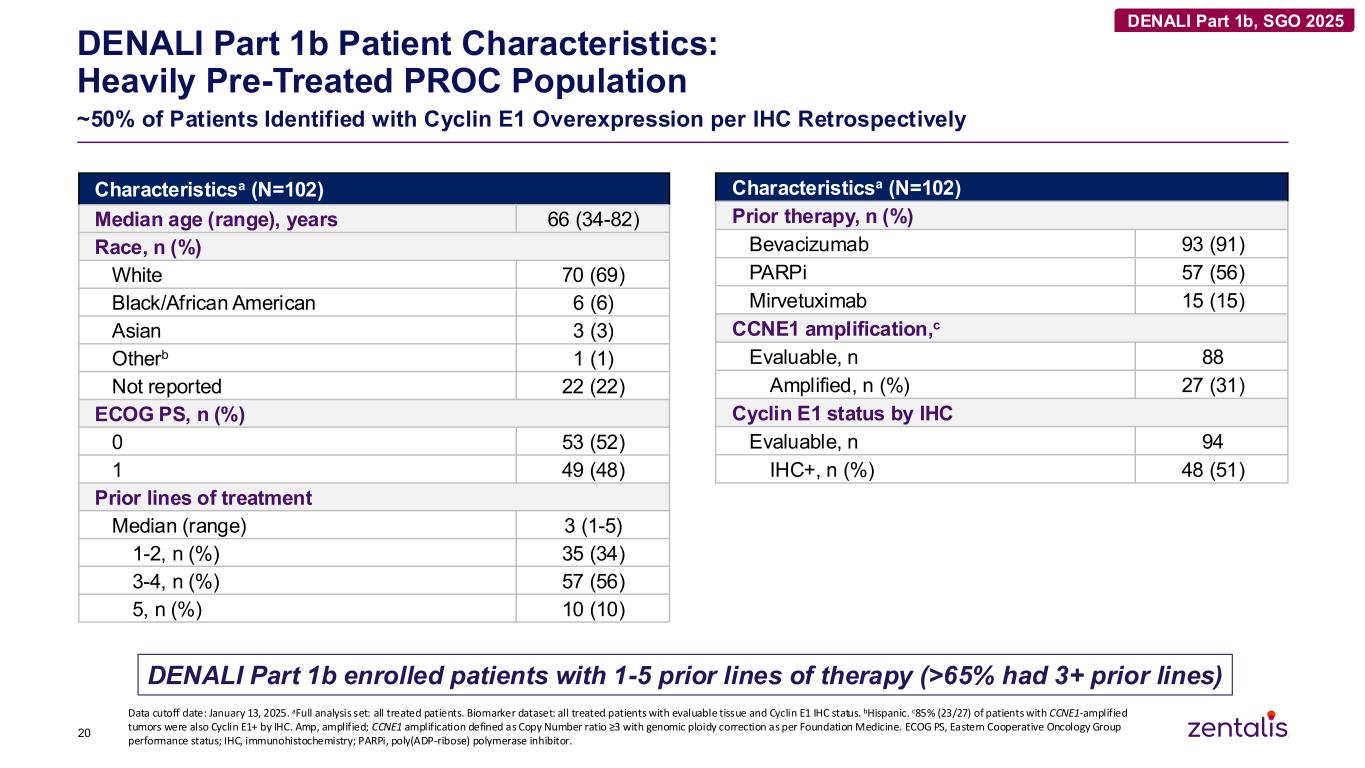
DENALI Part 1b Patient Characteristics: Heavily Pre-Treated PROC Population Data cutoff date: January 13, 2025. aFull analysis set: all treated patients. Biomarker dataset: all treated patients with evaluable tissue and Cyclin E1 IHC status. bHispanic. c85% (23/27) of patients with CCNE1-amplified tumors were also Cyclin E1+ by IHC. Amp, amplified; CCNE1 amplification defined as Copy Number ratio ≥3 with genomic ploidy correction as per Foundation Medicine. ECOG PS, Eastern Cooperative Oncology Group performance status; IHC, immunohistochemistry; PARPi, poly(ADP-ribose) polymerase inhibitor. 20 ~50% of Patients Identified with Cyclin E1 Overexpression per IHC Retrospectively DENALI Part 1b, SGO 2025 Characteristicsa (N=102) Median age (range), years 66 (34-82) Race, n (%) White 70 (69) Black/African American 6 (6) Asian 3 (3) Otherb 1 (1) Not reported 22 (22) ECOG PS, n (%) 0 53 (52) 1 49 (48) Prior lines of treatment Median (range) 3 (1-5) 1-2, n (%) 35 (34) 3-4, n (%) 57 (56) 5, n (%) 10 (10) Characteristicsa (N=102) Prior therapy, n (%) Bevacizumab 93 (91) PARPi 57 (56) Mirvetuximab 15 (15) CCNE1 amplification,c Evaluable, n 88 Amplified, n (%) 27 (31) Cyclin E1 status by IHC Evaluable, n 94 IHC+, n (%) 48 (51) DENALI Part 1b enrolled patients with 1-5 prior lines of therapy (>65% had 3+ prior lines)
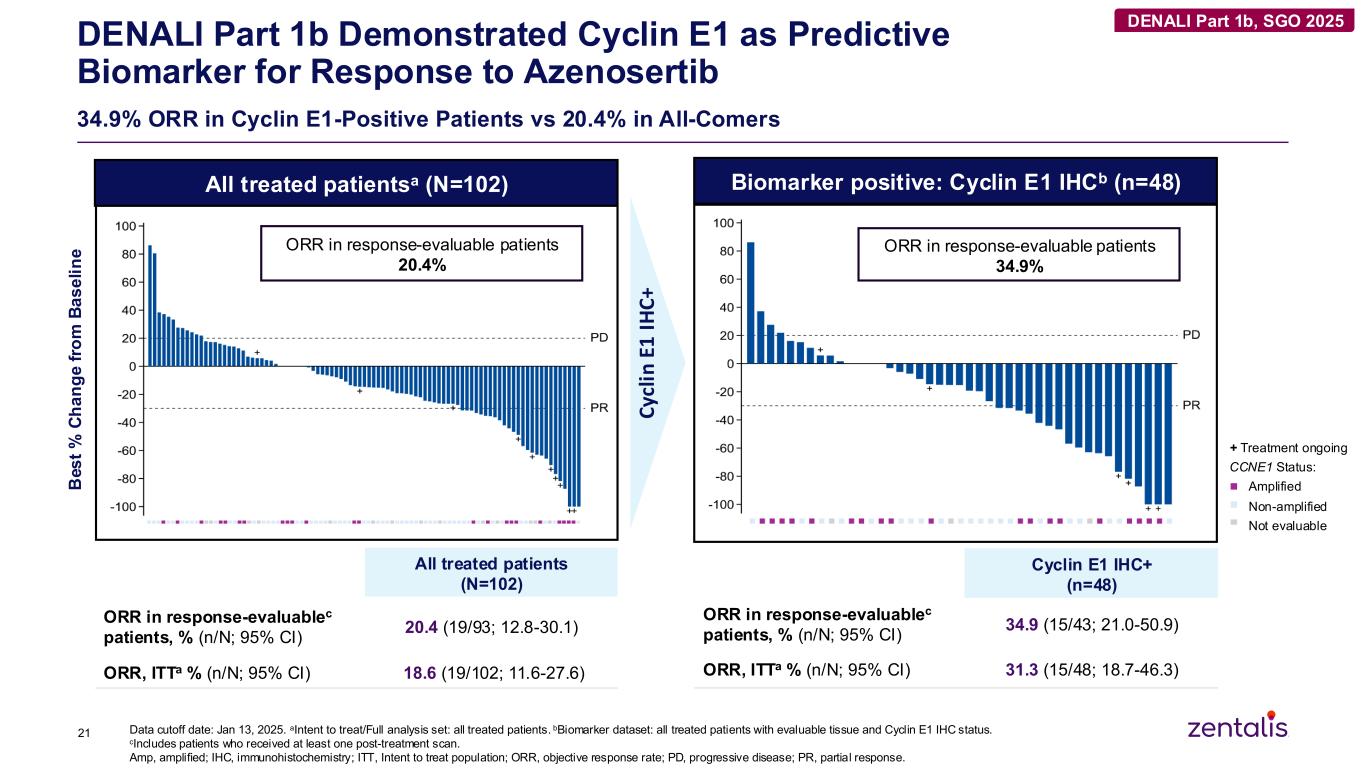
DENALI Part 1b Demonstrated Cyclin E1 as Predictive Biomarker for Response to Azenosertib Data cutoff date: Jan 13, 2025. aIntent to treat/Full analysis set: all treated patients. bBiomarker dataset: all treated patients with evaluable tissue and Cyclin E1 IHC status. cIncludes patients who received at least one post-treatment scan. Amp, amplified; IHC, immunohistochemistry; ITT, Intent to treat population; ORR, objective response rate; PD, progressive disease; PR, partial response. 21 34.9% ORR in Cyclin E1-Positive Patients vs 20.4% in All-Comers DENALI Part 1b, SGO 2025 All treated patients (N=102) ORR in response-evaluablec patients, % (n/N; 95% CI) 20.4 (19/93; 12.8-30.1) ORR, ITTa % (n/N; 95% CI) 18.6 (19/102; 11.6-27.6) Cyclin E1 IHC+ (n=48) ORR in response-evaluablec patients, % (n/N; 95% CI) 34.9 (15/43; 21.0-50.9) ORR, ITTa % (n/N; 95% CI) 31.3 (15/48; 18.7-46.3) All treated patientsa (N=102) C yc li n E 1 I H C + Biomarker positive: Cyclin E1 IHCb (n=48) ORR in response-evaluable patients 20.4% ORR in response-evaluable patients 34.9% + Treatment ongoing CCNE1 Status: Amplified Non-amplified Not evaluable B e s t % C h a n g e f ro m B a s e li n e
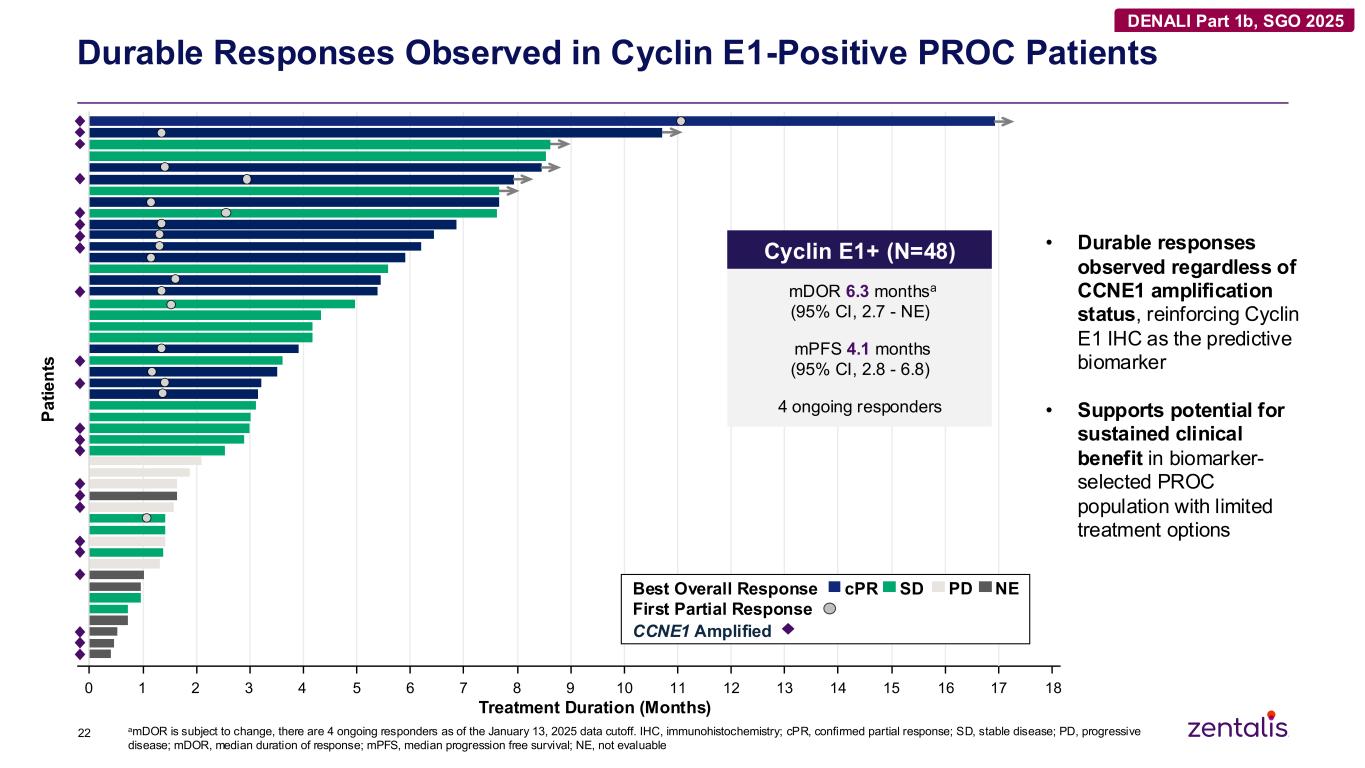
Durable Responses Observed in Cyclin E1-Positive PROC Patients amDOR is subject to change, there are 4 ongoing responders as of the January 13, 2025 data cutoff. IHC, immunohistochemistry; cPR, confirmed partial response; SD, stable disease; PD, progressive disease; mDOR, median duration of response; mPFS, median progression free survival; NE, not evaluable 22 DENALI Part 1b, SGO 2025 17 180 1 2 3 4 5 6 7 8 9 10 11 12 13 14 15 16 P a ti e n ts Treatment Duration (Months) mDOR 6.3 monthsa (95% CI, 2.7 - NE) mPFS 4.1 months (95% CI, 2.8 - 6.8) 4 ongoing responders Cyclin E1+ (N=48) PDSDcPRBest Overall Response First Partial Response CCNE1 Amplified NE • Durable responses observed regardless of CCNE1 amplification status, reinforcing Cyclin E1 IHC as the predictive biomarker • Supports potential for sustained clinical benefit in biomarker- selected PROC population with limited treatment options
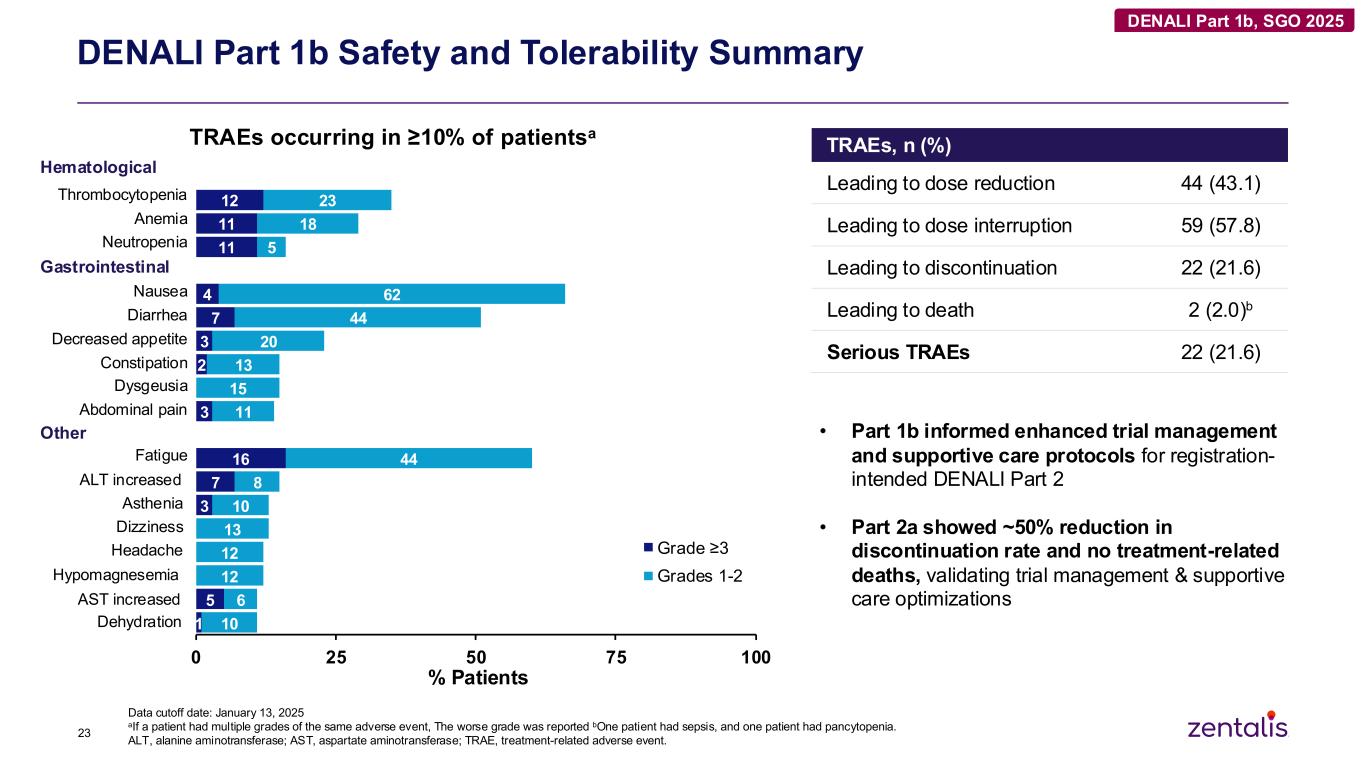
DENALI Part 1b Safety and Tolerability Summary Data cutoff date: January 13, 2025 aIf a patient had multiple grades of the same adverse event, The worse grade was reported bOne patient had sepsis, and one patient had pancytopenia. ALT, alanine aminotransferase; AST, aspartate aminotransferase; TRAE, treatment-related adverse event. 23 DENALI Part 1b, SGO 2025 12 11 11 4 7 3 2 3 16 7 3 5 1 23 18 5 62 44 20 13 15 11 44 8 10 13 12 12 6 10 0 25 50 75 100 Grade ≥3 Grades 1-2 % Patients Hematological Thrombocytopenia Anemia Neutropenia Gastrointestinal Nausea Diarrhea Decreased appetite Constipation Dysgeusia Abdominal pain Other Fatigue ALT increased Asthenia Dizziness Headache Hypomagnesemia AST increased Dehydration TRAEs, n (%) Leading to dose reduction 44 (43.1) Leading to dose interruption 59 (57.8) Leading to discontinuation 22 (21.6) Leading to death 2 (2.0)b Serious TRAEs 22 (21.6) TRAEs occurring in ≥10% of patientsa • Part 1b informed enhanced trial management and supportive care protocols for registration- intended DENALI Part 2 • Part 2a showed ~50% reduction in discontinuation rate and no treatment-related deaths, validating trial management & supportive care optimizations

Building Azenosertib Franchise in Ovarian Cancer and Beyond 24
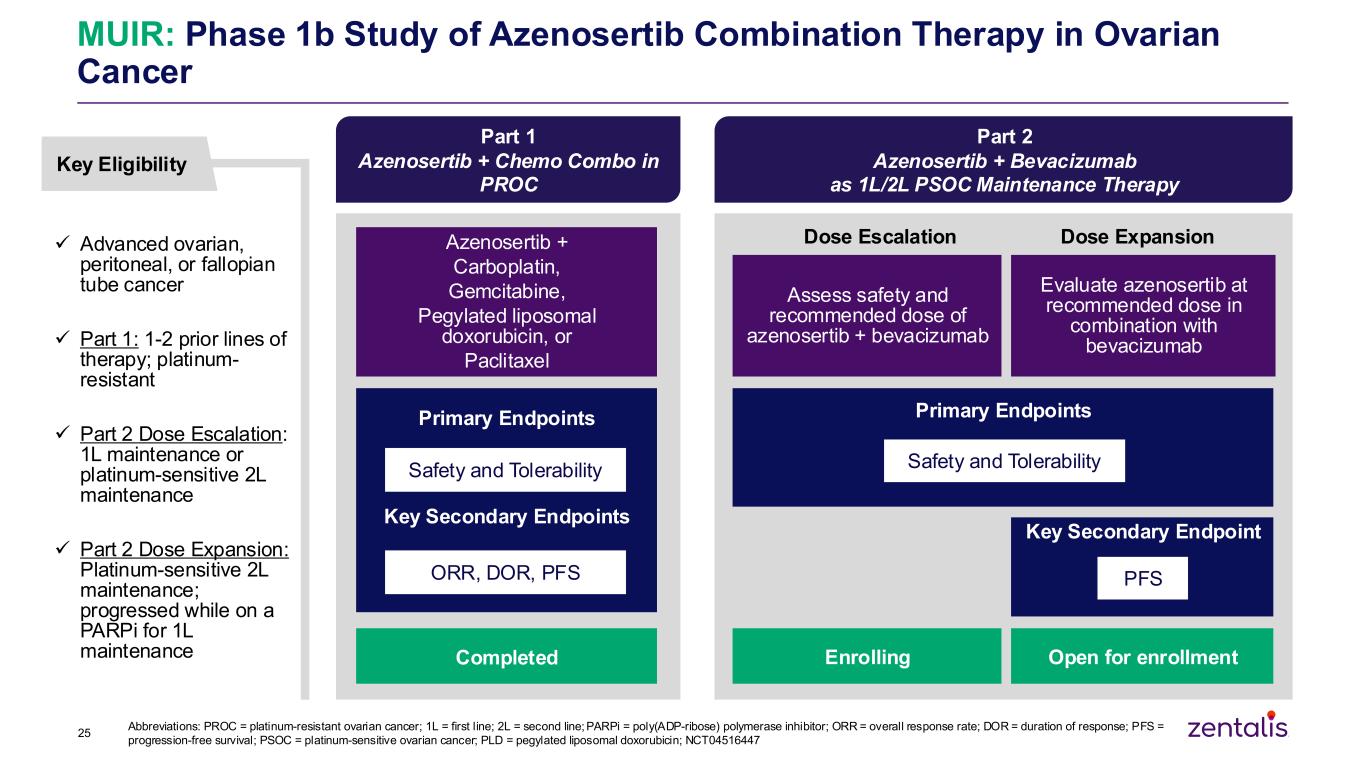
MUIR: Phase 1b Study of Azenosertib Combination Therapy in Ovarian Cancer Abbreviations: PROC = platinum-resistant ovarian cancer; 1L = first line; 2L = second line; PARPi = poly(ADP-ribose) polymerase inhibitor; ORR = overall response rate; DOR = duration of response; PFS = progression-free survival; PSOC = platinum-sensitive ovarian cancer; PLD = pegylated liposomal doxorubicin; NCT04516447 25 Key Eligibility ✓ Advanced ovarian, peritoneal, or fallopian tube cancer ✓ Part 1: 1-2 prior lines of therapy; platinum- resistant ✓ Part 2 Dose Escalation: 1L maintenance or platinum-sensitive 2L maintenance ✓ Part 2 Dose Expansion: Platinum-sensitive 2L maintenance; progressed while on a PARPi for 1L maintenance Part 1 Azenosertib + Chemo Combo in PROC Azenosertib + Carboplatin, Gemcitabine, Pegylated liposomal doxorubicin, or Paclitaxel Primary Endpoints Key Secondary Endpoints Safety and Tolerability ORR, DOR, PFS Completed Part 2 Azenosertib + Bevacizumab as 1L/2L PSOC Maintenance Therapy Dose Escalation Dose Expansion Assess safety and recommended dose of azenosertib + bevacizumab Evaluate azenosertib at recommended dose in combination with bevacizumab Primary Endpoints Safety and Tolerability Key Secondary Endpoint PFS Enrolling Open for enrollment
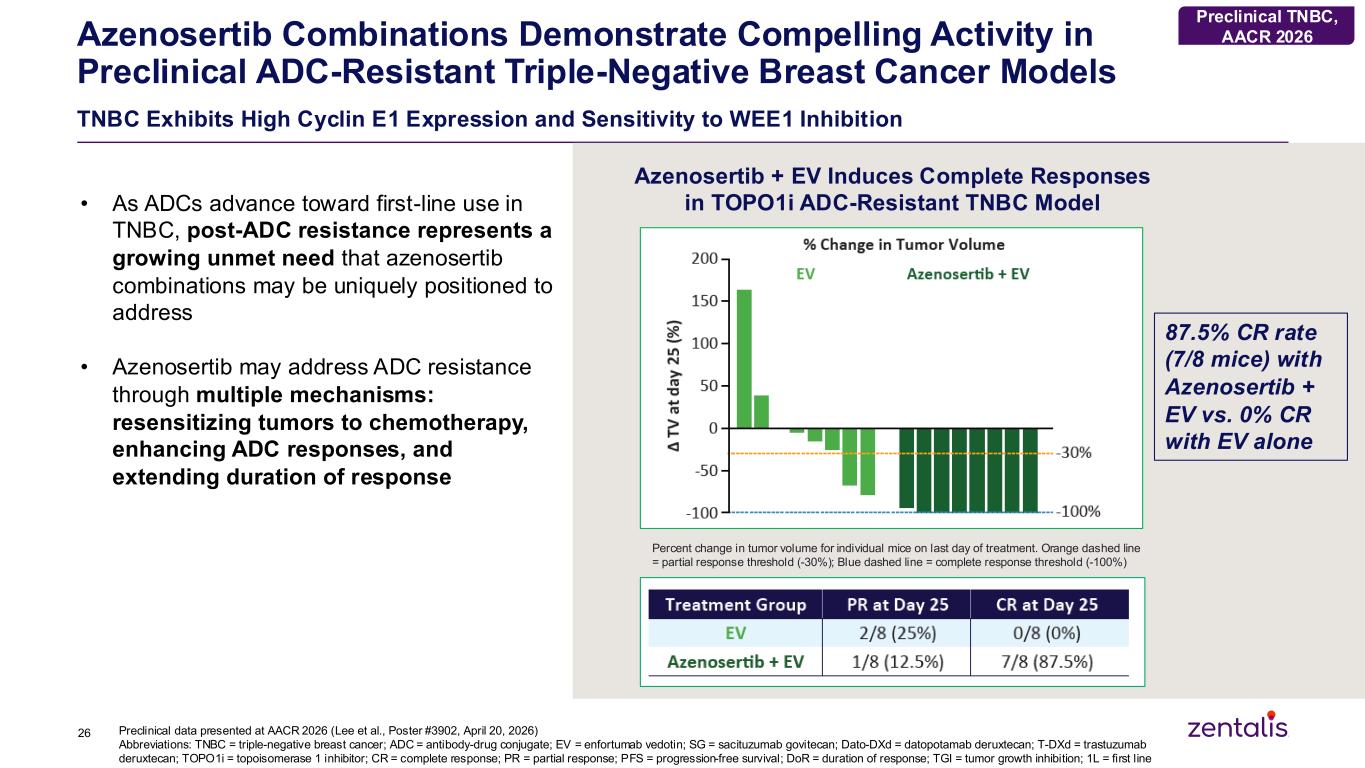
Azenosertib Combinations Demonstrate Compelling Activity in Preclinical ADC-Resistant Triple-Negative Breast Cancer Models Preclinical data presented at AACR 2026 (Lee et al., Poster #3902, April 20, 2026) Abbreviations: TNBC = triple-negative breast cancer; ADC = antibody-drug conjugate; EV = enfortumab vedotin; SG = sacituzumab govitecan; Dato-DXd = datopotamab deruxtecan; T-DXd = trastuzumab deruxtecan; TOPO1i = topoisomerase 1 inhibitor; CR = complete response; PR = partial response; PFS = progression-free survival; DoR = duration of response; TGI = tumor growth inhibition; 1L = first line 26 TNBC Exhibits High Cyclin E1 Expression and Sensitivity to WEE1 Inhibition Azenosertib + EV Induces Complete Responses in TOPO1i ADC-Resistant TNBC Model Preclinical TNBC, AACR 2026 Percent change in tumor volume for individual mice on last day of treatment. Orange dashed line = partial response threshold (-30%); Blue dashed line = complete response threshold (-100%) • As ADCs advance toward first-line use in TNBC, post-ADC resistance represents a growing unmet need that azenosertib combinations may be uniquely positioned to address • Azenosertib may address ADC resistance through multiple mechanisms: resensitizing tumors to chemotherapy, enhancing ADC responses, and extending duration of response 87.5% CR rate (7/8 mice) with Azenosertib + EV vs. 0% CR with EV alone
27 Pioneering WEE1 Inhibition to Deliver More Convenient, Targeted Cancer Care for Patients with Cyclin E1-Positive Ovarian Cancer and Beyond
Our Mission: Unburdening Patients Through a More Convenient, Targeted Approach to Cancer Care *As of January 13, 2025 data cutoff in DENALI Part 1b; mDOR subject to change **Cash, cash equivalents and marketable securities as of 3/31/26 Abbreviations: PROC = platinum-resistant ovarian cancer; ORR = overall response rate; mDOR = median duration of response; TNBC = triple-negative breast cancer; 5:2 schedule = 5 days once-daily administration of azenosertib, followed by 2 days without azenosertib 28 • First investigational oral, non-chemo targeted therapy for Cyclin E1-positive PROC patients with no specifically targeted treatment options • Compelling azenosertib clinical profile: >30% ORR and ~6 month mDOR* in biomarker-selected population at 400mg QD 5:2 • Clear development and regulatory strategy: DENALI Part 2 topline readout expected YE 2026 to support potential accelerated approval; ASPENOVA confirmatory Phase 3 trial enrolling • Franchise expansion: in earlier lines of ovarian cancer and other tumor types • Resourced to execute: $211.8M cash** with runway into late 2027

Julie Eastland Haibo Wang Chief Executive Officer jeastland@zentalis.com Chief Business Officer hwang@zentalis.com Aron Feingold VP, IR and Corporate Communications afeingold@zentalis.com