Corporate Presentation August 13, 2026 .3
This presentation and any accompanying oral commentary have been prepared by MapLight Therapeutics, Inc. (“MapLight”, “we,” “us,” “our,” the “Company”, or similar terms) for informational purposes only and not for any other purpose. This presentation contains trademarks, service marks, trade names and copyrights of MapLight and other companies which are the property of their respective owners. This presentation discusses product candidates that are under pre-clinical and clinical study, and which have not yet been approved for marketing by the U.S. Food and Drug Administration. No representation is made as to the safety or efficacy of these product candidates for the uses for which they are being studied. Statements contained in this presentation and the accompanying oral commentary, other than statements of historical facts, may be forward-looking statements, including, but not limited to: statements about our expectations regarding the potential benefits, efficacy and safety of our product candidates and platform; our expectations with regard to the design and results of our research and development programs, preclinical studies, and clinical trials; our preclinical, clinical, and regulatory development plans for our product candidates; our expectations with regard to our ability to discover, develop, license, or acquire additional product candidates and advance such product candidates into, and successfully complete, preclinical studies and clinical trials; the potential patient populations for our product candidates and any future product candidates; our cash runway; and our business strategy. In some cases, you can identify forward-looking statements by terms such as “may,” “will,” “should,” “expects,” “plans,” “anticipates,” “could,” “intends,” “targets,” “projects,” “contemplates,” “believes,” “estimates,” “predicts,” “potential” or “continue” or the negative of these terms or other similar expressions. These statements involve substantial known and unknown risks, uncertainties and other factors that may cause our actual results, timing of results, levels of activity, performance, or achievements to be materially different from the information expressed or implied by these forward-looking statements. These statements involve risks and uncertainties that could cause actual results to differ materially from those reflected in such statements. Risks and uncertainties that may cause actual results to differ materially include risks and uncertainties that are described in the “Risk Factors” section of our Company’s Quarterly Report on Form 10-Q with the U.S. Securities and Exchange Commission (“SEC”) on August 13, 2026 and other filings we make with the SEC from time to time. These documents are available under the “SEC Filings” page of the “Investors” section of our website at www.maplightrx.com. New risks emerge from time to time. It is not possible for our management to predict all risks, nor can we assess the impact of all factors on our business or the extent to which any factor, or combination of factors, may cause actual results to differ materially and adversely from those anticipated or implied in the forward-looking statements. We may not actually achieve the plans, intentions, or expectations disclosed in our forward-looking statements, and you should not place undue reliance on our forward-looking statements. Actual results or events could differ materially from the plans, intentions and expectations disclosed in the forward-looking statements we make. The forward-looking statements in this presentation represent our views as of the date of this presentation. We anticipate that subsequent events and developments will cause our views to change. However, while we may elect to update these forward-looking statements at some point in the future, we have no current intention of doing so except to the extent required by applicable law. Except as required by law, neither we nor any other person assumes responsibility for the accuracy and completeness of the forward-looking statements in this presentation and the accompanying oral commentary. You should, therefore, not rely on these forward-looking statements as representing our views as of any date subsequent to the date of this presentation. This presentation also contains estimates and other statistical data made by independent parties and by us relating to market size and other data about our industry. These data involve a number of assumptions and limitations, and you are cautioned not to give undue weight to such estimates. In addition, projections, assumptions and estimates of the future performance of the markets in which we operate are necessarily subject to a high degree of uncertainty and risk. Safe Harbor and Forward-Looking Statements
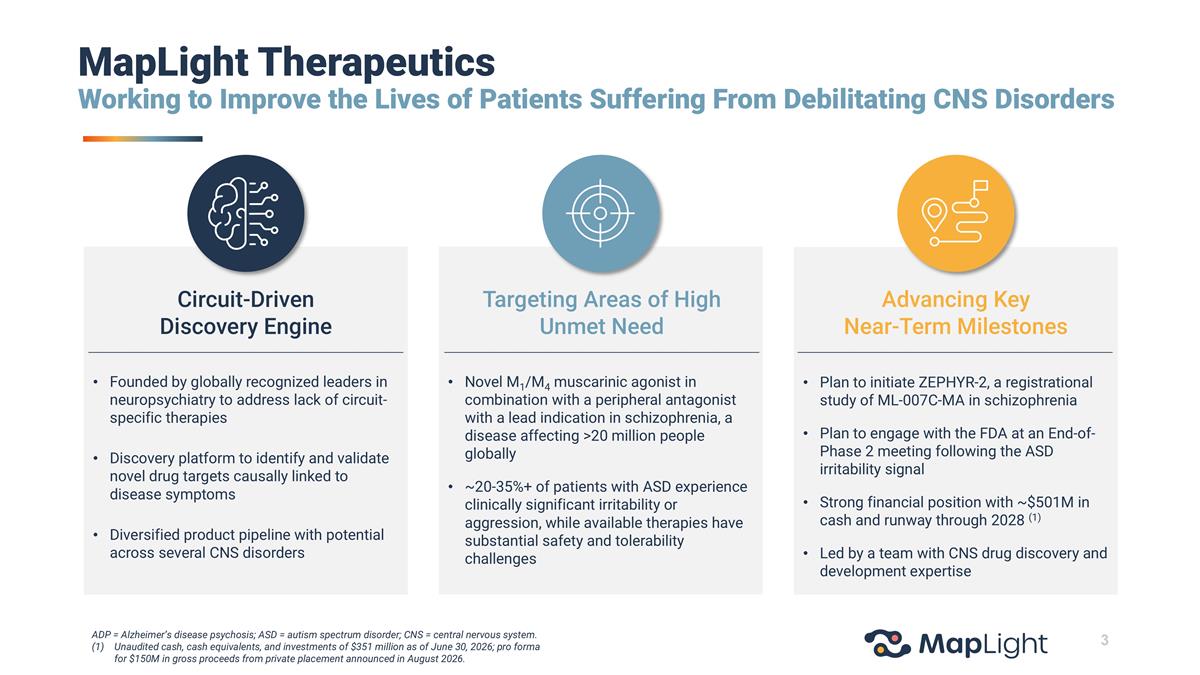
MapLight Therapeutics Working to Improve the Lives of Patients Suffering From Debilitating CNS Disorders Novel M1/M4 muscarinic agonist in combination with a peripheral antagonist with a lead indication in schizophrenia, a disease affecting >20 million people globally ~20-35%+ of patients with ASD experience clinically significant irritability or aggression, while available therapies have substantial safety and tolerability challenges Targeting Areas of High Unmet Need Founded by globally recognized leaders in neuropsychiatry to address lack of circuit-specific therapies Discovery platform to identify and validate novel drug targets causally linked to disease symptoms Diversified product pipeline with potential across several CNS disorders Circuit-Driven Discovery Engine Plan to initiate ZEPHYR-2, a registrational study of ML-007C-MA in schizophrenia Plan to engage with the FDA at an End-of-Phase 2 meeting following the ASD irritability signal Strong financial position with ~$501M in cash and runway through 2028 (1) Led by a team with CNS drug discovery and development expertise Advancing Key Near-Term Milestones ADP = Alzheimer’s disease psychosis; ASD = autism spectrum disorder; CNS = central nervous system. Unaudited cash, cash equivalents, and investments of $351 million as of June 30, 2026; pro forma for $150M in gross proceeds from private placement announced in August 2026.
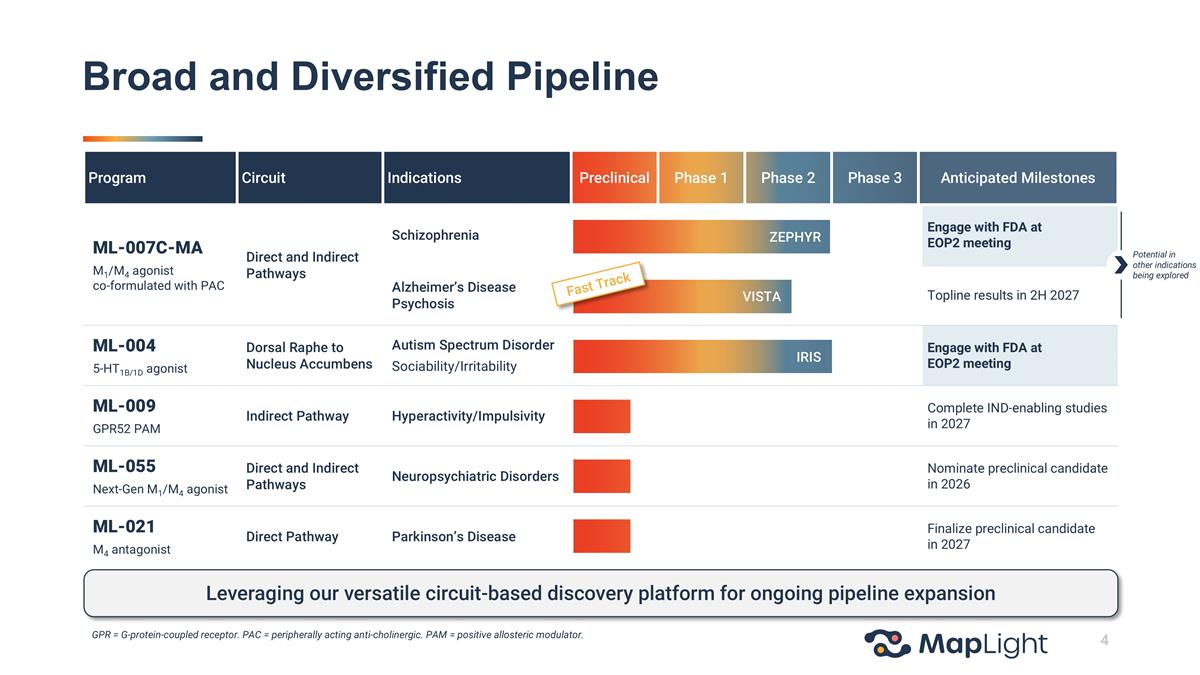
Program Circuit Indications Preclinical Phase 1 Phase 2 Phase 3 Anticipated Milestones ML-007C-MA M1/M4 agonist co-formulated with PAC Direct and Indirect Pathways Schizophrenia Engage with FDA at EOP2 meeting Alzheimer’s Disease Psychosis Topline results in 2H 2027 ML-004 5-HT1B/1D agonist Dorsal Raphe to Nucleus Accumbens Autism Spectrum Disorder Sociability/Irritability Engage with FDA at EOP2 meeting ML-009 GPR52 PAM Indirect Pathway Hyperactivity/Impulsivity Complete IND-enabling studies in 2027 ML-055 Next-Gen M1/M4 agonist Direct and Indirect Pathways Neuropsychiatric Disorders Nominate preclinical candidate in 2026 ML-021 M4 antagonist Direct Pathway Parkinson’s Disease Finalize preclinical candidate in 2027 Potential in other indications being explored ZEPHYR VISTA IRIS Fast Track Leveraging our versatile circuit-based discovery platform for ongoing pipeline expansion Broad and Diversified Pipeline GPR = G-protein-coupled receptor. PAC = peripherally acting anti-cholinergic. PAM = positive allosteric modulator.
ML-007C-MA Lead Asset in Development for Schizophrenia and ADP
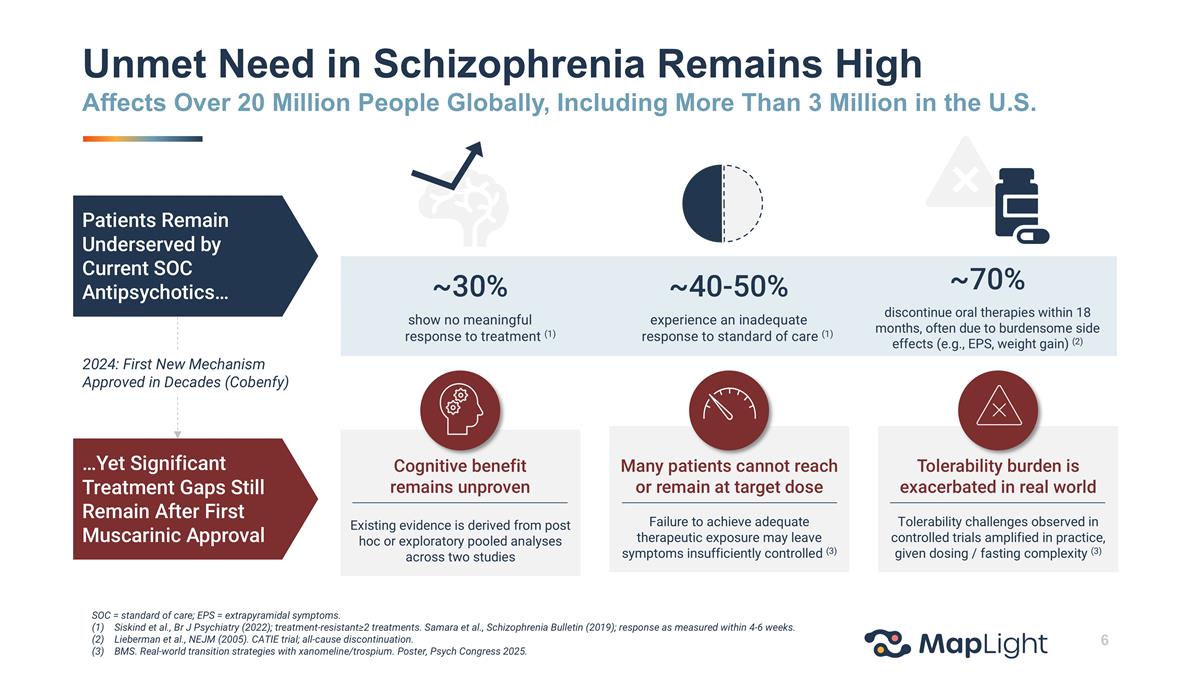
Existing evidence is derived from post hoc or exploratory pooled analyses across two studies Cognitive benefit remains unproven ~30% show no meaningful response to treatment (1) ~40-50% experience an inadequate response to standard of care (1) ~70% discontinue oral therapies within 18 months, often due to burdensome side effects (e.g., EPS, weight gain) (2) Patients Remain Underserved by Current SOC Antipsychotics… 2024: First New Mechanism Approved in Decades (Cobenfy) …Yet Significant Treatment Gaps Still Remain After First Muscarinic Approval Failure to achieve adequate therapeutic exposure may leave symptoms insufficiently controlled (3) Many patients cannot reach or remain at target dose Tolerability challenges observed in controlled trials amplified in practice, given dosing / fasting complexity (3) Tolerability burden is exacerbated in real world Unmet Need in Schizophrenia Remains High Affects Over 20 Million People Globally, Including More Than 3 Million in the U.S. SOC = standard of care; EPS = extrapyramidal symptoms. Siskind et al., Br J Psychiatry (2022); treatment-resistant≥2 treatments. Samara et al., Schizophrenia Bulletin (2019); response as measured within 4-6 weeks. Lieberman et al., NEJM (2005). CATIE trial; all-cause discontinuation. BMS. Real-world transition strategies with xanomeline/trospium. Poster, Psych Congress 2025.
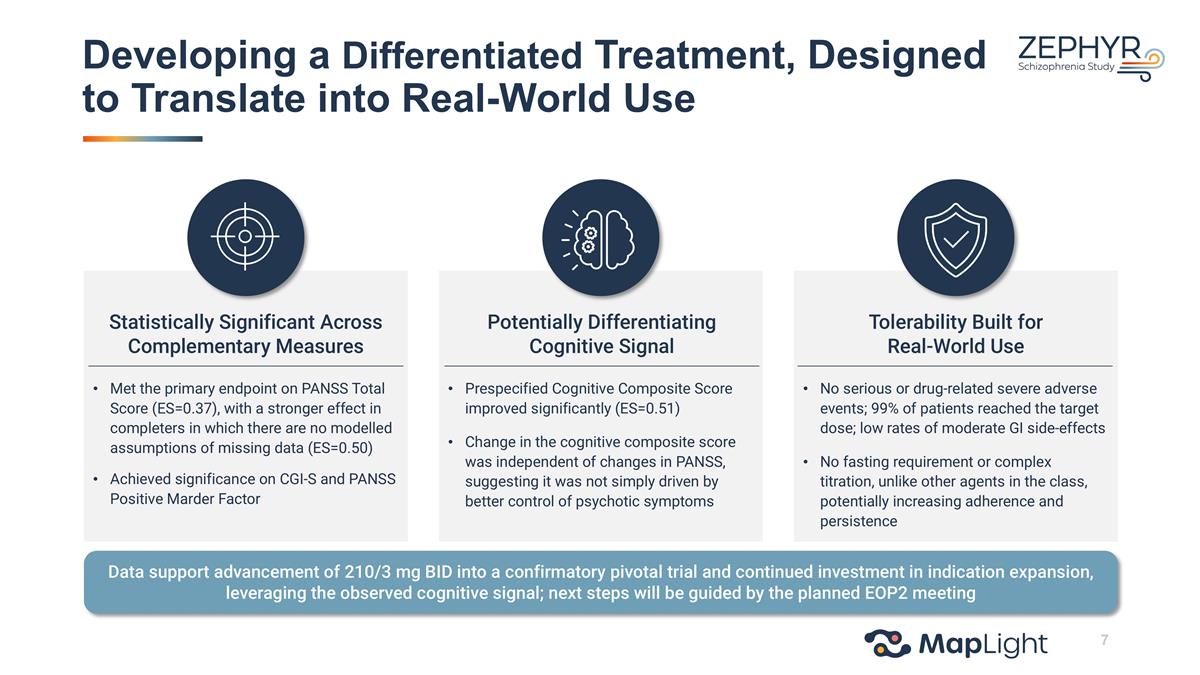
Met the primary endpoint on PANSS Total Score (ES=0.37), with a stronger effect in completers in which there are no modelled assumptions of missing data (ES=0.50) Achieved significance on CGI-S and PANSS Positive Marder Factor Statistically Significant Across Complementary Measures Prespecified Cognitive Composite Score improved significantly (ES=0.51) Change in the cognitive composite score was independent of changes in PANSS, suggesting it was not simply driven by better control of psychotic symptoms Potentially Differentiating Cognitive Signal No serious or drug-related severe adverse events; 99% of patients reached the target dose; low rates of moderate GI side-effects No fasting requirement or complex titration, unlike other agents in the class, potentially increasing adherence and persistence Tolerability Built for Real-World Use Data support advancement of 210/3 mg BID into a confirmatory pivotal trial and continued investment in indication expansion, leveraging the observed cognitive signal; next steps will be guided by the planned EOP2 meeting Developing a Differentiated Treatment, Designed to Translate into Real-World Use
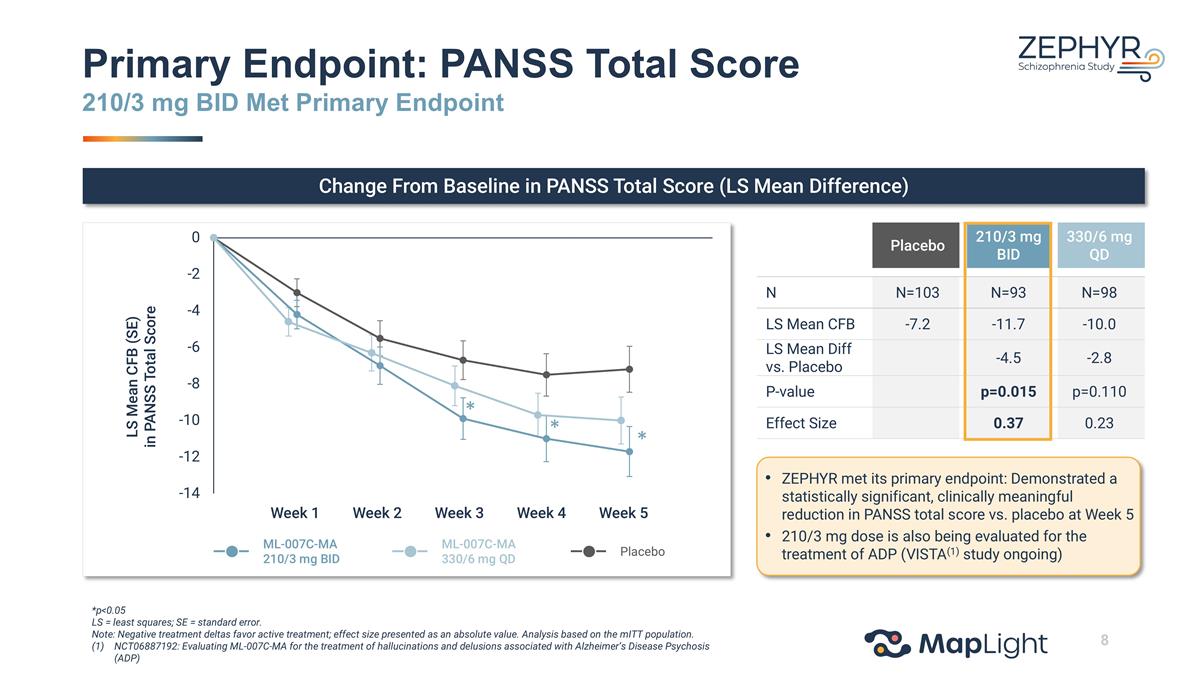
LS Mean CFB (SE) in PANSS Total Score Primary Endpoint: PANSS Total Score 210/3 mg BID Met Primary Endpoint Change From Baseline in PANSS Total Score (LS Mean Difference) *p<0.05 LS = least squares; SE = standard error. Note: Negative treatment deltas favor active treatment; effect size presented as an absolute value. Analysis based on the mITT population. NCT06887192: Evaluating ML-007C-MA for the treatment of hallucinations and delusions associated with Alzheimer’s Disease Psychosis (ADP) ML-007C-MA 210/3 mg BID Placebo ML-007C-MA 330/6 mg QD Placebo 210/3 mg BID 330/6 mg QD N N=103 N=93 N=98 LS Mean CFB -7.2 -11.7 -10.0 LS Mean Diff vs. Placebo -4.5 -2.8 P-value p=0.015 p=0.110 Effect Size 0.37 0.23 * * * Week 1 Week 2 Week 3 Week 4 Week 5 ZEPHYR met its primary endpoint: Demonstrated a statistically significant, clinically meaningful reduction in PANSS total score vs. placebo at Week 5 210/3 mg dose is also being evaluated for the treatment of ADP (VISTA(1) study ongoing)
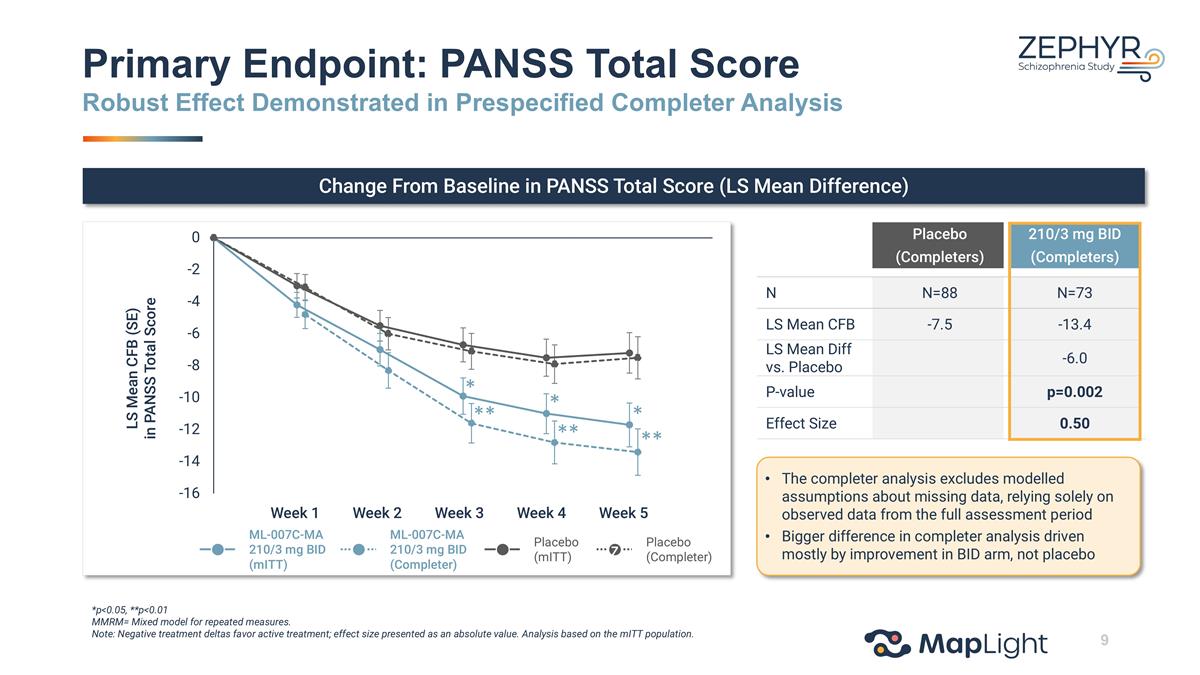
Week 1 Week 2 Week 3 Week 4 Week 5 Primary Endpoint: PANSS Total Score Robust Effect Demonstrated in Prespecified Completer Analysis Change From Baseline in PANSS Total Score (LS Mean Difference) LS Mean CFB (SE) in PANSS Total Score *p<0.05, **p<0.01 MMRM= Mixed model for repeated measures. Note: Negative treatment deltas favor active treatment; effect size presented as an absolute value. Analysis based on the mITT population. ML-007C-MA 210/3 mg BID (mITT) Placebo (Completer) ML-007C-MA 210/3 mg BID (Completer) Placebo (mITT) z ** ** ** * * * Placebo (Completers) 210/3 mg BID (Completers) N N=88 N=73 LS Mean CFB -7.5 -13.4 LS Mean Diff vs. Placebo -6.0 P-value p=0.002 Effect Size 0.50 The completer analysis excludes modelled assumptions about missing data, relying solely on observed data from the full assessment period Bigger difference in completer analysis driven mostly by improvement in BID arm, not placebo
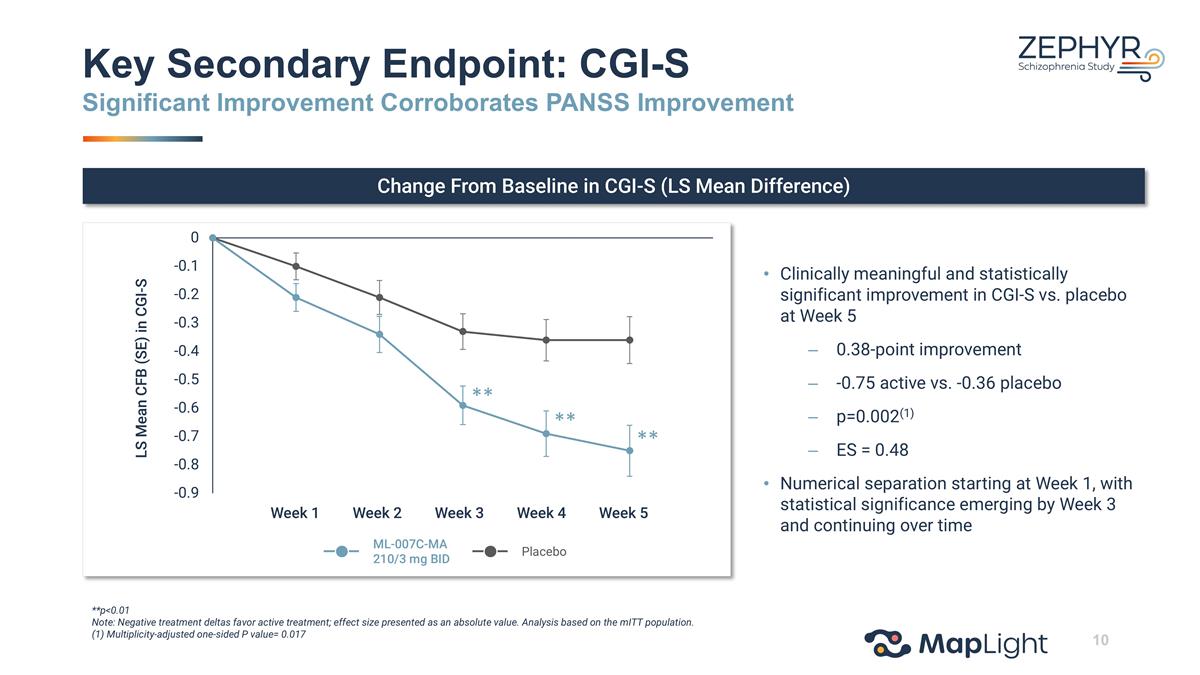
Key Secondary Endpoint: CGI-S Significant Improvement Corroborates PANSS Improvement Change From Baseline in CGI-S (LS Mean Difference) LS Mean CFB (SE) in CGI-S Clinically meaningful and statistically significant improvement in CGI-S vs. placebo at Week 5 0.38-point improvement -0.75 active vs. -0.36 placebo p=0.002(1) ES = 0.48 Numerical separation starting at Week 1, with statistical significance emerging by Week 3 and continuing over time **p<0.01 Note: Negative treatment deltas favor active treatment; effect size presented as an absolute value. Analysis based on the mITT population. (1) Multiplicity-adjusted one-sided P value= 0.017 ML-007C-MA 210/3 mg BID Placebo ** ** ** Week 1 Week 2 Week 3 Week 4 Week 5
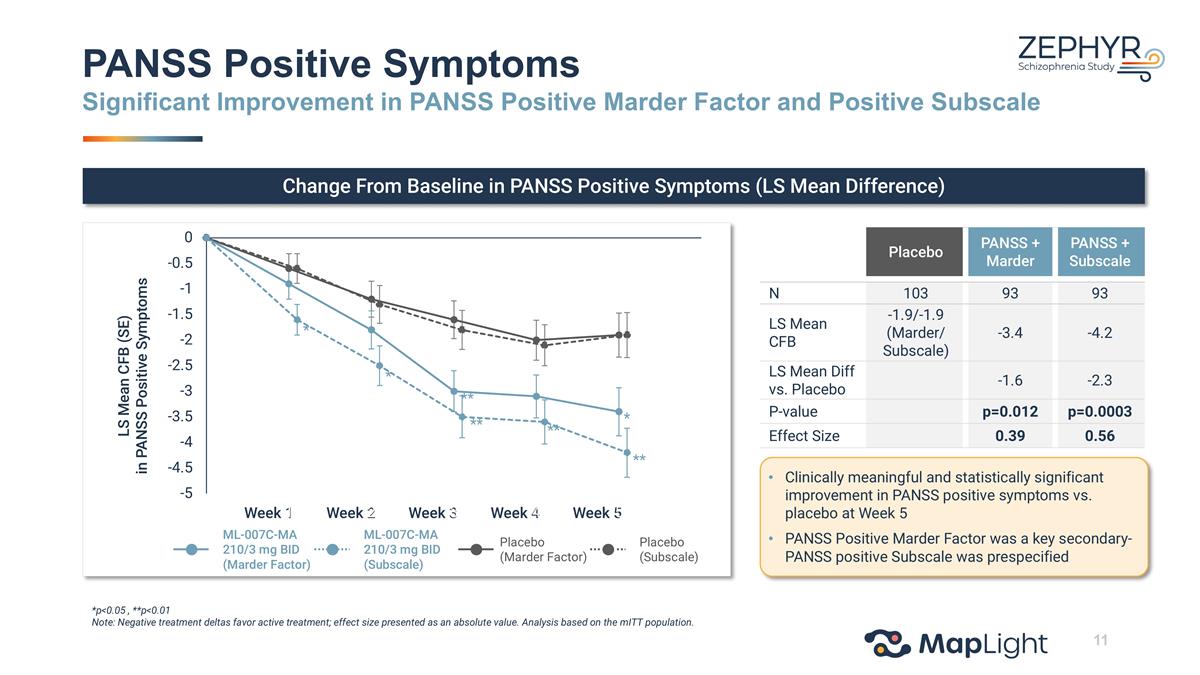
Change From Baseline in PANSS Positive Symptoms (LS Mean Difference) *p<0.05 , **p<0.01 Note: Negative treatment deltas favor active treatment; effect size presented as an absolute value. Analysis based on the mITT population. PANSS Positive Symptoms Significant Improvement in PANSS Positive Marder Factor and Positive Subscale Placebo PANSS + Marder PANSS + Subscale N 103 93 93 LS Mean CFB -1.9/-1.9 (Marder/ Subscale) -3.4 -4.2 LS Mean Diff vs. Placebo -1.6 -2.3 P-value p=0.012 p=0.0003 Effect Size 0.39 0.56 Week 1 Week 2 Week 3 Week 4 Week 5 ML-007C-MA 210/3 mg BID (Marder Factor) Placebo (Subscale) ML-007C-MA 210/3 mg BID (Subscale) Placebo (Marder Factor) LS Mean CFB (SE) in PANSS Positive Symptoms ** ** ** * * * ** Clinically meaningful and statistically significant improvement in PANSS positive symptoms vs. placebo at Week 5 PANSS Positive Marder Factor was a key secondary- PANSS positive Subscale was prespecified
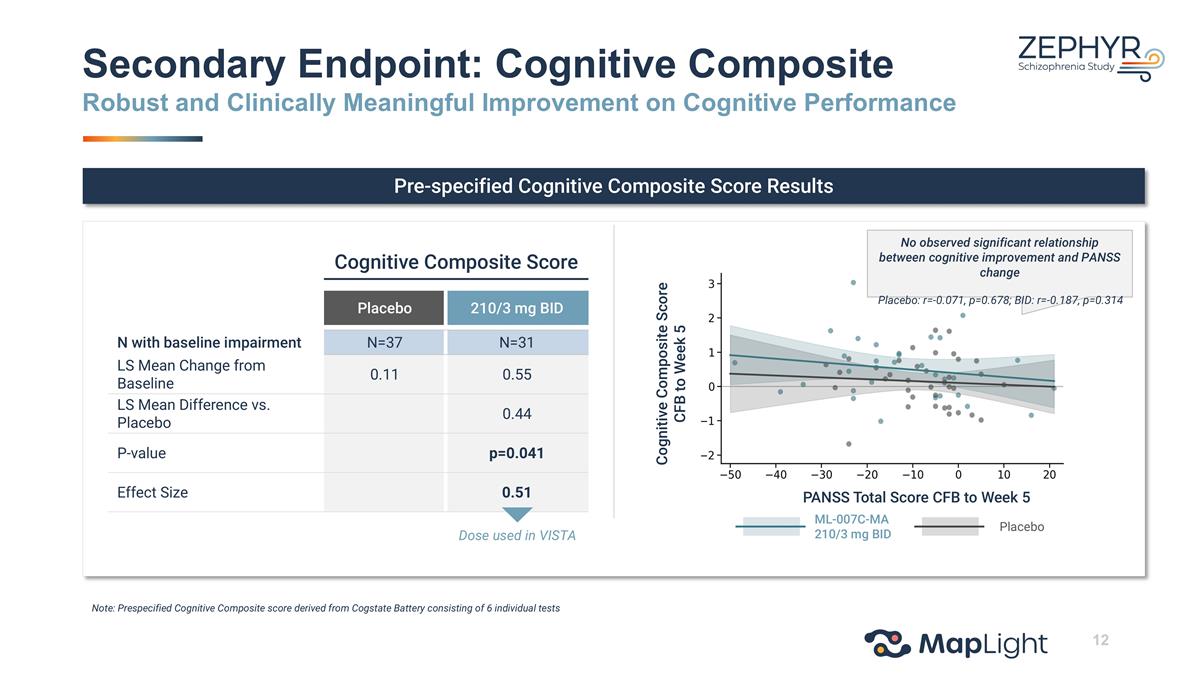
Pre-specified Cognitive Composite Score Results Cognitive Composite Score CFB to Week 5 PANSS Total Score CFB to Week 5 Cognitive Composite Score Placebo 210/3 mg BID N with baseline impairment N=37 N=31 LS Mean Change from Baseline 0.11 0.55 LS Mean Difference vs. Placebo 0.44 P-value p=0.041 Effect Size 0.51 Dose used in VISTA ML-007C-MA 210/3 mg BID Placebo Note: Prespecified Cognitive Composite score derived from Cogstate Battery consisting of 6 individual tests Secondary Endpoint: Cognitive Composite Robust and Clinically Meaningful Improvement on Cognitive Performance No observed significant relationship between cognitive improvement and PANSS change Placebo: r=-0.071, p=0.678; BID: r=-0.187, p=0.314
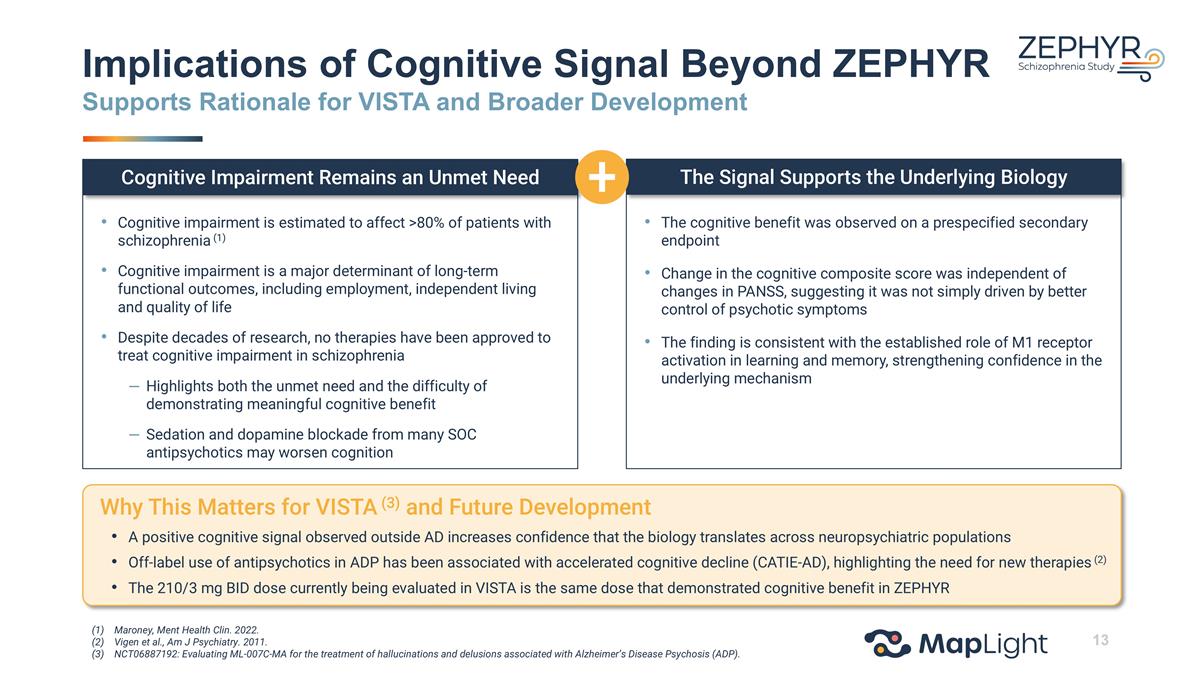
Implications of Cognitive Signal Beyond ZEPHYR Supports Rationale for VISTA and Broader Development Cognitive impairment is estimated to affect >80% of patients with schizophrenia (1) Cognitive impairment is a major determinant of long-term functional outcomes, including employment, independent living and quality of life Despite decades of research, no therapies have been approved to treat cognitive impairment in schizophrenia Highlights both the unmet need and the difficulty of demonstrating meaningful cognitive benefit Sedation and dopamine blockade from many SOC antipsychotics may worsen cognition Cognitive Impairment Remains an Unmet Need The Signal Supports the Underlying Biology The cognitive benefit was observed on a prespecified secondary endpoint Change in the cognitive composite score was independent of changes in PANSS, suggesting it was not simply driven by better control of psychotic symptoms The finding is consistent with the established role of M1 receptor activation in learning and memory, strengthening confidence in the underlying mechanism Why This Matters for VISTA (3) and Future Development A positive cognitive signal observed outside AD increases confidence that the biology translates across neuropsychiatric populations Off-label use of antipsychotics in ADP has been associated with accelerated cognitive decline (CATIE-AD), highlighting the need for new therapies (2) The 210/3 mg BID dose currently being evaluated in VISTA is the same dose that demonstrated cognitive benefit in ZEPHYR Maroney, Ment Health Clin. 2022. Vigen et al., Am J Psychiatry. 2011. NCT06887192: Evaluating ML-007C-MA for the treatment of hallucinations and delusions associated with Alzheimer’s Disease Psychosis (ADP).
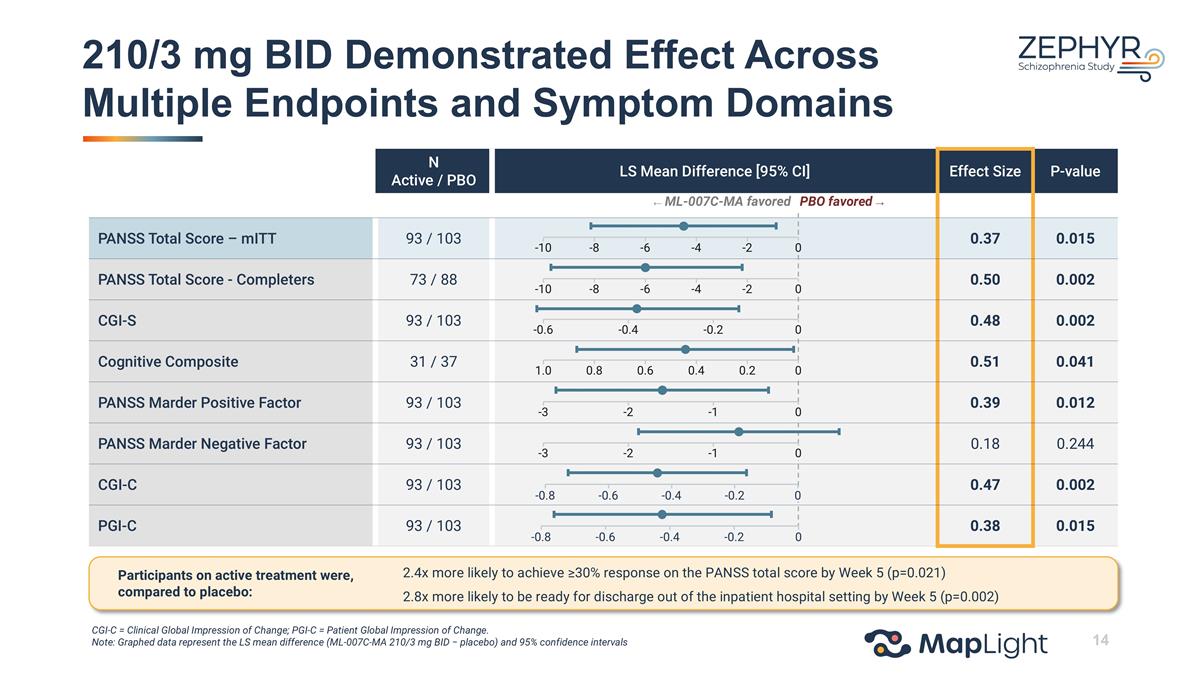
210/3 mg BID Demonstrated Effect Across Multiple Endpoints and Symptom Domains N Active / PBO LS Mean Difference [95% CI] Effect Size P-value PANSS Total Score – mITT 93 / 103 0.37 0.015 PANSS Total Score - Completers 73 / 88 0.50 0.002 CGI-S 93 / 103 0.48 0.002 Cognitive Composite 31 / 37 0.51 0.041 PANSS Marder Positive Factor 93 / 103 0.39 0.012 PANSS Marder Negative Factor 93 / 103 0.18 0.244 CGI-C 93 / 103 0.47 0.002 PGI-C 93 / 103 0.38 0.015 -0.6 -0.4 -0.2 0 1.0 0.8 0.6 0.4 0.2 0 -3 -2 -1 0 -3 -2 -1 0 ← ML-007C-MA favored PBO favored → -10 -8 -6 -4 -2 0 -10 -8 -6 -4 -2 0 CGI-C = Clinical Global Impression of Change; PGI-C = Patient Global Impression of Change. Note: Graphed data represent the LS mean difference (ML-007C-MA 210/3 mg BID − placebo) and 95% confidence intervals -0.8 -0.6 -0.4 -0.2 0 -0.8 -0.6 -0.4 -0.2 0 Participants on active treatment were, compared to placebo: 2.4x more likely to achieve ≥30% response on the PANSS total score by Week 5 (p=0.021) 2.8x more likely to be ready for discharge out of the inpatient hospital setting by Week 5 (p=0.002)
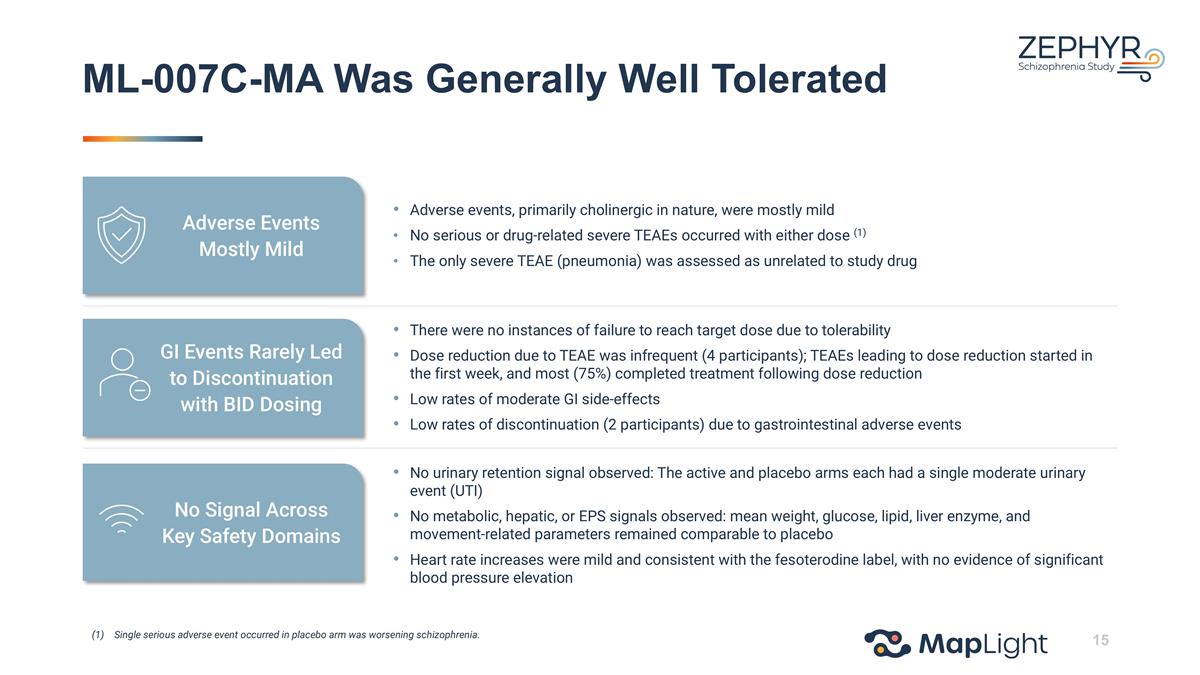
ML-007C-MA Was Generally Well Tolerated Single serious adverse event occurred in placebo arm was worsening schizophrenia. Adverse events, primarily cholinergic in nature, were mostly mild No serious or drug-related severe TEAEs occurred with either dose (1) The only severe TEAE (pneumonia) was assessed as unrelated to study drug There were no instances of failure to reach target dose due to tolerability Dose reduction due to TEAE was infrequent (4 participants); TEAEs leading to dose reduction started in the first week, and most (75%) completed treatment following dose reduction Low rates of moderate GI side-effects Low rates of discontinuation (2 participants) due to gastrointestinal adverse events No urinary retention signal observed: The active and placebo arms each had a single moderate urinary event (UTI) No metabolic, hepatic, or EPS signals observed: mean weight, glucose, lipid, liver enzyme, and movement-related parameters remained comparable to placebo Heart rate increases were mild and consistent with the fesoterodine label, with no evidence of significant blood pressure elevation Adverse Events Mostly Mild GI Events Rarely Led to Discontinuation with BID Dosing No Signal Across Key Safety Domains
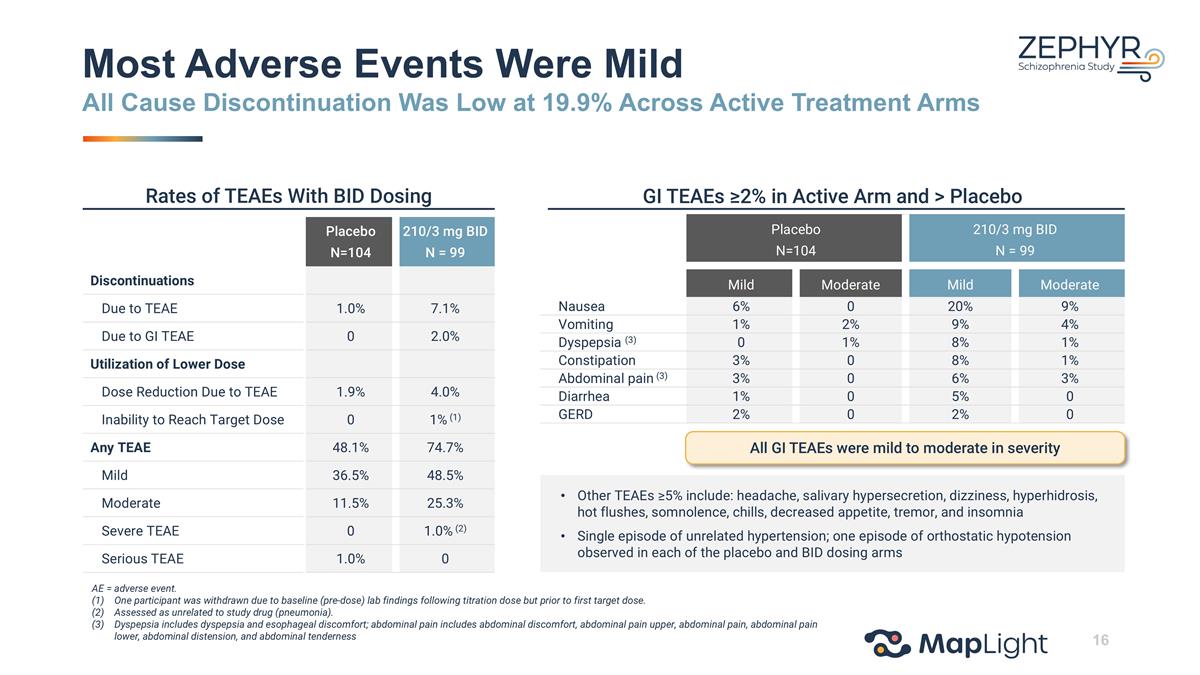
Placebo N=104 210/3 mg BID N = 99 Mild Moderate Mild Moderate Nausea 6% 0 20% 9% Vomiting 1% 2% 9% 4% Dyspepsia (3) 0 1% 8% 1% Constipation 3% 0 8% 1% Abdominal pain (3) 3% 0 6% 3% Diarrhea 1% 0 5% 0 GERD 2% 0 2% 0 Rates of TEAEs With BID Dosing GI TEAEs ≥2% in Active Arm and > Placebo Most Adverse Events Were Mild All Cause Discontinuation Was Low at 19.9% Across Active Treatment Arms All GI TEAEs were mild to moderate in severity AE = adverse event. One participant was withdrawn due to baseline (pre-dose) lab findings following titration dose but prior to first target dose. Assessed as unrelated to study drug (pneumonia). Dyspepsia includes dyspepsia and esophageal discomfort; abdominal pain includes abdominal discomfort, abdominal pain upper, abdominal pain, abdominal pain lower, abdominal distension, and abdominal tenderness Other TEAEs ≥5% include: headache, salivary hypersecretion, dizziness, hyperhidrosis, hot flushes, somnolence, chills, decreased appetite, tremor, and insomnia Single episode of unrelated hypertension; one episode of orthostatic hypotension observed in each of the placebo and BID dosing arms Placebo N=104 210/3 mg BID N = 99 Discontinuations Due to TEAE 1.0% 7.1% Due to GI TEAE 0 2.0% Utilization of Lower Dose Dose Reduction Due to TEAE 1.9% 4.0% Inability to Reach Target Dose 0 1% (1) Any TEAE 48.1% 74.7% Mild 36.5% 48.5% Moderate 11.5% 25.3% Severe TEAE 0 1.0% (2) Serious TEAE 1.0% 0
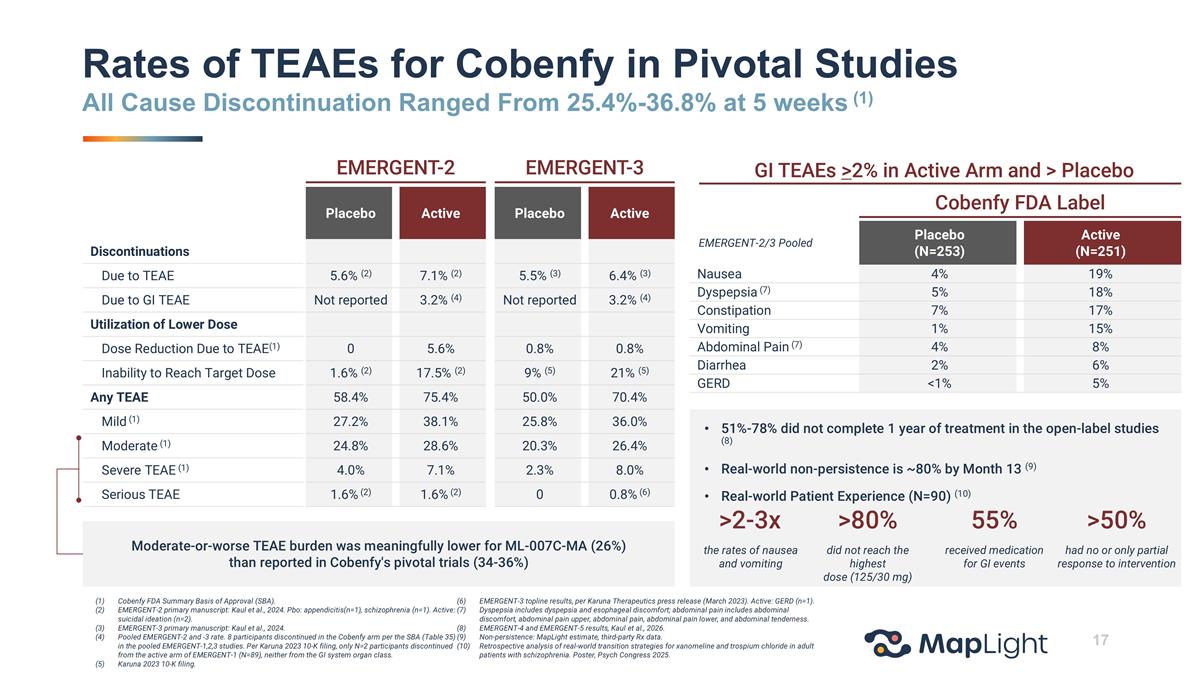
EMERGENT-2 EMERGENT-3 Placebo Active Placebo Active Discontinuations Due to TEAE 5.6% (2) 7.1% (2) 5.5% (3) 6.4% (3) Due to GI TEAE Not reported 3.2% (4) Not reported 3.2% (4) Utilization of Lower Dose Dose Reduction Due to TEAE(1) 0 5.6% 0.8% 0.8% Inability to Reach Target Dose 1.6% (2) 17.5% (2) 9% (5) 21% (5) Any TEAE 58.4% 75.4% 50.0% 70.4% Mild (1) 27.2% 38.1% 25.8% 36.0% Moderate (1) 24.8% 28.6% 20.3% 26.4% Severe TEAE (1) 4.0% 7.1% 2.3% 8.0% Serious TEAE 1.6% (2) 1.6% (2) 0 0.8% (6) Rates of TEAEs for Cobenfy in Pivotal Studies All Cause Discontinuation Ranged From 25.4%-36.8% at 5 weeks (1) Moderate-or-worse TEAE burden was meaningfully lower for ML-007C-MA (26%) than reported in Cobenfy's pivotal trials (34-36%) Cobenfy FDA Label EMERGENT-2/3 Pooled Placebo (N=253) Active (N=251) Nausea 4% 19% Dyspepsia (7) 5% 18% Constipation 7% 17% Vomiting 1% 15% Abdominal Pain (7) 4% 8% Diarrhea 2% 6% GERD <1% 5% GI TEAEs >2% in Active Arm and > Placebo 51%-78% did not complete 1 year of treatment in the open-label studies (8) Real-world non-persistence is ~80% by Month 13 (9) Real-world Patient Experience (N=90) (10) >2-3x >80% 55% the rates of nausea and vomiting did not reach the highest dose (125/30 mg) received medication for GI events >50% had no or only partial response to intervention Cobenfy FDA Summary Basis of Approval (SBA). EMERGENT-2 primary manuscript: Kaul et al., 2024. Pbo: appendicitis(n=1), schizophrenia (n=1). Active: suicidal ideation (n=2). EMERGENT-3 primary manuscript: Kaul et al., 2024. Pooled EMERGENT-2 and -3 rate. 8 participants discontinued in the Cobenfy arm per the SBA (Table 35) in the pooled EMERGENT-1,2,3 studies. Per Karuna 2023 10-K filing, only N=2 participants discontinued from the active arm of EMERGENT-1 (N=89), neither from the GI system organ class. Karuna 2023 10-K filing. EMERGENT-3 topline results, per Karuna Therapeutics press release (March 2023). Active: GERD (n=1). Dyspepsia includes dyspepsia and esophageal discomfort; abdominal pain includes abdominal discomfort, abdominal pain upper, abdominal pain, abdominal pain lower, and abdominal tenderness. EMERGENT-4 and EMERGENT-5 results, Kaul et al., 2026. Non-persistence: MapLight estimate, third-party Rx data. Retrospective analysis of real-world transition strategies for xanomeline and trospium chloride in adult patients with schizophrenia. Poster, Psych Congress 2025.
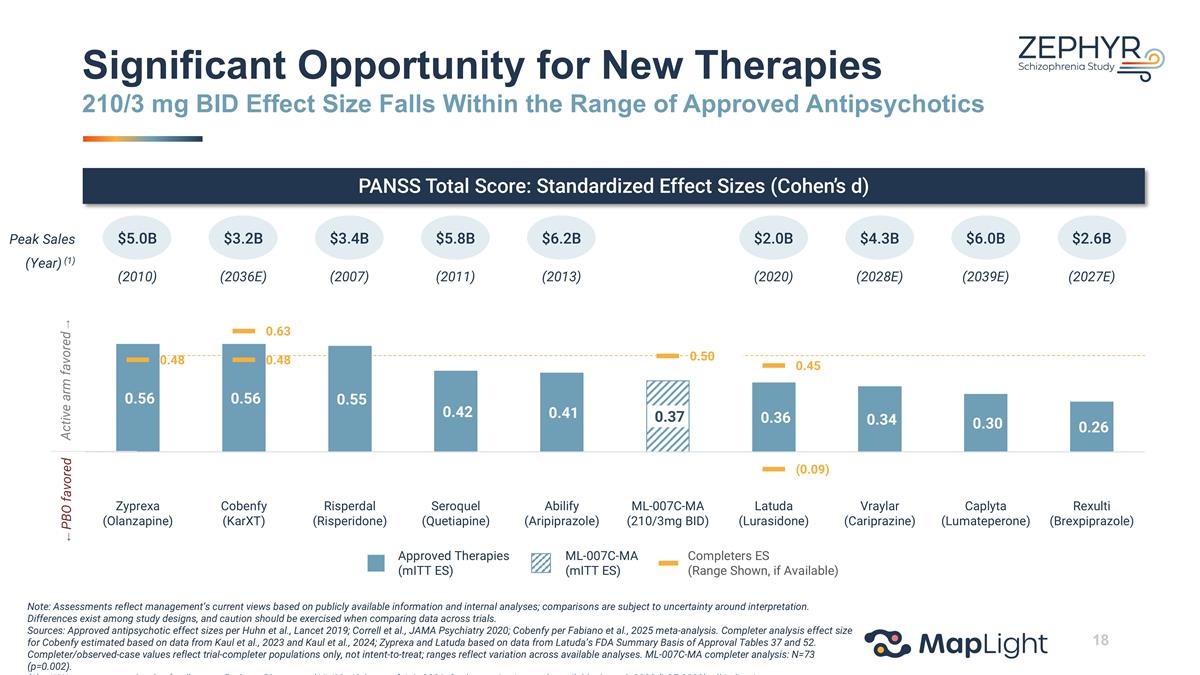
PANSS Total Score: Standardized Effect Sizes (Cohen’s d) Peak Sales (Year) (1) $5.0B $3.2B $3.4B $5.8B $6.2B $2.0B $4.3B $6.0B $2.6B (2010) (2036E) (2007) (2011) (2013) (2020) (2028E) (2039E) (2027E) Significant Opportunity for New Therapies 210/3 mg BID Effect Size Falls Within the Range of Approved Antipsychotics Approved Therapies (mITT ES) Completers ES (Range Shown, if Available) ML-007C-MA (mITT ES) Active arm favored → ← PBO favored Note: Assessments reflect management’s current views based on publicly available information and internal analyses; comparisons are subject to uncertainty around interpretation. Differences exist among study designs, and caution should be exercised when comparing data across trials. Sources: Approved antipsychotic effect sizes per Huhn et al., Lancet 2019; Correll et al., JAMA Psychiatry 2020; Cobenfy per Fabiano et al., 2025 meta-analysis. Completer analysis effect size for Cobenfy estimated based on data from Kaul et al., 2023 and Kaul et al., 2024; Zyprexa and Latuda based on data from Latuda’s FDA Summary Basis of Approval Tables 37 and 52. Completer/observed-case values reflect trial-completer populations only, not intent-to-treat; ranges reflect variation across available analyses. ML-007C-MA completer analysis: N=73 (p=0.002). WW consensus peak sales (oral) as per Evaluate Pharma and Visible Alpha as of July 2026; Caplyta projections only available through 2030 (LOE 2039); all indications.
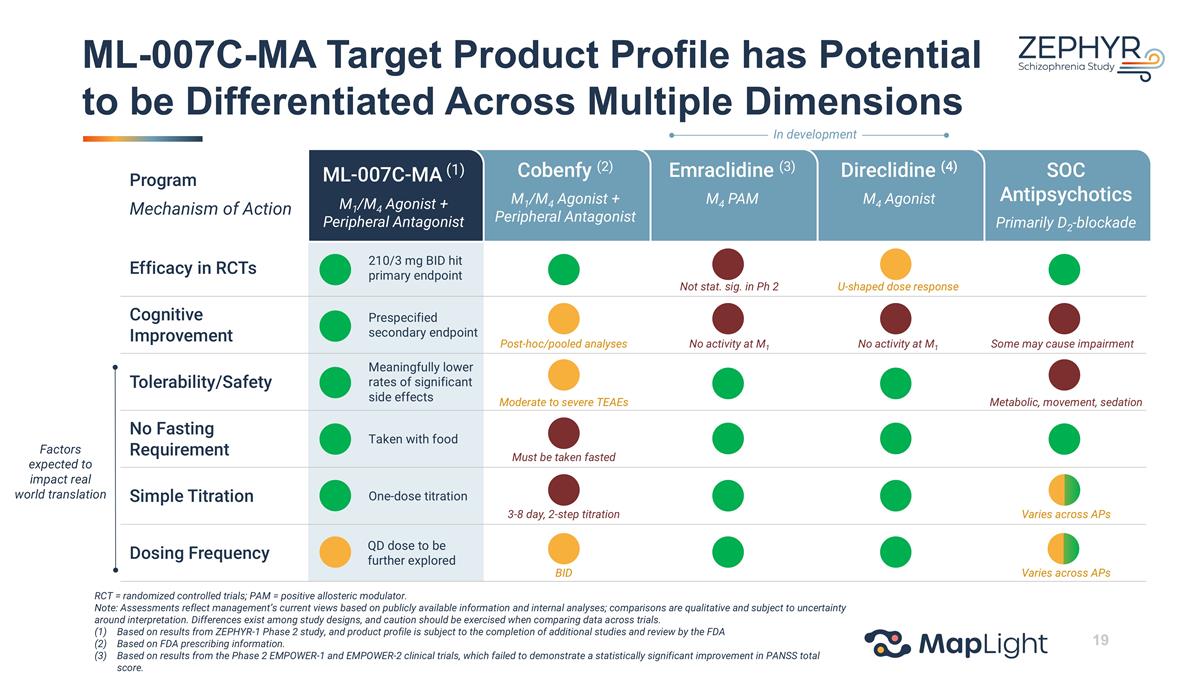
Program Mechanism of Action Efficacy in RCTs 210/3 mg BID hit primary endpoint Cognitive Improvement Prespecified secondary endpoint Tolerability/Safety Meaningfully lower rates of significant side effects No Fasting Requirement Taken with food Simple Titration One-dose titration Dosing Frequency QD dose to be further explored ML-007C-MA Target Product Profile has Potential to be Differentiated Across Multiple Dimensions RCT = randomized controlled trials; PAM = positive allosteric modulator. Note: Assessments reflect management’s current views based on publicly available information and internal analyses; comparisons are qualitative and subject to uncertainty around interpretation. Differences exist among study designs, and caution should be exercised when comparing data across trials. Based on results from ZEPHYR-1 Phase 2 study, and product profile is subject to the completion of additional studies and review by the FDA Based on FDA prescribing information. Based on results from the Phase 2 EMPOWER-1 and EMPOWER-2 clinical trials, which failed to demonstrate a statistically significant improvement in PANSS total score. Based on results from the Phase 2 clinical trial, which showed statistically significant improvement only at the lowest dose of the four active drug arms evaluated. No activity at M1 No activity at M1 Some may cause impairment Factors expected to impact real world translation SOC Antipsychotics Primarily D2-blockade Direclidine (4) M4 Agonist Emraclidine (3) M4 PAM Cobenfy (2) M1/M4 Agonist + Peripheral Antagonist ML-007C-MA (1) M1/M4 Agonist + Peripheral Antagonist In development U-shaped dose response Post-hoc/pooled analyses Moderate to severe TEAEs Must be taken fasted 3-8 day, 2-step titration BID Not stat. sig. in Ph 2 Metabolic, movement, sedation Varies across APs Varies across APs
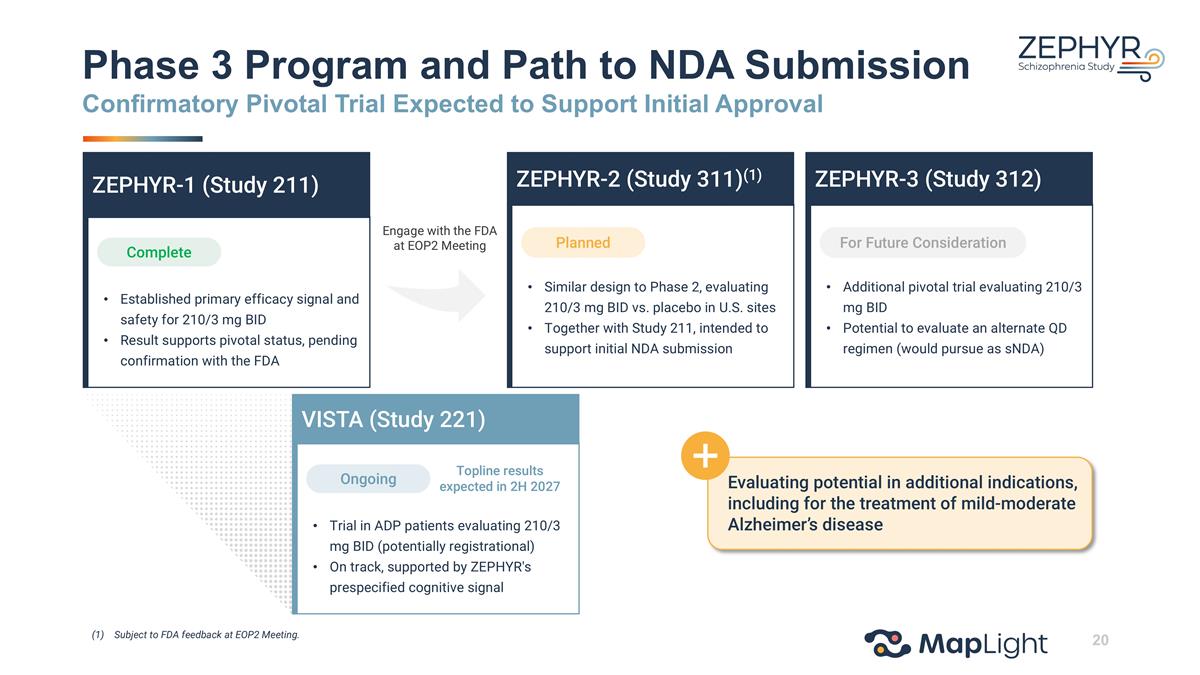
Phase 3 Program and Path to NDA Submission Confirmatory Pivotal Trial Expected to Support Initial Approval Trial in ADP patients evaluating 210/3 mg BID (potentially registrational) On track, supported by ZEPHYR's prespecified cognitive signal Ongoing VISTA (Study 221) Topline results expected in 2H 2027 Evaluating potential in additional indications, including for the treatment of mild-moderate Alzheimer’s disease Engage with the FDA at EOP2 Meeting Established primary efficacy signal and safety for 210/3 mg BID Result supports pivotal status, pending confirmation with the FDA Complete ZEPHYR-1 (Study 211) Similar design to Phase 2, evaluating 210/3 mg BID vs. placebo in U.S. sites Together with Study 211, intended to support initial NDA submission Planned ZEPHYR-2 (Study 311)(1) Additional pivotal trial evaluating 210/3 mg BID Potential to evaluate an alternate QD regimen (would pursue as sNDA) For Future Consideration ZEPHYR-3 (Study 312) Subject to FDA feedback at EOP2 Meeting.
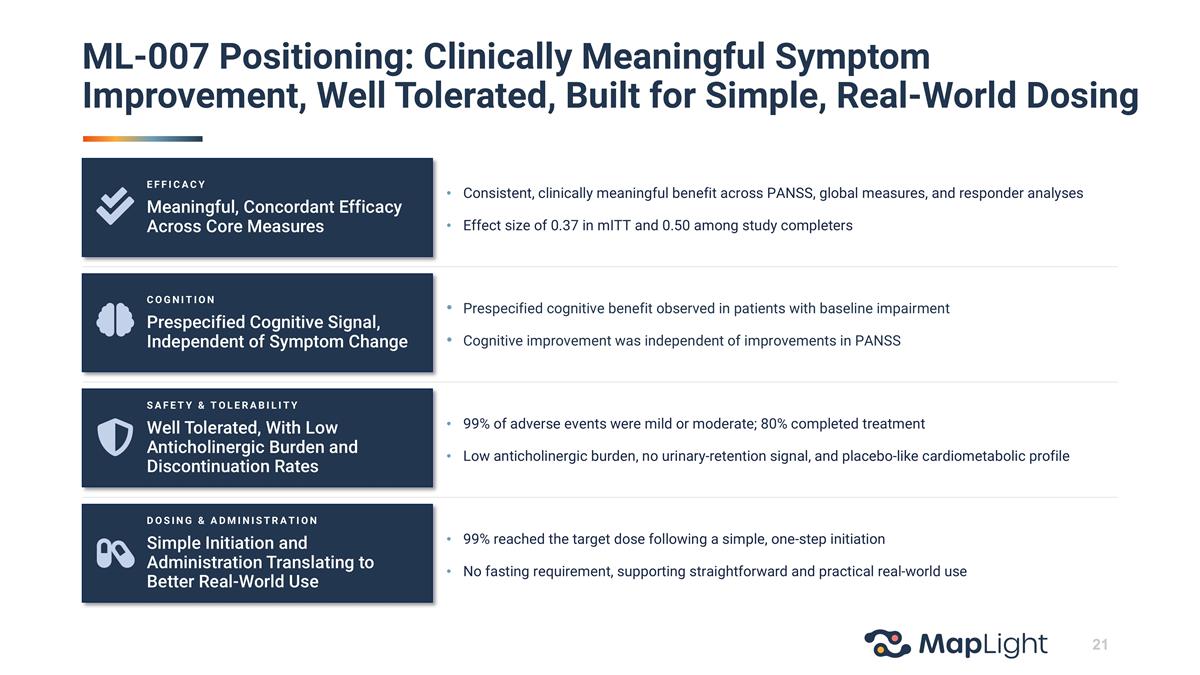
ML-007 Positioning: Clinically Meaningful Symptom Improvement, Well Tolerated, Built for Simple, Real-World Dosing Consistent, clinically meaningful benefit across PANSS, global measures, and responder analyses Effect size of 0.37 in mITT and 0.50 among study completers Prespecified cognitive benefit observed in patients with baseline impairment Cognitive improvement was independent of improvements in PANSS 99% of adverse events were mild or moderate; 80% completed treatment Low anticholinergic burden, no urinary-retention signal, and placebo-like cardiometabolic profile 99% reached the target dose following a simple, one-step initiation No fasting requirement, supporting straightforward and practical real-world use EFFICACY Meaningful, Concordant Efficacy Across Core Measures COGNITION Prespecified Cognitive Signal, Independent of Symptom Change SAFETY & TOLERABILITY Well Tolerated, With Low Anticholinergic Burden and Discontinuation Rates DOSING & ADMINISTRATION Simple Initiation and Administration Translating to Better Real-World Use
ML-004 5-HT1B/1D Agonist in Development for Autism Spectrum Disorder (ASD)
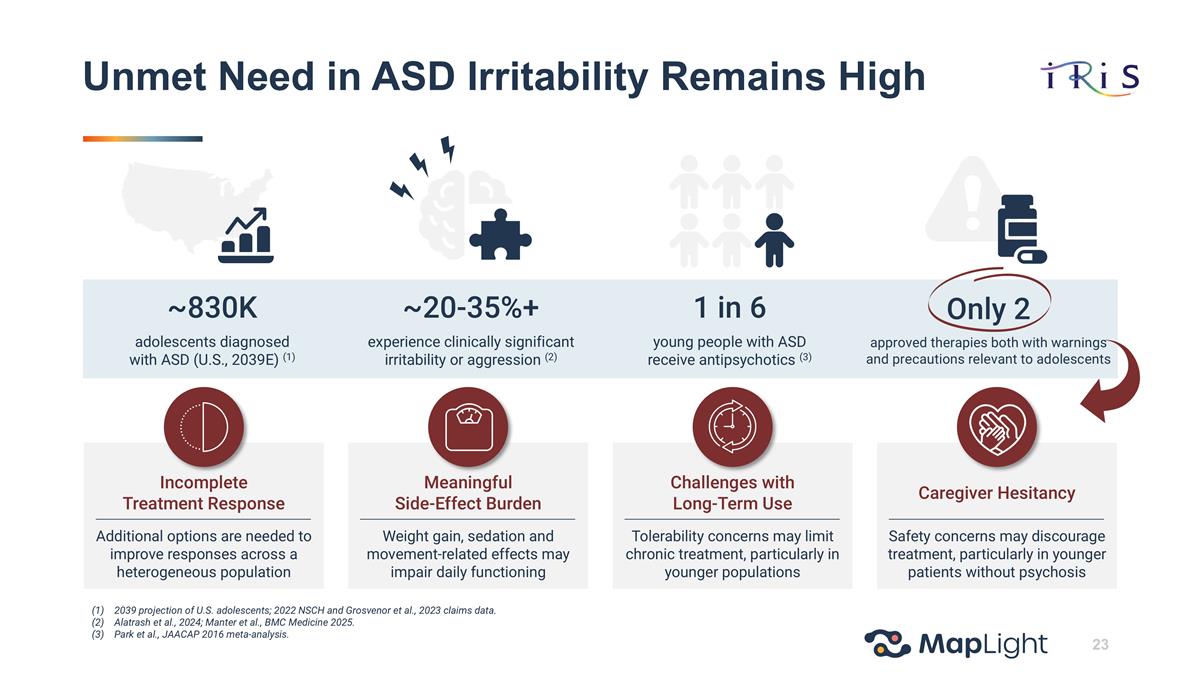
Unmet Need in ASD Irritability Remains High ~830K adolescents diagnosed with ASD (U.S., 2039E) (1) ~20-35%+ experience clinically significant irritability or aggression (2) 1 in 6 young people with ASD receive antipsychotics (3) Only 2 approved therapies both with warnings and precautions relevant to adolescents Additional options are needed to improve responses across a heterogeneous population Incomplete Treatment Response Weight gain, sedation and movement-related effects may impair daily functioning Meaningful Side-Effect Burden Tolerability concerns may limit chronic treatment, particularly in younger populations Challenges with Long-Term Use Safety concerns may discourage treatment, particularly in younger patients without psychosis Caregiver Hesitancy 2039 projection of U.S. adolescents; 2022 NSCH and Grosvenor et al., 2023 claims data. Alatrash et al., 2024; Manter et al., BMC Medicine 2025. Park et al., JAACAP 2016 meta-analysis.
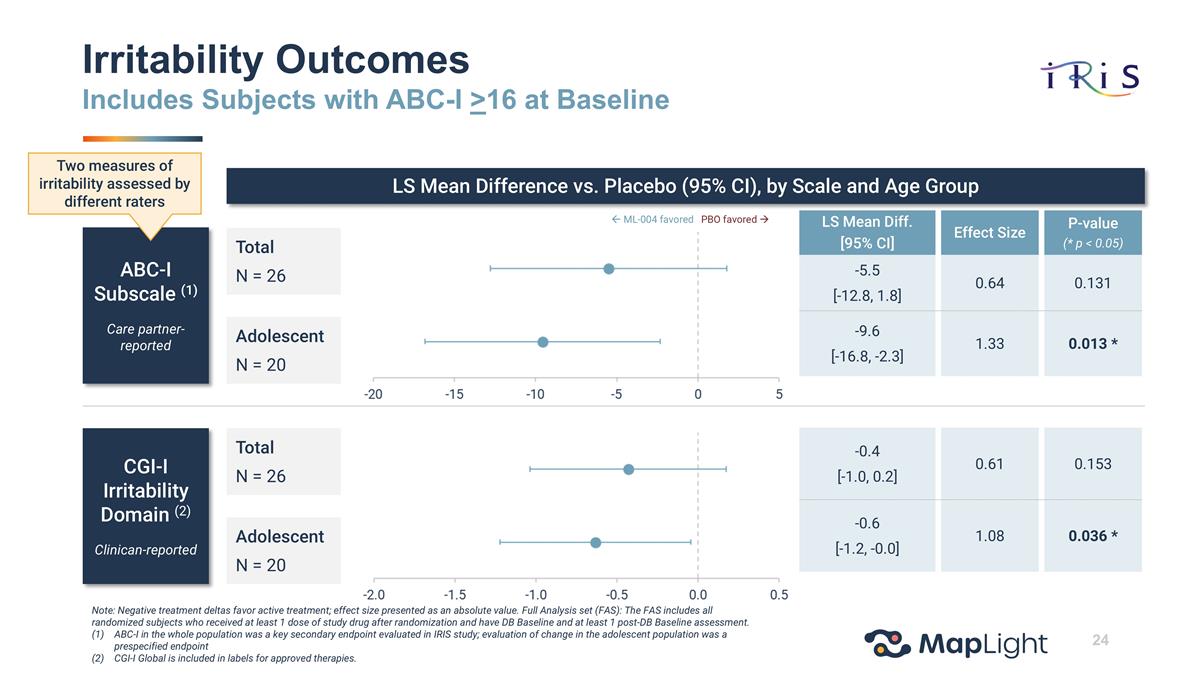
Irritability Outcomes Includes Subjects with ABC-I >16 at Baseline ABC-I Subscale (1) Care partner-reported CGI-I Irritability Domain (2) Clinican-reported Two measures of irritability assessed by different raters LS Mean Difference vs. Placebo (95% CI), by Scale and Age Group Total N = 26 Adolescent N = 20 Total N = 26 Adolescent N = 20 LS Mean Diff. [95% CI] Effect Size P-value (* p < 0.05) -5.5 [-12.8, 1.8] 0.64 0.131 -9.6 [-16.8, -2.3] 1.33 0.013 * -0.4 [-1.0, 0.2] 0.61 0.153 -0.6 [-1.2, -0.0] 1.08 0.036 * ß ML-004 favored PBO favored à Note: Negative treatment deltas favor active treatment; effect size presented as an absolute value. Full Analysis set (FAS): The FAS includes all randomized subjects who received at least 1 dose of study drug after randomization and have DB Baseline and at least 1 post-DB Baseline assessment. ABC-I in the whole population was a key secondary endpoint evaluated in IRIS study; evaluation of change in the adolescent population was a prespecified endpoint CGI-I Global is included in labels for approved therapies.
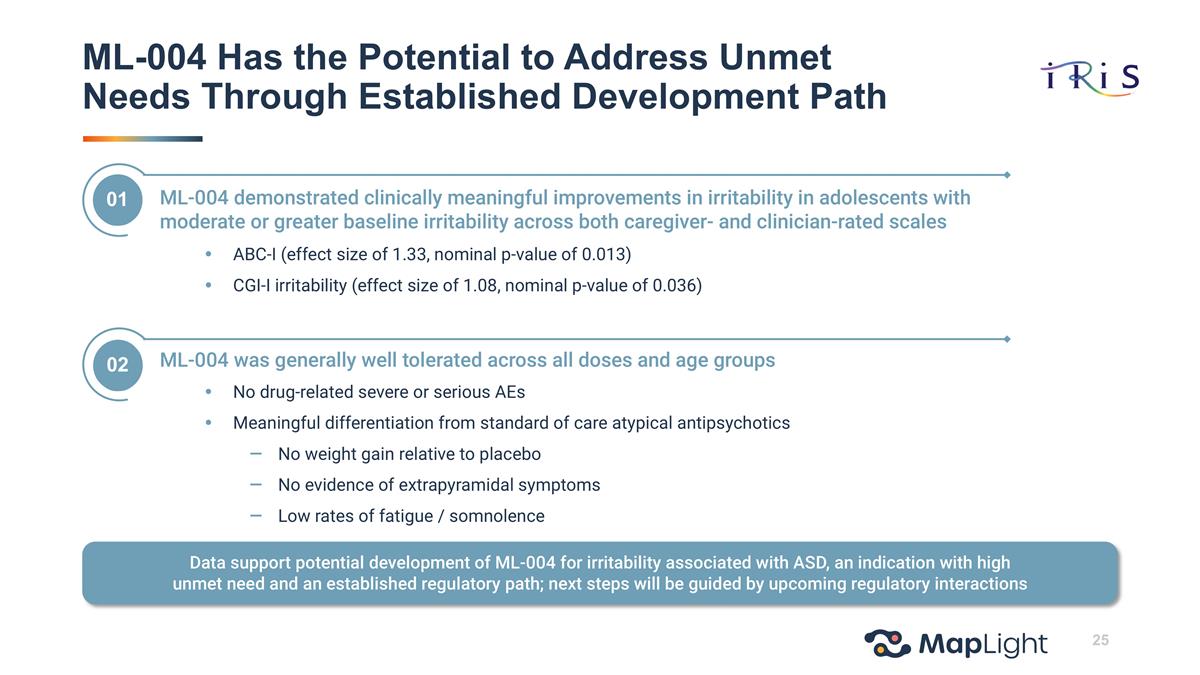
ML-004 Has the Potential to Address Unmet Needs Through Established Development Path ML-004 demonstrated clinically meaningful improvements in irritability in adolescents with moderate or greater baseline irritability across both caregiver- and clinician-rated scales ABC-I (effect size of 1.33, nominal p-value of 0.013) CGI-I irritability (effect size of 1.08, nominal p-value of 0.036) 01 ML-004 was generally well tolerated across all doses and age groups No drug-related severe or serious AEs Meaningful differentiation from standard of care atypical antipsychotics No weight gain relative to placebo No evidence of extrapyramidal symptoms Low rates of fatigue / somnolence 02 Data support potential development of ML-004 for irritability associated with ASD, an indication with high unmet need and an established regulatory path; next steps will be guided by upcoming regulatory interactions

Appendix
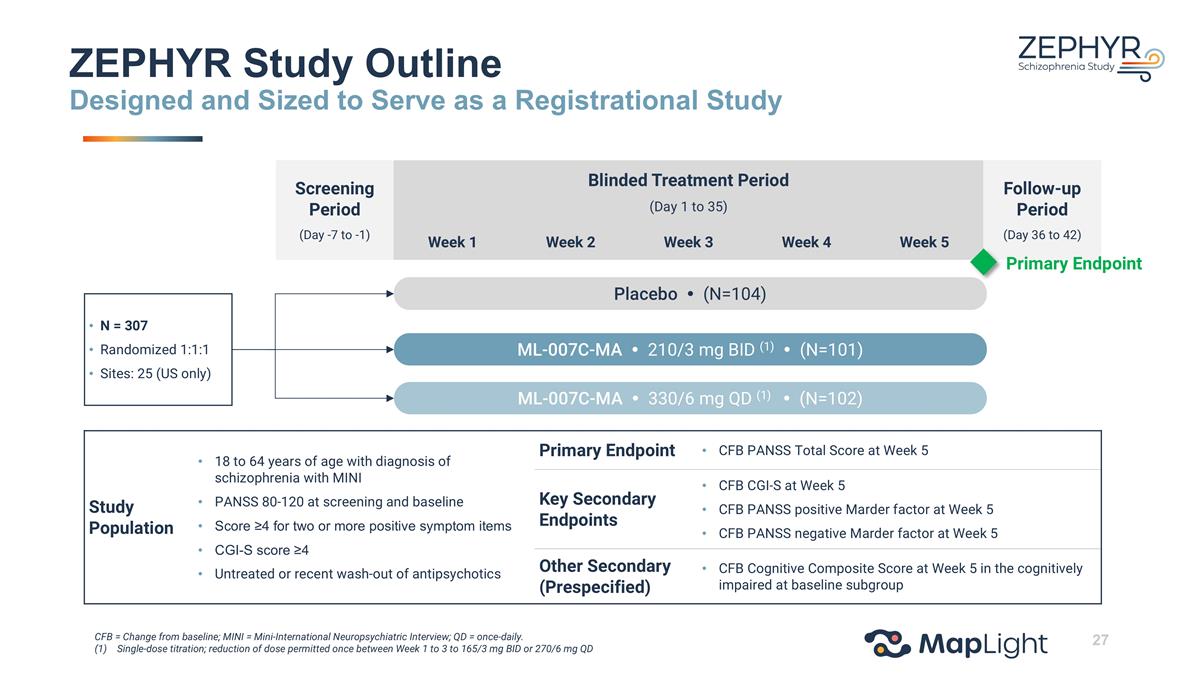
Screening Period (Day -7 to -1) Blinded Treatment Period (Day 1 to 35) Follow-up Period (Day 36 to 42) Week 1 Week 2 Week 3 Week 4 Week 5 N = 307 Randomized 1:1:1 Sites: 25 (US only) Placebo Ÿ (N=104) ML-007C-MA Ÿ 330/6 mg QD (1) Ÿ (N=102) ML-007C-MA Ÿ 210/3 mg BID (1) Ÿ (N=101) Primary Endpoint Study Population 18 to 64 years of age with diagnosis of schizophrenia with MINI PANSS 80-120 at screening and baseline Score ≥4 for two or more positive symptom items CGI-S score ≥4 Untreated or recent wash-out of antipsychotics Primary Endpoint CFB PANSS Total Score at Week 5 Key Secondary Endpoints CFB CGI-S at Week 5 CFB PANSS positive Marder factor at Week 5 CFB PANSS negative Marder factor at Week 5 Other Secondary (Prespecified) CFB Cognitive Composite Score at Week 5 in the cognitively impaired at baseline subgroup ZEPHYR Study Outline Designed and Sized to Serve as a Registrational Study CFB = Change from baseline; MINI = Mini-International Neuropsychiatric Interview; QD = once-daily. Single-dose titration; reduction of dose permitted once between Week 1 to 3 to 165/3 mg BID or 270/6 mg QD
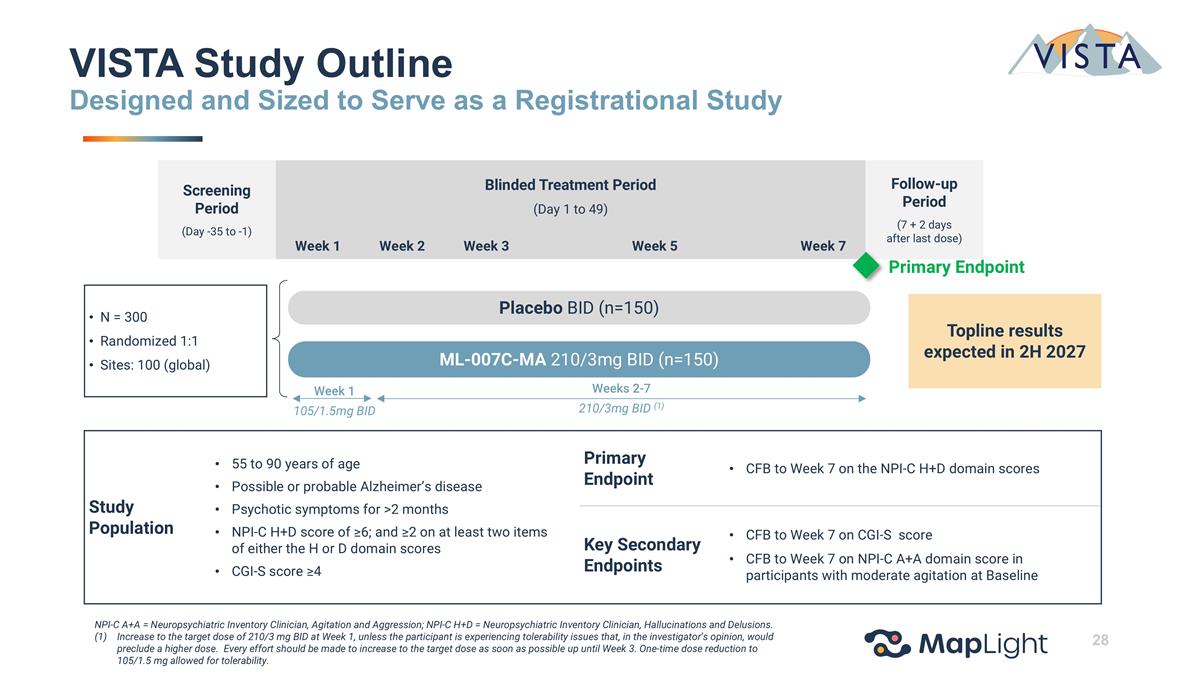
Screening Period (Day -35 to -1) Blinded Treatment Period (Day 1 to 49) Follow-up Period (7 + 2 days after last dose) Week 1 Week 2 Week 3 Week 5 Week 7 ML-007C-MA 210/3mg BID (n=150) Primary Endpoint Week 1 105/1.5mg BID Weeks 2-7 210/3mg BID (1) Placebo BID (n=150) N = 300 Randomized 1:1 Sites: 100 (global) Topline results expected in 2H 2027 VISTA Study Outline Designed and Sized to Serve as a Registrational Study NPI-C A+A = Neuropsychiatric Inventory Clinician, Agitation and Aggression; NPI-C H+D = Neuropsychiatric Inventory Clinician, Hallucinations and Delusions. Increase to the target dose of 210/3 mg BID at Week 1, unless the participant is experiencing tolerability issues that, in the investigator’s opinion, would preclude a higher dose. Every effort should be made to increase to the target dose as soon as possible up until Week 3. One-time dose reduction to 105/1.5 mg allowed for tolerability. Study Population 55 to 90 years of age Possible or probable Alzheimer’s disease Psychotic symptoms for >2 months NPI-C H+D score of ≥6; and ≥2 on at least two items of either the H or D domain scores CGI-S score ≥4 Primary Endpoint CFB to Week 7 on the NPI-C H+D domain scores Key Secondary Endpoints CFB to Week 7 on CGI-S score CFB to Week 7 on NPI-C A+A domain score in participants with moderate agitation at Baseline