Barinthus Biotherapeutics Corporate Presentation Guiding the Immune System to Cure Disease March 2026 Nasdaq: BRNS
Disclosure 2 Cautionary Statement Regarding Forward-Looking Statements This presentation contains forward-looking statements within the meaning of federal securities laws, including the “safe harbor” provisions of the Private Securities Litigation Reform Act of 1995. Such statements are based upon current plans, estimates and expectations of management of Clywedog and Barinthus Bio, in light of historical results and trends, current conditions and potential future developments, and are subject to various risks and uncertainties that could cause actual results to differ materially from such statements. The inclusion of forward-looking statements should not be regarded as a representation that such plans, estimates and expectations will be achieved. Words such as “anticipate,” “believe,” “contemplate,” “continue,” “could,” “estimate,” “expect,” “forecast,” “guidance,” “intend,” “likely,” “may,” “might,” “objective,” “ongoing,” “plan,” “predict,” “possible,” “potential,” “project,” “pursue,” “should,” “target,” “will,” “would” and words and terms of similar substance used in connection with any discussion of future plans, actions or events identify forward-looking statements. All statements, other than historical facts, including express or implied statements regarding the proposed transaction; the conversion of equity interests contemplated by the Merger Agreement; the issuance of shares of common stock of newly formed combined company contemplated by the Merger Agreement; implementation of the proposed transaction through a UK scheme of arrangement and the merger of Clywedog into a wholly owned subsidiary of the combined company; the anticipated percentage of the combined company securities to be received by Clywedog and Barinthus Bio shareholders in connection with the proposed transaction; the expected timing of the closing of the proposed transaction; the ability of the parties to complete the proposed transaction considering the various closing conditions; the expected benefits of the proposed transaction; the competitive ability and position of the combined company after completion of the proposed transaction; future events and anticipated results of operations; business strategies; the anticipated impact of the proposed transaction on the combined company’s business and future financial and operating results; the expected or estimated amount, achievability, sources, impact and timing of cost synergies and revenue, growth, operational enhancement, expansion and other value creation opportunities from the proposed transaction; and any assumptions underlying any of the foregoing, are forward-looking statements. Important factors that could cause actual results to differ materially from Clywedog’s and Barinthus Bio’s plans, estimates or expectations described in such forward-looking statements could include, but are not limited to: (i) the risk that the proposed transaction may not be completed in a timely manner or at all, which may adversely affect Clywedog’s and Barinthus Bio’s businesses and the price of their respective securities; (ii) uncertainties as to the timing of the consummation of the proposed transaction; (iii) the potential failure to receive, on a timely basis or otherwise, the required approvals of the proposed transaction, including stockholder approvals by both Clywedog’s shareholders and Barinthus Bio’s shareholders and the sanction of the High Court of Justice of England and Wales to the Scheme of Arrangement, and the potential failure to satisfy the other conditions to the consummation of the transaction, including the consummation of a self-tender offer as previously disclosed; (iv) that the proposed transaction may involve unexpected costs, liabilities or delays; (v) the effect of the announcement, pendency or completion of the proposed transaction on each of Clywedog’s or Barinthus Bio’s ability to attract, motivate, retain and hire key personnel and maintain relationships with customers, distributors, suppliers and others with whom Clywedog or Barinthus Bio does business, or on Clywedog’s or Barinthus Bio’s operating results and business generally; (vi) that the proposed transaction may divert management’s attention from each of Clywedog’s and Barinthus Bio’s ongoing business operations; (vii) the risk of any legal proceedings related to the proposed transaction or otherwise, or the impact of the proposed transaction thereupon, including resulting expense or delay; (viii) that Clywedog or Barinthus Bio may be adversely affected by other economic, business and/or competitive factors; (ix) the occurrence of any event, change or other circumstance that could give rise to the termination of the Merger Agreement relating to the proposed transaction; (x) the risk that restrictions during the pendency of the proposed transaction may impact Clywedog’s or Barinthus Bio’s ability to pursue certain business opportunities or strategic transactions; (xi) the risk that Clywedog or Barinthus Bio may be unable to obtain governmental and regulatory approvals required for the proposed transaction, or that required governmental and regulatory approvals may delay the consummation of the proposed transaction or result in the imposition of conditions that could reduce the anticipated benefits of the proposed transaction or cause the parties to abandon the proposed transaction; (xii) the risk that the anticipated benefits of the proposed transaction may otherwise not be fully realized or may take longer to realize than expected; (xiii) the impact of legislative, regulatory, economic, competitive and technological changes; (xiv) risks relating to the value of the combined company securities to be issued in the proposed transaction; (xv) the risk that integration of the proposed transaction post-closing may not occur as anticipated or the combined company may not be able to achieve the growth prospects expected from the transaction; (xvi) the effect of the announcement, pendency or completion of the proposed transaction on the market price of the ADSs of Barinthus Bio; (xvii) the implementation of each of Clywedog’s and Barinthus Bio’s business model and strategic plans for product candidates and pipeline, and challenges inherent in developing, commercializing, manufacturing, launching, marketing and selling potential existing and new products; (xviii) the scope, progress, results and costs of developing Clywedog’s and Barinthus Bio’s product candidates and any future product candidates, including conducting preclinical studies and clinical trials, and otherwise related to the research and development of Clywedog’s and Barinthus Bio’s pipeline; (xix) the timing and costs involved in obtaining and maintaining regulatory approval for Clywedog’s and Barinthus Bio’s current or future product candidates, and any related restrictions, limitations and/or warnings in the label of an approved product; (xx) the market for, adoption (including rate and degree of market acceptance) and pricing and reimbursement of Clywedog’s and Barinthus Bio’s product candidates and their respective abilities to compete with therapies and procedures that are rapidly growing and evolving; (xxi) uncertainties in contractual relationships, including collaborations, partnerships, licensing or other arrangements and the performance of third-party suppliers and manufacturers; (xxii) the ability of each of Clywedog and Barinthus Bio to establish and maintain intellectual property protection for their respective product candidates and products or avoid or defend claims of infringement; (xxiii) exposure to inflation, currency rate and interest rate fluctuations and risks associated with doing business locally and internationally, as well as fluctuations in the market price of the ADSs of Barinthus Bio; (xxiv) risks relating to competition within the industry in which each of Clywedog and Barinthus Bio operates; (xxv) the unpredictability and severity of catastrophic events, including, but not limited to, acts of terrorism or outbreak of war or hostilities; (xxvi) whether the termination of any of Clywedog’s or Barinthus Bio’s license agreements and/or collaboration agreements may impact the combined company’s ability to license in additional programs in the future and the risk of delays or unforeseen costs in terminating such arrangements; and (xxvii) Clywedog’s and Barinthus Bio’s response to any of the aforementioned factors. Additional factors that may affect the future results of Barinthus Bio are set forth in Barinthus Bio’s filings with the U.S. Securities and Exchange Commission (the “SEC”), including Barinthus Bio’s most recently filed registration statement to register the common stock, $0.0001 par value per share, of the combined company (“Topco Common Stock”) to be issued in connection with the proposed transaction (the “Registration Statement”), Annual Report on Form 10-K, subsequent Quarterly Reports on Form 10-Q, Current Reports on Form 8-K and other filings with the SEC, which are available on the SEC’s website at www.sec.gov. See in particular Item 1A of each of Barinthus Bio’s Annual Report on Form 10-K for the fiscal year ended December 31, 2025 under the headings “Risk Factors.” The risks and uncertainties described above and in the SEC filings cited above are not exclusive and further information concerning Clywedog and Barinthus Bio and their respective businesses, including factors that potentially could materially affect their respective businesses, financial conditions or operating results, may emerge from time to time. While the list of factors presented here is, and the list of factors presented in the Registration Statement are, considered representative, no such list should be considered to be a complete statement of all potential risks and uncertainties. Readers are urged to consider these factors carefully in evaluating these forward-looking statements, and not to place undue reliance on any forward-looking statements, which speak only as of the date hereof. Except as required by law, each of Clywedog and Barinthus Bio assumes no obligation to update or revise these forward-looking statements, whether as a result of new information, future events or otherwise.
Disclosure Additional Information and Where to Find It In connection with the proposed transaction, the combined company filed the Registration Statement with the SEC. The Registration Statement includes a proxy statement/prospectus which will be mailed or otherwise provided to Barinthus Bio’s investors and security holders of Topco Common Stock. BARINTHUS BIO’S INVESTORS AND SECURITY HOLDERS ARE URGED TO CAREFULLY READ THE REGISTRATION STATEMENT AND THE RELATED PROXY STATEMENT/PROSPECTUS, AS WELL AS ANY AMENDMENT OR SUPPLEMENTS TO THOSE DOCUMENTS IN THEIR ENTIRETY AND ANY OTHER DOCUMENTS FILED BY BARINTHUS BIO WITH THE SEC IN CONNECTION WITH THE PROPOSED TRANSACTION OR INCORPORATED BY REFERENCE THEREIN BECAUSE THEY WILL CONTAIN IMPORTANT INFORMATION ABOUT THE PROPOSED TRANSACTION AND THE PARTIES TO THE PROPOSED TRANSACTION. Investors and security holders may obtain a free copy of the Registration Statement and other documents that the combined company files with the SEC (when available) from the SEC’s website at www.sec.gov or at investors.barinthusbio.com. No Offer or Solicitation This presentation is not intended to and shall not constitute an offer to buy or sell or the solicitation of an offer to buy or sell any securities, nor shall there be any offer, solicitation or sale of securities in any jurisdiction in which such offer, solicitation or sale would be unlawful prior to registration or qualification under the securities laws of any such jurisdiction. No offering of securities shall be made except by means of a prospectus meeting the requirements of Section 10 of the Securities Act of 1933, as amended, and otherwise in accordance with applicable law. Participants in the Solicitation Clywedog, Barinthus Bio and their respective directors, executive officers, other members of management, certain employees and other persons may be deemed to be participants in the solicitation of proxies from the security holders of Barinthus Bio in connection with the proposed transaction. Security holders may obtain information regarding the names, affiliations and interests of Barinthus Bio’s directors and executive officers in Barinthus Bio’s Annual Report on Form 10-K for the fiscal year ended December 31, 2025, which was filed with the SEC on March 13, 2026. To the extent holdings of Barinthus Bio’s securities by Barinthus Bio’s directors and executive officers have changed since the amounts set forth in such Annual Report on Form 10-K, such changes have been or will be reflected on subsequent Statements of Changes in Beneficial Ownership on Form 4 filed with the SEC. Additional information regarding the interests of such individuals in the proposed transaction will be included in the Registration Statement relating to the proposed transaction when it is filed with the SEC. These documents (when available) may be obtained free of charge from the SEC’s website at www.sec.gov and Barinthus Bio’s website at investors.barinthusbio.com. 3
Our Mission To advance the next generation of immunotherapies for autoimmunity and inflammatory diseases.
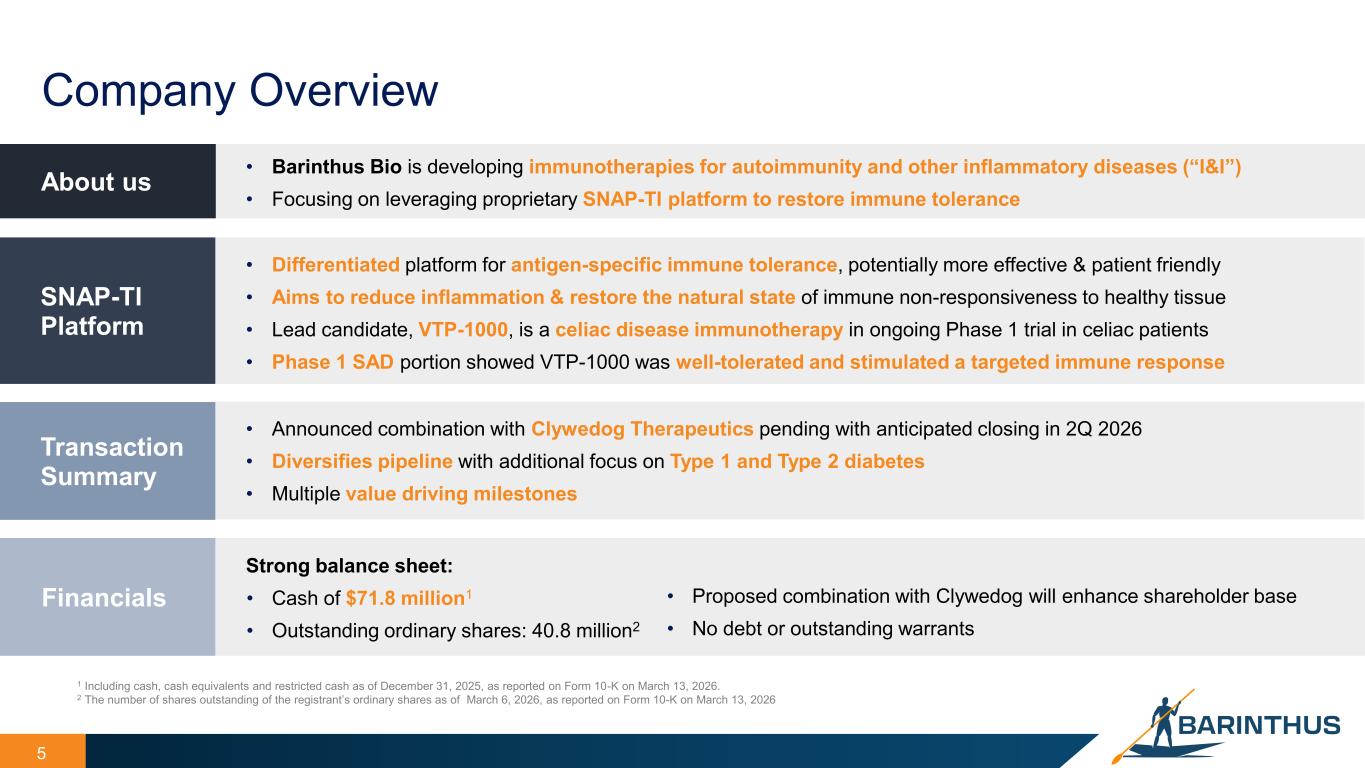
Company Overview 5 About us • Barinthus Bio is developing immunotherapies for autoimmunity and other inflammatory diseases (“I&I”) • Focusing on leveraging proprietary SNAP-TI platform to restore immune tolerance SNAP-TI Platform • Differentiated platform for antigen-specific immune tolerance, potentially more effective & patient friendly • Aims to reduce inflammation & restore the natural state of immune non-responsiveness to healthy tissue • Lead candidate, VTP-1000, is a celiac disease immunotherapy in ongoing Phase 1 trial in celiac patients • Phase 1 SAD portion showed VTP-1000 was well-tolerated and stimulated a targeted immune response Strong balance sheet: • Cash of $71.8 million1 • Outstanding ordinary shares: 40.8 million2 Financials 1 Including cash, cash equivalents and restricted cash as of December 31, 2025, as reported on Form 10-K on March 13, 2026. 2 The number of shares outstanding of the registrant’s ordinary shares as of March 6, 2026, as reported on Form 10-K on March 13, 2026 Transaction Summary • Announced combination with Clywedog Therapeutics pending with anticipated closing in 2Q 2026 • Diversifies pipeline with additional focus on Type 1 and Type 2 diabetes • Multiple value driving milestones • Proposed combination with Clywedog will enhance shareholder base • No debt or outstanding warrants
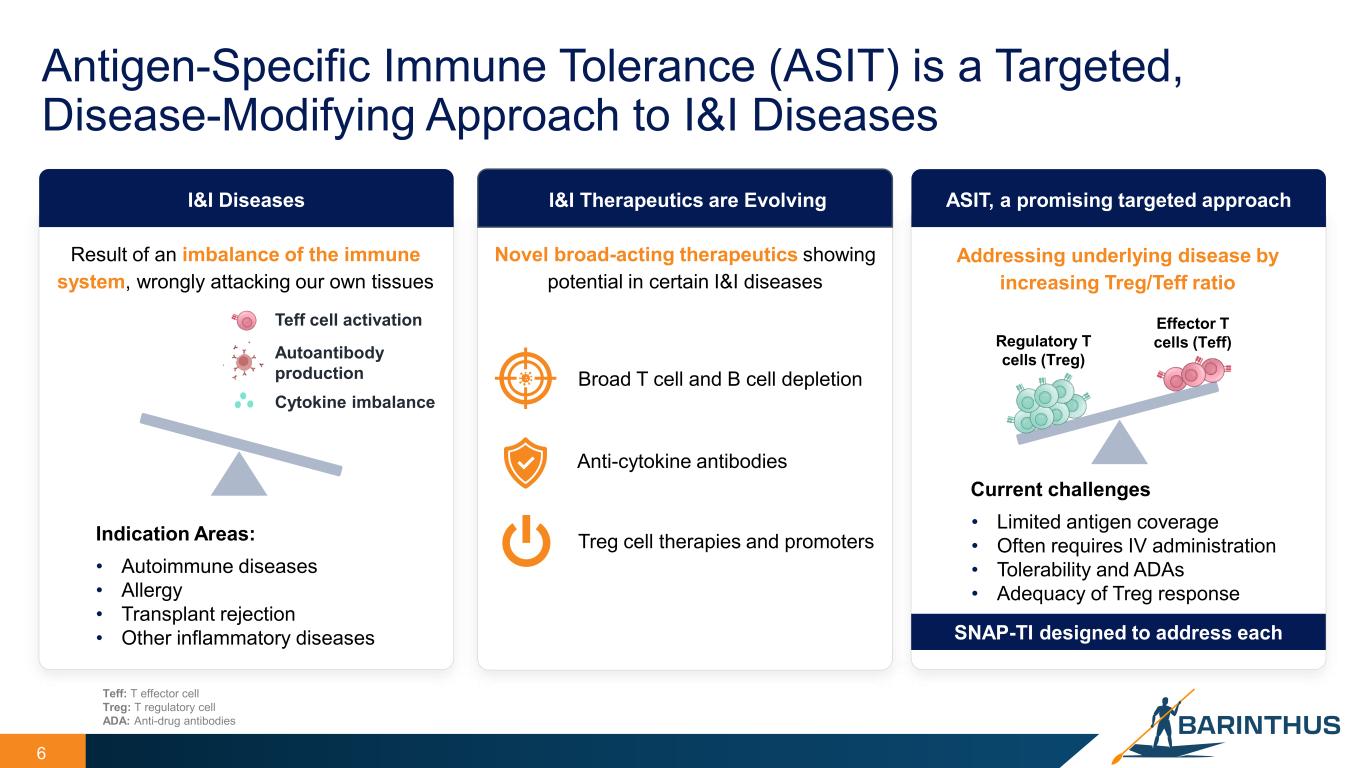
Antigen-Specific Immune Tolerance (ASIT) is a Targeted, Disease-Modifying Approach to I&I Diseases 6 I&I Diseases Indication Areas: • Autoimmune diseases • Allergy • Transplant rejection • Other inflammatory diseases I&I Therapeutics are Evolving ASIT, a promising targeted approach Current challenges • Limited antigen coverage • Often requires IV administration • Tolerability and ADAs • Adequacy of Treg response Treg cell therapies and promoters Broad T cell and B cell depletion Anti-cytokine antibodies SNAP-TI designed to address each Teff cell activation Autoantibody production Cytokine imbalance Result of an imbalance of the immune system, wrongly attacking our own tissues Novel broad-acting therapeutics showing potential in certain I&I diseases Addressing underlying disease by increasing Treg/Teff ratio Teff: T effector cell Treg: T regulatory cell ADA: Anti-drug antibodies Effector T cells (Teff)Regulatory T cells (Treg)
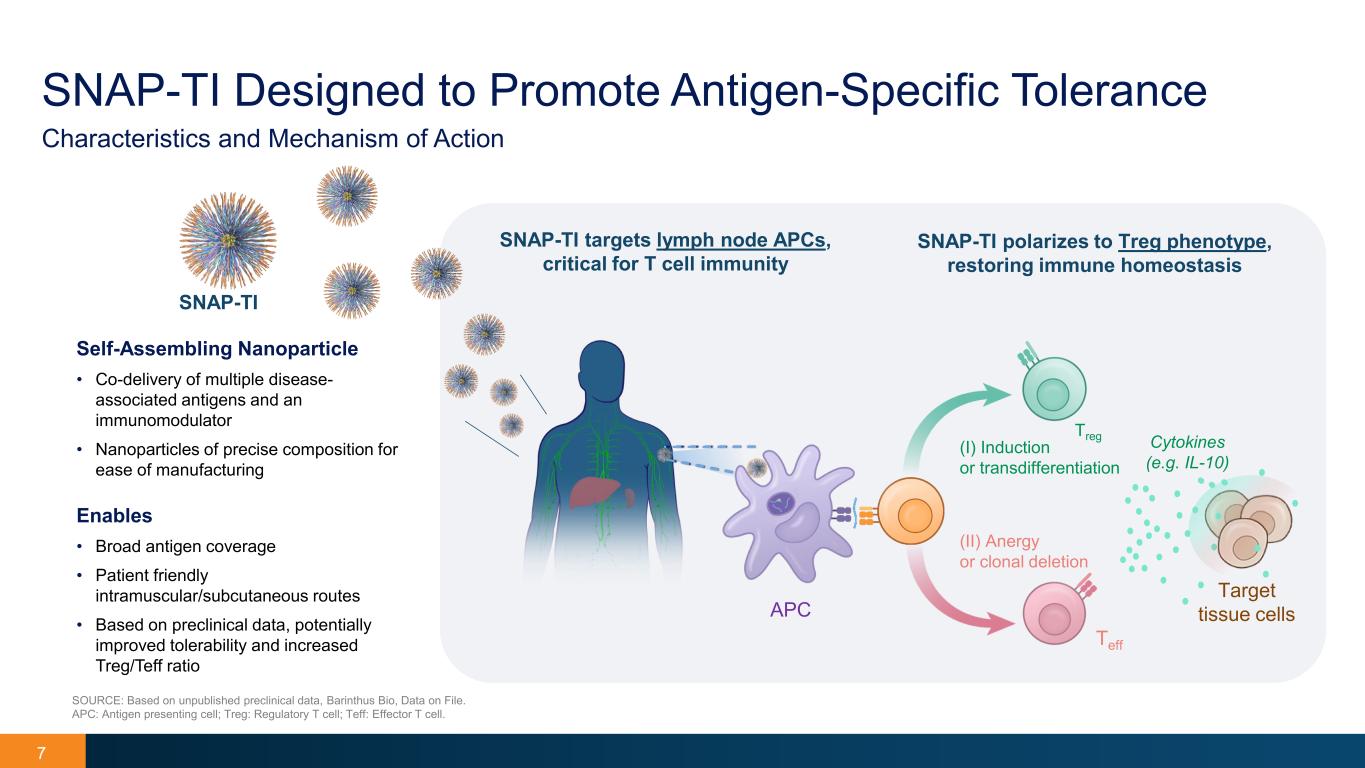
Teff 7 SOURCE: Based on unpublished preclinical data, Barinthus Bio, Data on File. APC: Antigen presenting cell; Treg: Regulatory T cell; Teff: Effector T cell. (II) Anergy or clonal deletion (I) Induction or transdifferentiation SNAP-TI targets lymph node APCs, critical for T cell immunity Treg SNAP-TI polarizes to Treg phenotype, restoring immune homeostasis Cytokines (e.g. IL-10) APC Target tissue cells Characteristics and Mechanism of Action SNAP-TI Designed to Promote Antigen-Specific Tolerance Enables • Broad antigen coverage • Patient friendly intramuscular/subcutaneous routes • Based on preclinical data, potentially improved tolerability and increased Treg/Teff ratio Self-Assembling Nanoparticle • Co-delivery of multiple disease- associated antigens and an immunomodulator • Nanoparticles of precise composition for ease of manufacturing SNAP-TI
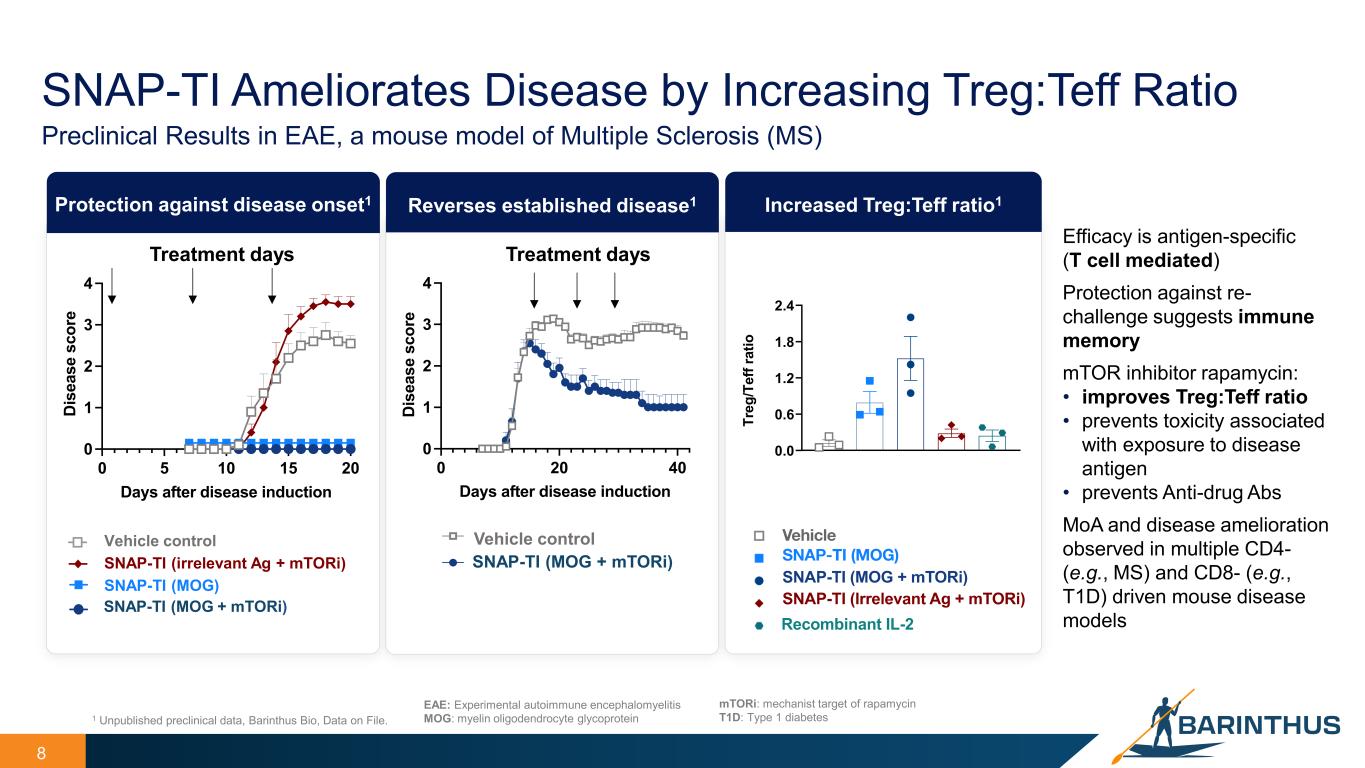
8 SNAP-TI Ameliorates Disease by Increasing Treg:Teff Ratio 1 Unpublished preclinical data, Barinthus Bio, Data on File. EAE: Experimental autoimmune encephalomyelitis MOG: myelin oligodendrocyte glycoprotein Preclinical Results in EAE, a mouse model of Multiple Sclerosis (MS) Efficacy is antigen-specific (T cell mediated) Protection against re- challenge suggests immune memory mTOR inhibitor rapamycin: • improves Treg:Teff ratio • prevents toxicity associated with exposure to disease antigen • prevents Anti-drug Abs MoA and disease amelioration observed in multiple CD4- (e.g., MS) and CD8- (e.g., T1D) driven mouse disease models mTORi: mechanist target of rapamycin T1D: Type 1 diabetes Protection against disease onset1 Reverses established disease1 Treatment days 0 20 40 0 1 2 3 4 Days after disease induction D is e a s e s c o re Treatment days [1] Vehicle [6] SNAPvax TV MOG; Rapamycin; 40 nmol Vehicle control SNAP-TI (MOG + mTORi) 0 5 10 15 20 0 1 2 3 4 Days after disease induction D is e a s e s c o re Increased Treg:Teff ratio1 Vehicle control SNAP-TI (MOG + mTORi) SNAP-TI (MOG) SNAP-TI (irrelevant Ag + mTORi) 0 5 10 15 20 0 1 2 3 4 Day D is e a s e s c o re Legend Legend Legend Legend 0 5 10 15 20 0 1 2 3 4 Day D is e a s e s c o re Legend Legend Legend Legend 0 5 10 15 20 0 1 2 3 4 Day D is e a s e s c o re Legend Legend Legend Legend 0.0 0.6 1.2 1.8 2.4 T re g /T e ff r a ti o
VTP-1000 Celiac Disease Immunotherapeutic Guiding the immune system to cure disease
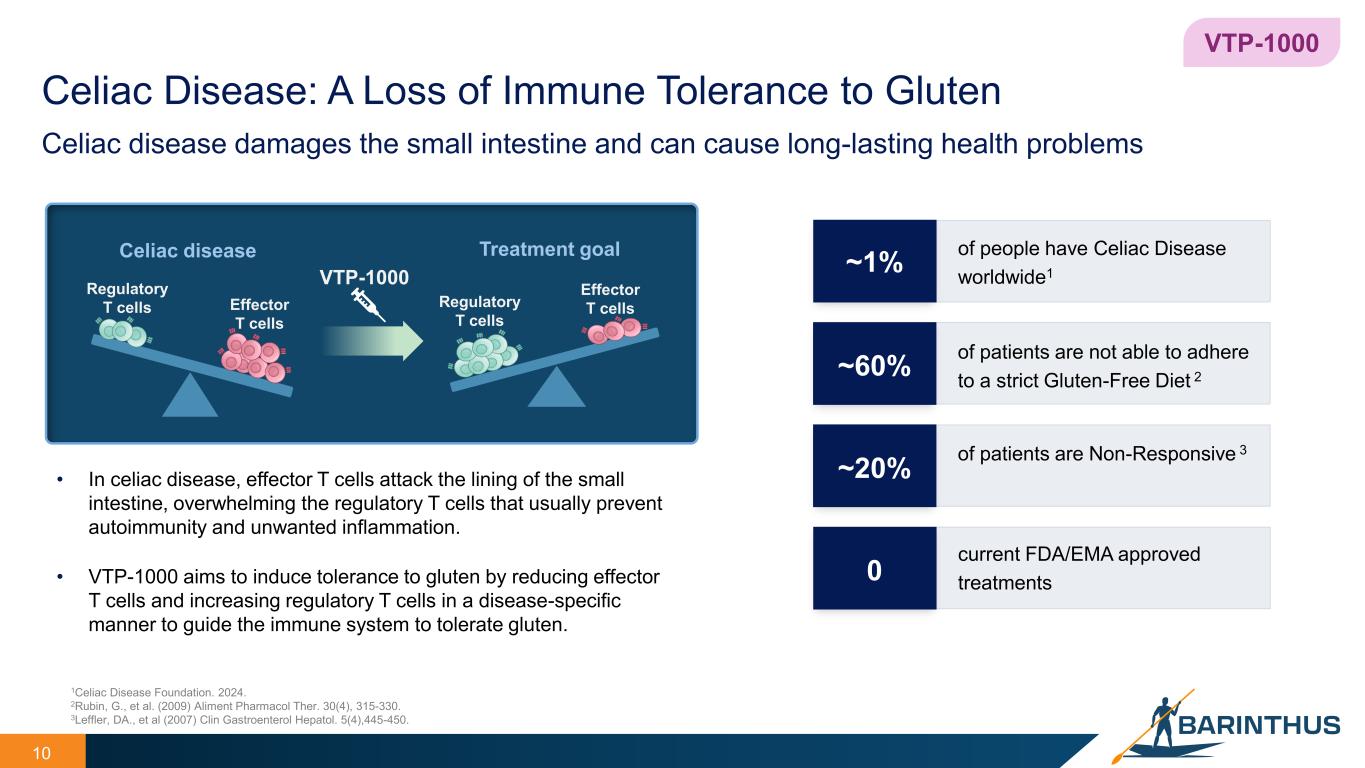
10 VTP-1000 • In celiac disease, effector T cells attack the lining of the small intestine, overwhelming the regulatory T cells that usually prevent autoimmunity and unwanted inflammation. • VTP-1000 aims to induce tolerance to gluten by reducing effector T cells and increasing regulatory T cells in a disease-specific manner to guide the immune system to tolerate gluten. Celiac disease Treatment goal Regulatory T cells Effector T cells VTP-1000 Regulatory T cells Effector T cells of people have Celiac Disease worldwide1~1% of patients are not able to adhere to a strict Gluten-Free Diet 2 ~60% of patients are Non-Responsive 3 ~20% current FDA/EMA approved treatments0 1Celiac Disease Foundation. 2024. 2Rubin, G., et al. (2009) Aliment Pharmacol Ther. 30(4), 315-330. 3Leffler, DA., et al (2007) Clin Gastroenterol Hepatol. 5(4),445-450. Celiac Disease: A Loss of Immune Tolerance to Gluten Celiac disease damages the small intestine and can cause long-lasting health problems
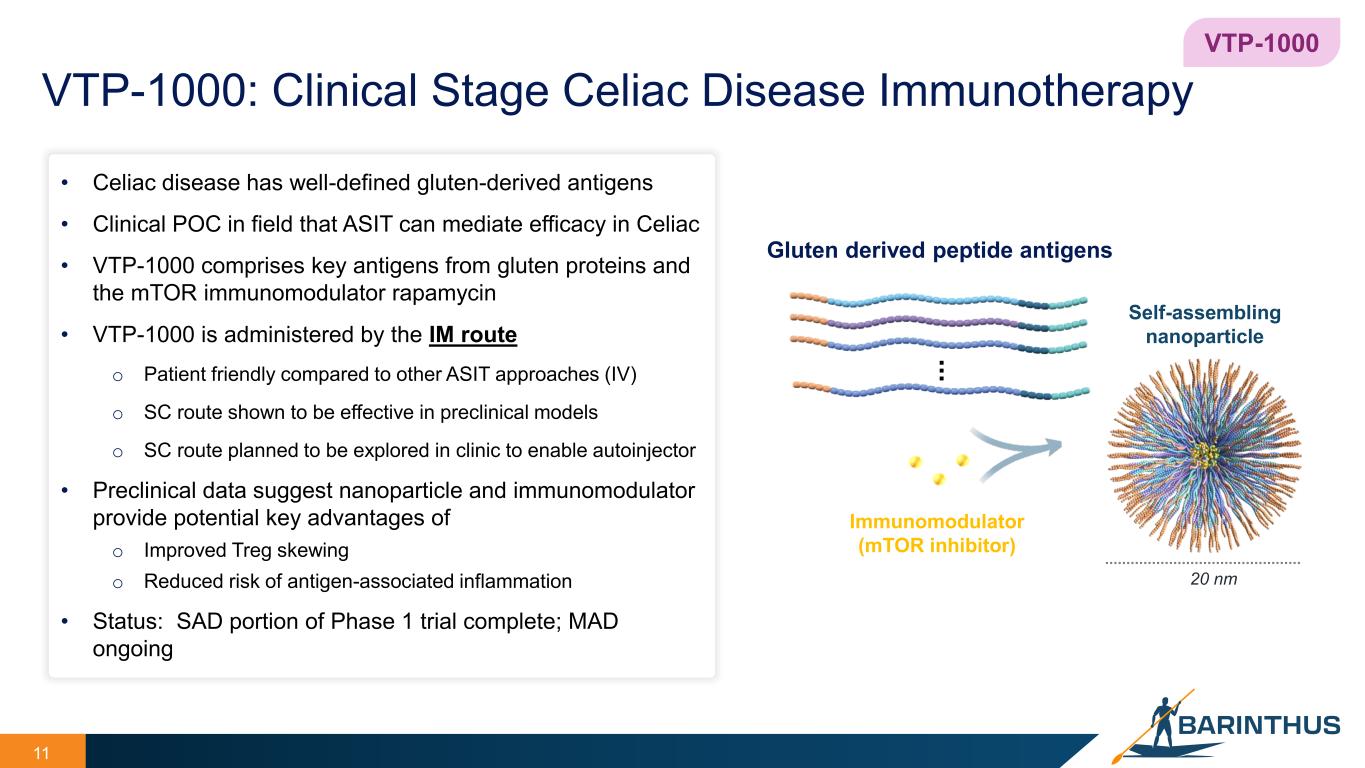
VTP-1000: Clinical Stage Celiac Disease Immunotherapy 11 • Celiac disease has well-defined gluten-derived antigens • Clinical POC in field that ASIT can mediate efficacy in Celiac • VTP-1000 comprises key antigens from gluten proteins and the mTOR immunomodulator rapamycin • VTP-1000 is administered by the IM route o Patient friendly compared to other ASIT approaches (IV) o SC route shown to be effective in preclinical models o SC route planned to be explored in clinic to enable autoinjector • Preclinical data suggest nanoparticle and immunomodulator provide potential key advantages of o Improved Treg skewing o Reduced risk of antigen-associated inflammation • Status: SAD portion of Phase 1 trial complete; MAD ongoing 20 nm Gluten derived peptide antigens Immunomodulator (mTOR inhibitor) .. . Self-assembling nanoparticle VTP-1000
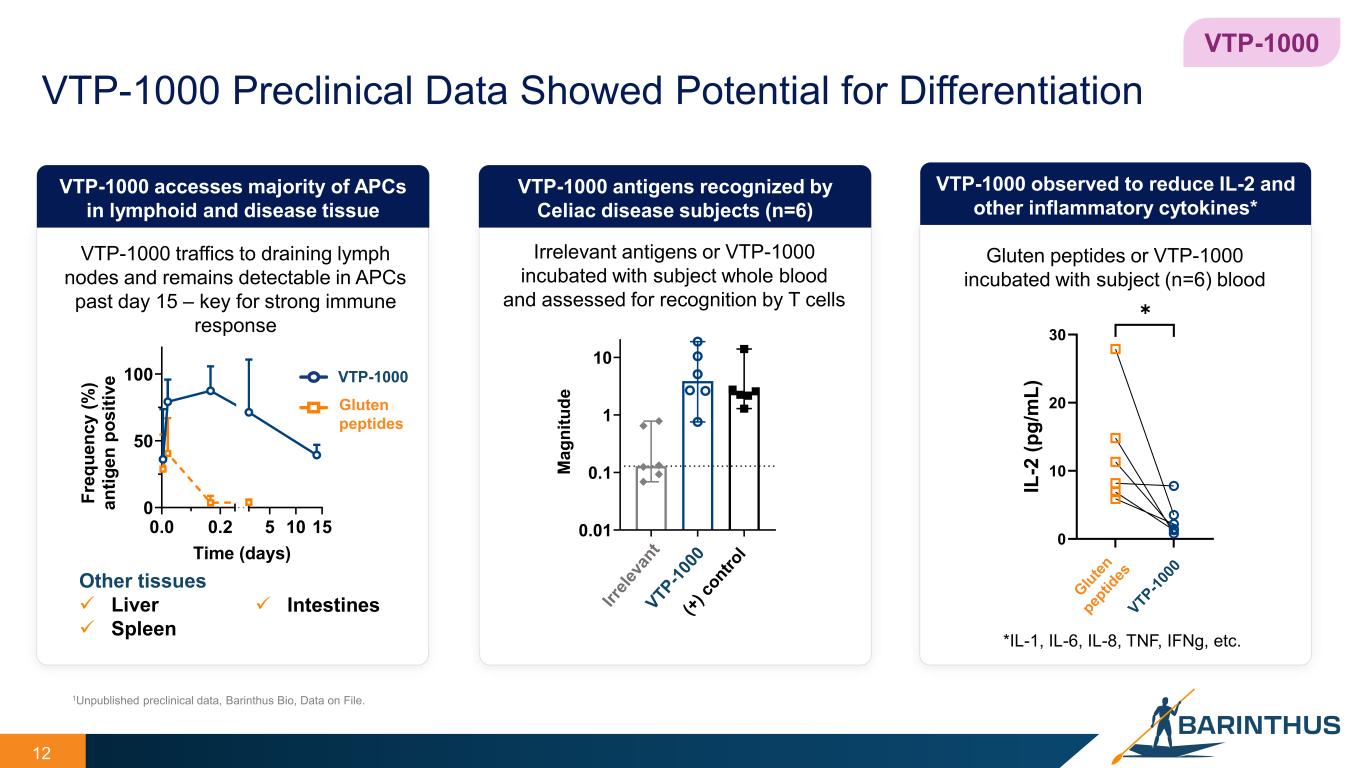
12 VTP-1000 antigens recognized by Celiac disease subjects (n=6) VTP-1000 observed to reduce IL-2 and other inflammatory cytokines* *IL-1, IL-6, IL-8, TNF, IFNg, etc. VTP-1000 1Unpublished preclinical data, Barinthus Bio, Data on File. Irrelevant antigens or VTP-1000 incubated with subject whole blood and assessed for recognition by T cells Other tissues ✓ Liver ✓ Spleen 0.0 0.1 0.2 5 10 15 1 10 100 Time (days) F lu o re s c e n c e in te n s it y (F o ld c h a n g e ) Intestines VTP-1000 Free peptide TP-1000 Gluten peptides Gluten peptides or VTP-1000 incubated with subject (n=6) blood VTP-1000 traffics to draining lymph nodes and remains detectable in APCs past day 15 – key for strong immune response 0.0 0.2 5 10 15 0 50 100 Time (days) F re q u e n c y ( % ) a n ti g e n p o s it iv e 0.01 0.1 1 10 M a g n it u d e 0 10 20 30 IL -2 ( p g /m L ) ✱ ✓ Intestines VTP-1000 accesses majority of APCs in lymphoid and disease tissue VTP-1000 Preclinical Data Showed Potential for Differentiation
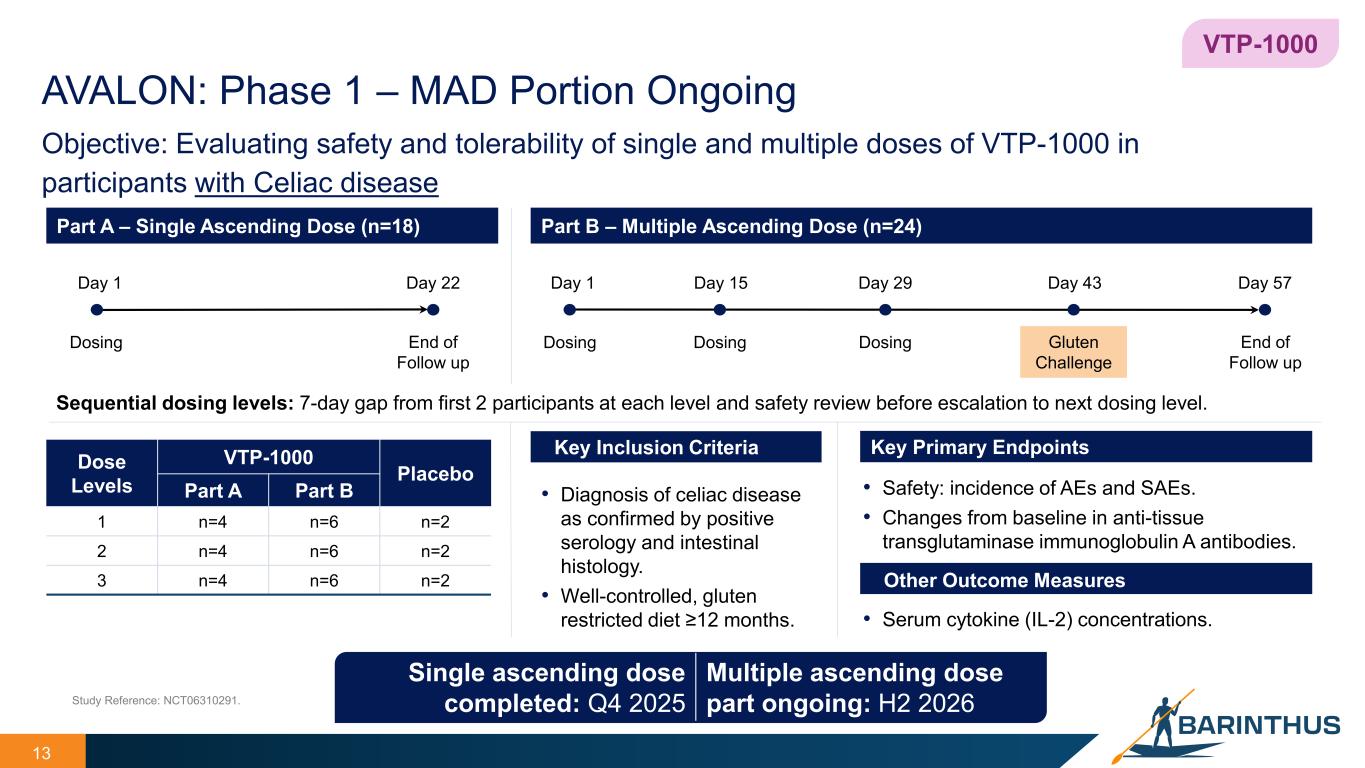
13 Key Inclusion Criteria Part A – Single Ascending Dose (n=18) Part B – Multiple Ascending Dose (n=24) Key Primary Endpoints VTP-1000 Dose Levels VTP-1000 Placebo Part A Part B 1 n=4 n=6 n=2 2 n=4 n=6 n=2 3 n=4 n=6 n=2 • Safety: incidence of AEs and SAEs. • Changes from baseline in anti-tissue transglutaminase immunoglobulin A antibodies. Other Outcome Measures • Serum cytokine (IL-2) concentrations. • Diagnosis of celiac disease as confirmed by positive serology and intestinal histology. • Well-controlled, gluten restricted diet ≥12 months. Study Reference: NCT06310291. Dosing End of Follow up Day 1 Day 22 Day 1 Day 57Day 15 Day 29 Day 43 Dosing Dosing Dosing End of Follow up Gluten Challenge Sequential dosing levels: 7-day gap from first 2 participants at each level and safety review before escalation to next dosing level. Single ascending dose completed: Q4 2025 Multiple ascending dose part ongoing: H2 2026 AVALON: Phase 1 – MAD Portion Ongoing Objective: Evaluating safety and tolerability of single and multiple doses of VTP-1000 in participants with Celiac disease
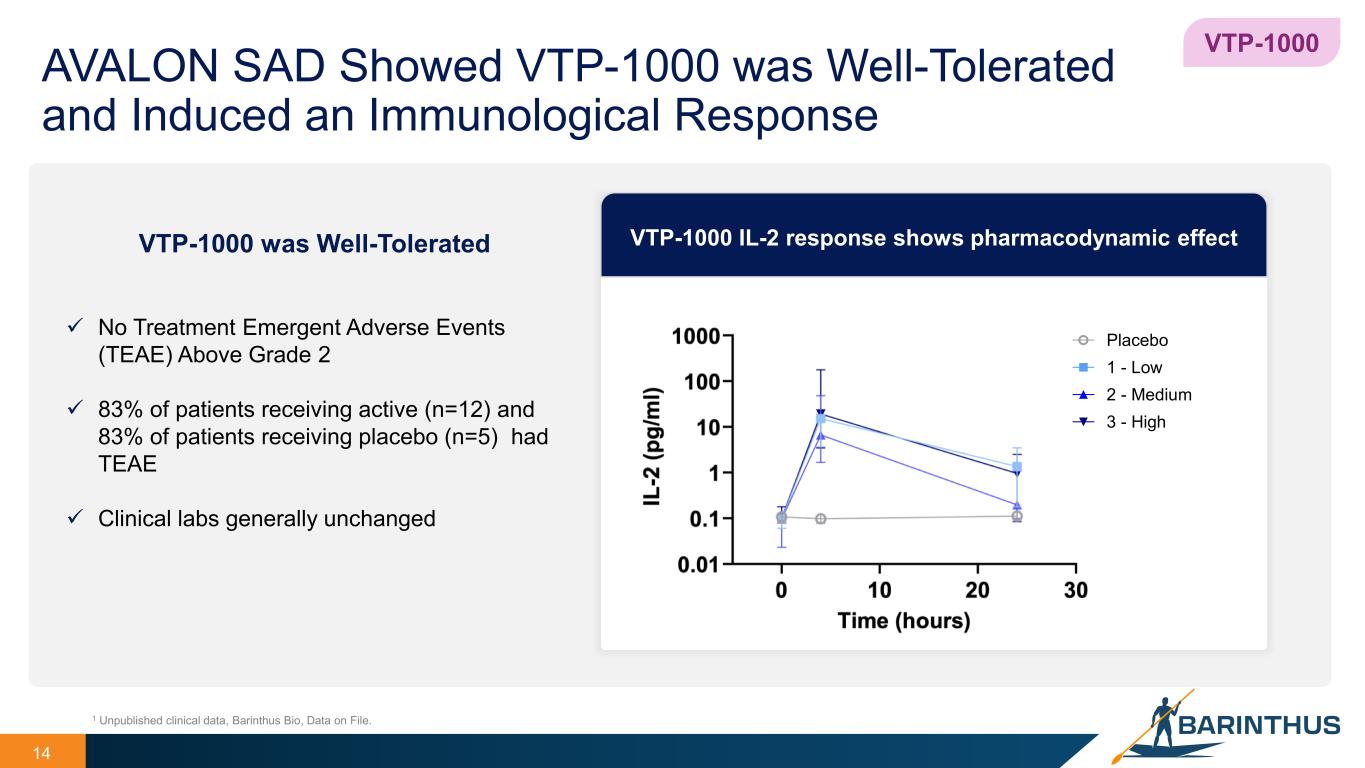
AVALON SAD Showed VTP-1000 was Well-Tolerated and Induced an Immunological Response 14 VTP-1000 0 10 20 30 0.01 0.1 1 10 100 1000 Sera IL-2 all cohorts QC Time (hours) IL -2 ( p g /m l) Placebo 1 - Low 2 - Medium 3 - High VTP-1000 IL-2 response shows pharmacodynamic effectVTP-1000 was Well-Tolerated ✓ No Treatment Emergent Adverse Events (TEAE) Above Grade 2 ✓ 83% of patients receiving active (n=12) and 83% of patients receiving placebo (n=5) had TEAE ✓ Clinical labs generally unchanged 1 Unpublished clinical data, Barinthus Bio, Data on File.
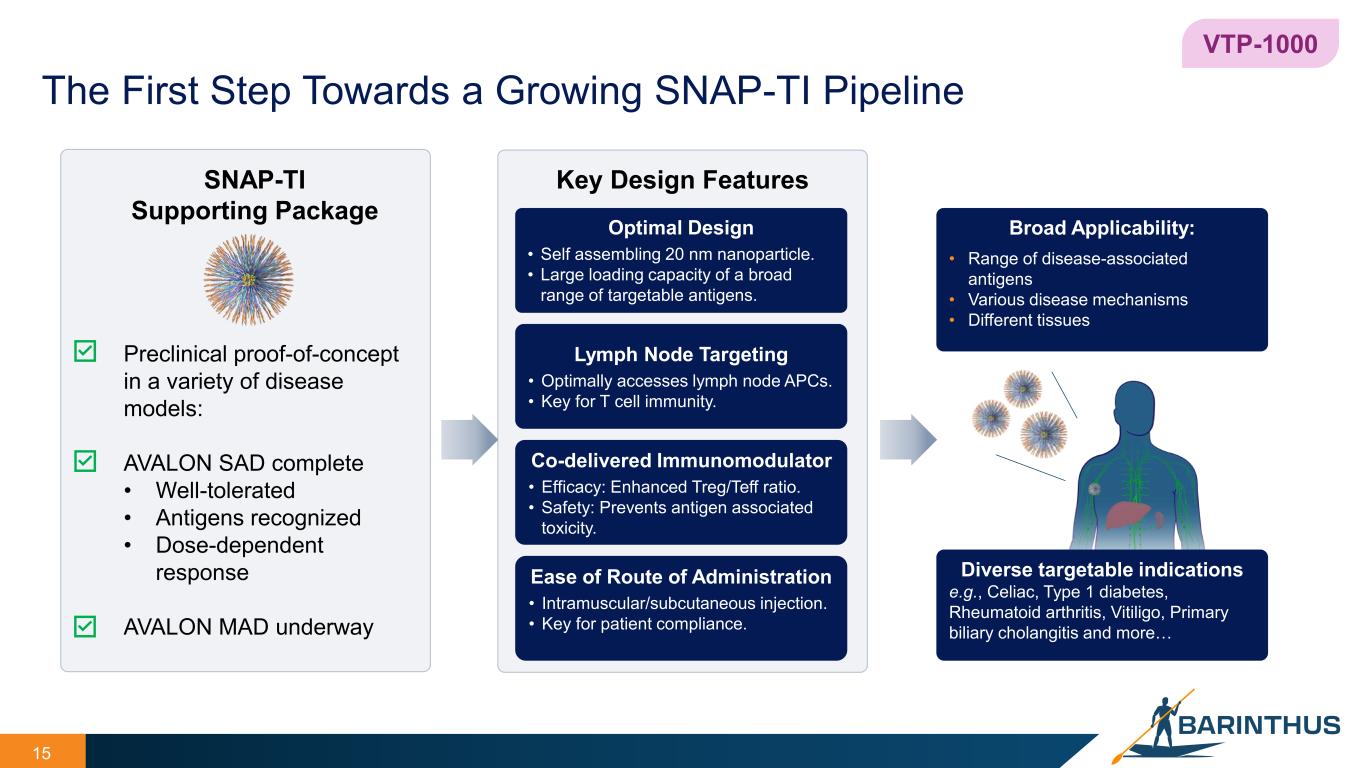
15 Key Design Features Optimal Design • Self assembling 20 nm nanoparticle. • Large loading capacity of a broad range of targetable antigens. Lymph Node Targeting • Optimally accesses lymph node APCs. • Key for T cell immunity. Co-delivered Immunomodulator • Efficacy: Enhanced Treg/Teff ratio. • Safety: Prevents antigen associated toxicity. Ease of Route of Administration • Intramuscular/subcutaneous injection. • Key for patient compliance. SNAP-TI Supporting Package VTP-1000 Diverse targetable indications e.g., Celiac, Type 1 diabetes, Rheumatoid arthritis, Vitiligo, Primary biliary cholangitis and more… Broad Applicability: • Range of disease-associated antigens • Various disease mechanisms • Different tissues The First Step Towards a Growing SNAP-TI Pipeline Preclinical proof-of-concept in a variety of disease models: AVALON SAD complete • Well-tolerated • Antigens recognized • Dose-dependent response AVALON MAD underway
Company Highlights Guiding the immune system to cure disease
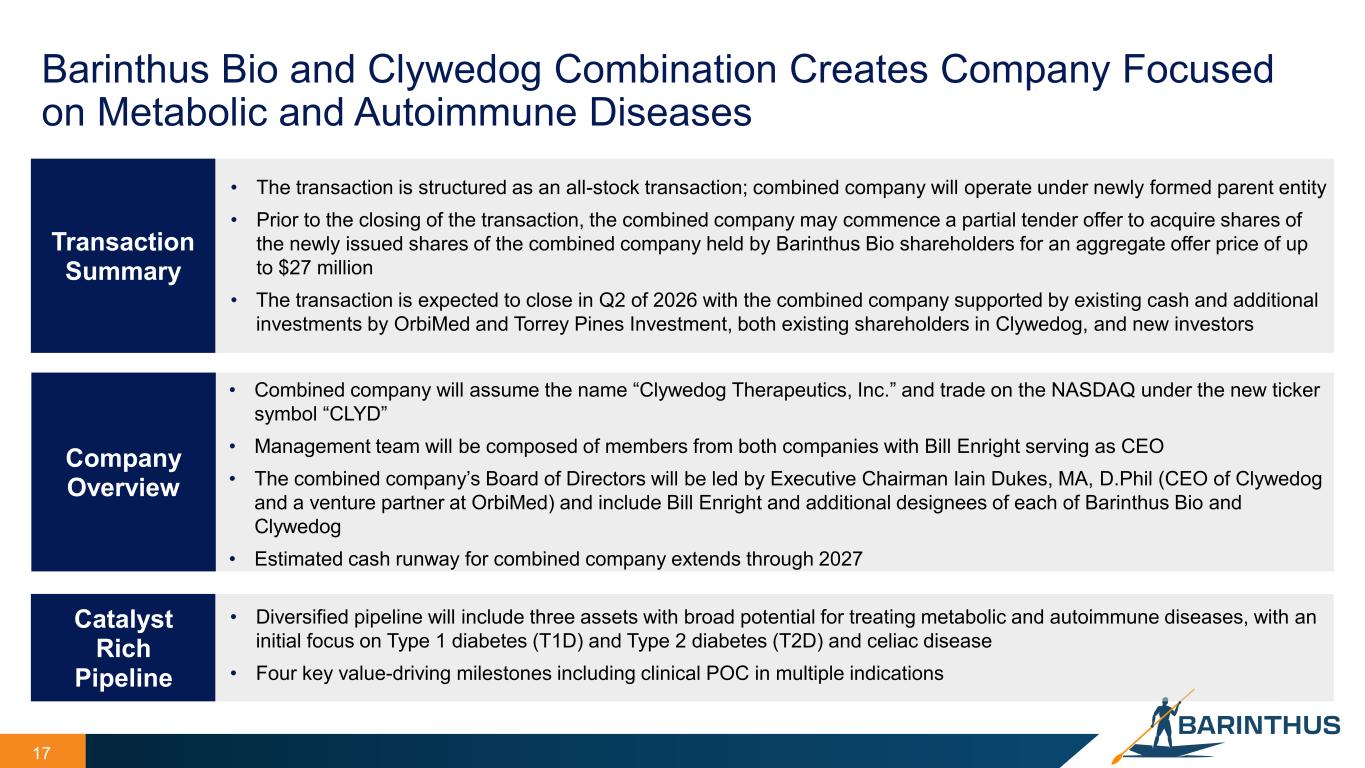
Barinthus Bio and Clywedog Combination Creates Company Focused on Metabolic and Autoimmune Diseases 17 Transaction Summary • The transaction is structured as an all-stock transaction; combined company will operate under newly formed parent entity • Prior to the closing of the transaction, the combined company may commence a partial tender offer to acquire shares of the newly issued shares of the combined company held by Barinthus Bio shareholders for an aggregate offer price of up to $27 million • The transaction is expected to close in Q2 of 2026 with the combined company supported by existing cash and additional investments by OrbiMed and Torrey Pines Investment, both existing shareholders in Clywedog, and new investors Company Overview • Combined company will assume the name “Clywedog Therapeutics, Inc.” and trade on the NASDAQ under the new ticker symbol “CLYD” • Management team will be composed of members from both companies with Bill Enright serving as CEO • The combined company’s Board of Directors will be led by Executive Chairman Iain Dukes, MA, D.Phil (CEO of Clywedog and a venture partner at OrbiMed) and include Bill Enright and additional designees of each of Barinthus Bio and Clywedog • Estimated cash runway for combined company extends through 2027 Catalyst Rich Pipeline • Diversified pipeline will include three assets with broad potential for treating metabolic and autoimmune diseases, with an initial focus on Type 1 diabetes (T1D) and Type 2 diabetes (T2D) and celiac disease • Four key value-driving milestones including clinical POC in multiple indications
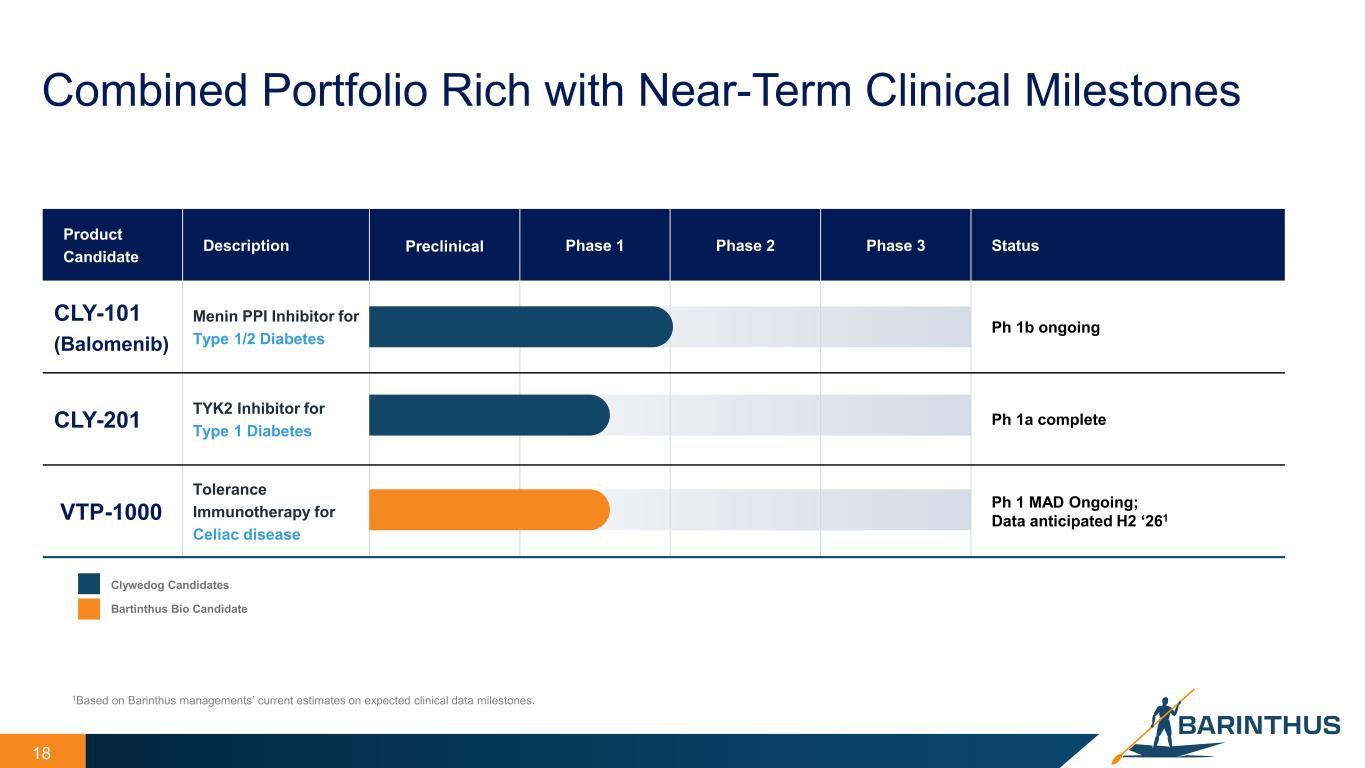
18 1Based on Barinthus managements’ current estimates on expected clinical data milestones. Product Candidate Description Preclinical Phase 1 Phase 2 Phase 3 Status CLY-101 (Balomenib) Menin PPI Inhibitor for Type 1/2 Diabetes Ph 1b ongoing CLY-201 TYK2 Inhibitor for Type 1 Diabetes Ph 1a complete VTP-1000 Tolerance Immunotherapy for Celiac disease Ph 1 MAD Ongoing; Data anticipated H2 ‘261 Clywedog Candidates Bartinthus Bio Candidate Combined Portfolio Rich with Near-Term Clinical Milestones
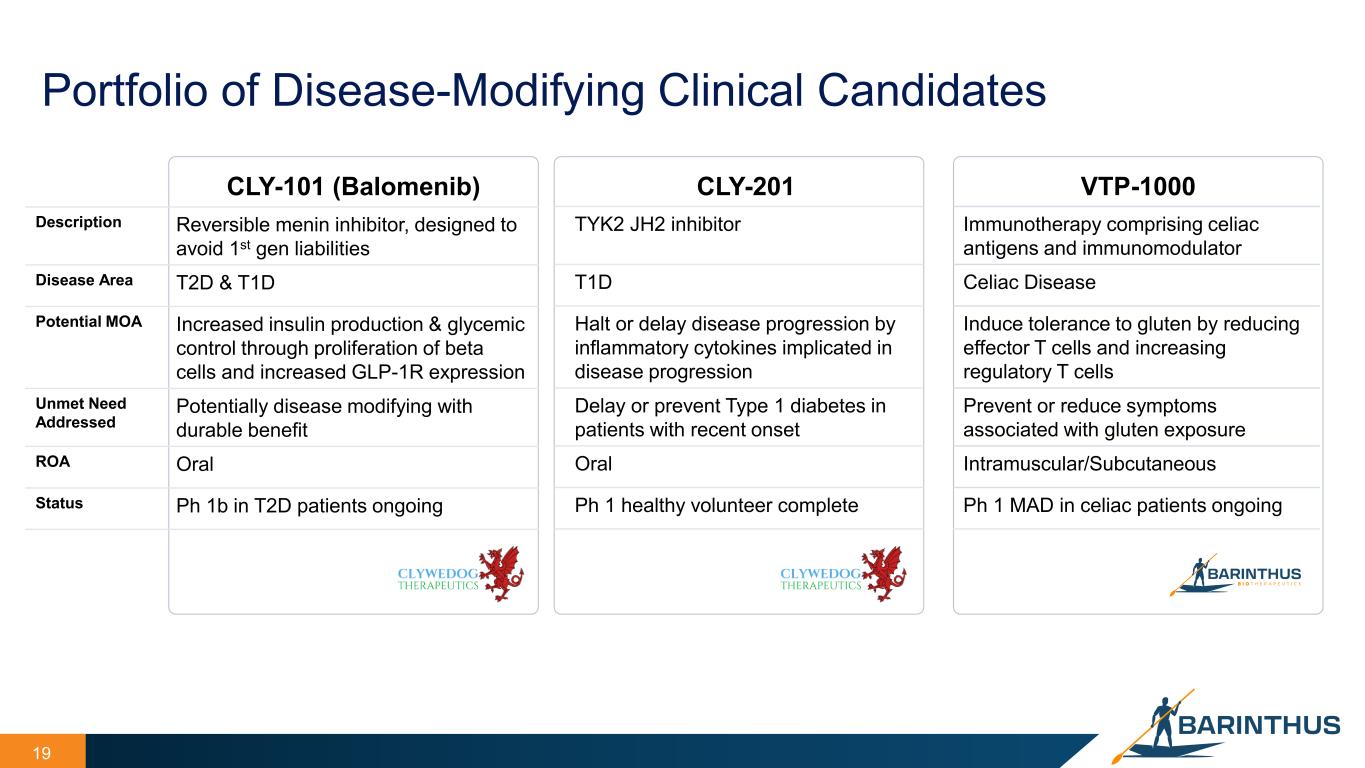
19 CLY-201CLY-101 (Balomenib) Description Reversible menin inhibitor, designed to avoid 1st gen liabilities Disease Area T2D & T1D Potential MOA Increased insulin production & glycemic control through proliferation of beta cells and increased GLP-1R expression Unmet Need Addressed Potentially disease modifying with durable benefit ROA Oral Status Ph 1b in T2D patients ongoing TYK2 JH2 inhibitor T1D Halt or delay disease progression by inflammatory cytokines implicated in disease progression Delay or prevent Type 1 diabetes in patients with recent onset Oral Ph 1 healthy volunteer complete VTP-1000 Immunotherapy comprising celiac antigens and immunomodulator Celiac Disease Induce tolerance to gluten by reducing effector T cells and increasing regulatory T cells Prevent or reduce symptoms associated with gluten exposure Intramuscular/Subcutaneous Ph 1 MAD in celiac patients ongoing Portfolio of Disease-Modifying Clinical Candidates
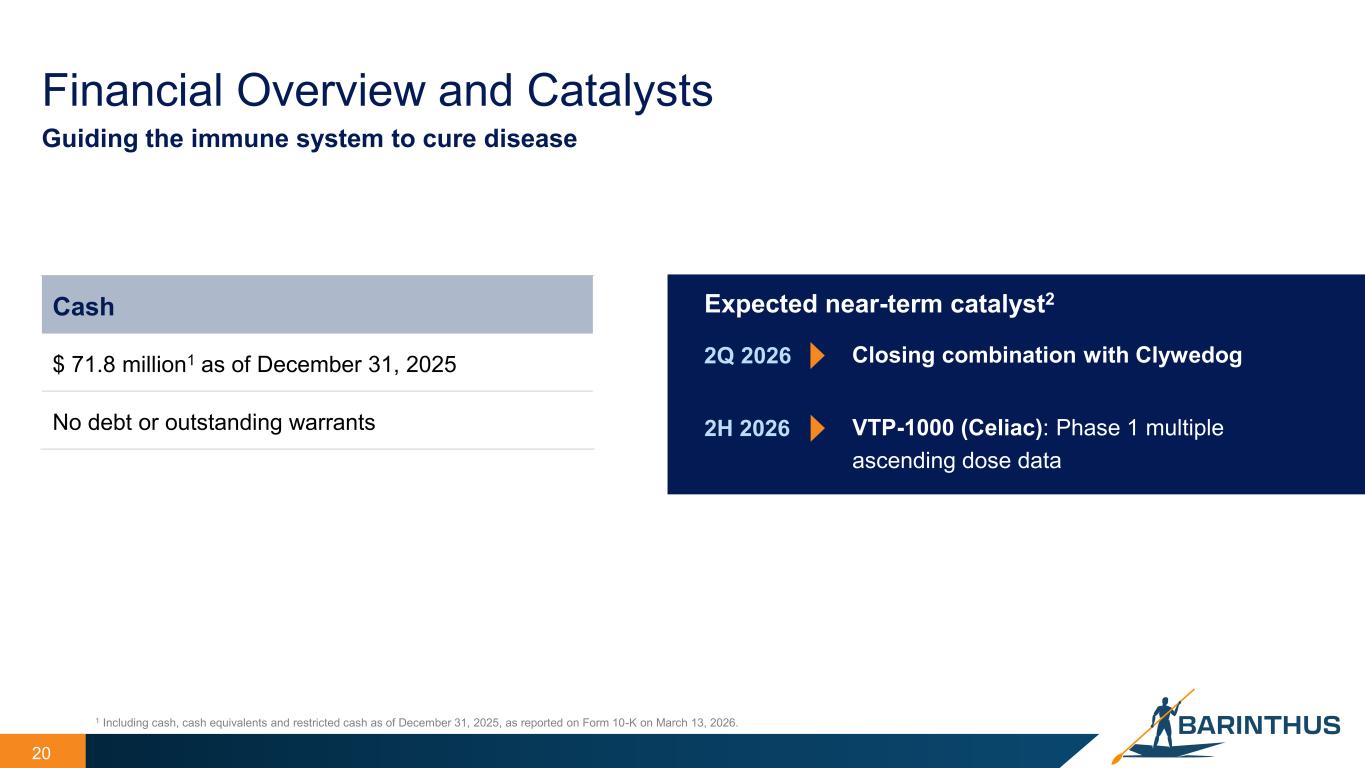
Financial Overview and Catalysts 20 Guiding the immune system to cure disease Cash $ 71.8 million1 as of December 31, 2025 No debt or outstanding warrants Expected near-term catalyst2 2H 2026 VTP-1000 (Celiac): Phase 1 multiple ascending dose data 1 Including cash, cash equivalents and restricted cash as of December 31, 2025, as reported on Form 10-K on March 13, 2026. 2Q 2026 Closing combination with Clywedog
Guiding the Immune System to Cure Disease Thank You