.2 Phase 1 Results* for SEP-631, a Novel Oral Small Molecule MRGPRX2 Negative Allosteric Modulator (NAM) for Mast Cell-Driven Diseases March 2, 2026 Nasdaq: SEPN *Data presented at the 2026 American Academy of Allergy Asthma & Immunology (AAAAI) Annual Meeting © 2026 SEPTERNA
Forward-Looking Statements This presentation contains express or implied forward‐ looking statements of Septerna, Inc. (the “Company,” “we,” or “our”) within the meaning of the Private Securities Litigation Reform Act of 1995, as amended. All statements other than statements of historical facts contained in this presentation, including statements regarding our business strategy, plans, estimated R&D program milestones and objectives of management are forward-looking statements. Such forward-looking statements include, but are not limited to, statements regarding: the continued advancement of our PTH1R agonist program, including the planned initiation of a Phase 1 clinical trial for SEP-479 in the first half of 2026 subject to successful completion of regulatory submissions; the continued advancement of SEP-631, including the plan to initiate a Phase 2b clinical study in CSU in the second half of 2026 subject to the successful completion of long-term preclinical toxicology studies; the role of MRGPRX2 in mast cell-driven diseases; the timing, progress and results of conducting our research and development programs, including our plans to advance the TSHR program; the intended and potential benefits of the collaboration with Novo Nordisk, including our ability to jointly discover, develop and commercialize multiple potential oral small molecule therapies for obesity, type 2 diabetes, and other cardiometabolic diseases and the potential resulting milestones and royalties (if any); our ability to demonstrate, and the timing of, preclinical proof-of-concept in vivo and ex vivo for multiple programs; the potential of ® our proprietary Native Complex Platform ; the ability of preclinical or Phase 1 safety and efficacy observations to successfully translate into clinical outcomes; the size and growth potential of the markets for our current and future product candidates; our expectations regarding strategic plans for our business, product ® candidates, and technology; the scope of protection we are able to establish and maintain for intellectual property rights covering our Native Complex Platform and our product candidates; our ability to maintain existing collaborations and to identify and enter into future license agreements and collaborations; and the accuracy of our estimates regarding expenses and capital requirements, including our expected cash runway at least into 2029. Such forward-looking statements reflect the current views of the Company and are subject to known and unknown risks and other factors, which are, in some cases, beyond the Company’s control. Risks that contribute to the uncertain nature of the forward-looking statements include those risks and uncertainties set forth in the section titled Risk Factors in our most recent Annual Report on Form 10-K for the year ended December 31, 2024, as well as any subsequent filings with the Securities and Exchange Commission. Certain information in this presentation (including market data and statistical information) and statements made orally during this presentation are the good faith estimates of management and have been obtained from various sources (including third-party sources such as independent industry publications, governmental publications, and reports by market research firms), and we do not guarantee the accuracy or completeness of such information. No representations or warranties (expressed or implied) are made about the accuracy of such forward-looking statements, and there can be no assurance as to the reliability or correctness of such projections and actual results may vary materially from those projected. The Company undertakes no obligation to update such statements to reflect events that occur or circumstances that exist after the date on which they were made. © 2026 SEPTERNA 2

Agenda • Septerna: Building a World-Class GPCR-Focused Biotechnology Company • SEP-631: Oral Small Molecule MRGPRX2 Negative Allosteric Modulator (NAM) • SEP-631: Phase 1 Healthy Subject Trial Results • Safety, Pharmacokinetics, and Pharmacodynamics (with Icatibant Skin Challenge) • SEP-631: Broad Opportunity in Mast-Cell Driven Diseases • Question & Answer Session Jeff Finer, MD, PhD Liz Bhatt, MS, MBA Jae Kim, MD Gil Labrucherie, CFA, JD CEO President & COO CMO CFO © 2026 SEPTERNA 3
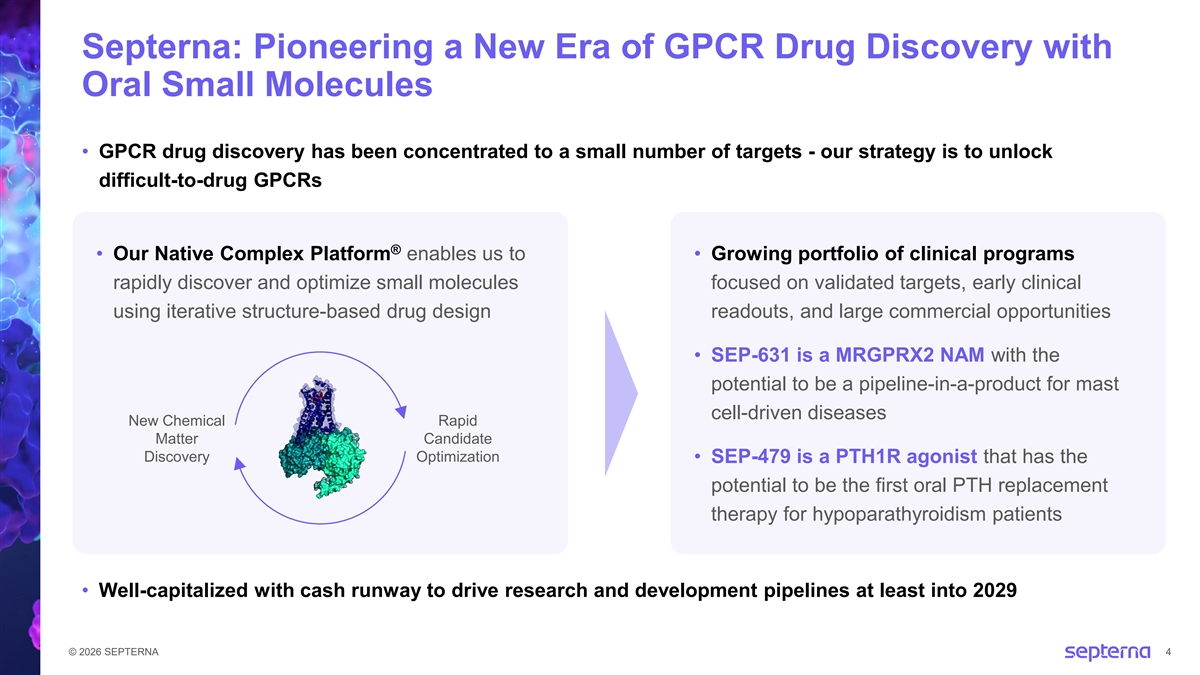
Septerna: Pioneering a New Era of GPCR Drug Discovery with Oral Small Molecules • GPCR drug discovery has been concentrated to a small number of targets - our strategy is to unlock difficult-to-drug GPCRs ® • Our Native Complex Platform enables us to • Growing portfolio of clinical programs rapidly discover and optimize small molecules focused on validated targets, early clinical using iterative structure-based drug design readouts, and large commercial opportunities • SEP-631 is a MRGPRX2 NAM with the potential to be a pipeline-in-a-product for mast cell-driven diseases New Chemical Rapid Matter Candidate Discovery Optimization • SEP-479 is a PTH1R agonist that has the potential to be the first oral PTH replacement therapy for hypoparathyroidism patients • Well-capitalized with cash runway to drive research and development pipelines at least into 2029 © 2026 SEPTERNA 4
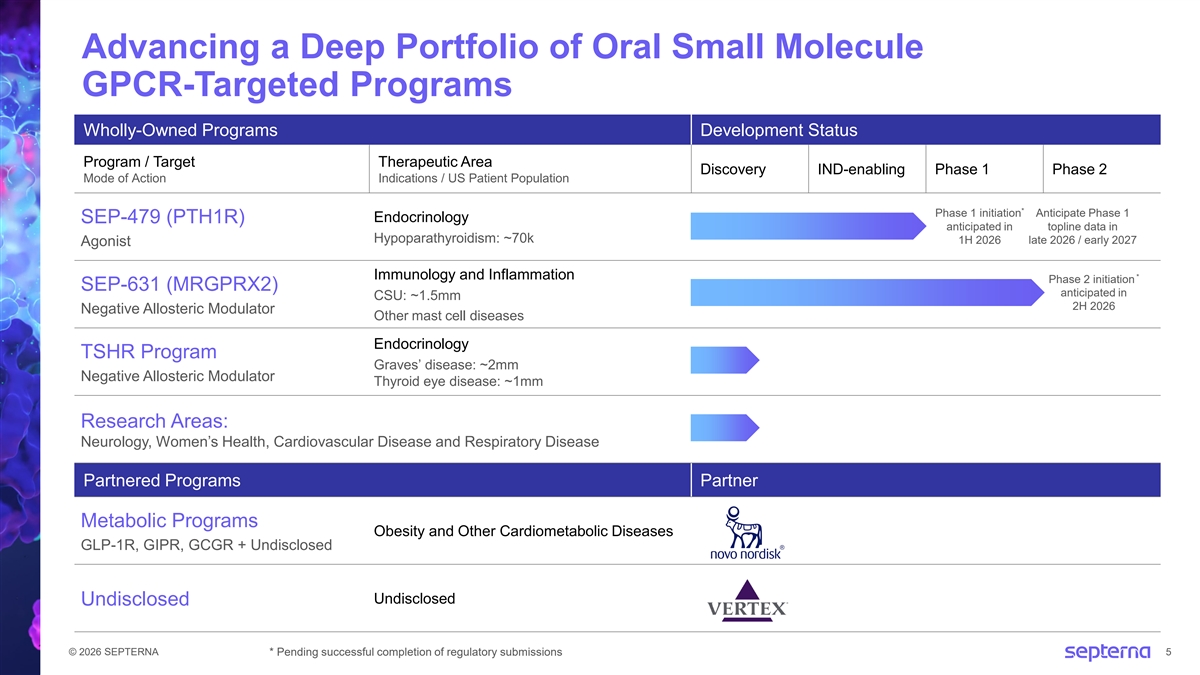
Advancing a Deep Portfolio of Oral Small Molecule GPCR-Targeted Programs Wholly-Owned Programs Development Status Program / Target Therapeutic Area Discovery IND-enabling Phase 1 Phase 2 Mode of Action Indications / US Patient Population * Phase 1 initiation Anticipate Phase 1 Endocrinology SEP-479 (PTH1R) anticipated in topline data in Hypoparathyroidism: ~70k 1H 2026 late 2026 / early 2027 Agonist Immunology and Inflammation * Phase 2 initiation SEP-631 (MRGPRX2) anticipated in CSU: ~1.5mm 2H 2026 Negative Allosteric Modulator Other mast cell diseases Endocrinology TSHR Program Graves’ disease: ~2mm Negative Allosteric Modulator Thyroid eye disease: ~1mm Research Areas: Neurology, Women’s Health, Cardiovascular Disease and Respiratory Disease Partnered Programs Partner Metabolic Programs Obesity and Other Cardiometabolic Diseases GLP-1R, GIPR, GCGR + Undisclosed Undisclosed Undisclosed © 2026 SEPTERNA 5 * Pending successful completion of regulatory submissions
SEP-631: Oral Small Molecule MRGPRX2 NAM Targeting MRGPRX2 for Mast Cell-Driven Diseases © 2026 SEPTERNA
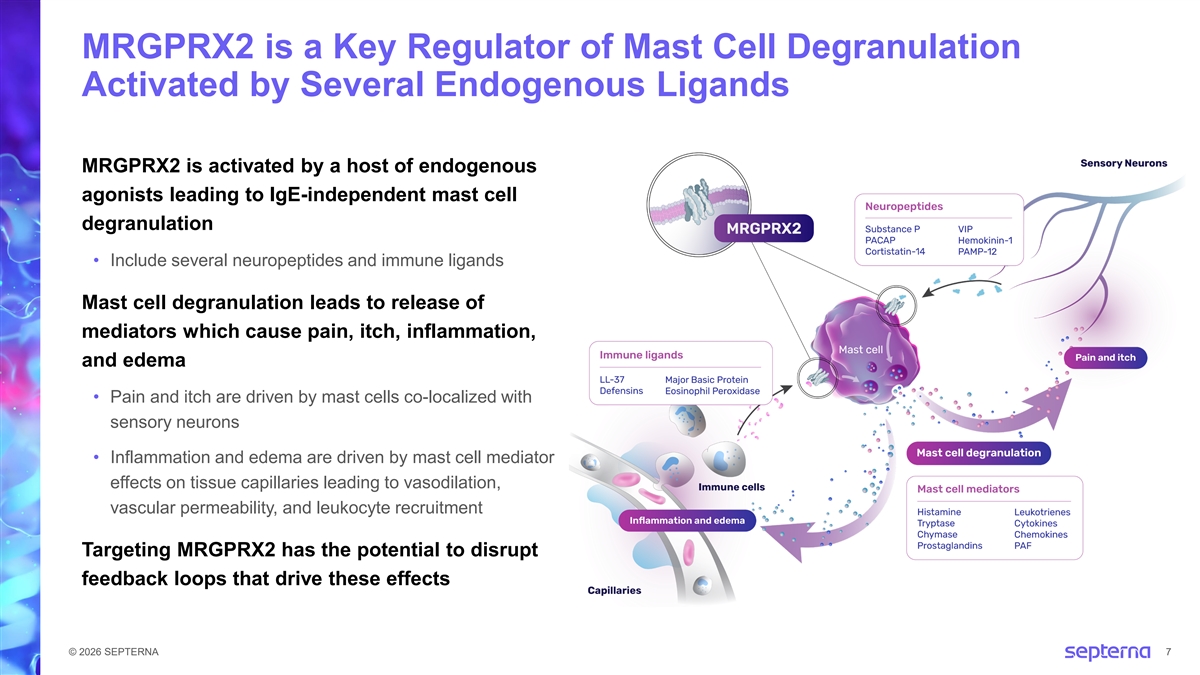
MRGPRX2 is a Key Regulator of Mast Cell Degranulation Activated by Several Endogenous Ligands MRGPRX2 is activated by a host of endogenous agonists leading to IgE-independent mast cell degranulation • Include several neuropeptides and immune ligands Mast cell degranulation leads to release of mediators which cause pain, itch, inflammation, and edema • Pain and itch are driven by mast cells co-localized with sensory neurons • Inflammation and edema are driven by mast cell mediator effects on tissue capillaries leading to vasodilation, vascular permeability, and leukocyte recruitment Targeting MRGPRX2 has the potential to disrupt feedback loops that drive these effects © 2026 SEPTERNA 7
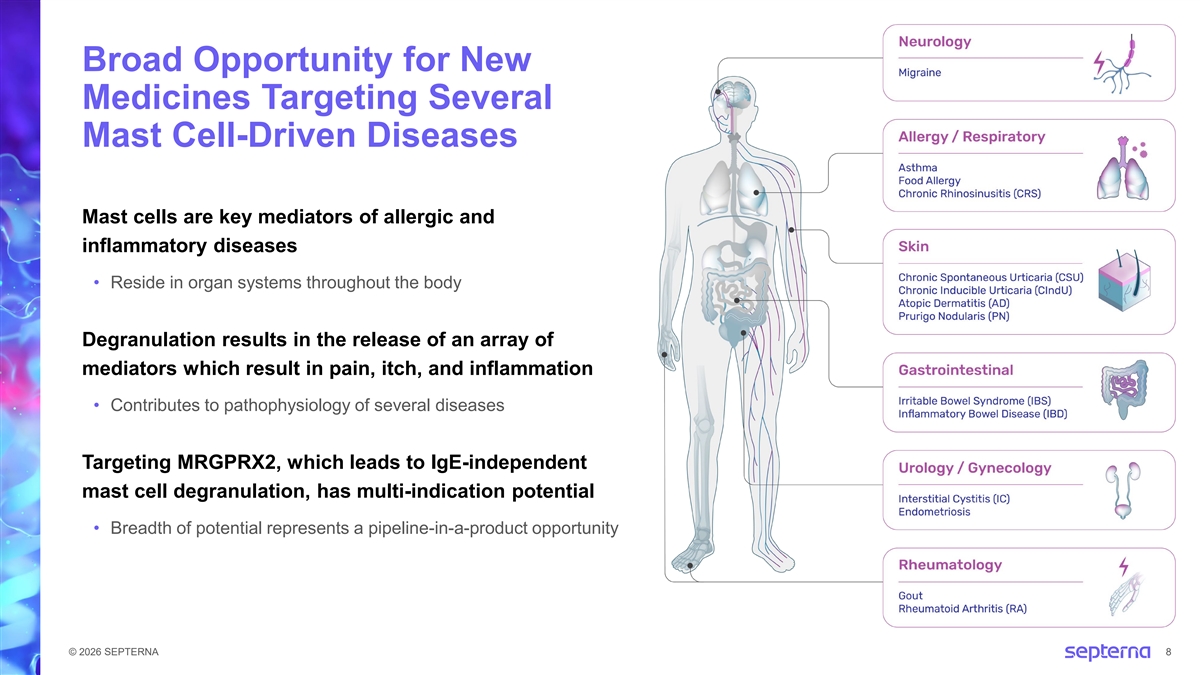
Broad Opportunity for New Medicines Targeting Several Mast Cell-Driven Diseases Mast cells are key mediators of allergic and inflammatory diseases • Reside in organ systems throughout the body Degranulation results in the release of an array of mediators which result in pain, itch, and inflammation • Contributes to pathophysiology of several diseases Targeting MRGPRX2, which leads to IgE-independent mast cell degranulation, has multi-indication potential • Breadth of potential represents a pipeline-in-a-product opportunity © 2026 SEPTERNA 8
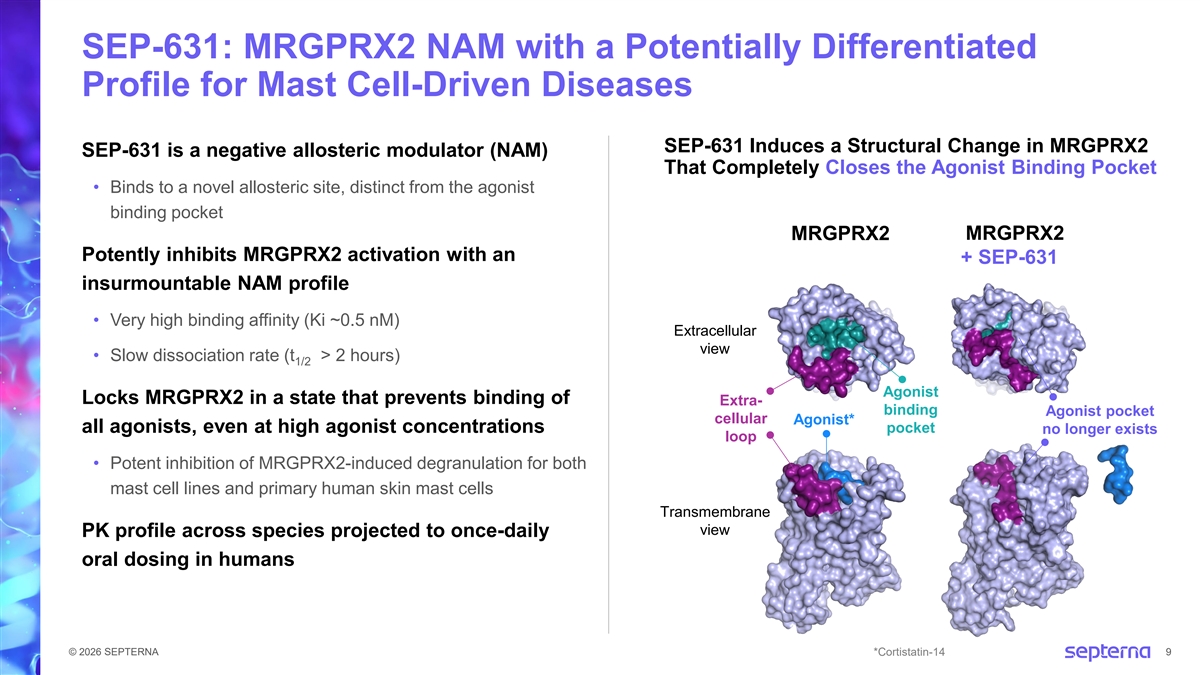
SEP-631: MRGPRX2 NAM with a Potentially Differentiated Profile for Mast Cell-Driven Diseases SEP-631 Induces a Structural Change in MRGPRX2 SEP-631 is a negative allosteric modulator (NAM) That Completely Closes the Agonist Binding Pocket • Binds to a novel allosteric site, distinct from the agonist binding pocket MRGPRX2 MRGPRX2 Potently inhibits MRGPRX2 activation with an + SEP-631 insurmountable NAM profile • Very high binding affinity (Ki ~0.5 nM) Extracellular view • Slow dissociation rate (t > 2 hours) 1/2 Agonist Locks MRGPRX2 in a state that prevents binding of Extra- binding Agonist pocket cellular Agonist* all agonists, even at high agonist concentrations pocket no longer exists loop • Potent inhibition of MRGPRX2-induced degranulation for both mast cell lines and primary human skin mast cells Transmembrane view PK profile across species projected to once-daily oral dosing in humans © 2026 SEPTERNA 9 *Cortistatin-14
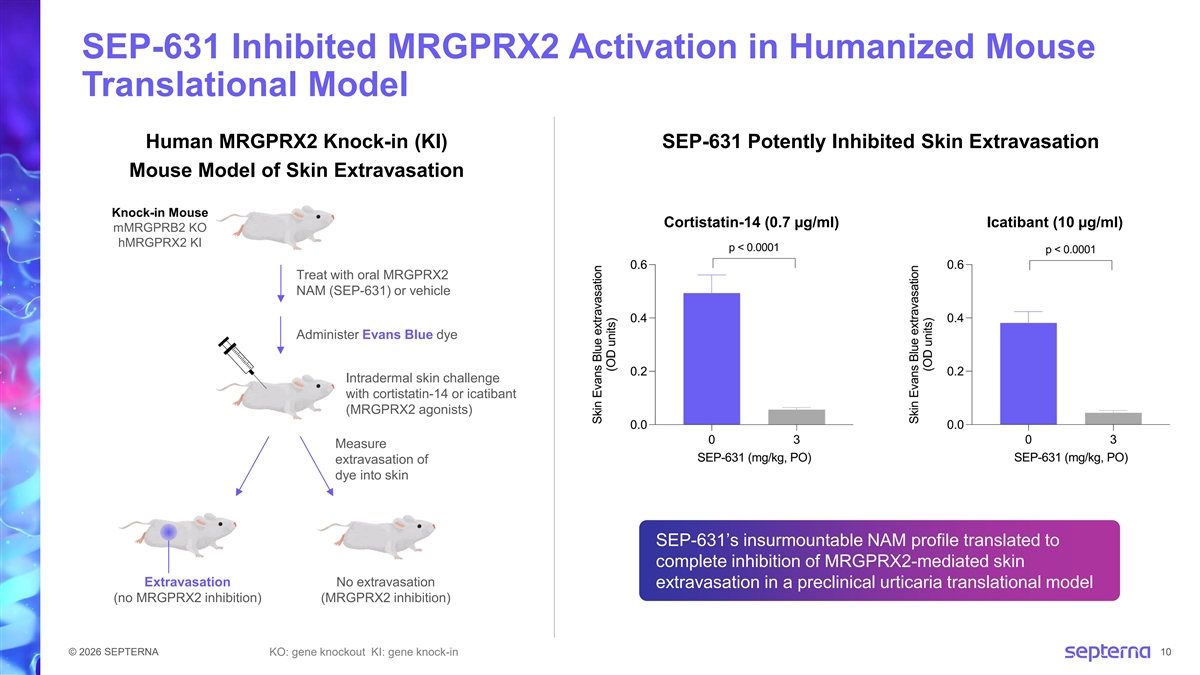
SEP-631 Inhibited MRGPRX2 Activation in Humanized Mouse Translational Model Human MRGPRX2 Knock-in (KI) SEP-631 Potently Inhibited Skin Extravasation Mouse Model of Skin Extravasation Knock-in Mouse Cortistatin-14 (0.7 µg/ml) Icatibant (10 µg/ml) mMRGPRB2 KO hMRGPRX2 KI Treat with oral MRGPRX2 NAM (SEP-631) or vehicle Administer Evans Blue dye Intradermal skin challenge with cortistatin-14 or icatibant (MRGPRX2 agonists) Measure extravasation of dye into skin SEP-631’s insurmountable NAM profile translated to complete inhibition of MRGPRX2-mediated skin Extravasation No extravasation extravasation in a preclinical urticaria translational model (no MRGPRX2 inhibition) (MRGPRX2 inhibition) © 2026 SEPTERNA 10 KO: gene knockout KI: gene knock-in
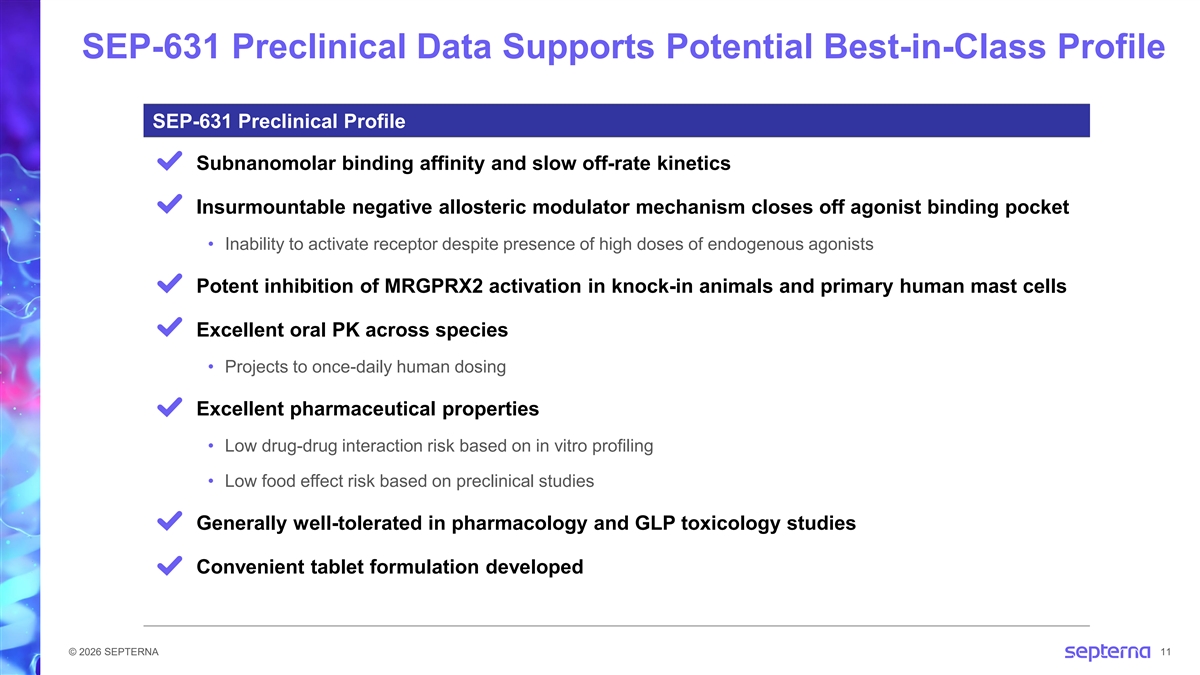
SEP-631 Preclinical Data Supports Potential Best-in-Class Profile SEP-631 Preclinical Profile Subnanomolar binding affinity and slow off-rate kinetics Insurmountable negative allosteric modulator mechanism closes off agonist binding pocket • Inability to activate receptor despite presence of high doses of endogenous agonists Potent inhibition of MRGPRX2 activation in knock-in animals and primary human mast cells Excellent oral PK across species • Projects to once-daily human dosing Excellent pharmaceutical properties • Low drug-drug interaction risk based on in vitro profiling • Low food effect risk based on preclinical studies Generally well-tolerated in pharmacology and GLP toxicology studies Convenient tablet formulation developed © 2026 SEPTERNA 11
First-in-Human, Proof-of-Mechanism Phase 1 Study of the Oral MRGPRX2 Antagonist SEP-631 © 2026 SEPTERNA
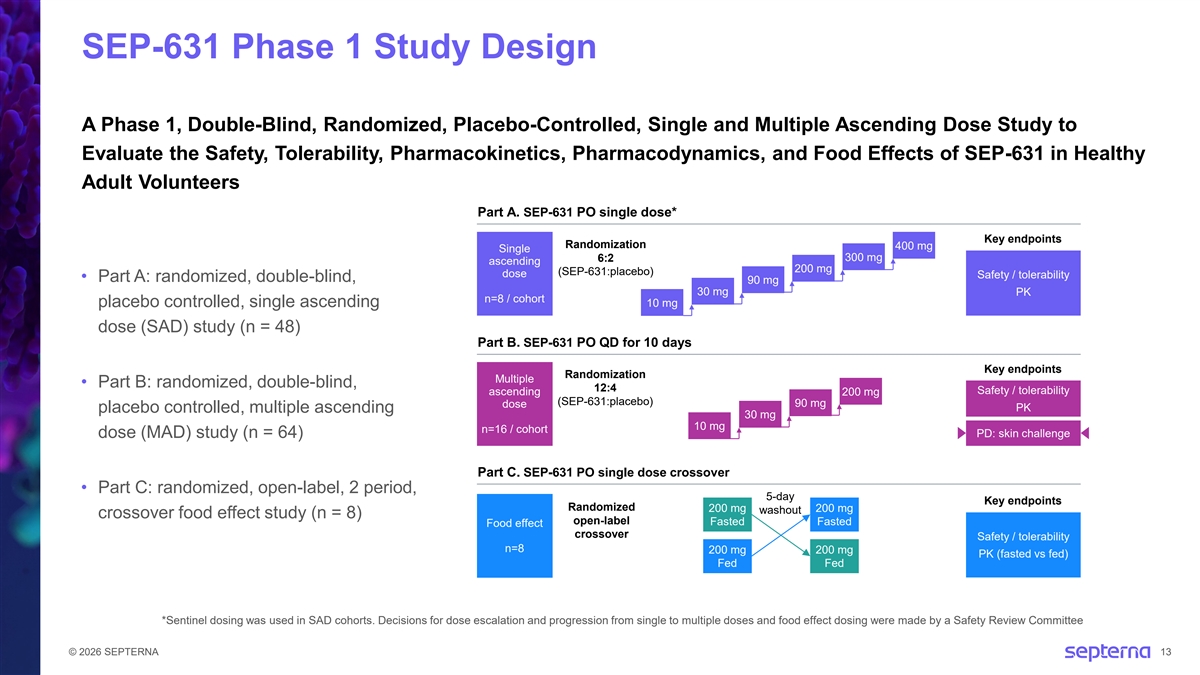
SEP-631 Phase 1 Study Design A Phase 1, Double-Blind, Randomized, Placebo-Controlled, Single and Multiple Ascending Dose Study to Evaluate the Safety, Tolerability, Pharmacokinetics, Pharmacodynamics, and Food Effects of SEP-631 in Healthy Adult Volunteers Part A. SEP-631 PO single dose* Key endpoints Randomization 400 mg Single 300 mg 6:2 ascending 200 mg (SEP-631:placebo) dose Safety / tolerability • Part A: randomized, double-blind, 90 mg 30 mg PK n=8 / cohort placebo controlled, single ascending 10 mg dose (SAD) study (n = 48) Part B. SEP-631 PO QD for 10 days Key endpoints Randomization Multiple • Part B: randomized, double-blind, 12:4 Safety / tolerability ascending 200 mg (SEP-631:placebo) dose 90 mg PK placebo controlled, multiple ascending 30 mg 10 mg n=16 / cohort PD: skin challenge dose (MAD) study (n = 64) Part C. SEP-631 PO single dose crossover • Part C: randomized, open-label, 2 period, 5-day Key endpoints Randomized 200 mg 200 mg washout crossover food effect study (n = 8) open-label Fasted Fasted Food effect crossover Safety / tolerability n=8 200 mg 200 mg PK (fasted vs fed) Fed Fed *Sentinel dosing was used in SAD cohorts. Decisions for dose escalation and progression from single to multiple doses and food effect dosing were made by a Safety Review Committee © 2026 SEPTERNA 13
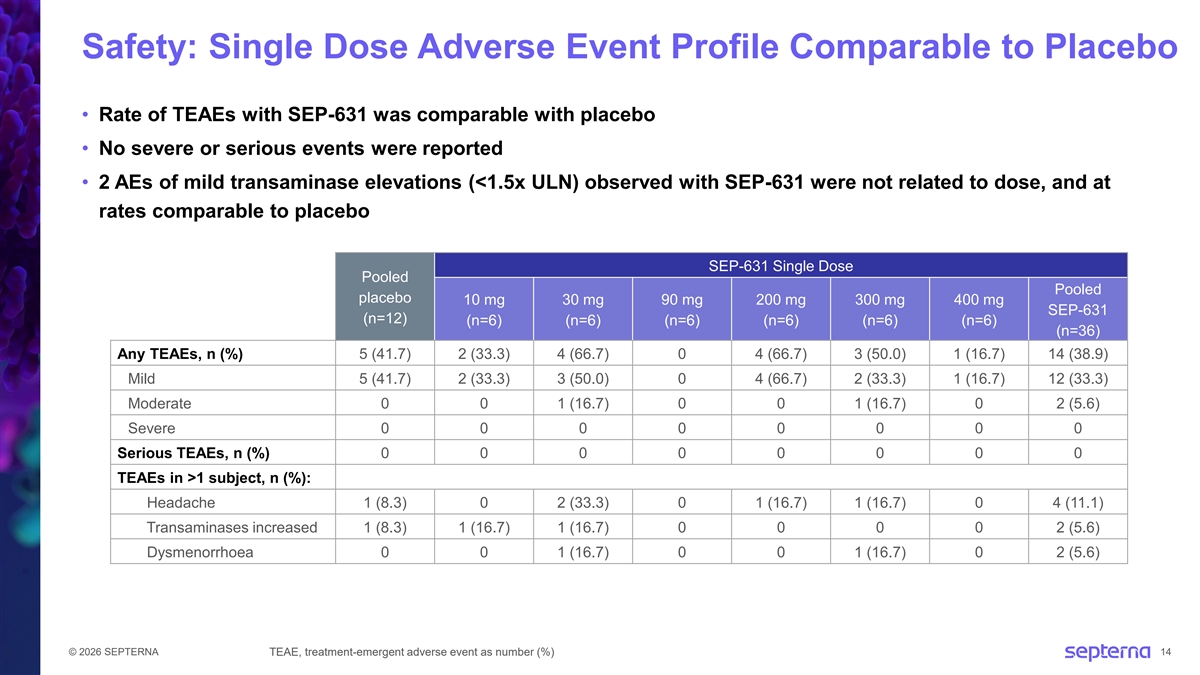
Safety: Single Dose Adverse Event Profile Comparable to Placebo • Rate of TEAEs with SEP-631 was comparable with placebo • No severe or serious events were reported • 2 AEs of mild transaminase elevations (<1.5x ULN) observed with SEP-631 were not related to dose, and at rates comparable to placebo SEP-631 Single Dose Pooled Pooled placebo 10 mg 30 mg 90 mg 200 mg 300 mg 400 mg SEP-631 (n=12) (n=6) (n=6) (n=6) (n=6) (n=6) (n=6) (n=36) Any TEAEs, n (%) 5 (41.7) 2 (33.3) 4 (66.7) 0 4 (66.7) 3 (50.0) 1 (16.7) 14 (38.9) Mild 5 (41.7) 2 (33.3) 3 (50.0) 0 4 (66.7) 2 (33.3) 1 (16.7) 12 (33.3) Moderate 0 0 1 (16.7) 0 0 1 (16.7) 0 2 (5.6) Severe 0 0 0 0 0 0 0 0 Serious TEAEs, n (%) 0 0 0 0 0 0 0 0 TEAEs in >1 subject, n (%): Headache 1 (8.3) 0 2 (33.3) 0 1 (16.7) 1 (16.7) 0 4 (11.1) Transaminases increased 1 (8.3) 1 (16.7) 1 (16.7) 0 0 0 0 2 (5.6) Dysmenorrhoea 0 0 1 (16.7) 0 0 1 (16.7) 0 2 (5.6) © 2026 SEPTERNA 14 TEAE, treatment-emergent adverse event as number (%)
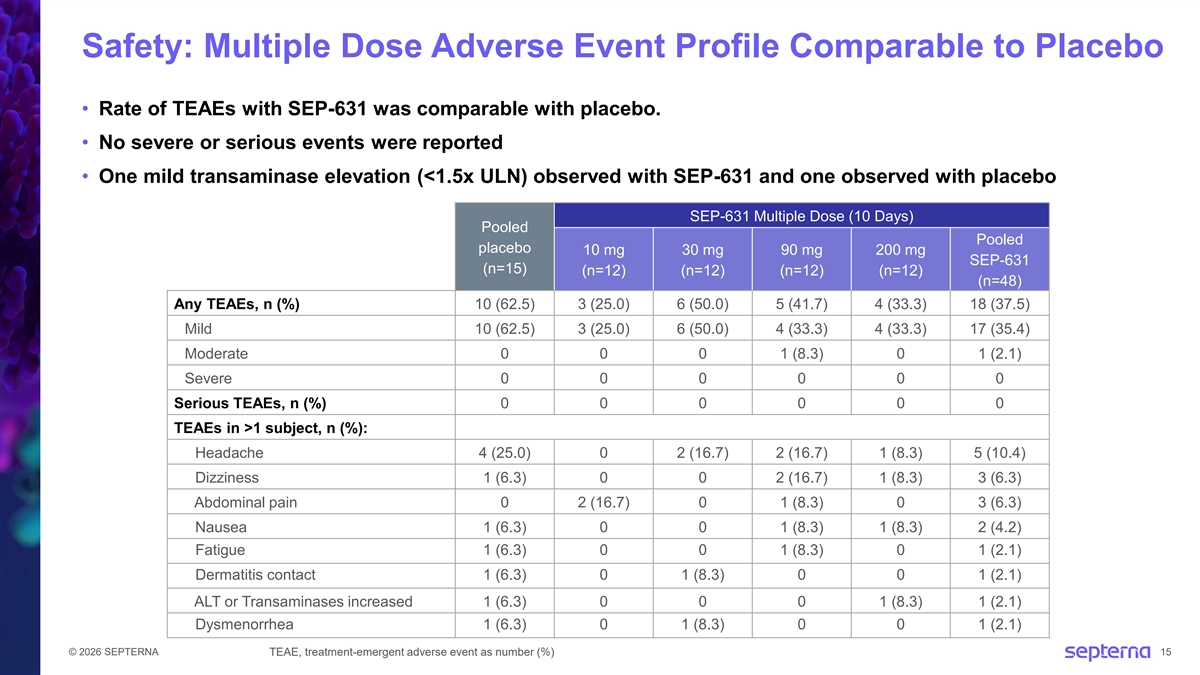
Safety: Multiple Dose Adverse Event Profile Comparable to Placebo • Rate of TEAEs with SEP-631 was comparable with placebo. • No severe or serious events were reported • One mild transaminase elevation (<1.5x ULN) observed with SEP-631 and one observed with placebo SEP-631 Multiple Dose (10 Days) Pooled Pooled placebo 10 mg 30 mg 90 mg 200 mg SEP-631 (n=15) (n=12) (n=12) (n=12) (n=12) (n=48) Any TEAEs, n (%) 10 (62.5) 3 (25.0) 6 (50.0) 5 (41.7) 4 (33.3) 18 (37.5) Mild 10 (62.5) 3 (25.0) 6 (50.0) 4 (33.3) 4 (33.3) 17 (35.4) Moderate 0 0 0 1 (8.3) 0 1 (2.1) Severe 0 0 0 0 0 0 Serious TEAEs, n (%) 0 0 0 0 0 0 TEAEs in >1 subject, n (%): Headache 4 (25.0) 0 2 (16.7) 2 (16.7) 1 (8.3) 5 (10.4) Dizziness 1 (6.3) 0 0 2 (16.7) 1 (8.3) 3 (6.3) Abdominal pain 0 2 (16.7) 0 1 (8.3) 0 3 (6.3) Nausea 1 (6.3) 0 0 1 (8.3) 1 (8.3) 2 (4.2) Fatigue 1 (6.3) 0 0 1 (8.3) 0 1 (2.1) Dermatitis contact 1 (6.3) 0 1 (8.3) 0 0 1 (2.1) ALT or Transaminases increased 1 (6.3) 0 0 0 1 (8.3) 1 (2.1) Dysmenorrhea 1 (6.3) 0 1 (8.3) 0 0 1 (2.1) © 2026 SEPTERNA 15 TEAE, treatment-emergent adverse event as number (%)
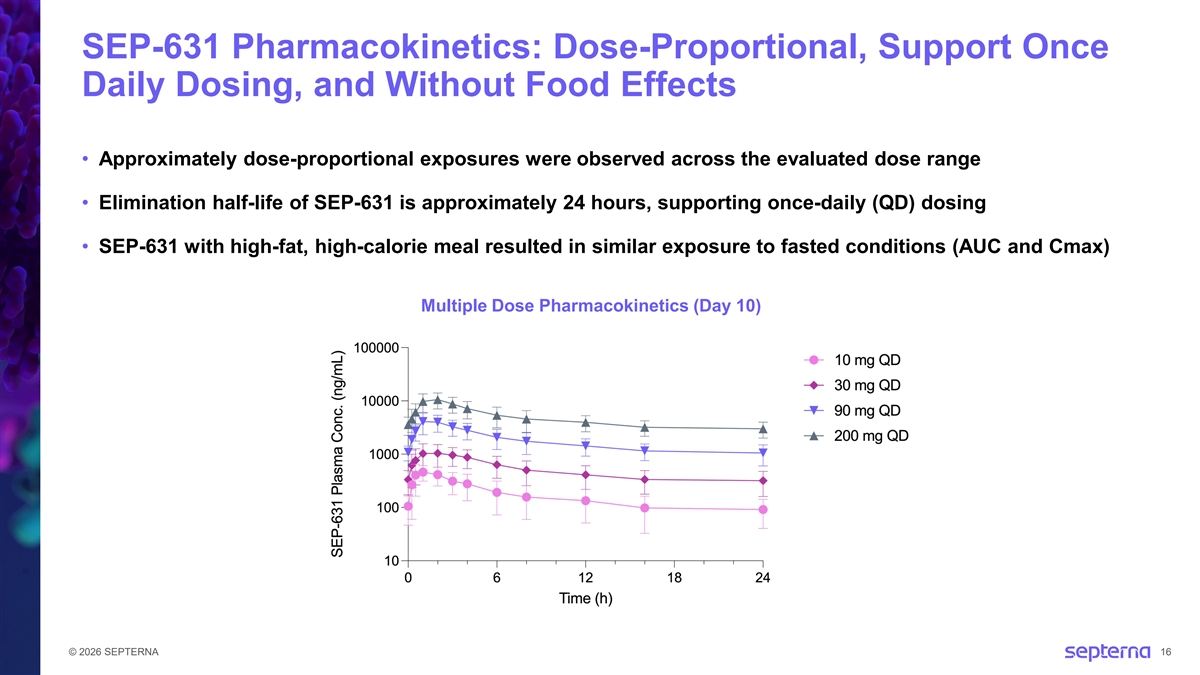
SEP-631 Pharmacokinetics: Dose-Proportional, Support Once Daily Dosing, and Without Food Effects • Approximately dose-proportional exposures were observed across the evaluated dose range • Elimination half-life of SEP-631 is approximately 24 hours, supporting once-daily (QD) dosing • SEP-631 with high-fat, high-calorie meal resulted in similar exposure to fasted conditions (AUC and Cmax) Multiple Dose Pharmacokinetics (Day 10) © 2026 SEPTERNA 16
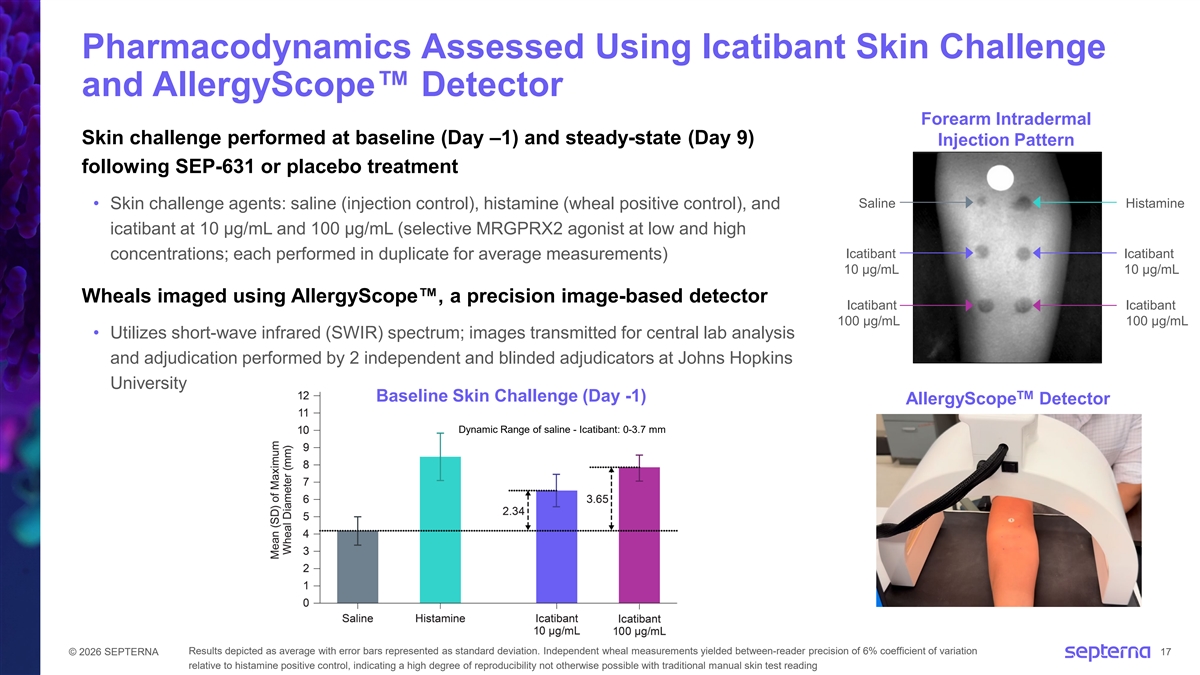
Pharmacodynamics Assessed Using Icatibant Skin Challenge and AllergyScope Detector Forearm Intradermal Skin challenge performed at baseline (Day –1) and steady-state (Day 9) Injection Pattern following SEP-631 or placebo treatment Saline Histamine • Skin challenge agents: saline (injection control), histamine (wheal positive control), and icatibant at 10 μg/mL and 100 μg/mL (selective MRGPRX2 agonist at low and high Icatibant Icatibant concentrations; each performed in duplicate for average measurements) 10 µg/mL 10 µg/mL Wheals imaged using AllergyScope , a precision image-based detector Icatibant Icatibant 100 µg/mL 100 µg/mL • Utilizes short-wave infrared (SWIR) spectrum; images transmitted for central lab analysis and adjudication performed by 2 independent and blinded adjudicators at Johns Hopkins University TM Baseline Skin Challenge (Day -1) AllergyScope Detector Dynamic Range of saline - Icatibant: 0-3.7 mm © 2026 SEPTERNA Results depicted as average with error bars represented as standard deviation. Independent wheal measurements yielded between-reader precision of 6% coefficient of variation 17 relative to histamine positive control, indicating a high degree of reproducibility not otherwise possible with traditional manual skin test reading
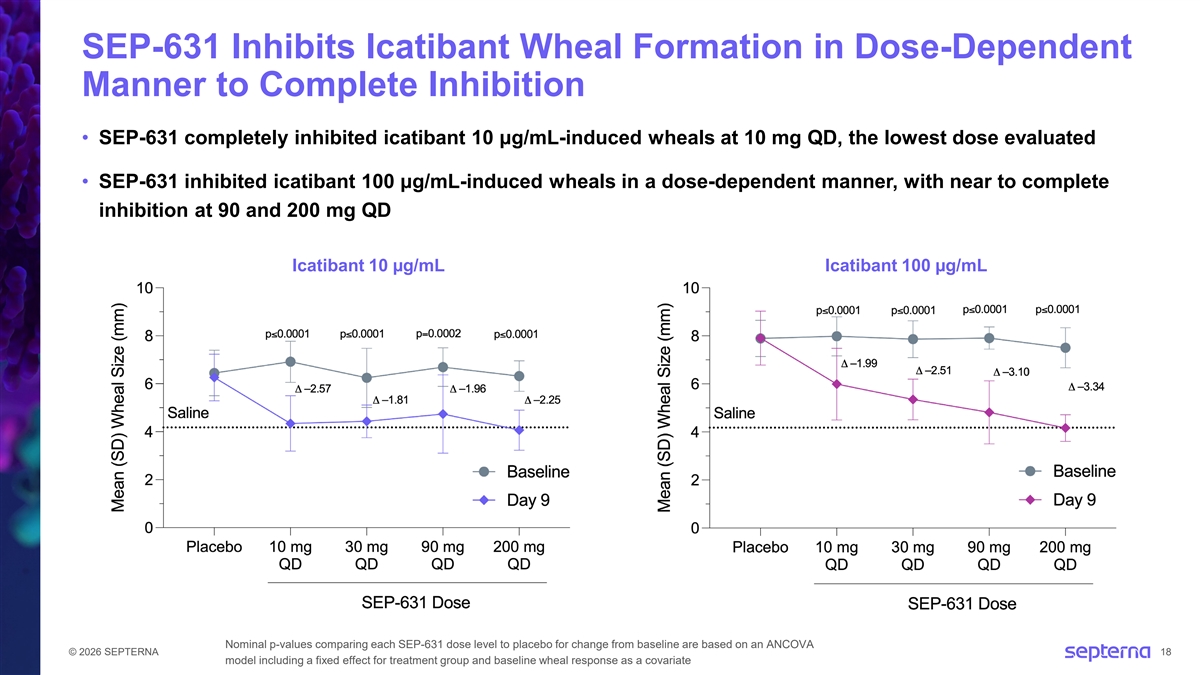
SEP-631 Inhibits Icatibant Wheal Formation in Dose-Dependent Manner to Complete Inhibition • SEP-631 completely inhibited icatibant 10 μg/mL-induced wheals at 10 mg QD, the lowest dose evaluated • SEP-631 inhibited icatibant 100 μg/mL-induced wheals in a dose-dependent manner, with near to complete inhibition at 90 and 200 mg QD Icatibant 10 µg/mL Icatibant 100 µg/mL Nominal p-values comparing each SEP-631 dose level to placebo for change from baseline are based on an ANCOVA © 2026 SEPTERNA 18 model including a fixed effect for treatment group and baseline wheal response as a covariate
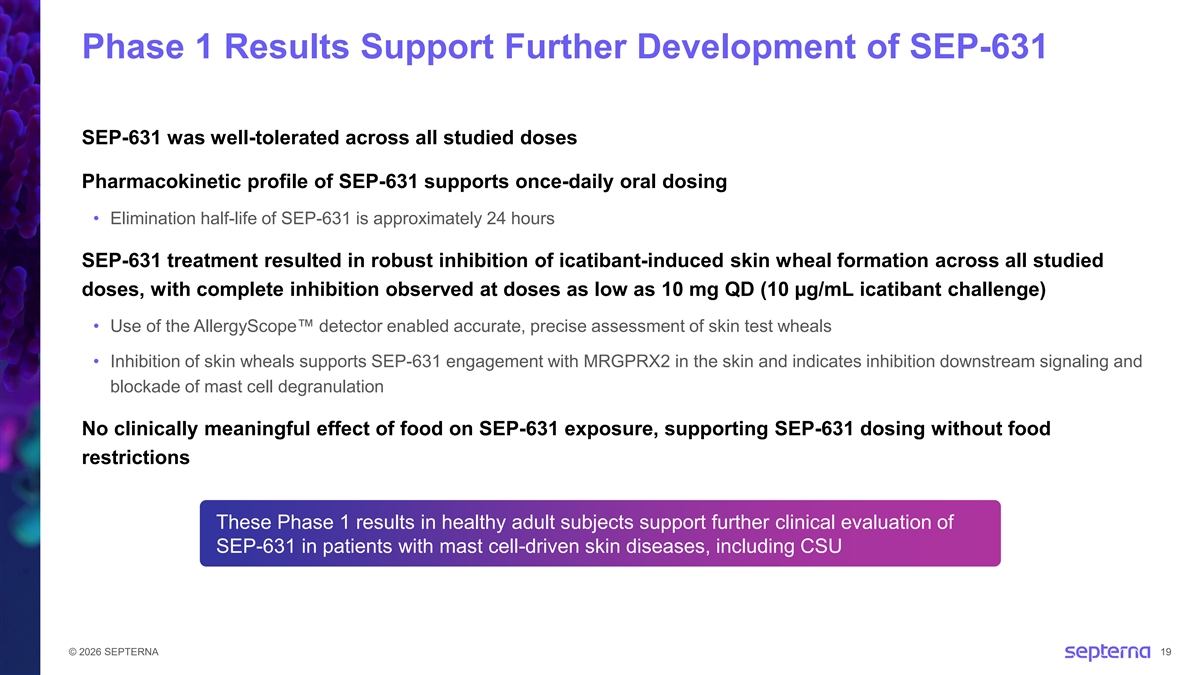
Phase 1 Results Support Further Development of SEP-631 SEP-631 was well-tolerated across all studied doses Pharmacokinetic profile of SEP-631 supports once-daily oral dosing • Elimination half-life of SEP-631 is approximately 24 hours SEP-631 treatment resulted in robust inhibition of icatibant-induced skin wheal formation across all studied doses, with complete inhibition observed at doses as low as 10 mg QD (10 µg/mL icatibant challenge) • Use of the AllergyScope detector enabled accurate, precise assessment of skin test wheals • Inhibition of skin wheals supports SEP-631 engagement with MRGPRX2 in the skin and indicates inhibition downstream signaling and blockade of mast cell degranulation No clinically meaningful effect of food on SEP-631 exposure, supporting SEP-631 dosing without food restrictions These Phase 1 results in healthy adult subjects support further clinical evaluation of SEP-631 in patients with mast cell-driven skin diseases, including CSU © 2026 SEPTERNA 19
SEP-631: Broad Opportunity in Mast Cell-Driven Diseases © 2026 SEPTERNA
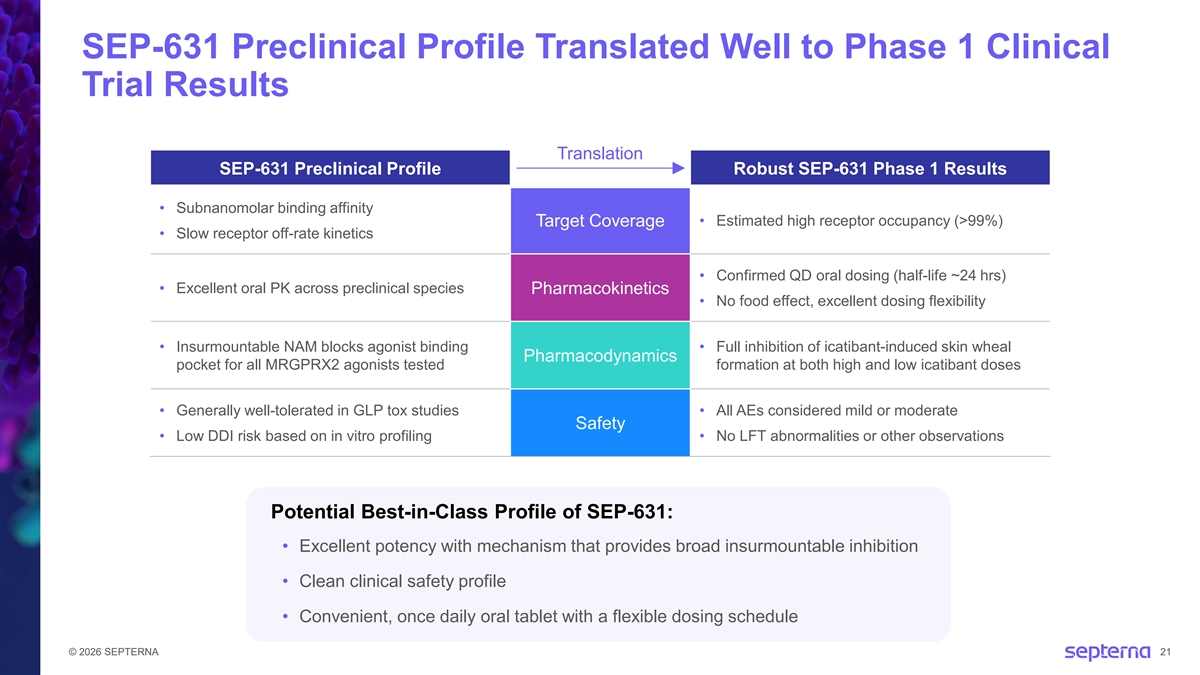
SEP-631 Preclinical Profile Translated Well to Phase 1 Clinical Trial Results Translation SEP-631 Preclinical Profile Robust SEP-631 Phase 1 Results • Subnanomolar binding affinity Target Coverage • Estimated high receptor occupancy (>99%) • Slow receptor off-rate kinetics • Confirmed QD oral dosing (half-life ~24 hrs) • Excellent oral PK across preclinical species Pharmacokinetics • No food effect, excellent dosing flexibility • Insurmountable NAM blocks agonist binding • Full inhibition of icatibant-induced skin wheal Pharmacodynamics pocket for all MRGPRX2 agonists tested formation at both high and low icatibant doses • Generally well-tolerated in GLP tox studies • All AEs considered mild or moderate Safety • Low DDI risk based on in vitro profiling • No LFT abnormalities or other observations Potential Best-in-Class Profile of SEP-631: • Excellent potency with mechanism that provides broad insurmountable inhibition • Clean clinical safety profile • Convenient, once daily oral tablet with a flexible dosing schedule © 2026 SEPTERNA 21
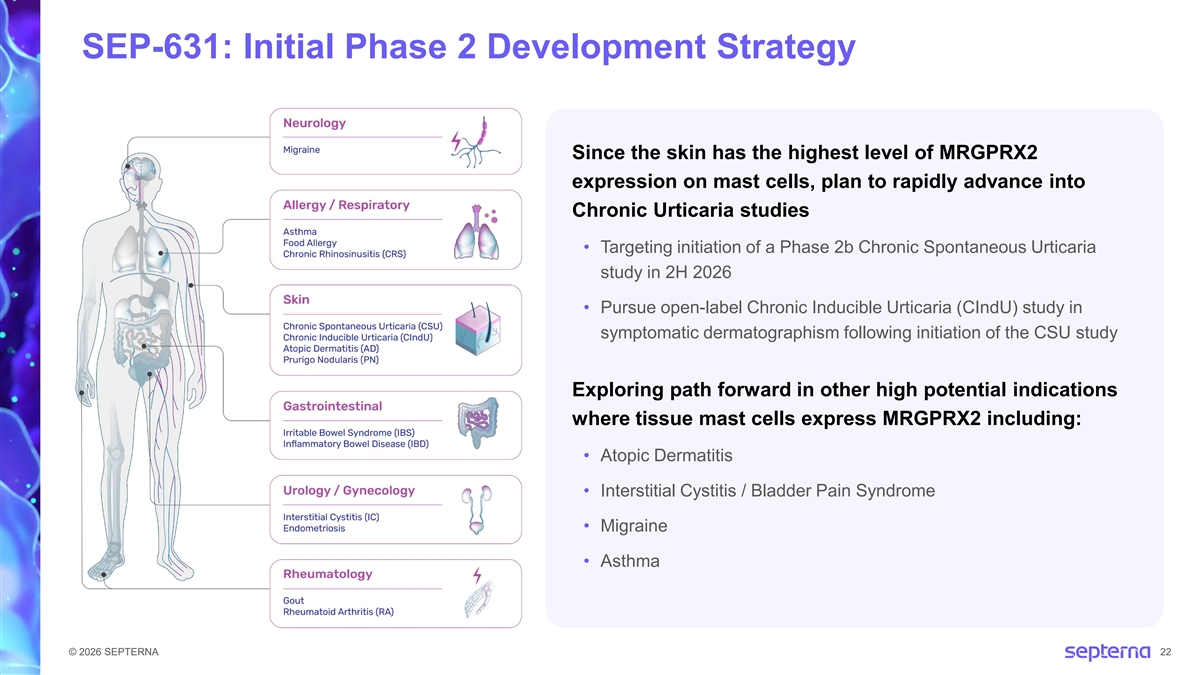
SEP-631: Initial Phase 2 Development Strategy Since the skin has the highest level of MRGPRX2 expression on mast cells, plan to rapidly advance into Chronic Urticaria studies • Targeting initiation of a Phase 2b Chronic Spontaneous Urticaria study in 2H 2026 • Pursue open-label Chronic Inducible Urticaria (CIndU) study in symptomatic dermatographism following initiation of the CSU study Exploring path forward in other high potential indications where tissue mast cells express MRGPRX2 including: • Atopic Dermatitis • Interstitial Cystitis / Bladder Pain Syndrome • Migraine • Asthma © 2026 SEPTERNA 22
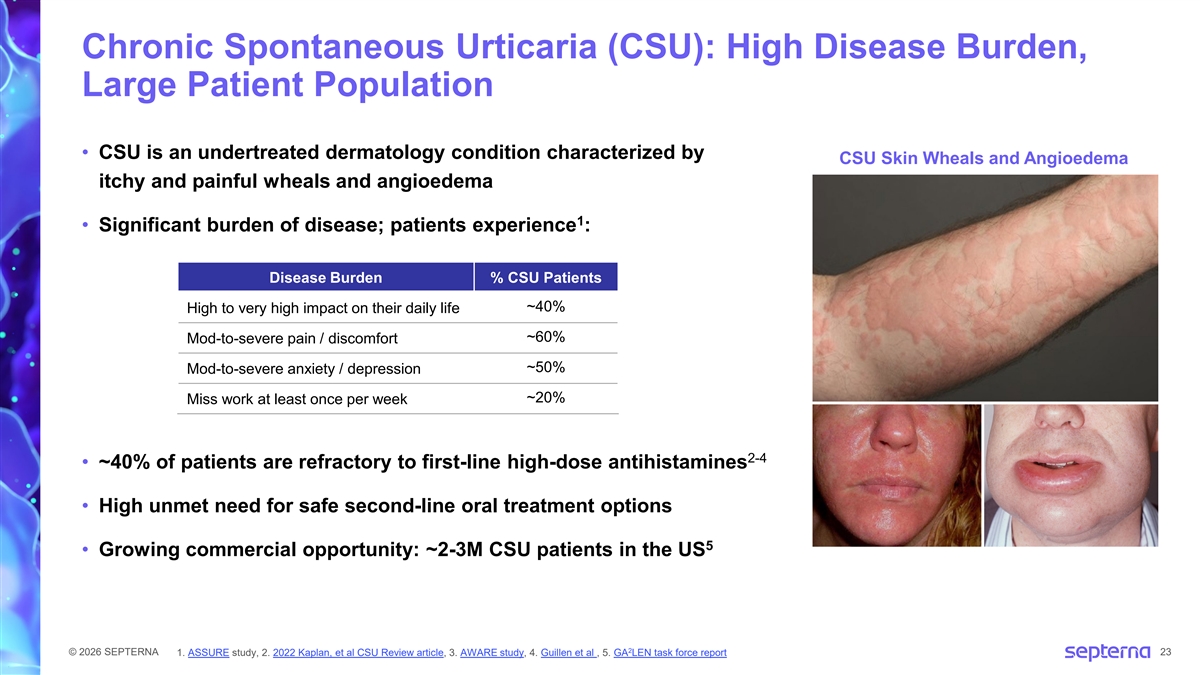
Chronic Spontaneous Urticaria (CSU): High Disease Burden, Large Patient Population • CSU is an undertreated dermatology condition characterized by CSU Skin Wheals and Angioedema itchy and painful wheals and angioedema 1 • Significant burden of disease; patients experience : Disease Burden % CSU Patients ~40% High to very high impact on their daily life ~60% Mod-to-severe pain / discomfort ~50% Mod-to-severe anxiety / depression ~20% Miss work at least once per week 2-4 • ~40% of patients are refractory to first-line high-dose antihistamines • High unmet need for safe second-line oral treatment options 5 • Growing commercial opportunity: ~2-3M CSU patients in the US 2 © 2026 SEPTERNA 23 1. ASSURE study, 2. 2022 Kaplan, et al CSU Review article, 3. AWARE study, 4. Guillen et al , 5. GA LEN task force report
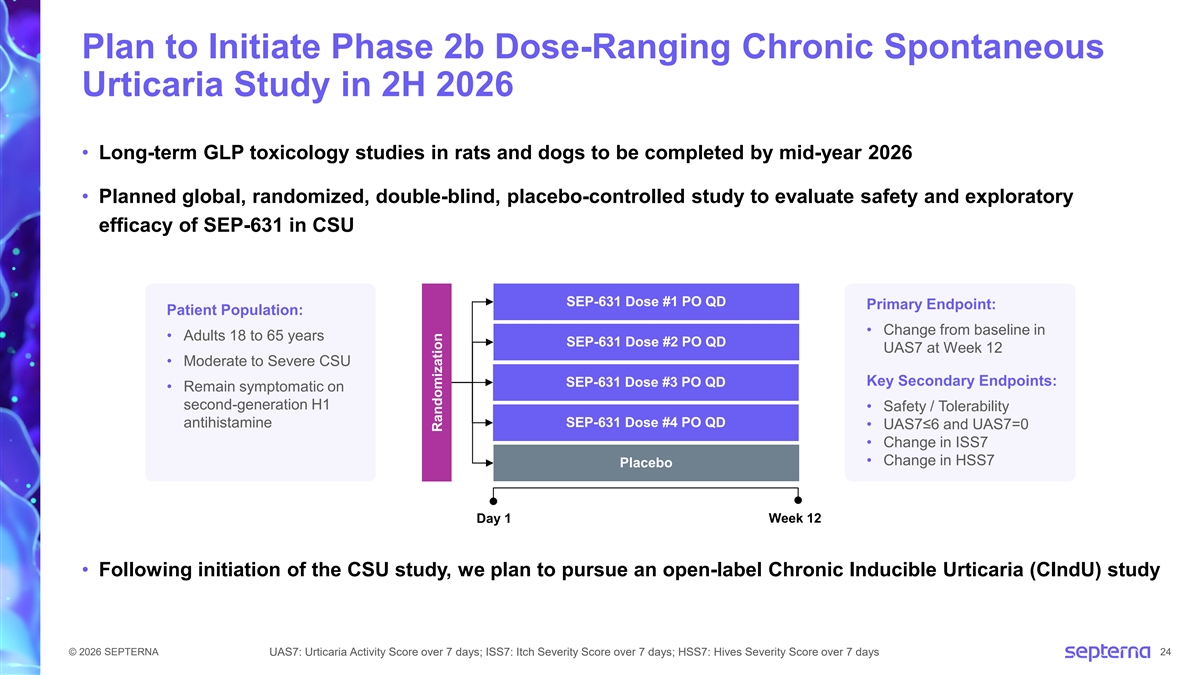
Plan to Initiate Phase 2b Dose-Ranging Chronic Spontaneous Urticaria Study in 2H 2026 • Long-term GLP toxicology studies in rats and dogs to be completed by mid-year 2026 • Planned global, randomized, double-blind, placebo-controlled study to evaluate safety and exploratory efficacy of SEP-631 in CSU SEP-631 Dose #1 PO QD Primary Endpoint: Patient Population: • Change from baseline in • Adults 18 to 65 years SEP-631 Dose #2 PO QD UAS7 at Week 12 • Moderate to Severe CSU Key Secondary Endpoints: SEP-631 Dose #3 PO QD • Remain symptomatic on second-generation H1 • Safety / Tolerability antihistamine SEP-631 Dose #4 PO QD • UAS7≤6 and UAS7=0 • Change in ISS7 • Change in HSS7 Placebo Day 1 Week 12 • Following initiation of the CSU study, we plan to pursue an open-label Chronic Inducible Urticaria (CIndU) study © 2026 SEPTERNA 24 UAS7: Urticaria Activity Score over 7 days; ISS7: Itch Severity Score over 7 days; HSS7: Hives Severity Score over 7 days Randomization
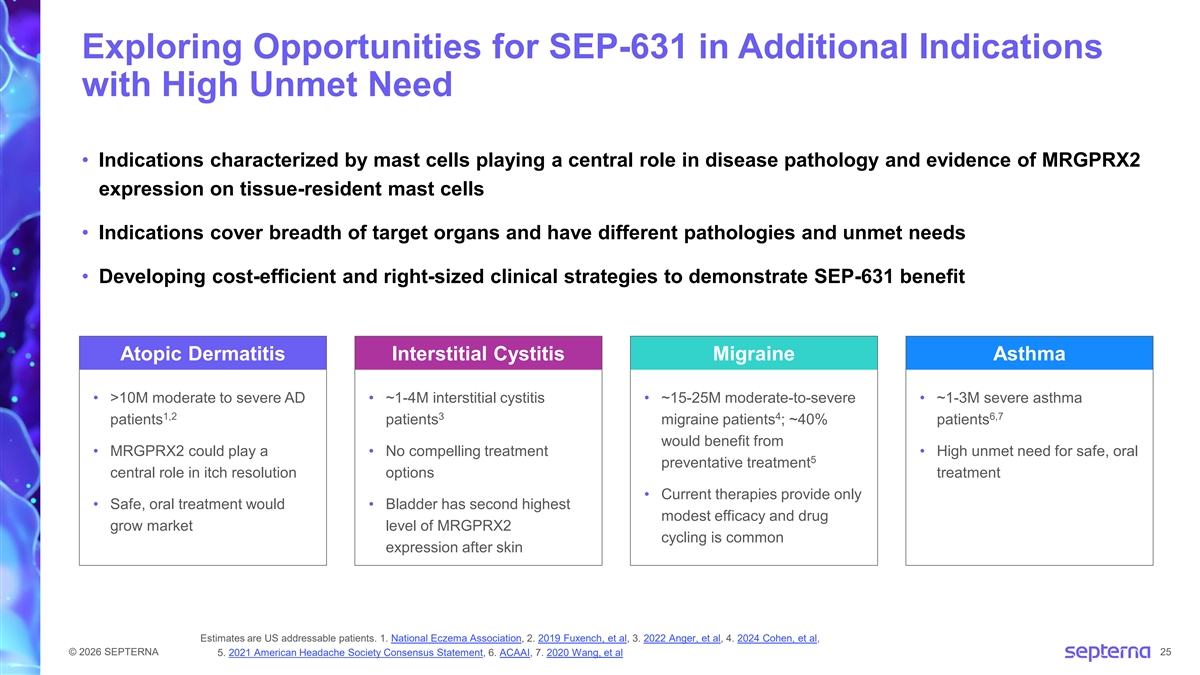
Exploring Opportunities for SEP-631 in Additional Indications with High Unmet Need • Indications characterized by mast cells playing a central role in disease pathology and evidence of MRGPRX2 expression on tissue-resident mast cells • Indications cover breadth of target organs and have different pathologies and unmet needs • Developing cost-efficient and right-sized clinical strategies to demonstrate SEP-631 benefit Atopic Dermatitis Interstitial Cystitis Migraine Asthma • >10M moderate to severe AD • ~1-4M interstitial cystitis • ~15-25M moderate-to-severe • ~1-3M severe asthma 1,2 3 4 6,7 patients patients migraine patients ; ~40% patients would benefit from • MRGPRX2 could play a • No compelling treatment • High unmet need for safe, oral 5 preventative treatment central role in itch resolution options treatment • Current therapies provide only • Safe, oral treatment would • Bladder has second highest modest efficacy and drug grow market level of MRGPRX2 cycling is common expression after skin Estimates are US addressable patients. 1. National Eczema Association, 2. 2019 Fuxench, et al, 3. 2022 Anger, et al, 4. 2024 Cohen, et al, © 2026 SEPTERNA 25 5. 2021 American Headache Society Consensus Statement, 6. ACAAI, 7. 2020 Wang, et al
Building a World-Class GPCR-Focused Biotechnology Company © 2026 SEPTERNA
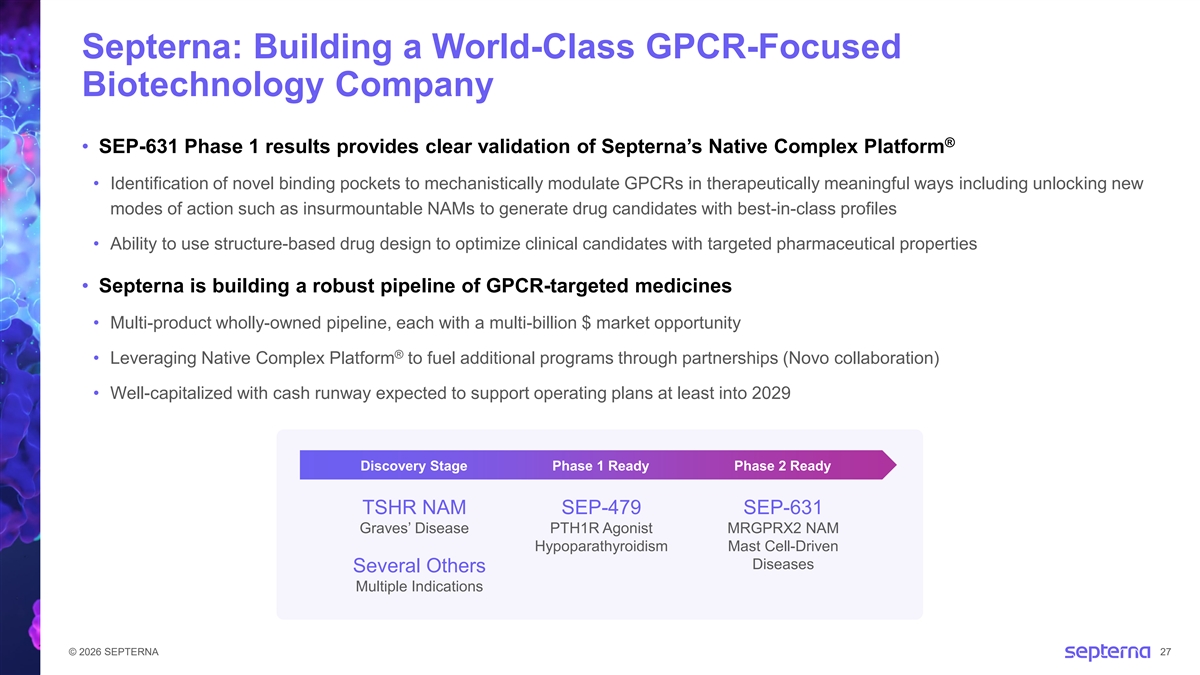
Septerna: Building a World-Class GPCR-Focused Biotechnology Company ® • SEP-631 Phase 1 results provides clear validation of Septerna’s Native Complex Platform • Identification of novel binding pockets to mechanistically modulate GPCRs in therapeutically meaningful ways including unlocking new modes of action such as insurmountable NAMs to generate drug candidates with best-in-class profiles • Ability to use structure-based drug design to optimize clinical candidates with targeted pharmaceutical properties • Septerna is building a robust pipeline of GPCR-targeted medicines • Multi-product wholly-owned pipeline, each with a multi-billion $ market opportunity ® • Leveraging Native Complex Platform to fuel additional programs through partnerships (Novo collaboration) • Well-capitalized with cash runway expected to support operating plans at least into 2029 Discovery Stage Phase 1 Ready Phase 2 Ready TSHR NAM SEP-479 SEP-631 Graves’ Disease PTH1R Agonist MRGPRX2 NAM Hypoparathyroidism Mast Cell-Driven Diseases Several Others Multiple Indications © 2026 SEPTERNA 27

Pioneering a New Era of GPCR Drug Discovery © 2026 SEPTERNA